


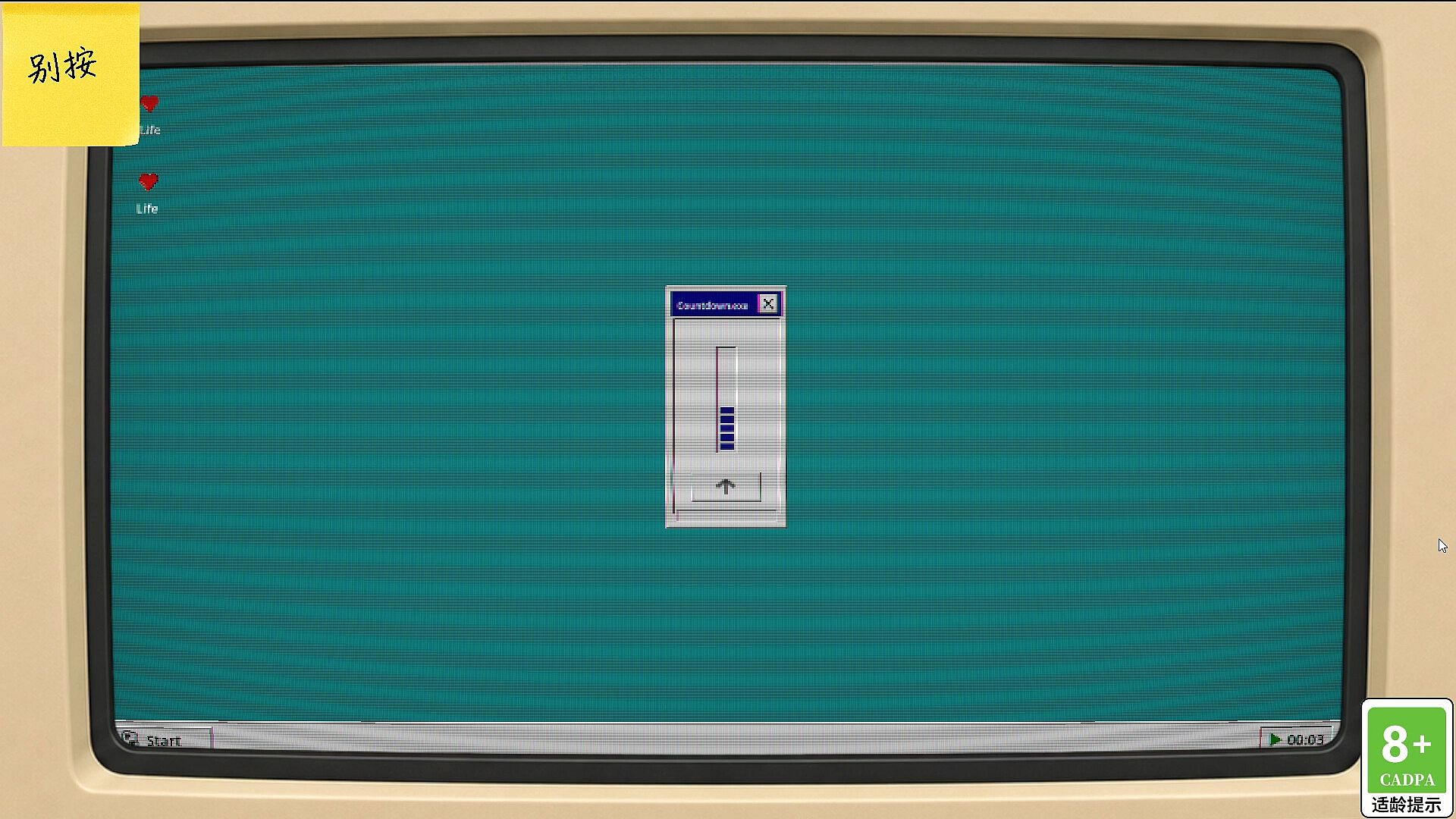

Keeping Up is a strategy indie casual game that challenges players to juggle the demands of work, daily life, health, relationships, and personal dreams through a unique multi-window time-management roguelite format on PC. Set against a chaotic retro computer desktop, the experience requires constant attention to prevent progress bars from draining completely and causing system crashes. Life moves forward without pauses, so success depends on rapid window switching, precise interactions, and strategic planning to maintain balance across competing systems.
Gameplay
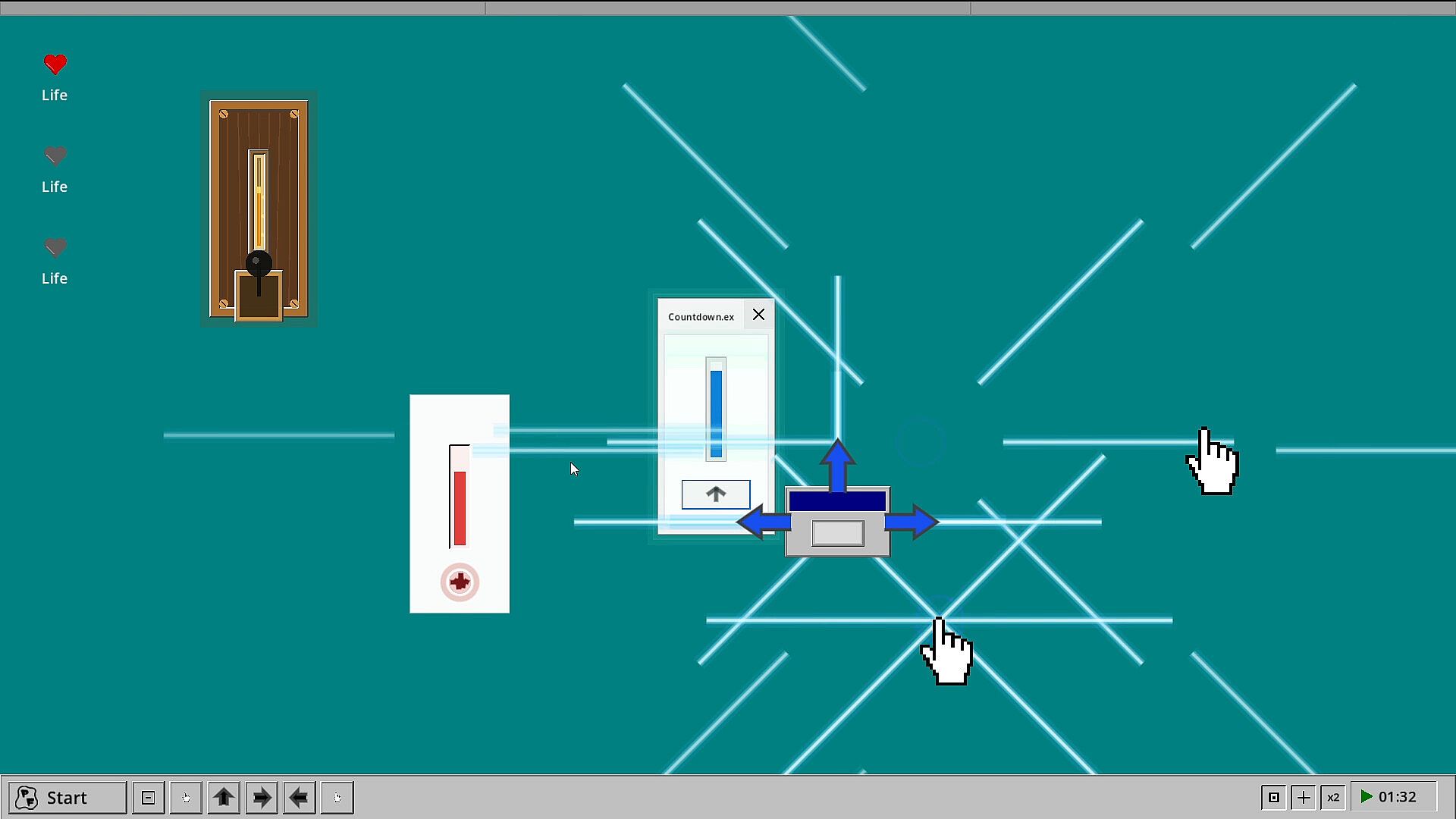
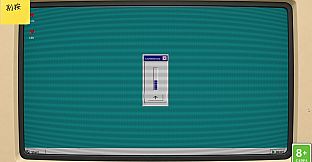
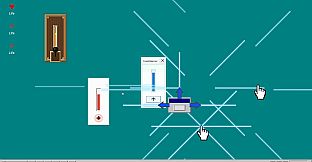
The core loop revolves around monitoring multiple program windows, each representing a different aspect of life with its own draining progress bar. Players must switch between these windows quickly to apply the right kind of attention at the right moment. Some tasks demand repeated clicks to advance work progress, while others involve waiting through cooldown periods for daily-life activities. Health maintenance requires holding a button steadily, and relationship elements call for timely message responses. Special interactions add layers of complexity through calculations, precise timing, and scratch-off panels that reveal hidden elements.
As runs continue, additional windows open and the overall pace intensifies, forcing players to prioritize and multitask under increasing pressure. The retro visual style draws from classic Windows interfaces like 3.1, 95, XP, 7, and 10, complete with CRT effects, authentic system sounds, and dramatic animations when windows crash. This setup creates a tense yet familiar atmosphere where every decision impacts the stability of the entire desktop.
Game Modes
Standard Mode provides a tightly paced session focused on completing stages while managing the growing number of windows and demands. Players progress through structured challenges that test their ability to keep everything running without failure. Endless Mode builds on this foundation by increasing difficulty over time, pushing the limits of how long a single run can last amid escalating chaos.
Both modes emphasize the same core mechanics but differ in structure and duration. Standard Mode suits focused attempts at mastery, while Endless Mode appeals to those seeking extended sessions of escalating tension and adaptation.
Build Systems and Progression
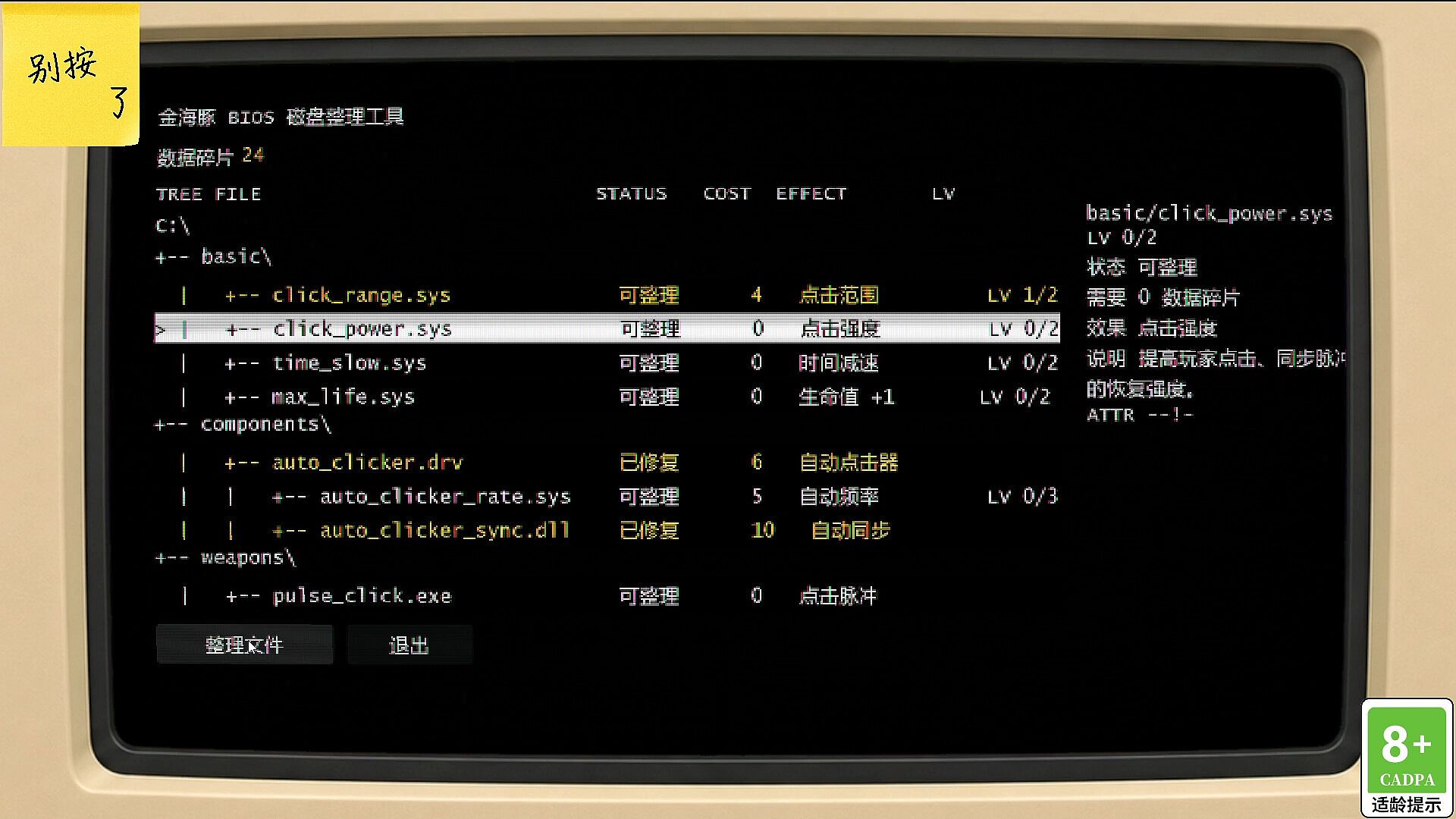
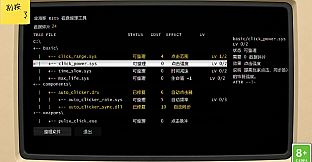
Between runs, players collect Data Fragments from each attempt, which feed into a BIOS-inspired disk utility for permanent upgrades. These fragments allow repairs to upgrade files that expand clicking range, boost recovery power, grant extra lives, and unlock new components along with varied pulse effects. This meta-progression ensures that failures contribute to long-term growth rather than pure repetition.
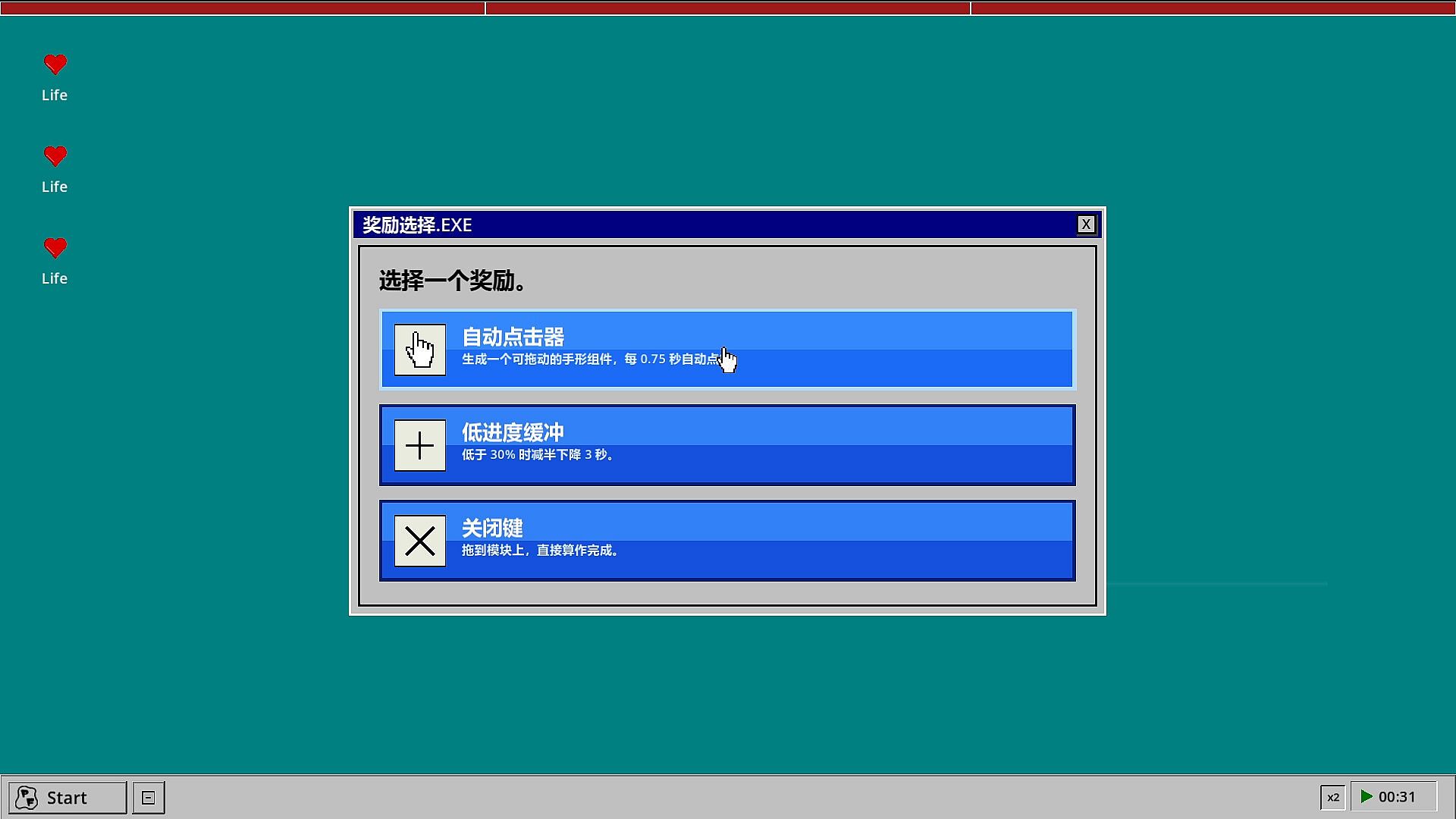
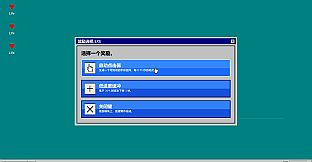
During runs, randomized rewards appear after completing stages. Options include improvements to clicking range, better recovery rates, slowed drain on endangered windows, or pulses that launch from clicks and travel across the desktop. Unusual components further customize approaches, such as auto-clickers for hands-off maintenance, directional arrows that convert windows into pulse emitters, reflection windows to redirect pulses, and tools for pausing, closing, or fast-forwarding critical situations. Window placement and component layouts become strategic elements, turning the desktop into an interconnected network that sustains itself through careful engineering.
Is It Worth Playing?
Keeping Up suits players who enjoy roguelite elements combined with time-management challenges and retro aesthetics. The permanent progression system rewards persistence even after failed runs, while the build variety encourages experimentation with different component combinations and pulse strategies. Those drawn to singleplayer experiences that blend quick decision-making with longer-term planning will find the mechanics engaging across multiple attempts.
The game delivers a focused experience centered on desktop management without extraneous features, making it a solid choice for fans of indie strategy titles that emphasize mechanical depth over broad scope. Availability on PC ensures accessibility for those interested in its distinctive window-based approach to balancing life demands.