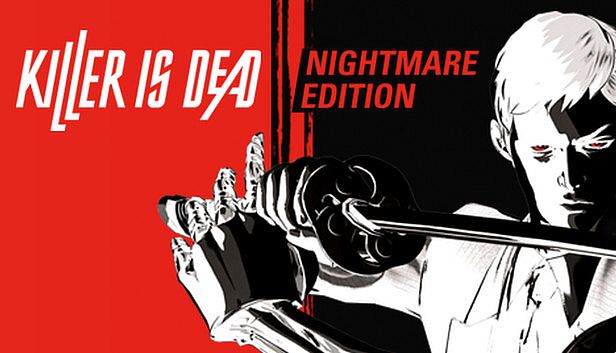













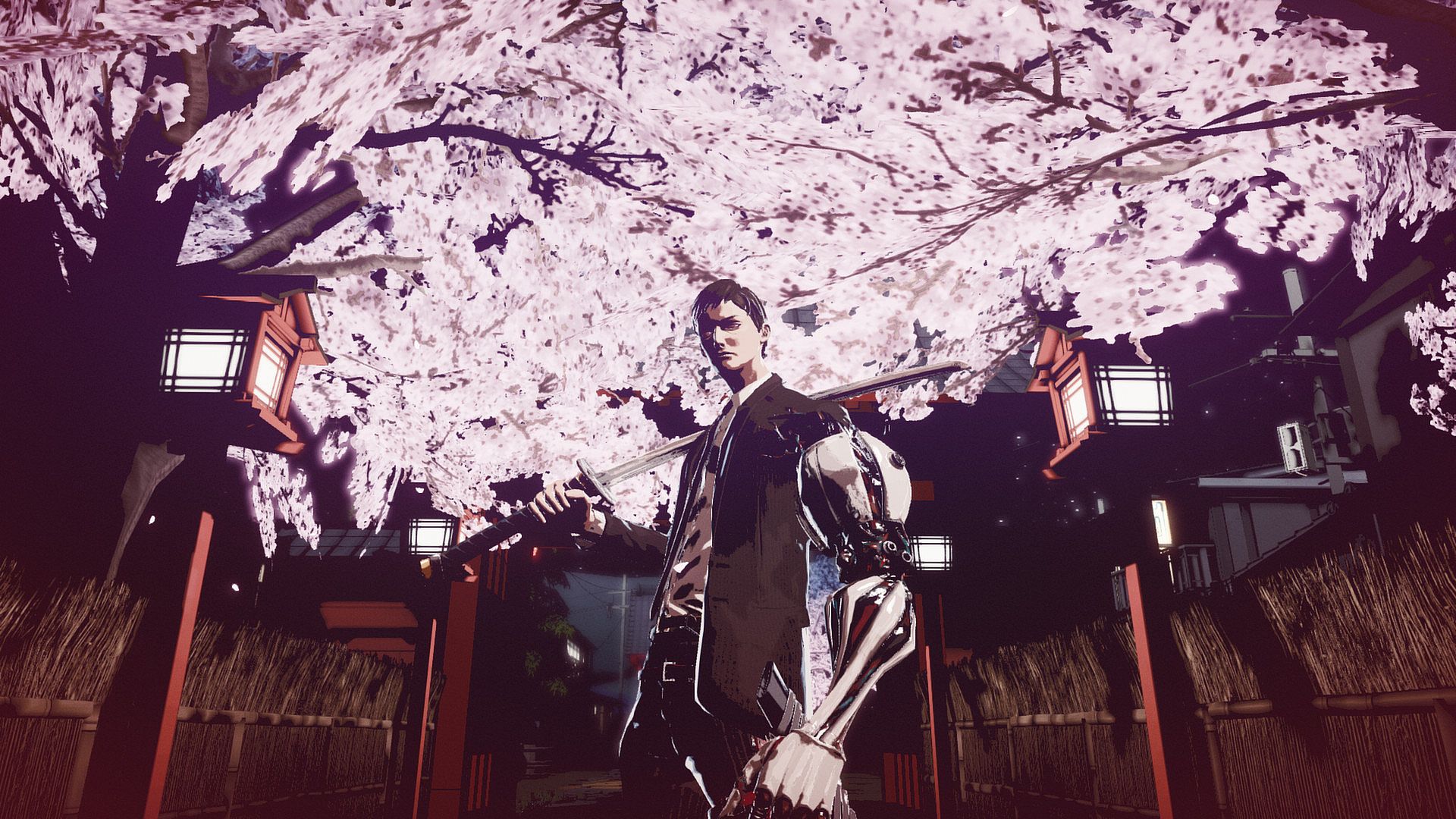
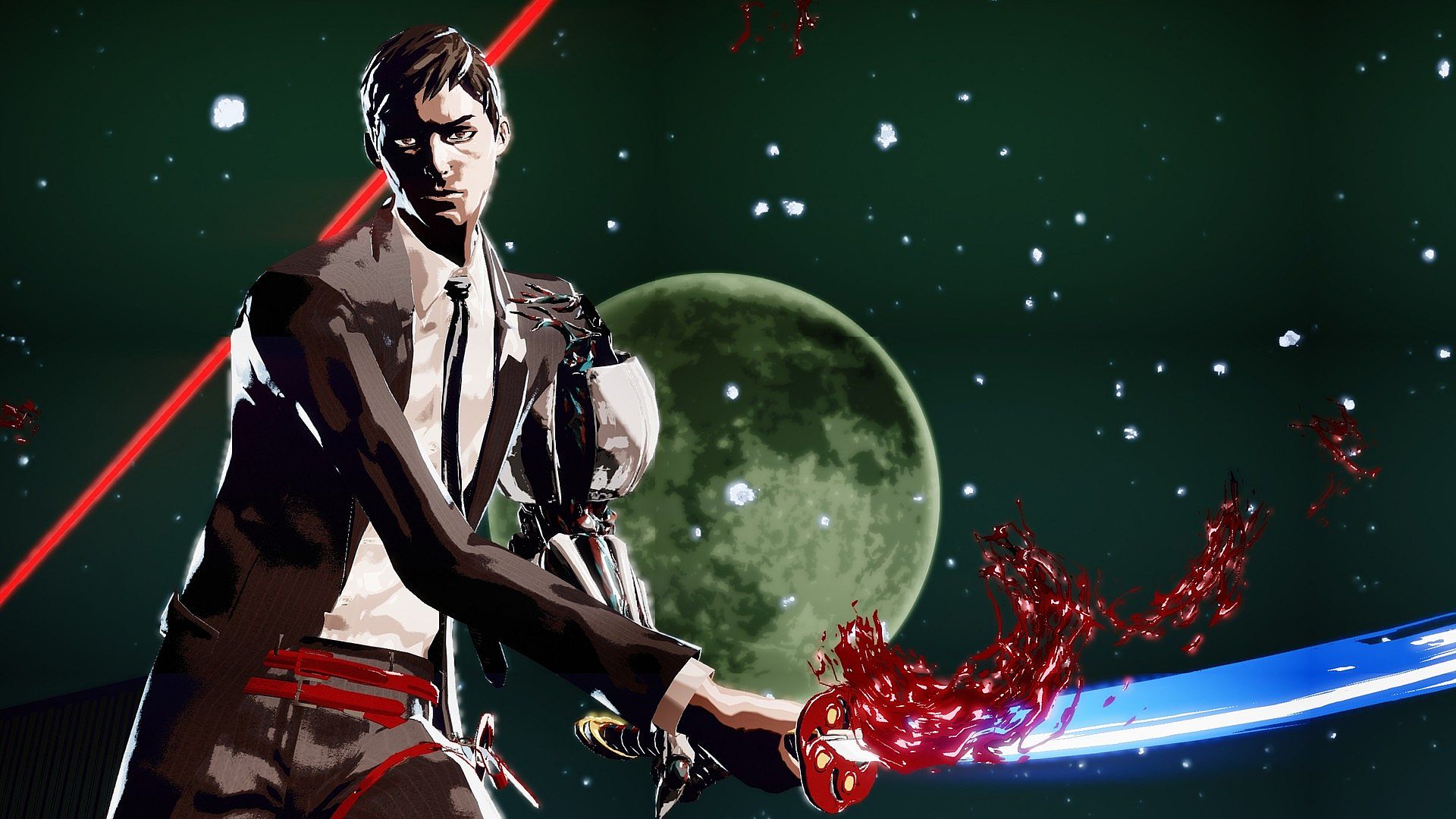
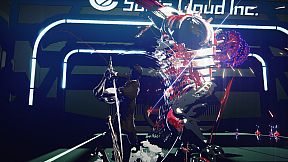
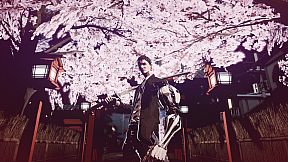


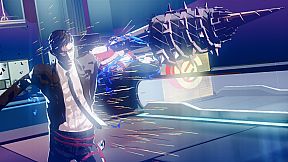
Killer is Dead Nightmare Edition is a singleplayer action game centered on third-person combat that blends hack and slash melee with shooter elements. Players step into the role of Mondo Zappa, a professional executioner navigating a stylized world filled with bizarre enemies and missions that emphasize precise timing and aggressive offense.
Gameplay
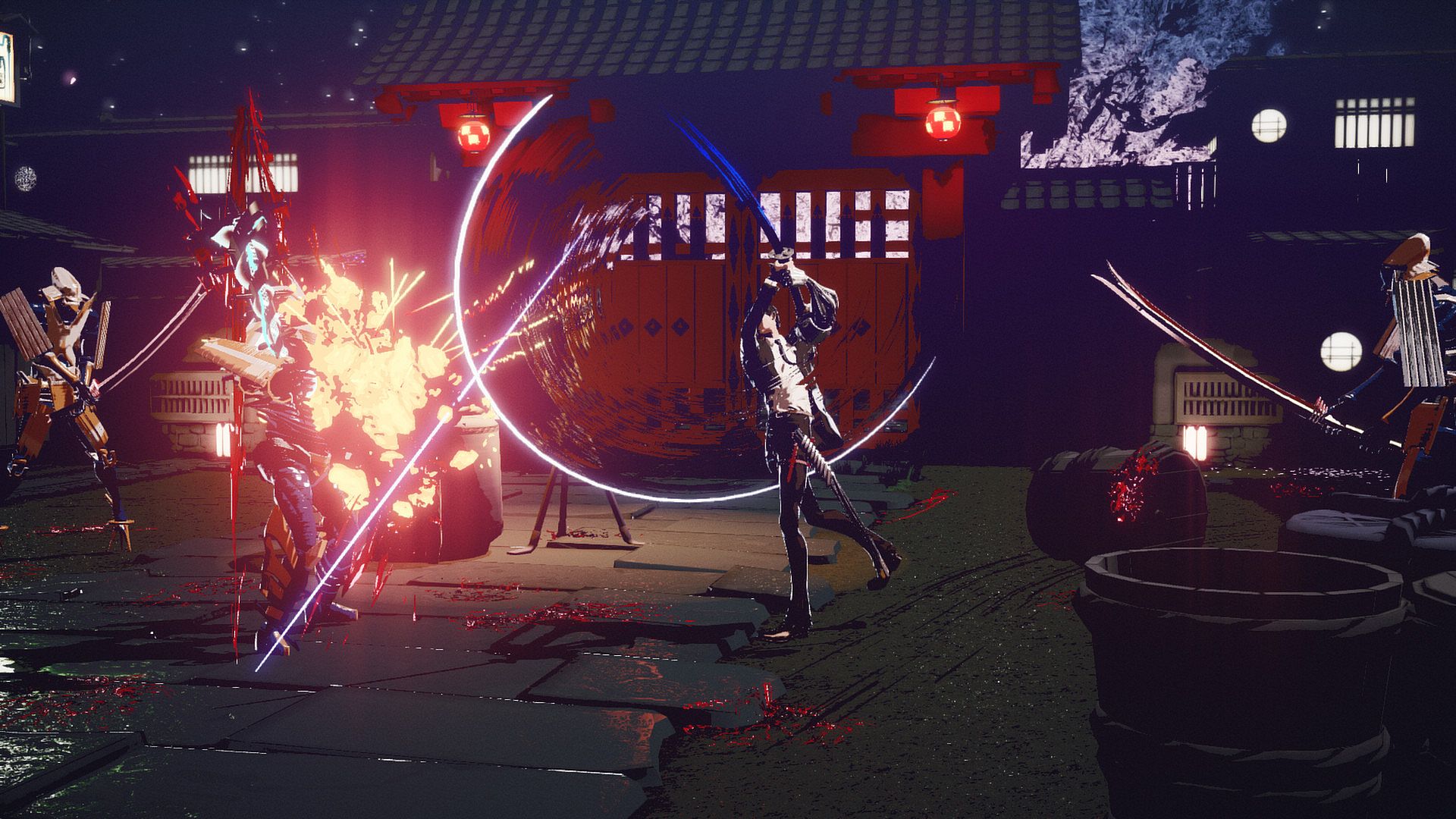
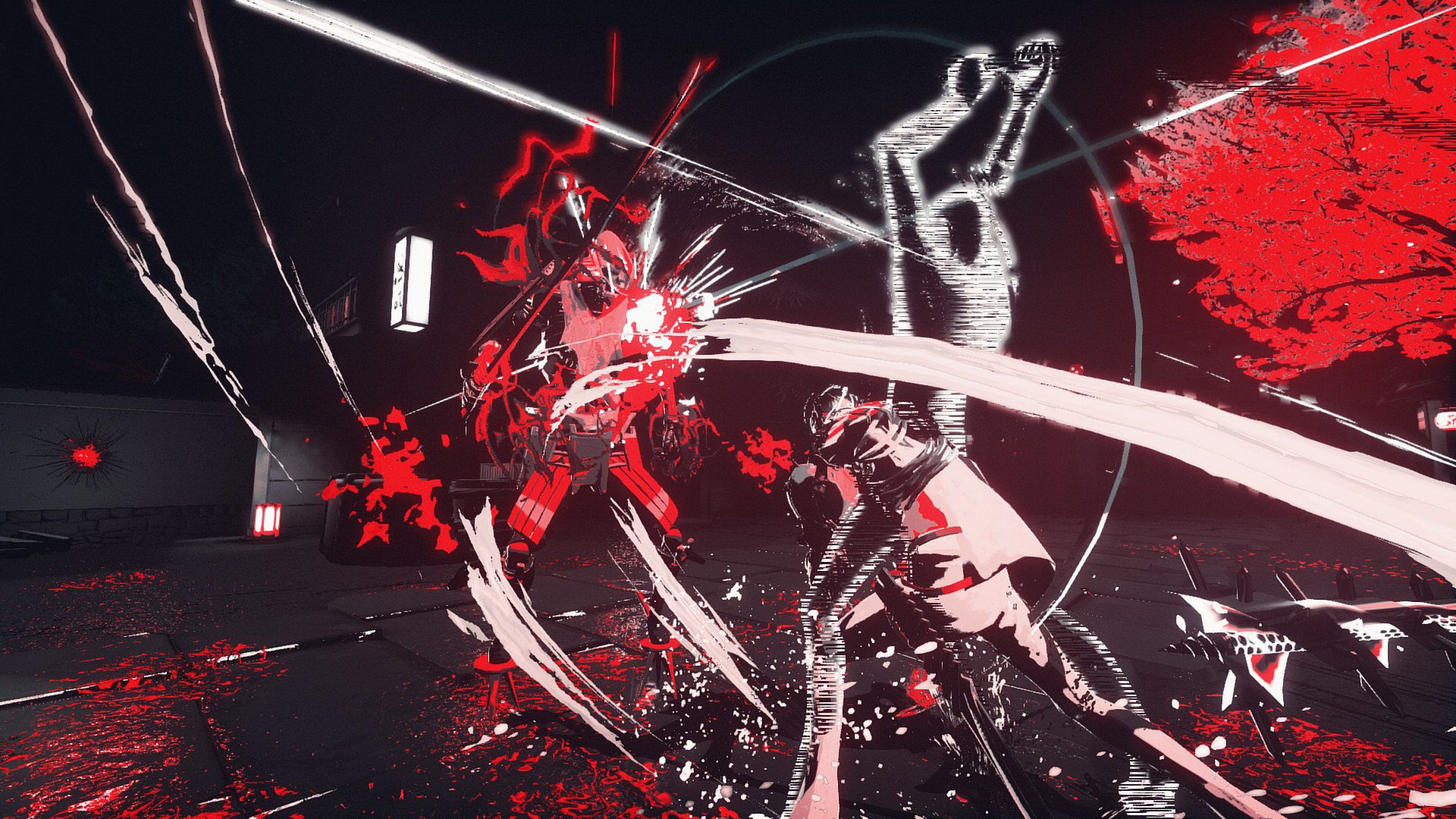
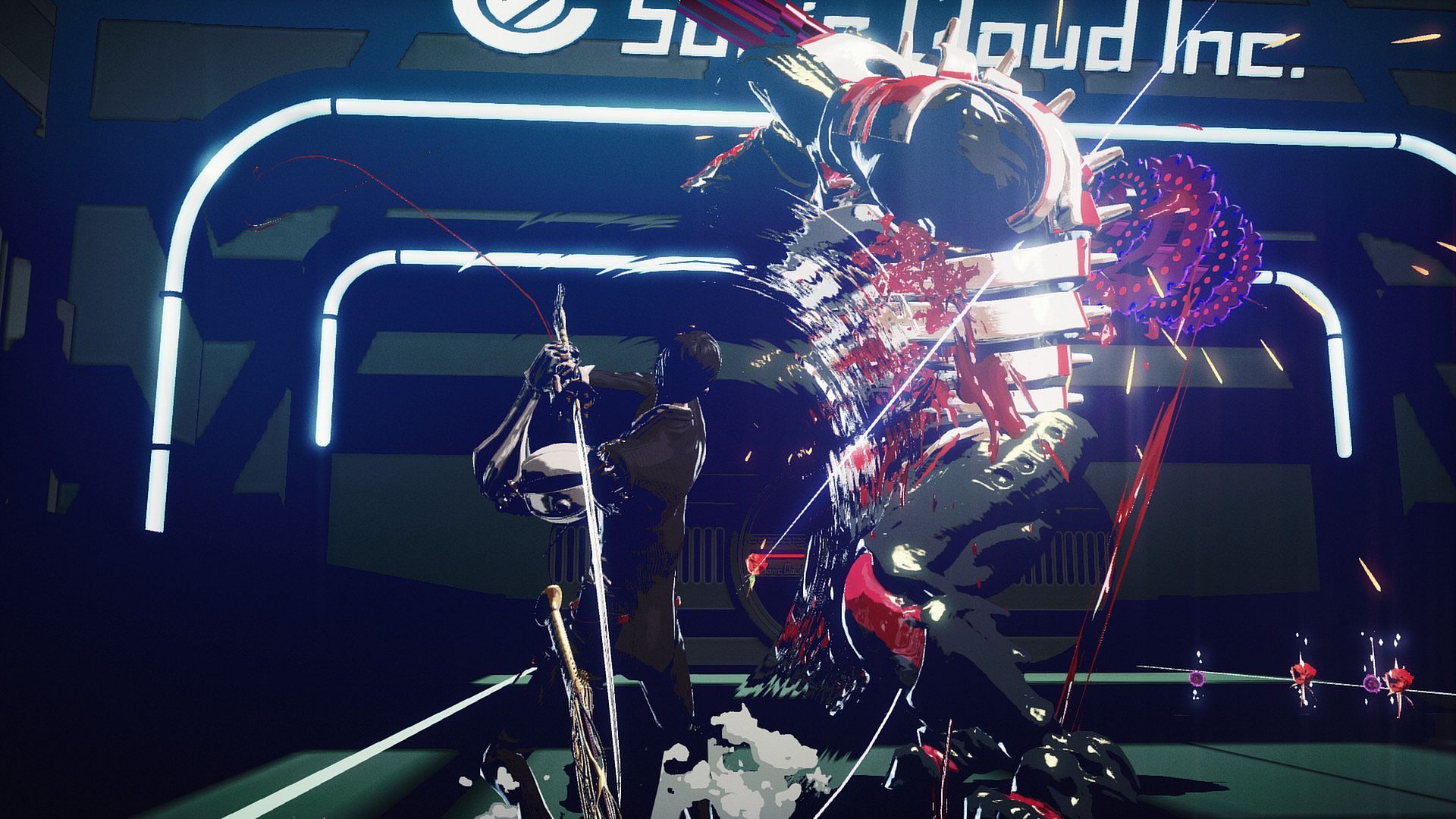
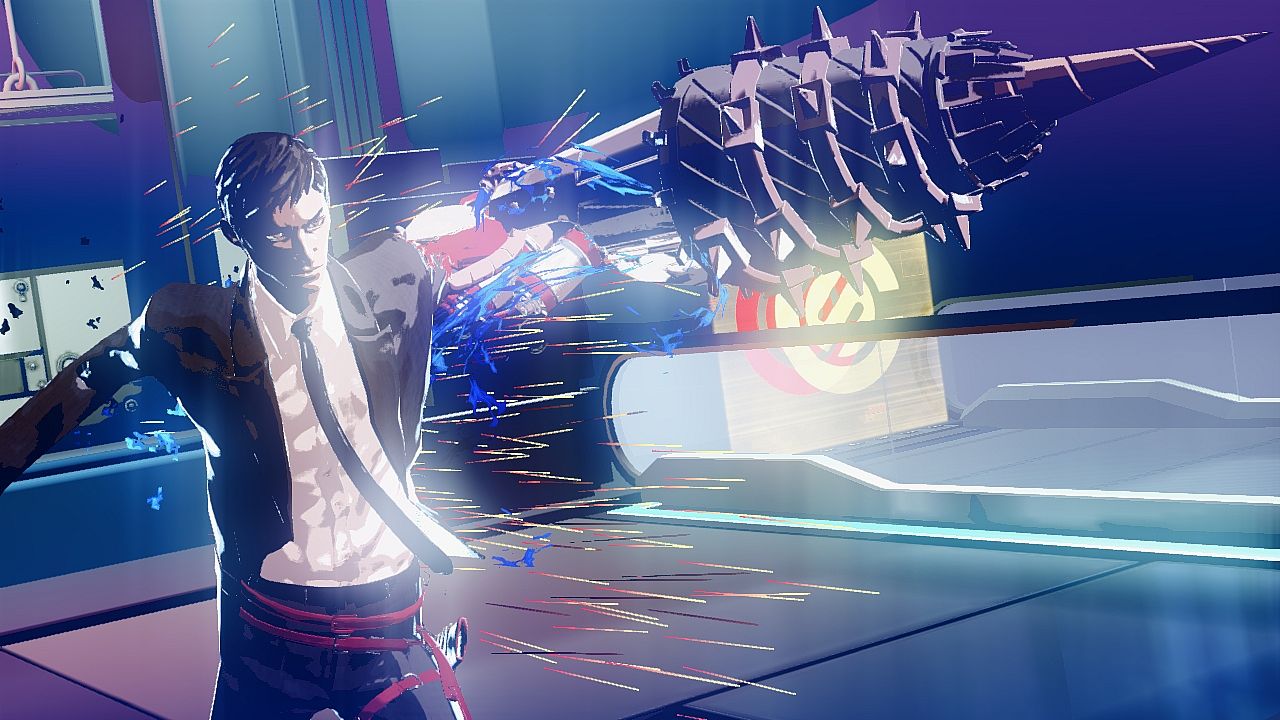
The core loop revolves around fast-paced encounters where Mondo wields a katana for close-range slashes alongside firearms for ranged attacks. Combat rewards building long combos through chained strikes, while dodging enemy blows opens opportunities for powerful counter moves. Adrenaline Burst delivers high-damage bursts after successful dodges, and headshots provide critical ranged options that punish exposed foes. A combo meter tracks performance, and reaching high thresholds can trigger special finishers when conditions align. The system demands attention to positioning and attack windows rather than button mashing, creating a rhythm that feels deliberate and skill-based.
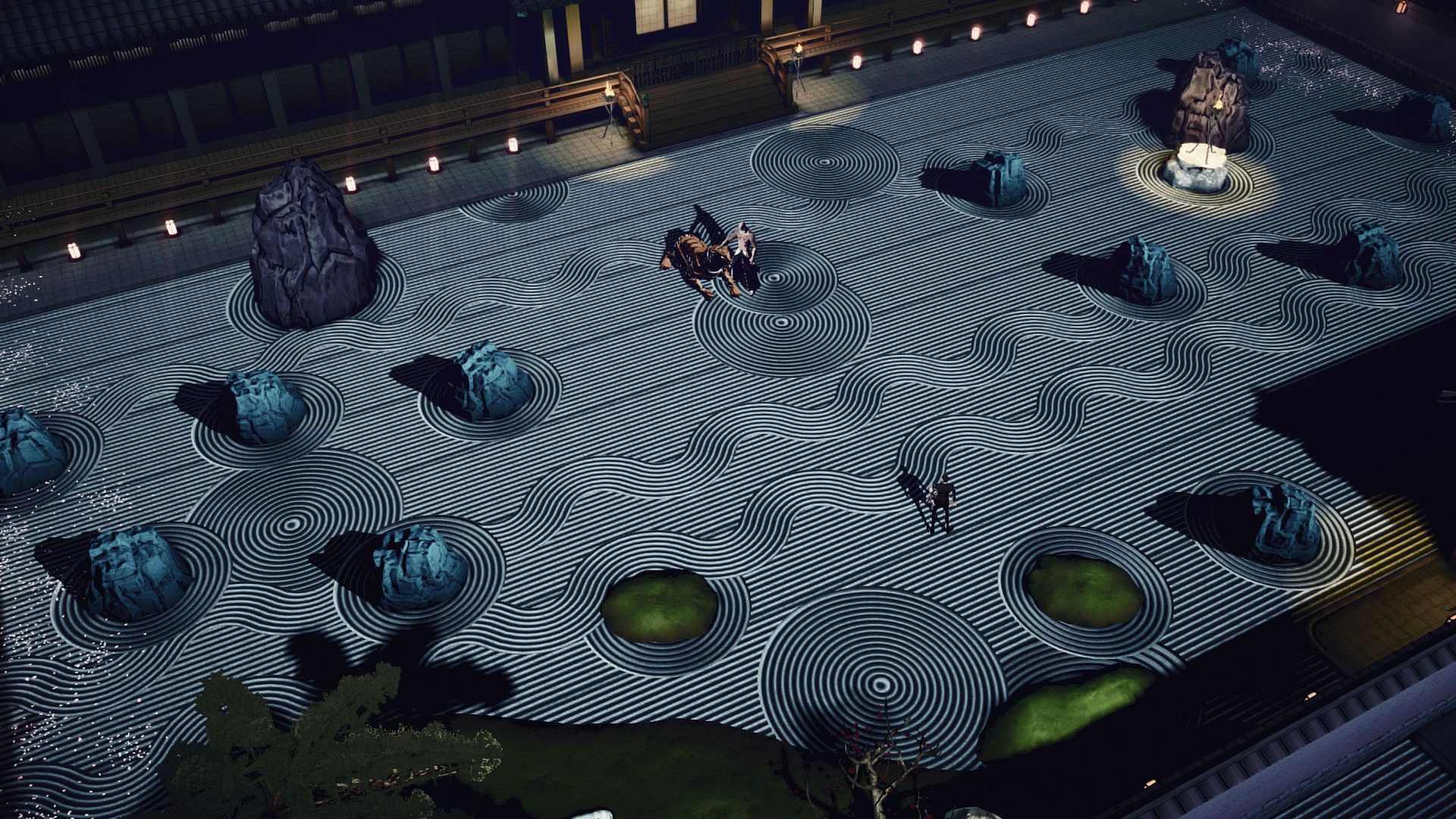
Movement and targeting keep the action fluid across varied mission environments. Players manage health and resources while adapting to enemy patterns that range from aggressive rushes to projectile assaults. The emphasis stays on direct confrontation, with little room for stealth or resource gathering outside combat itself.
Game Modes
Standard play follows a linear sequence of missions that advance the main objectives. Difficulty settings adjust enemy aggression and damage output, allowing players to scale the challenge from accessible to punishing. Nightmare Mode stands out as the edition's signature addition. In this setting, every enemy requires one of three specific attacks for elimination: Adrenaline Burst, Dodge Burst, or headshots. The Final Judgment quick-time finisher is disabled entirely, forcing reliance on core mechanics and precise execution throughout each fight.
Theater Mode provides a separate space for reviewing completed story sequences. It includes additional character background details that expand on events and motivations after an initial playthrough, supporting a more complete understanding of the narrative without altering gameplay flow.
Combat Depth and Progression
Progression ties directly to combat performance. Higher combo counts and efficient use of the three key attacks in Nightmare Mode unlock a sense of mastery over the systems. Regular difficulties allow experimentation with the full move set, including the QTE finisher, while Nightmare strips those options to highlight fundamentals. Enemy variety tests different aspects of the toolkit, from groups that demand area control to tougher individuals that require sustained pressure and timing.
Controls support keyboard and mouse input on PC, though the design prioritizes responsive action over complex bindings. The overall structure keeps sessions focused on repeated mission attempts to refine technique rather than open exploration or side activities.
Is It Worth Playing?
This edition suits players who enjoy stylish, combo-driven action games that reward mechanical precision over narrative depth or multiplayer features. The Nightmare Mode adds a distinct layer of challenge for those seeking tighter tactical demands, while Theater Mode offers optional story expansion for completionists. Reception on major platforms shows mostly positive user feedback, with praise centered on the combat feel and visual style despite criticisms of repetitive enemy encounters and level pacing.
Those drawn to singleplayer experiences with a strong emphasis on direct, skillful fighting will find the most value here. The game remains available as a complete package with no ongoing seasonal content or required updates, making it a straightforward choice for targeted play sessions rather than long-term engagement.