


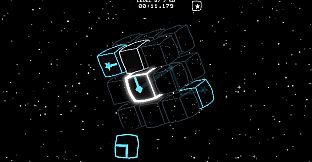
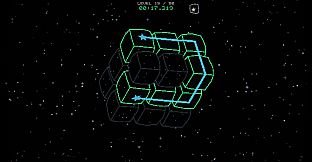
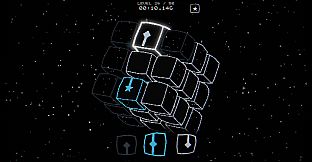
Kubo is a three-dimensional puzzle game that challenges players to rebuild fractured paths through space by arranging route cards on the faces of a cube. Developed as an indie casual title for PC, it focuses on spatial reasoning and precise placement to connect stars and complete networks across multiple layers and sides.
Gameplay
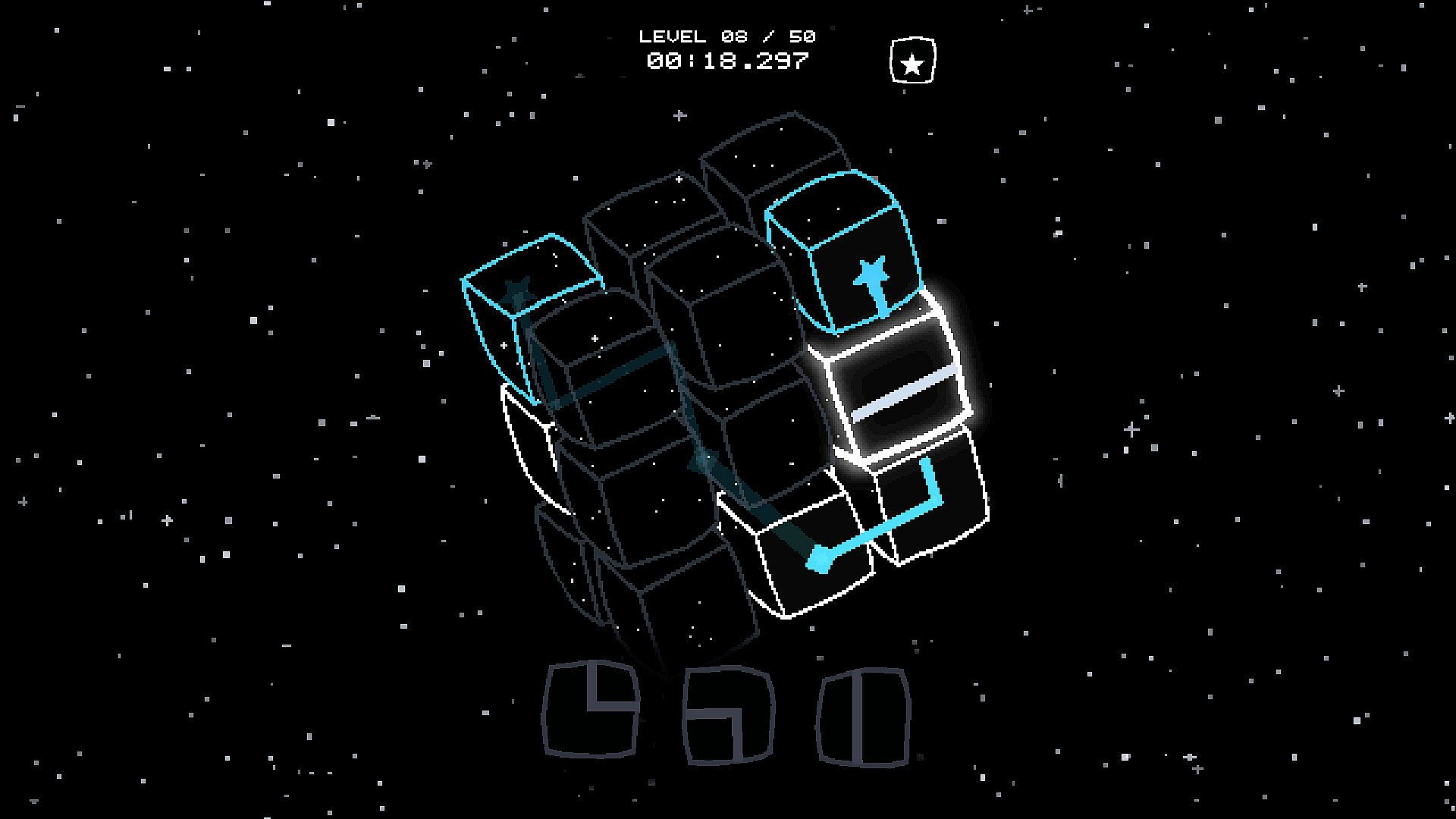
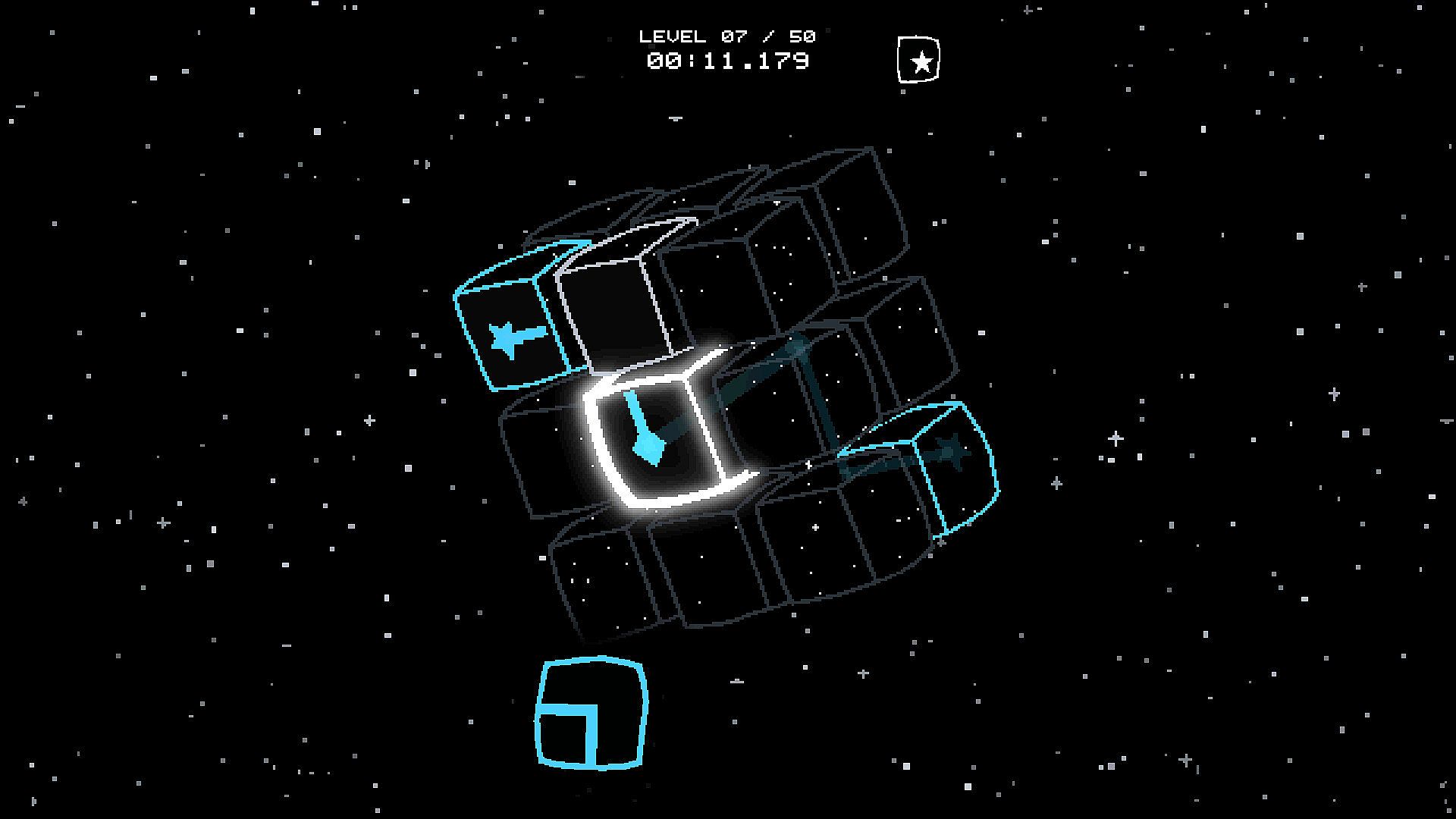
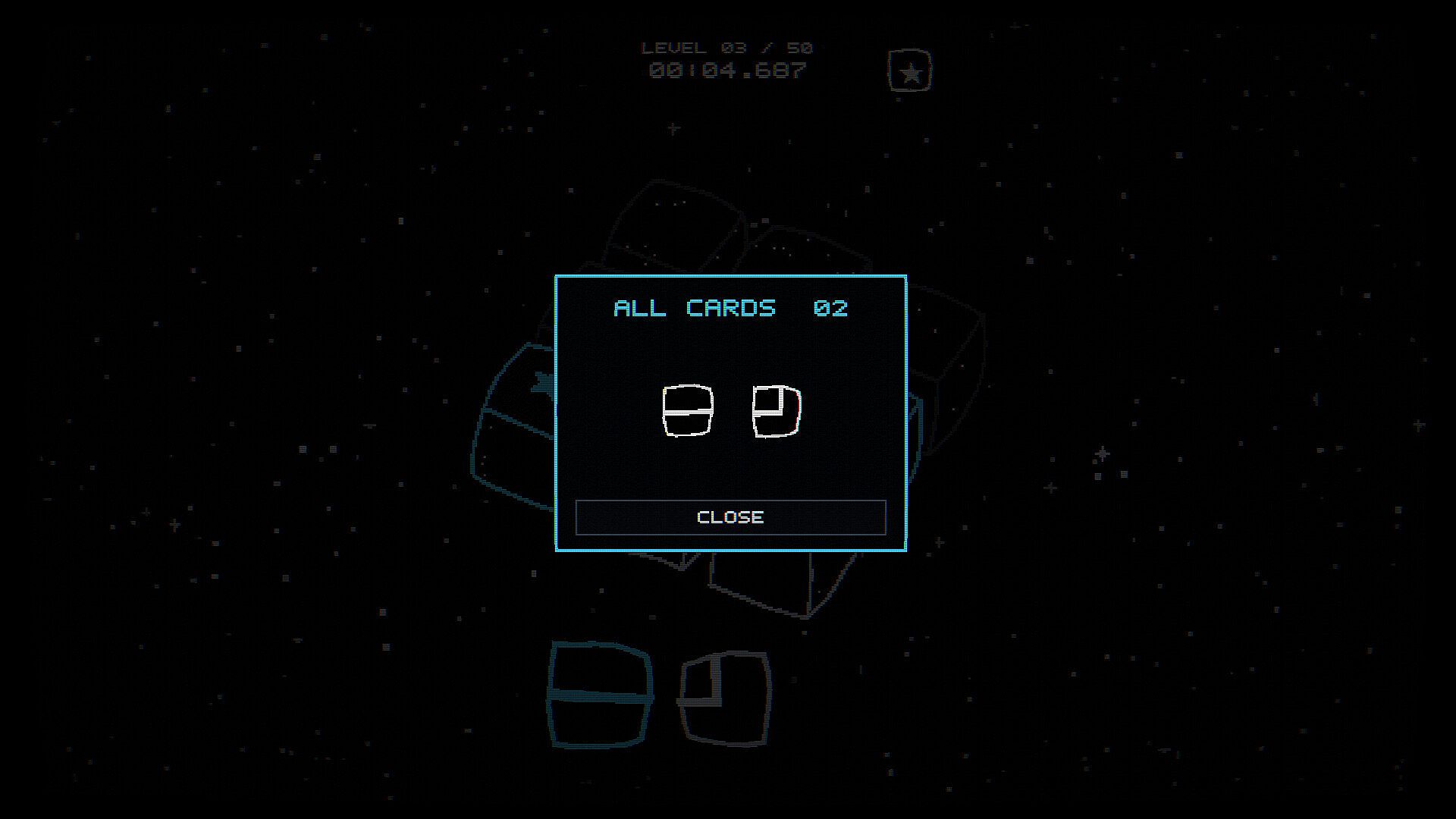
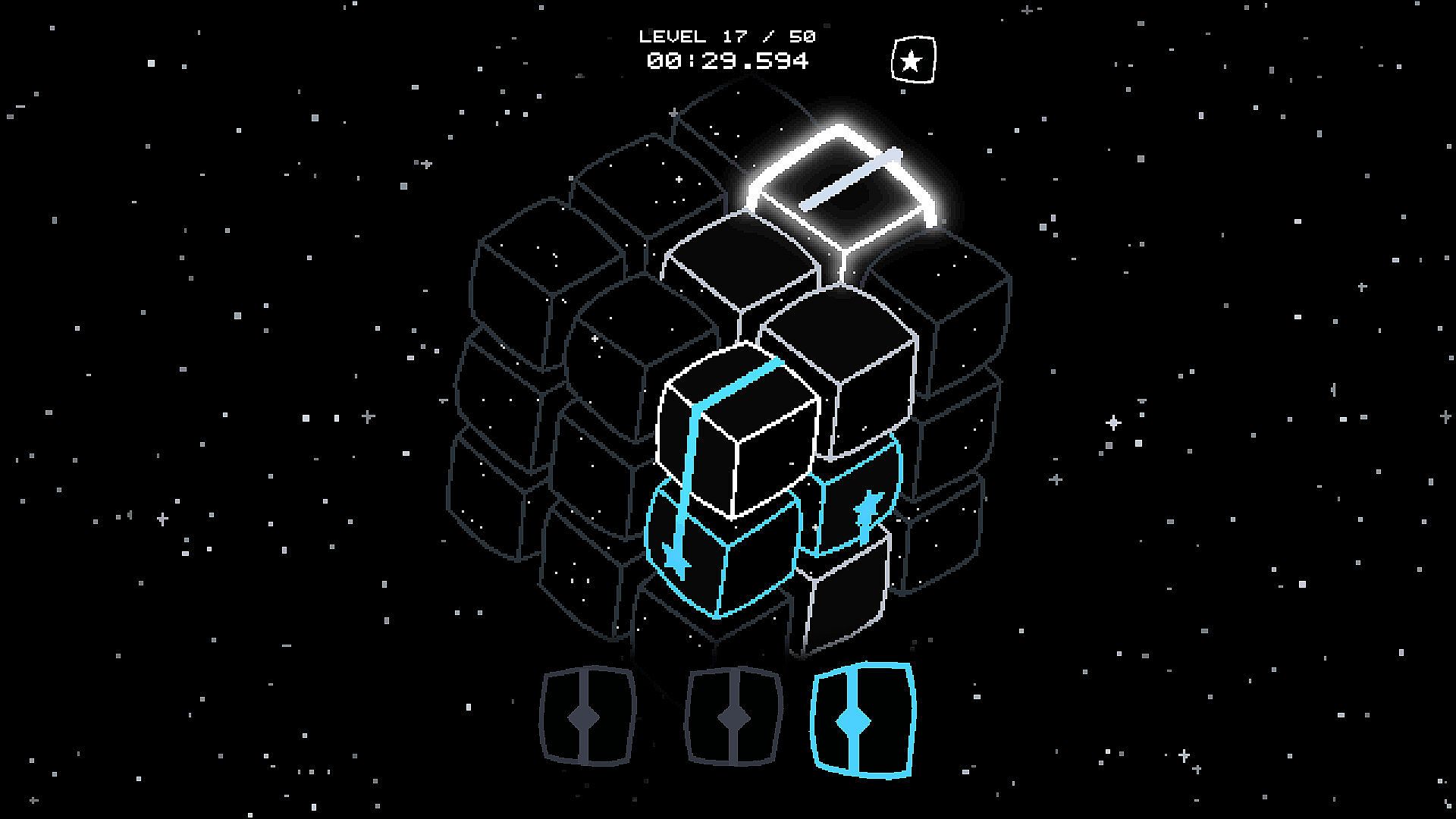
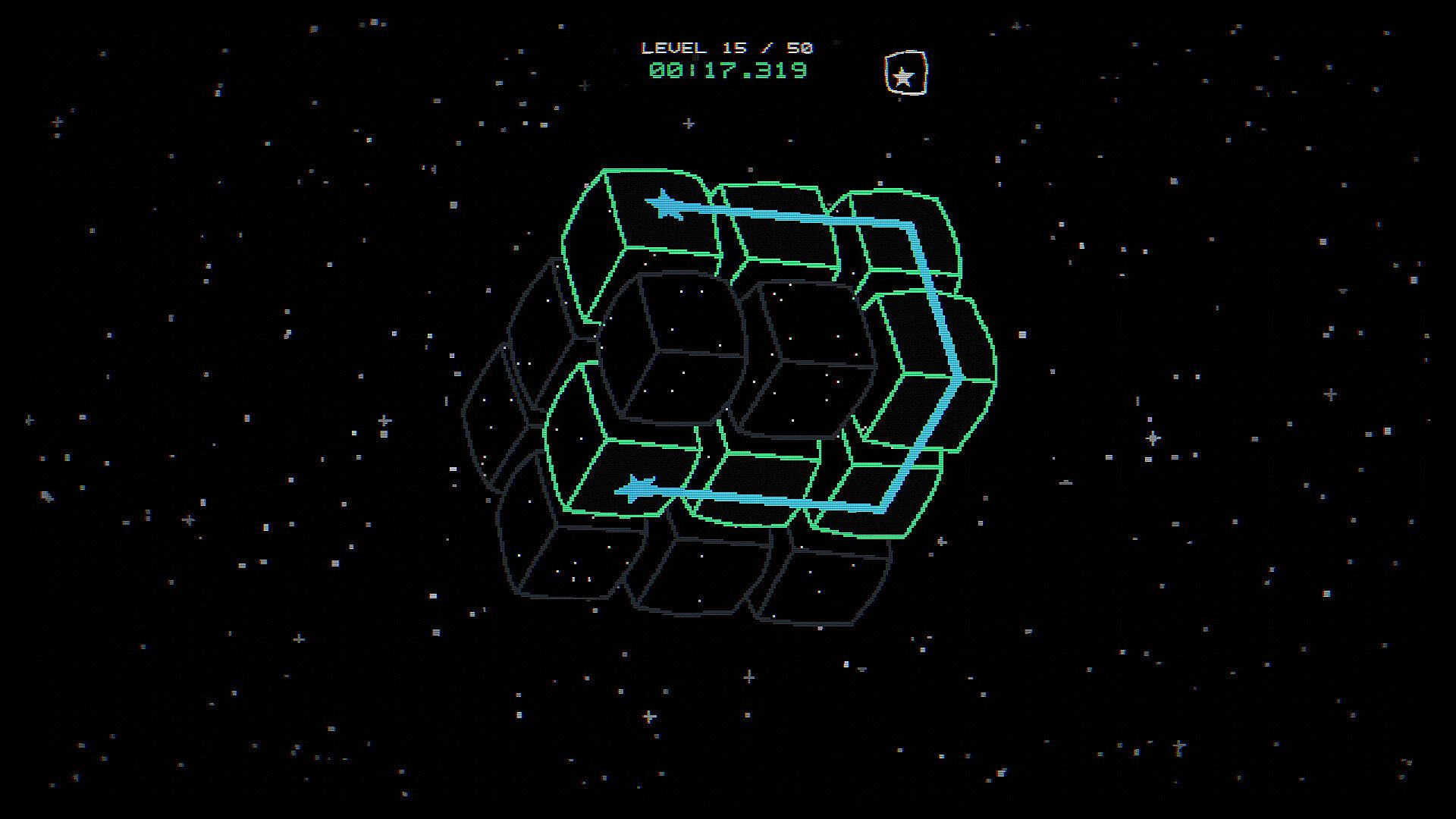
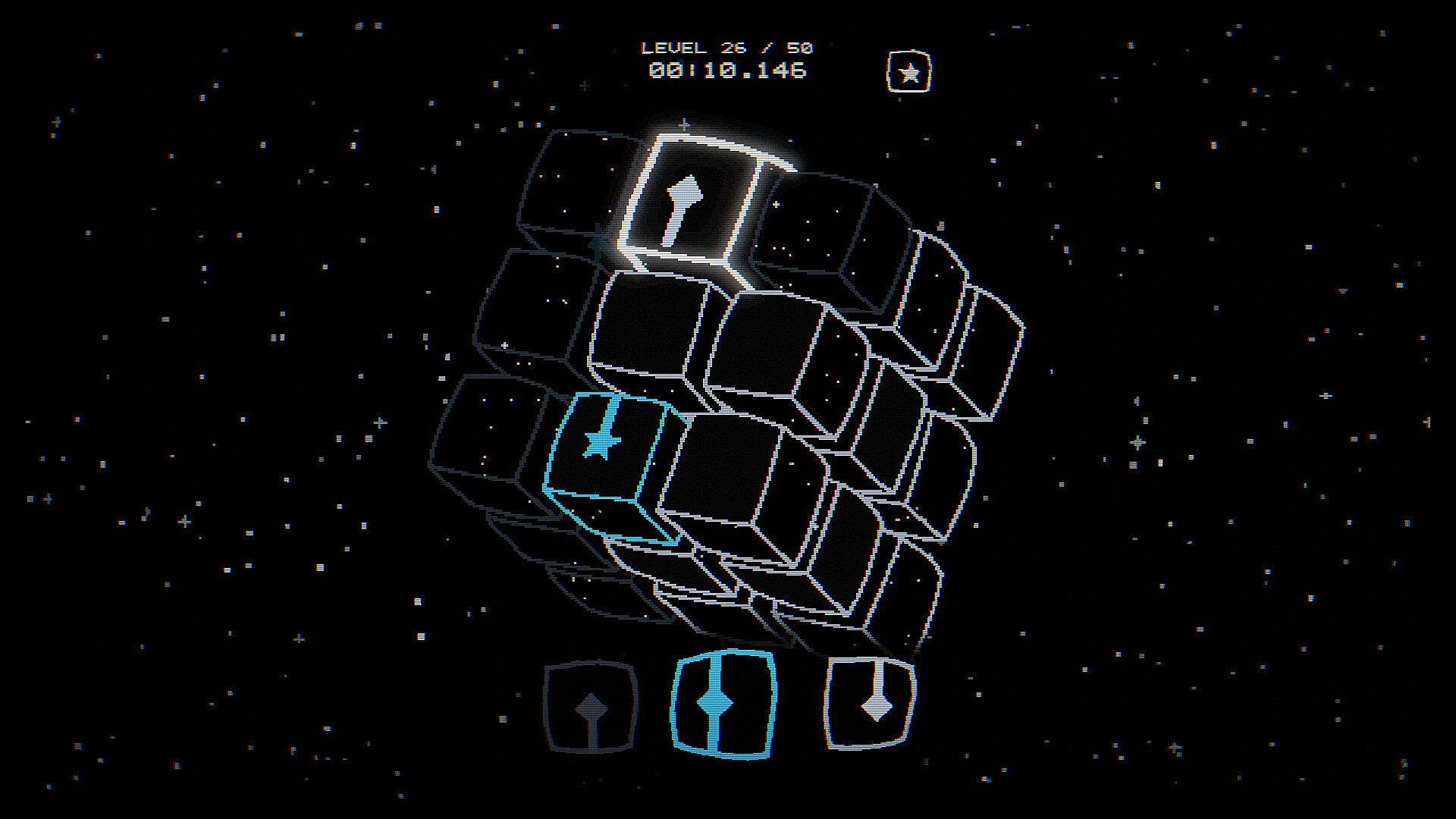
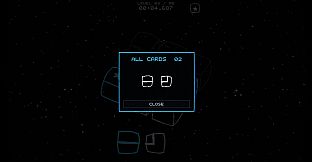
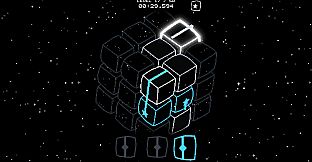
The core loop centers on placing and rotating route cards onto the six faces of a cube. Each card features paths such as straight lines, corners, crossings, tunnels, or edge-wrapping routes that must align correctly to link stars and fill every required Kube. Levels begin with a fixed arrangement of stars and a randomized selection of cards, requiring players to experiment with orientations until a single continuous connection forms.
Puzzles expand in complexity as players advance. Early stages involve straightforward placements on individual faces, but later ones demand thinking across multiple sides simultaneously, accounting for interior connections and edge wraps. The three-dimensional nature means rotations affect visibility and path continuity from different angles, encouraging repeated adjustments until the network stabilizes.
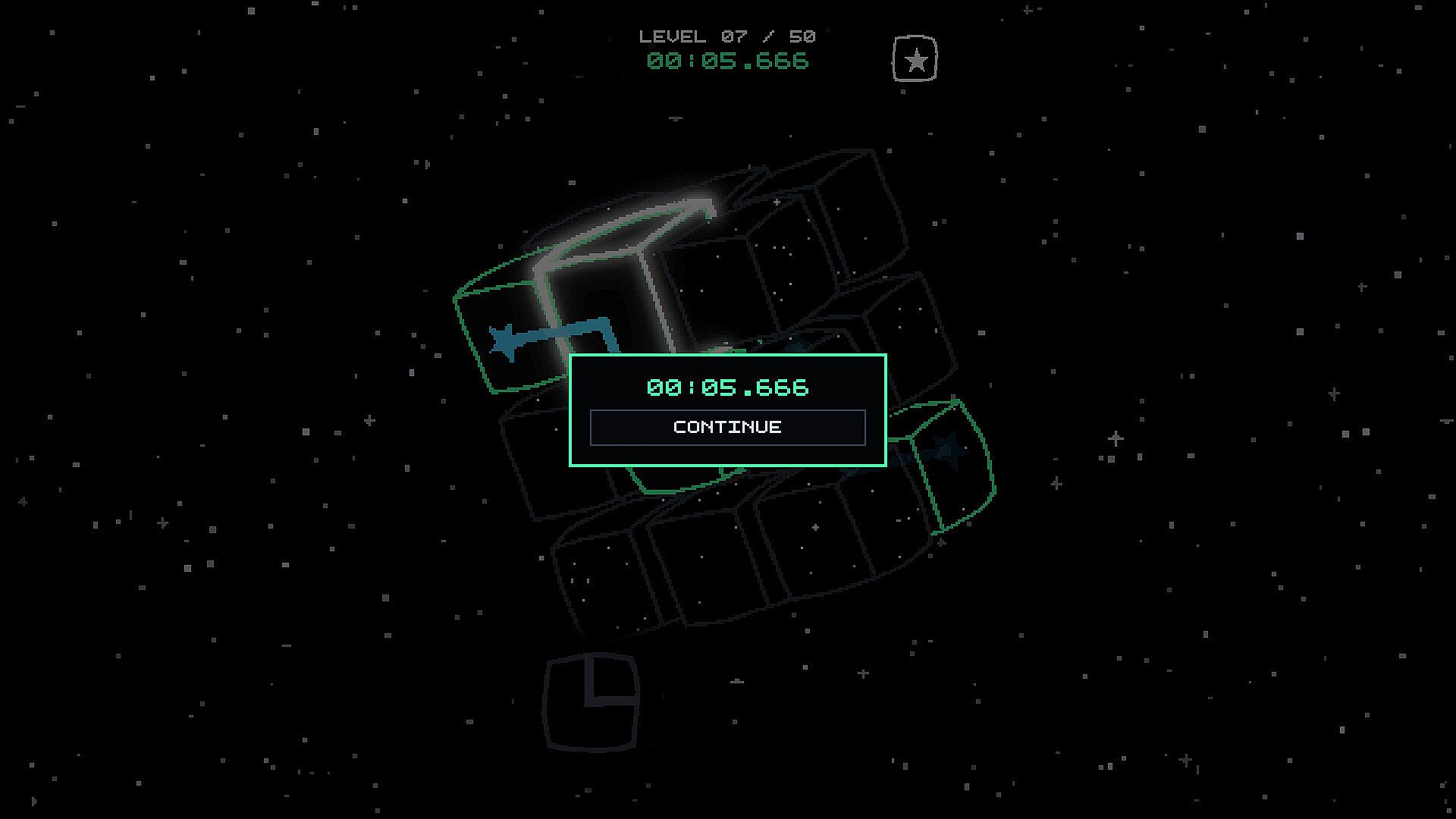
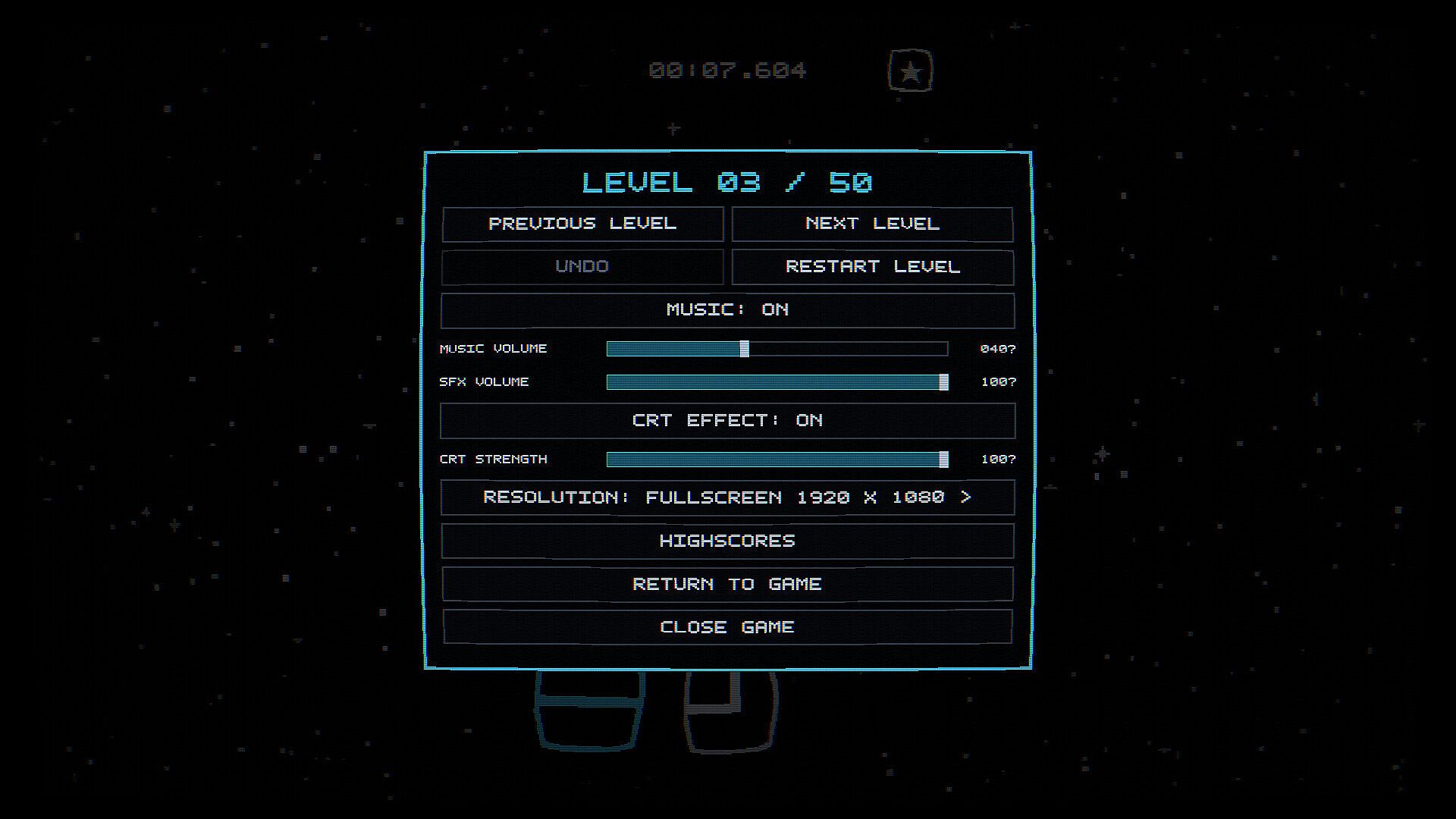
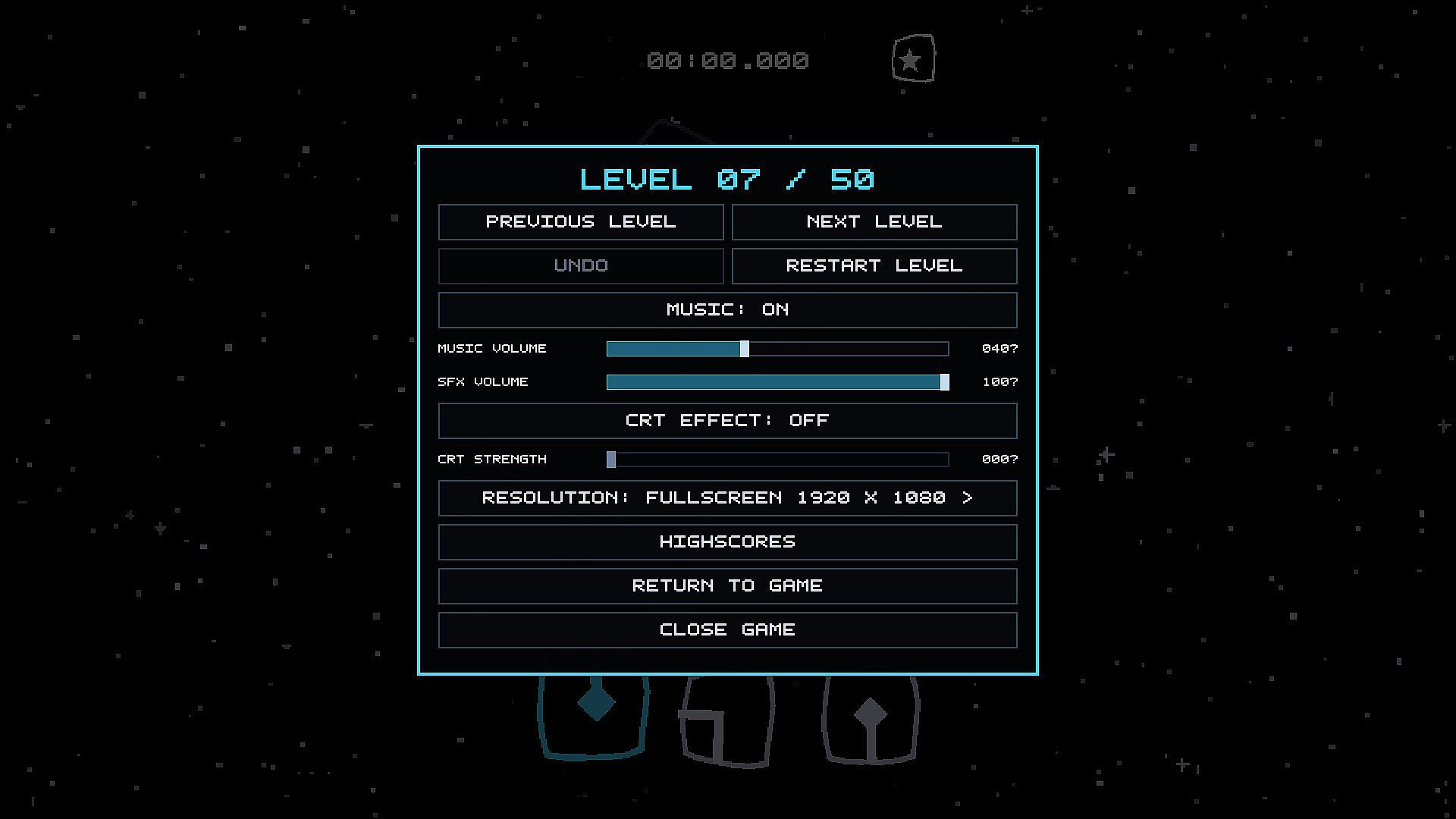
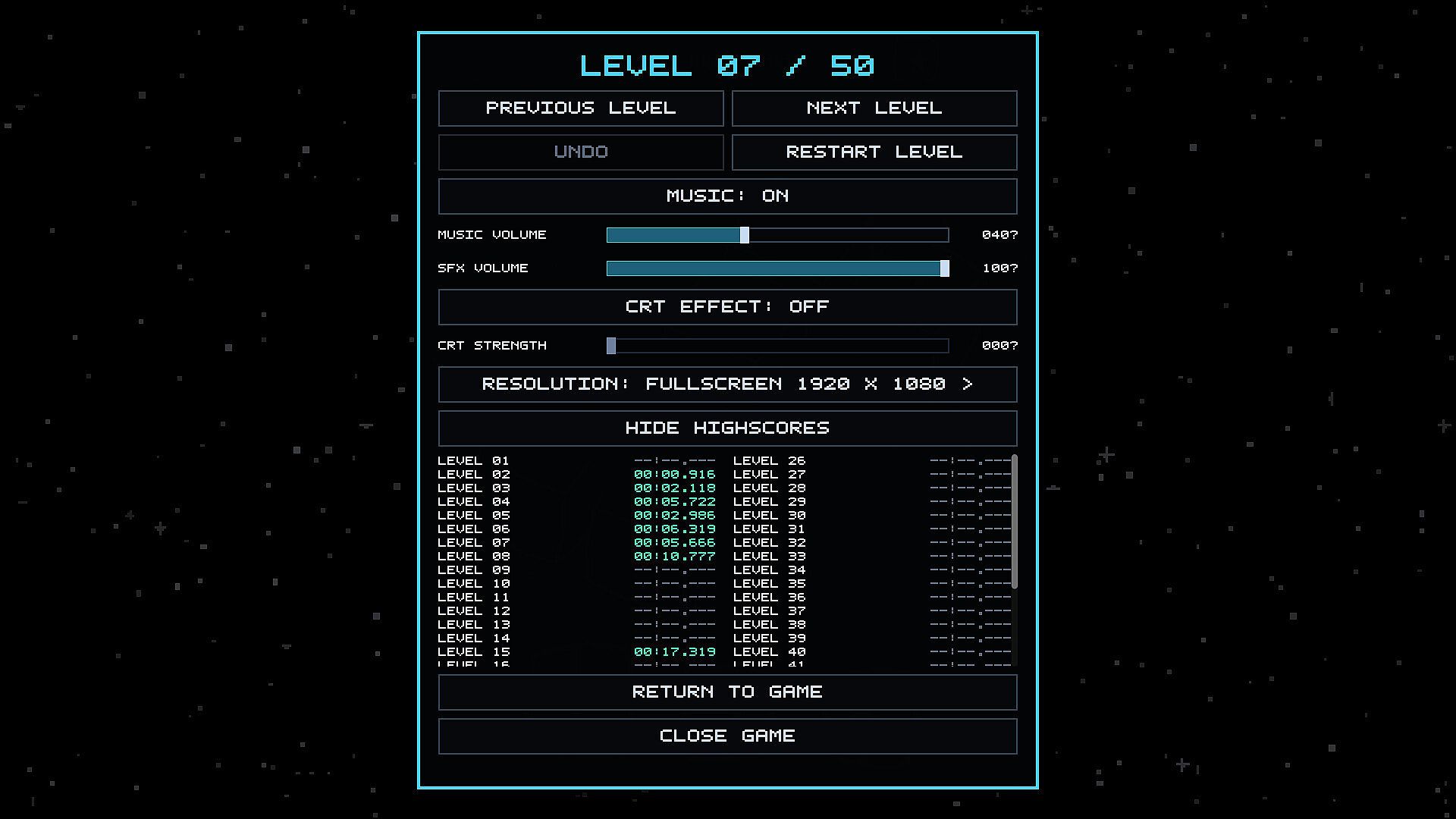
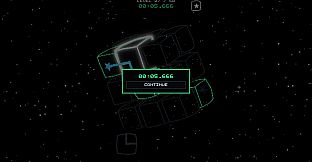
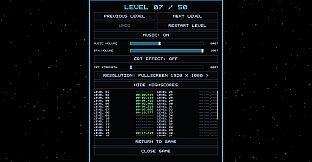
A PSX-inspired pixel-art style presents the cube against a drifting cosmic backdrop, keeping the focus on the mechanical puzzle elements rather than narrative distractions. Completed levels can be replayed to refine completion times, adding a layer of optimization for those who enjoy speed-focused challenges.
Game Modes
Kubo operates entirely as a single-player experience with no multiplayer components. The primary activity involves progressing through a sequence of handcrafted spatial puzzles, each presenting unique star configurations and card sets on the cube structure.
Progression follows a linear path of increasing difficulty, where players solve puzzles one at a time. There are no separate modes such as time trials or endless variants beyond the built-in replay option for improving personal bests on solved levels. The emphasis remains on methodical placement and rotation to achieve complete connections.
Visual Style and Presentation
The game employs a retro pixel-art aesthetic reminiscent of early PlayStation titles, rendered in three dimensions to highlight the cube's geometry. This visual approach pairs with a minimalist cosmic environment that drifts subtly in the background, providing atmosphere without interfering with puzzle visibility or card details.
Controls focus on intuitive selection, placement, and rotation of route cards directly onto cube faces. The interface supports clear inspection of all six sides, allowing players to verify alignments from multiple perspectives before committing to a configuration.
Is It Worth Playing?
Kubo suits players who enjoy deliberate spatial puzzles that require visualizing connections across three dimensions. Its straightforward rules combined with expanding complexity across 50 or more levels make it accessible for casual sessions while offering depth for those who revisit stages to optimize solutions.
The absence of additional modes or ongoing content updates keeps the experience contained and focused on the core puzzle mechanics. Those drawn to games involving path-building and geometric problem-solving will find consistent engagement in arranging routes to link stars and complete Kubes on the rotating cube.
Overall, the title delivers a self-contained puzzle challenge best suited for short to medium play sessions on PC, rewarding careful observation and trial-and-error adjustments without extraneous features.