




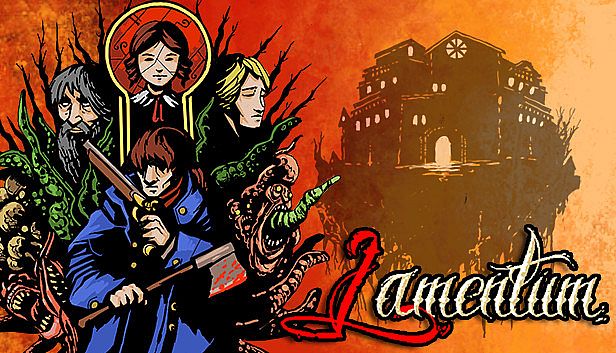











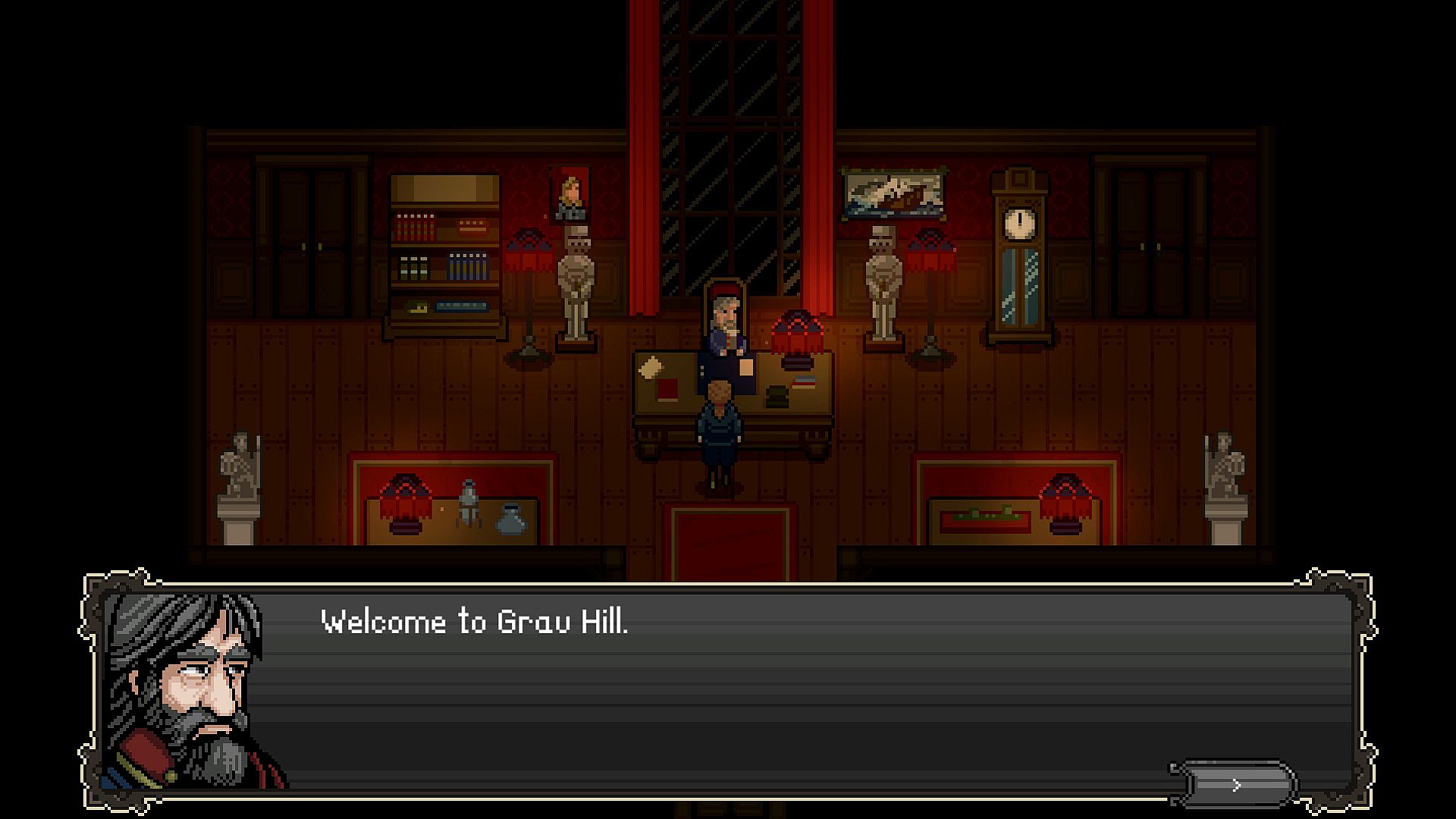
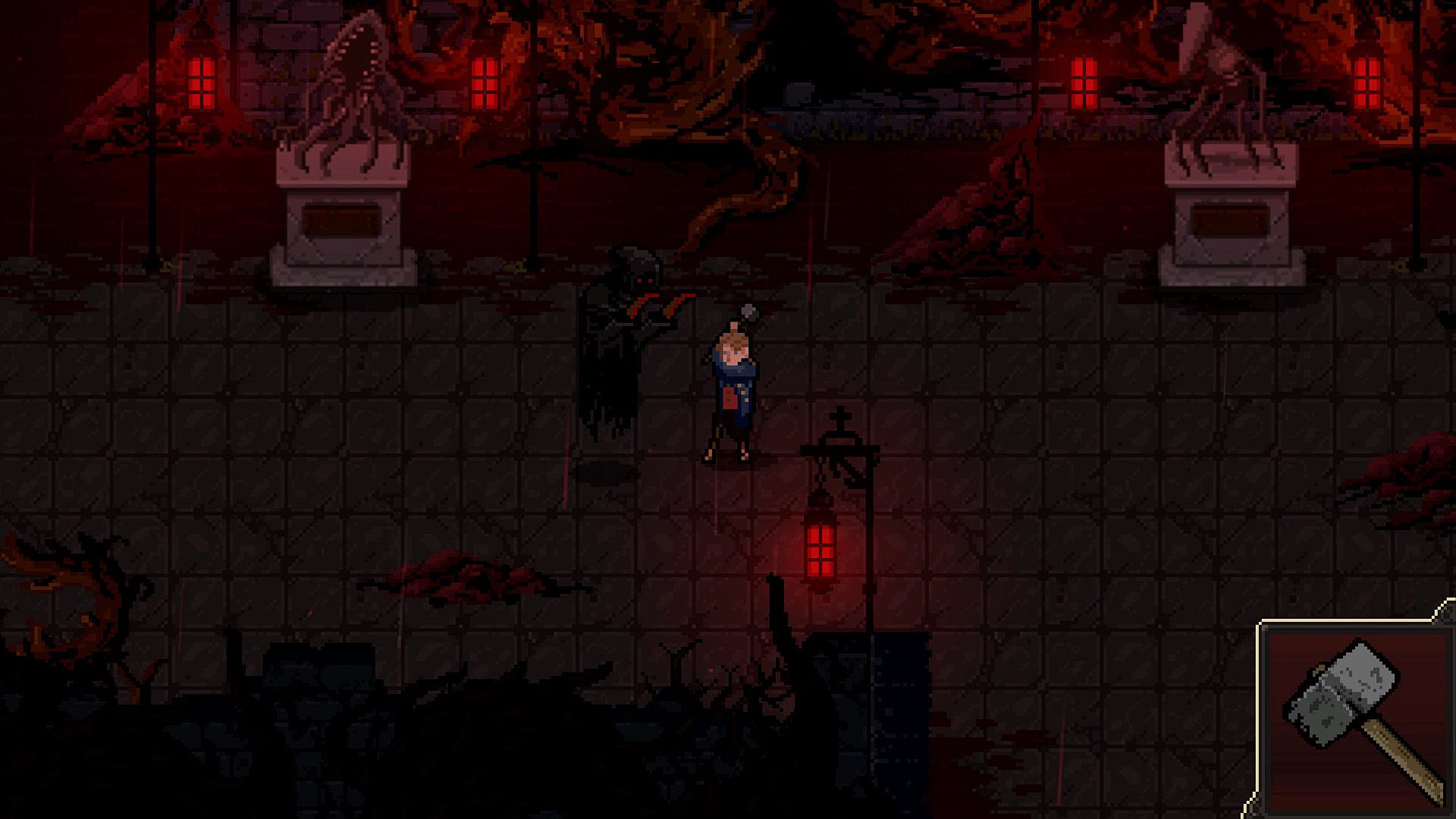
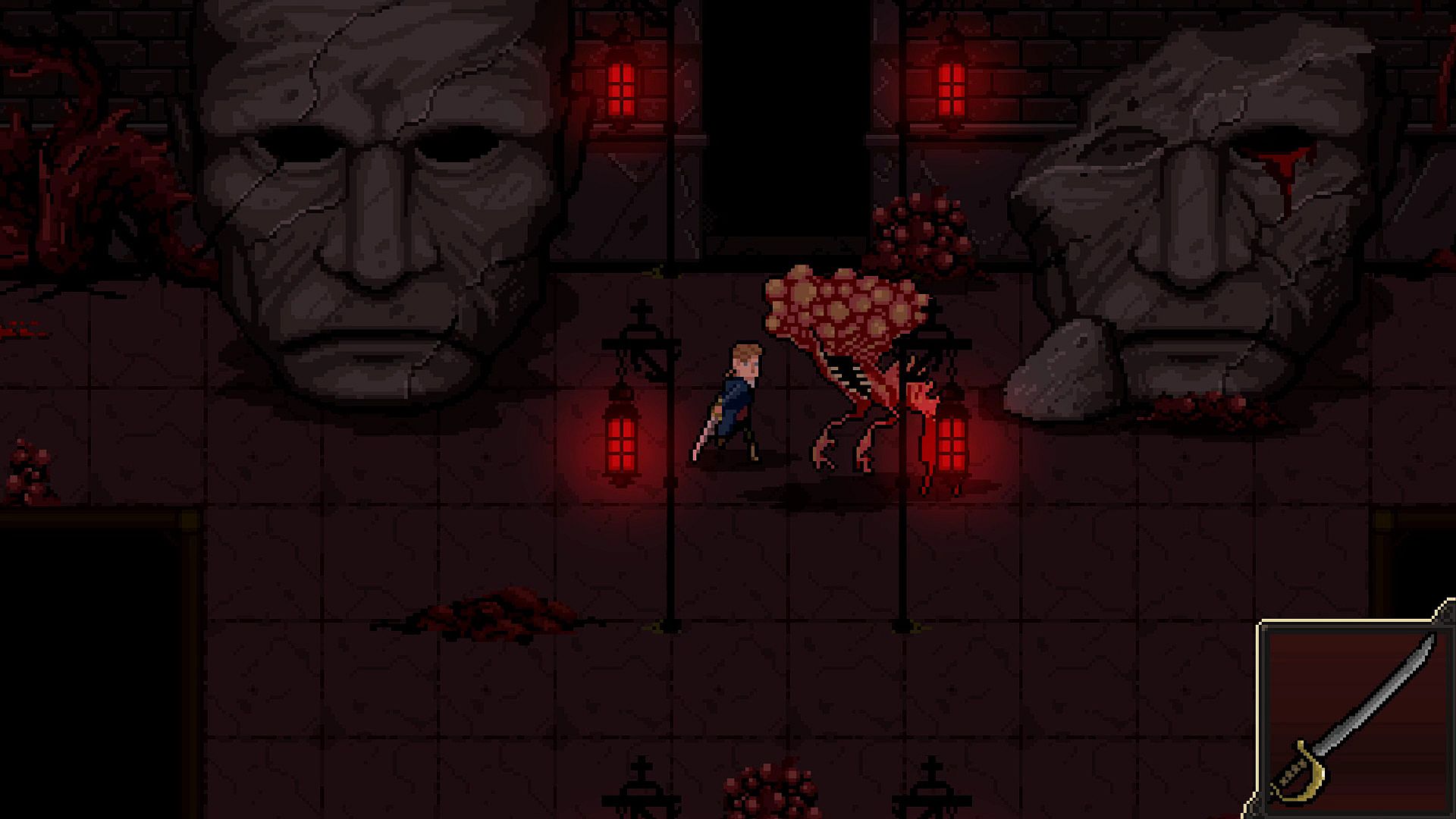

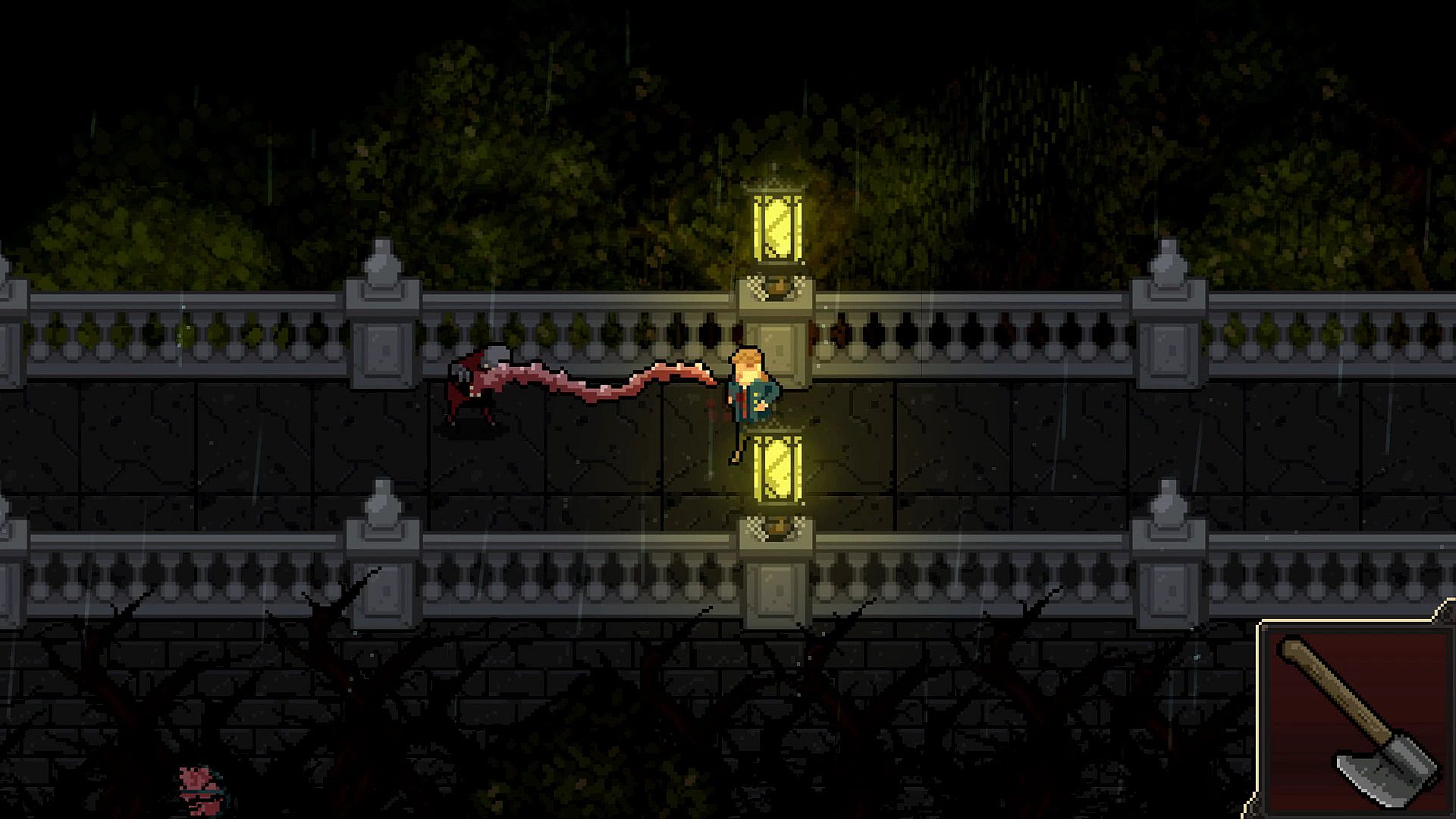
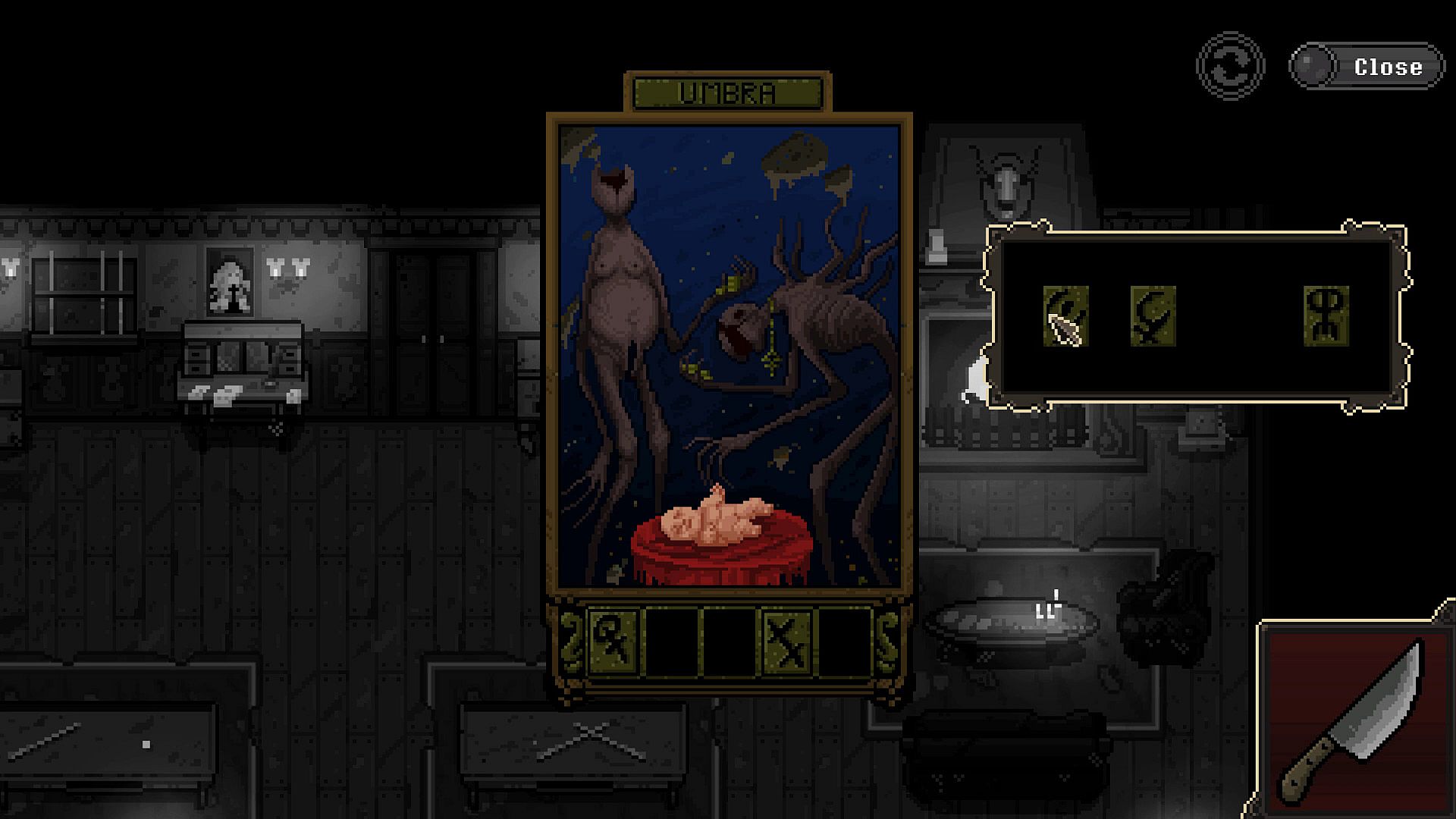
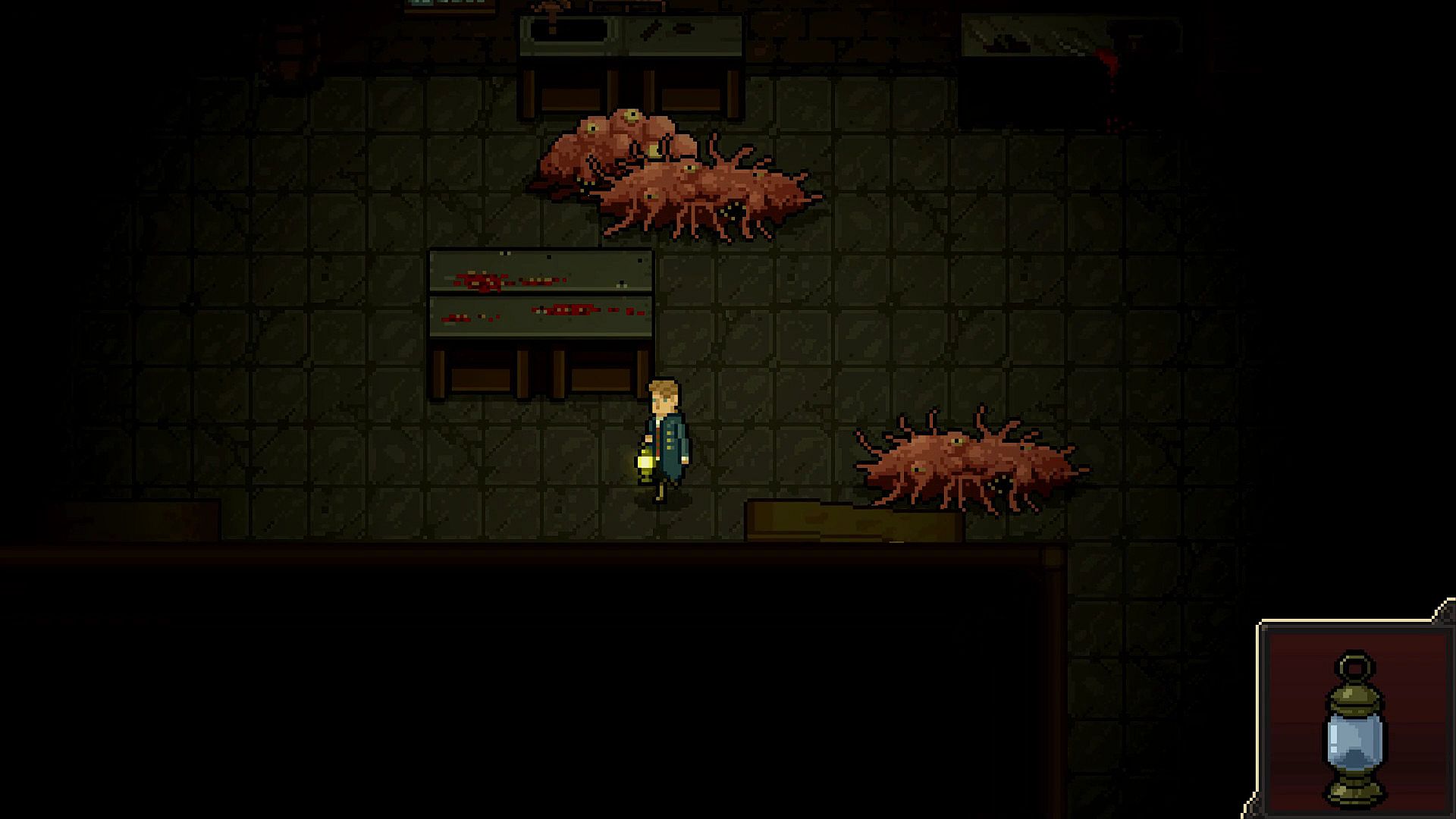
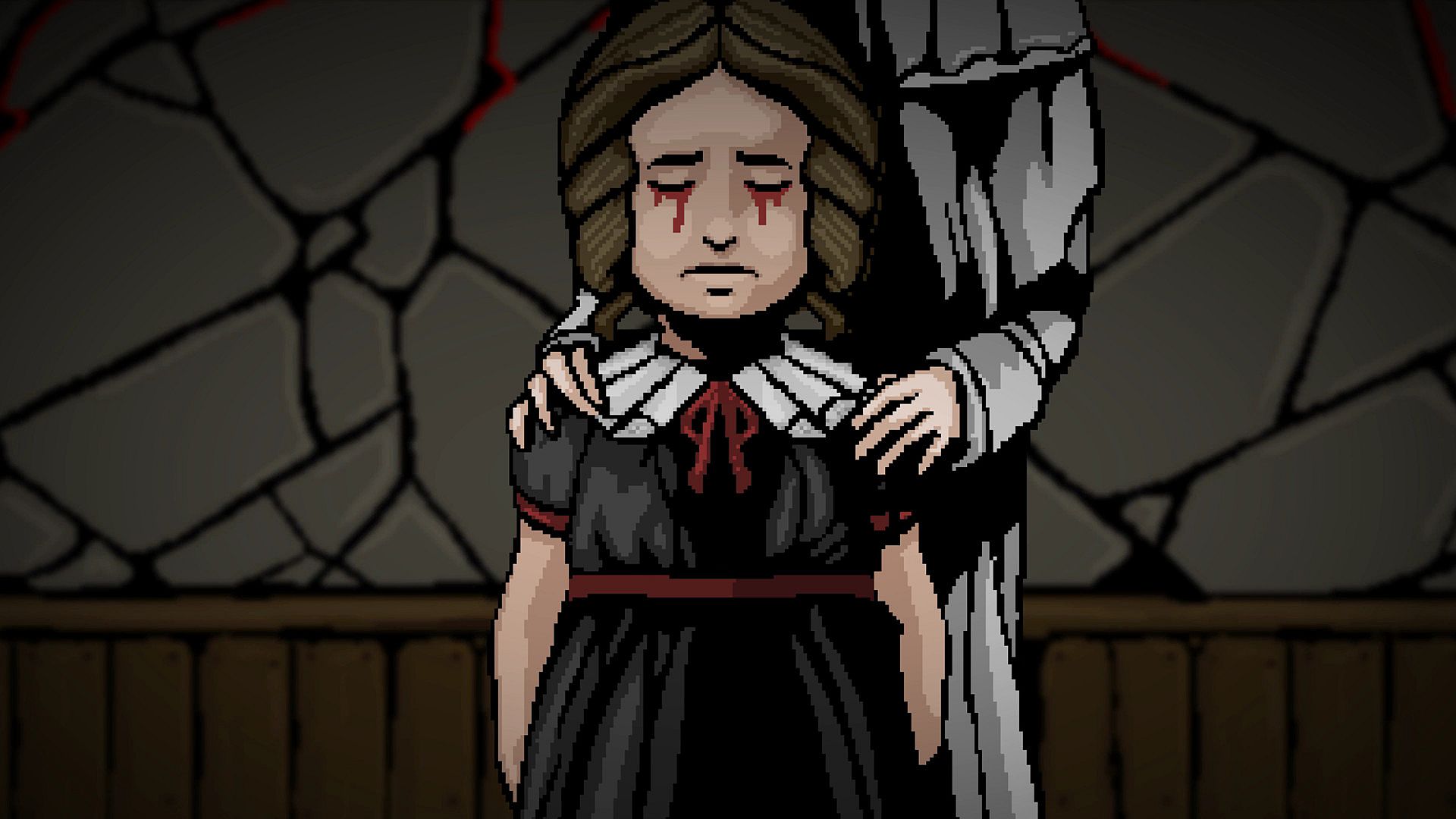
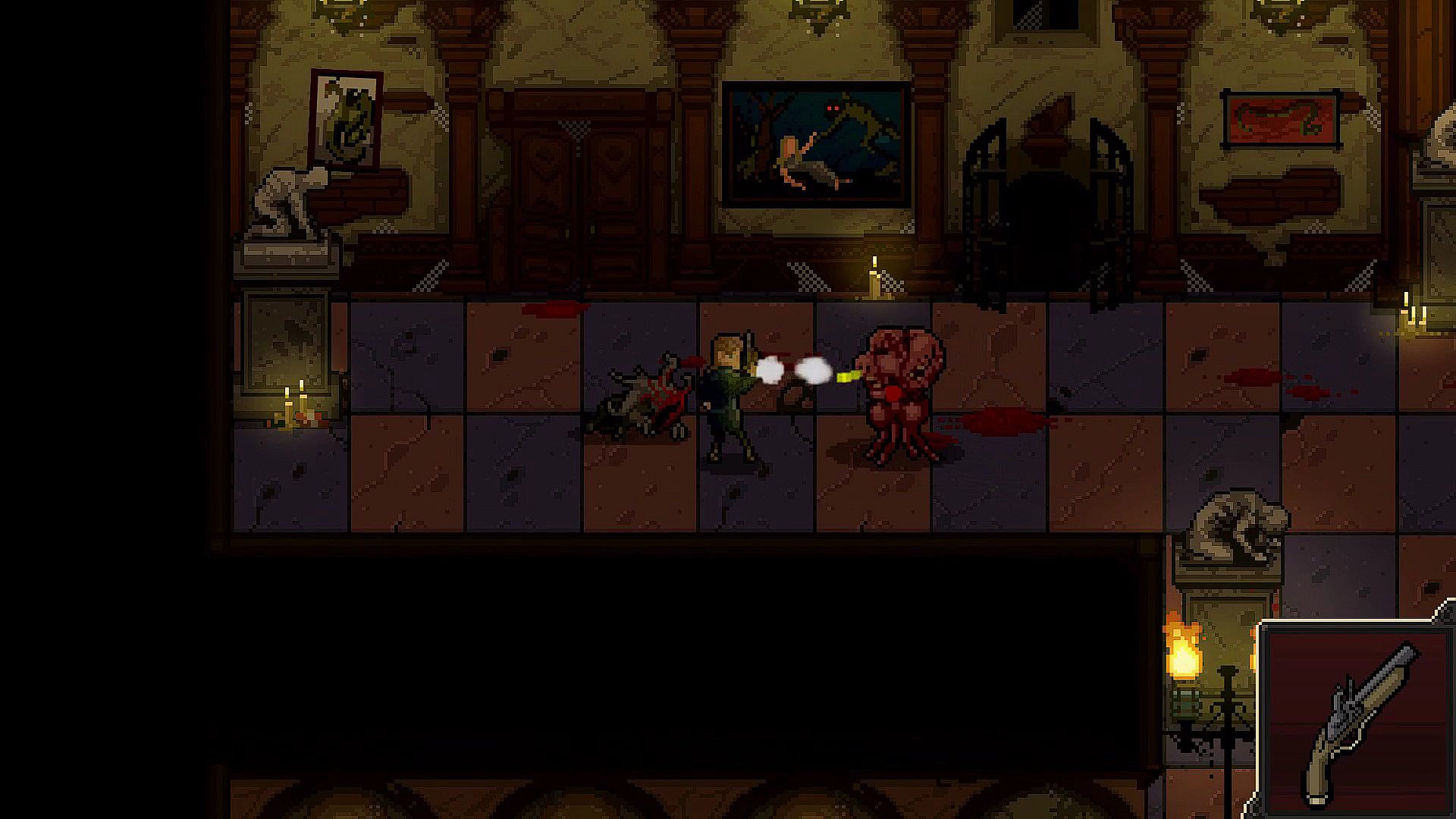
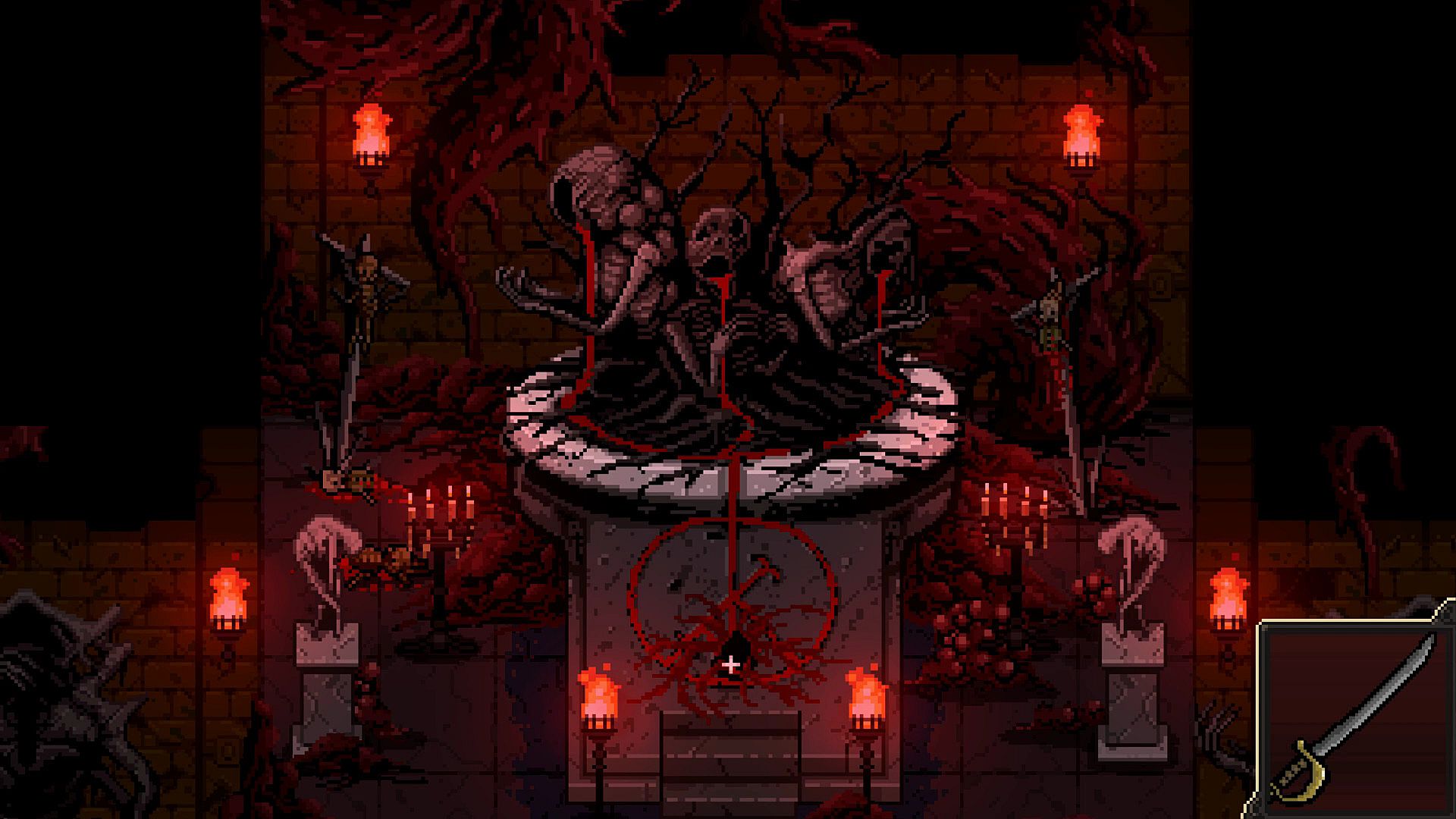
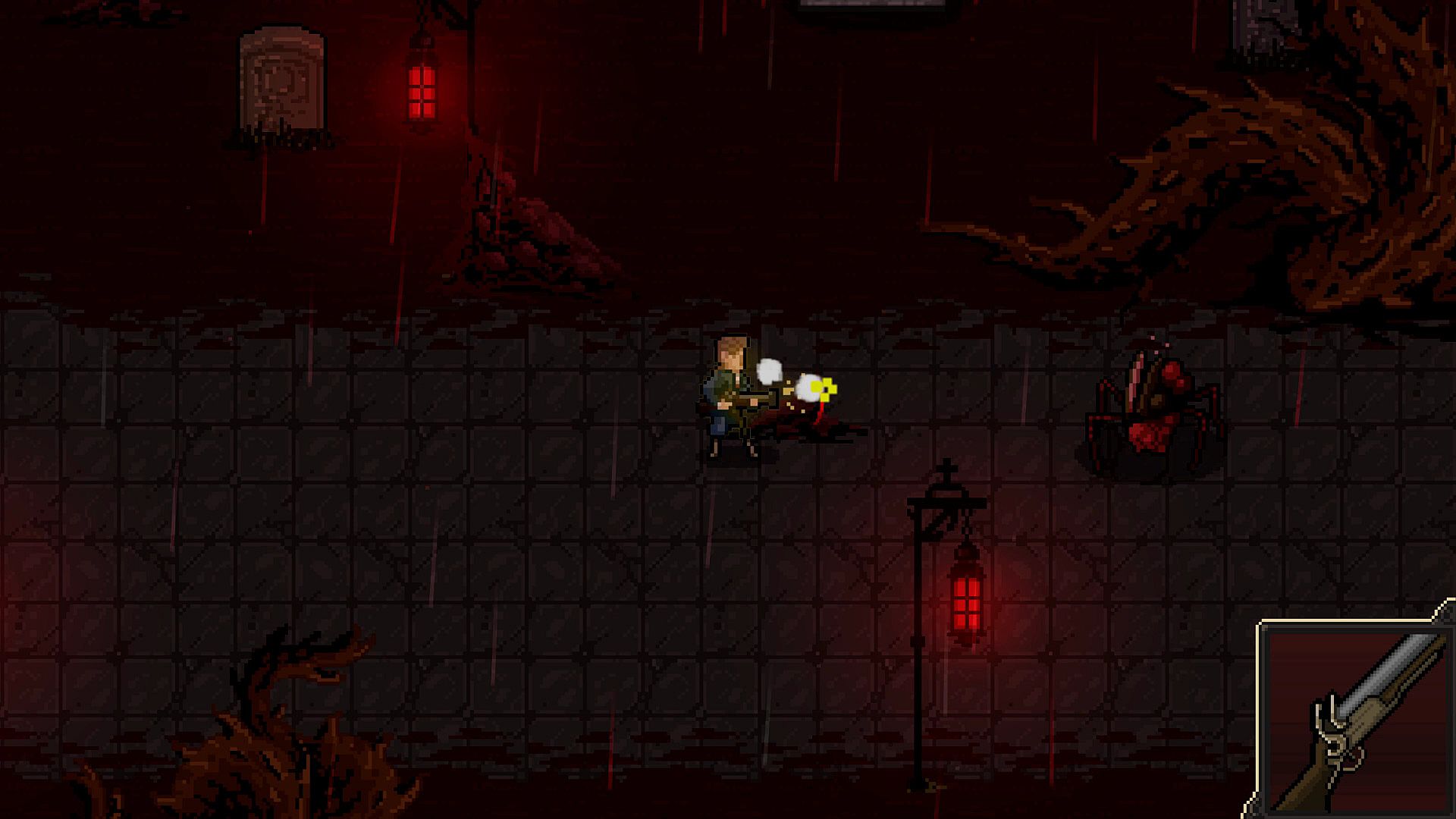
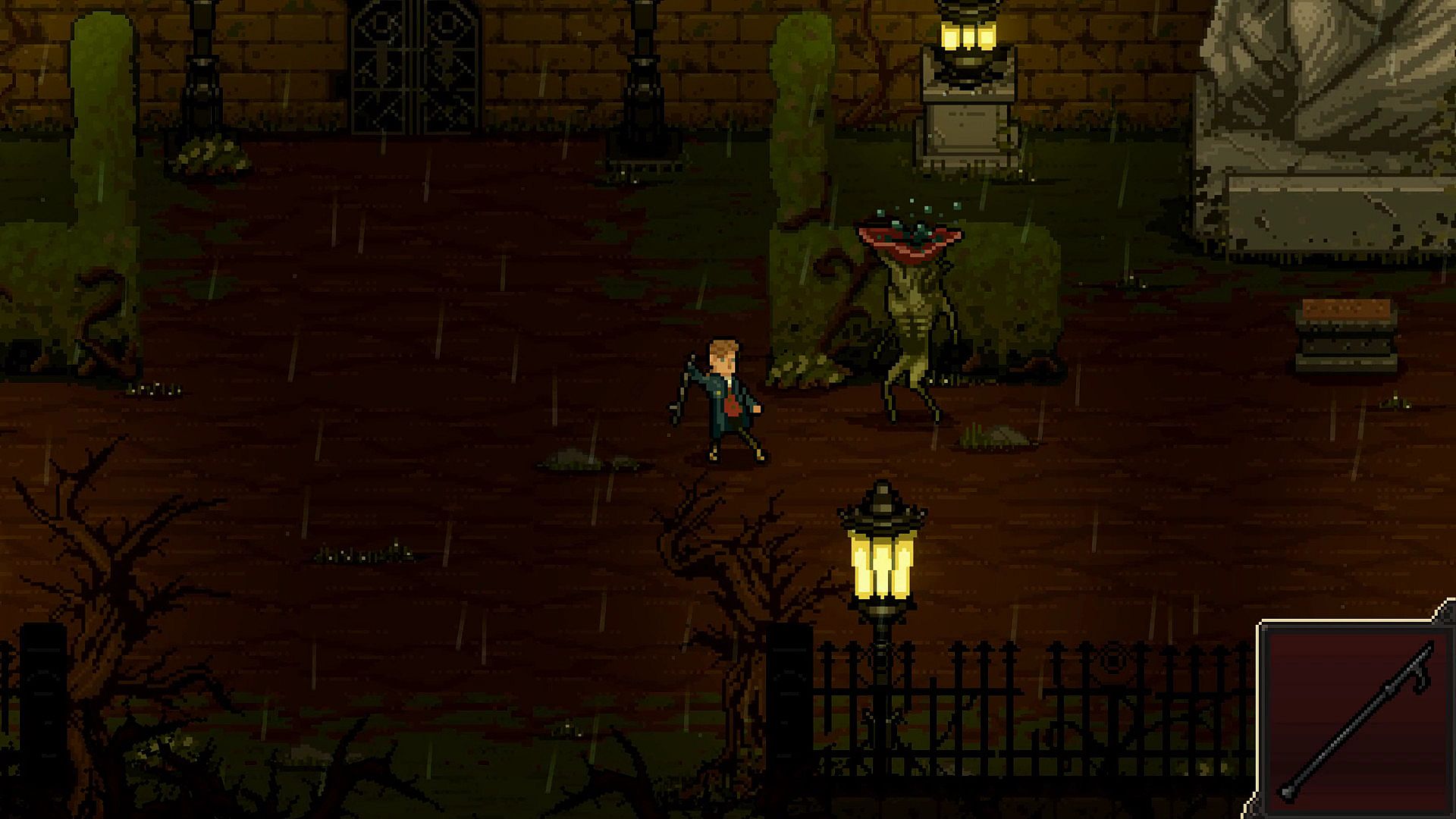
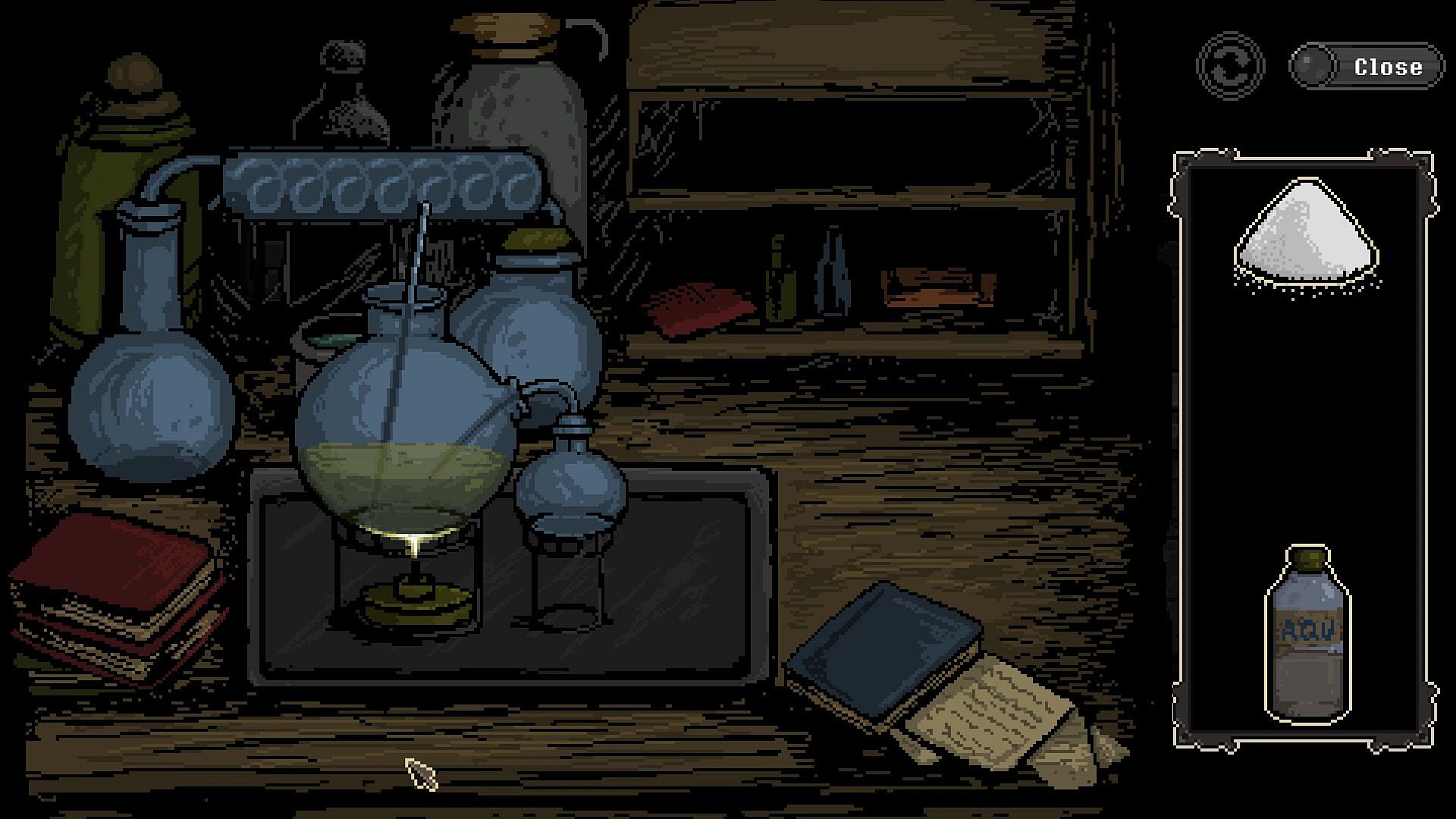
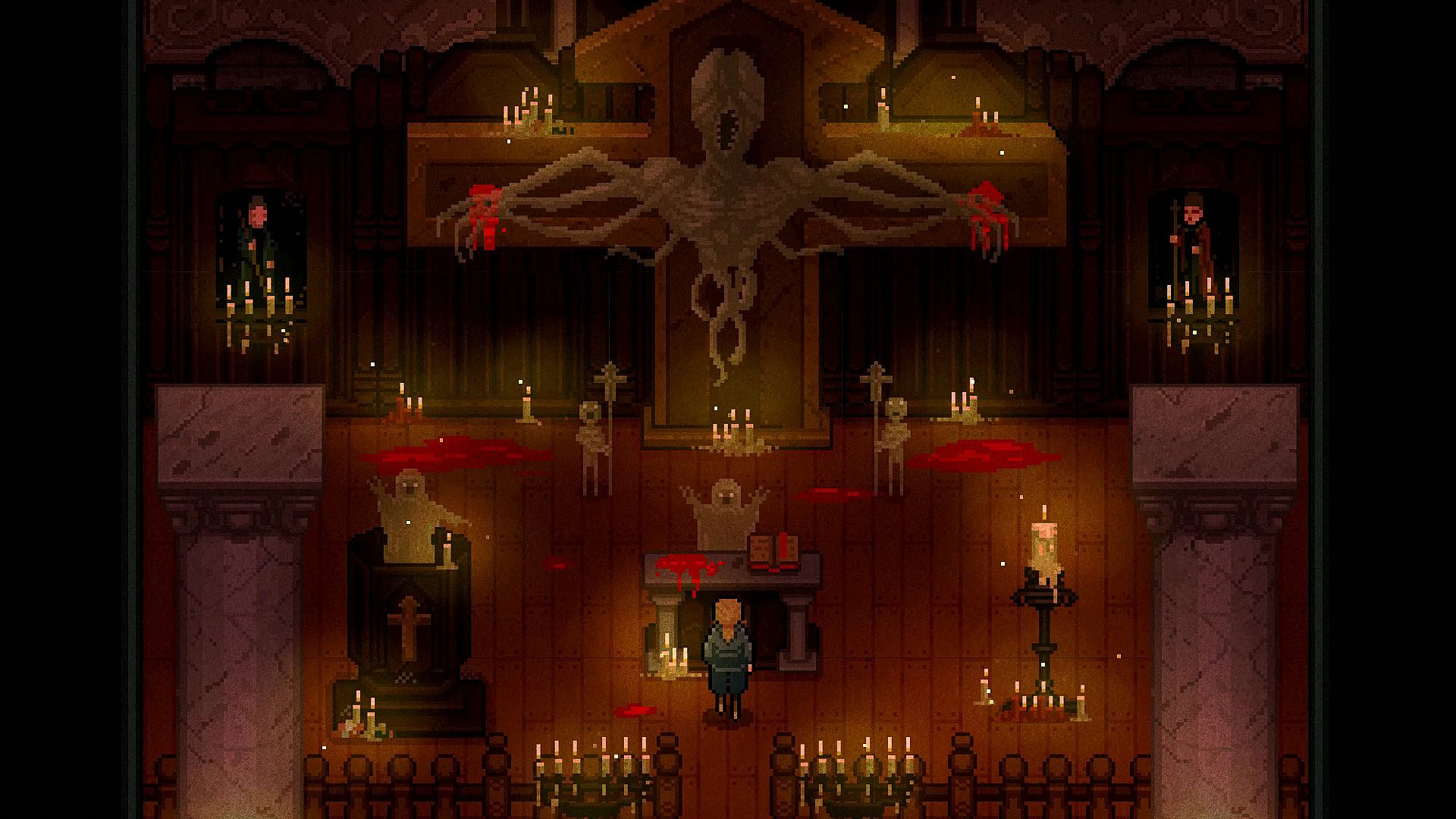
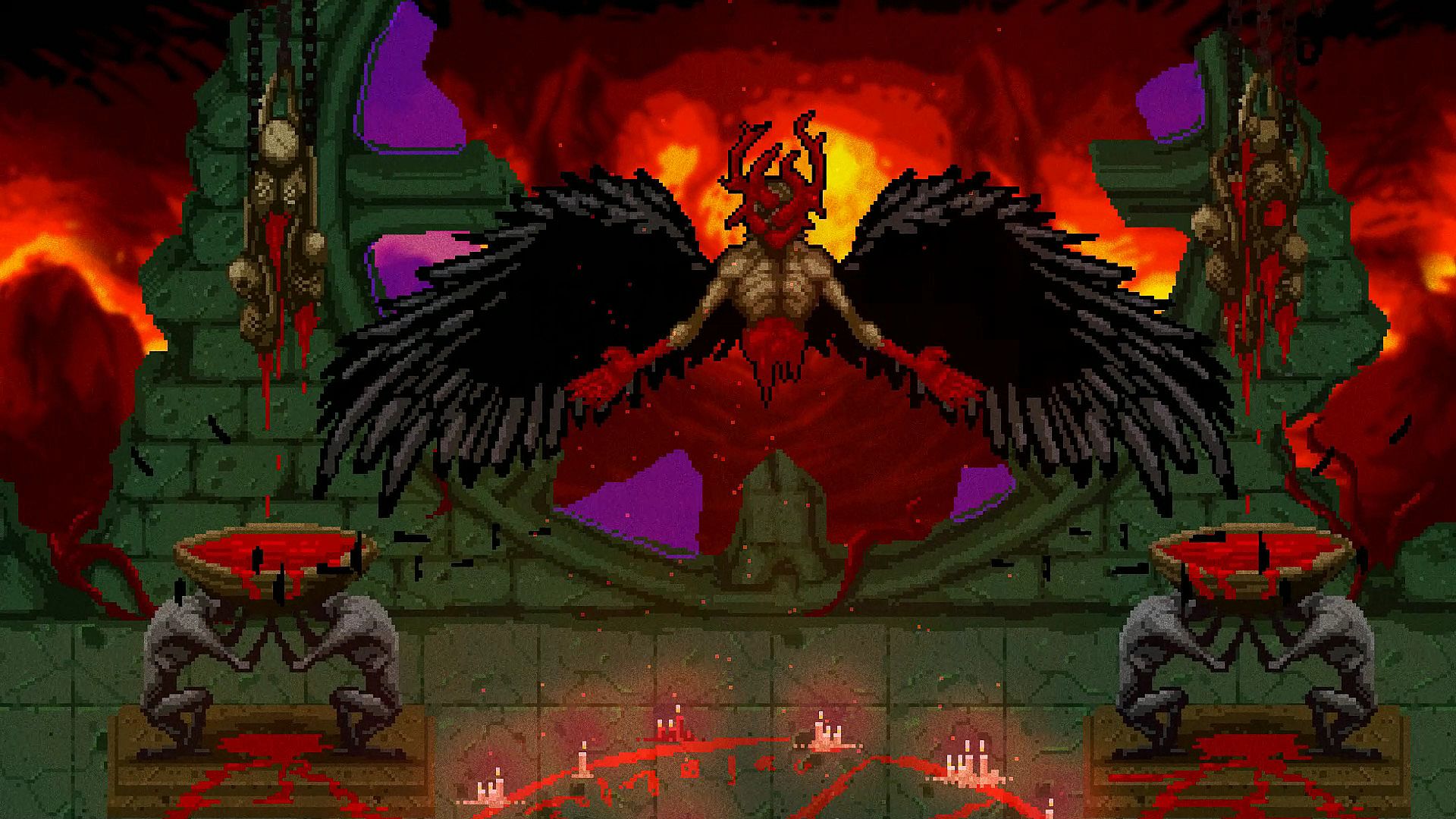
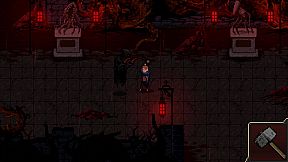
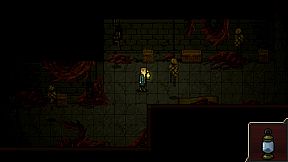
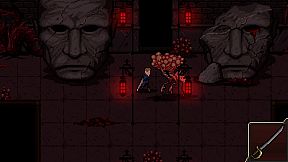

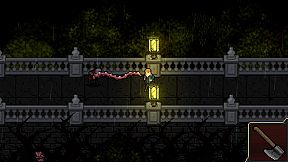
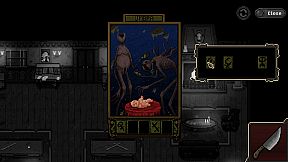
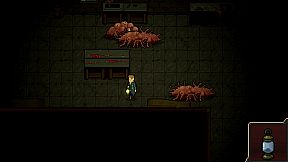
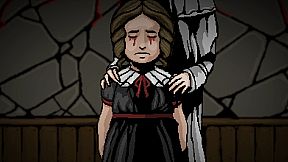
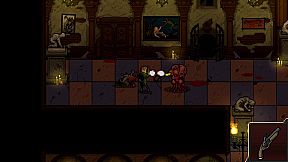
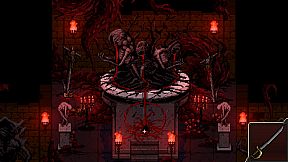
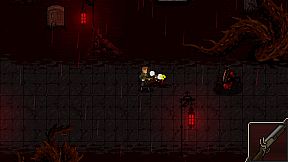
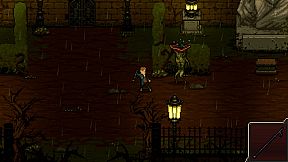
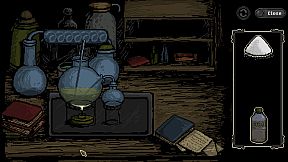
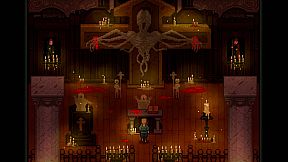
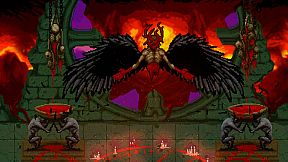
Lamentum is a pixel art survival horror game developed for PC that places players in the role of Victor Hartwell, a young aristocrat navigating a desperate quest through the ominous Grau Hill Mansion in mid-nineteenth century New England. The core premise revolves around seeking a cure for his wife Alissa's deadly illness, guided by the mansion's earl who promises ancient remedies at an uncertain cost. This single-player experience blends exploration, resource management, and tense encounters with nightmarish creatures inspired by classic titles in the genre and elements of cosmic horror.
Gameplay
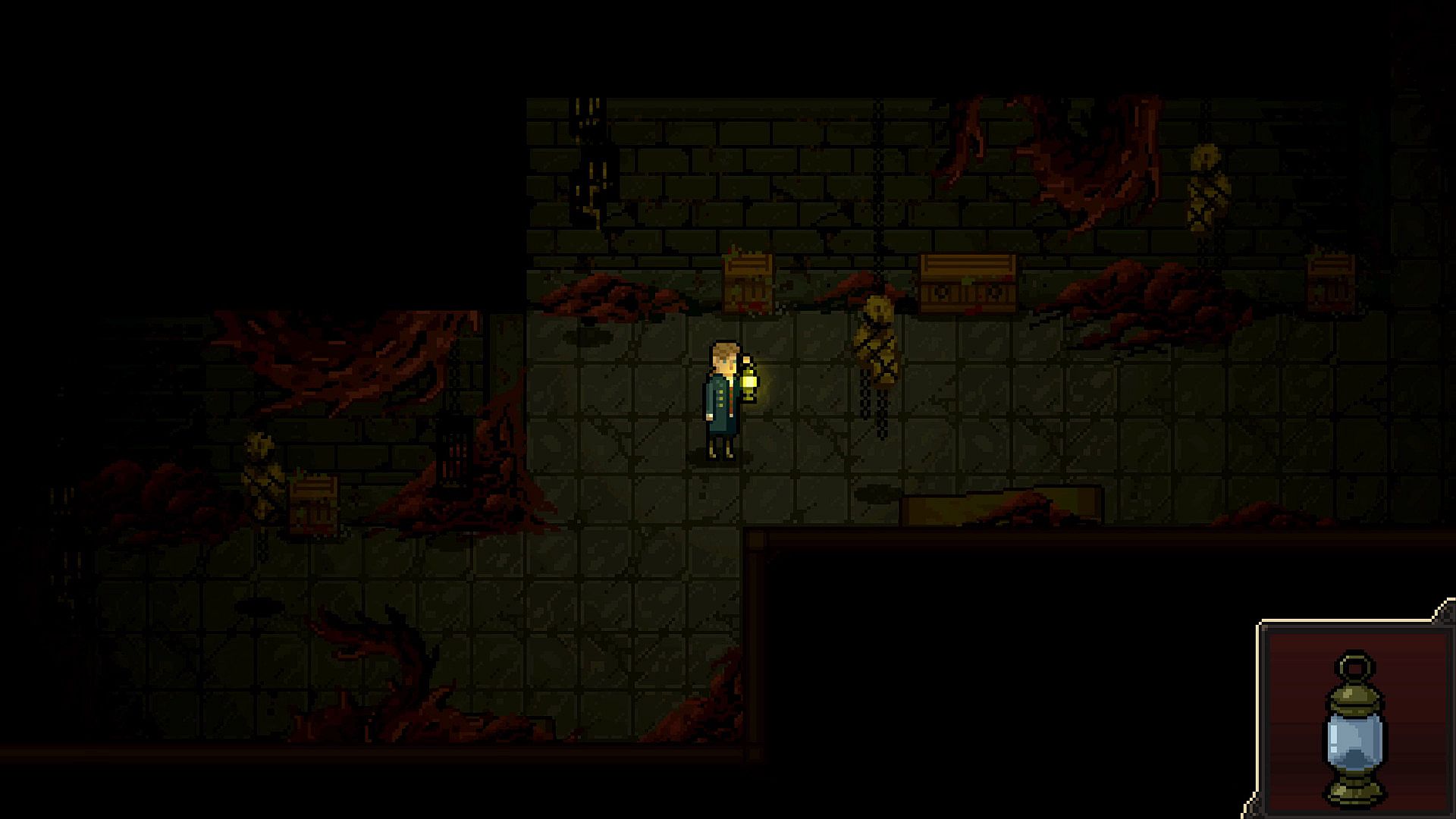
The gameplay centers on classic survival horror mechanics adapted to a pixel art presentation. Victor must manage a limited inventory while scavenging for essential items such as a lamp to illuminate dark areas, lockpicks for sealed doors and chests, and restoratives to maintain health. Weapons include both melee options and firearms, each with distinct advantages and drawbacks. Firearms offer range but rely on scarce ammunition, encouraging careful conservation and strategic choices during encounters.
Exploration takes players through the twisting corridors and hidden spaces of Grau Hill Mansion, where traps, environmental hazards, and puzzles demand ingenuity to overcome. Enemies exhibit varied behaviors and attack patterns, requiring players to decide between direct confrontation and evasion. Sprinting provides temporary speed but depletes stamina, leaving Victor vulnerable once exhausted. A diary records key thoughts and annotations to aid navigation and story tracking.
Item management adds depth through an item box system for storing excess objects and customizable shortcuts for quick access to frequently used tools. This setup supports fluid transitions between weapons and healing items during combat. Decisions about trust in other characters encountered throughout the journey influence available paths and outcomes, reinforcing the need for thoughtful progression.
Game Modes
Lamentum operates as a single-player narrative adventure without separate multiplayer or competitive modes. The experience unfolds through a main campaign focused on survival, puzzle-solving, and story progression within the mansion setting. Replayability stems from player choices that branch the narrative toward different conclusions, with four distinct endings documented across player accounts and reviews.
These endings encourage additional playthroughs to explore alternate decisions and their consequences. No seasonal content, ranked systems, or cooperative elements exist, keeping the focus on individual exploration and decision-making in a fixed single-player structure.
Story and Atmosphere
The narrative unfolds in a dark, adult-themed Victorian-era world infused with cosmic horror influences. Victor's journey reveals layers of the mansion's secrets through environmental storytelling, character interactions, and collected notes. Trust mechanics add tension, as alliances formed or broken can shift available resources and story branches without altering the fundamental single-player loop.
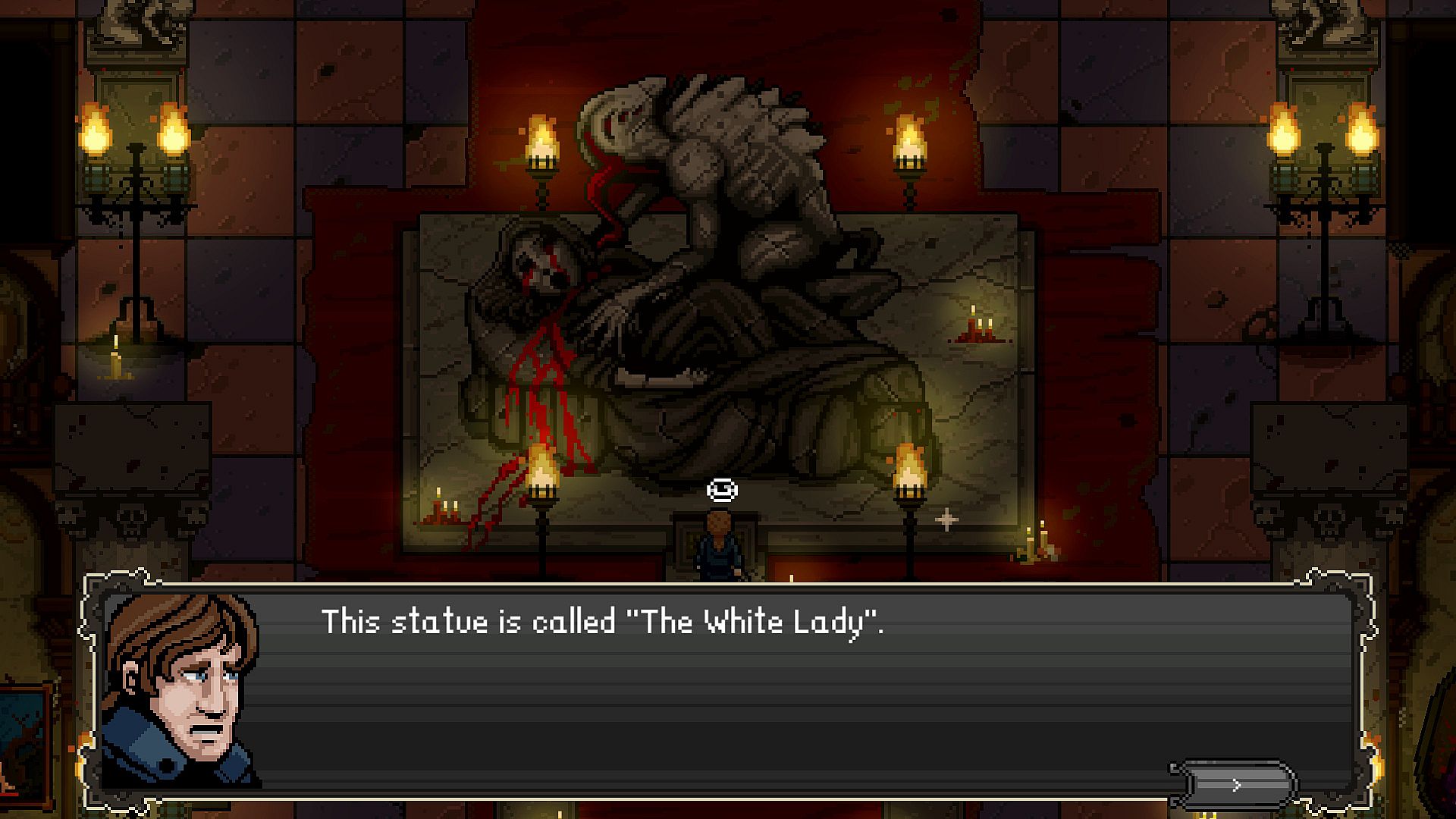
Pixel art visuals emphasize eerie details in the mansion's architecture and grotesque creature designs. Sound design heightens unease with atmospheric audio cues that complement the limited visibility and resource scarcity. The overall tone remains consistent with survival horror traditions, prioritizing dread and careful planning over action spectacle.
Is It Worth Playing?
Lamentum suits players who appreciate deliberate pacing, inventory constraints, and atmospheric tension in survival horror games. Its short campaign length supports multiple completions to uncover all endings, making it accessible for those seeking a focused experience rather than extended play sessions. Reviews highlight strong visuals, sound, and puzzle variety alongside criticisms of combat feel and occasional frustrating sequences.
Those drawn to pixel art homages of Resident Evil and Silent Hill will find the core systems rewarding, particularly the emphasis on choice and resource scarcity. Availability on PC with keyboard, mouse, or gamepad support broadens accessibility. The game delivers a complete, self-contained story without ongoing updates or expansions, appealing to fans of standalone indie horror titles that reward careful play and replay for alternate outcomes.














