








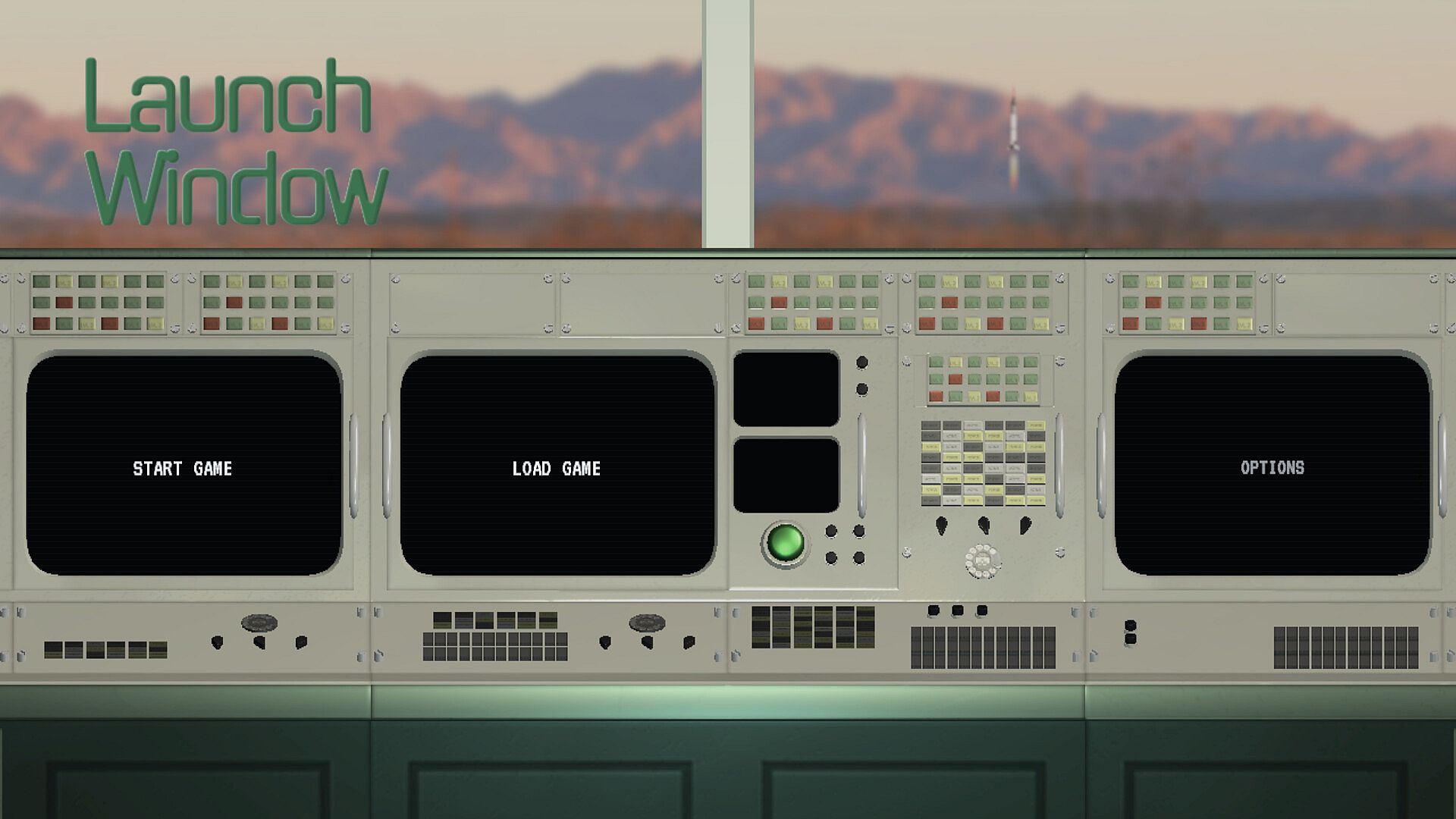
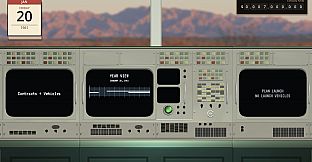
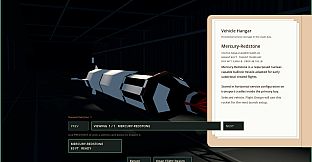
Launch Window is a strategy and simulation management game set in an alternate-history version of the 1960s Space Race. Players run a private launch company that competes alongside national programs by accepting contracts to deliver cameras, experiments, publicity payloads, and other cargo into orbit or beyond. The experience centers on financial decisions, vehicle selection, and mission planning in a high-stakes environment where every launch carries real economic consequences.
Gameplay
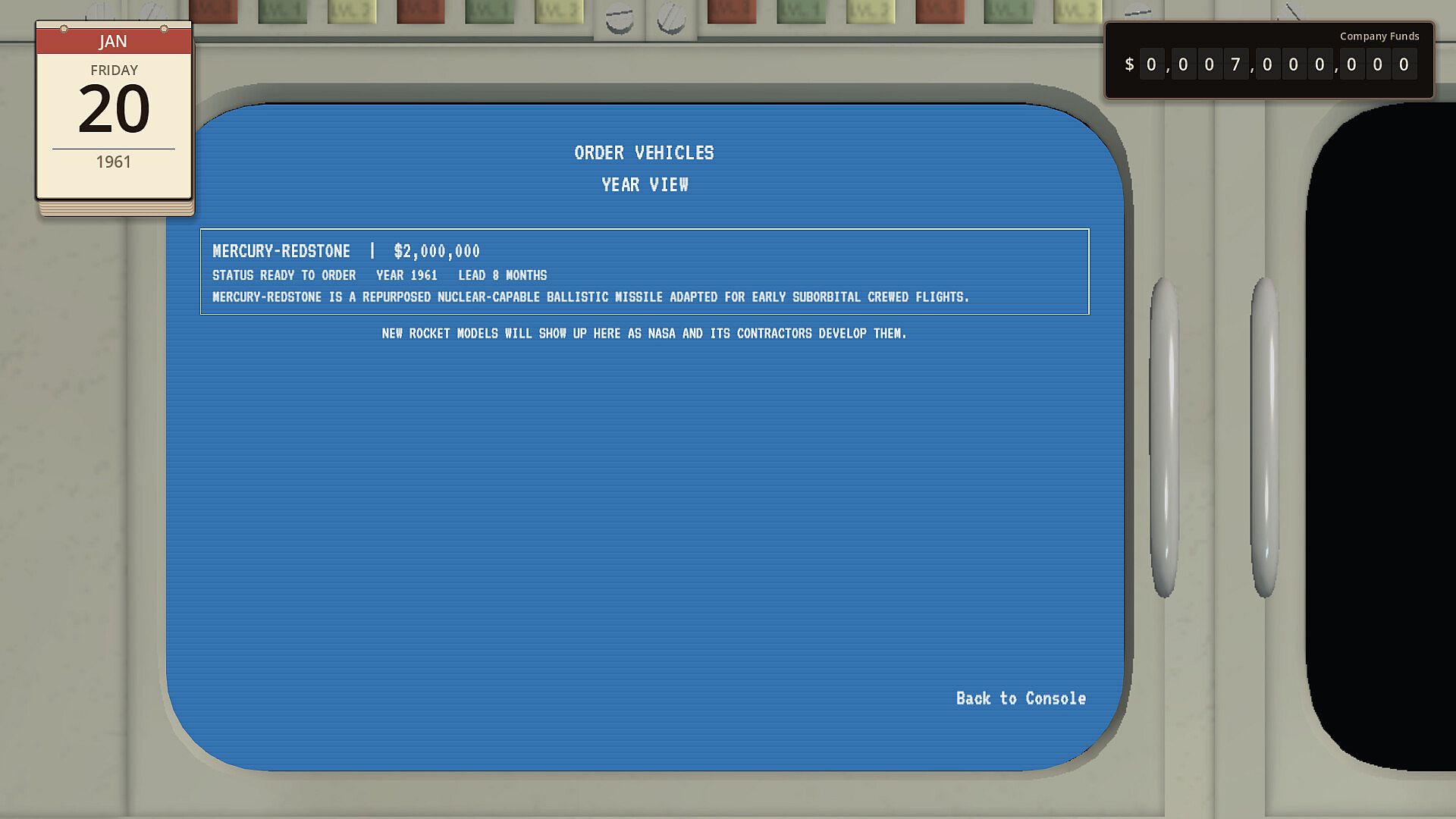
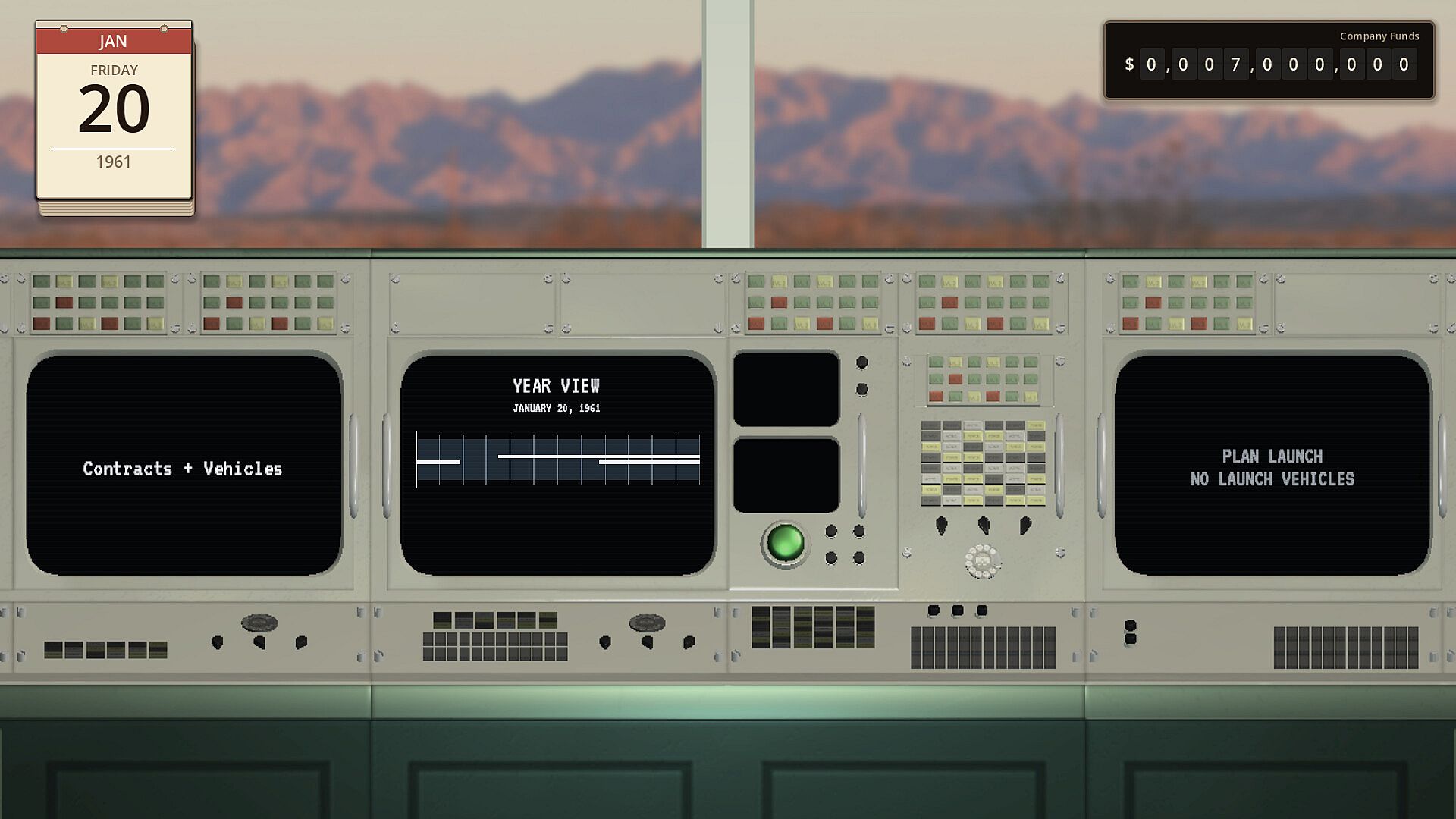
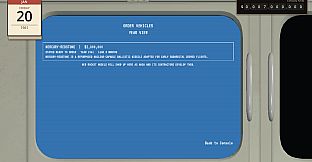
The core loop revolves around managing resources and risk while building a sustainable business. Players review available contracts, each with its own payload requirements, deadlines, and payout structures. After selecting a job, the next steps involve purchasing suitable launch vehicles from the period inventory, allocating a preparation budget, and determining how much time to invest in readiness. Balancing these factors determines success odds and overall profitability.
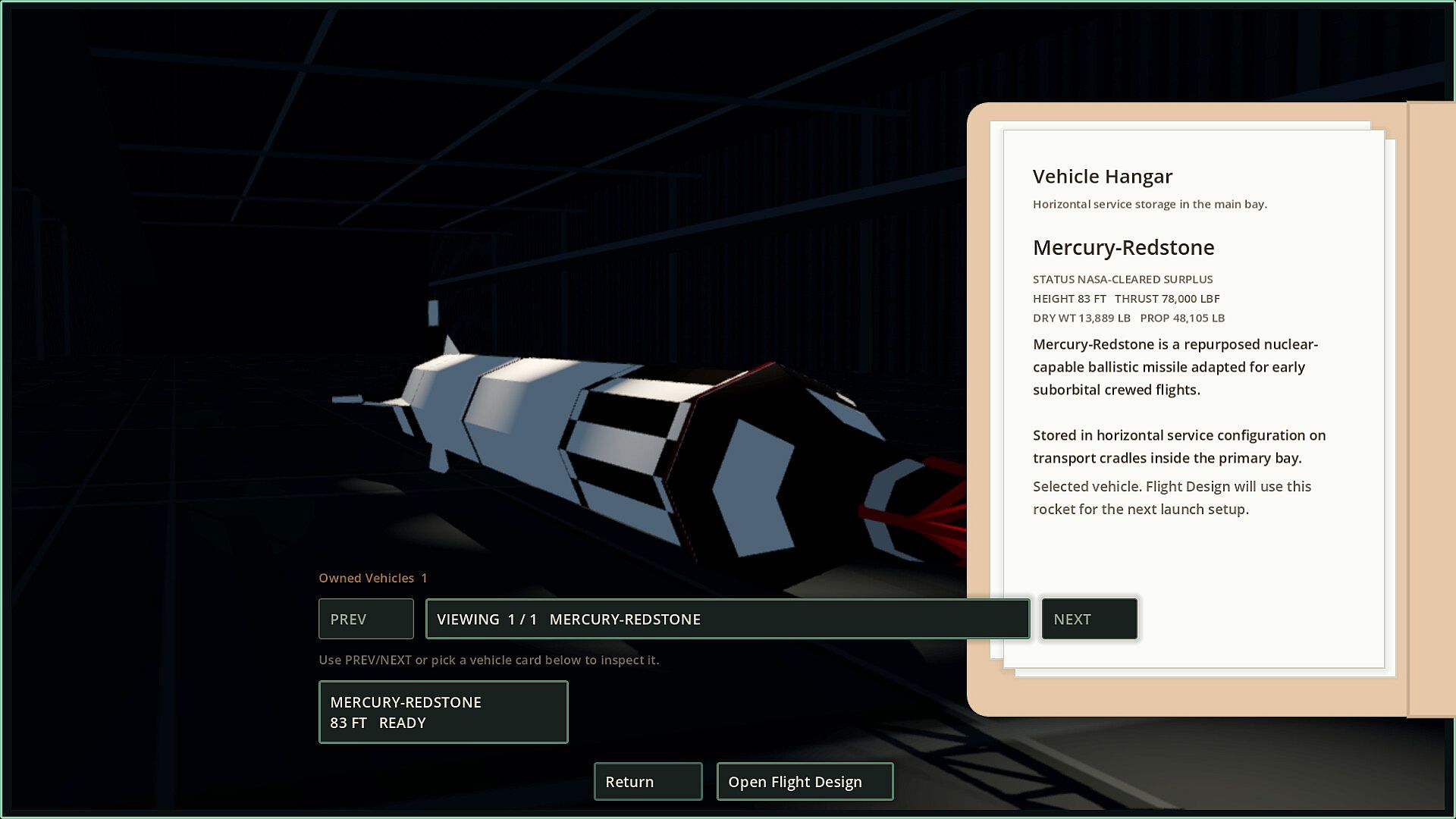
Launch vehicles range from basic suborbital capsules to more capable orbital rockets, and matching the right hardware to the mission proves essential. Preparation time and budget directly influence reliability, yet overspending can wipe out margins even on a successful flight. The game tracks reputation alongside cash, so repeated failures erode future opportunities while careful planning builds long-term stability.
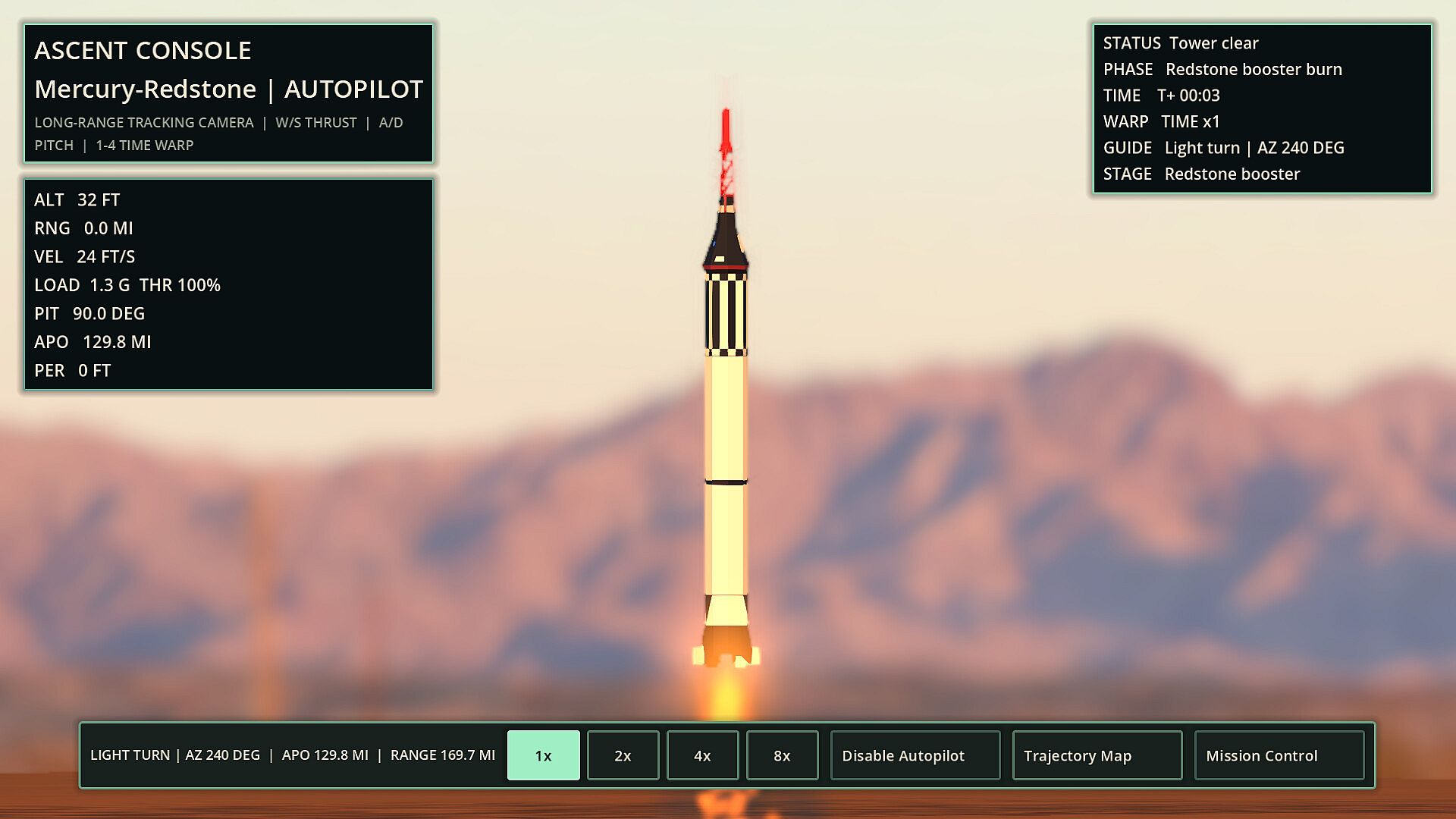
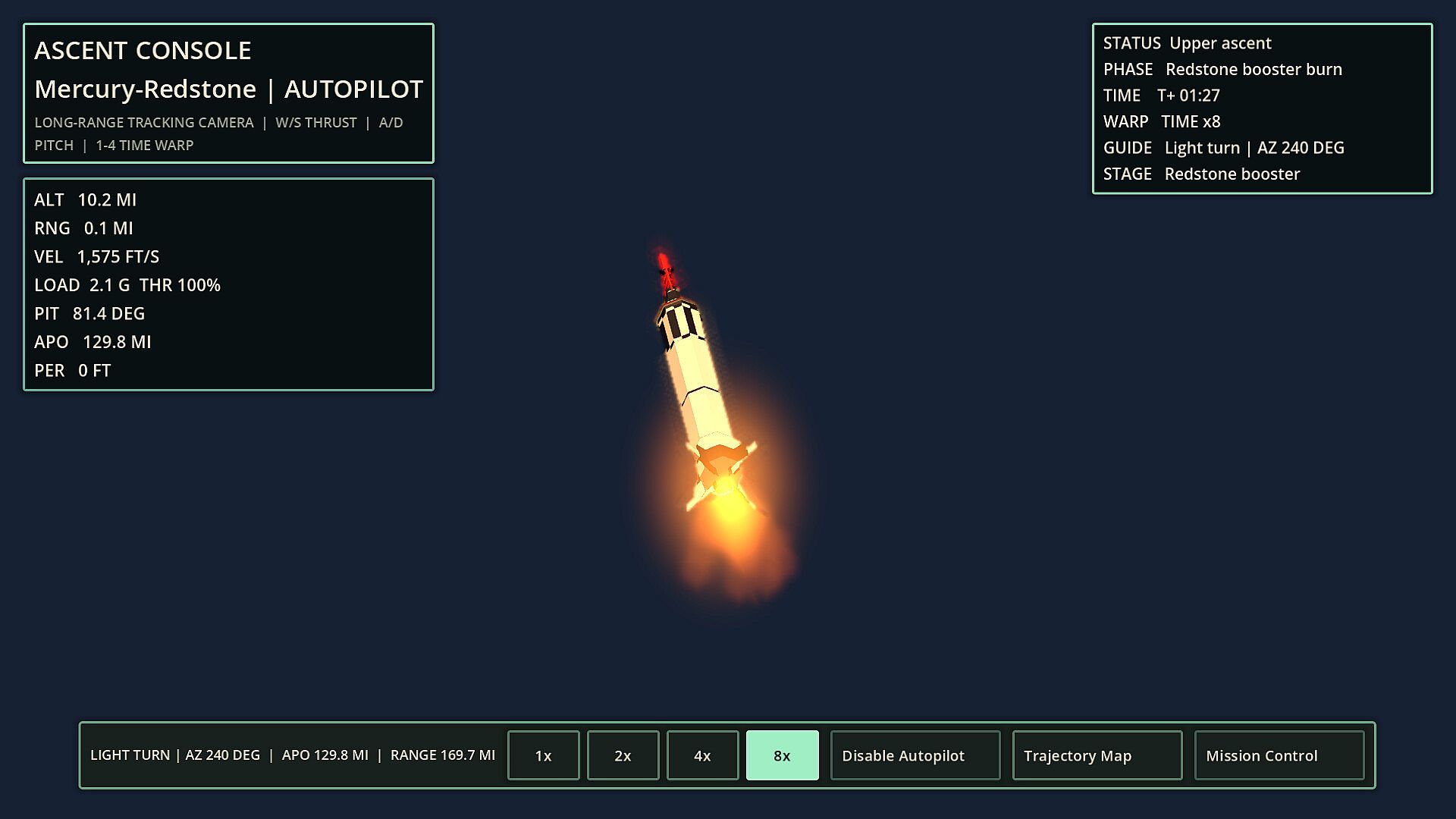
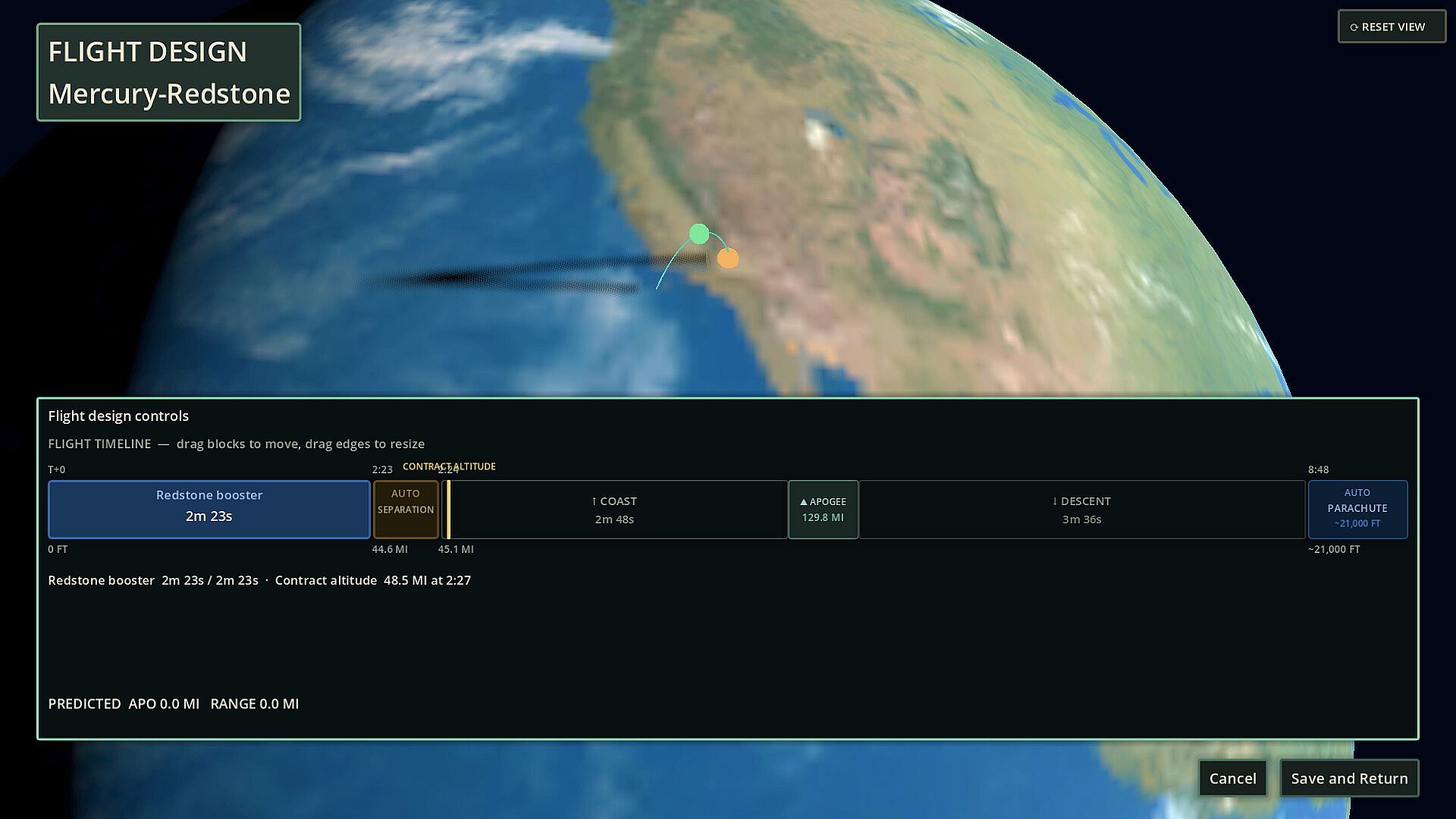
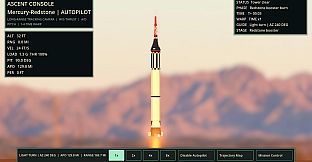
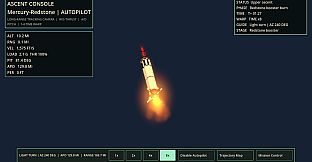
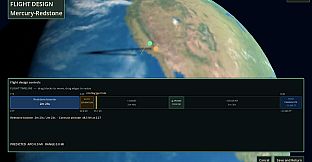
Once a launch proceeds, players observe the mission through dedicated trajectory and flight views that show the vehicle's path and performance. External events unfold in parallel through historical news headlines that reflect the broader Cold War and Space Race pressures, adding context without direct control over those developments.
Game Modes
Launch Window operates as a single-player management experience with no separate multiplayer options. The primary mode follows an ongoing campaign structure where players grow their company across multiple contracts and launches. Progression comes from accumulating funds, improving reputation, and unlocking access to more advanced vehicles and higher-value jobs over the simulated decade.
Contract variety provides natural replay differences, as each payload type carries distinct risk and reward profiles. Players decide how aggressively to pursue ambitious missions versus safer, lower-paying work, shaping the pace and difficulty of their company's growth. The absence of scripted levels means the experience unfolds through repeated cycles of planning, execution, and financial review rather than linear story chapters.
Setting and Historical Context
The game places players in an alternate 1960s where private enterprise enters the space industry earlier than in reality. Period-accurate launch vehicles form the hardware backbone, while news events from the real Space Race timeline create atmospheric pressure and occasional external challenges. This backdrop emphasizes the precarious economics of early rocketry without requiring players to manage geopolitical elements directly.
Attention to launch windows and mission constraints adds authenticity to the planning phase. Failures carry lasting financial weight, reinforcing the simulation focus on careful resource allocation over spectacle.
Is It Worth Playing?
Launch Window targets players who enjoy detailed management simulations centered on risk assessment and incremental business growth. The single-player format suits those interested in space history and the technical side of early rocketry, particularly anyone who appreciates weighing preparation costs against potential returns on each contract.
Because the title remains in development and scheduled for Early Access release, interested players can follow its progress through the developer's updates. The core systems described align closely with classic management sim expectations, making it a fit for fans of deliberate, numbers-driven gameplay rather than fast-paced action. Those seeking a focused experience around private spaceflight economics will find the described mechanics directly relevant to that niche.












