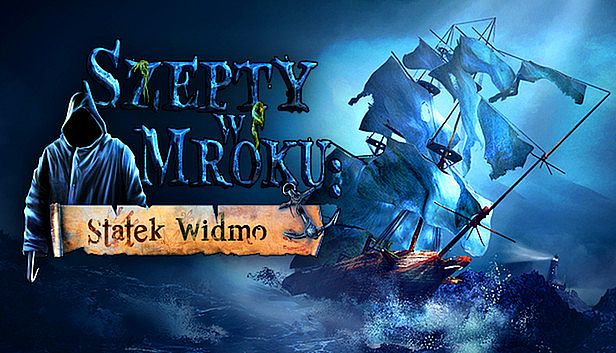











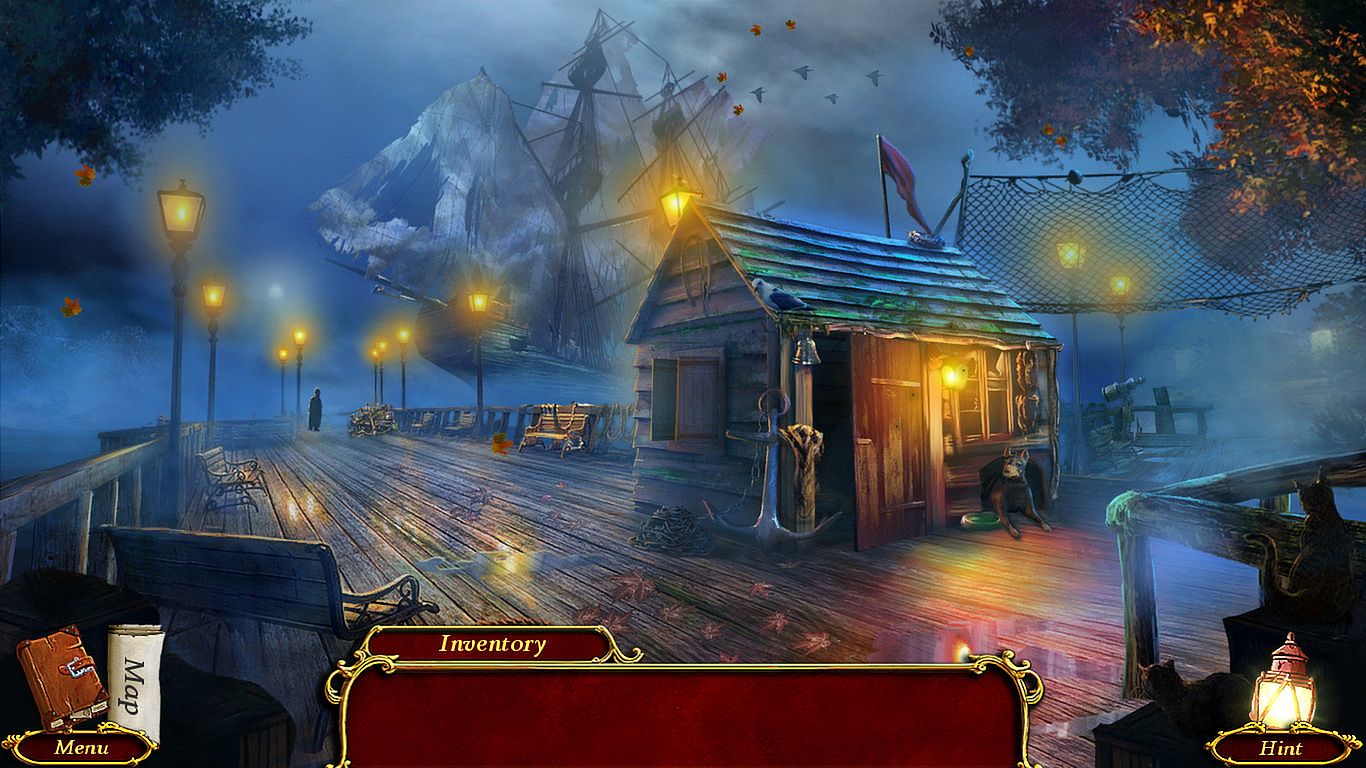
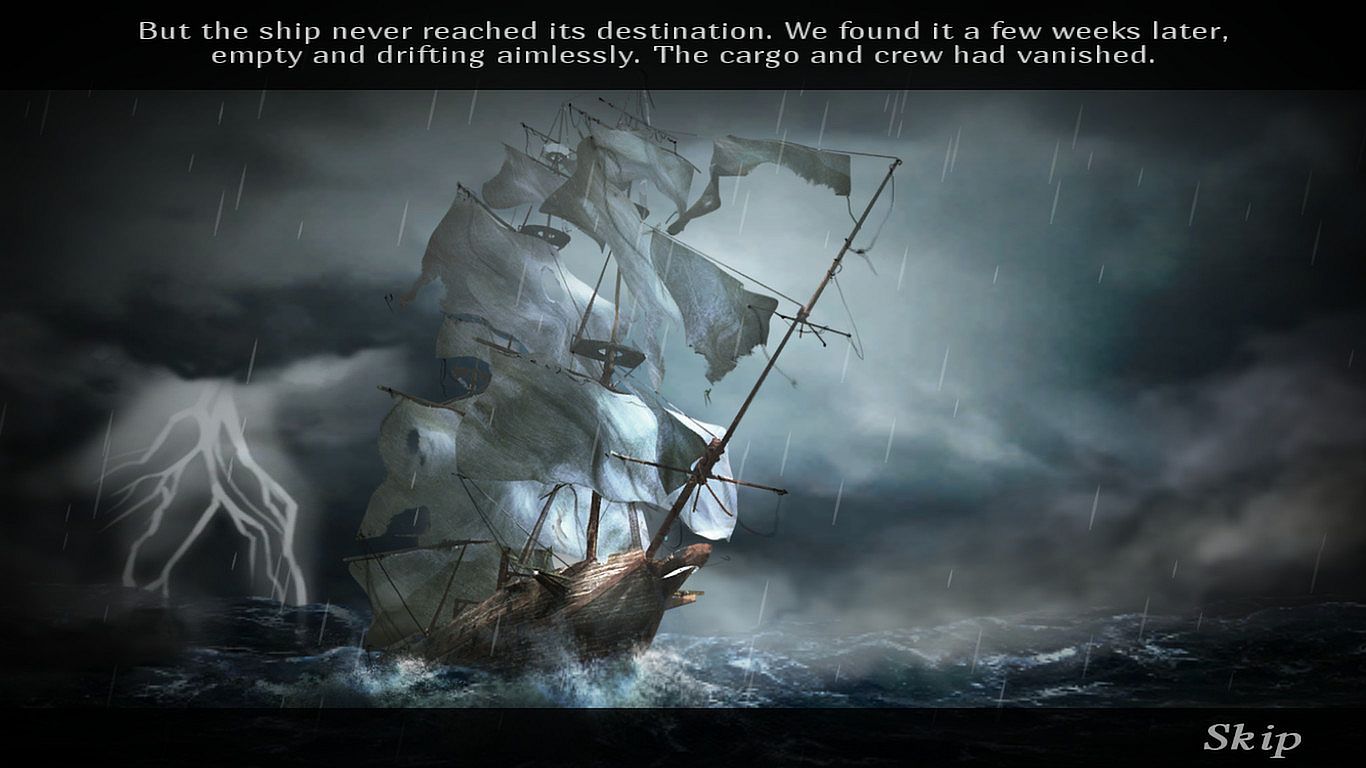
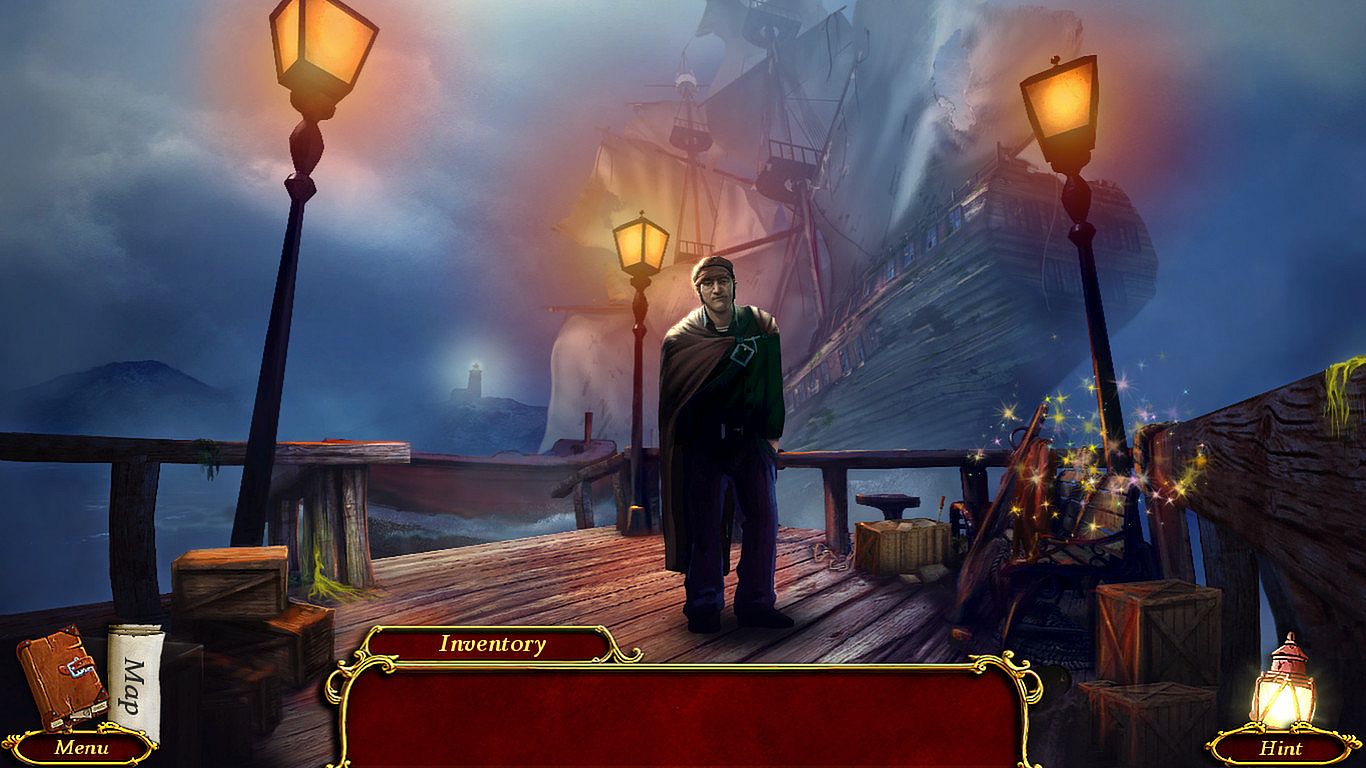
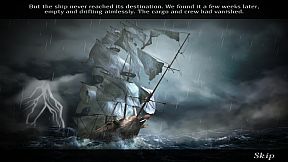
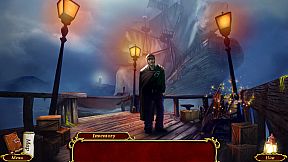
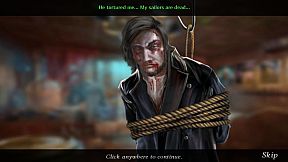
Left in the Dark: No One on Board stands as a hidden-object puzzle-adventure game developed for PC. Players step into the role of a private detective investigating the sudden reappearance of a long-lost ship off the coast of Port Providence. The vessel shows no trace of its crew or cargo, and the mayor's request to board it quickly reveals layers of secrecy that tie into a rumored curse, Devil's Island, and an unsolved family murder. The narrative unfolds through exploration of eerie locations filled with clues, leading to encounters with unexpected figures and twists that challenge rational explanations.
Gameplay
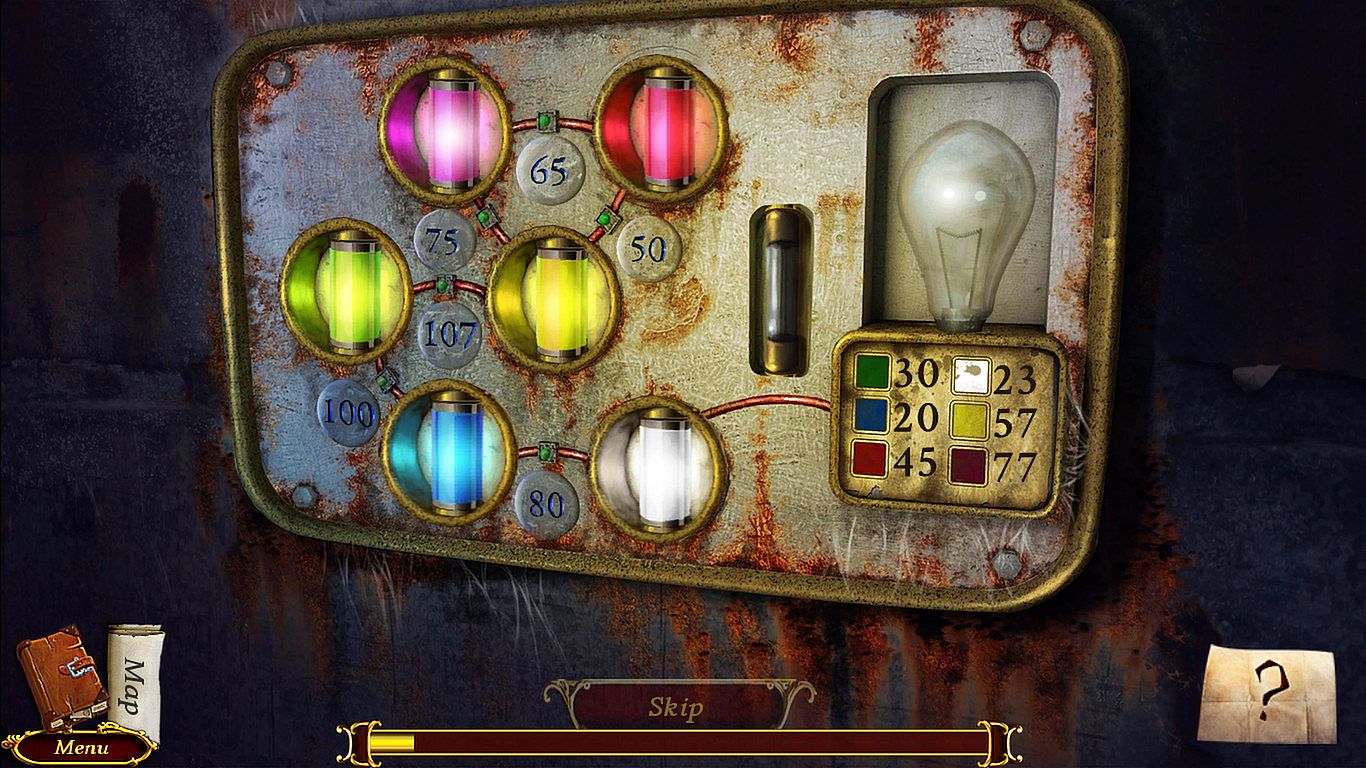
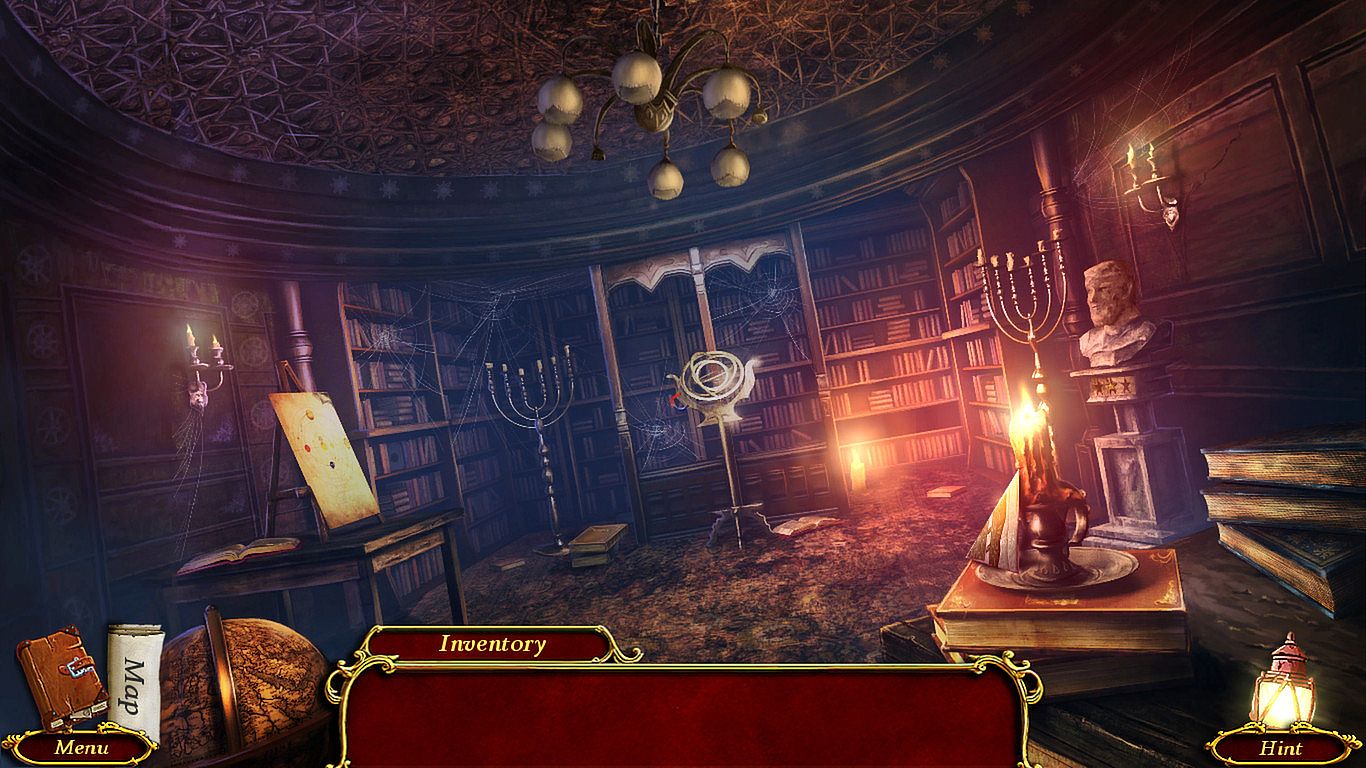
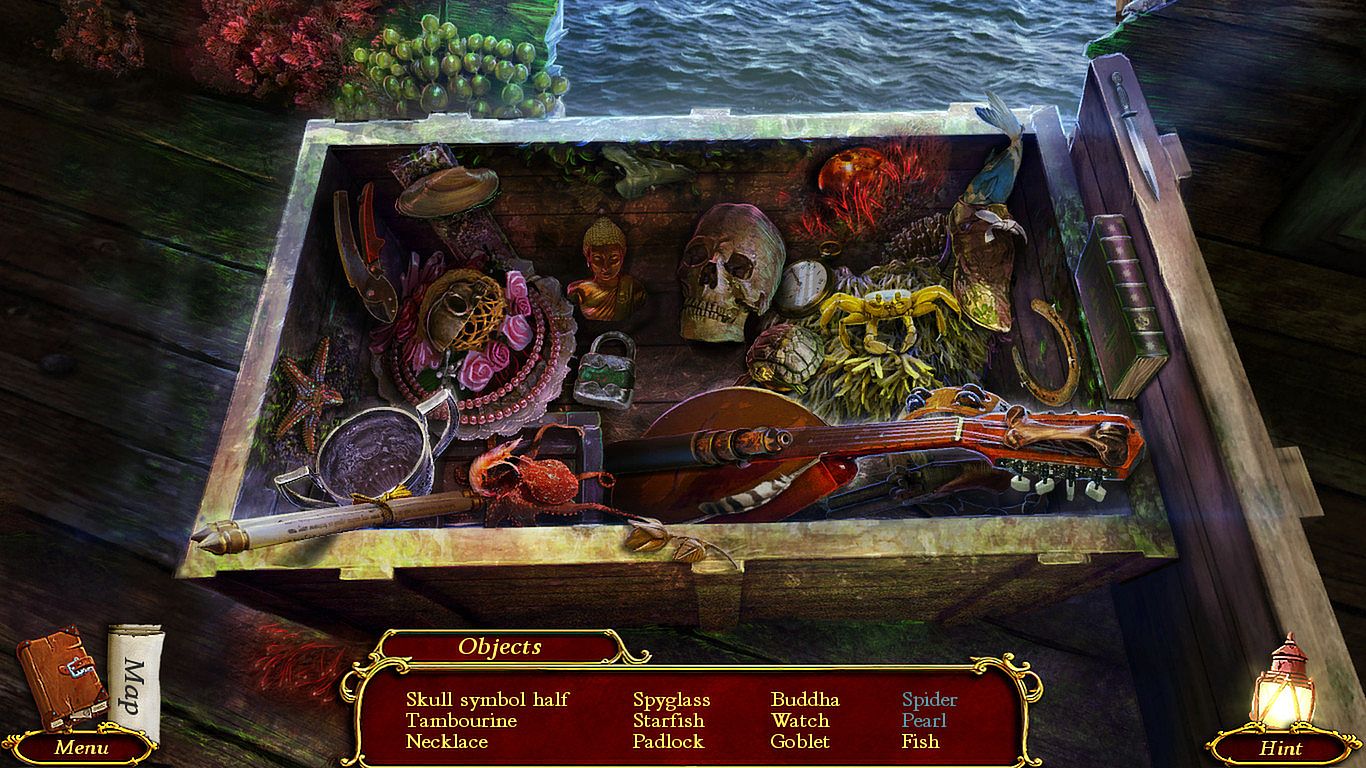
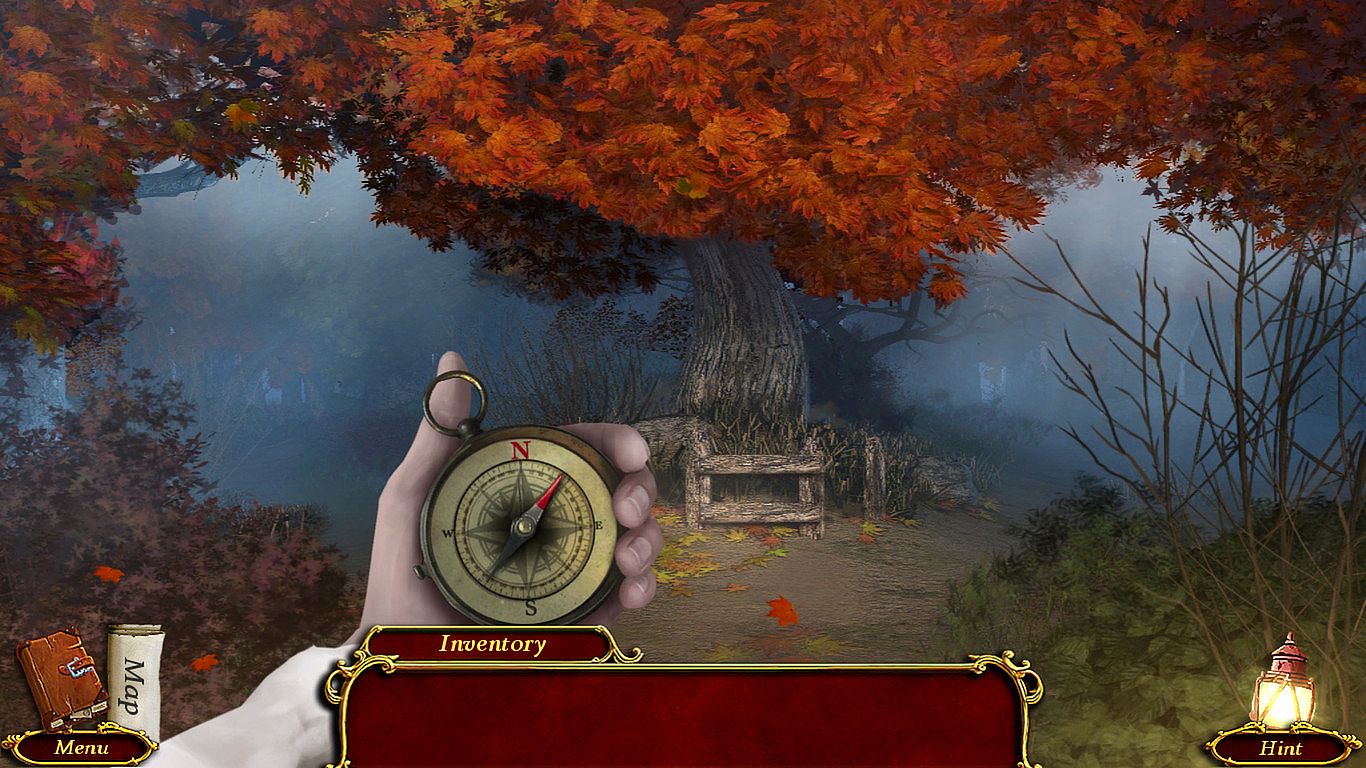
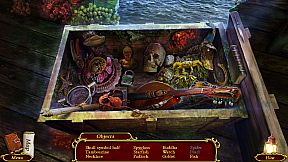
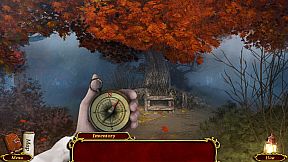
The core loop centers on searching detailed scenes for hidden items that advance the investigation. Puzzles vary in difficulty, often requiring players to combine objects or solve environmental challenges before progressing. An interactive location map helps track visited areas and objectives, while a journal records collected evidence and notes from conversations. Hand-drawn artwork creates a consistent grim atmosphere across ship decks, foggy shores, and shadowed interiors. Atmospheric sound design and music heighten tension during key moments, with unpredictable events interrupting searches to introduce new threats or revelations. The detective protagonist remains grounded, questioning supernatural elements even as evidence mounts, which shapes how clues connect across the story.
Exploration encourages careful observation of every corner, as items may require multiple steps to reveal or use. Complex characters emerge through dialogue and backstory fragments, adding depth to the central mystery without relying on action sequences. The experience stays focused on deduction and pattern recognition rather than combat or timed challenges.
Game Modes
The title offers a single-player experience structured around a continuous narrative progression. No separate multiplayer options or competitive formats exist. All content ties directly into the detective's case, with puzzles and story beats integrated into one linear path that players complete at their own pace. Difficulty adjustments appear in some puzzle sections to accommodate different skill levels, but the overall structure remains consistent across playthroughs.
Story and Atmosphere
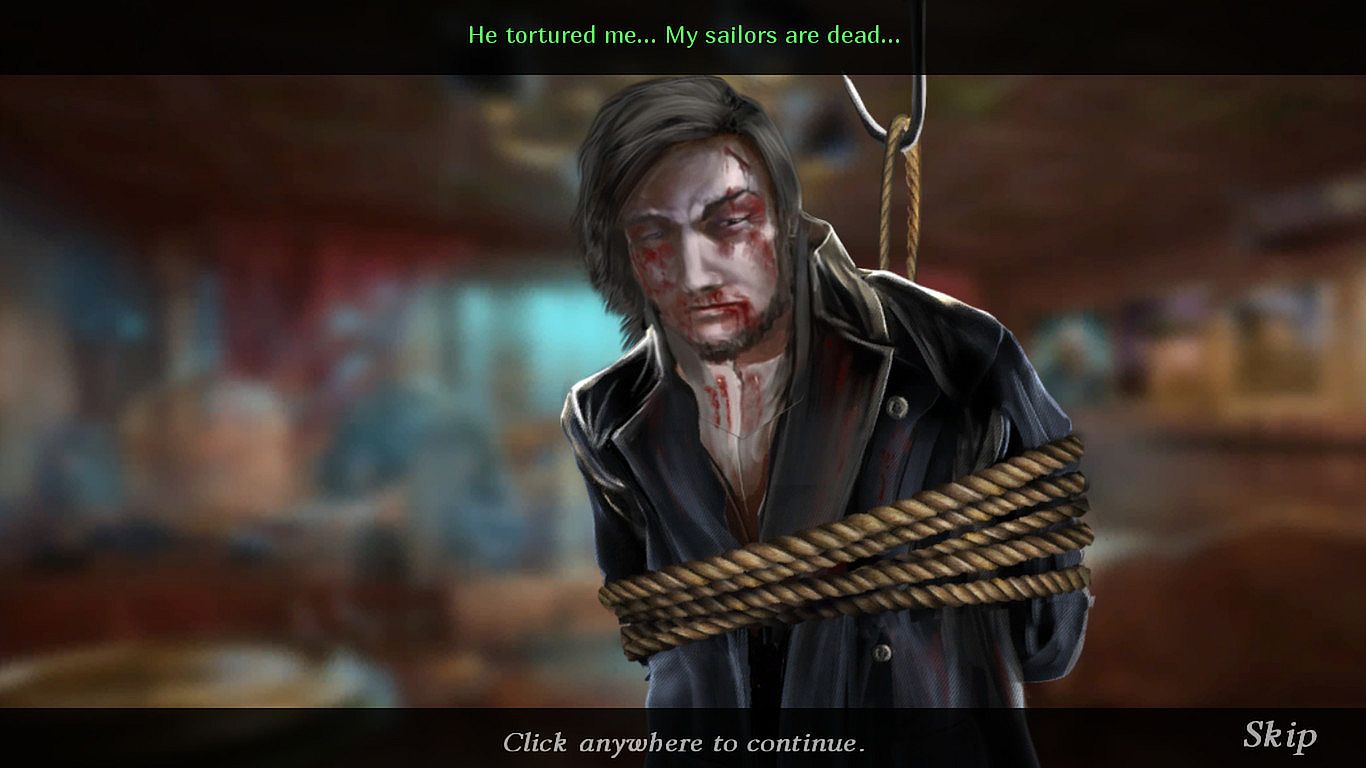
The plot weaves the ship's disappearance with events on Devil's Island and a local murder case, building through successive discoveries rather than abrupt shifts. A hooded figure with a hook serves as an early catalyst for doubt about the curse's reality. Players uncover connections via evidence scattered in each location, supported by the journal system that organizes findings. The grim tone persists through visual details and audio cues that emphasize isolation and unease on the abandoned vessel and surrounding areas.
Hand-drawn visuals maintain a cohesive style that supports the mysterious setting without modern graphical flourishes. Sound layers, including creaking wood and distant echoes, reinforce the sense of something amiss long before explicit scares occur. The detective's skepticism provides a counterpoint to the accumulating oddities, keeping the focus on logical unraveling of events.
Is It Worth Playing?
This game suits players who prefer methodical hidden-object searches combined with a mystery-driven story. The varying puzzle difficulties and integrated map and journal tools support steady progress without excessive backtracking. Those drawn to atmospheric adventures with supernatural undertones will find the narrative connections and character details engaging. Availability remains limited to the original PC release, with no ongoing updates or additional content confirmed in recent years. Fans of the genre often highlight the solid integration of clues and the steady build of tension as reasons to complete the full case. If the premise of investigating a cursed ship appeals, the experience delivers a self-contained adventure that rewards careful searching and attention to the unfolding lore.