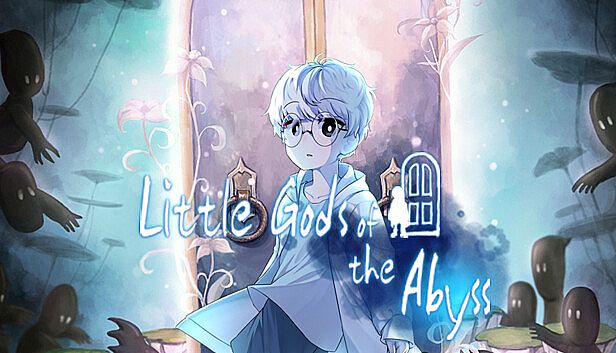





















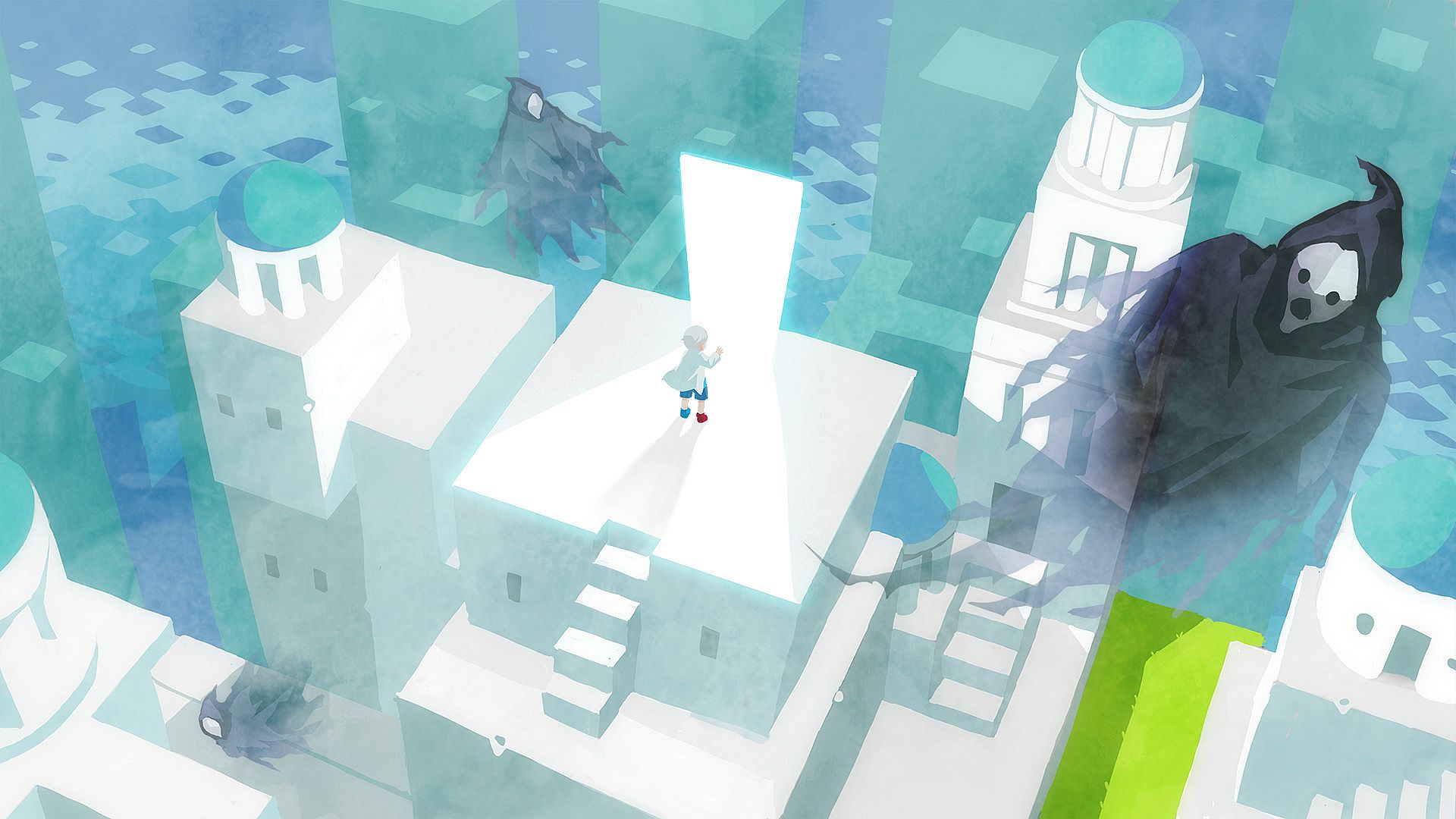
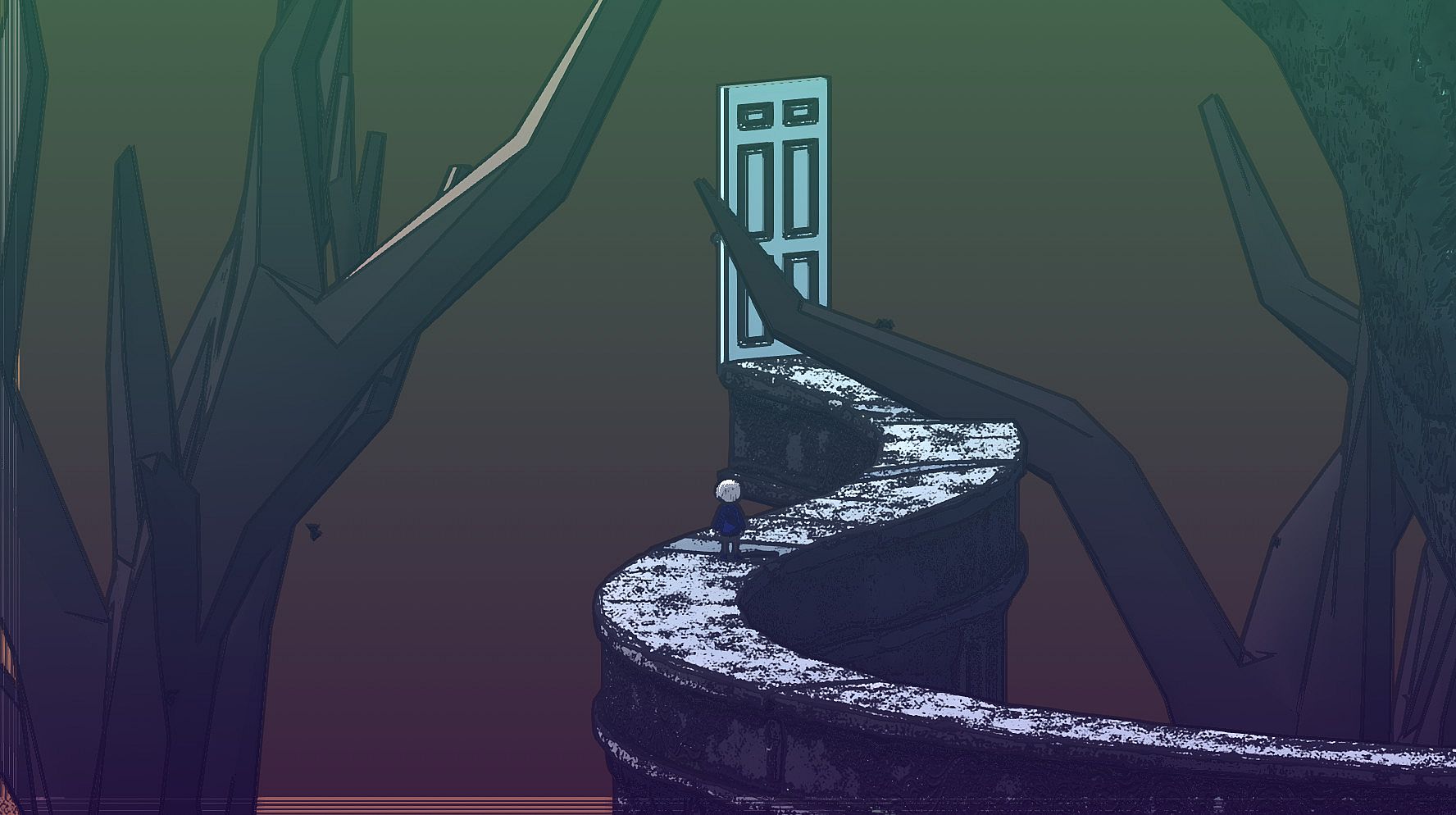
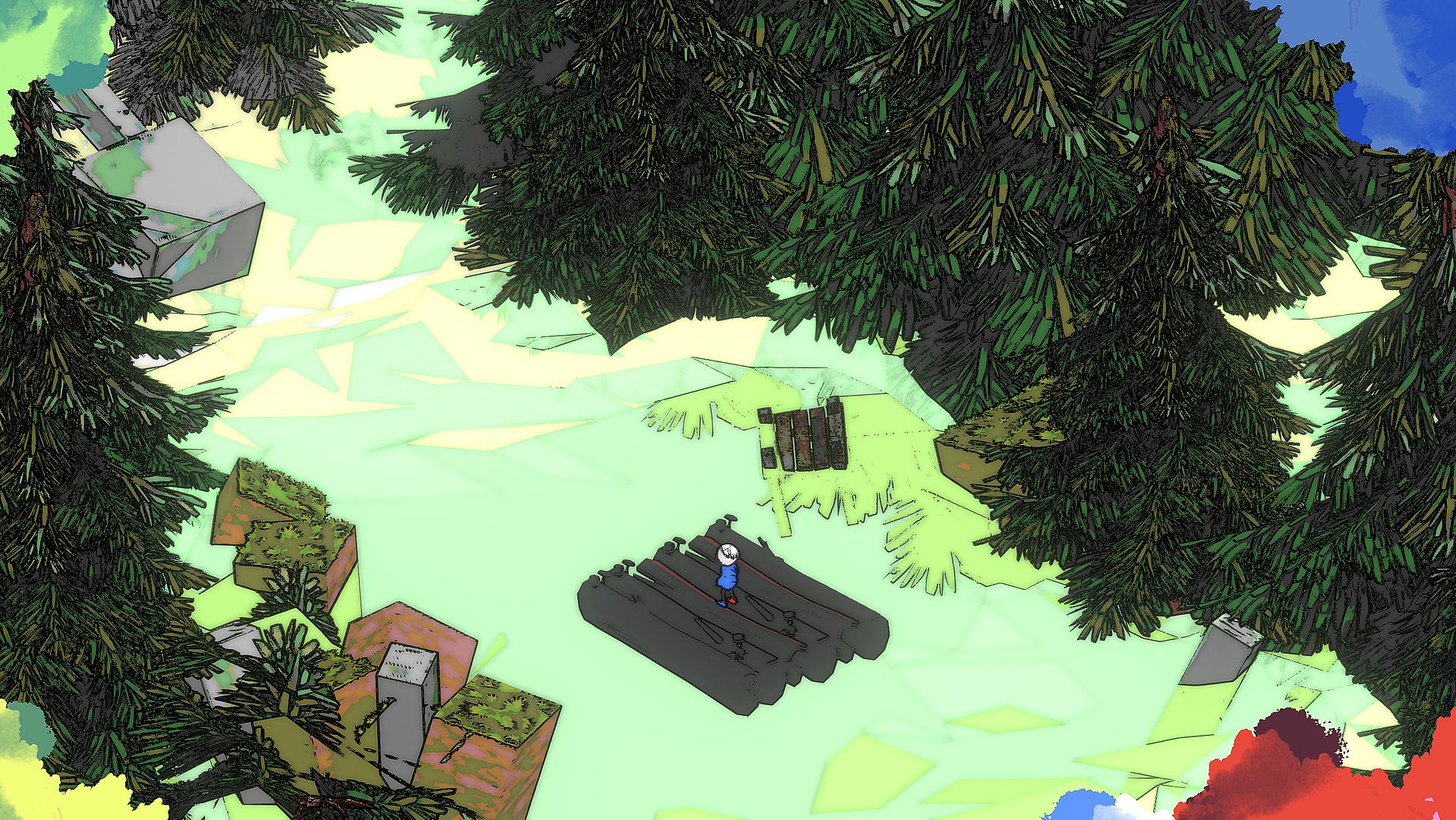
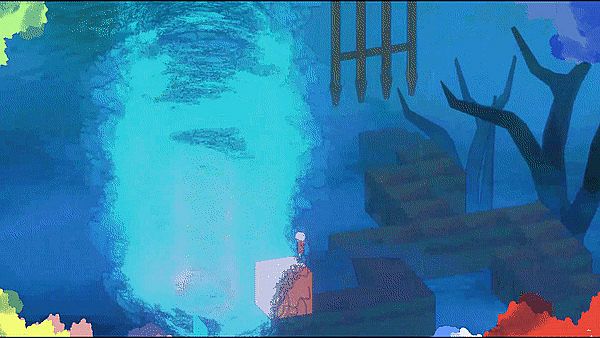
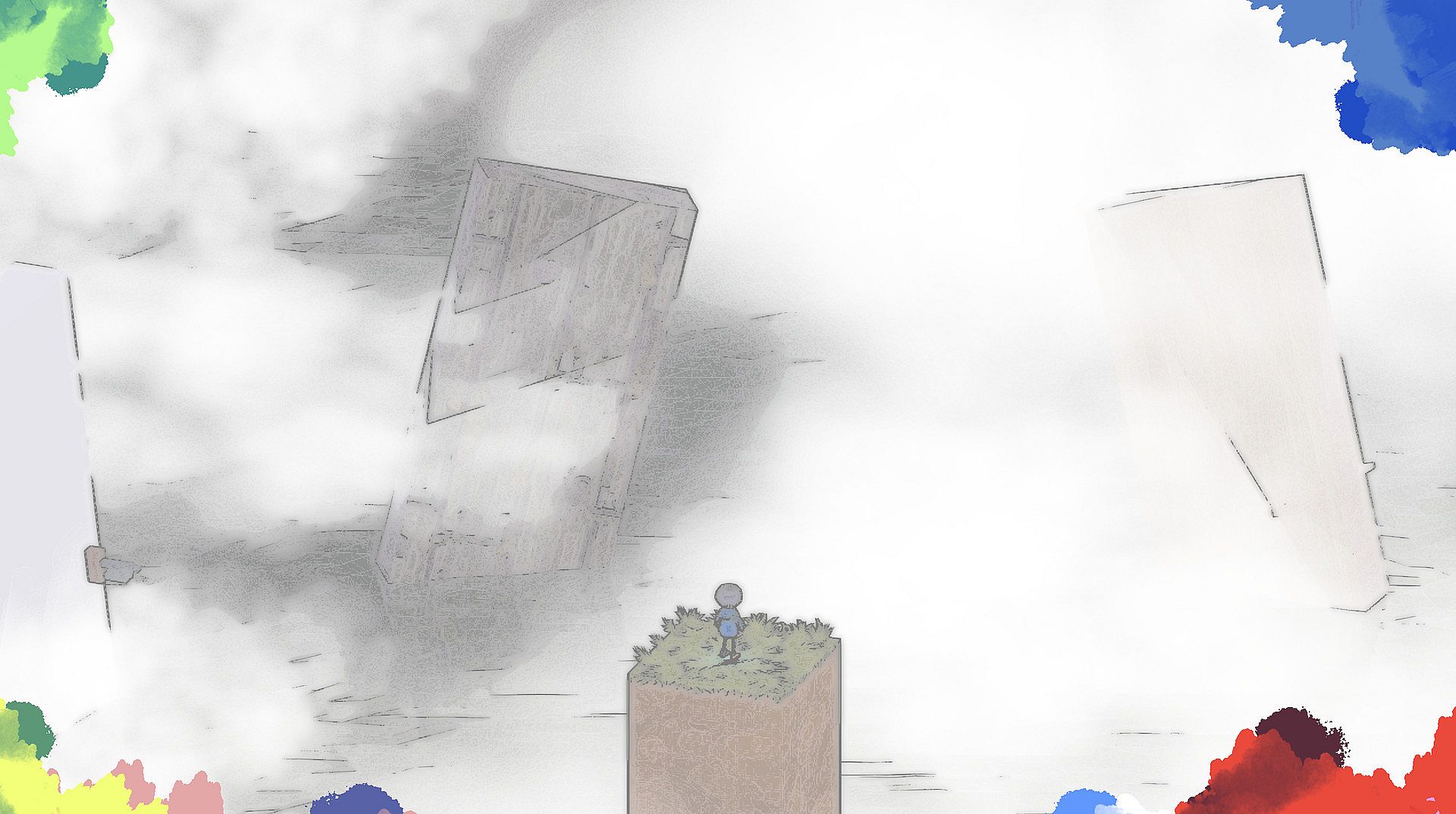
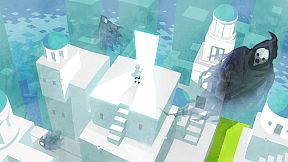
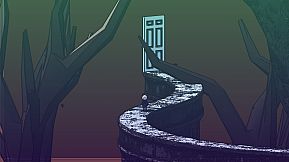
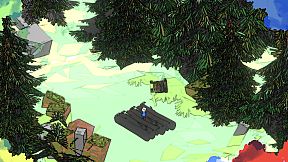
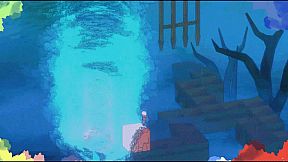
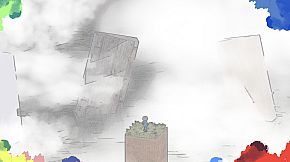
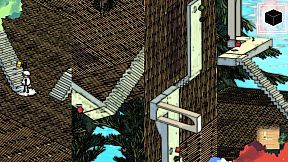
Little Gods of the Abyss is a single-player 3D platformer adventure game that places players in control of Nia, a small god tasked with restoring balance to a corrupted world. The experience centers on precise movement through ruined environments where simple forward progress requires careful timing and adaptation to shifting spaces.
Gameplay
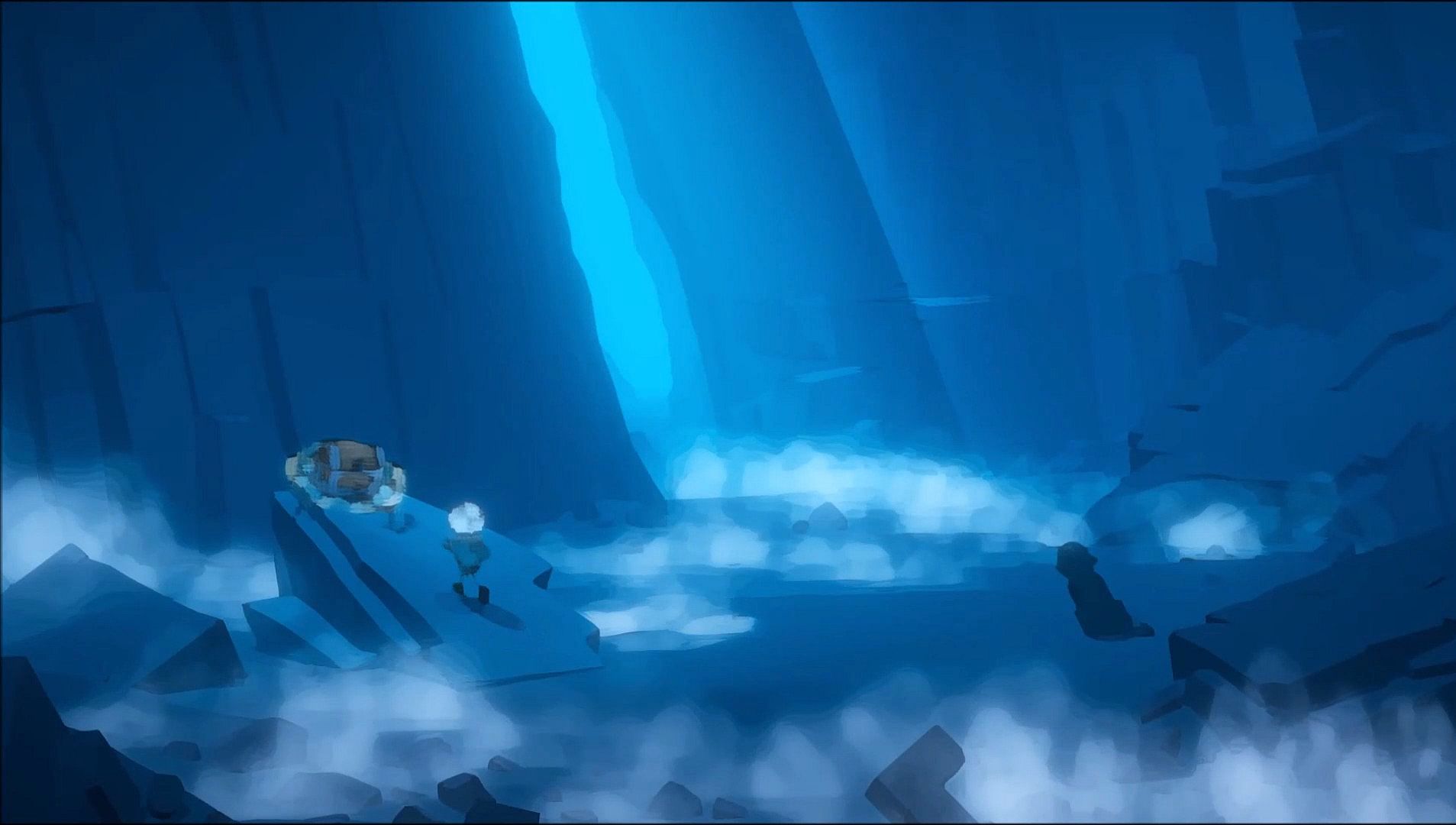
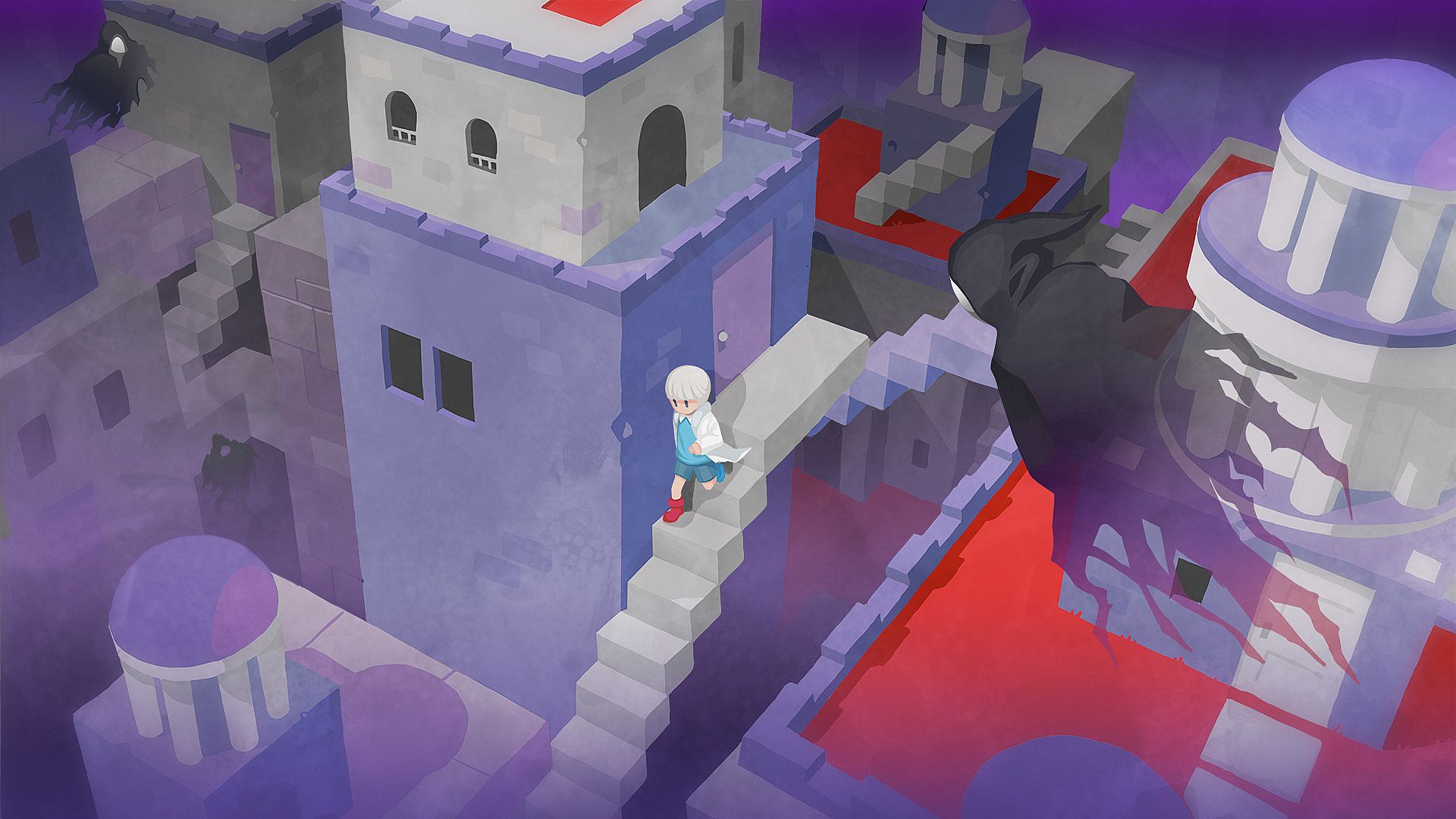
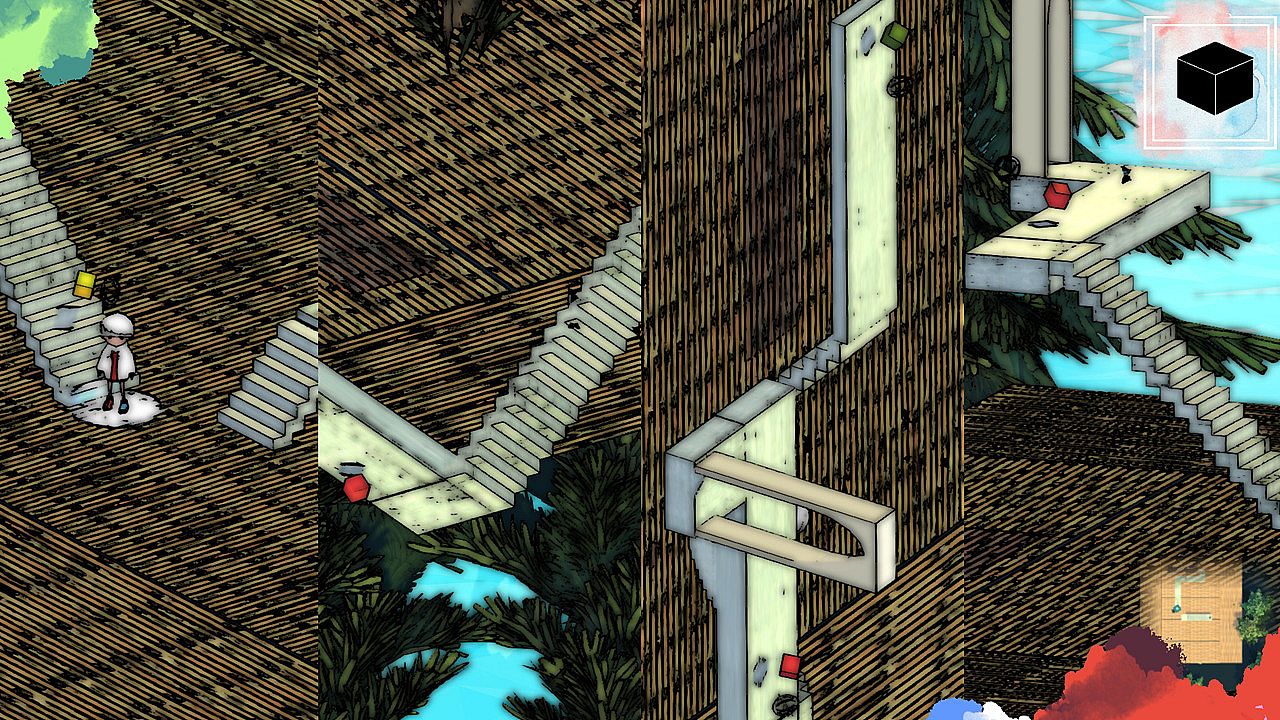
The core loop revolves around platforming that demands more than basic jumps. Players combine dodges, glides, and timed actions to navigate obstacles and solve environmental puzzles. Nia can mend gates, which serves as both a progression tool and a way to interact with the world's broken structures. Stages feature silent forests, lifeless ruins, and geometrically distorted areas that alter how movement feels from one section to the next.
Exploration rewards observation rather than speed. Twisted spaces require players to analyze layouts and locate paths that reopen closed gates. Collecting singing stars scattered throughout levels powers these gates and restarts halted flows in the environment. Attacks integrate into the movement system for clearing minor threats or activating mechanisms without breaking the flow of traversal.
Soundtrack plays a direct role in gameplay. Music accompanies Nia's actions and shifts with the emotional tone of each area, providing audio cues that align with visual changes. The absence of dialogue or on-screen text keeps focus on these environmental and auditory signals.
Game Modes
The game offers a single-player campaign structured around sequential stages. Each stage reflects distinct emotional themes within the Soul World and presents unique platforming challenges tied to that atmosphere. Progress involves moving through these areas, activating gates, and gathering resources that advance the journey toward the central Primal Gate.
Stages vary in layout and hazards, encouraging repeated attempts to master timing and routes. There are no separate competitive or cooperative modes, so the entire experience stays within this linear yet atmospheric single-player structure. Six Steam achievements track specific accomplishments across the campaign.
World and Atmosphere
The setting begins from the shattering of the Primal Gate, which left rifts that twisted space and halted life. Players traverse these corrupted zones where geometry bends and emotions manifest through visual and musical design. Silent forests give way to ruins that feel abandoned yet charged with residual energy, and distorted spaces challenge spatial awareness during platforming sequences.
Narrative elements emerge through shifts in the environment, changes in music, and Nia's animations. Closed gates stop the world's flow until reopened, creating a sense of gradual restoration without explicit exposition. The visual style emphasizes contrast between beauty and unease, with each area conveying a different facet of the broken world.
Is It Worth Playing?
Player reviews on the platform stand at Very Positive, with 86 percent approval from 53 reviews. This reception highlights the precision of the controls and the strength of the atmospheric presentation for those who enjoy deliberate platforming over fast-paced action.
The game suits players seeking a focused single-player experience built around timing, exploration, and environmental storytelling. Its full release in January 2026 followed an extended Early Access period, during which updates refined movement and pacing. A demo remains available for those who want to test the core mechanics before purchase.
Those drawn to indie platformers that prioritize mood and mechanical challenge will find consistent engagement across its stages. The limited scope keeps the experience tight, with no extraneous systems to dilute the central loop of movement and gate restoration.