


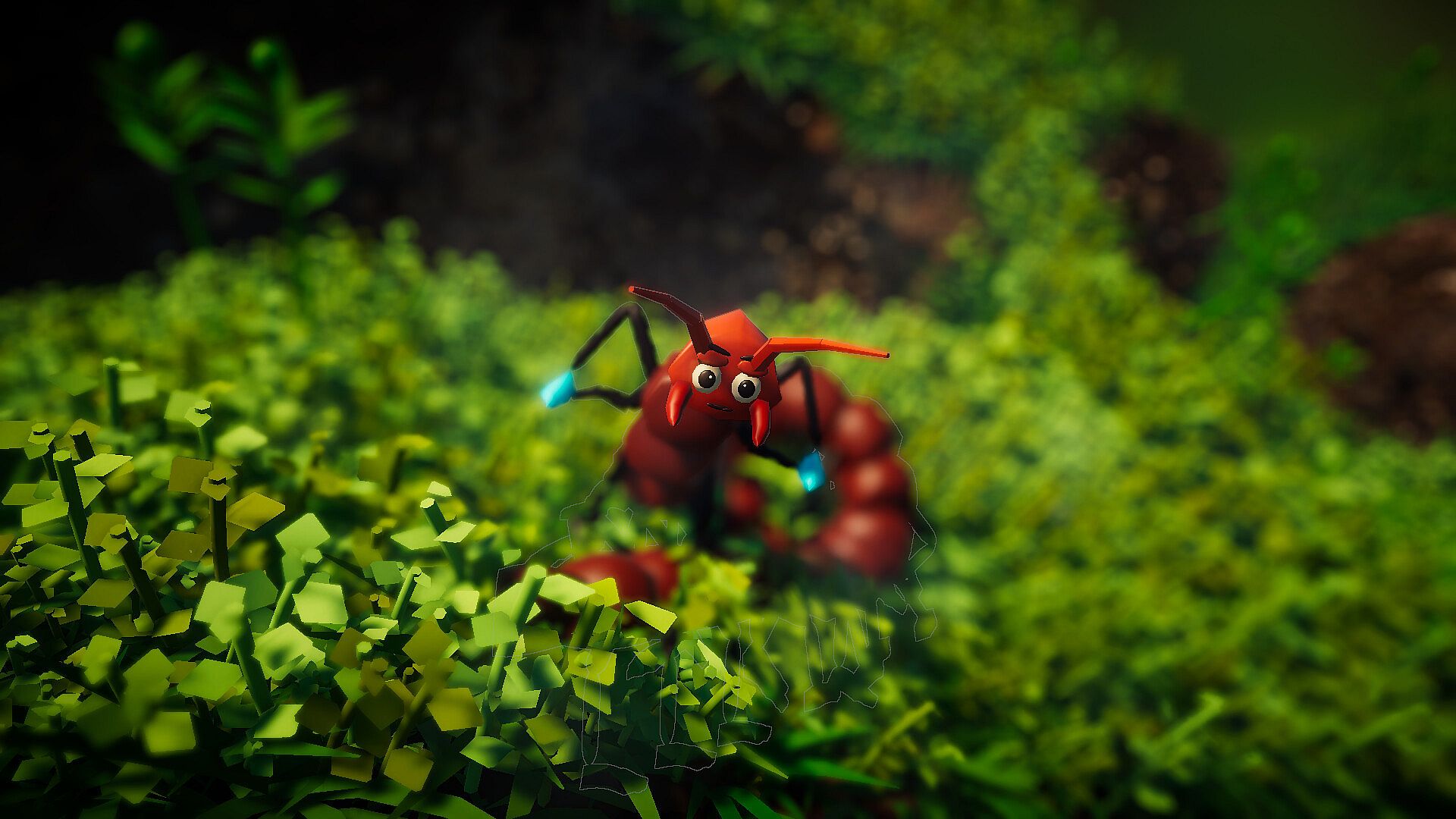
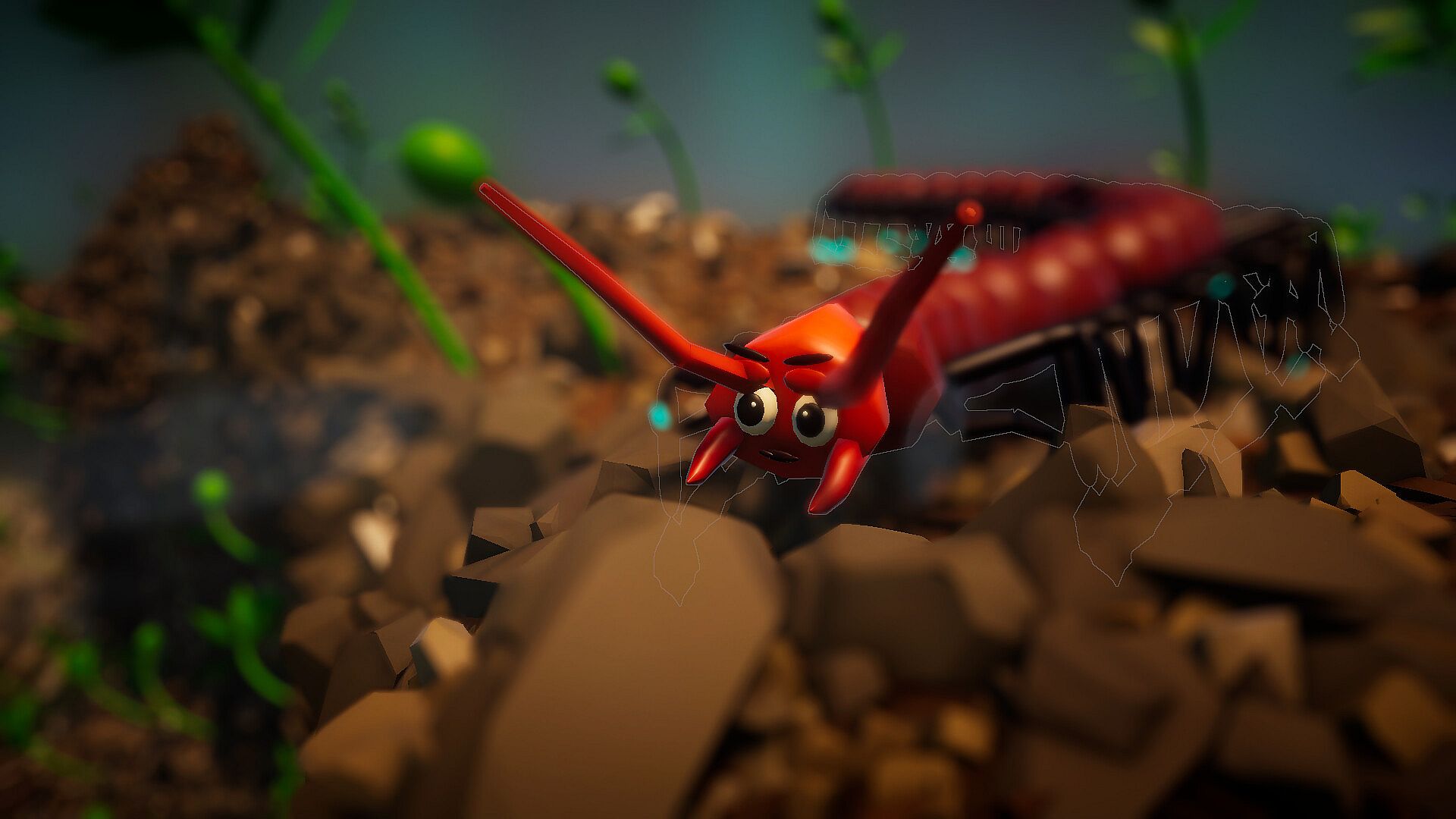
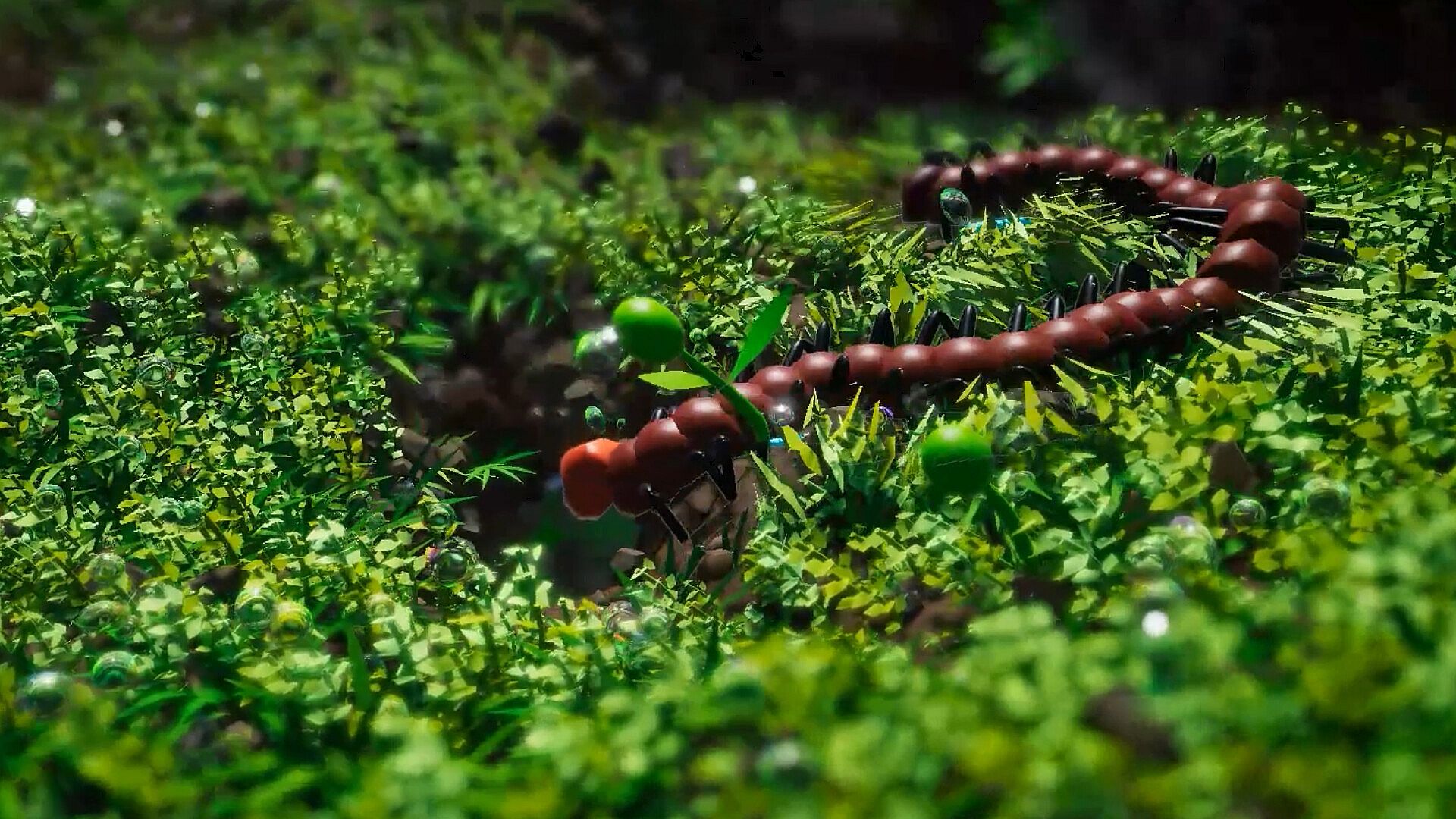
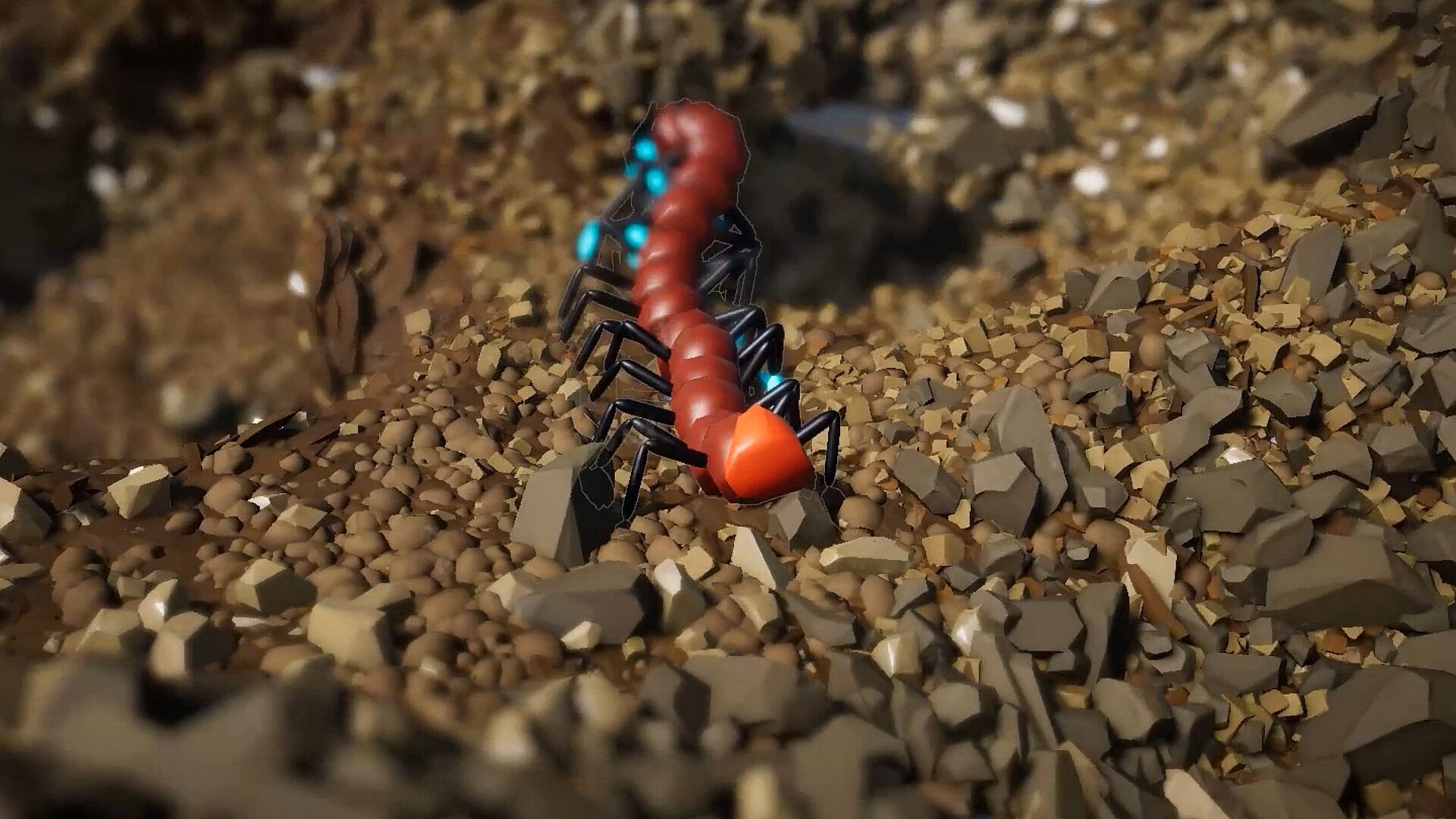
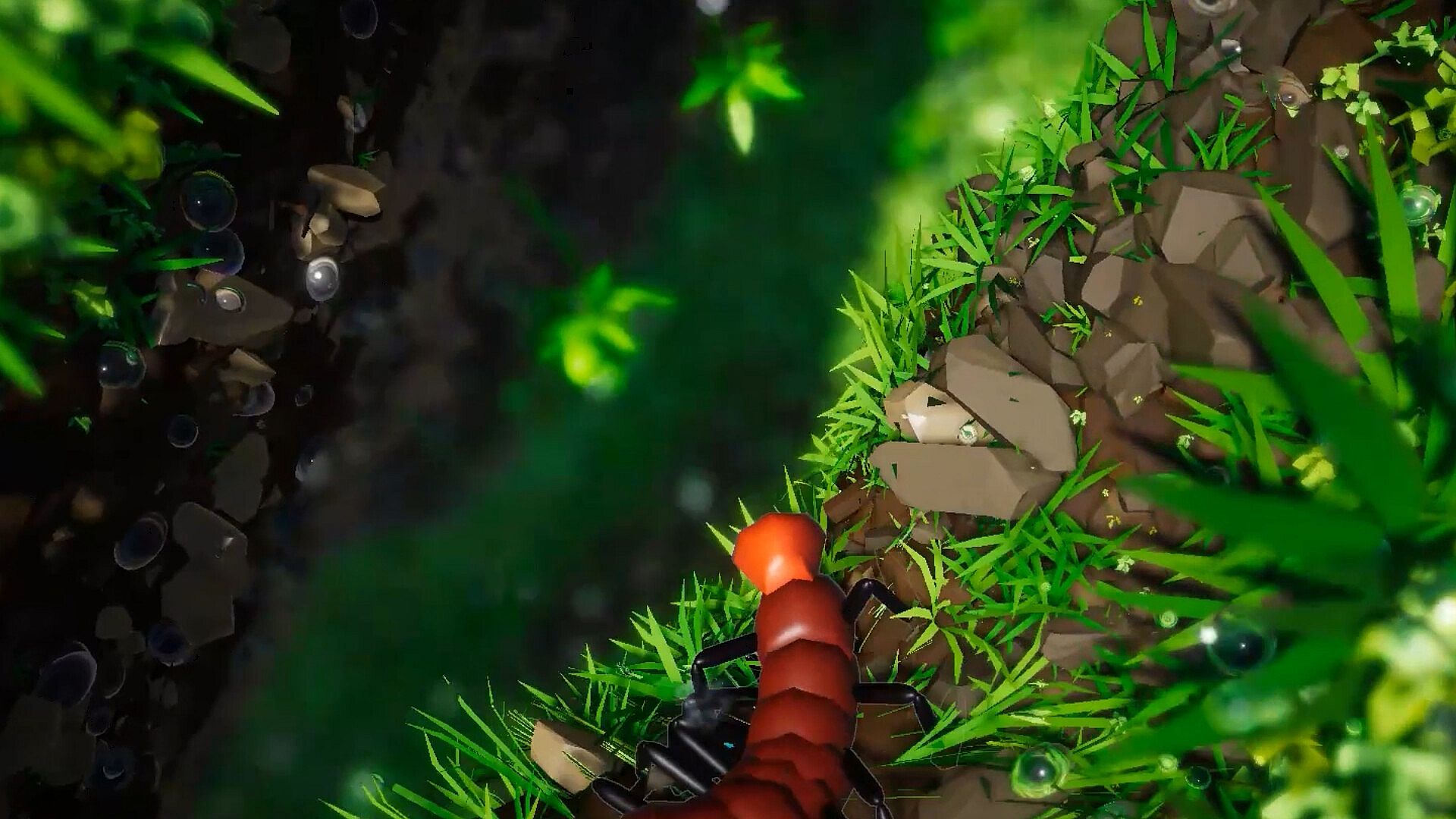

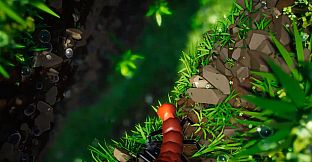
Little Legs is an indie casual simulation adventure game for PC where players take on the role of small customizable bugs in vast, procedurally generated forests. Everything in the environment towers overhead, turning routine movement into a careful process of navigation across roots, leaves, and soil layers. The core experience centers on exploration through living ecosystems that shift with each new session, creating fresh layouts and opportunities for discovery without relying on fixed maps or scripted events.
Gameplay
The central loop involves moving through dense forest terrain as a bug with limited reach. Players dig under tangled roots to find shortcuts, climb the sides of tall trees for better vantage points, and crawl across uneven surfaces that would be simple for larger creatures but demand precise control here. Customizable bugs allow adjustments to appearance and perhaps minor traits that influence how they interact with the world, though the emphasis stays on environmental challenges rather than combat or collection systems.
Forests generate anew each expedition, so paths, obstacles, and hidden routes change regularly. This procedural approach keeps repeated play sessions distinct, as the same starting area might reveal different underground tunnels or canopy connections on subsequent visits. The simulation elements come through in how the ecosystem feels alive, with natural barriers and openings that respond to the bug's scale and abilities rather than through complex physics or resource management.
Single player sessions focus on personal pacing and careful observation of the surroundings. Movement requires attention to vertical and horizontal options, encouraging players to test different routes and backtrack when a direct path proves blocked. The casual tone keeps frustration low, favoring steady progress over high-stakes timing or failure states.
Game Modes
Exploration supports solo play for those who prefer independent discovery at their own speed. Up to three additional players can join in local or online co-op, turning the same generated forests into shared spaces where bugs work together to overcome terrain. Coordination becomes useful when one player scouts ahead while others clear or mark paths, though the game does not introduce competitive elements or team-based objectives beyond mutual navigation.
Multiplayer sessions retain the same procedural generation as solo, so groups encounter unique layouts each time. The focus remains on cooperative traversal rather than separate roles or specialized tools, allowing friends to experiment with different bug customizations while tackling the same challenges. No dedicated versus or competitive modes exist, keeping the emphasis on joint adventure through the ecosystem.
Exploration and Discovery
Hidden paths form a key part of the appeal, often tucked beneath surface features or high in the canopy. Players uncover these by combining digging, climbing, and crawling actions in sequence, revealing connections between different forest layers. The living ecosystems add variety through changing plant structures and ground conditions that alter available routes without player input.
Each expedition feels self-contained yet repeatable because generation rules produce different combinations of terrain features. Bugs move through these spaces at a deliberate pace suited to their size, making small adjustments in direction or height matter for reaching new areas. The simulation aspect shines in how the environment presents consistent rules for interaction, such as root density affecting dig depth or tree bark texture influencing climb stability.
Visual and Atmospheric Elements
The forests present a scaled-up natural world where ordinary details like moss or bark become major landmarks. Lighting and color shifts across layers help distinguish underground tunnels from open clearings or elevated branches. Custom bug designs stand out against the organic backdrop, reinforcing the sense of scale without additional visual effects or overlays.
Atmosphere builds from the consistent perspective of small creatures navigating a larger habitat. Sound and movement cues likely tie into the terrain types, though the experience prioritizes visual feedback for navigation decisions. The overall presentation supports relaxed sessions focused on observation and incremental progress through the generated spaces.
Is It Worth Playing?
Little Legs suits players who enjoy relaxed exploration in procedurally generated environments and light co-op cooperation. The bug-scale perspective and forest navigation create a distinctive casual simulation adventure that rewards patience and route-finding over fast action or complex systems. Those seeking short, repeatable sessions with friends or alone will find the core loop accessible on PC.
With support for solo and small-group play in ever-changing settings, the game appeals to fans of indie titles that emphasize discovery and environmental interaction. Its straightforward mechanics and lack of heavy progression systems make it easy to pick up for occasional play without long-term commitment. If the idea of navigating oversized natural spaces as customizable insects aligns with your preferences for casual adventure, it offers a focused experience worth trying.