


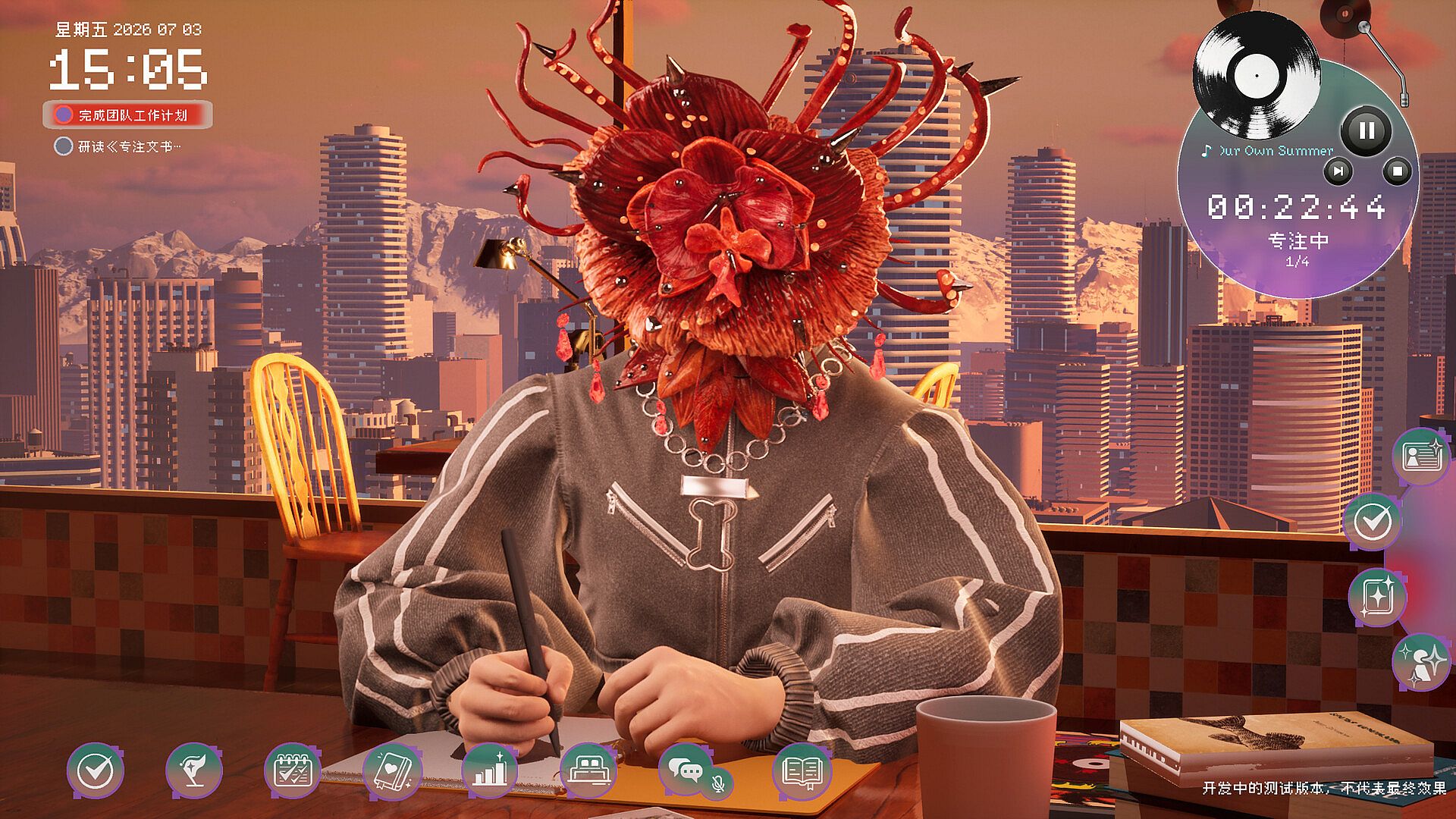






LOFI Records: A Focus Companion is an indie casual single-player game for PC that blends Pomodoro-style focus sessions with an AI companion in a lo-fi record store environment. Players build and interact with a custom character while handling real-life study, work, and rest periods, gradually shaping the shared space through consistent effort.
Gameplay
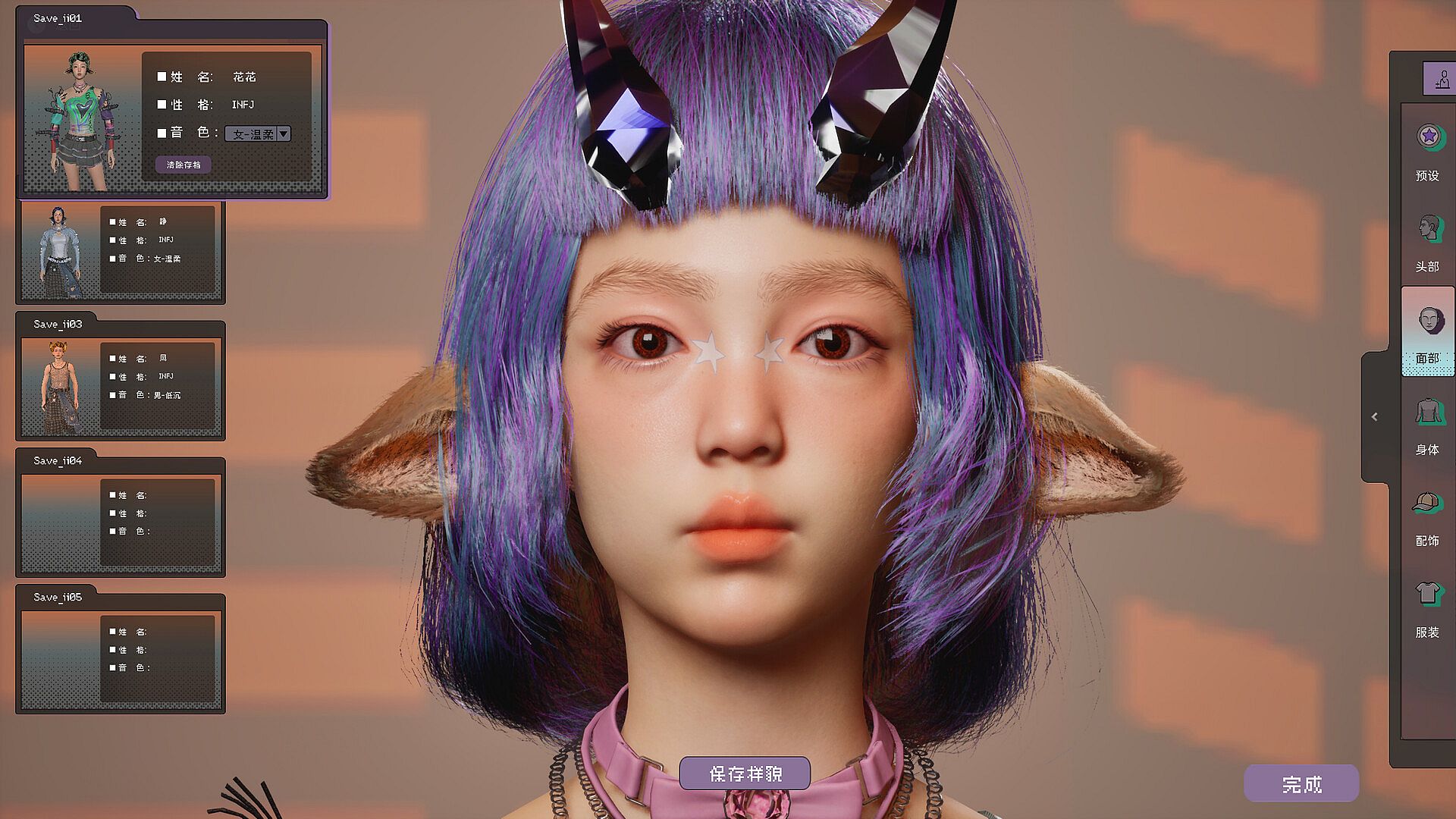
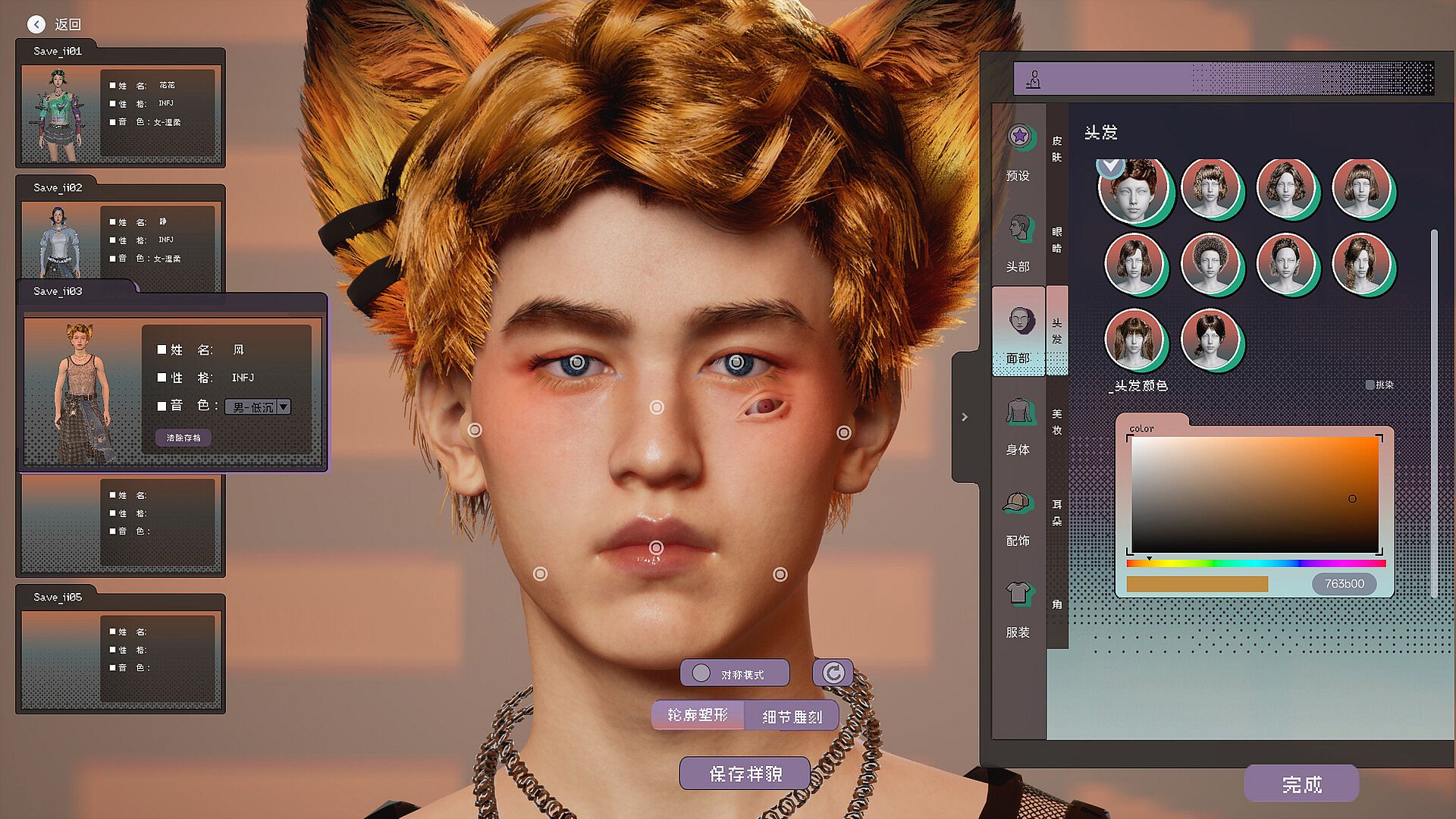
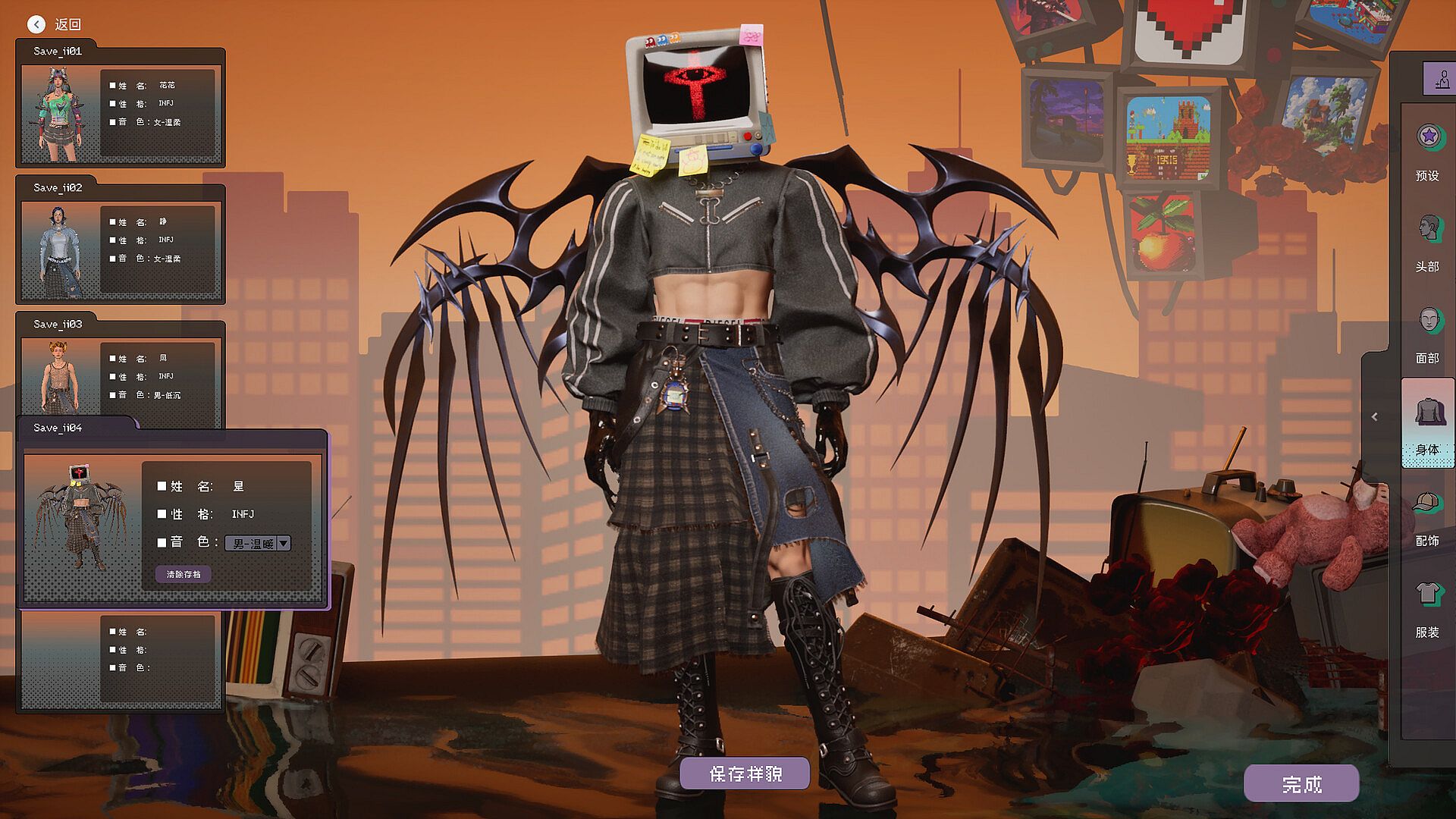
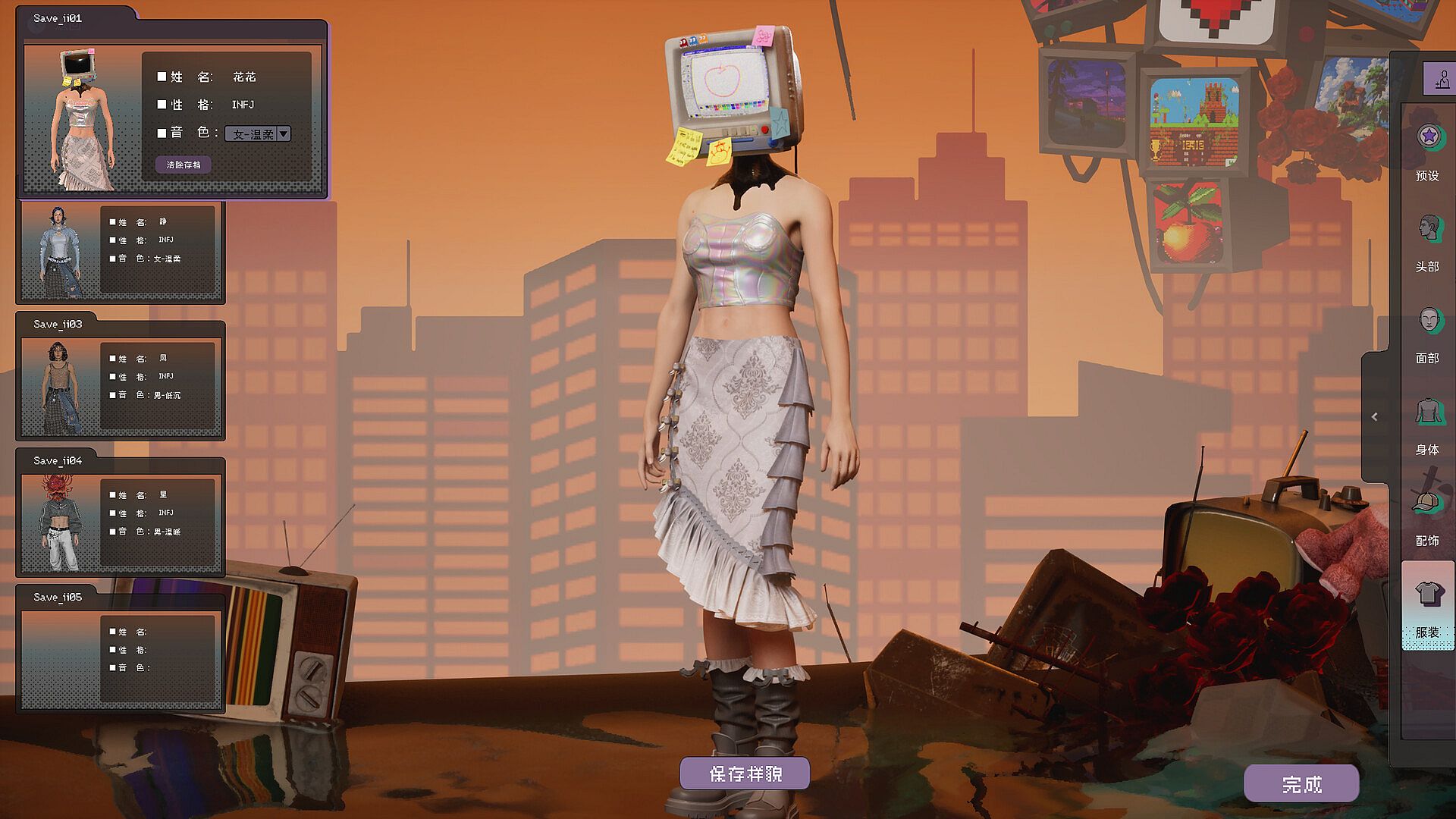
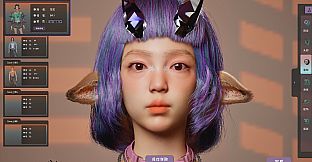
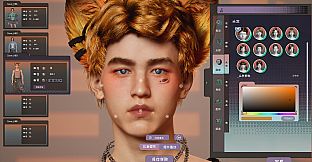
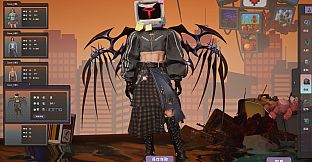
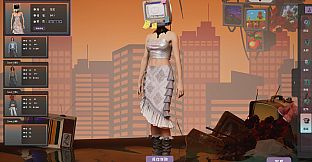
Players begin by designing a companion across five available character slots. Customization covers name, personality traits, voice selection, body type, facial details, hairstyles, makeup, clothing, and accessories. The companion can appear as a realistic human or take on non-human forms with distinctive head designs.
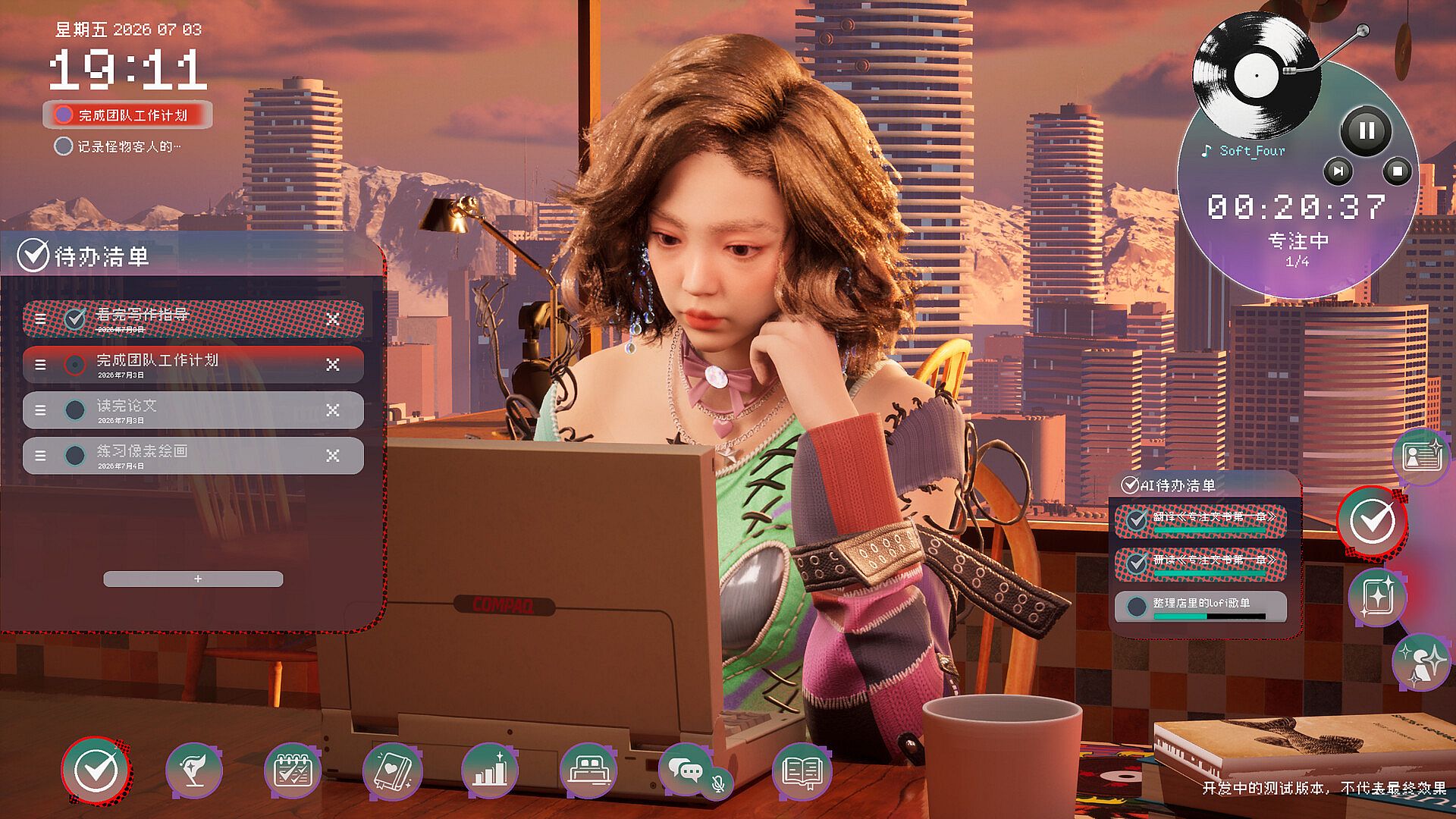
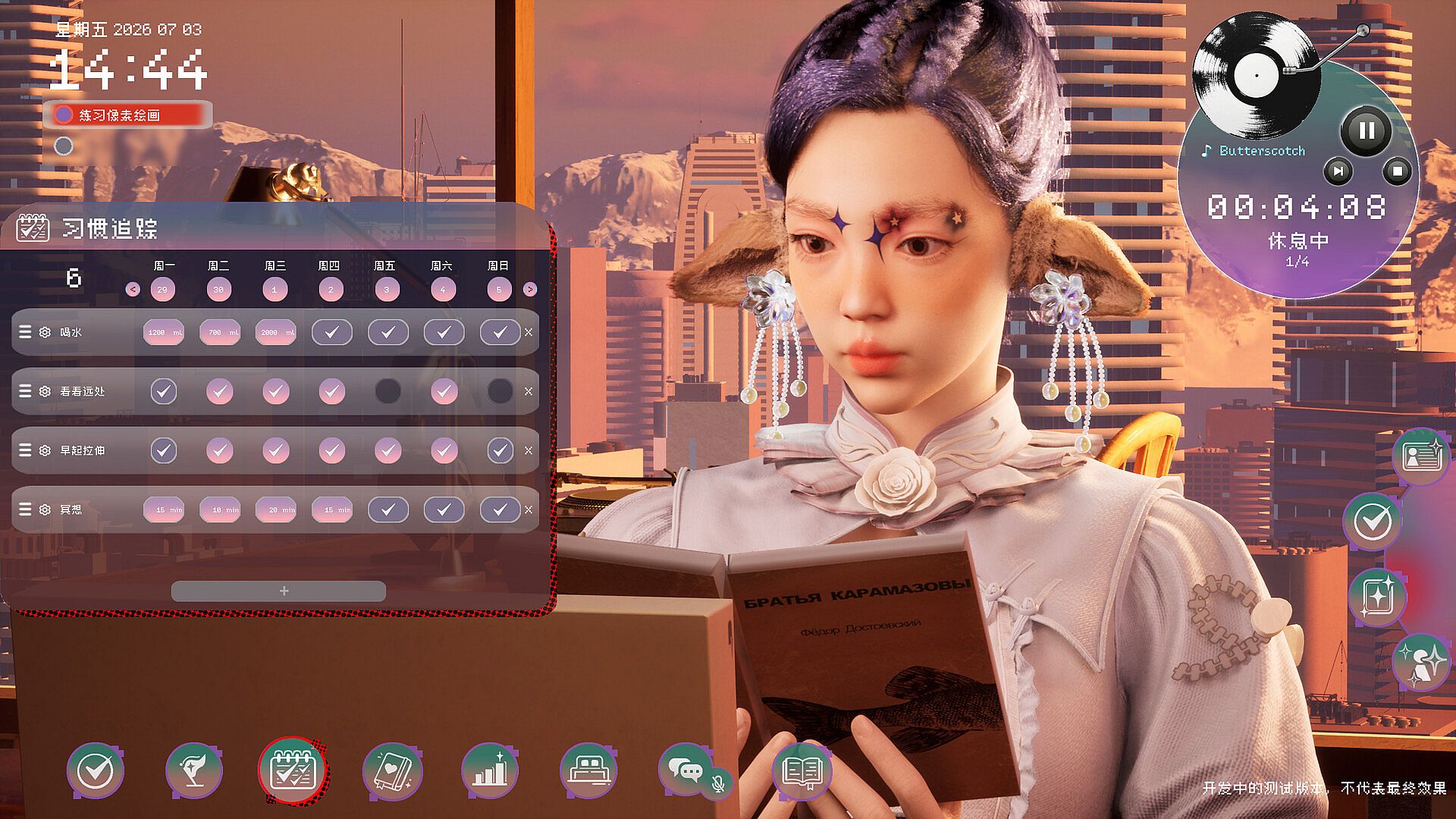
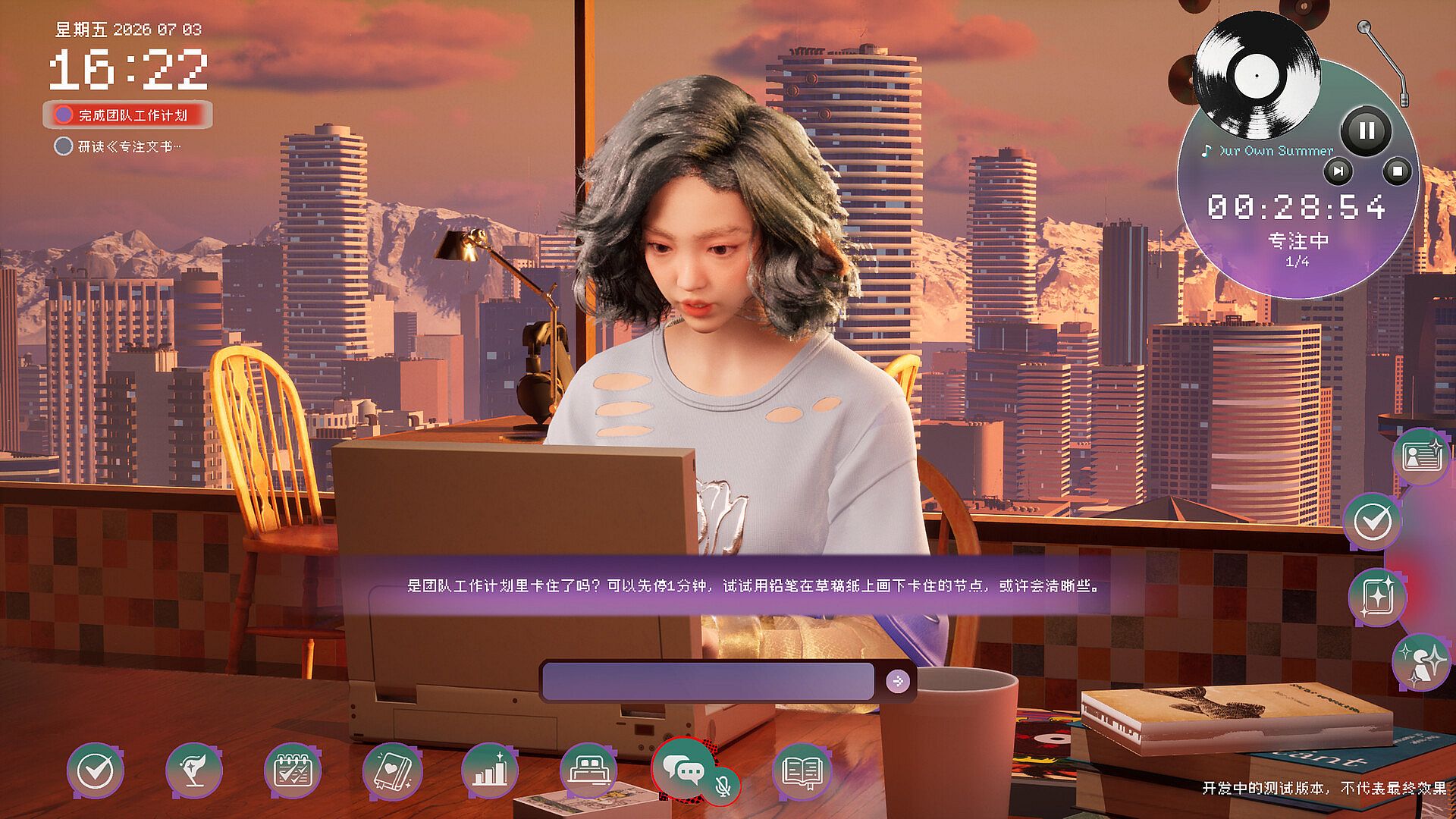
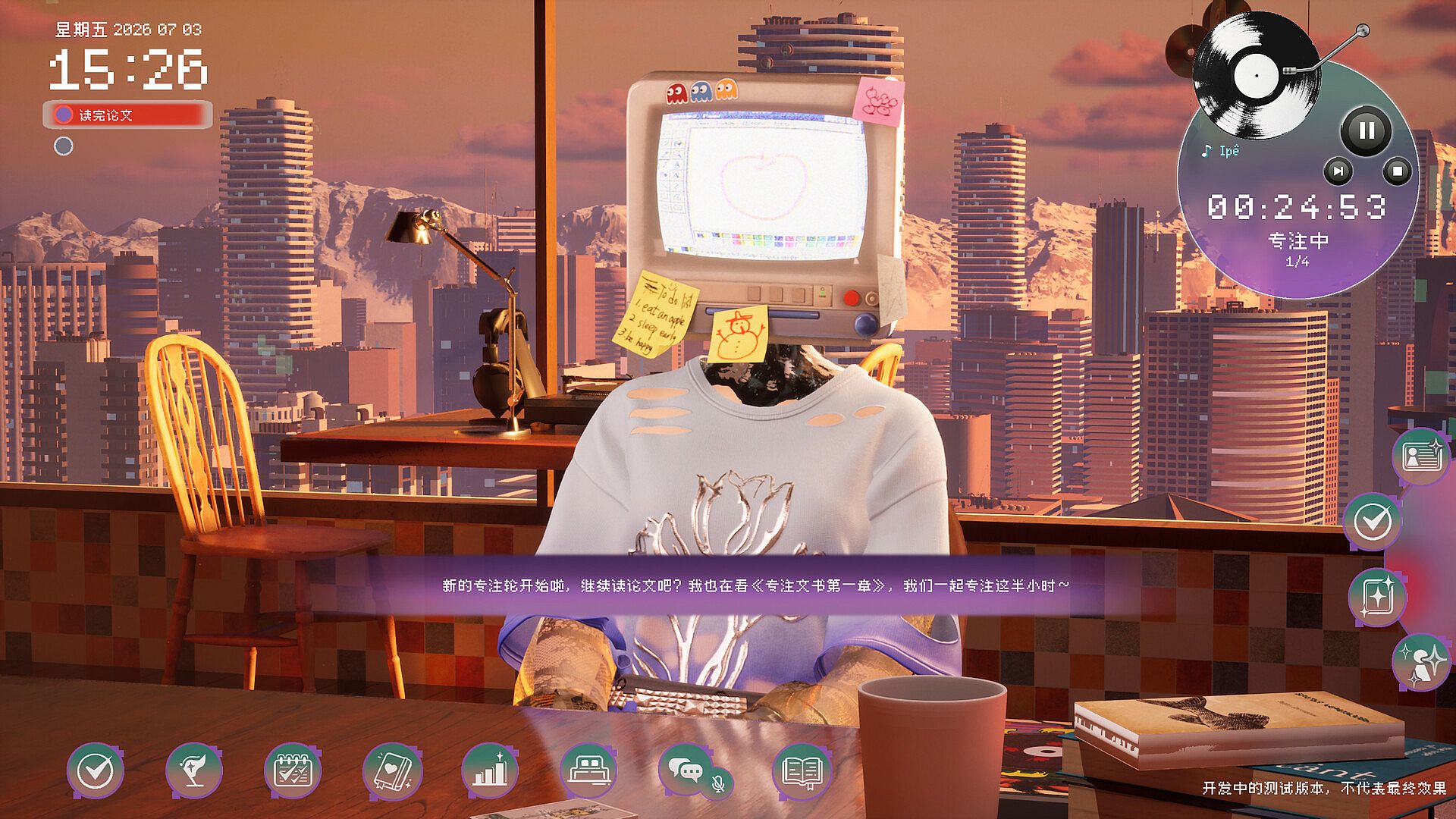
Setting a Pomodoro timer starts a shared focus period. The companion sits across from the player and works on personal tasks during concentration phases. Breaks allow the companion to relax, zone out, or read a novel, creating a sense of parallel activity rather than passive observation.
Players maintain personal to-do lists, long-term plans, habit trackers, notes, and thoughts within the game. Over repeated sessions the companion learns from these entries and offers reminders or discussions about progress at appropriate times. The companion maintains its own task list and advances work independently, with visible results unlocking as total focus time accumulates.
The record store serves as the central hub. Original lo-fi tracks play during sessions, and players collect fragments to assemble custom playlists. The companion handles shop maintenance, record organization, and playlist curation when not directly engaged. Focus time draws in monster customers who visit for brief rests and music listening, expanding the atmosphere as progress continues.
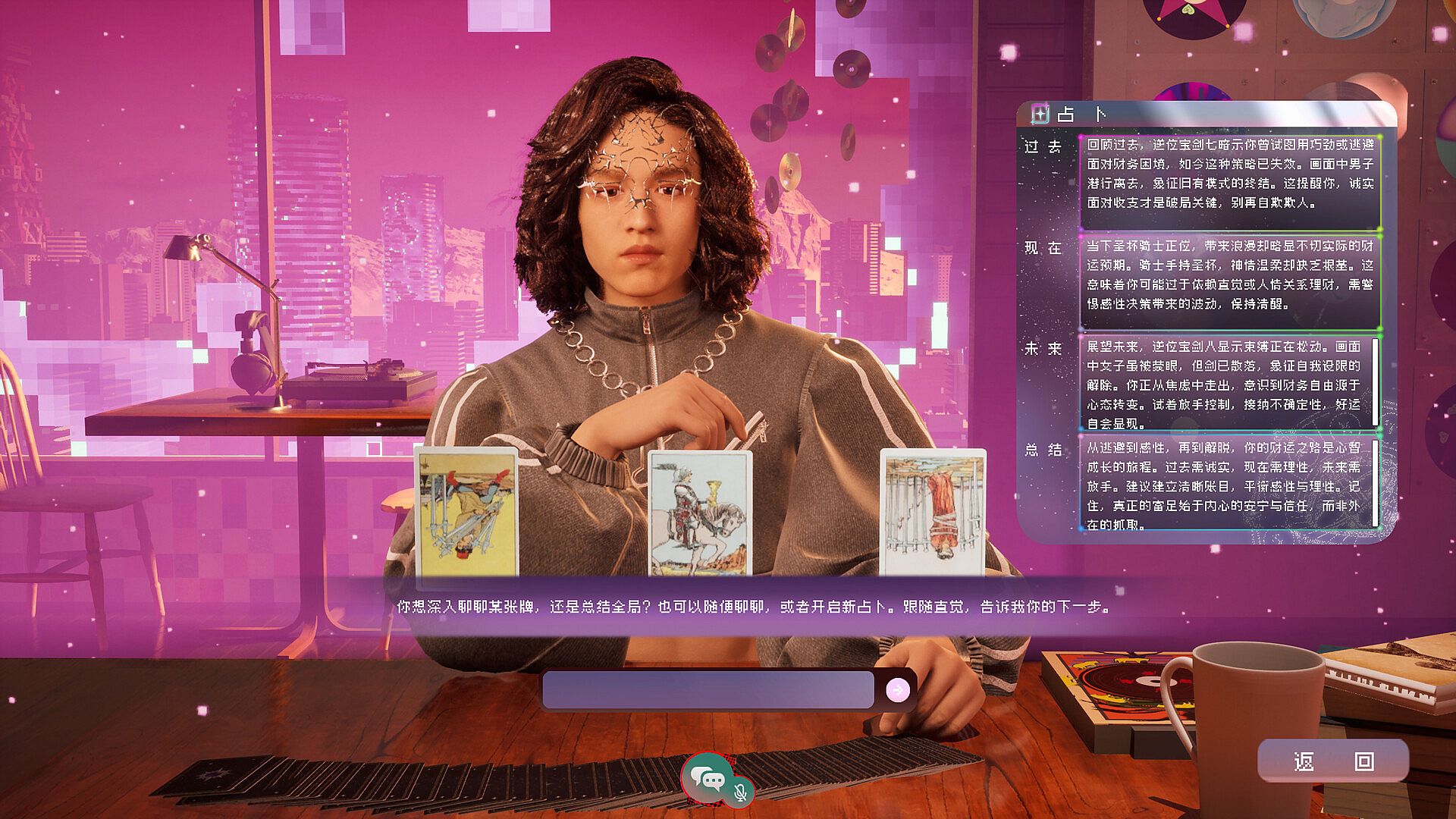
Outside active timers, the companion performs small idle actions such as resting or tidying. Players can observe these moments or initiate direct conversations about daily events. Tarot readings provide occasional inspiration prompts. Shop decorations can be adjusted to personalize the environment further.
Game Modes
The experience centers on a single-player loop of timed focus sessions paired with companion interaction. No separate multiplayer or competitive modes exist. Sessions alternate between work intervals and breaks, with the companion mirroring the structure through its own activities.
Progression ties directly to accumulated focus time. Longer engagement unlocks companion task outcomes, new decorations, music fragments, and additional customer visits. The core activity remains consistent across play: setting timers, managing lists, listening to music, and conversing with the companion.
Customization and Progression
Five companion slots allow multiple distinct characters to be created and switched between. Each develops independently based on shared focus time and player inputs. Music collection involves gathering fragments during sessions and combining them into personalized playlists that enhance the store's relaxed tone.
Shop upgrades and customer arrivals scale with total focus duration, turning the record store into a more lived-in space. The companion's growing familiarity with player habits adds layers to conversations and reminders without requiring separate progression systems.
Is It Worth Playing?
This title suits individuals seeking a structured yet gentle aid for study or work routines alongside light companionship elements. The single-player focus on real-time timer use and task tracking provides a practical framework for building habits, while the companion and store atmosphere add a personal touch.
Features such as AI-driven dialogue for conversations, tarot prompts, and music playlist building differentiate it from basic timer apps. Since the game remains unreleased with no user reviews available, its appeal depends on whether the described companion mechanics and lo-fi setting align with a preference for calm, reflective gameplay over action or competition.
Those who value consistent daily sessions and gradual world-building through personal effort will find the most direct match. The absence of multiplayer or complex combat keeps the experience centered on focus and small interactions. System requirements remain modest, supporting broad accessibility on Windows PCs once available.