






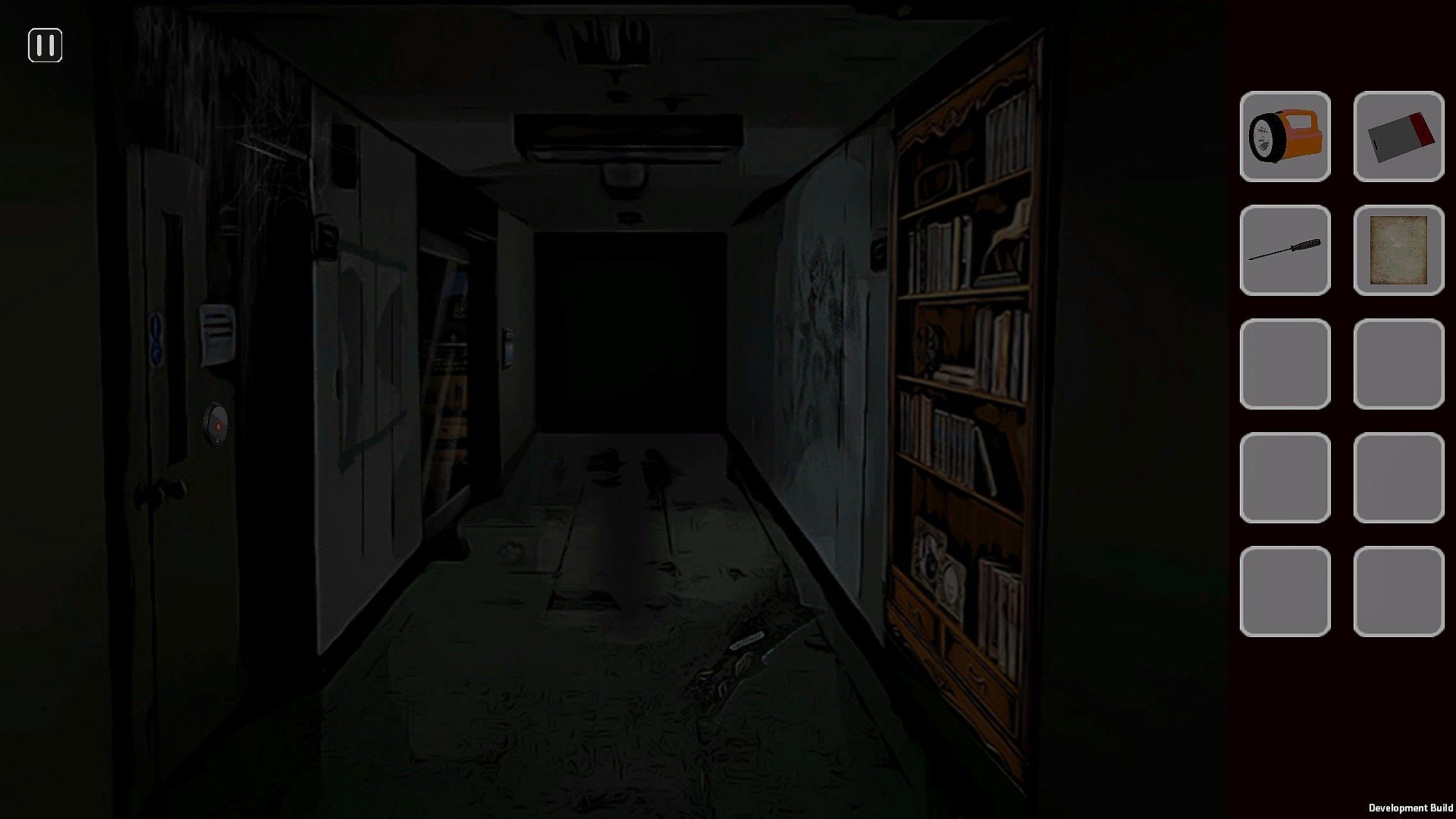
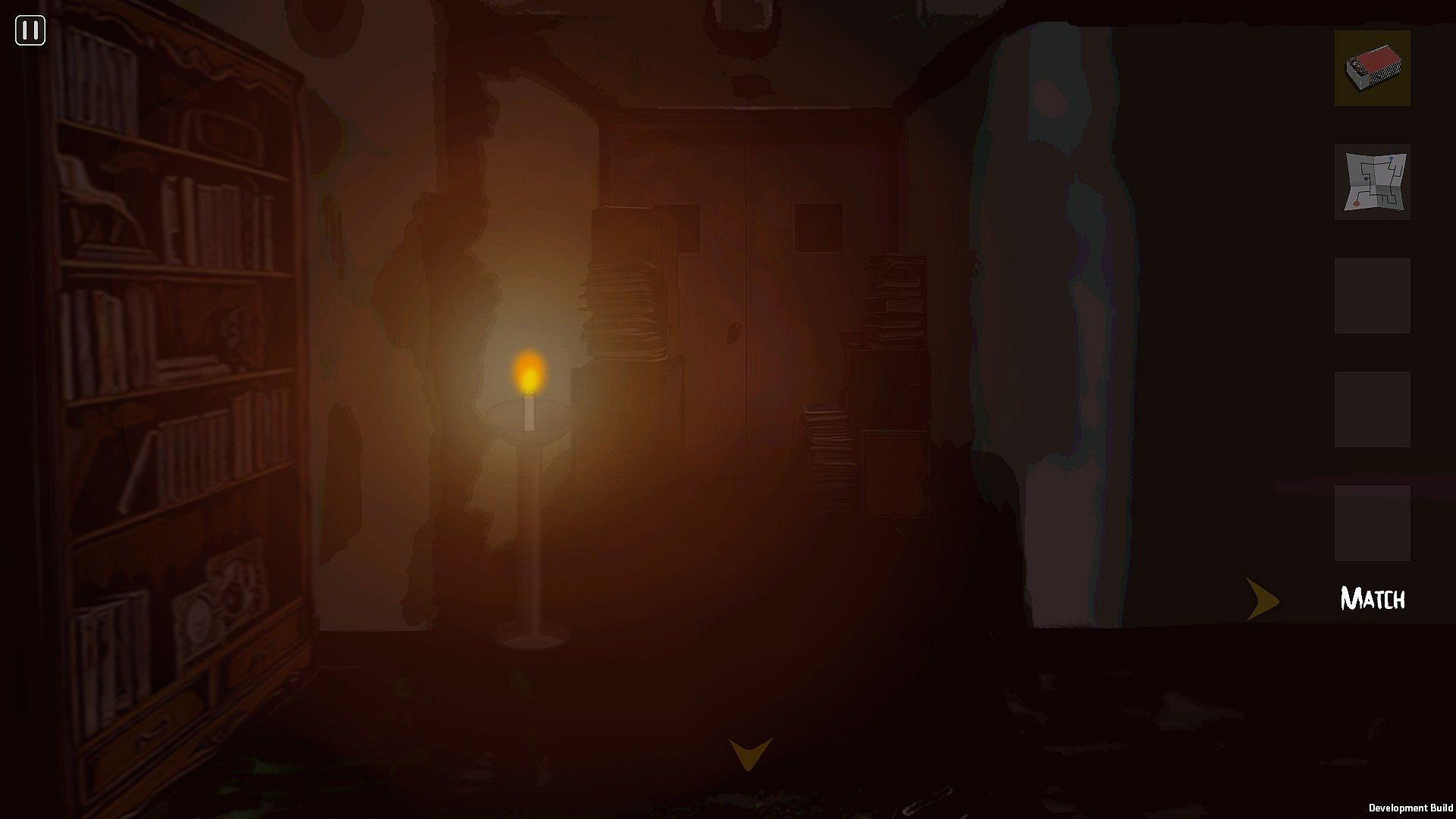

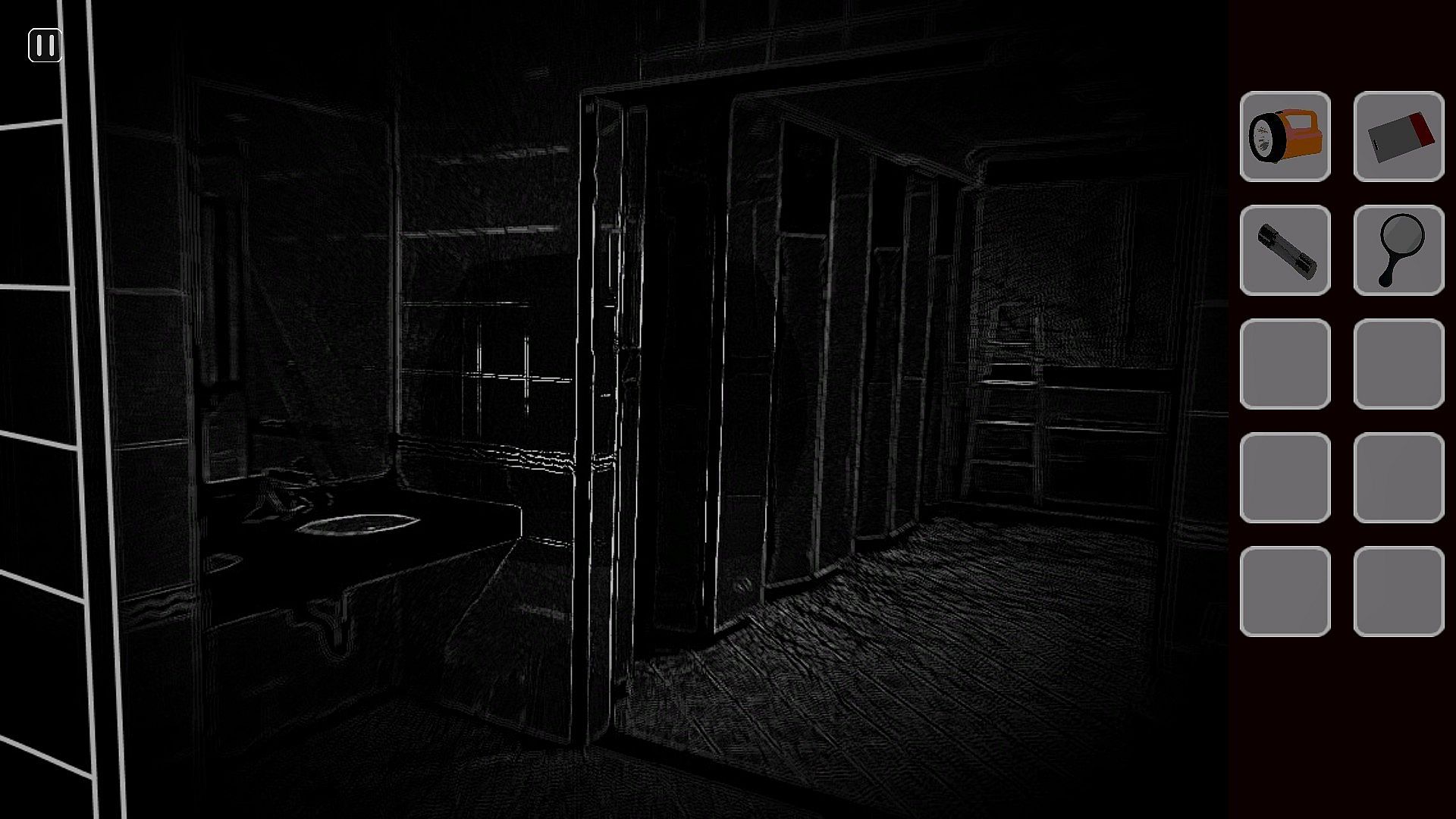

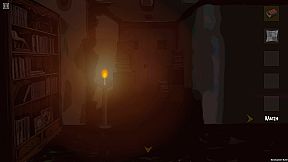

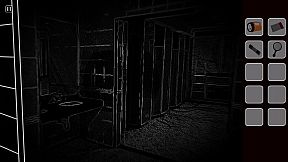
Lucid Dream stands out as a free-to-play point-and-click horror adventure game available on PC. In this indie title, players step into the shoes of a young girl caught in a nightmarish dream world shaped like a bizarre laboratory. The core experience revolves around exploration, puzzle-solving, and uncovering a haunting story that blurs the line between nightmare and reality. With its focus on psychological horror and inventive challenges, it appeals to those who enjoy atmospheric adventures that prioritize narrative depth over action.
Gameplay
The gameplay in Lucid Dream centers on point-and-click mechanics, where you use the mouse to interact with the environment. Left-clicking allows you to examine objects, collect items, and solve puzzles that block your progress through the dreamlike maze. Interactive elements highlight when you hover the cursor over them, making it straightforward to spot what you can engage with. As you navigate the twisted laboratory setting, you'll combine items from your inventory to overcome obstacles, often requiring creative thinking to connect clues from the surroundings.
Puzzles vary in complexity, drawing from the game's horror theme to create tension. For instance, you might decode symbols or manipulate machinery tied to the story's dark experiments. The controls remain simple, with options to adjust volume and brightness via the in-game menu, ensuring a comfortable play session. Progress saves automatically after clearing sections, letting you pick up where you left off without frustration.
Game Modes
Lucid Dream offers a single-player experience structured around episodes, which function as chapters in the overarching narrative. You can select any unlocked episode from the main menu to replay or continue, providing flexibility if you want to revisit specific parts of the story. This episodic format keeps the game digestible, with each segment building toward the girl's attempt to escape the dream.
There are no competitive or multiplayer modes; instead, the focus stays on solo exploration and puzzle-solving. The lack of varied modes suits the game's intimate, story-driven nature, where the emphasis is on personal immersion in the horror elements rather than replayability through different playstyles.
Story and Atmosphere
The narrative follows a little girl who falls asleep only to find herself trapped in a surreal laboratory filled with remnants of horrific experiments. As she explores, she encounters bizarre obstacles that defy logic, pushing her to uncover truths from her past. The dream world builds a sense of unease through its visual design, with shadowy corridors and eerie details that heighten the psychological horror.
Sound design plays a key role, with a soundtrack that enhances the tension during puzzle sequences. The art style mixes hand-drawn elements with a muted palette, creating an otherworldly feel that draws players deeper into the mystery. While the story unfolds linearly, small revelations in each episode add layers to the girl's predicament, questioning whether her experiences are mere nightmares or something more profound.
Is It Worth Playing?
For fans of point-and-click adventures with a horror twist, Lucid Dream delivers a compelling package, especially since it's free to play. The game has earned very positive reception, with 91% of 1,017 user reviews rating it favorably, highlighting its creative puzzles and atmospheric narrative. Recent updates, including a demo refresh in early 2026, show continued developer support, keeping the title relevant years after its 2020 release.
If you appreciate games that blend puzzle-solving with psychological storytelling, this one fits well, offering a few hours of engaging content without any cost. However, those seeking fast-paced action or extensive replay value might find it too focused on its core loop. Overall, its strong reviews and accessibility make it a solid choice for horror enthusiasts looking for an indie gem.