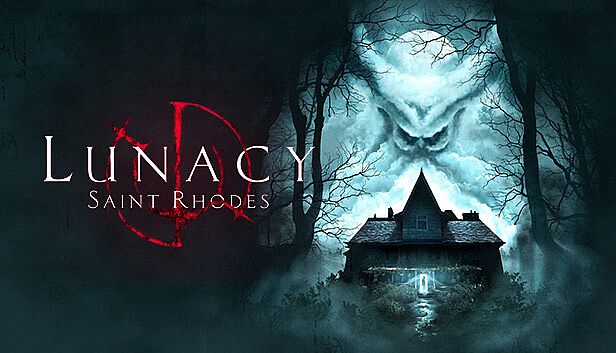




















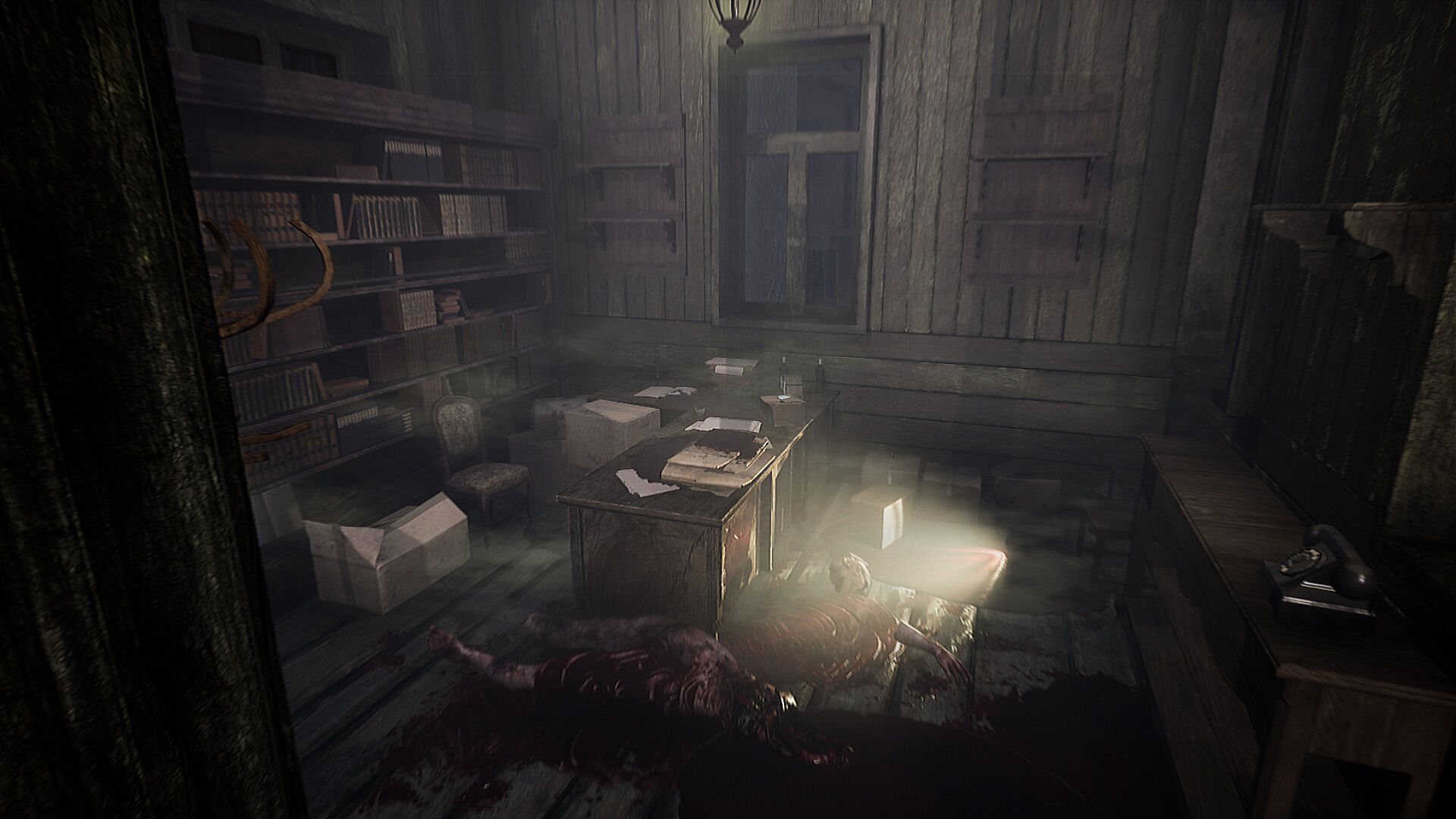
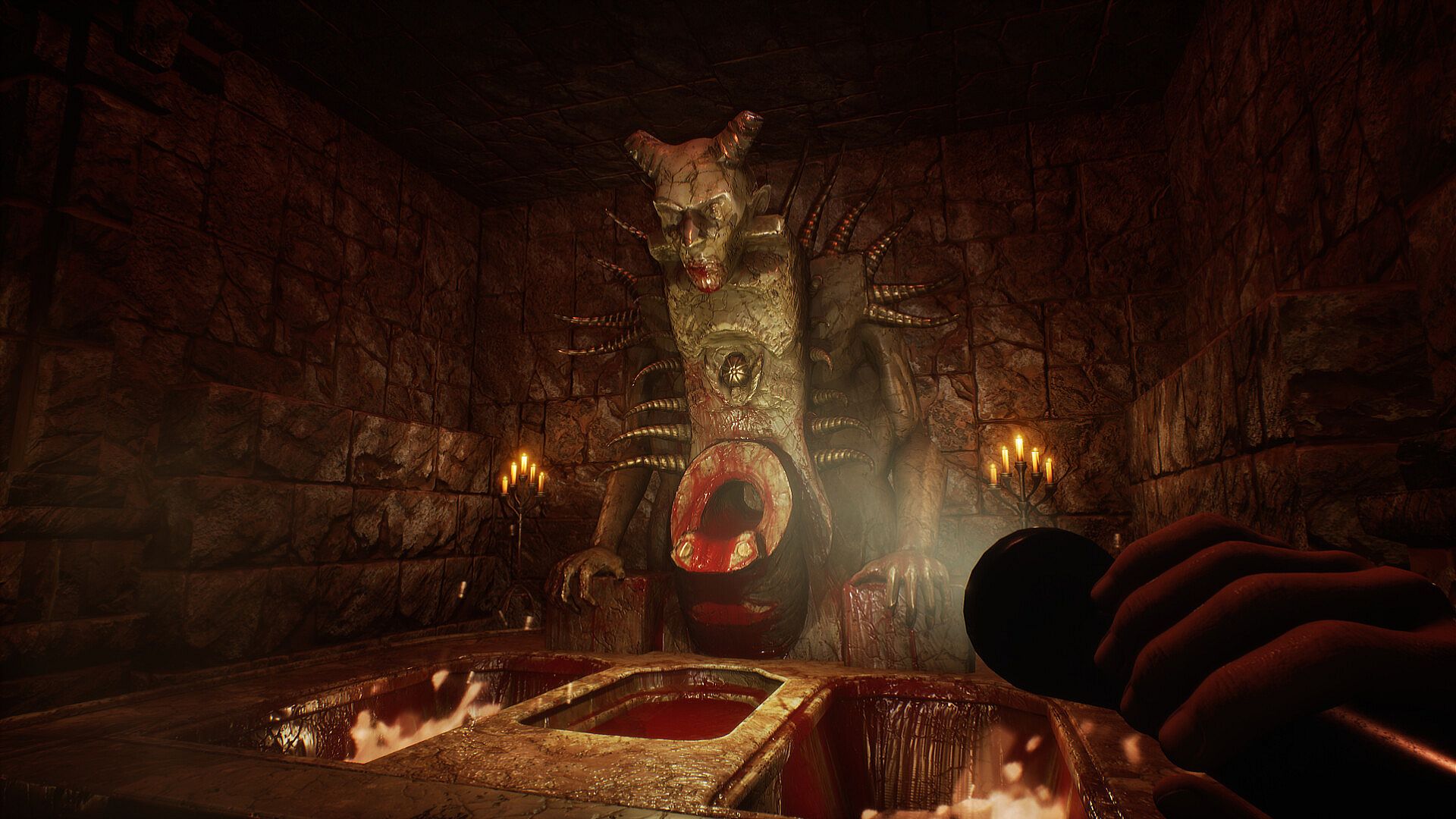
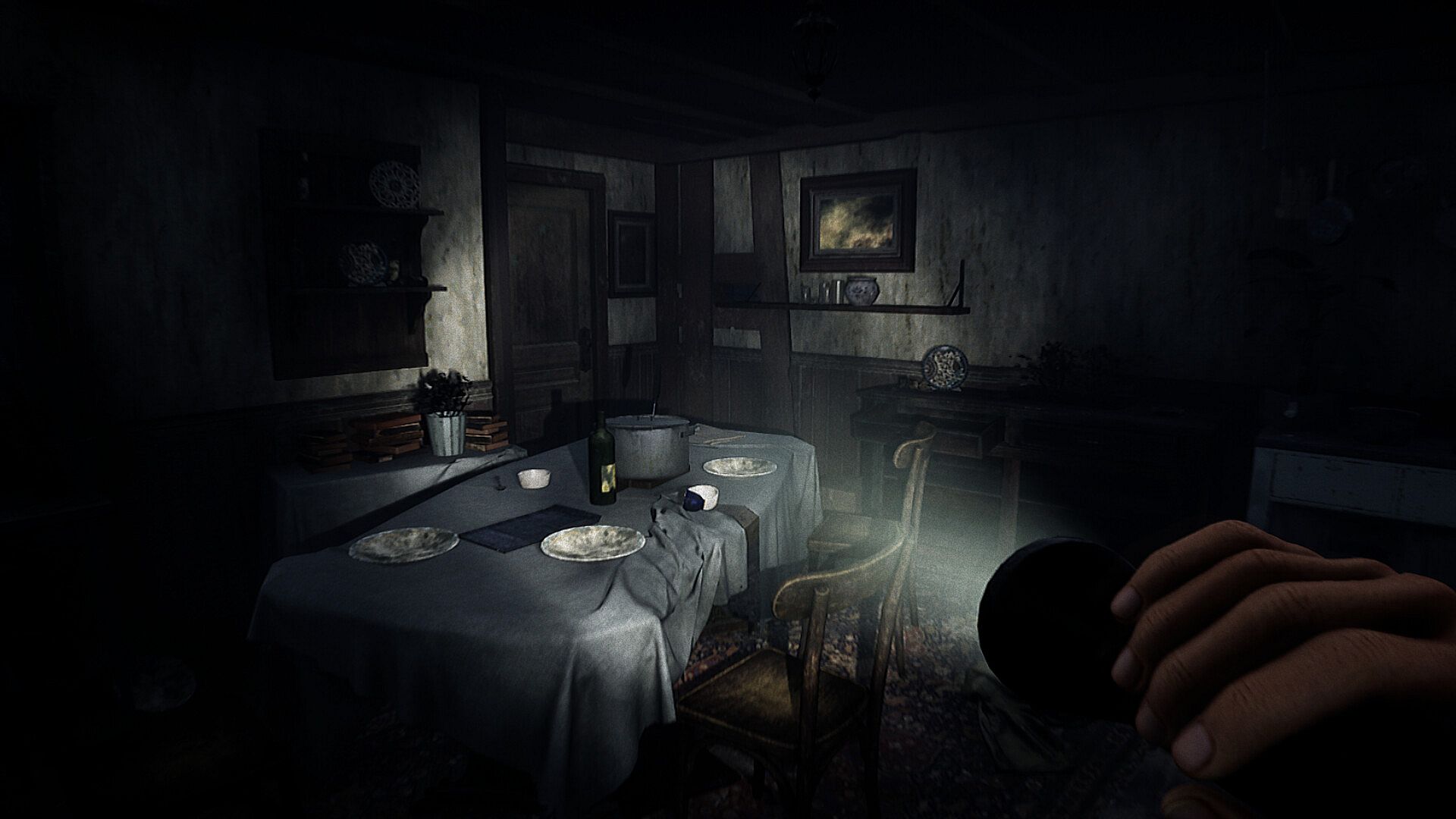
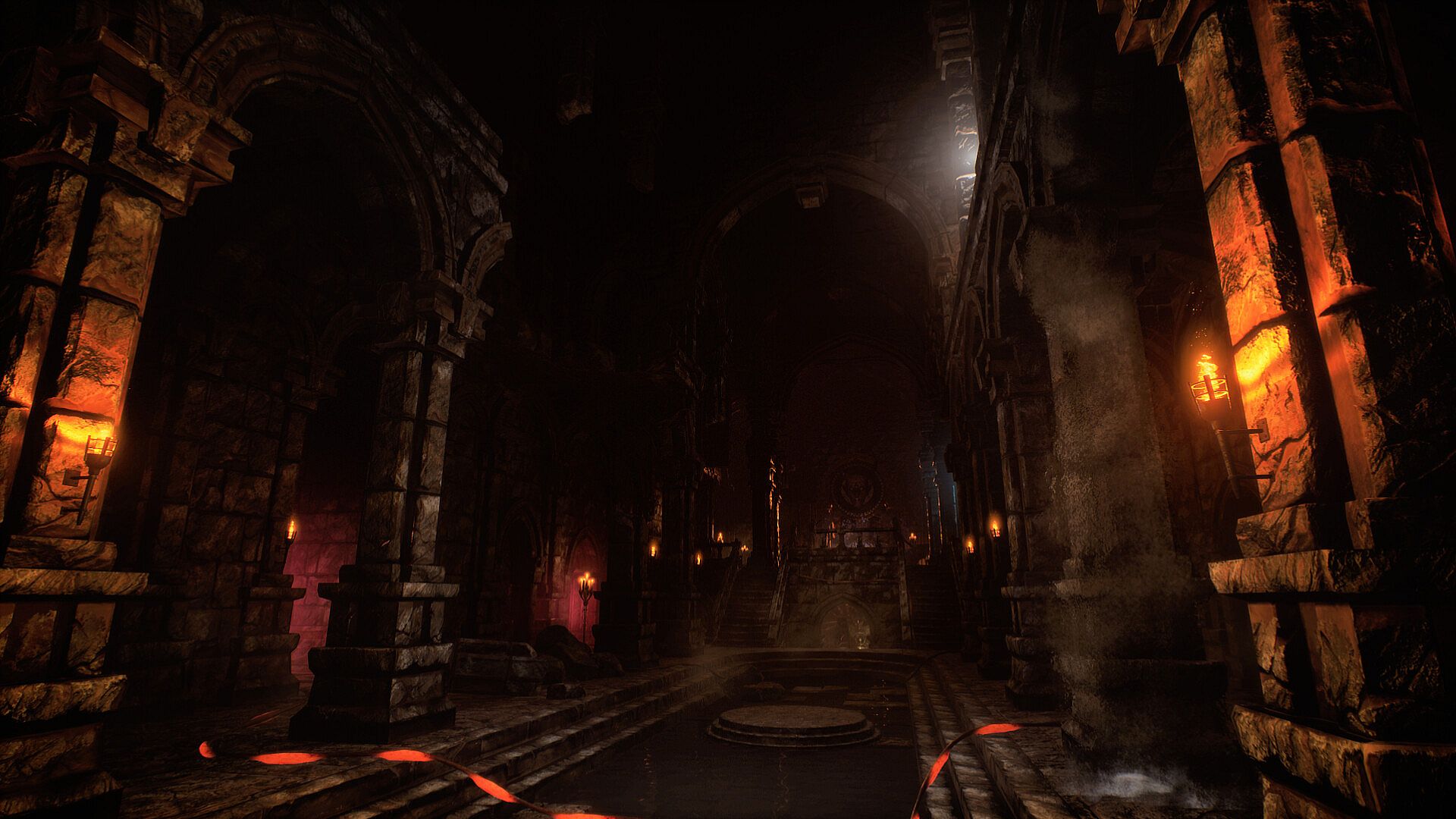
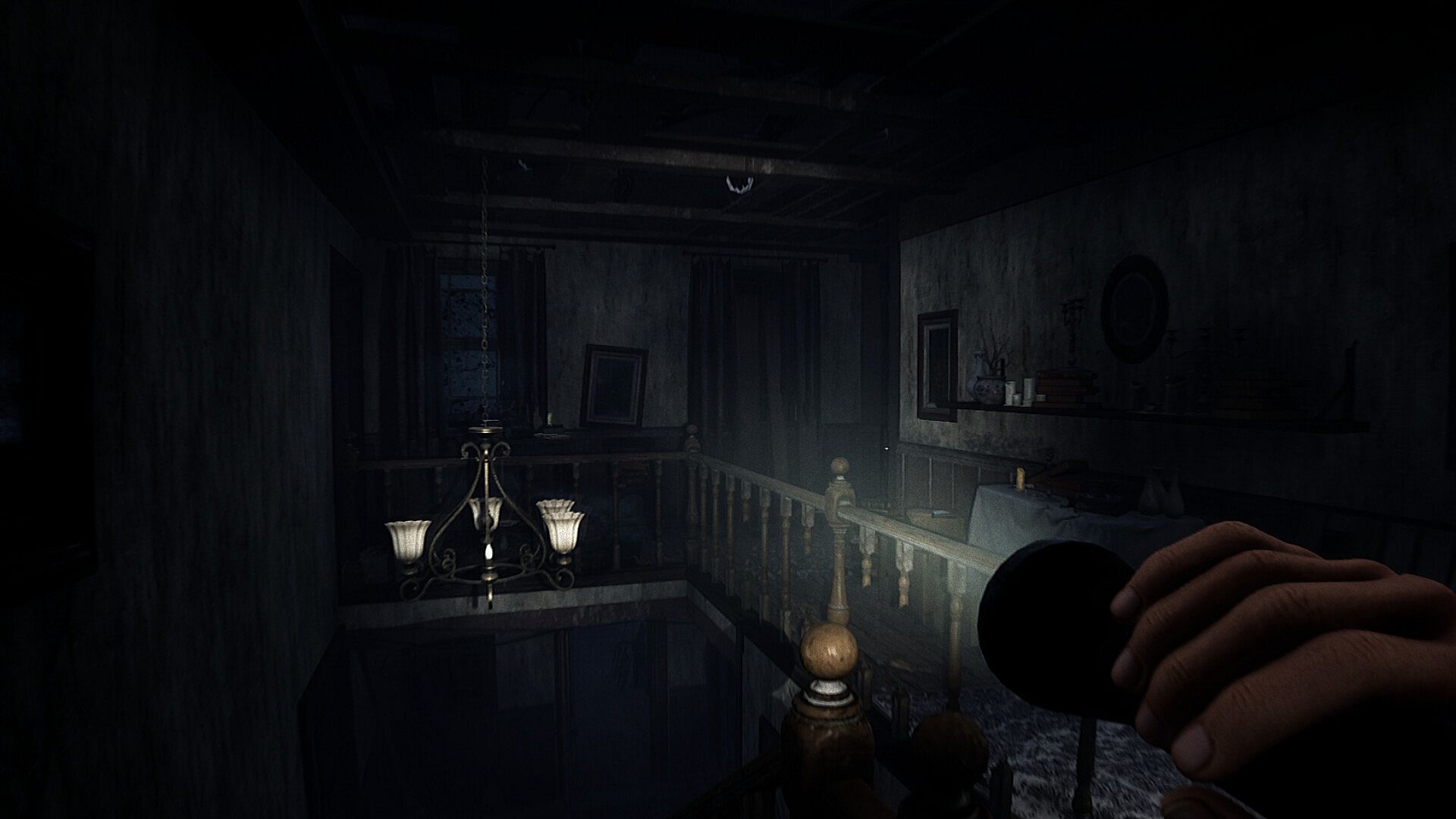
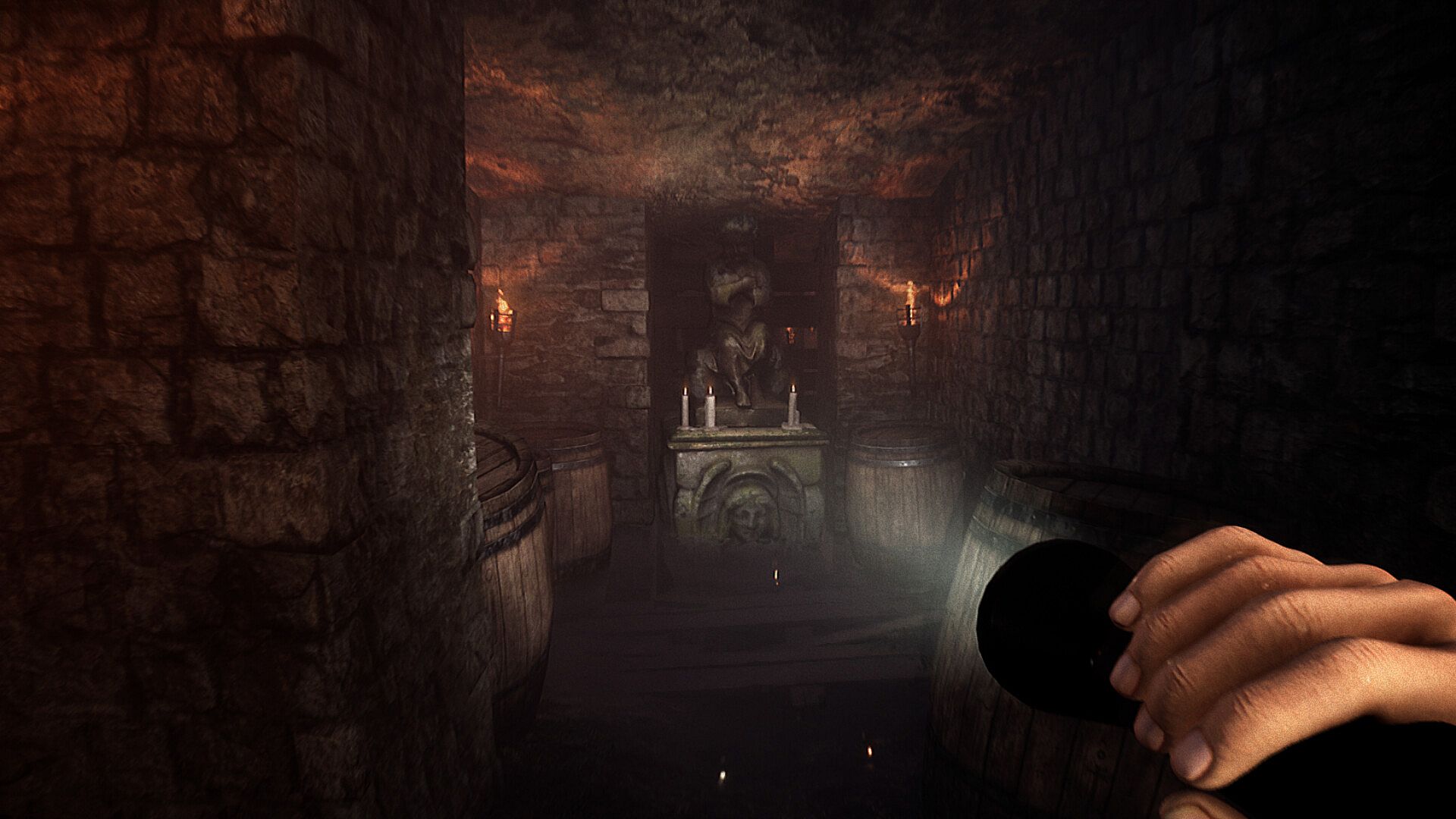
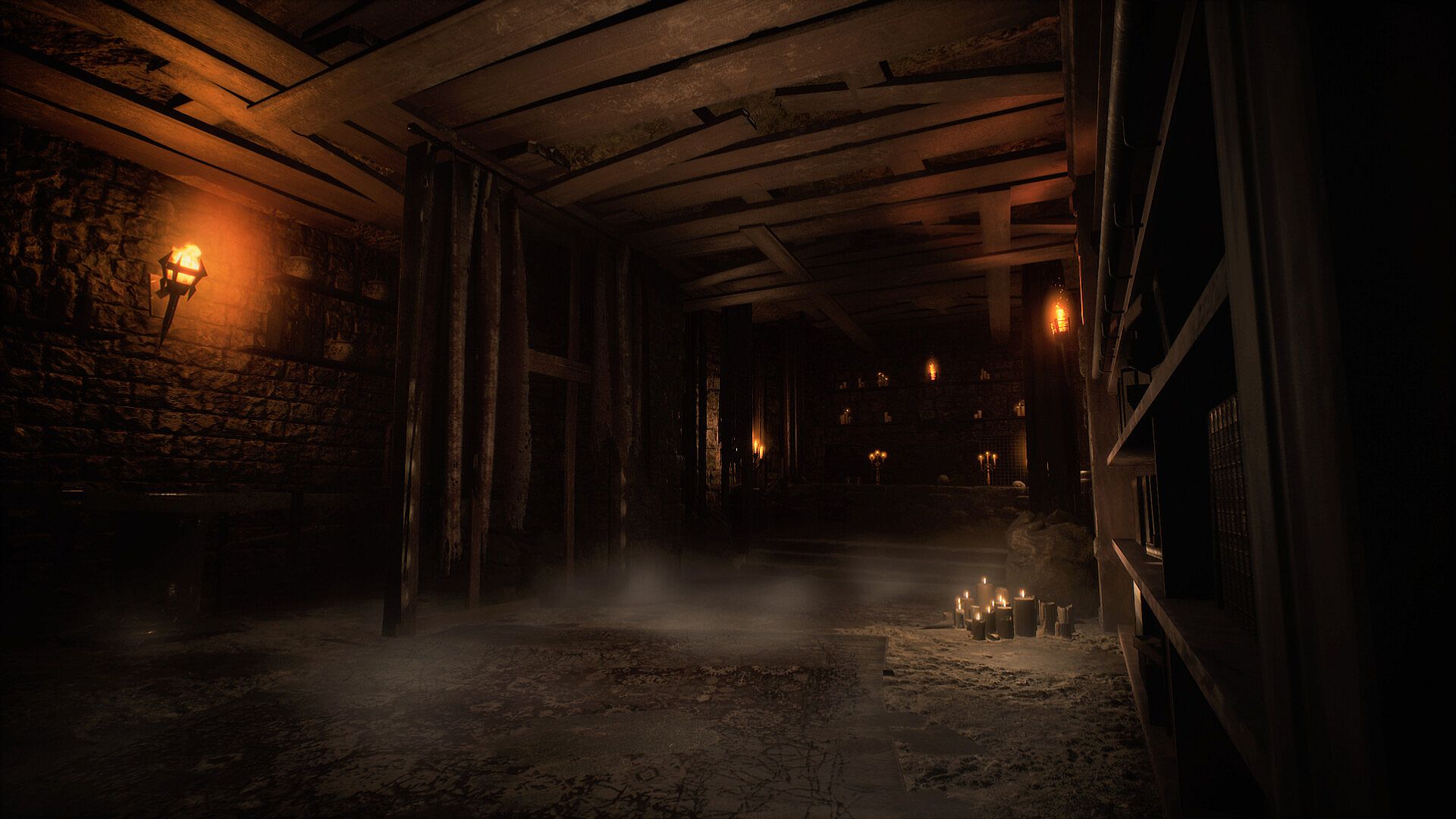
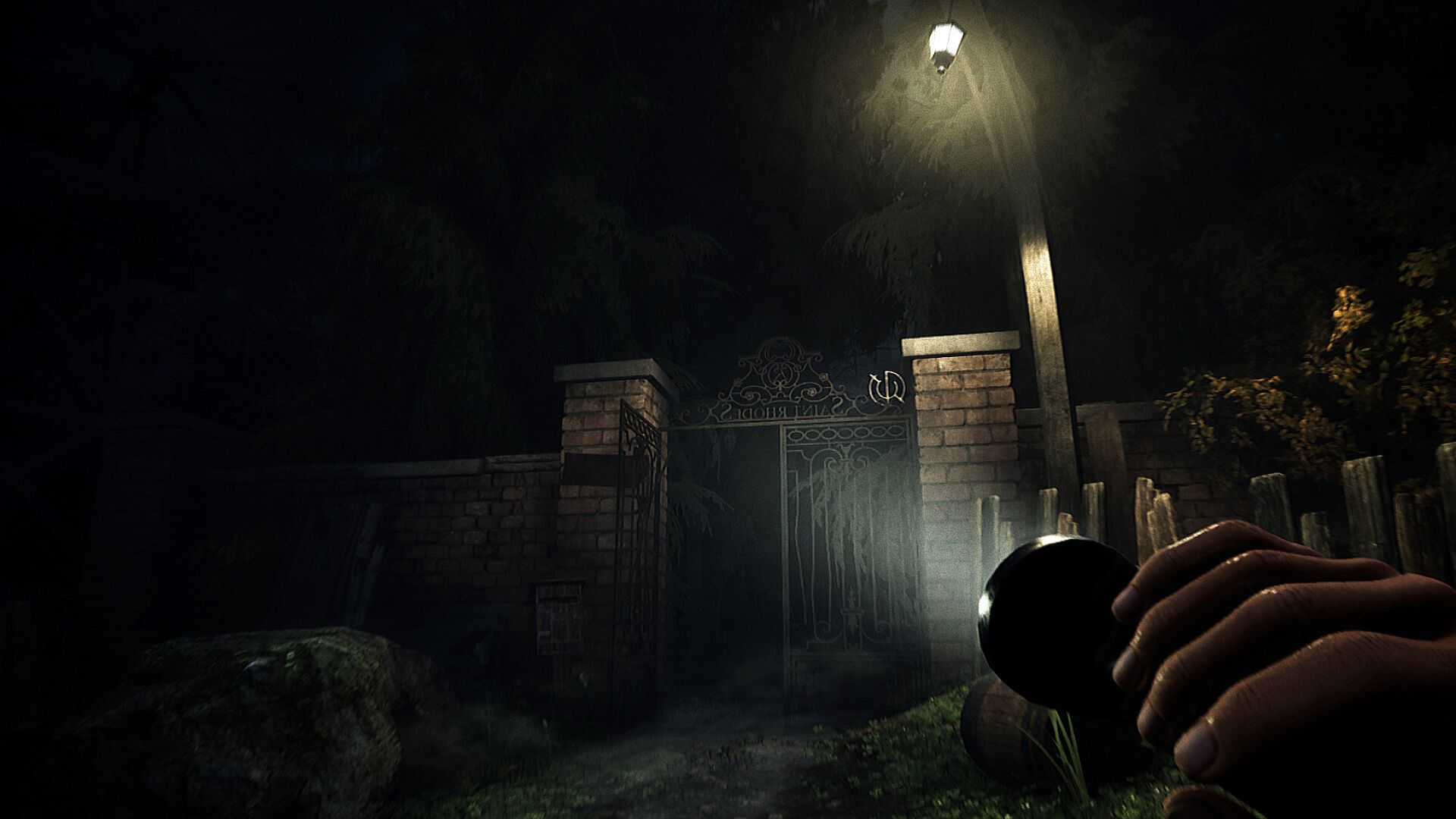
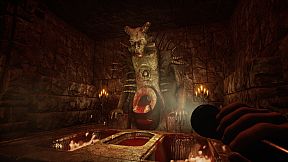
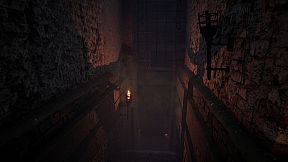
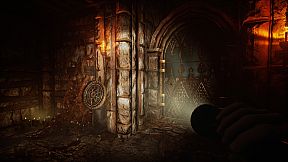
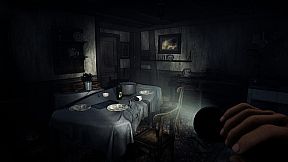
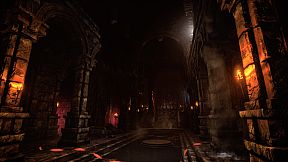
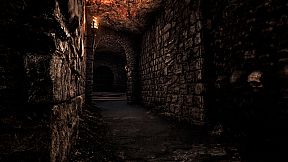
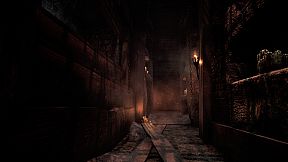
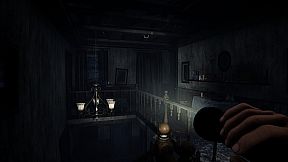
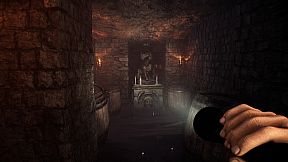
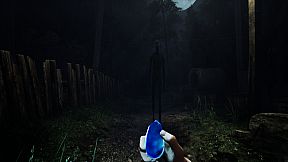
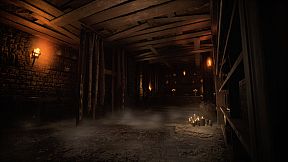
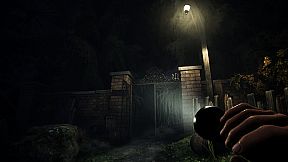
Lunacy: Saint Rhodes is a first-person psychological horror adventure game developed for PC that places players in the role of someone investigating a family massacre tied to an ancestral home and the isolated town of Saint Rhodes. The experience centers on uncovering layers of a troubled past while navigating a detailed, unsettling environment filled with clues and threats.
Gameplay
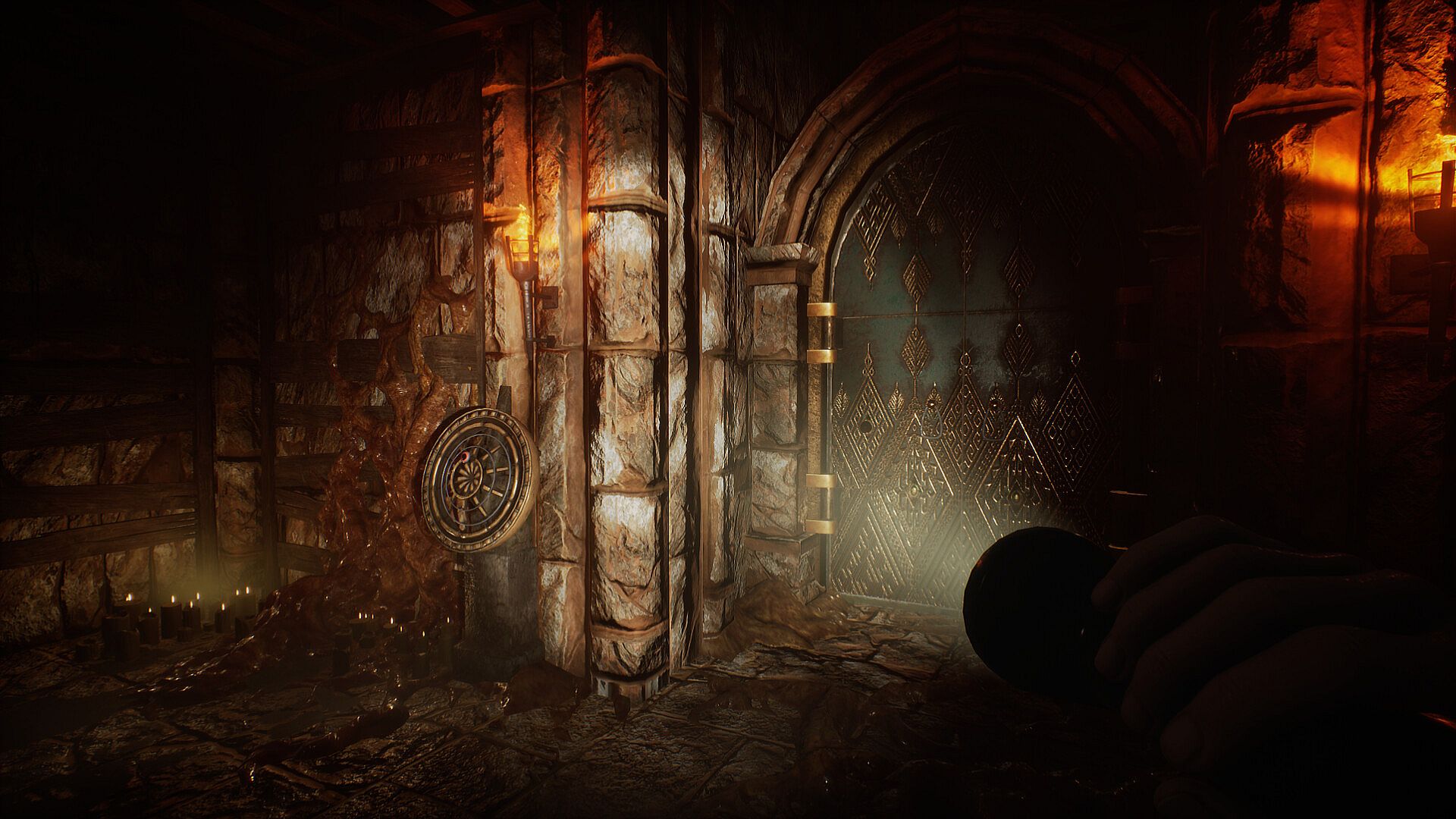
The core loop revolves around methodical exploration of the town and its buildings, where every location contributes to piecing together events from the family's history. Players examine objects, read documents, and interact with the surroundings to advance the narrative and locate essential items. Mind-bending puzzles appear throughout, requiring careful observation and logical deduction to progress without explicit guidance in many cases.
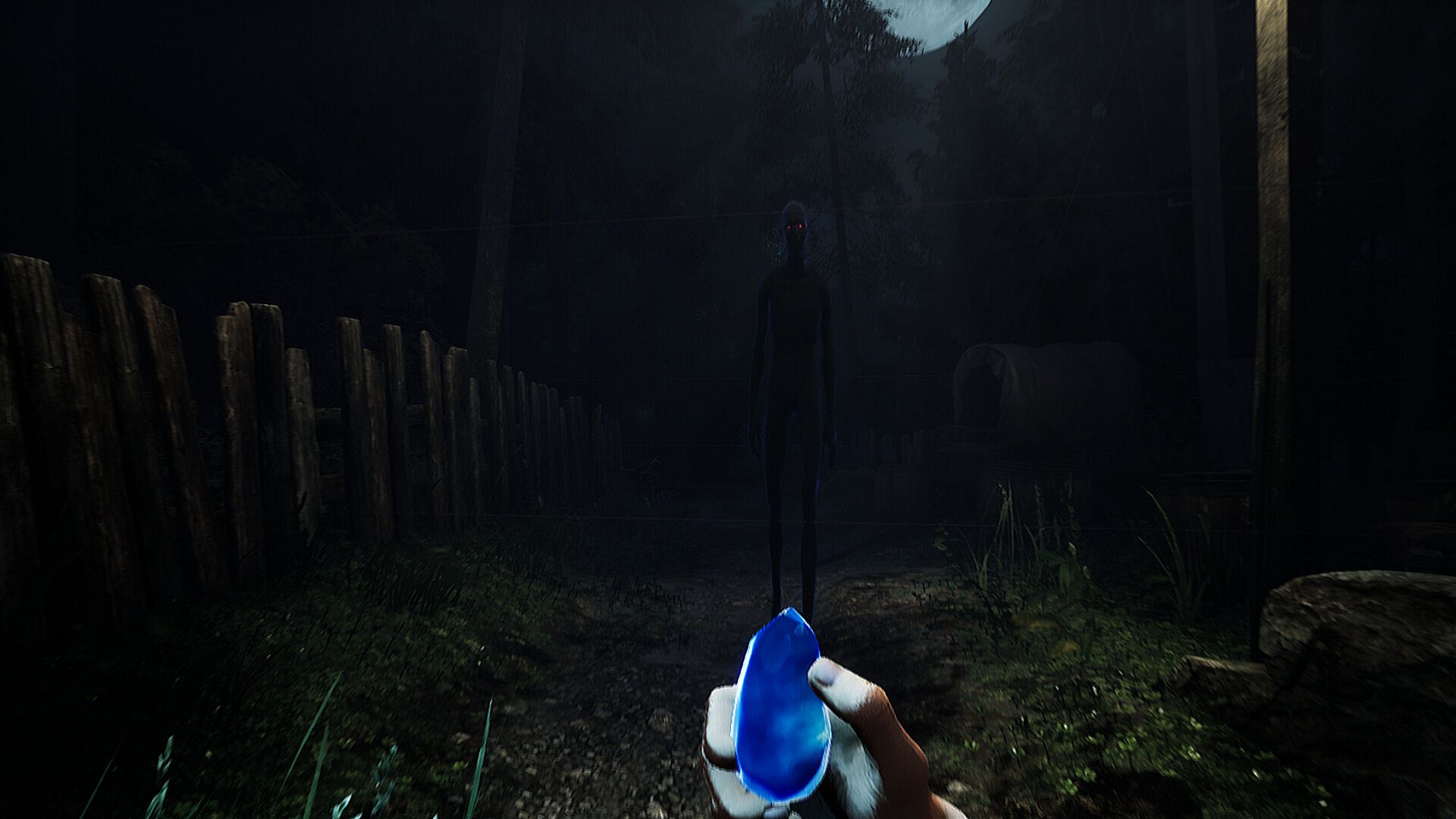
Survival depends on avoiding or temporarily disrupting hostile entities that patrol the areas. These encounters emphasize stealth and timing rather than direct confrontation, as no weapons or traditional combat systems exist. Backtracking through previously visited spaces becomes necessary when new information reveals hidden paths or solutions, adding to the sense of descending deeper into both the physical locations and the protagonist's unraveling mental state.
Game Modes
The game operates as a single-player narrative experience with no multiplayer components or separate modes. The entire story unfolds in one continuous campaign that lasts roughly three to five hours on a first playthrough, depending on puzzle-solving speed and navigation choices. Two distinct endings provide replay value, as different decisions and thoroughness in exploration can lead to alternate conclusions about the events in Saint Rhodes.
Collectibles scattered across the environments encourage additional runs to fully map out the town's secrets and family connections, though the focus remains on the linear yet branching story rather than competitive or cooperative elements.
Atmosphere and Narrative
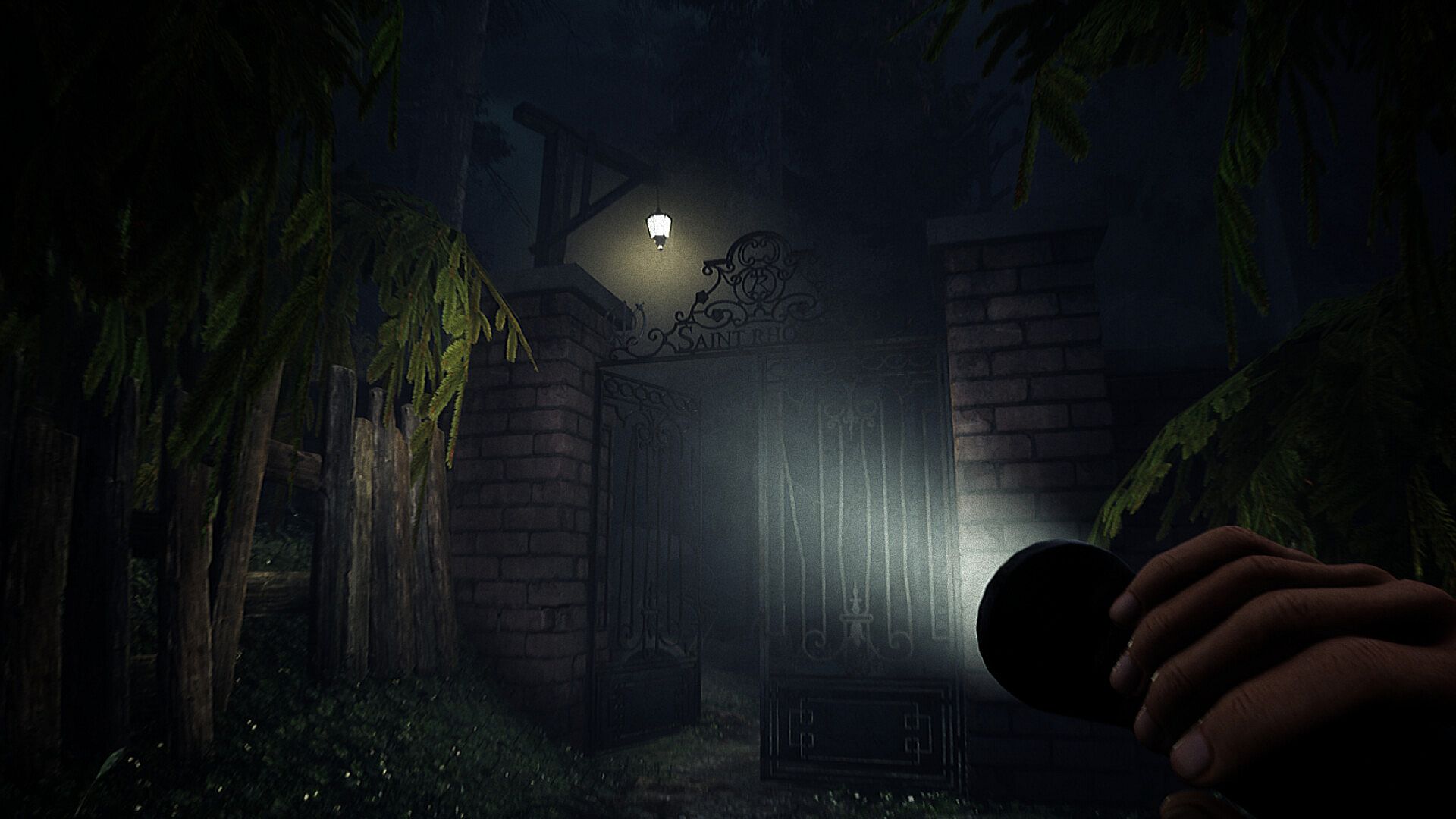
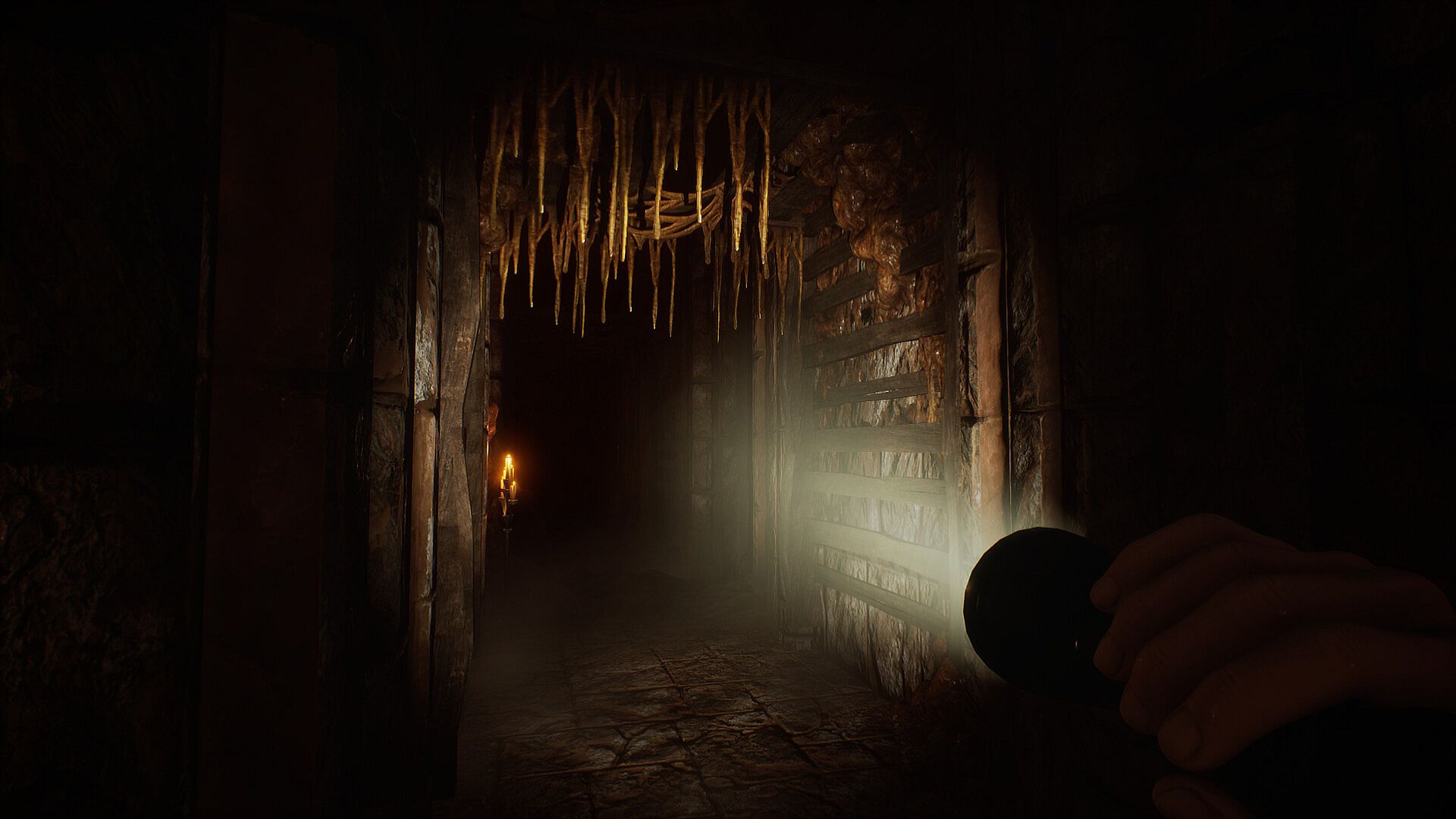
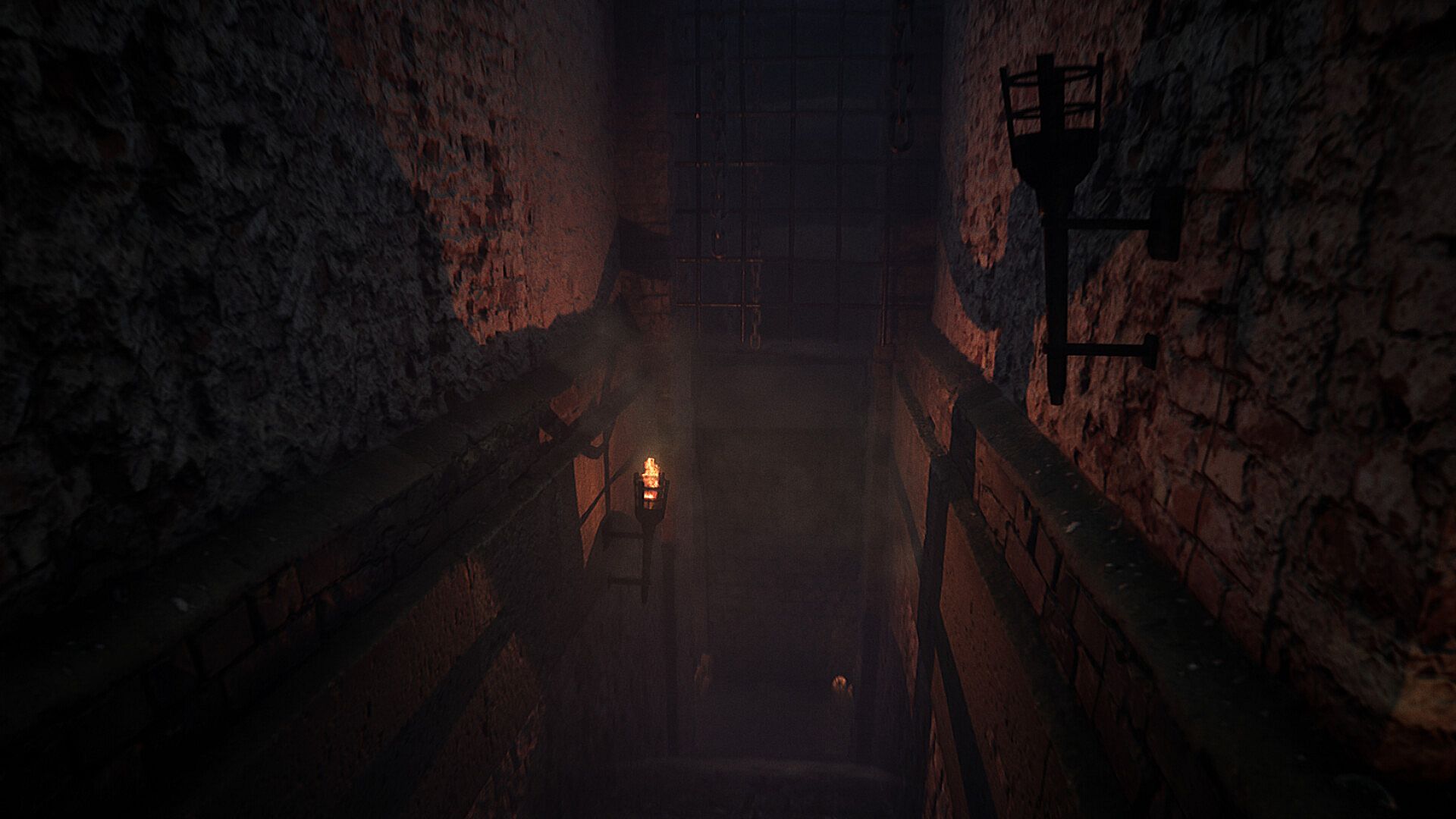
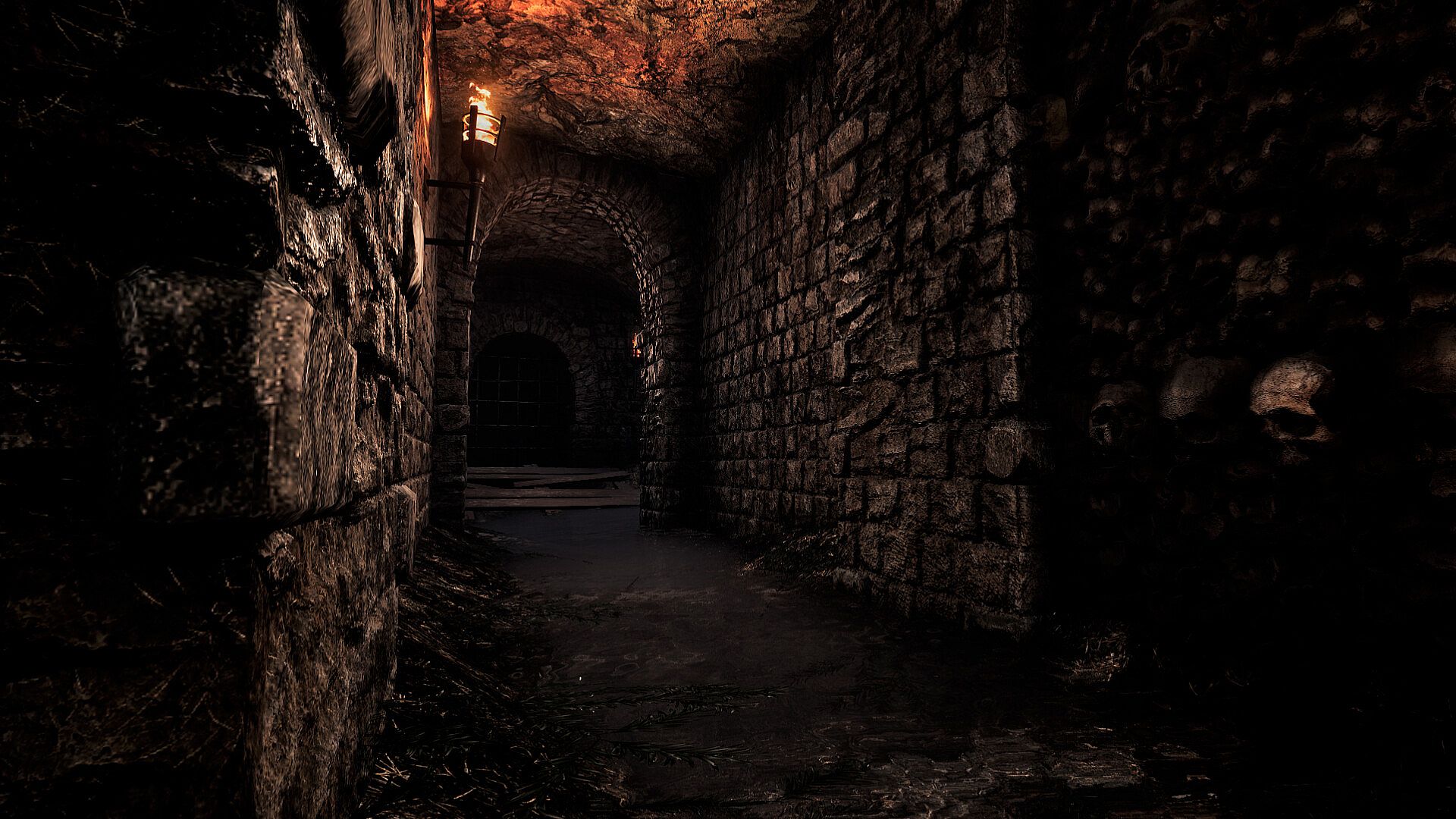
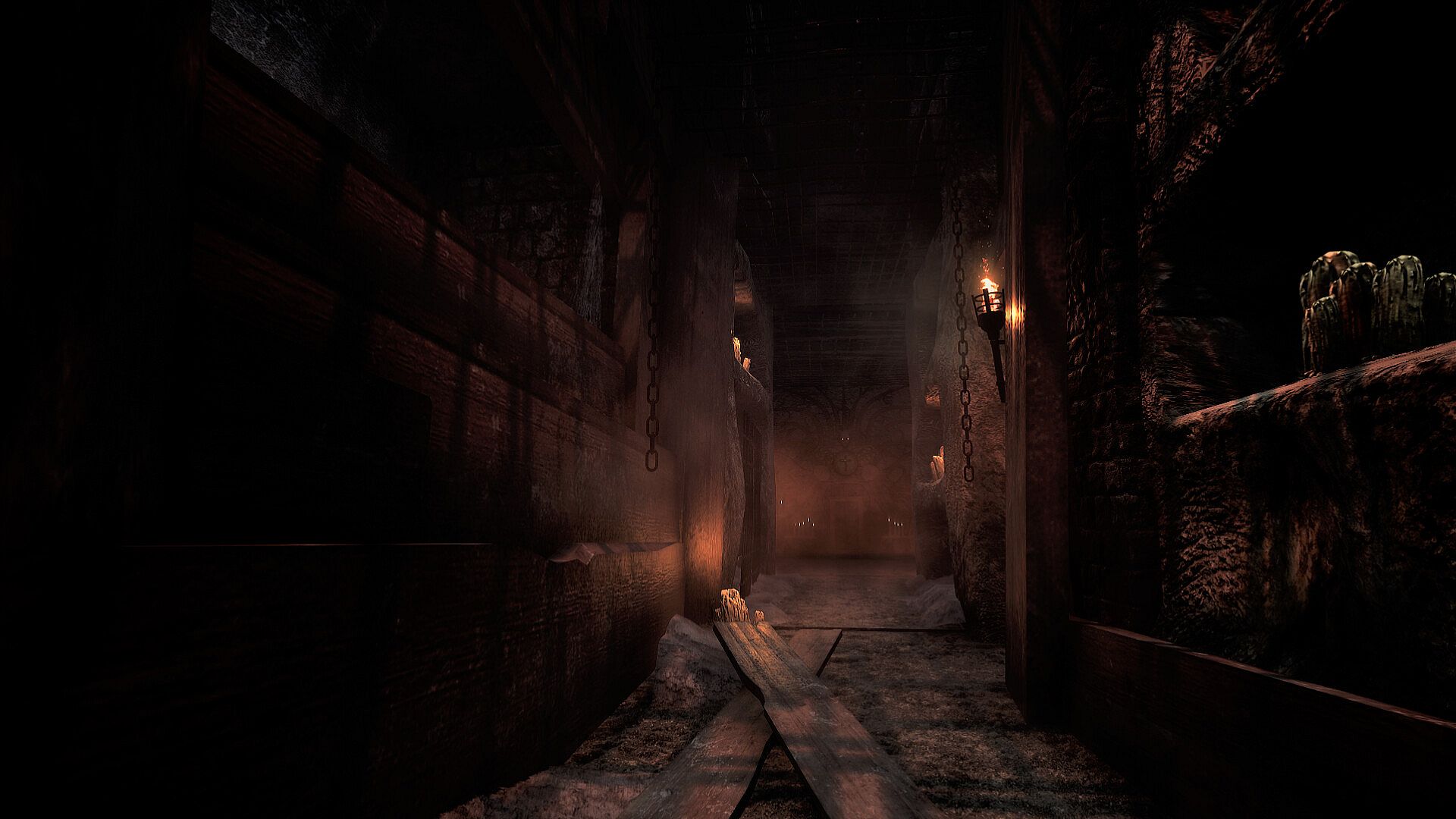
Environments in Saint Rhodes stand out for their detailed craftsmanship, creating a pervasive sense of dread through realistic architecture, lighting, and sound design that reinforces the psychological tension. The story unfolds gradually via environmental storytelling and discovered artifacts, revealing the dark history without relying on heavy exposition or cutscenes.
Enemies and supernatural elements integrate into the world in ways that demand adaptive evasion tactics, heightening the feeling of vulnerability as players descend further into the mystery. The absence of difficulty settings keeps the challenge consistent, centered on wits and awareness rather than adjustable parameters.
Is It Worth Playing?
Reception among players highlights strengths in atmospheric tension, visual and audio presentation, and the satisfaction of solving intricate puzzles, making it appealing for those who prefer deliberate, story-driven horror over fast-paced action. The short length suits sessions where the goal is a focused descent into unease rather than extended play.
Technical inconsistencies and occasional issues with enemy behavior or voice work appear in feedback, which can disrupt immersion for some. It suits fans of psychological adventures that emphasize exploration, deduction, and multiple endings over combat or large-scale systems. Those drawn to indie titles with a haunted-town setting and family secrets will find the most alignment with its style, while others seeking polished mechanics or longer campaigns may want to approach with tempered expectations.