





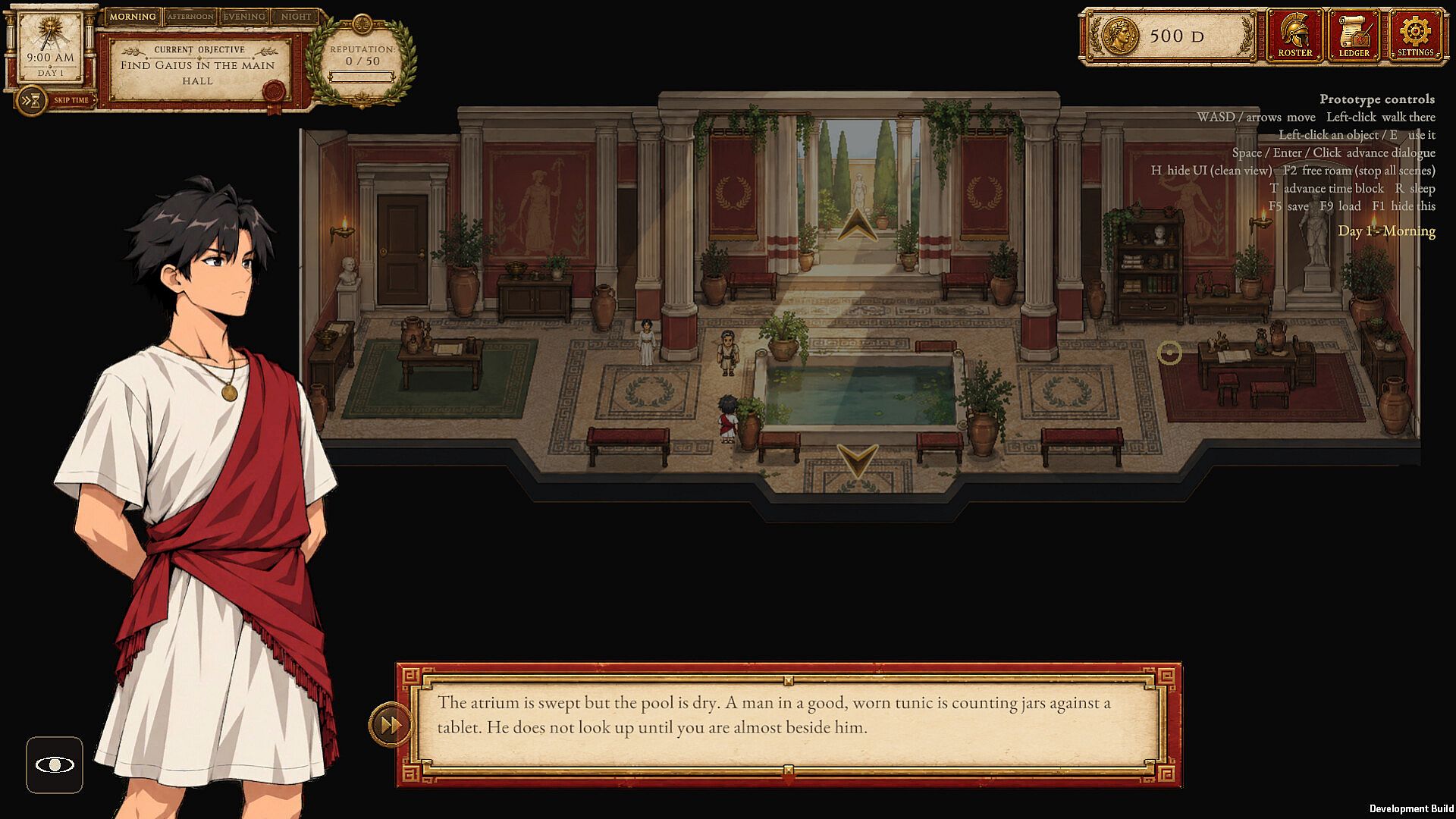
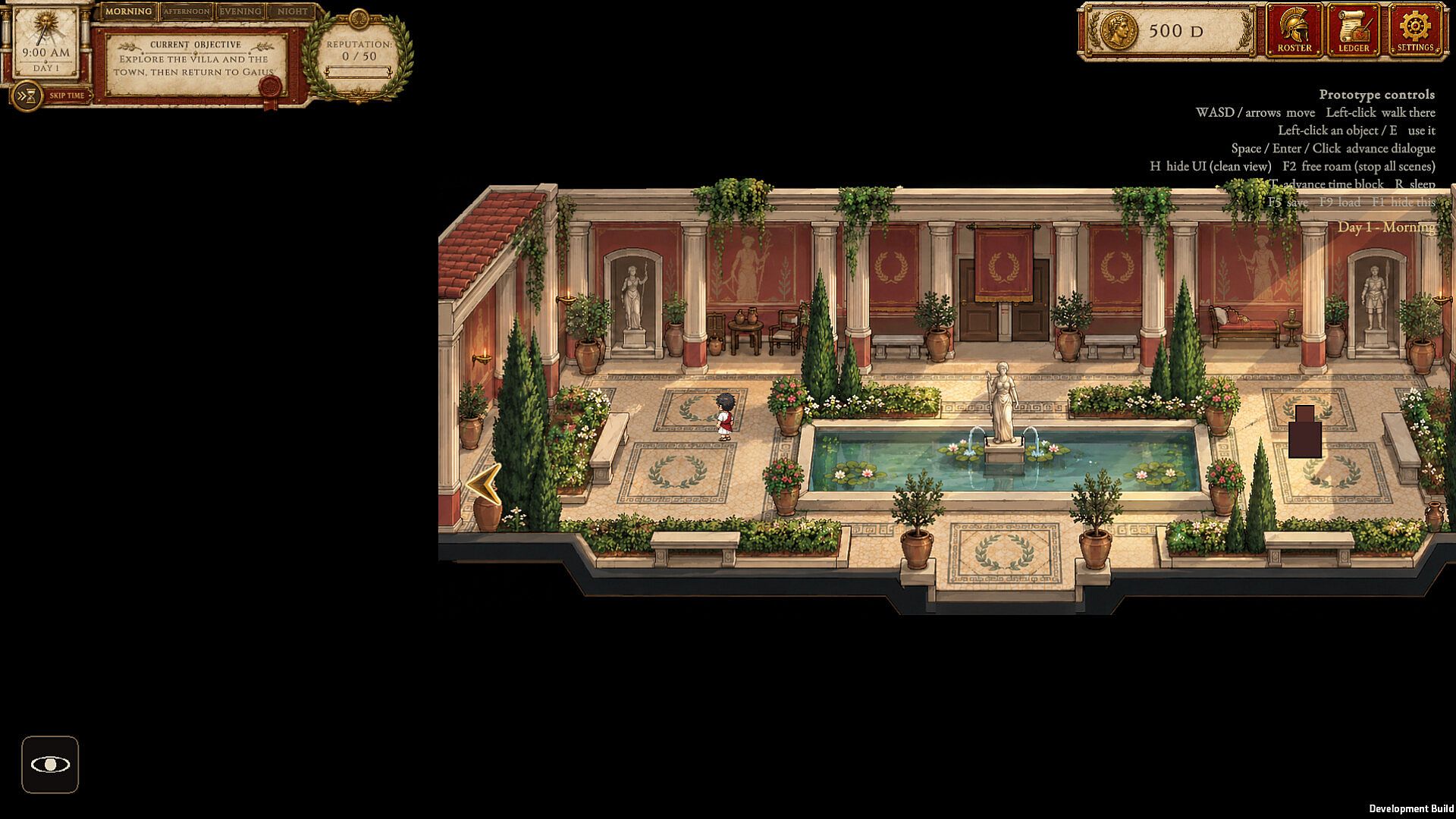




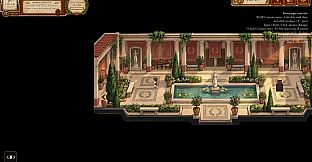
Lust of Rome is a 2D adult management and life simulation game set in ancient Rome. Players take on the role of Lucius, a young noble whose family has been killed and whose assets have been seized, leaving him with only a small villa, a struggling ludus, and limited funds in a provincial town. The game combines elements of action, indie development, RPG progression, casual pacing, simulation mechanics, and adventure storytelling on PC.
Gameplay
The core loop centers on rebuilding a ludus from near ruin. Lucius must purchase women from the slave market, assess their potential, and invest in their training as gladiators. Each fighter has individual traits that influence preparation for arena bouts, including strategy selection, equipment choices, and timing of matches. Victories generate denarii, the primary currency needed to maintain the estate, expand facilities, and grow the roster. Reputation rises with consistent success, drawing attention from wealthy patrons, officials, and Roman noblewomen who offer new opportunities for alliances and personal connections.
Exploration occurs across a 2D representation of the Roman world, where daily decisions shape both the ludus operations and broader social standing. Resource management requires careful balancing of income from fights against ongoing costs, while character development extends beyond combat to include dialogue interactions and relationship building with household figures and external contacts.
Game Modes
The experience unfolds as a single-player management simulation focused on long-term progression through arena competitions and estate expansion. Story elements integrate with the simulation through main narrative threads and branching character routes that respond to player choices in training priorities, fight scheduling, and social engagements. Adult scenes and relationship progression form part of the core systems, advancing based on reputation gains and specific decisions made during interactions.
Story and Progression
After the loss of his family, Lucius relies entirely on the ludus for survival and eventual recovery of status. The narrative follows his rise from a disgraced noble to a prominent ludus owner, with multiple endings determined by how relationships develop and how the roster performs over time. Female gladiators serve dual roles as competitors and companions, while encounters with Roman noblewomen and other powerful figures introduce additional layers of intrigue and personal stakes that influence the overall path.
Is It Worth Playing?
Lust of Rome suits players interested in detailed management of a gladiator roster combined with life simulation and adult-themed relationship systems in a historical setting. The emphasis on unique fighter attributes, arena strategy, and reputation-driven story branches provides a focused single-player loop without multiplayer components. Those who enjoy balancing financial survival with character investment and narrative choices will find the systems align closely with the described mechanics. The game remains available on PC for those matching its genre mix of simulation, RPG, and adventure elements.