




















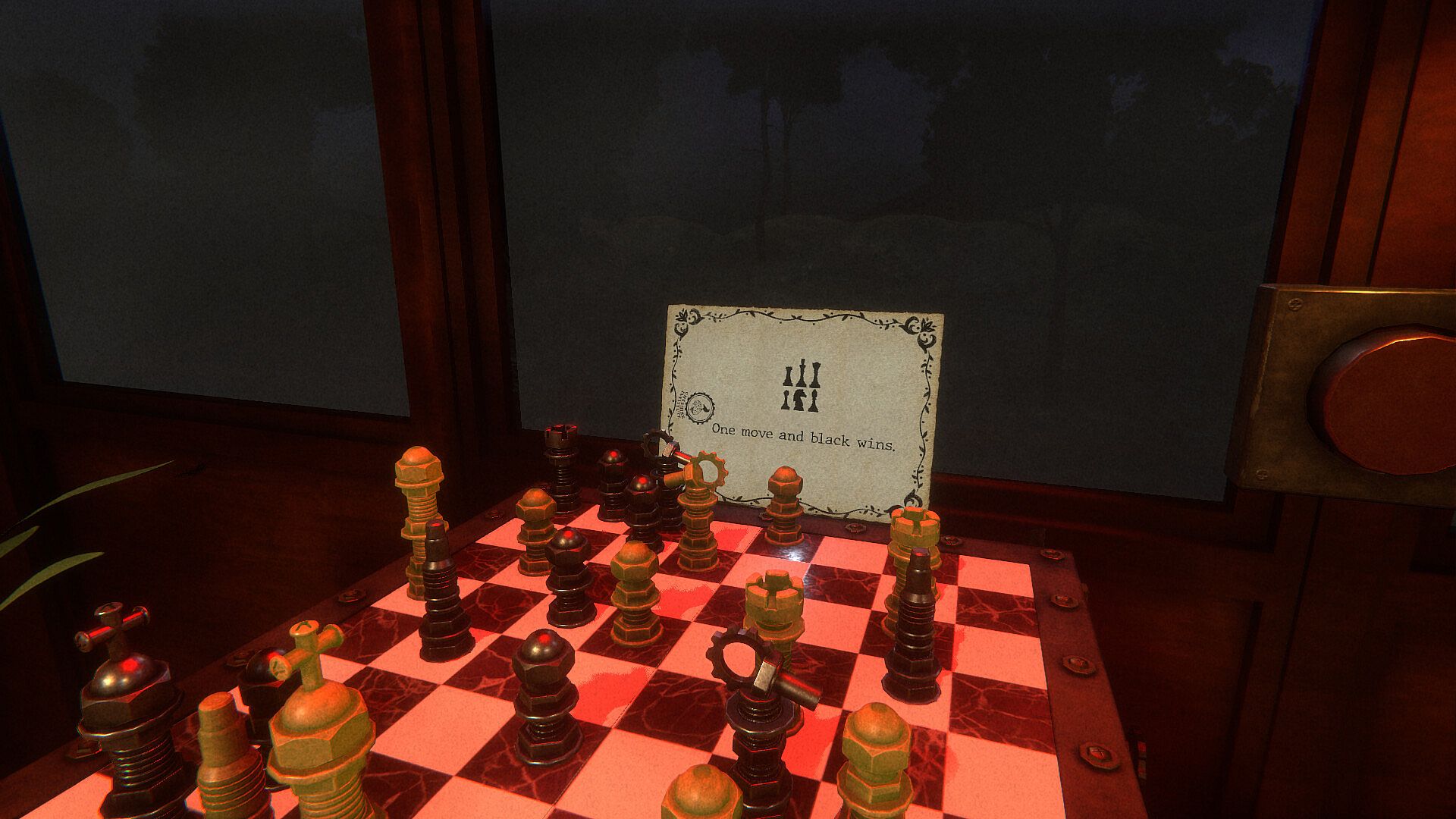



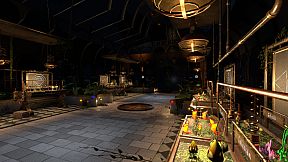

Mad Experiments: Escape Room 2 is a first-person escape room puzzle game that blends strategy, adventure, and simulation elements in an indie package for PC. Players explore detailed environments, examine objects, and piece together clues to progress through interconnected rooms while following a narrative thread about Professor Cheshire and his daughter Hildegarde.
Gameplay
The core loop centers on thorough examination of surroundings in first-person perspective. Users interact with dozens of objects across four distinct areas to uncover hidden mechanisms and advance the story. Puzzles require logical connections between found items and environmental details, gradually revealing background information about the Cheshire Institute and its experiments. The experience supports solo play or coordinated efforts with others, emphasizing observation and deduction over action or combat.
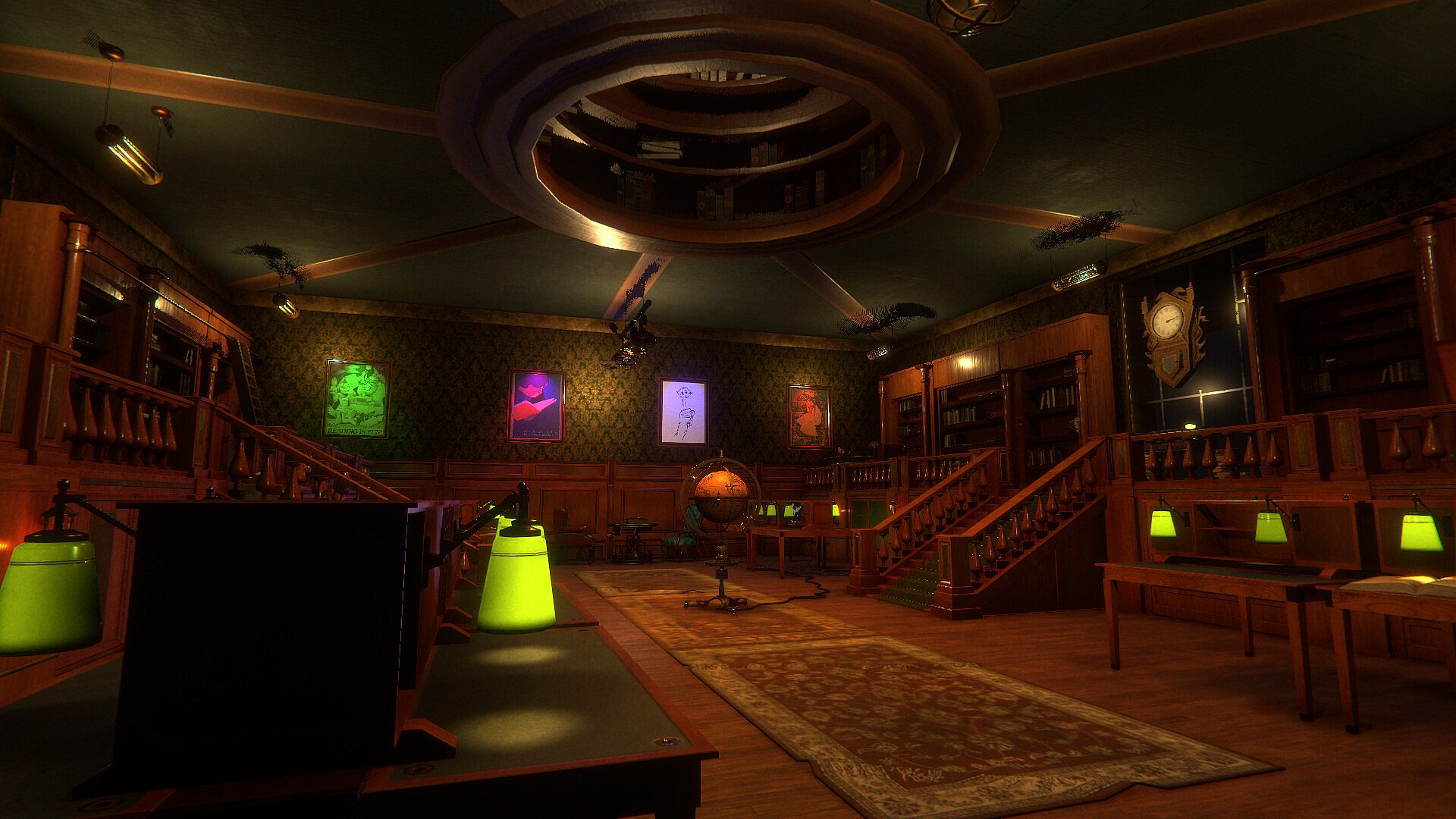
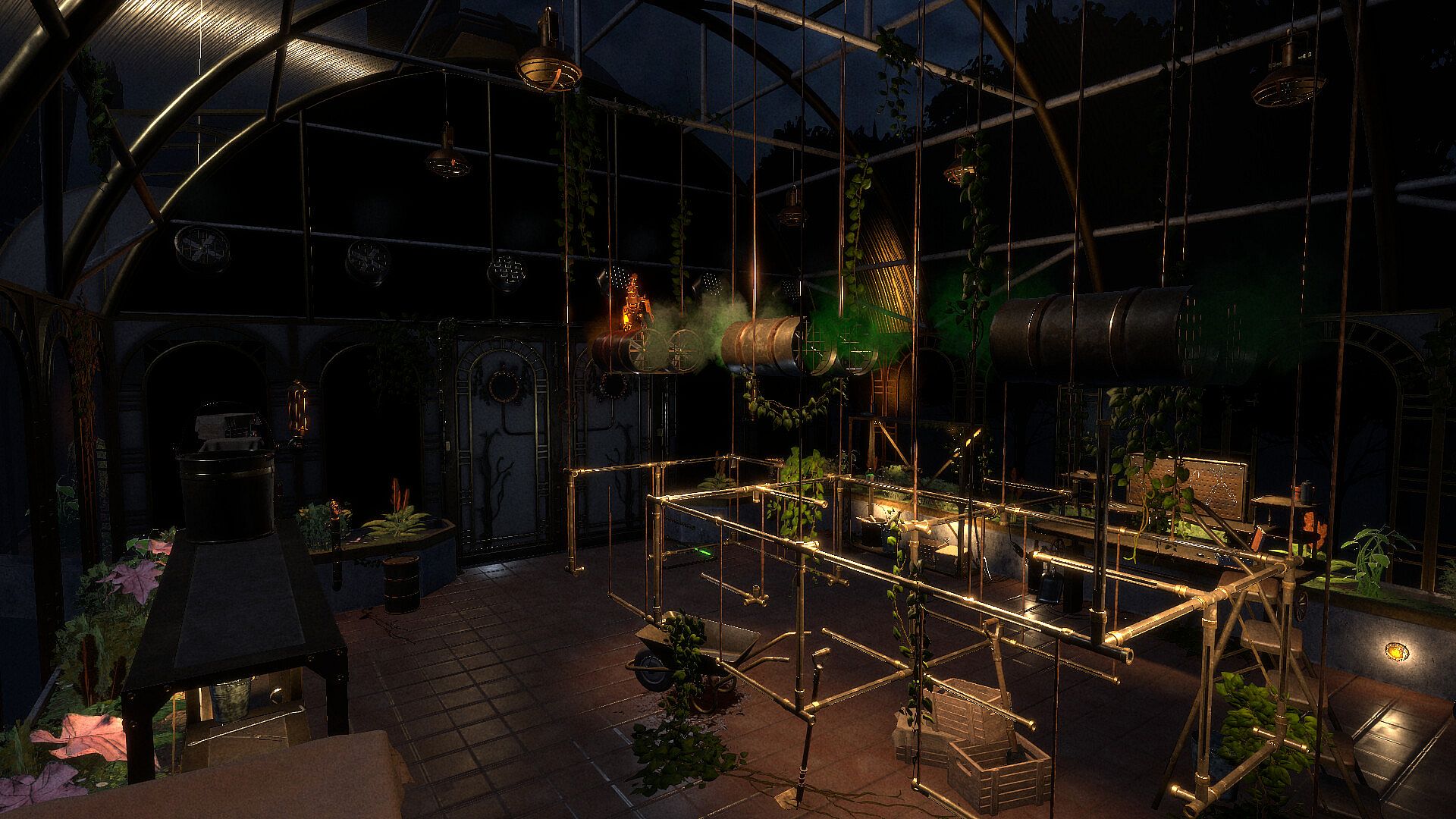
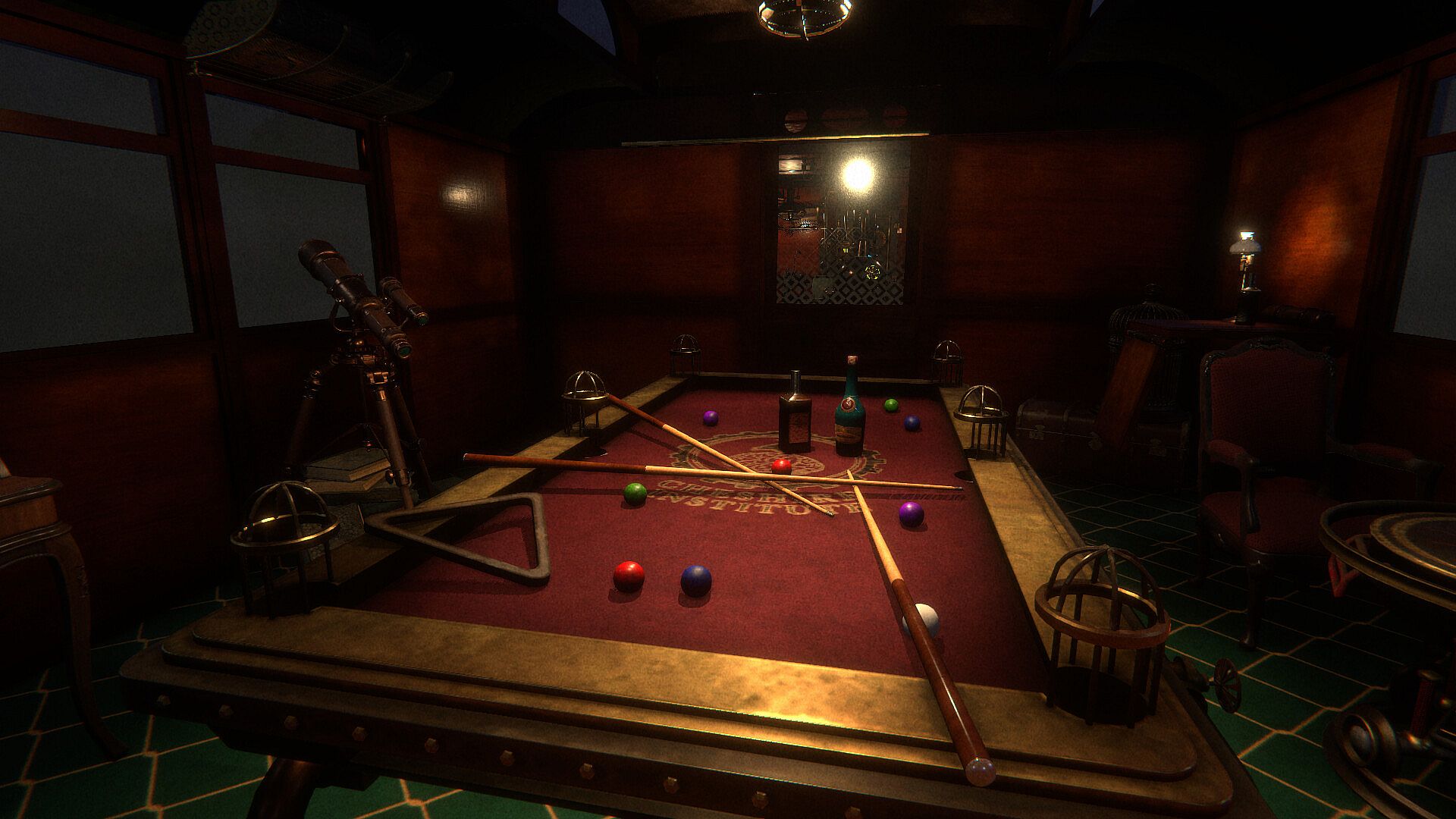
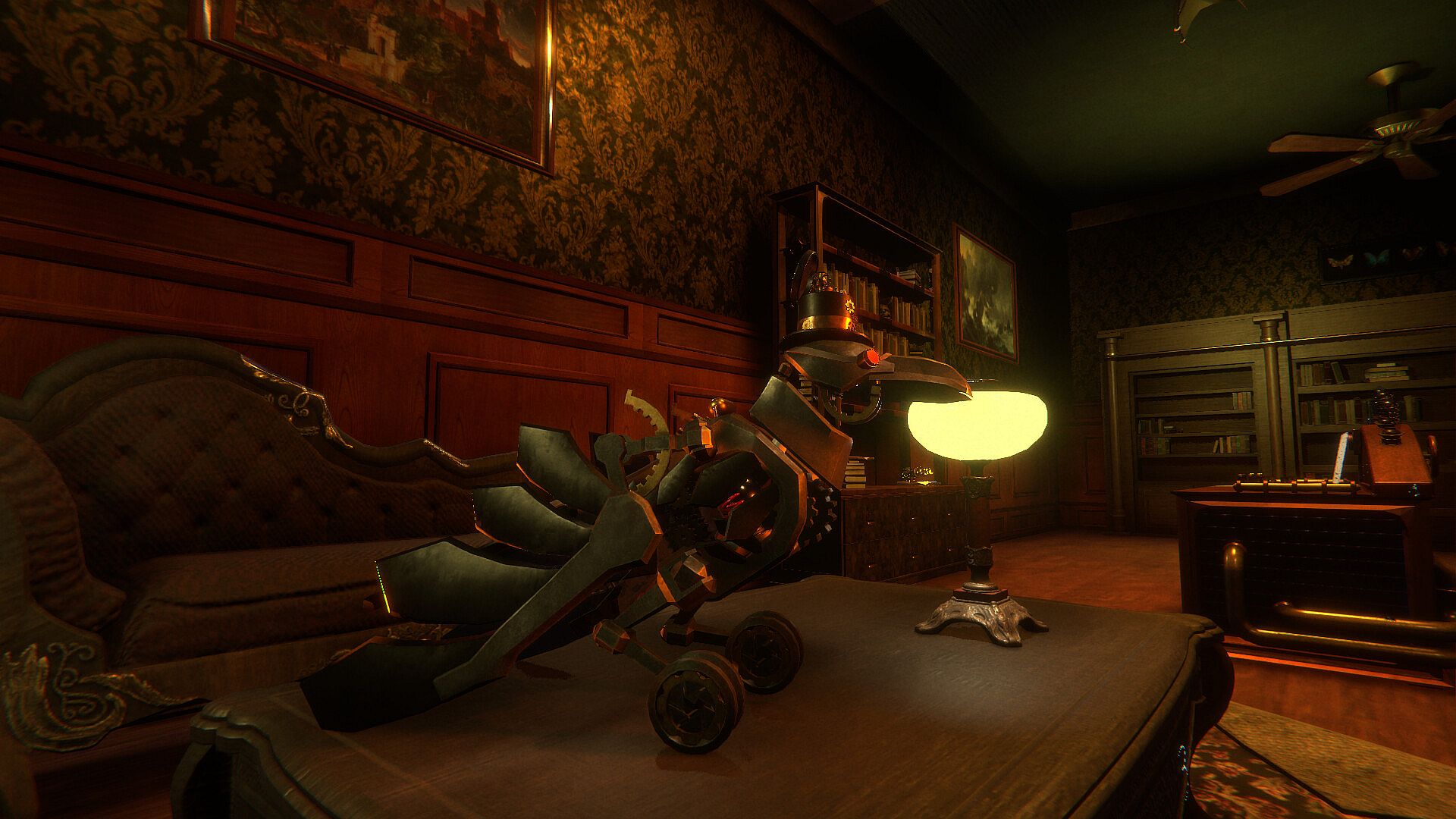
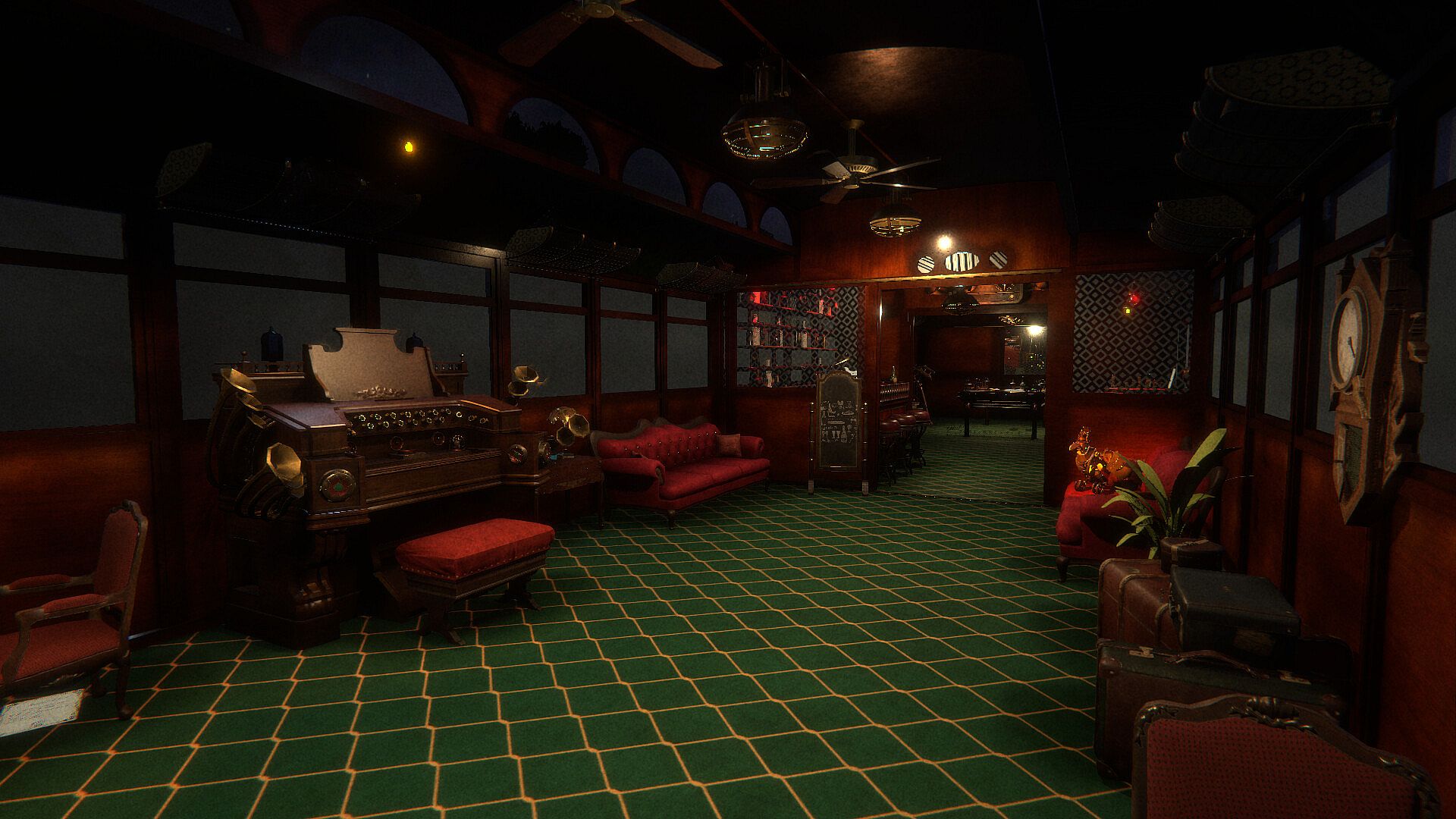
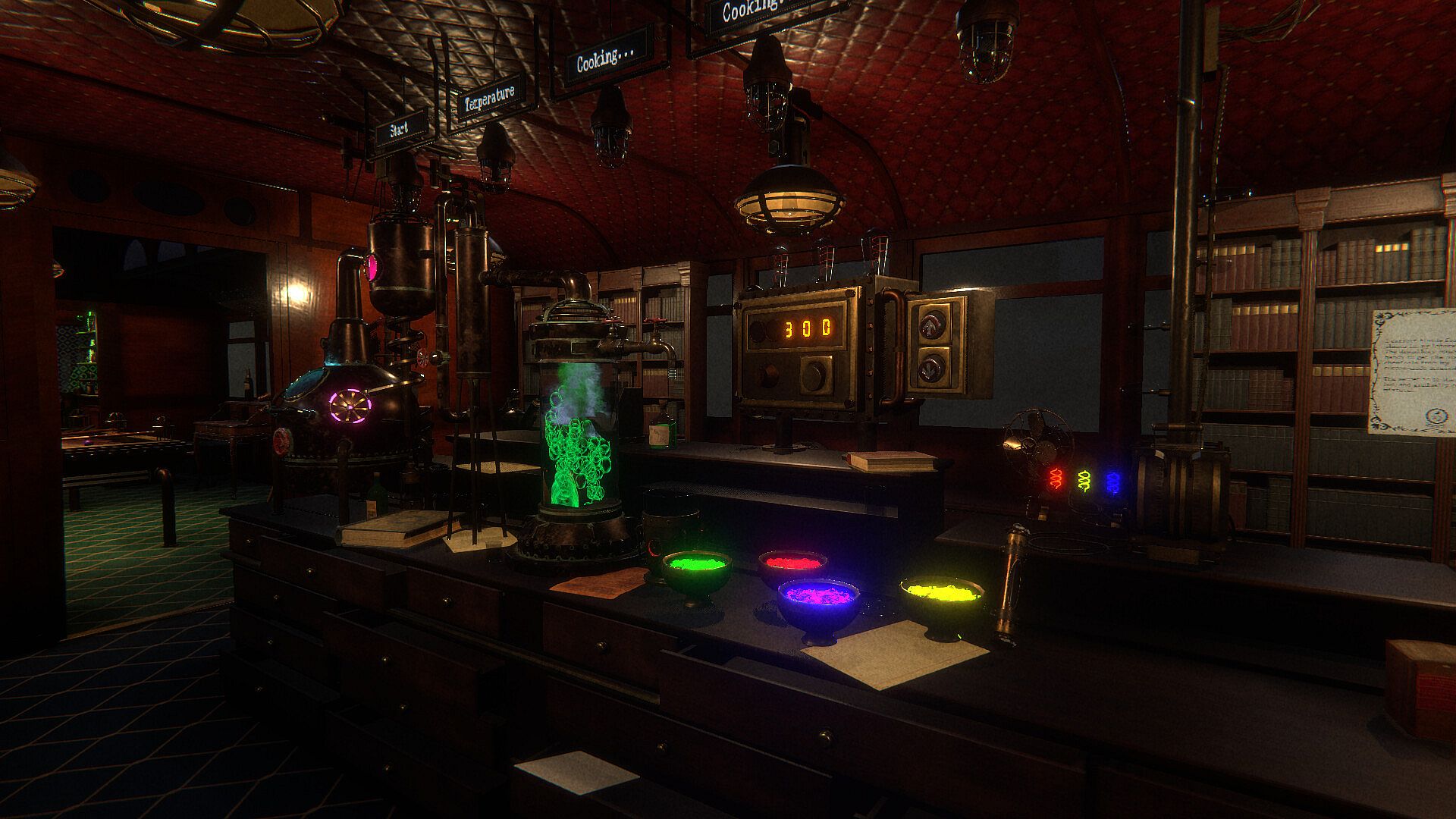
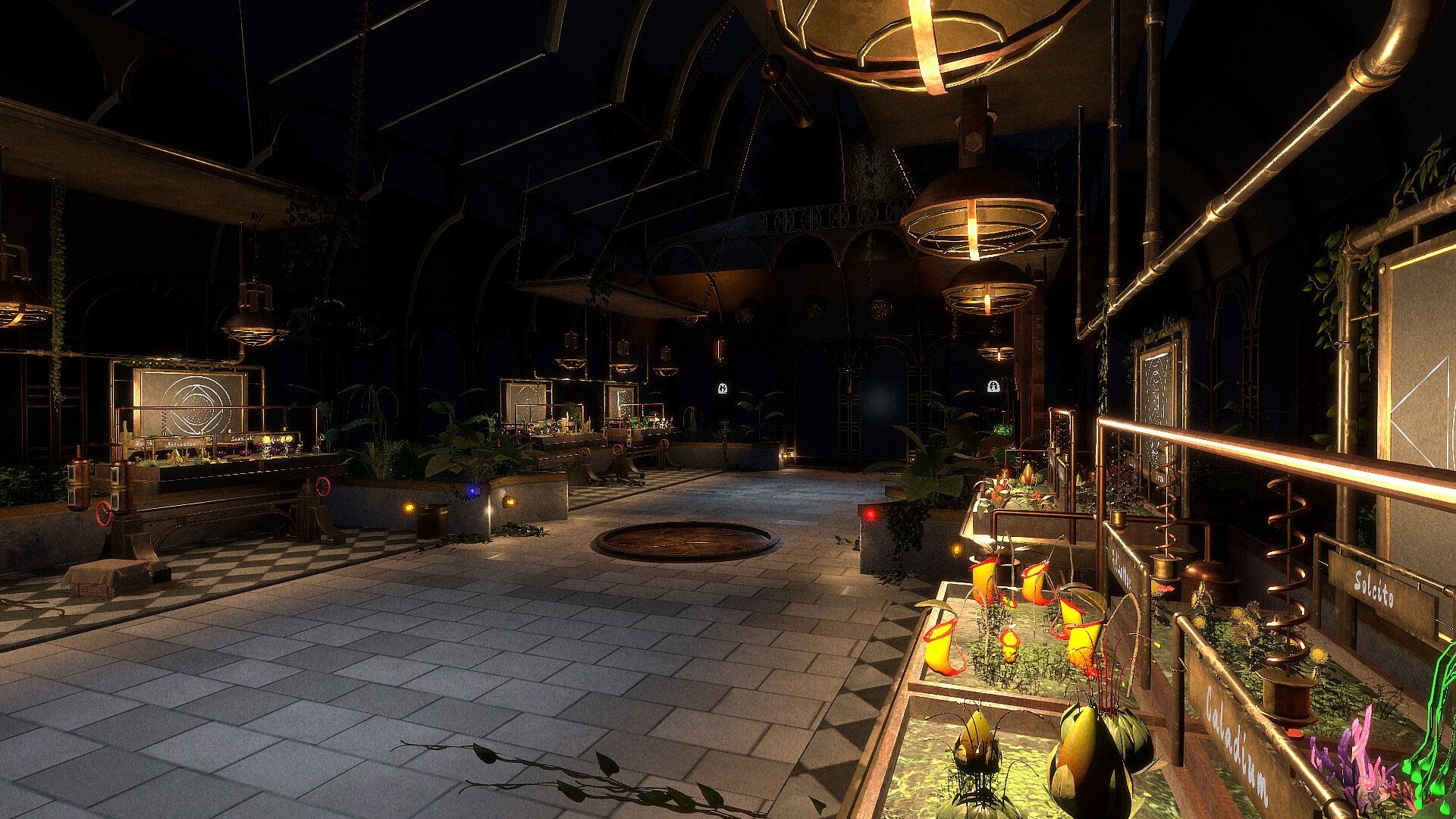
Each room presents unique challenges tied to its theme. The professor's office involves experimental equipment, the library features knowledge-seeking elements and an automaton encounter, the greenhouse demands careful handling of plants and gases, and the train section includes a distillery setup. Progress comes from solving these layered puzzles, which build toward understanding the central conflict without relying on external guidance.
Game Modes
Two primary modes accommodate different preferences. The standard timed mode imposes a 60-minute limit to heighten tension during puzzle solving. Relax mode removes the clock entirely, allowing unrestricted exploration and experimentation at a personal pace. Both modes retain the same puzzle content and story progression, differing only in time constraints.
Multiplayer supports up to six participants working together in shared sessions, with communication aiding clue sharing and task division. Single-player functions identically but requires independent management of all elements. No additional modes or variants appear in the available information.
Story and Setting
The narrative follows the final chapters of Professor Cheshire's tale. Trapped subjects experience memories of one patient while navigating the Institute, which has transformed into a prison-like laboratory. Four rooms form the playable chapters, each tied to aspects of Hildegarde's life and the professor's descent into obsession over finding a cure. Interaction with objects yields story fragments that connect the rooms into a cohesive sequence.
Environmental storytelling dominates, with Victorian-era details in the greenhouse and functional train elements providing context. The focus remains on unraveling motivations behind the experiments rather than external plot points.
Is It Worth Playing?
Player feedback on the Steam platform shows mixed results, with 64 percent positive ratings from 68 reviews. Those who enjoy methodical puzzle-solving and atmospheric escape room design often highlight the quality of the challenges and the cooperative potential. Others note occasional issues with object interaction or puzzle clarity.
The game suits individuals seeking a contained, story-driven puzzle experience that can be completed in one or two sessions. It appeals to fans of single-player deduction or small-group collaboration without requiring ongoing updates or seasonal content. Availability on PC makes it accessible for those with compatible hardware, and the dual modes provide flexibility for different skill levels or time commitments. Overall, it delivers a focused escape room simulation best suited to patient players who value logical progression over fast-paced action.