













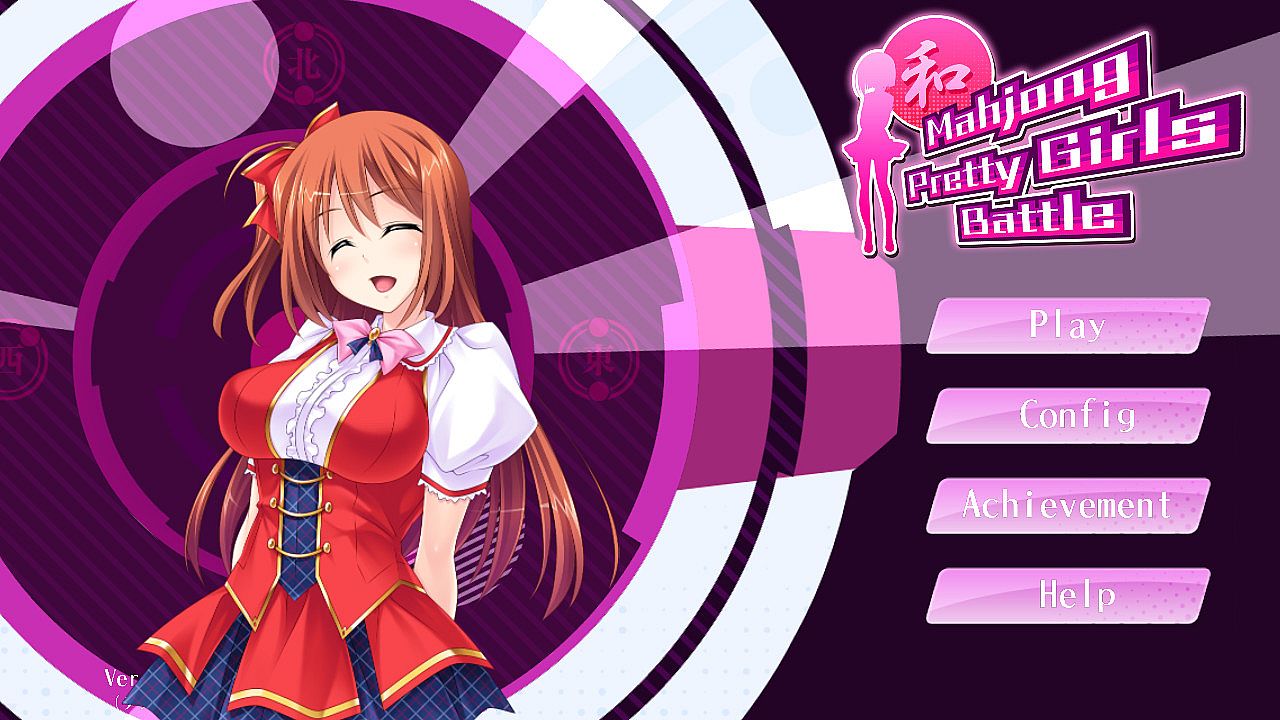
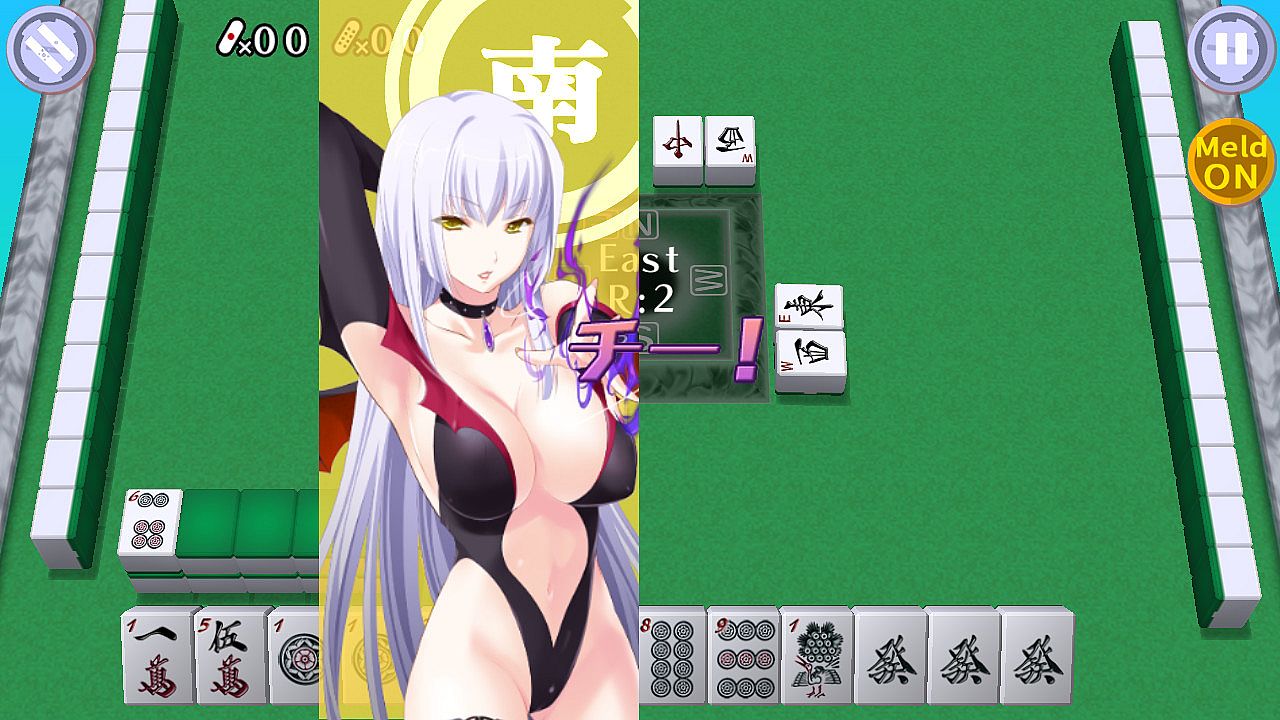
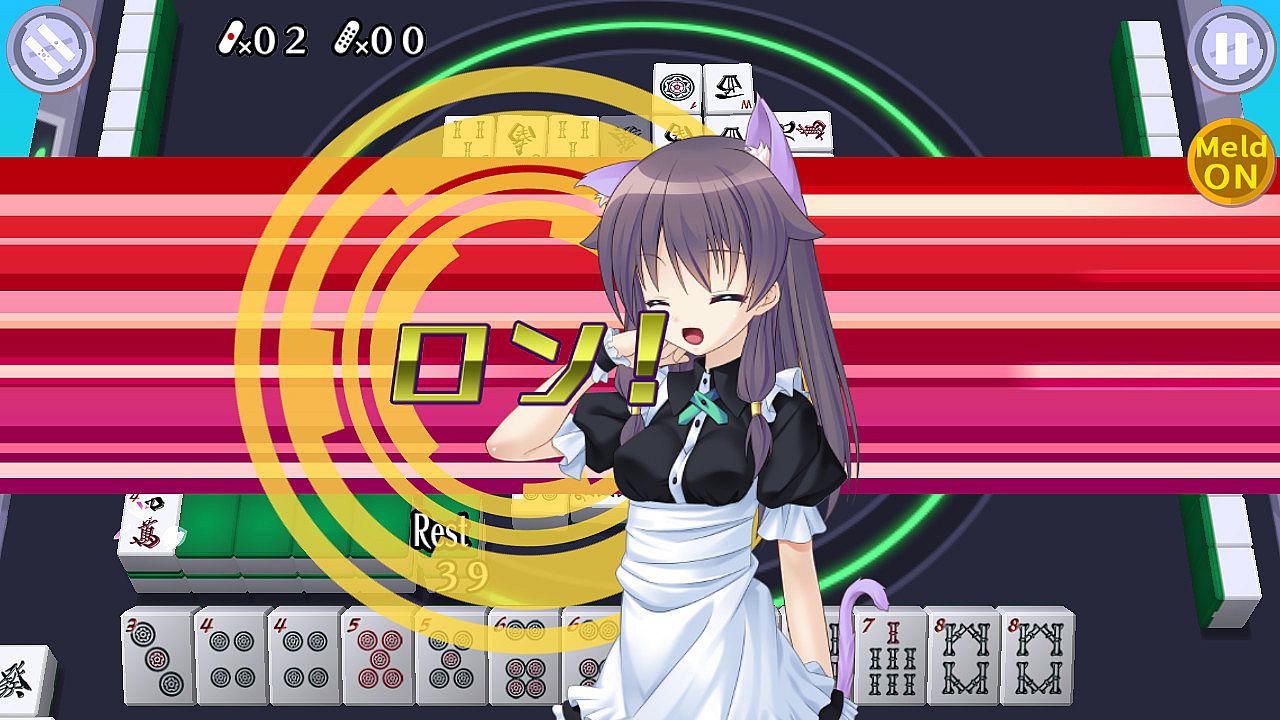
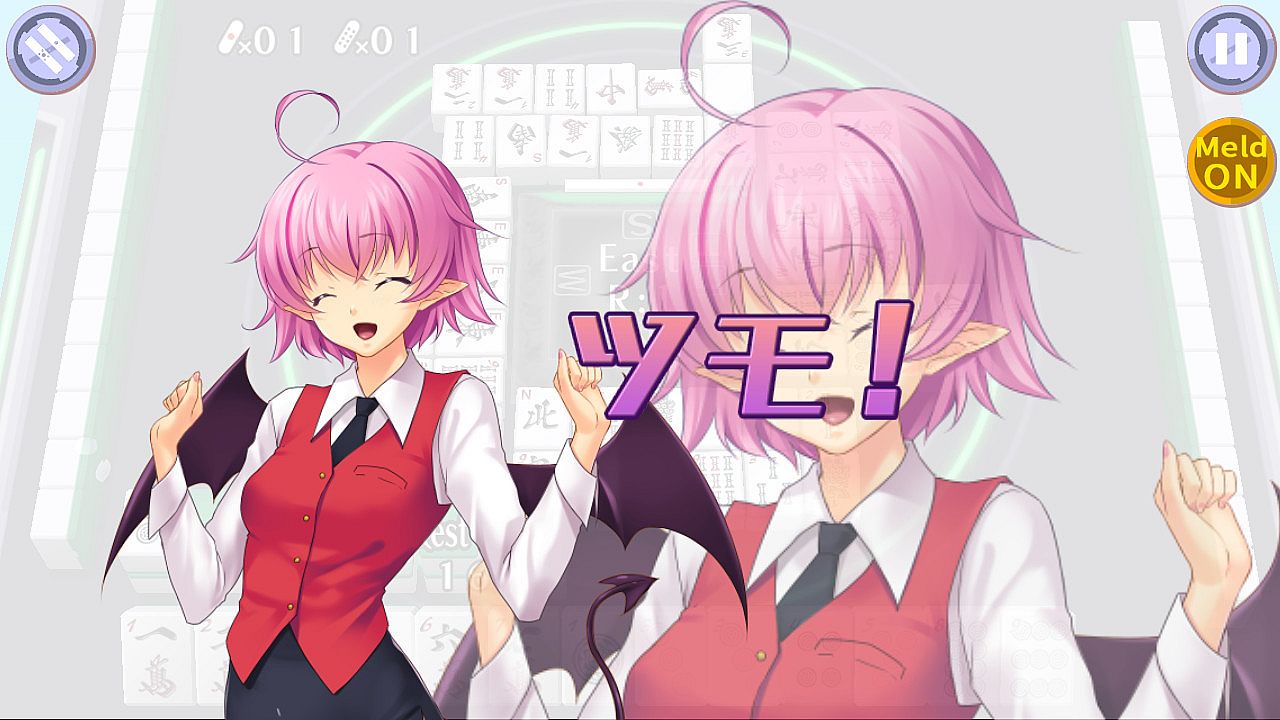
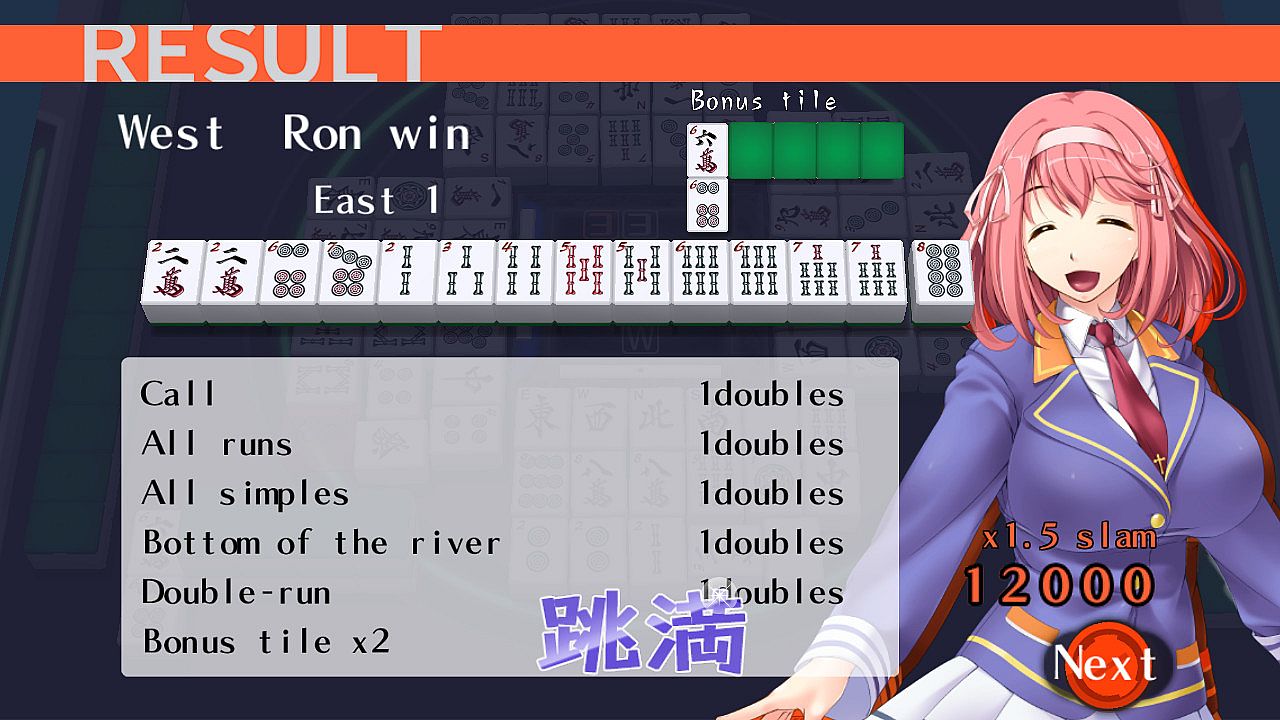

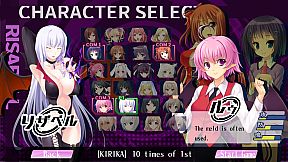
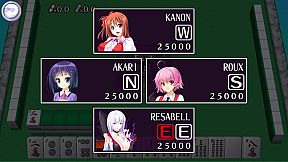
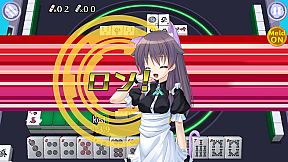

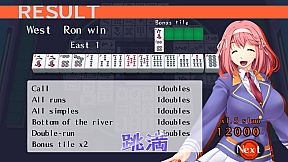
Mahjong Pretty Girls Battle is a casual single-player Mahjong title for PC that pairs authentic Japanese Riichi rules with a cast of 23 anime-style female characters. The game focuses on competitive matches where players select from the available girls and compete against AI opponents in standard play. Released in 2015, it emphasizes rule accuracy and character audio over any additional layers or online components.
Gameplay
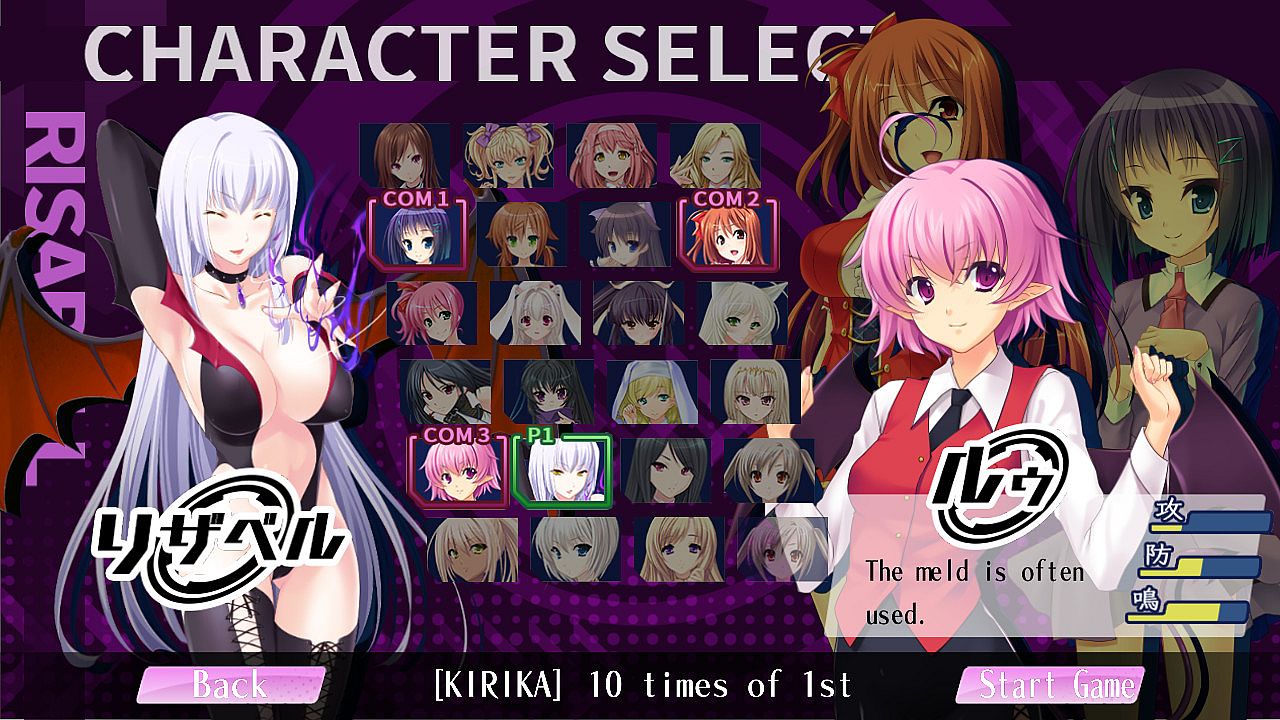
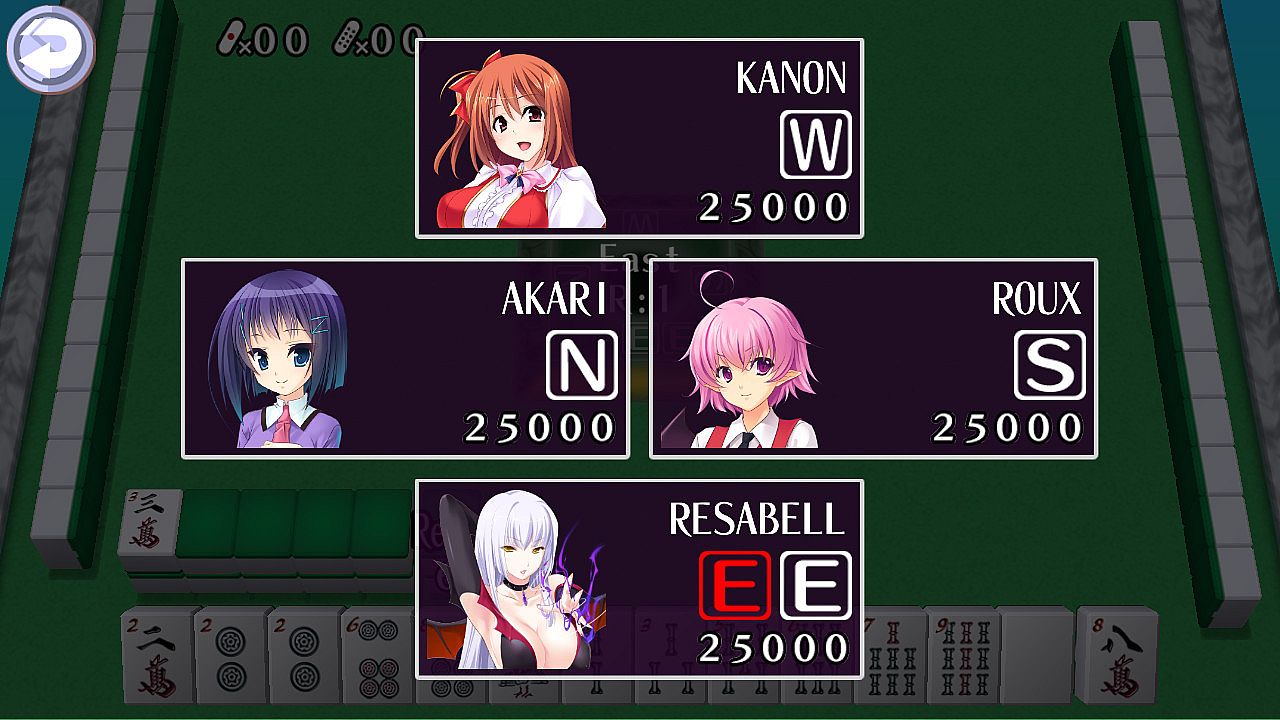
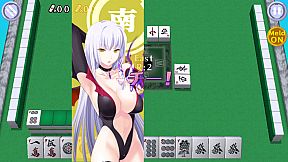
The core loop follows traditional Japanese Mahjong, complete with options to enable certain regional rule variants. Players build hands through draws and discards while aiming for valid winning combinations, with the selected girl providing voiced reactions to key moments such as successful wins or losses. The 23 characters each bring distinct personalities and appearances, ranging from schoolgirls and idols to figures like ninjas, devils, and goddesses. Audio lines cover excitement during victories and disappointment in defeats, adding a layer of personality to each match without altering the underlying tile mechanics.
Settings allow adjustments for local rule preferences, helping players practice or refine their approach to Japan's most recognized Mahjong variant. The experience remains strictly single-player, with AI filling the remaining seats at the table to simulate full four-player rounds. Visual elements consist of static character portraits that accompany the gameplay but do not include any interactive or undressing features.
Game Modes
Gameplay centers on single-player sessions against AI opponents using the core Mahjong ruleset. No separate modes such as tournaments, story campaigns, or multiplayer options appear in the title. Matches proceed through standard rounds where the chosen character serves as the player's representative, with the AI handling the other positions according to the selected rules. This structure supports repeated practice sessions or casual play focused on improving hand-building skills within the authentic framework.
Characters
The roster includes a variety of designs drawn from different themes. Examples feature Ayame Kirishima as an unyielding high school girl, Tsubasa Sasaki as a Harajuku-style character, and idol members like Kanon Amagi and Yuuki Asakura. Other entries cover fantasy elements such as Miyu in rabbit form, Yuuko as a fox goddess, and several Mahjong goddesses including Felicite, Char, Aila, Satie, and Ester. Each girl has dedicated voice work that activates during matches, contributing to the audio feedback loop. The collection spans samurai-inspired fighters, ninjas, nuns, princesses, and devils, providing visual variety while the rules remain consistent across selections.
Is It Worth Playing?
Player feedback on the title shows mixed results, with roughly 63 percent of reviews rated positive across several hundred submissions. Supporters highlight the faithful implementation of Japanese Mahjong rules and the option to toggle variants, which suits those already familiar with the game or seeking practice tools. Critics often note limitations in accessibility for newcomers and a lack of broader features beyond the core matches. The game suits players who prioritize rule accuracy and character audio in a single-player setting, particularly those comfortable with Mahjong fundamentals. Availability remains through standard digital storefronts, though the 2015 release means it receives no ongoing updates or seasonal content. Individuals interested in visual character elements alongside traditional play may find value, while those seeking modern additions or multiplayer should consider alternatives.