








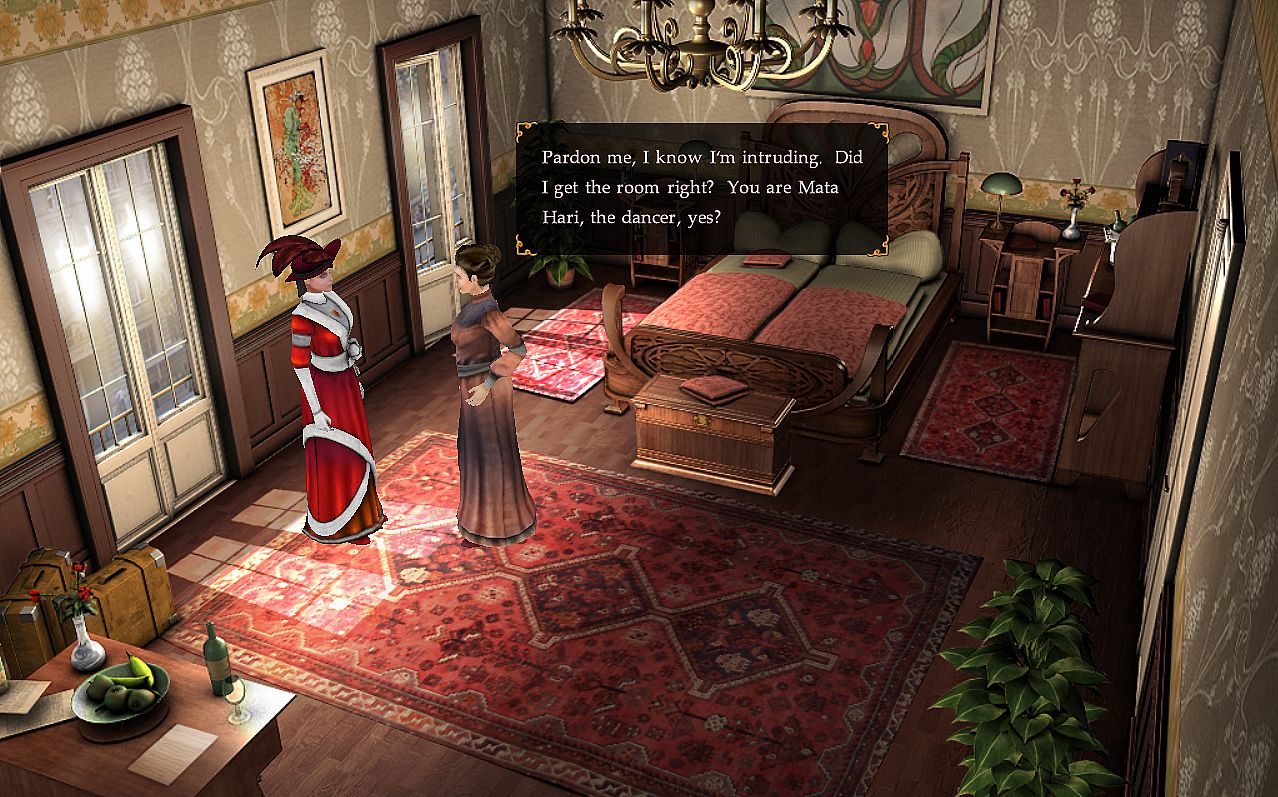
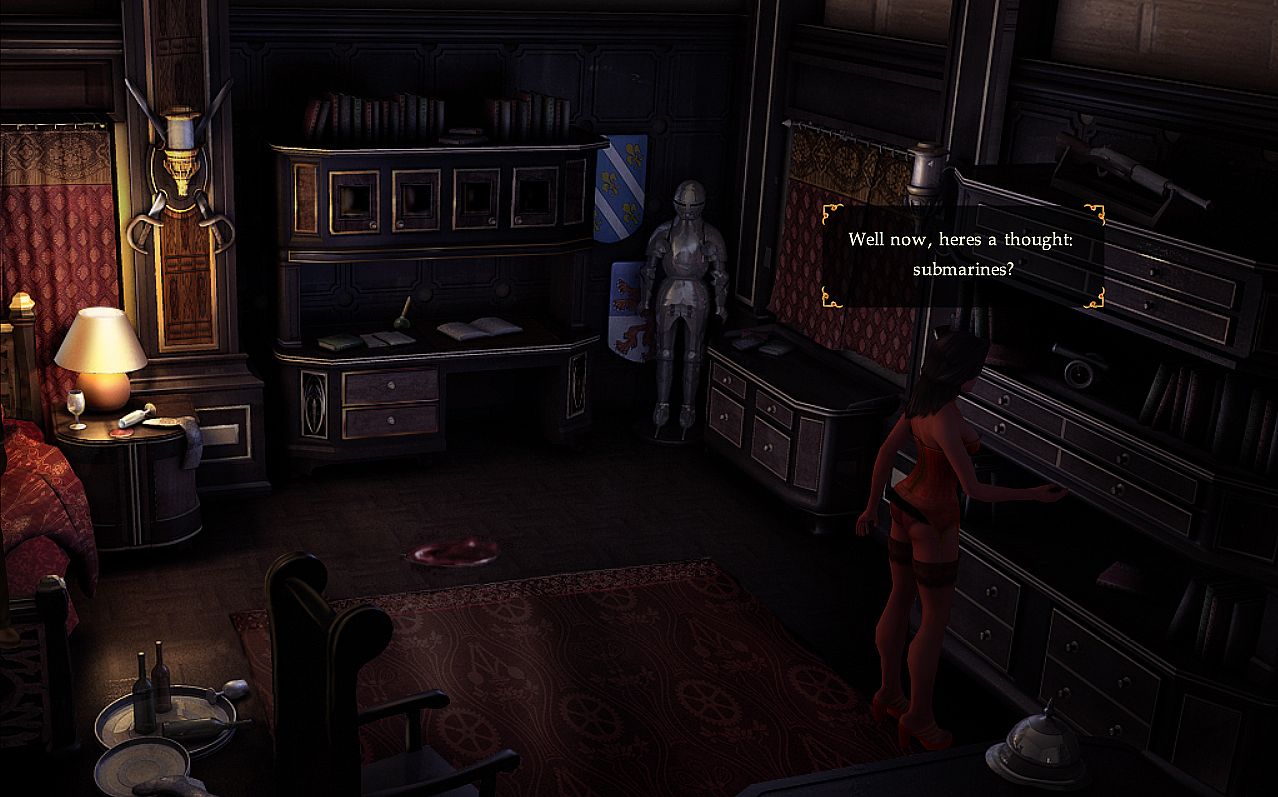
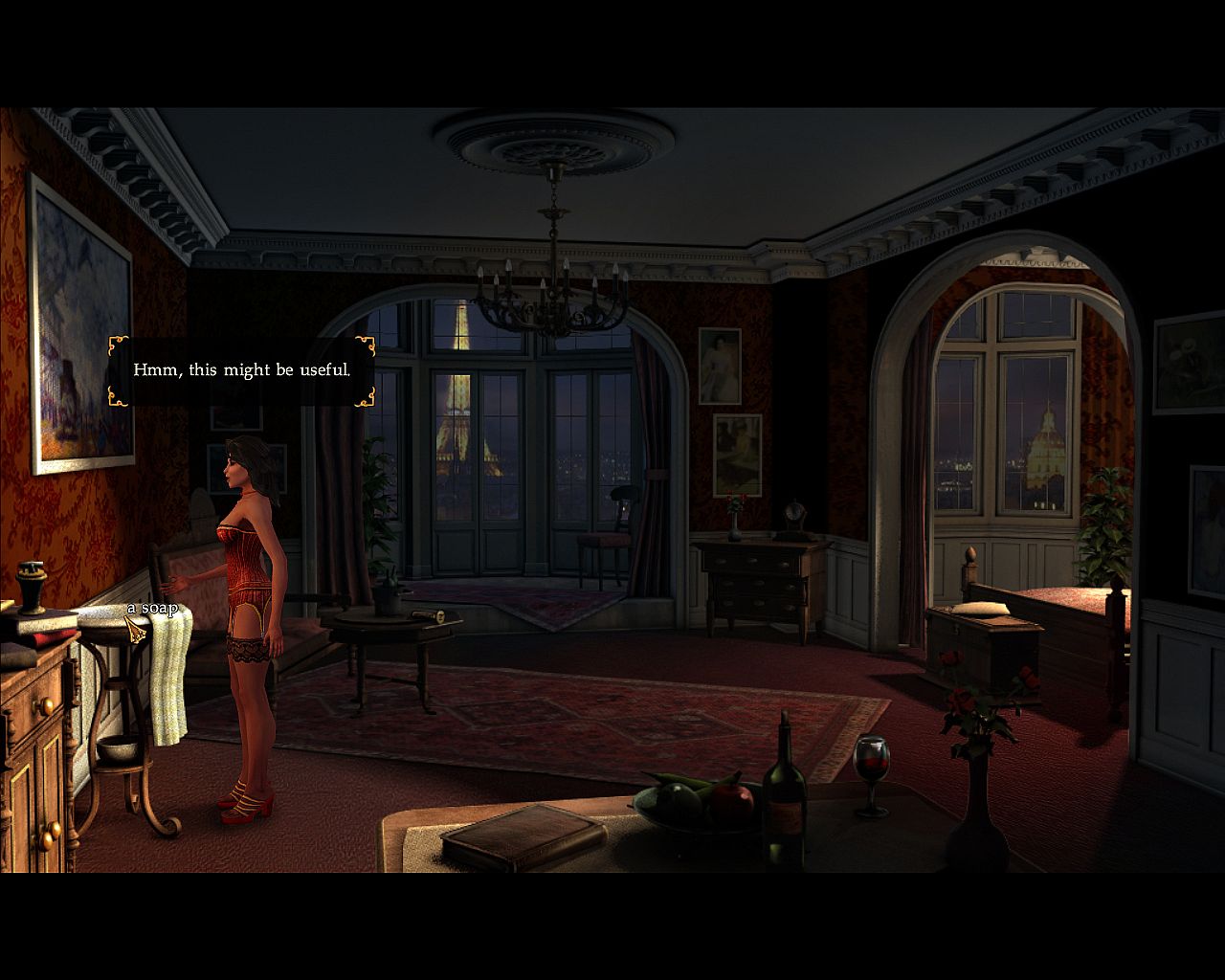
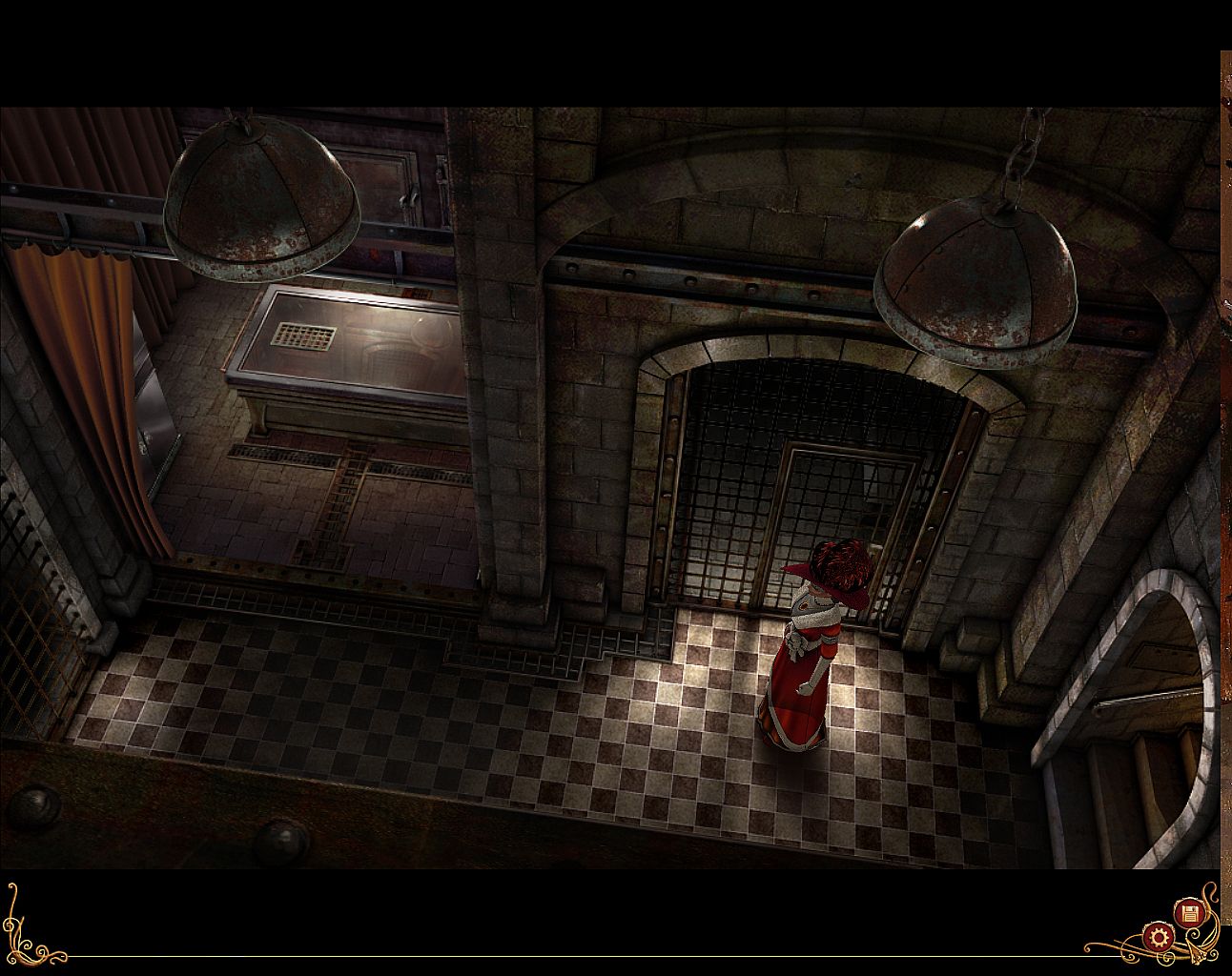



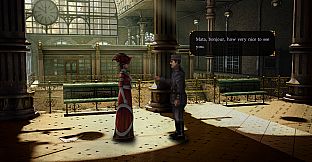
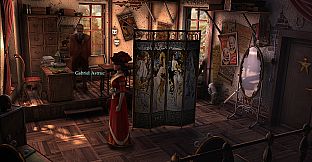

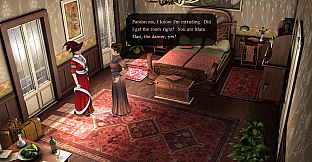
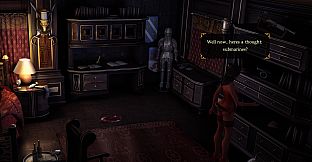

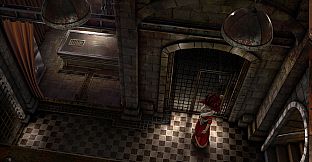
Mata Hari is a single-player adventure game that places players in the role of the historical dancer turned spy during the tense period before World War I. The experience combines point-and-click exploration with puzzle-solving and light resource management as the protagonist balances espionage duties with personal ambitions across European cities.
Gameplay
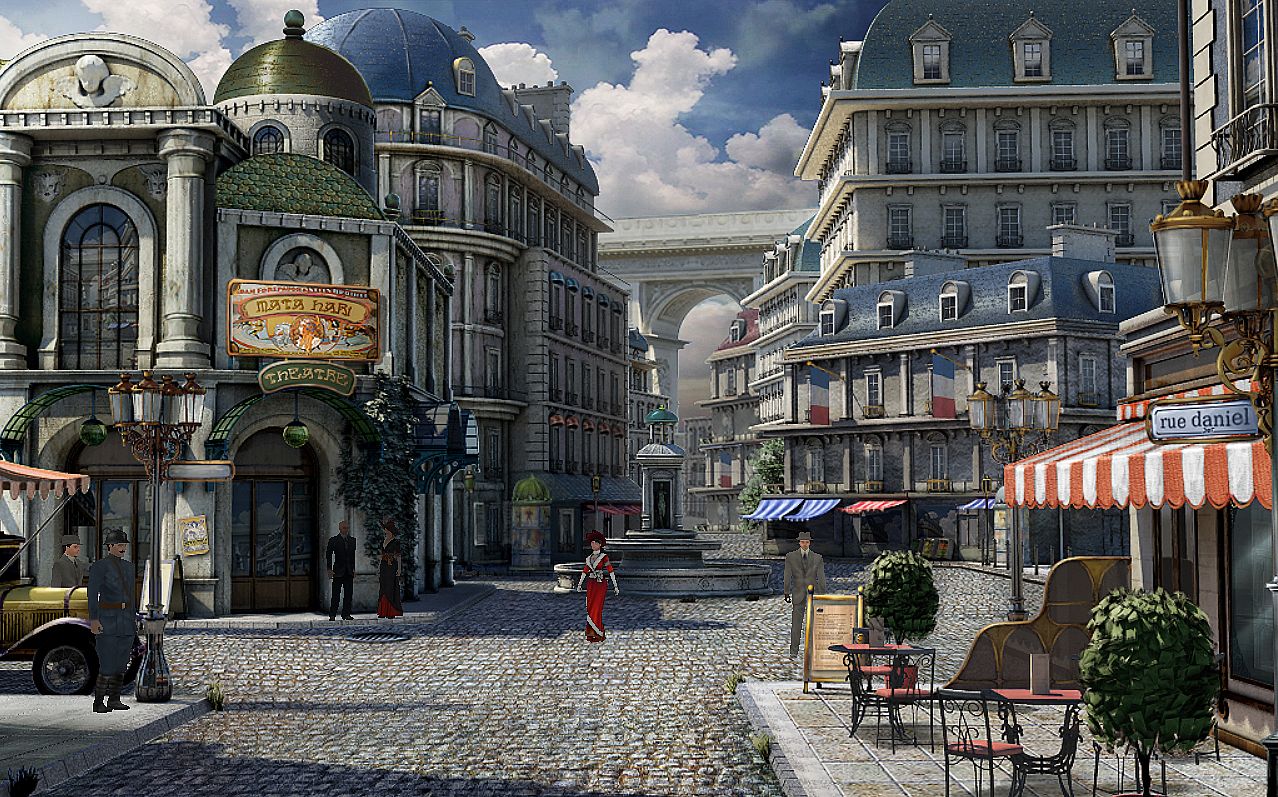
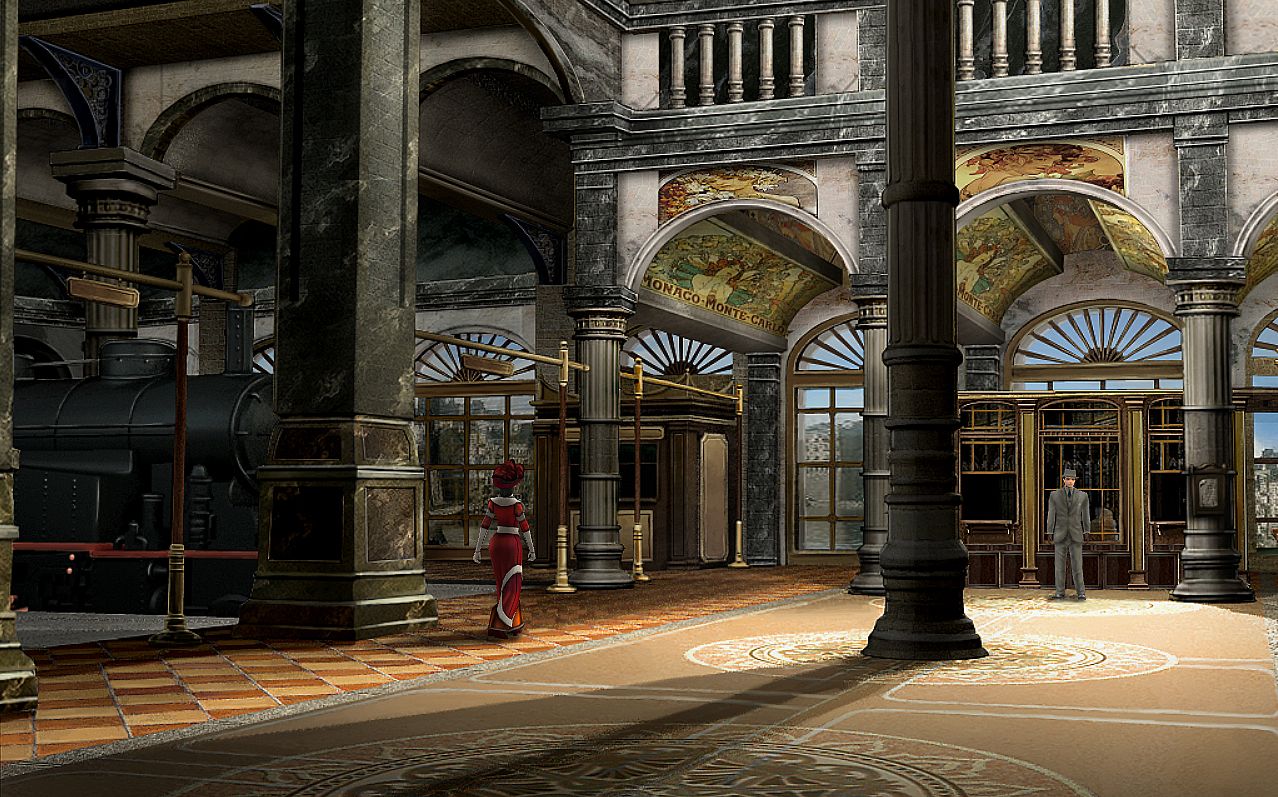
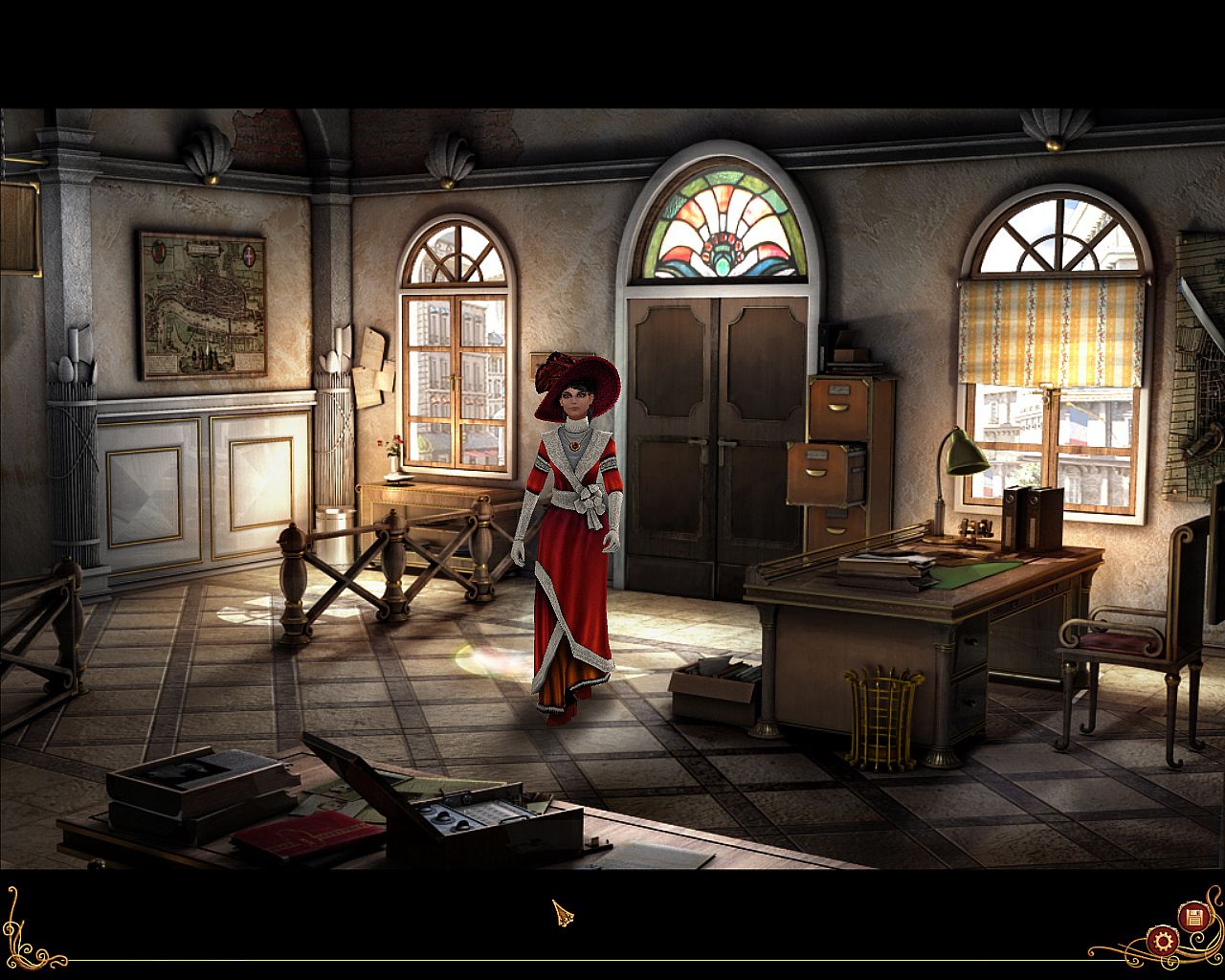
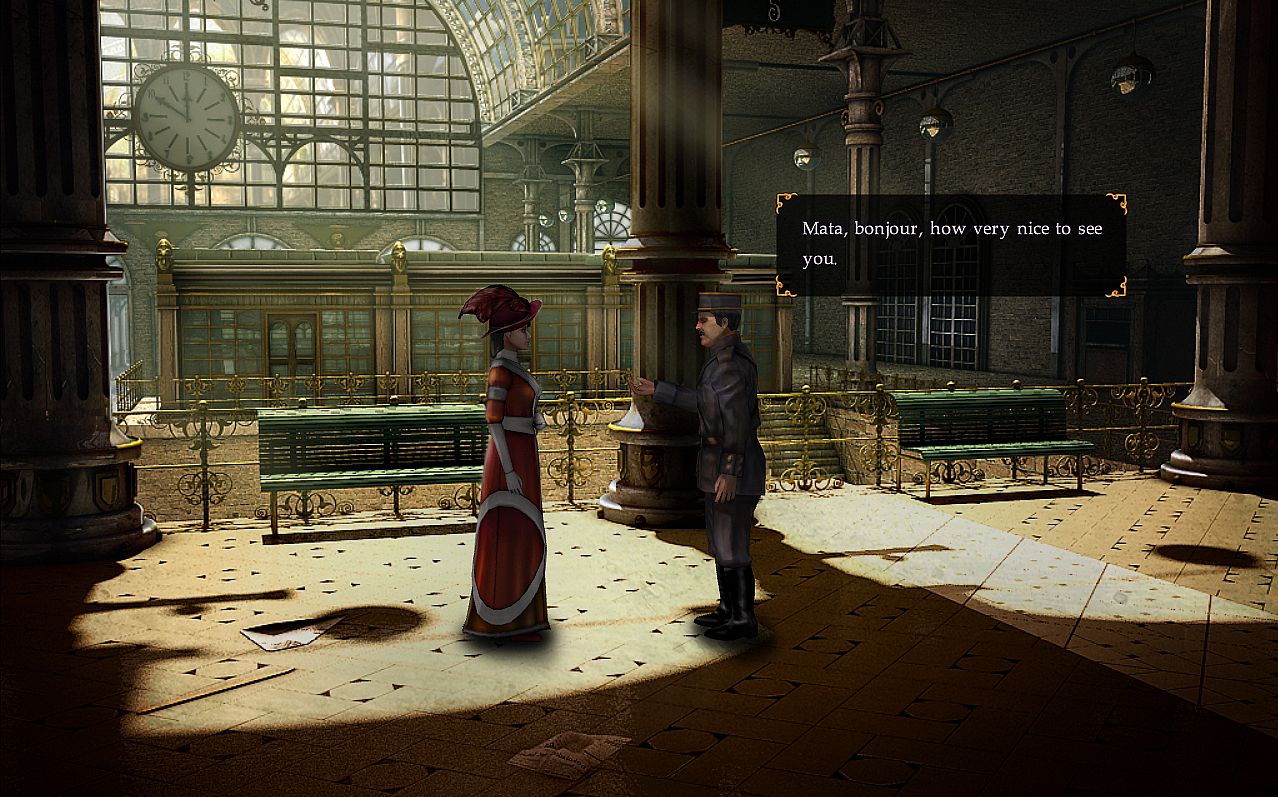
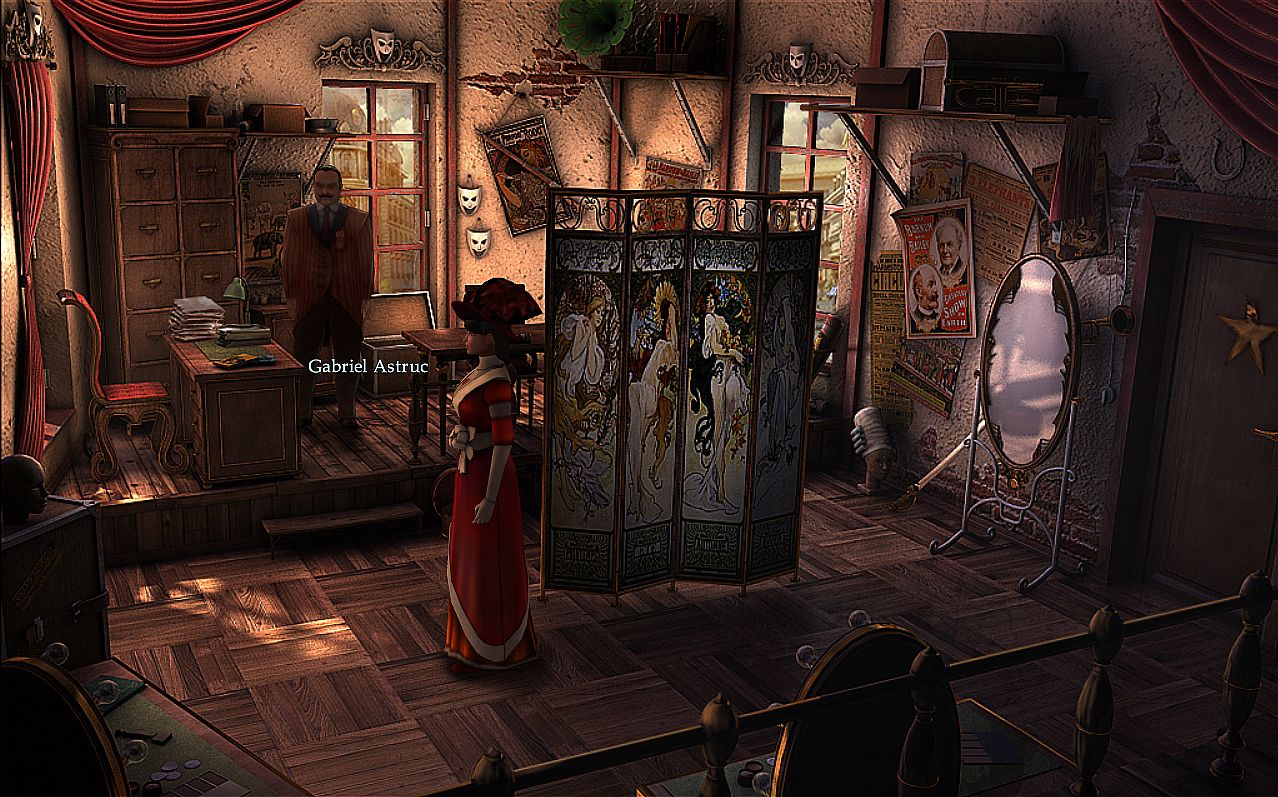
The core loop revolves around navigating detailed locations in places such as Paris and Berlin. Players examine objects, converse with characters, and gather information to advance missions. Espionage tasks require breaking codes, tapping phone lines, and deploying period-appropriate gadgets to outmaneuver pursuers and manipulate rival groups. Dance performances serve as a recurring activity that generates wealth, which can be spent or saved to influence later options. A scoring system tracks progress in spycraft, accumulated francs, and skill demonstrated during challenges, encouraging careful play on repeat attempts. Mini-games appear throughout the four chapters and test timing, logic, or observation in contexts tied directly to the story, such as performance routines or technical intrusions. Choices made during conversations and mission resolutions lead to different narrative branches and multiple possible conclusions.
Game Modes
The game operates entirely in single-player format with no competitive or cooperative options. Progress unfolds through a linear campaign structured across four chapters, each containing a series of missions that incorporate the eight mini-games. These chapters build in complexity as the stakes rise, requiring players to manage time, resources, and relationships while completing objectives. The structure supports replay through the branching endings that result from accumulated choices and performance metrics rather than through separate modes or difficulty settings.
Story and Historical Context
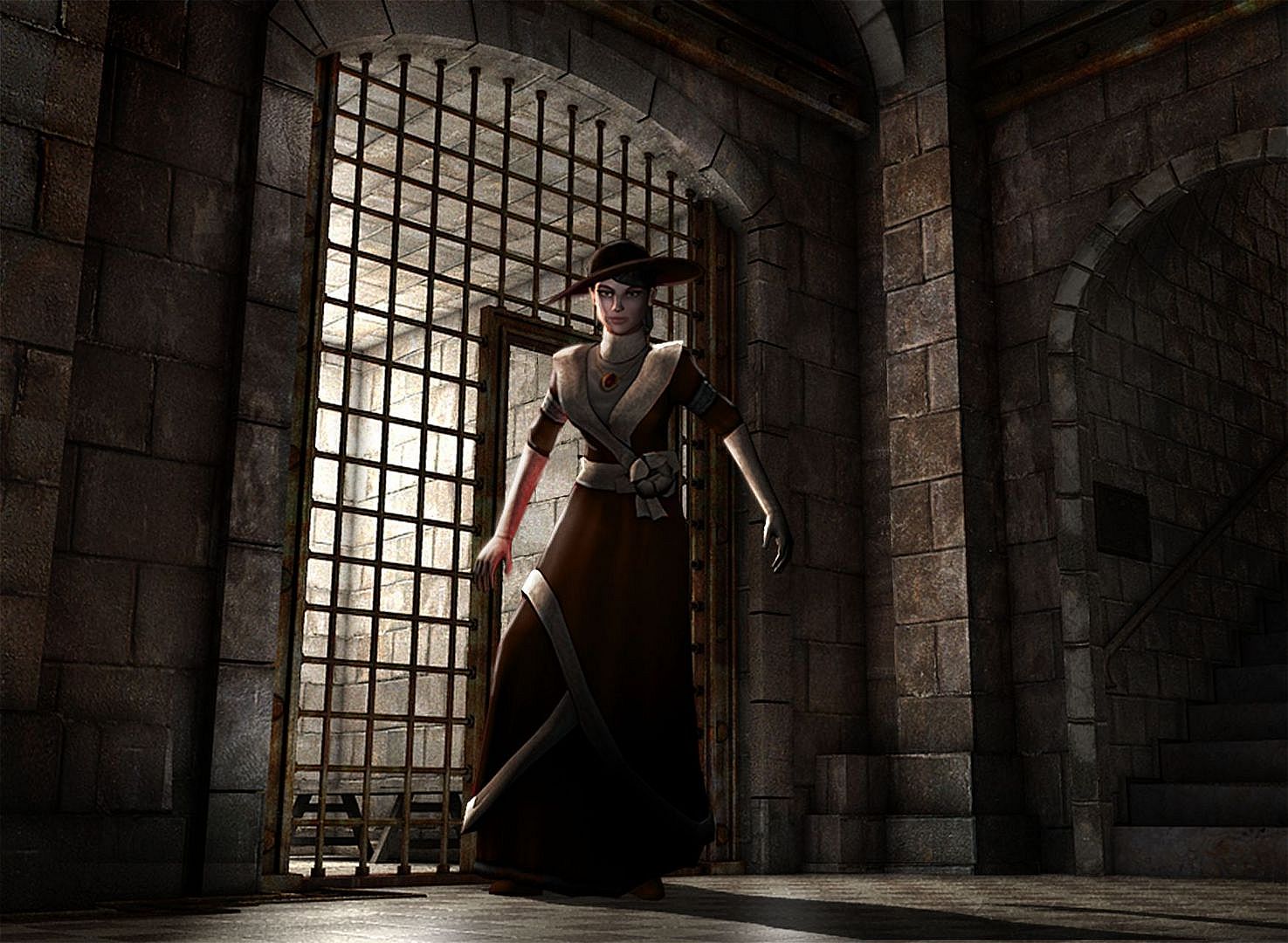
The narrative draws from documented events surrounding the outbreak of World War I, positioning the player as a double agent who must navigate loyalties among competing powers. Charm and social maneuvering open paths that direct confrontation cannot, while the risk of exposure grows with each assignment. Locations shift between major cities, reflecting the travel demands of the era, and the story explores the tension between professional survival and personal attachments. Backtracking through familiar areas occurs as new information surfaces, adding layers to previously visited scenes.
Is It Worth Playing?
Player feedback on the title remains mixed, with roughly 58 percent of reviews expressing positive sentiment. The combination of historical setting, integrated mini-games, and choice-driven endings appeals to those who enjoy classic point-and-click adventures that blend investigation with occasional action sequences. Individuals seeking a focused single-player experience centered on espionage and early twentieth-century intrigue will find the mechanics and pacing consistent with that preference. The game has not received updates since its original release, so expectations should align with a self-contained 2008 title rather than ongoing content support. Those who appreciate replay value through different endings and scoring systems may return to it multiple times, while players preferring modern interfaces or extensive voice acting might encounter dated elements in the presentation.