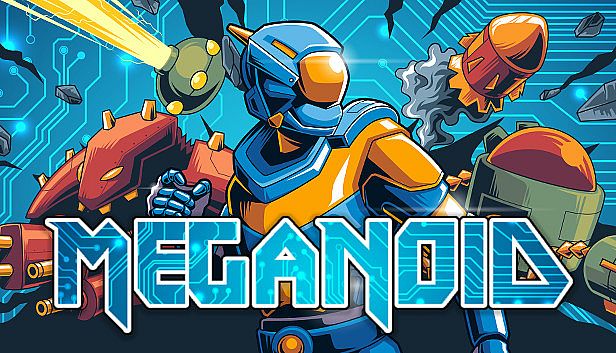












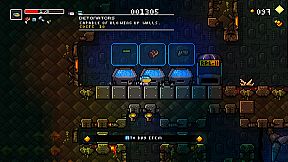
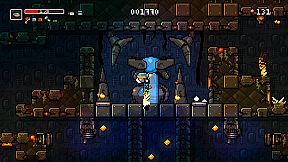
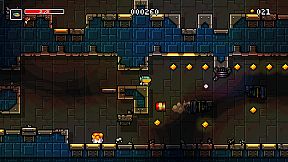
Meganoid is an action platformer built around roguelike principles, where players descend through a spaceship filled with procedural challenges on PC. Each run presents a fresh layout of corridors, forcing quick decisions between speed and exploration while managing limited resources and movement options.
Gameplay
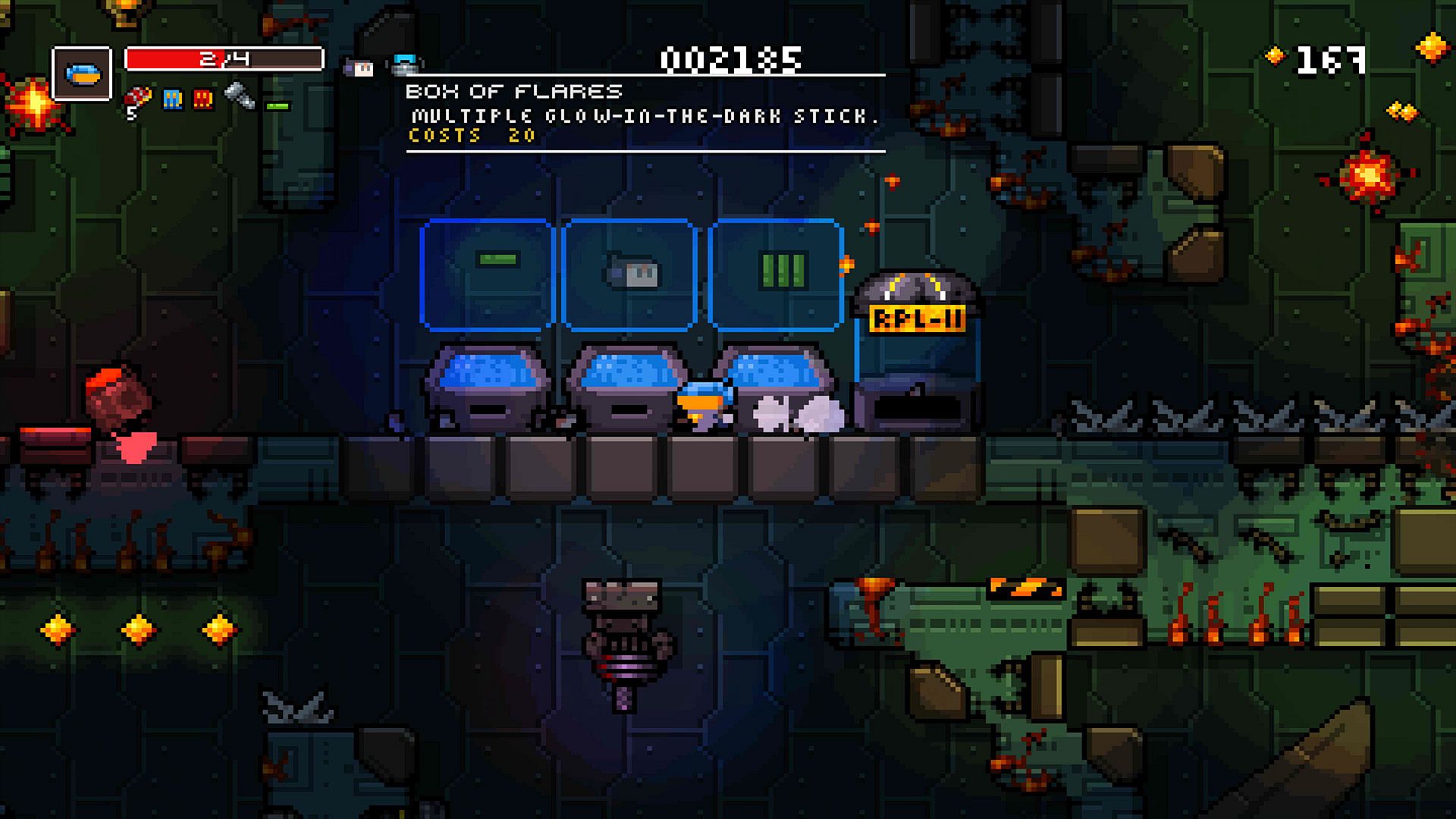
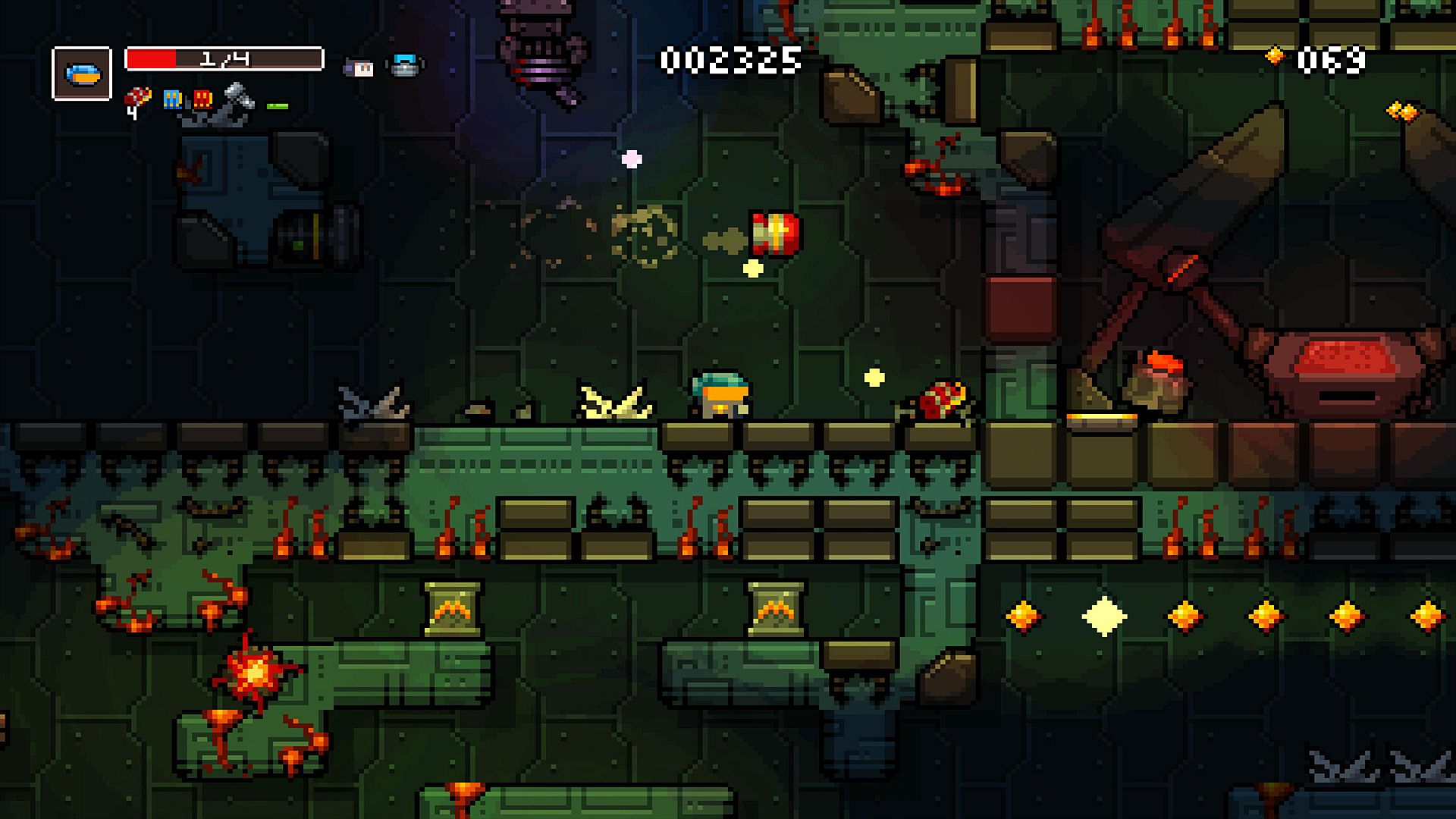
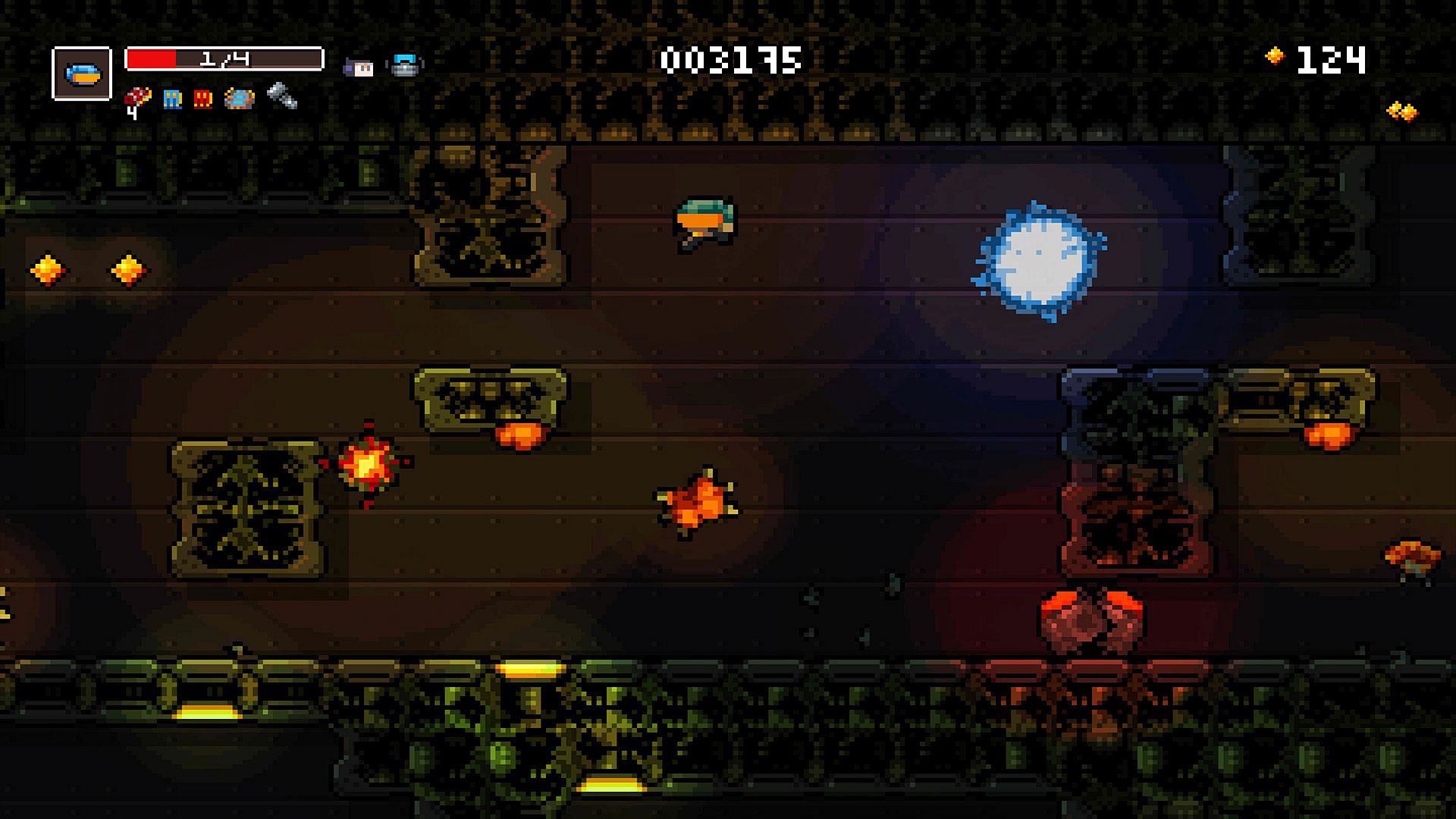
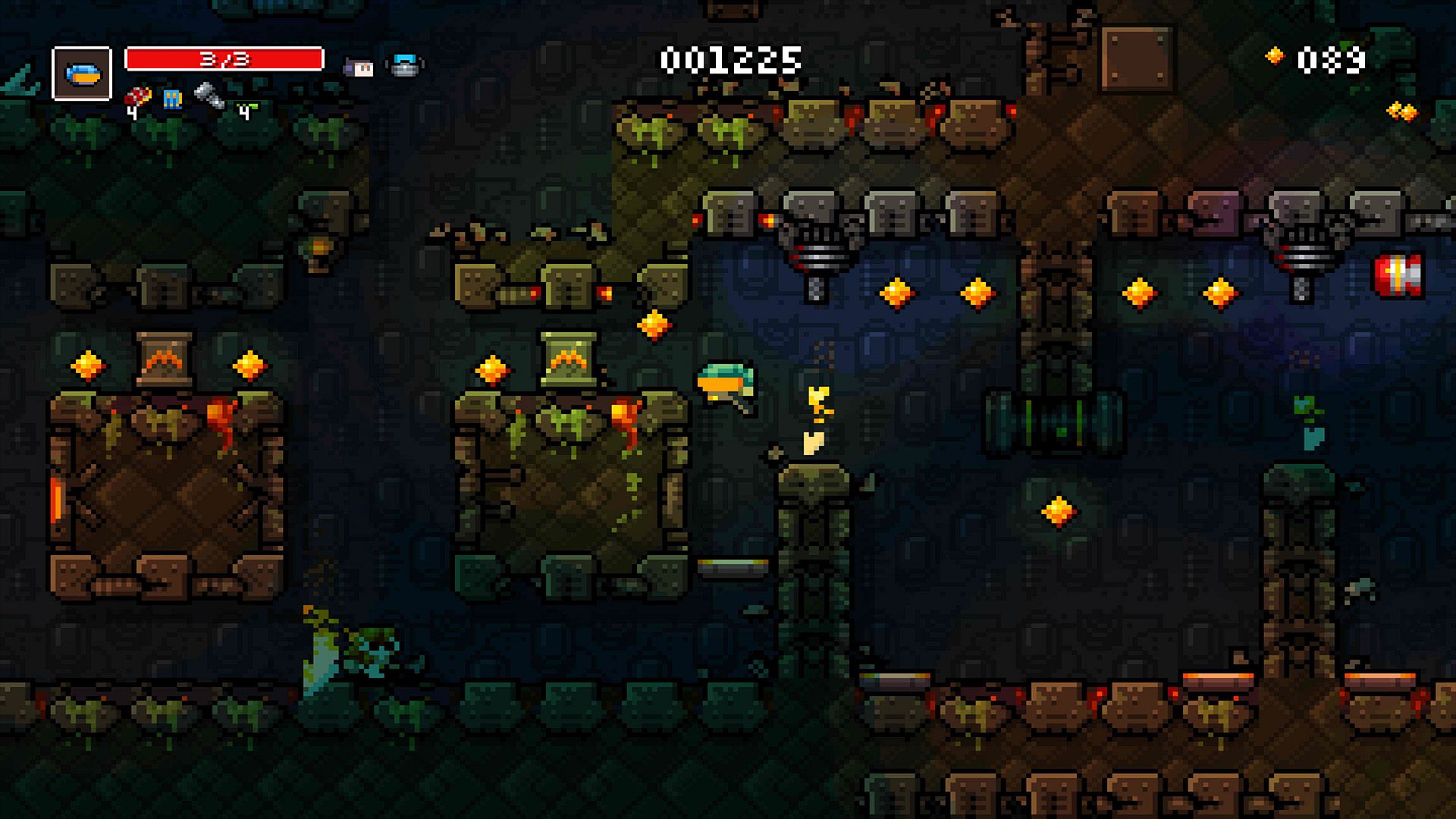
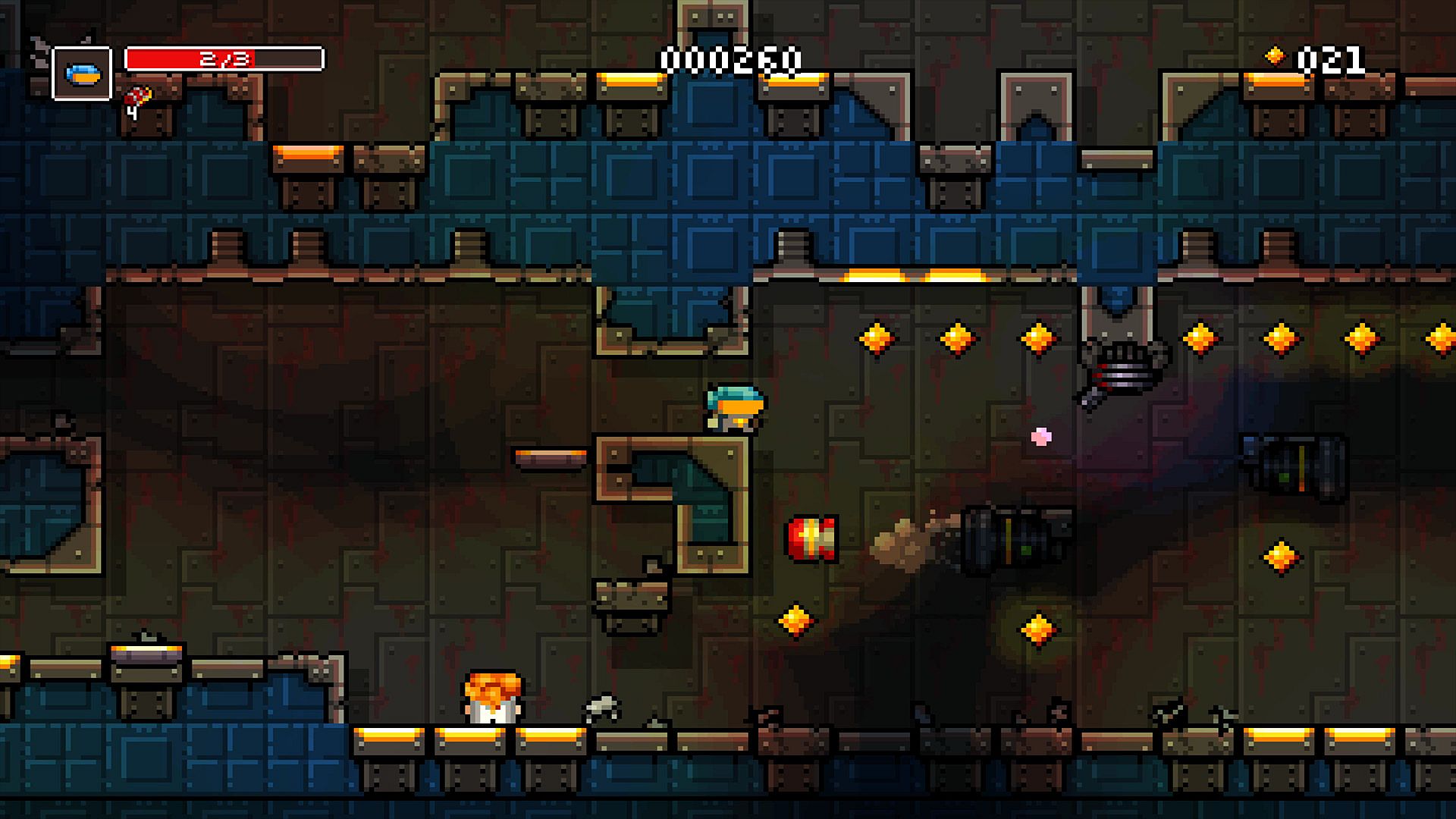
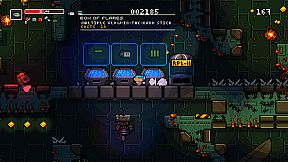
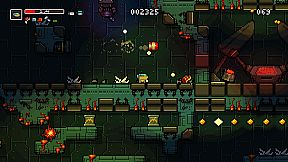
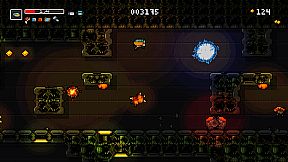
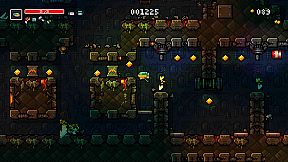
The core loop centers on navigating tight platforming sections amid security drones, traps, and hazards that punish imprecise timing. Players scavenge gadgets during runs to alter movement, such as jetpacks that enable sustained flight or anti-gravity boots that add extra jump height and control. These items shift priorities mid-run, turning a straightforward dash into opportunities for vertical exploration or evasion tactics.
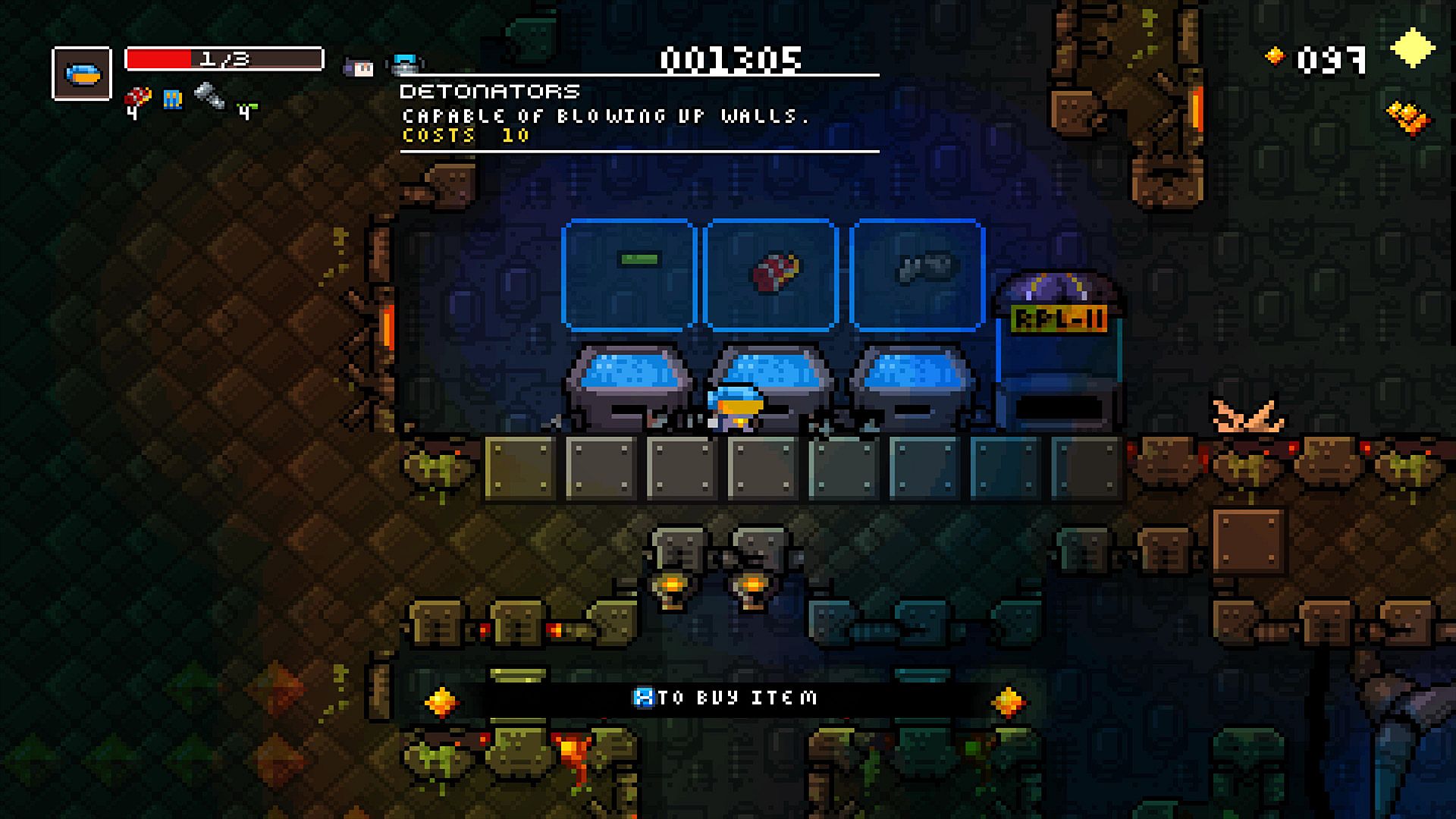
Keycards introduce another layer by allowing temporary modifications to the environment. A player might disable nearby turrets, reduce rocket range from launchers, or increase loot drops from defeated enemies. This system rewards observation and risk assessment, as lingering to hack can attract more drones but yield better positioning for deeper progress.
Failure teaches patterns through repeated exposure rather than explicit tutorials. A database fills with entries on enemies, items, and mechanics across runs, providing passive advantages like recognition of threat behaviors or optimal gadget synergies. Hidden areas and alternate paths appear in many layouts, offering shortcuts or rare upgrades that justify detours when the risk feels manageable.
Game Modes
Meganoid operates as a single continuous descent experience without separate named modes or multiplayer options. Every session generates a new sequence of levels drawn from templates, maintaining consistent visual and mechanical familiarity while ensuring no two attempts follow identical paths. The focus remains on reaching greater depths through successive runs, with progress measured by how far a player advances before death resets the attempt.
Collection and survival elements integrate directly into this structure. Players decide in real time whether to prioritize the exit or hunt for additional gadgets and secrets, knowing that extended stays increase exposure to pursuing enemies. Achievements track milestones such as specific gadget combinations or depth records, adding long-term goals within the same core loop.
Progression and Secrets
Advancement comes from accumulated knowledge rather than permanent unlocks between runs. Each death reveals more about enemy patrol routes, trap triggers, and gadget interactions, allowing refined strategies on subsequent attempts. The database system supports this by logging discoveries, which indirectly improves future performance without altering the procedural generation itself.
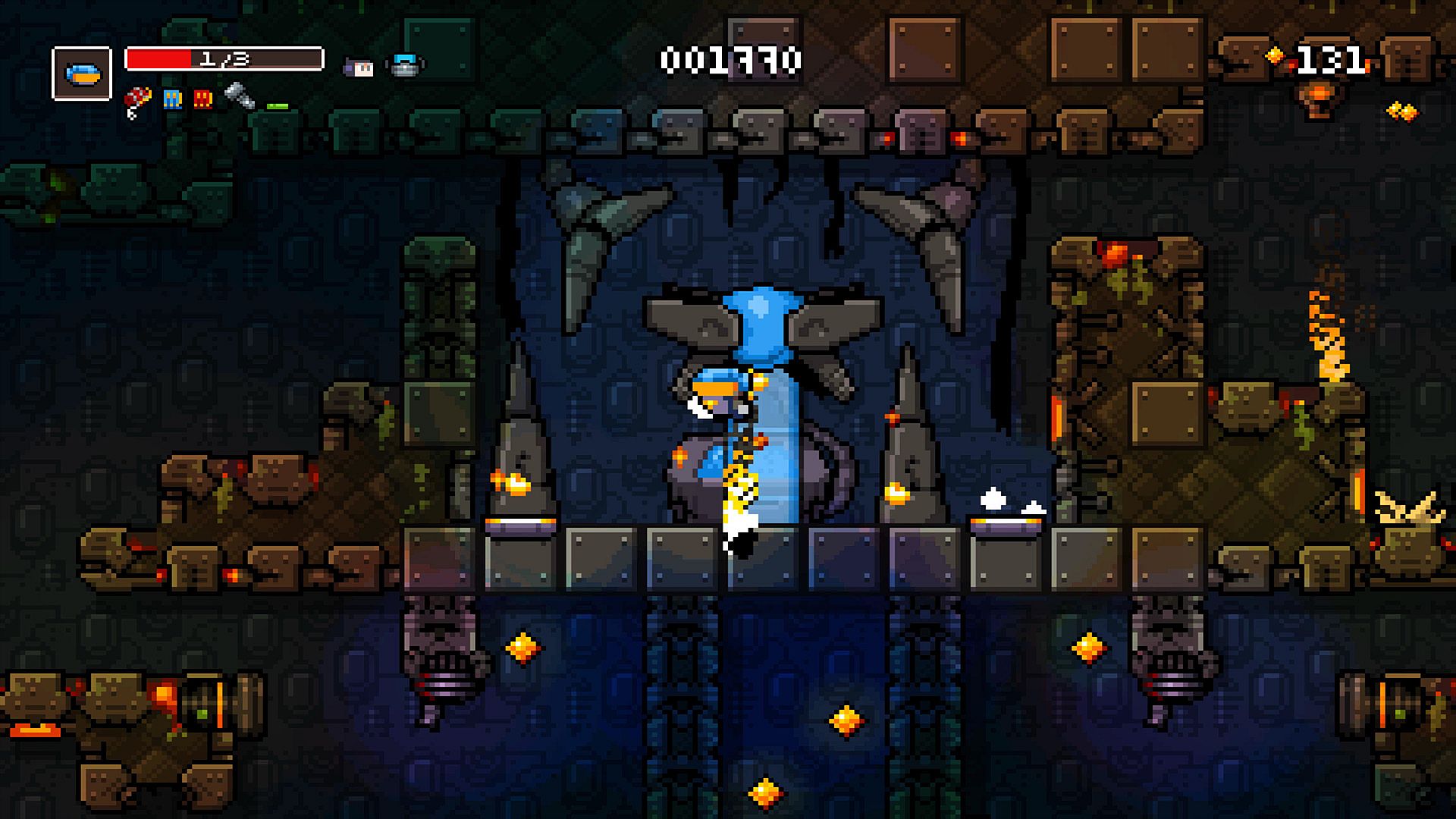
Secrets reward thorough exploration with rare items or bypass routes that shorten later sections. These areas often require specific gadgets or precise platforming to access, creating natural incentives to experiment with different loadouts. The balance encourages both aggressive pushes toward the exit and deliberate scavenging, depending on the current run's opportunities.
Is It Worth Playing?
Meganoid suits players who enjoy high-difficulty platformers that emphasize pattern recognition and adaptation over forgiving checkpoints. Its procedural structure delivers consistent replay value through varied layouts and gadget combinations, though the steep learning curve leads to frequent early failures.
Reception on Steam shows mixed results, with 63 percent positive from a small number of reviews, highlighting its addictive quality for those tolerant of frustration alongside complaints about occasional balance or control issues. The game launched in 2017 and continues to receive no major seasonal updates, remaining a focused, self-contained title without ongoing content additions.
Those drawn to precise controls, roguelike risk-reward decisions, and spaceship-themed exploration will find the systems rewarding after initial investment. Players seeking lighter platforming or structured campaigns may prefer alternatives with more accessible pacing.