

Mic Drop Battles is a strategy indie game on PC that blends inventory management with word-building mechanics in an async PvP auto-battler format. Players construct armies by spelling valid words from letters, where each glyph functions as a unit or trinket with specific roles and effects. The core loop centers on assembling pages of text that automatically battle against opponents' saved boards, emphasizing strategic planning over real-time action or chance.
Gameplay
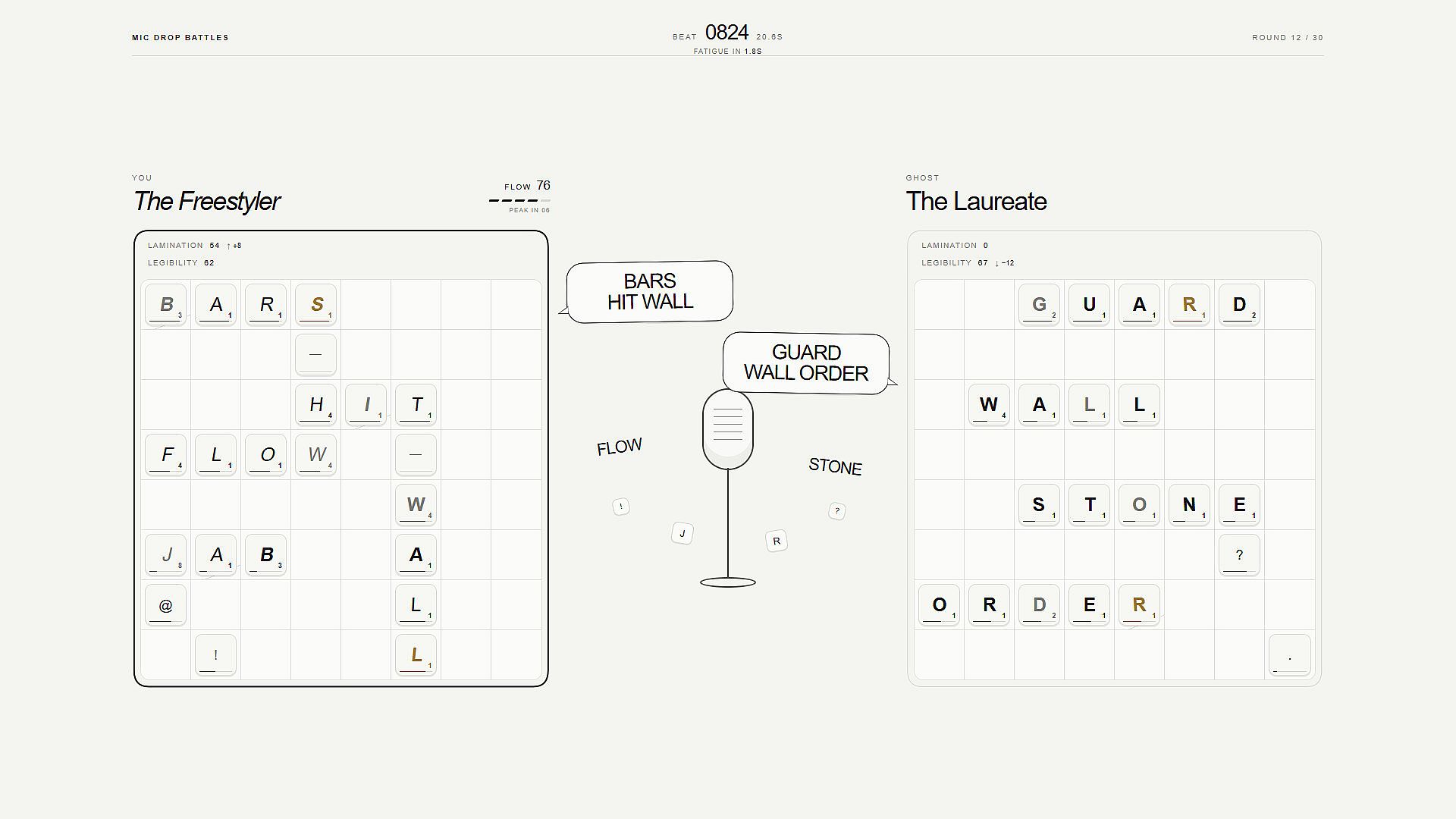
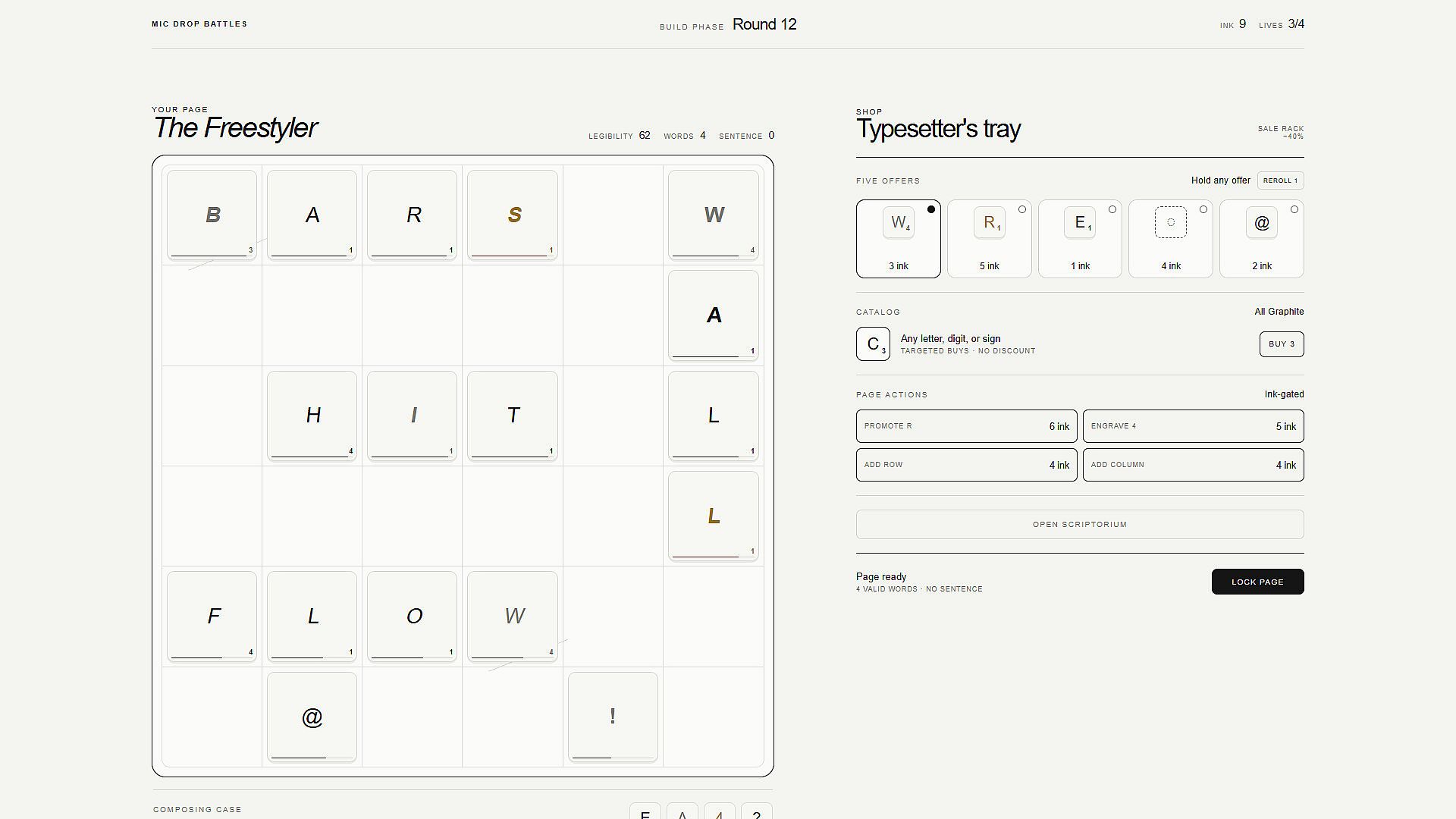
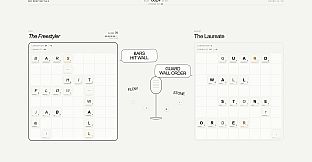
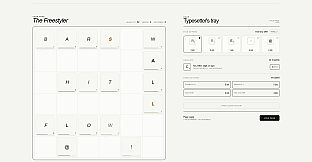
The gameplay revolves around spelling units and trinkets to form functional armies. Letters carry base values similar to word games, while digits boost neighboring elements and punctuation applies special effects. Forming a valid word turns it into an actor on the battlefield, with verbs handling attacks, nouns providing defense, and adjectives delivering buffs or debuffs. Shared letters between words allow them to power multiple units at once, and chaining words into sentences creates compounded outcomes amplified by numerical values.
Combat remains fully deterministic once pages are complete, producing consistent results without dice rolls or random misses. The only variable element comes from shop pricing, which affects build costs rather than available options. The entire catalog of letters, words, and trinkets stays accessible from the start, removing progression barriers and focusing decisions on efficient combinations and synergies.
Crossings add depth, as placing one letter in two words horizontally or vertically multiplies their impact. Special characters and punctuation introduce unique modifiers that enable snowball effects, where early setups grow into dominant positions over multiple rounds. An auto-complete tool supports strategy by highlighting valid formations without turning the experience into a spelling test.
Game Modes
Async PvP forms the primary mode, allowing players to build and refine their page on their own schedule before it enters automatic matchups against other participants' boards. Tournaments run for 30 rounds with four lives per player, using league-based matchmaking to pair competitors at similar stages. Survival through all rounds stands out as an achievement that advances standing in the leagues.
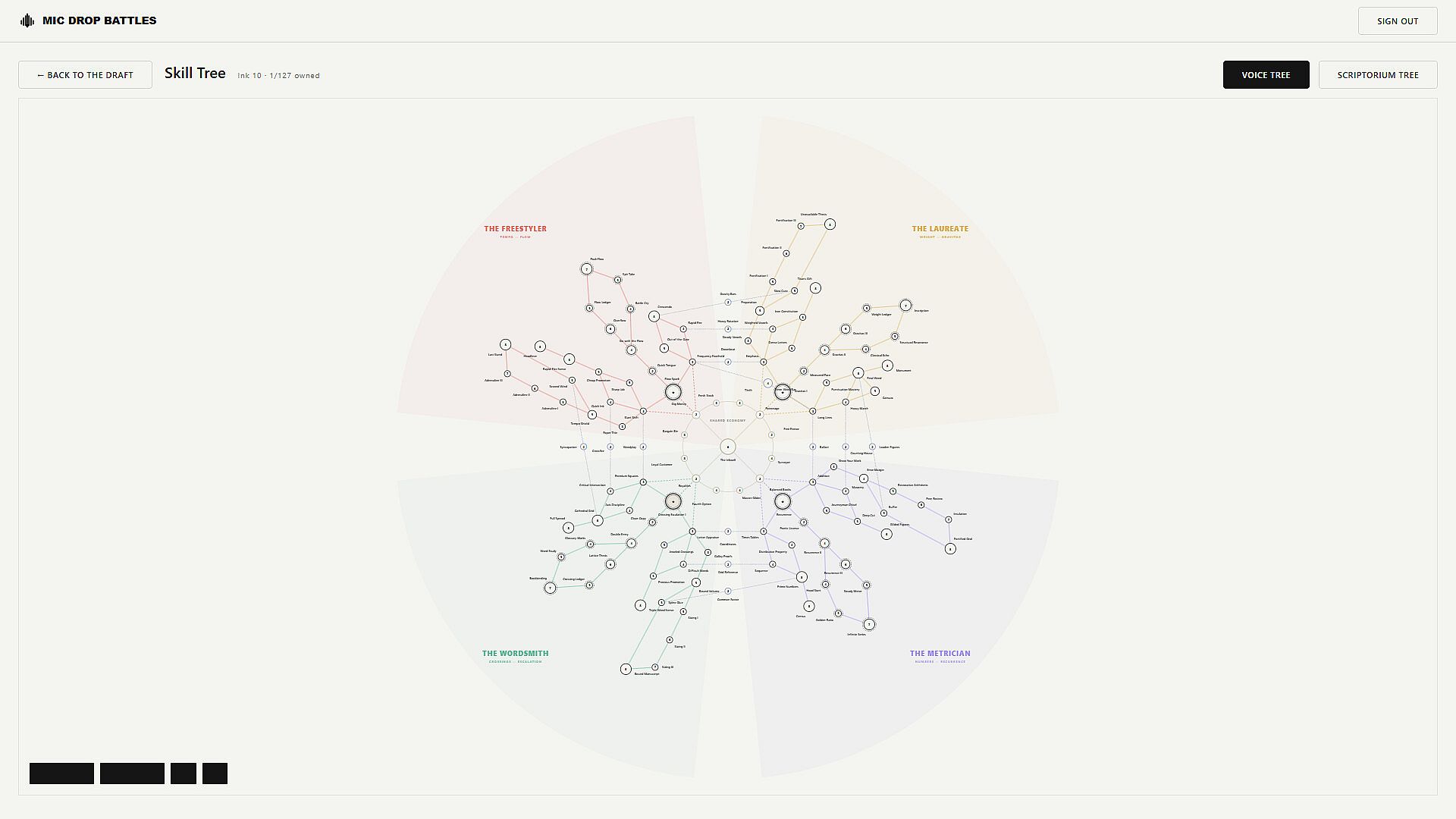
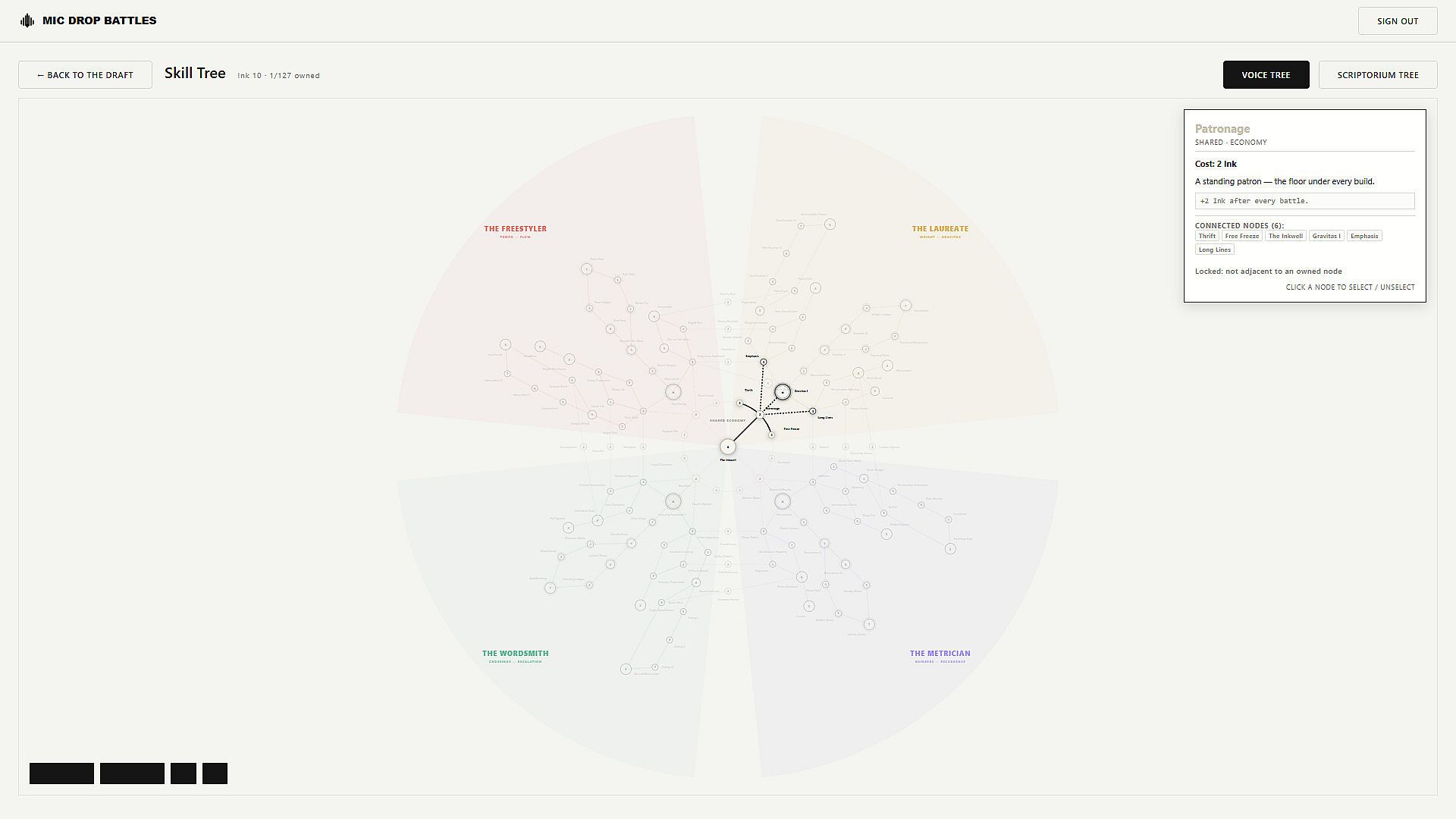
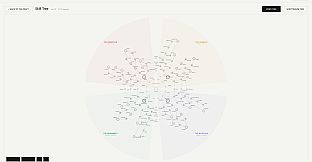
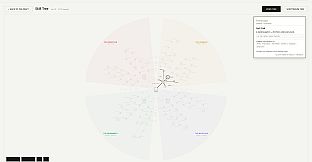
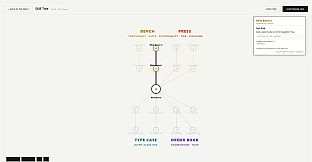
Multiple starting voices provide distinct entry points with flavored conditions, all feeding into one shared skill tree. Hybrids emerge naturally through chosen paths rather than class restrictions. The store itself incorporates its own progression elements that influence pricing and availability without opaque weighting systems.
Core Mechanics and Systems
Inventory management drives the build process, where players arrange letters into words and sentences that interact across the page. Valid word formation unlocks actors with defined behaviors, and synergies arise from adjacency, crossings, and numerical amplifiers. Deterministic resolution ensures outcomes depend solely on the final configuration, rewarding precise planning and iterative refinement.
Trinket construction draws from the full set of options immediately, supporting experimentation without artificial limits. Numbers and punctuation extend basic word effects into layered payoffs, while the absence of random combat elements keeps focus on argument strength and build quality. The system draws clear parallels to inventory auto-battlers through its emphasis on positioning and combination rather than direct control.
Is It Worth Playing?
Mic Drop Battles suits players who enjoy deterministic strategy games that reward careful construction and long-term planning over grind or luck. The async format accommodates varied schedules, letting participants craft boards at their pace before automated battles handle the rest. With no power progression or pay elements gating content, success hinges on understanding synergies between letters, words, and sentences.
The shared skill tree and multiple starting voices encourage repeated runs to explore different paths and hybrid approaches. Tournaments with limited lives add tension to league climbs, where reaching the final rounds requires consistent performance across builds. Those drawn to word-based mechanics combined with auto-battler systems will find the deterministic combat and open catalog particularly engaging for testing creative strategies.