



















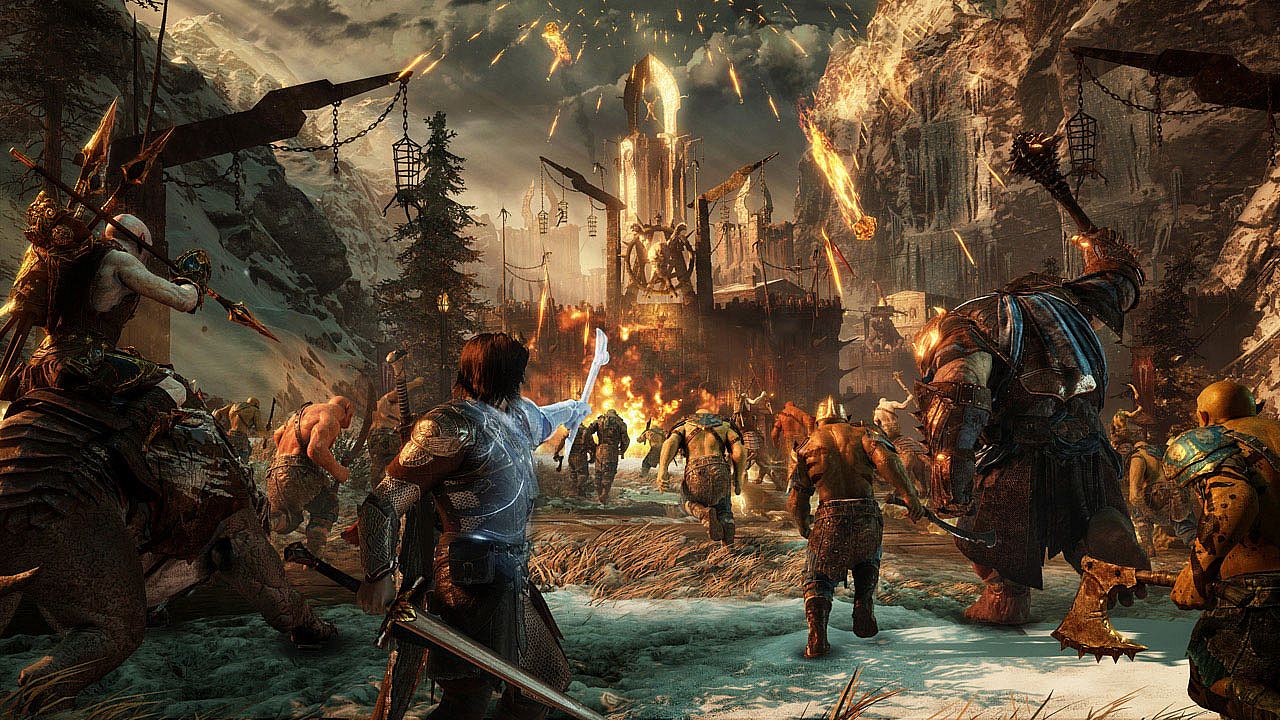
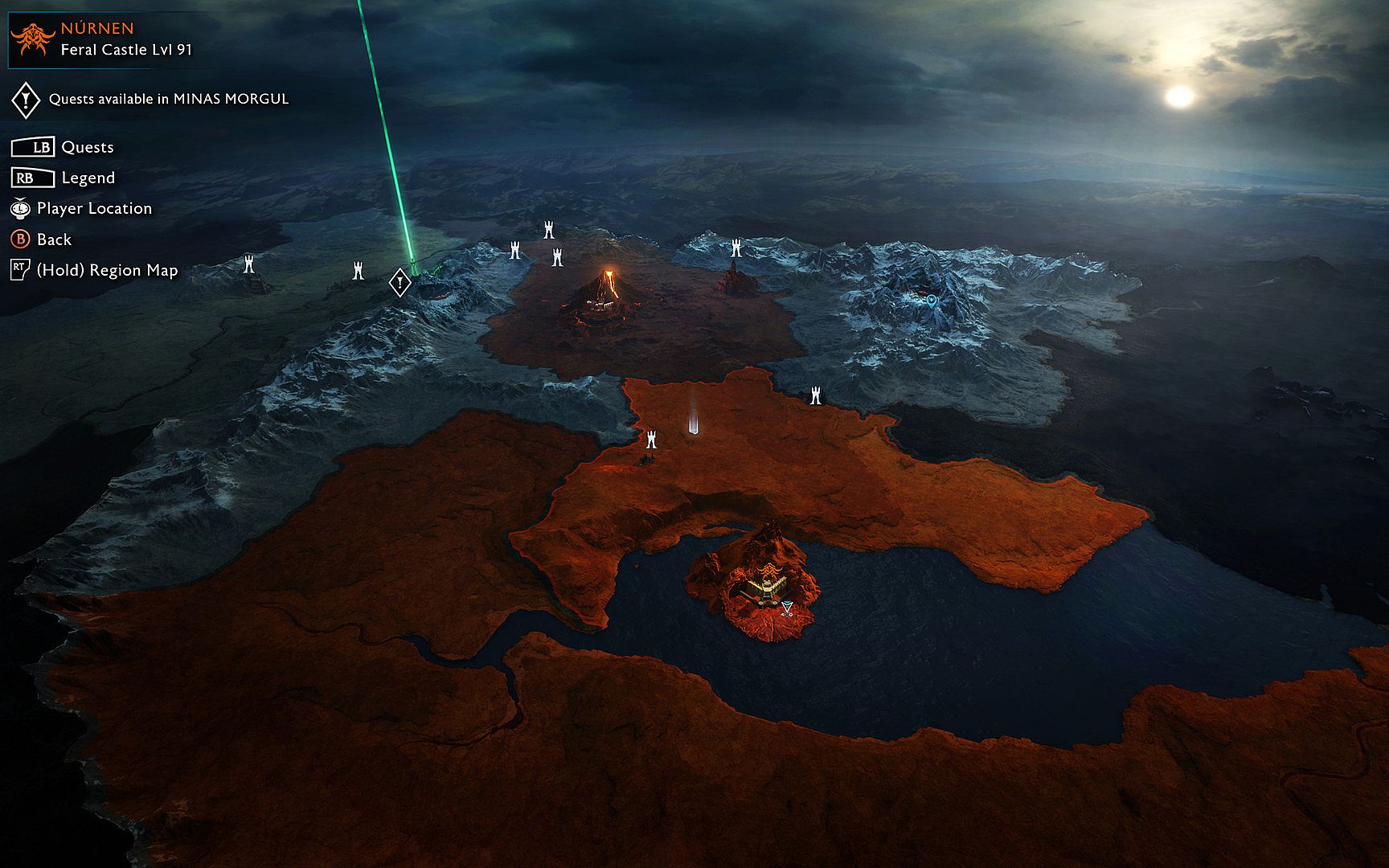
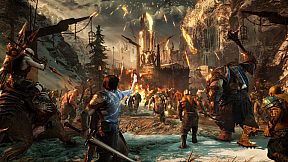
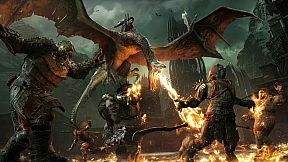
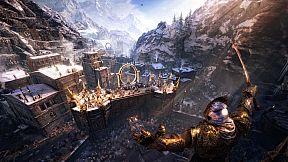
Middle-earth: Shadow of War stands as an action RPG adventure game set in the vast world of J.R.R. Tolkien's universe. Players take on the role of Talion, a ranger bonded with the spirit of Celebrimbor, as they wage war against Sauron's forces in Mordor. The game emphasizes building and leading an army of orcs, using strategic combat and infiltration tactics to overthrow enemy strongholds. Released in 2017, it builds on its predecessor by expanding the scope of personal rivalries and alliances through innovative mechanics.
Gameplay
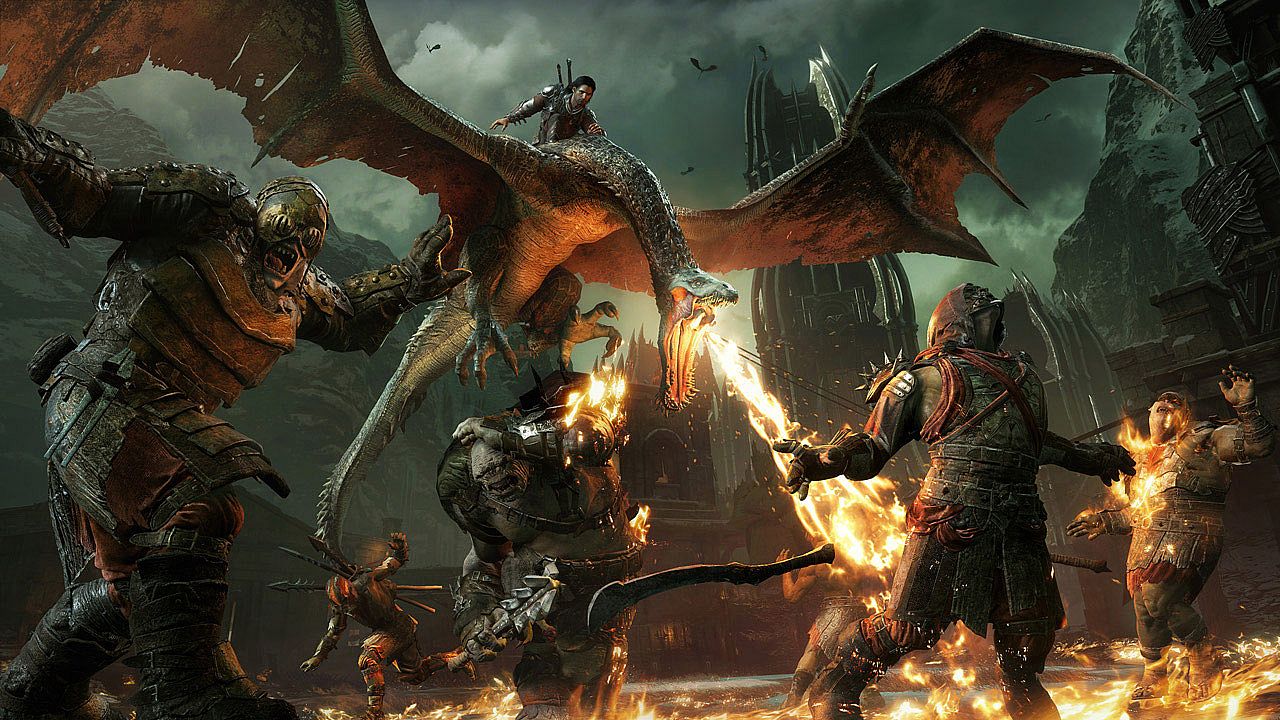
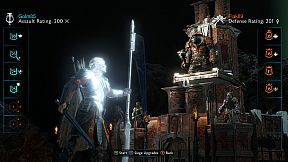
The core gameplay revolves around third-person action combat that draws from fluid, combo-based fighting styles. Players engage in battles using swords, daggers, and bows, with abilities enhanced by Celebrimbor's wraith powers, such as dominating enemies or summoning spectral allies. A standout feature is the Nemesis System, which generates unique orc captains with distinct personalities, strengths, and weaknesses. These orcs remember past encounters, leading to evolving grudges or loyalties that shape the game's narrative. Recruiting and commanding orcs forms the backbone of army-building, where players assign followers to roles like bodyguards or overlords.
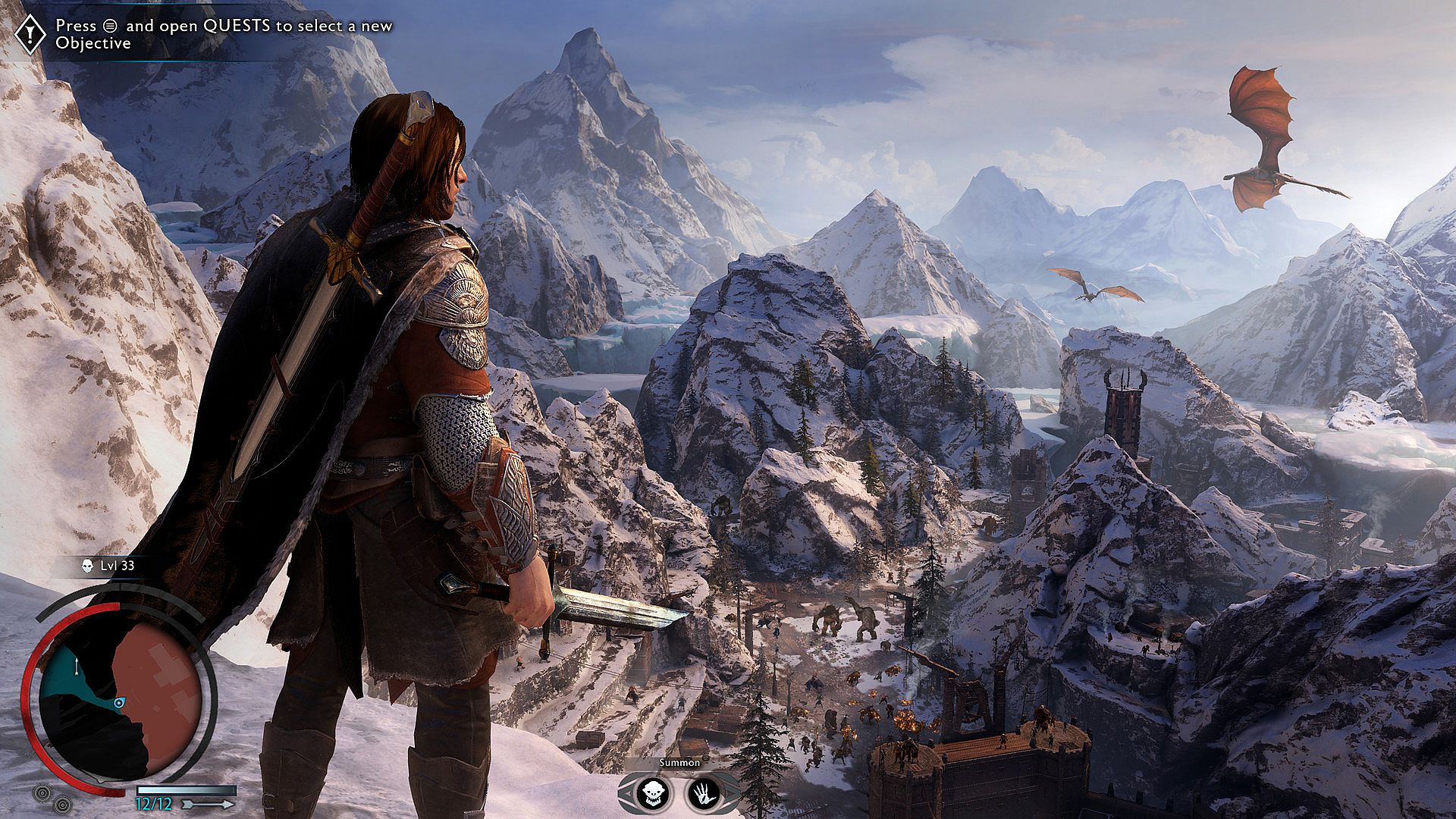
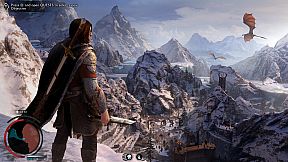
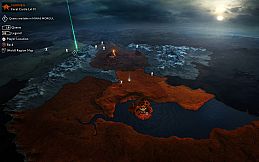
Exploration occurs in an open world divided into regions like Nurnen and Gorgoroth, each with fortresses to siege. Combat integrates stealth elements, allowing players to assassinate targets or sabotage defenses before full assaults. Upgrades come through a skill tree that unlocks new abilities, gear improvements, and orc management tools. The system encourages experimentation, as failing in combat can strengthen enemies, creating memorable vendettas.
Game Modes
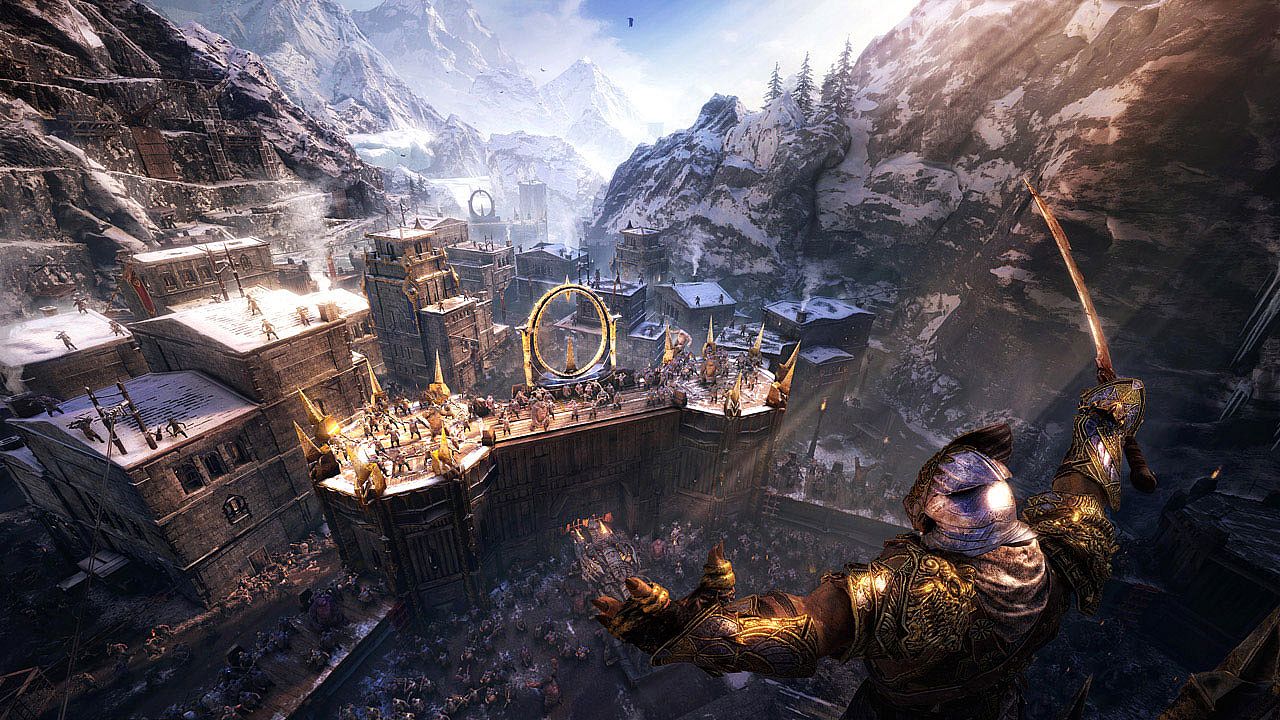
The game focuses on a single-player campaign that spans multiple acts, blending story missions with open-world activities. The main mode involves progressing through the narrative, completing quests to weaken Sauron's hold on Mordor. A key component is the fortress assault mode, where players lead sieges against enemy strongholds, deploying upgraded orcs and siege beasts in large-scale battles.
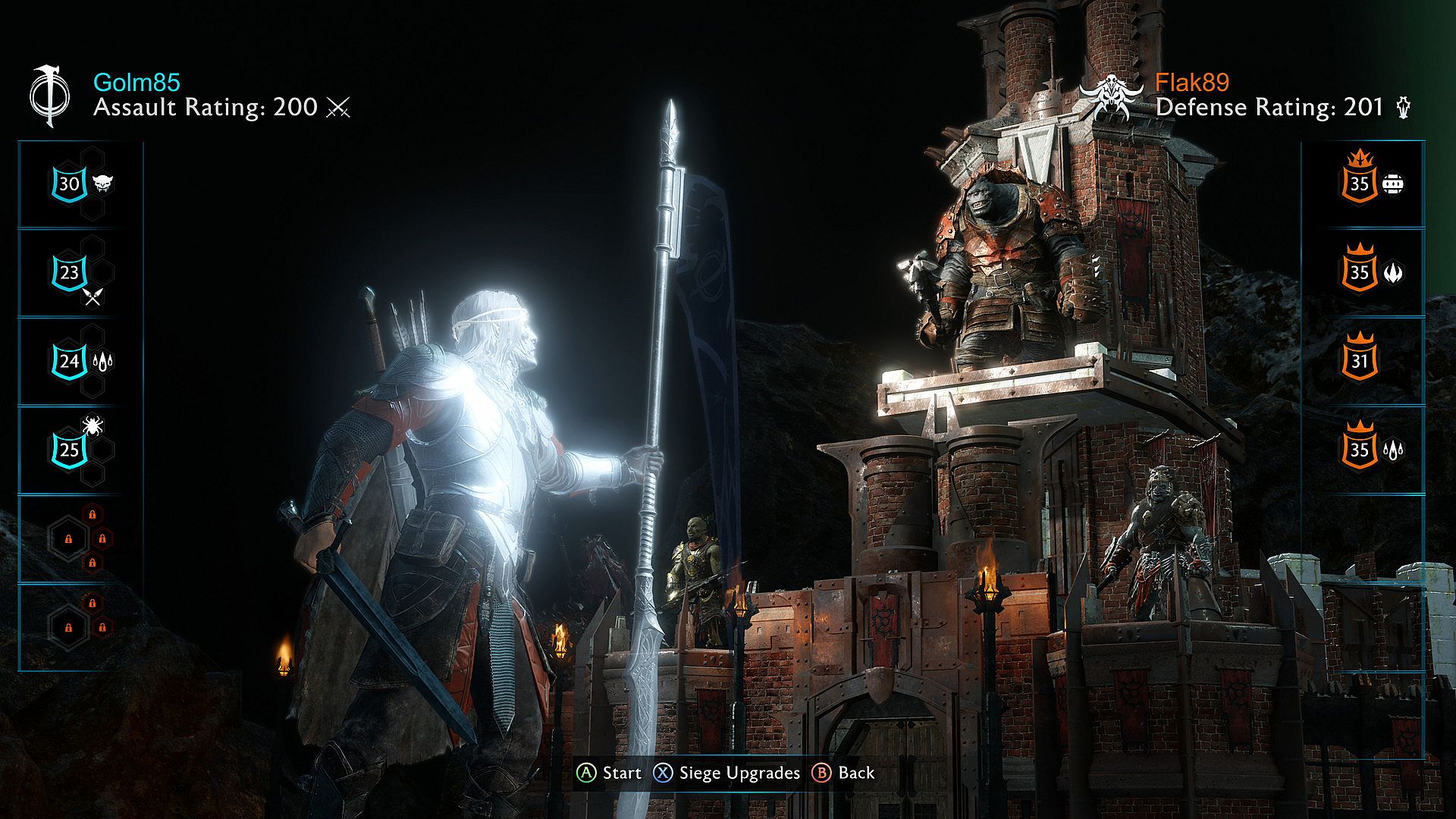
Post-campaign, the Shadow Wars mode extends play by defending captured fortresses against waves of invading forces. This endgame challenges players to maintain their empire over several stages. Online elements include vendetta missions, where players avenge fallen allies by targeting orcs from other players' games, and ranked conquests that pit fortresses against community creations without direct multiplayer interaction.
Factions and Mechanics
Orcs belong to various tribes, such as the Machine tribe with mechanical contraptions or the Feral tribe commanding beasts, each bringing unique traits to battles. Mechanics like the Nemesis Forge allow importing rivals from the previous game, adding continuity. Domination lets players brainwash orcs to join their side, building hierarchies that influence fortress defenses and assaults.
Gear collection involves looting legendary items from defeated captains, which can be enhanced with gems for bonuses. The market system, once tied to microtransactions, was removed in a 2018 update, making progression reliant on in-game efforts. Recent patches have focused on stability, ensuring smooth performance on modern hardware.
Is It Worth Playing?
For fans of action RPGs with deep strategy elements, Shadow of War remains engaging in 2026, thanks to its Nemesis System that delivers personalized experiences. Player feedback highlights the satisfaction of forging rivalries and commanding armies, though some note the campaign can feel repetitive in later stages. With microtransactions eliminated years ago, the game offers a complete package without additional costs.
It suits those who enjoy solo adventures with tactical depth, running well on PC and compatible devices. If strategic combat and emergent storytelling appeal, it holds up as a solid choice, especially at discounted prices often seen in sales.