


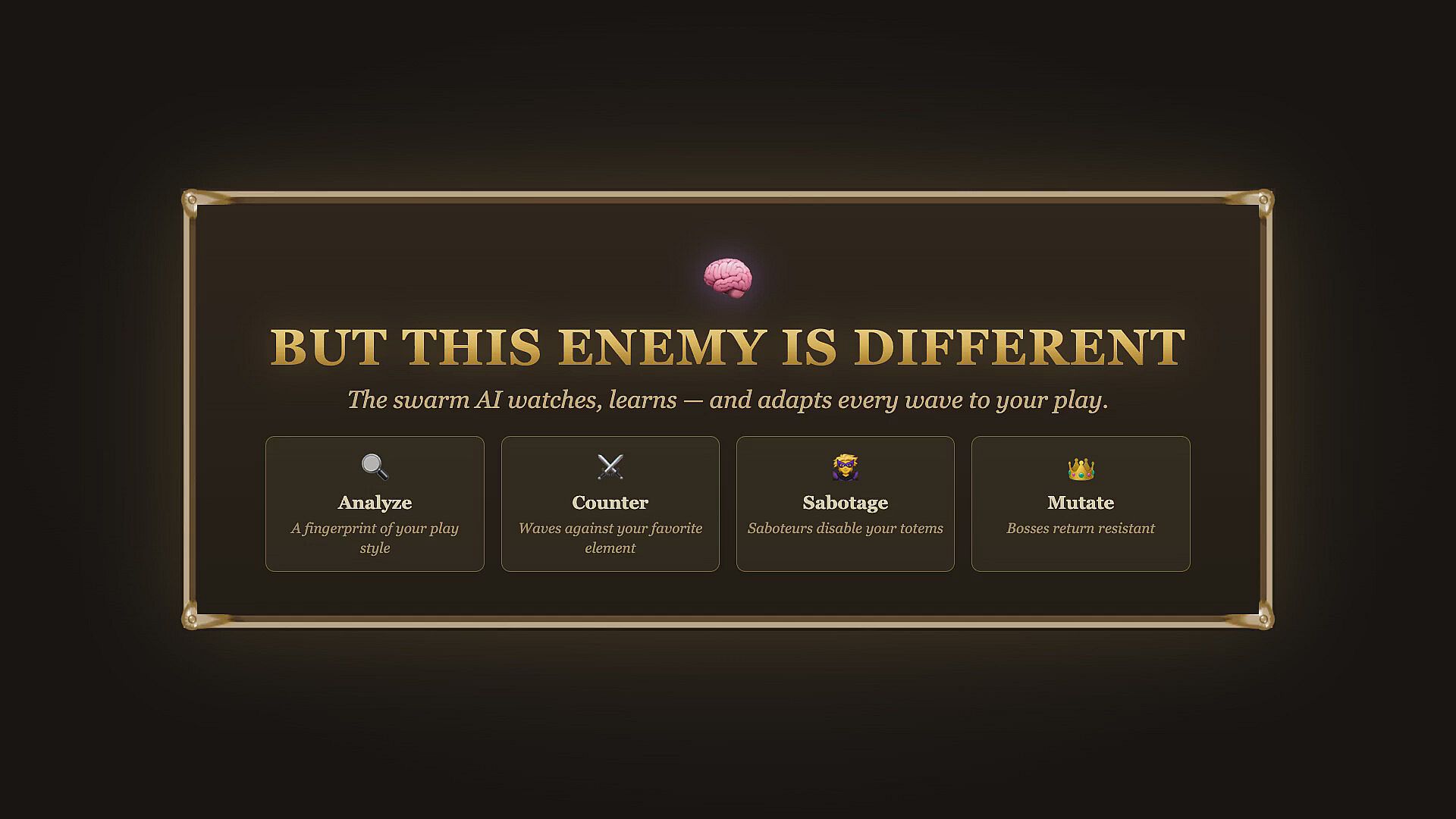
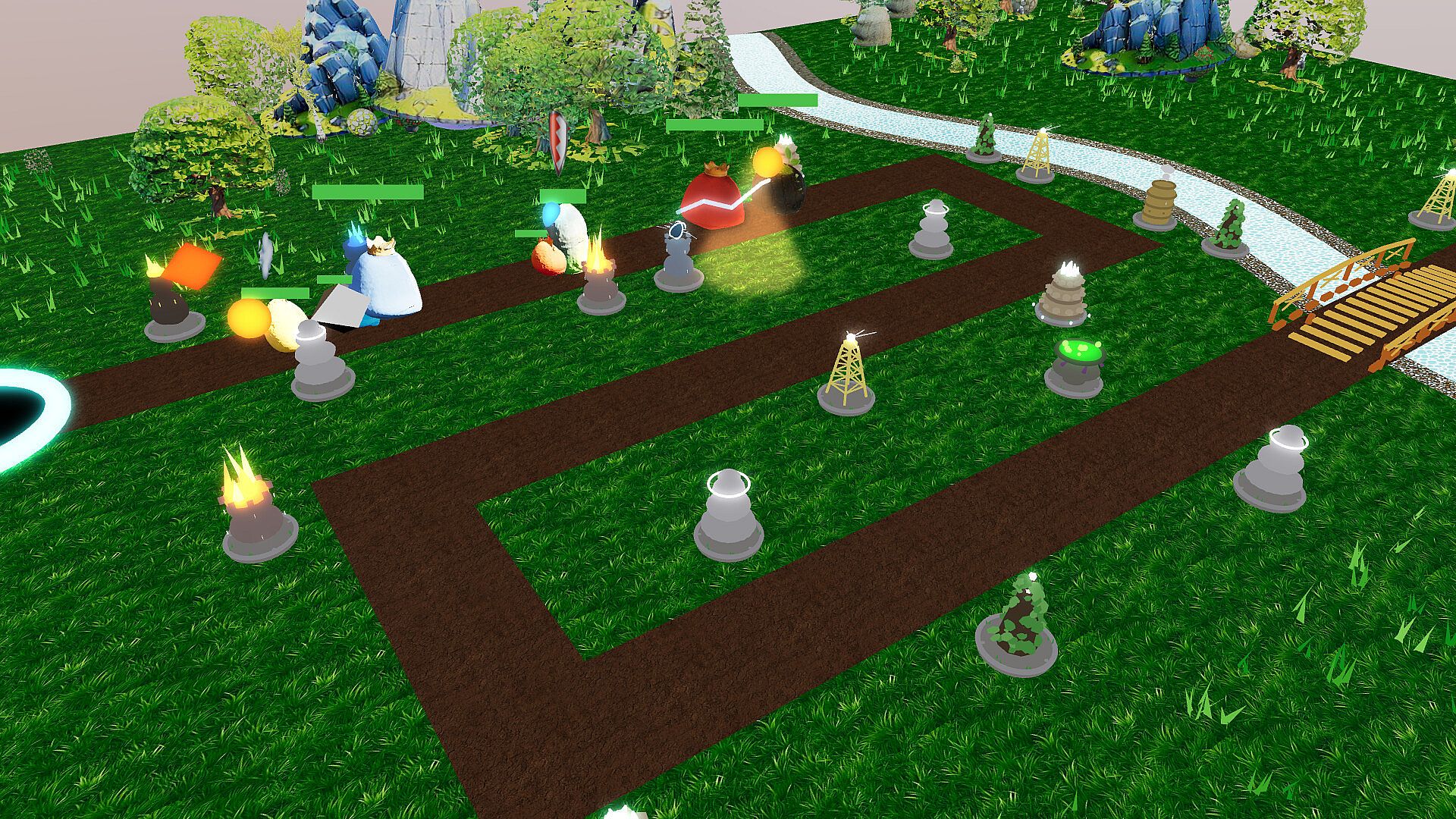
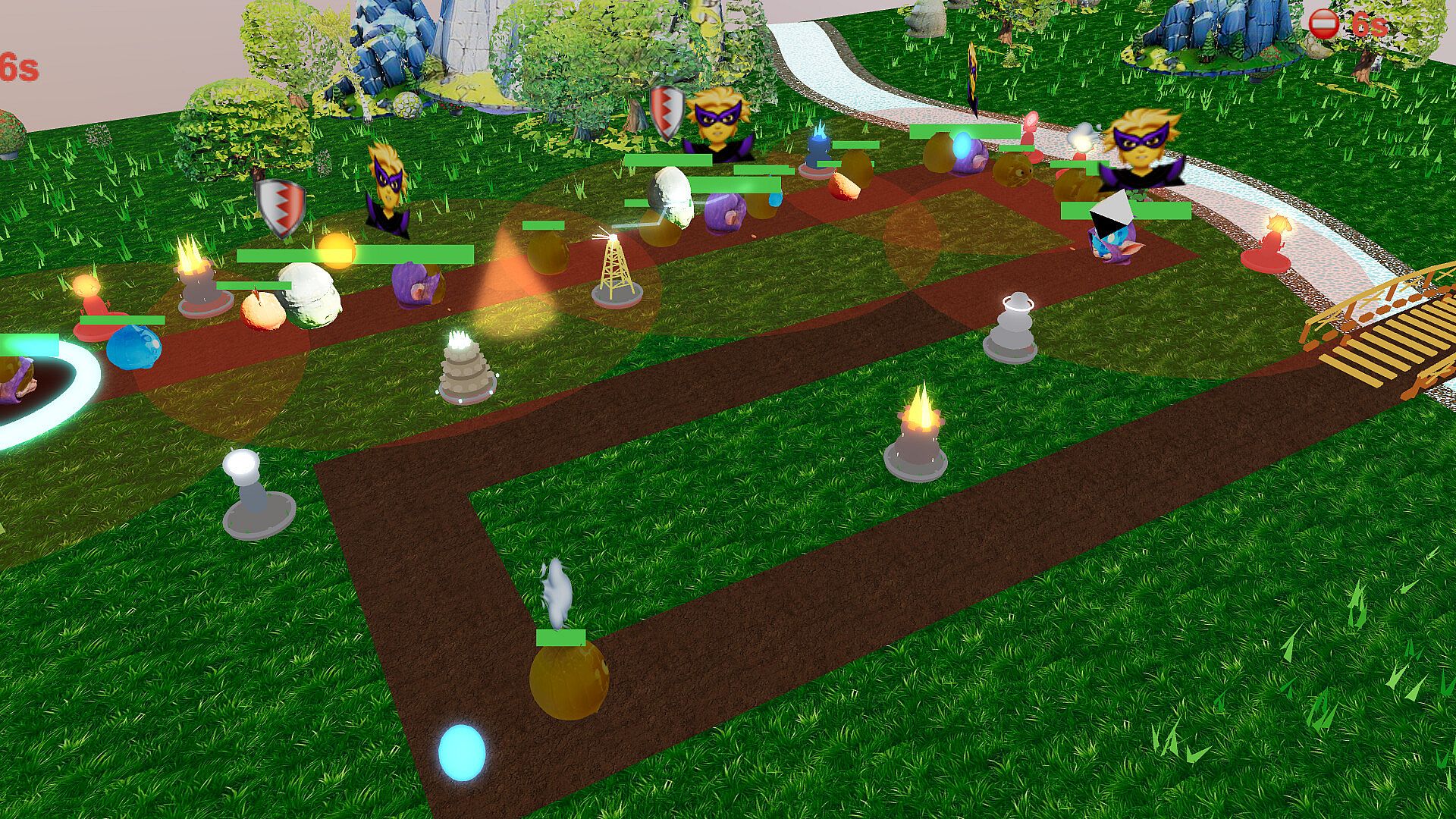



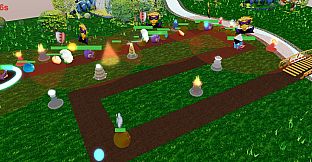
Mindswarm Elements TD is a tower defense strategy game for PC that places an adaptive enemy swarm at the center of every match. Players build defenses using elemental towers while the opposition observes patterns and adjusts its approach in response. The result is a system where repeated reliance on one element prompts the swarm to develop matching resistances, forcing ongoing tactical shifts.
Gameplay
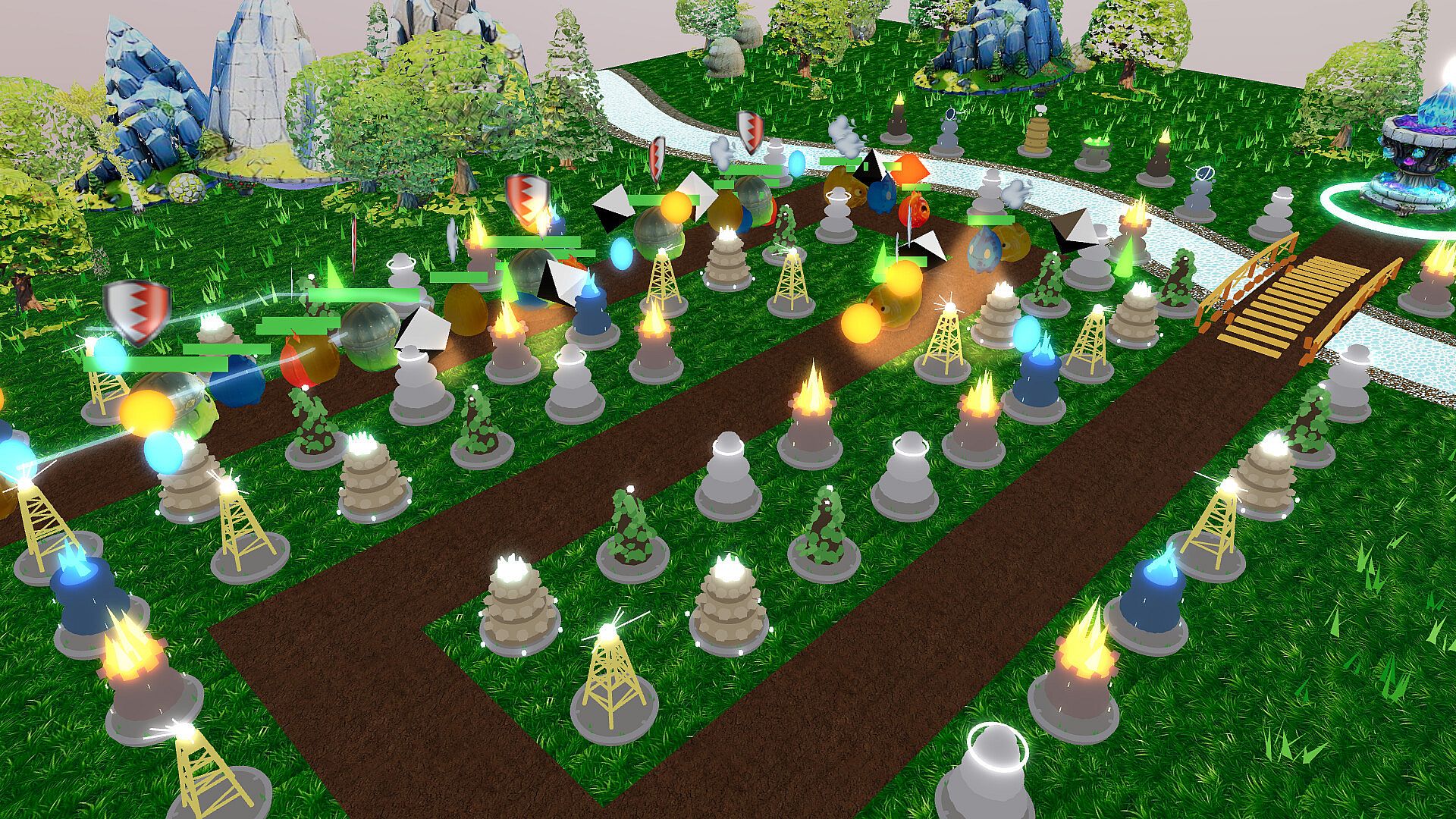
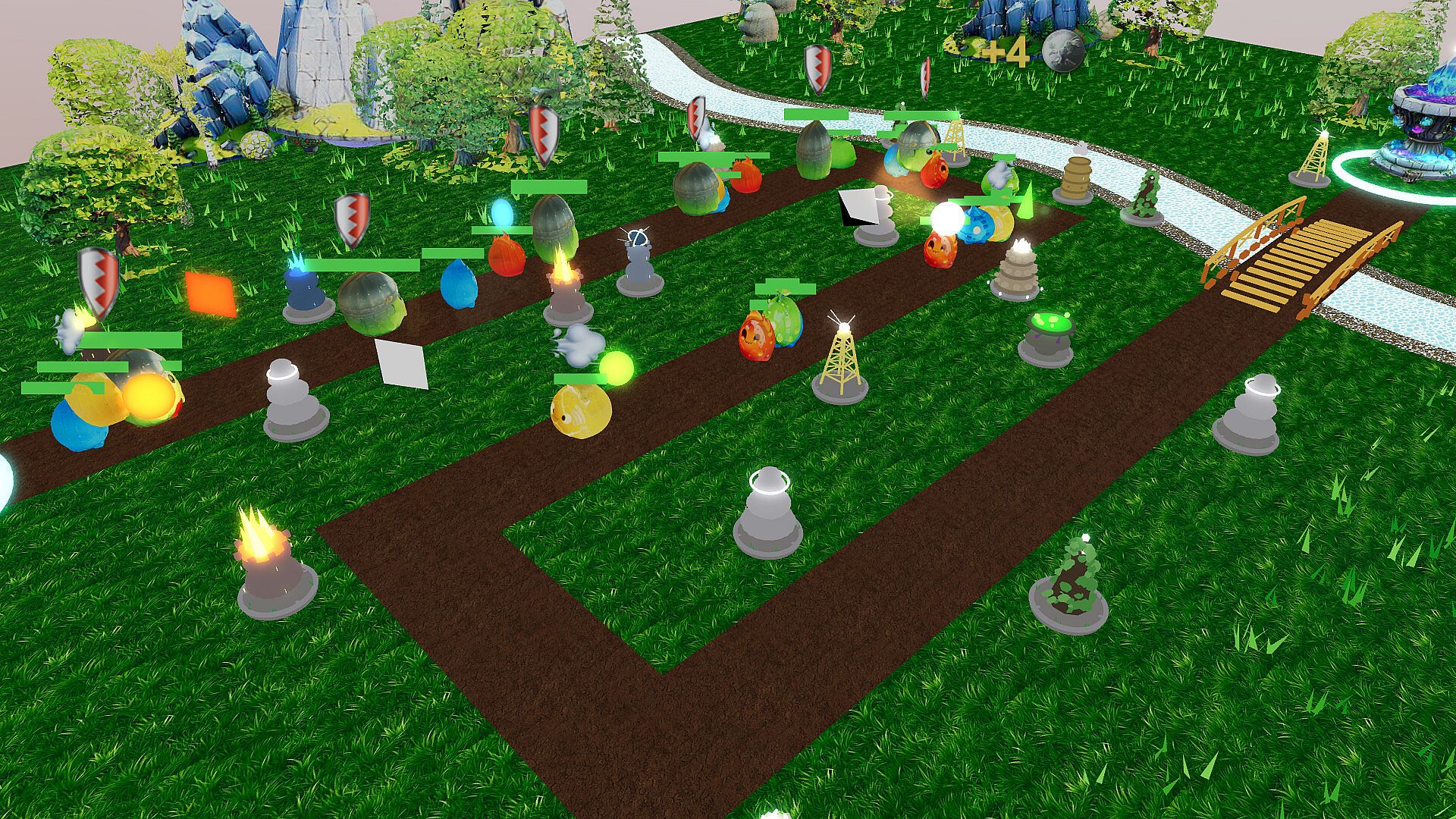
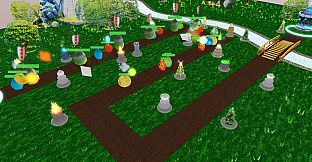
The core loop revolves around placing towers from six base elements: Fire, Water, Plant, Electric, Earth, and Rock. Each element carries inherent strengths and weaknesses against different enemy types. Fourteen towers are available in total, including six unlockable combo towers that combine two elements for specialized damage and effects such as steam geysers or railgun strikes. Two support totems provide boosts to nearby towers through power and focus mechanics. Every tower offers three upgrade paths along with options for targeting priorities, selling, and rebuilding.
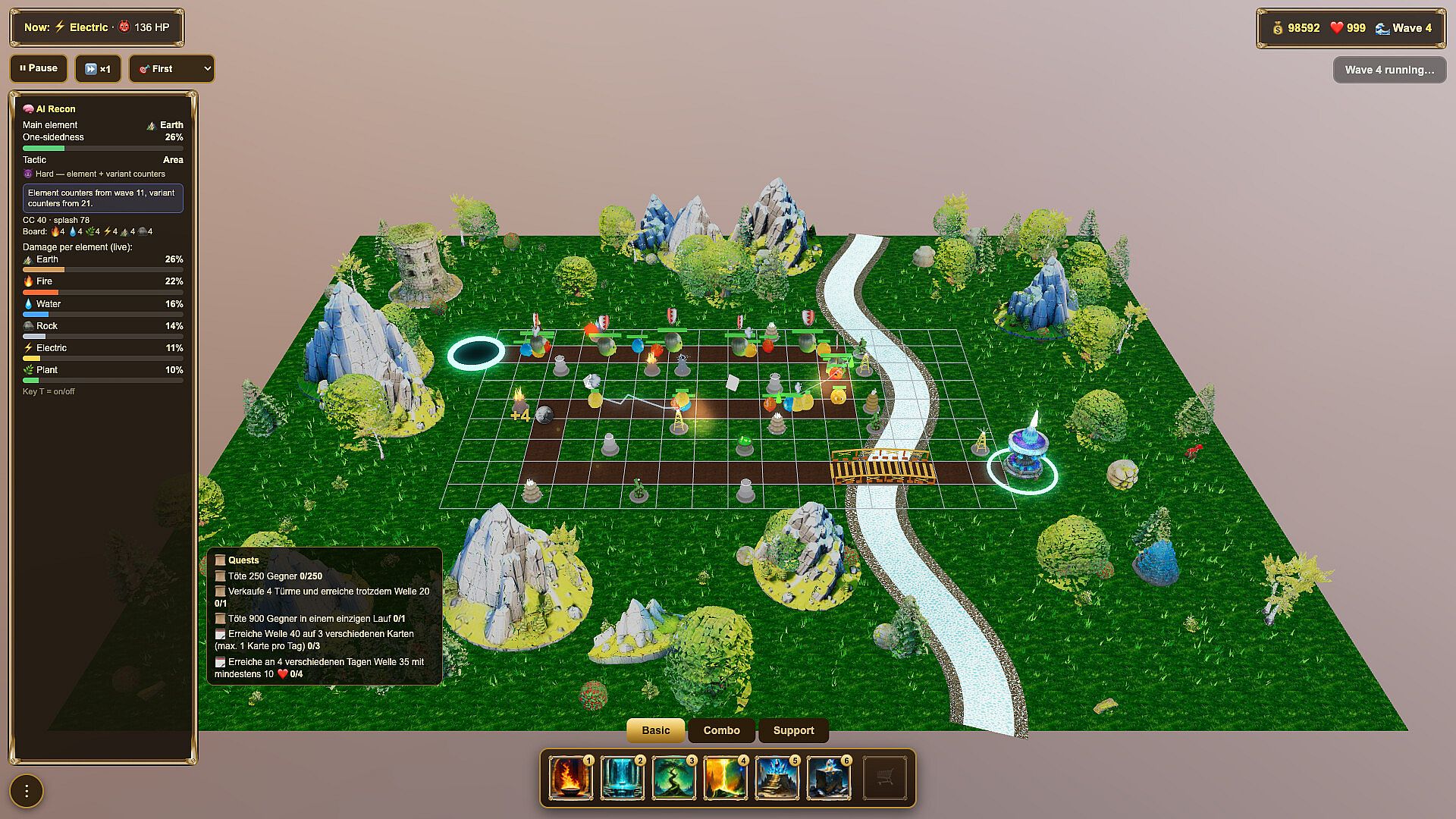
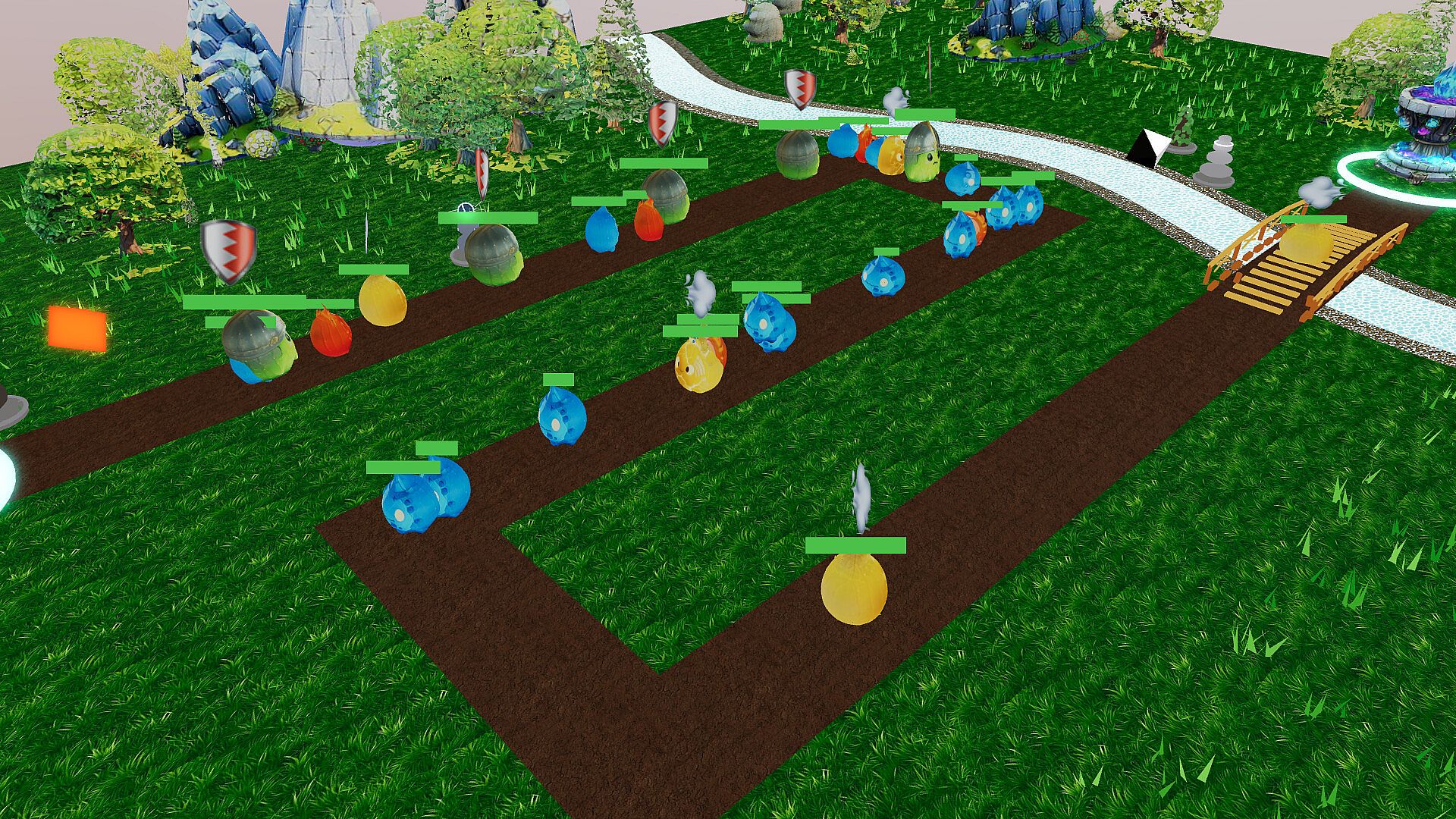
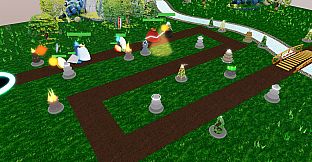
An AI recon panel displays real-time data on emerging resistances and planned counters. This visibility allows players to adjust strategies before waves intensify. Enemies include standard units that gain resistances based on frequent elemental use, saboteurs that target and disable totems, and bosses that appear every ten waves. These bosses retain memory of prior encounters and mutate accordingly. Special variants require breaking an energy shield first or contend with ongoing reinforcements from a spawner. Wave telegraphing through the recon panel previews upcoming threats.
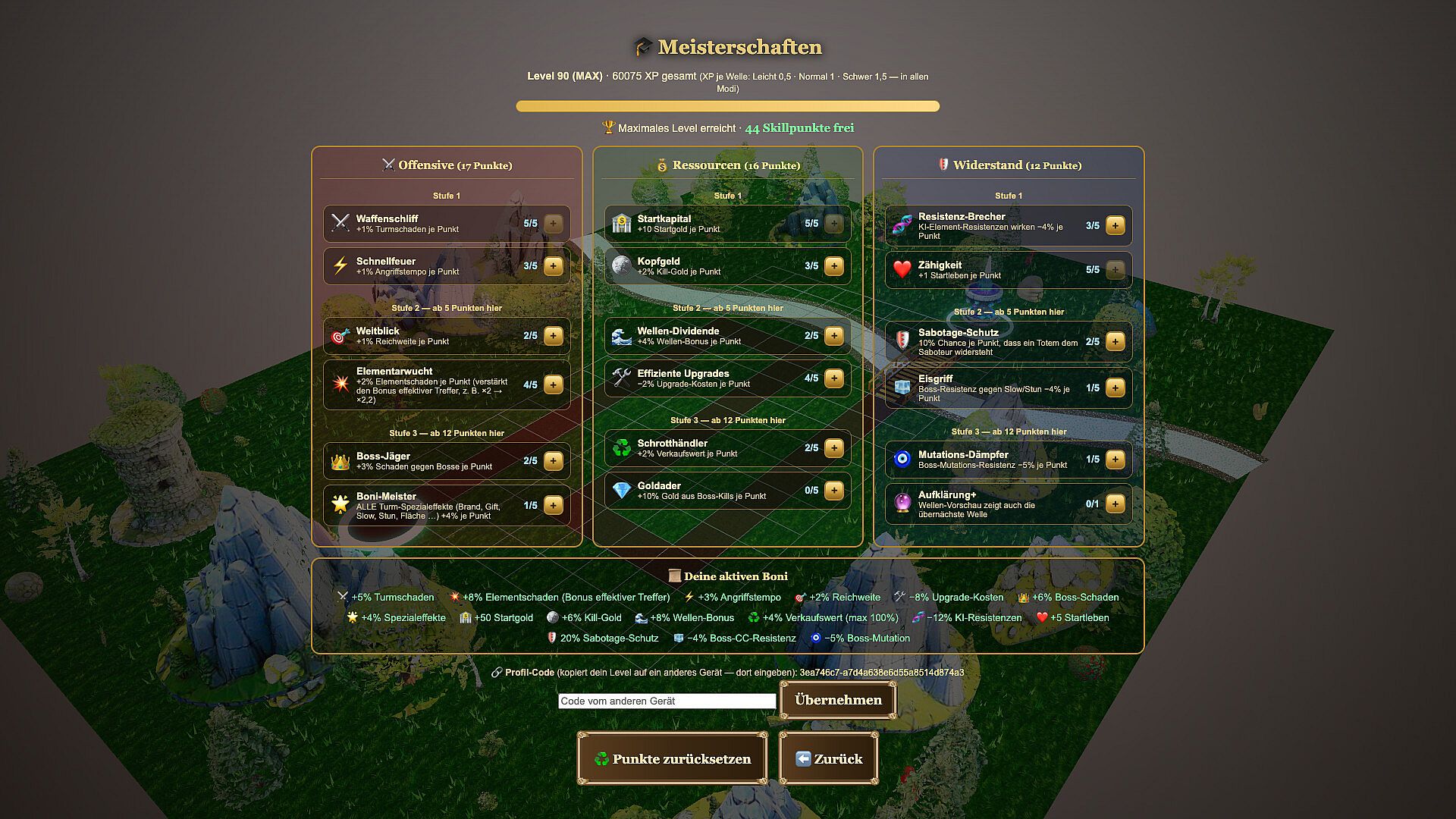
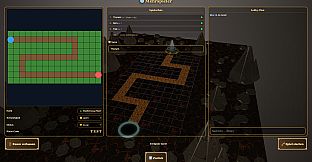
A mastery system supports long-term progression with 90 levels and 18 masteries divided into offense, resources, and resilience categories. Progress carries across devices via a server profile that requires no registration, using only a pairing code for synchronization. Five game speeds, configurable controls, and a tutorial support varied play sessions on hand-built 3D maps with selectable sizes.
Game Modes
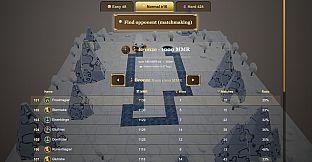
Single-player sessions form the foundation, with endless waves and boss encounters that test adaptation against the learning swarm. Leaderboards track run statistics alongside map screenshots for comparison.
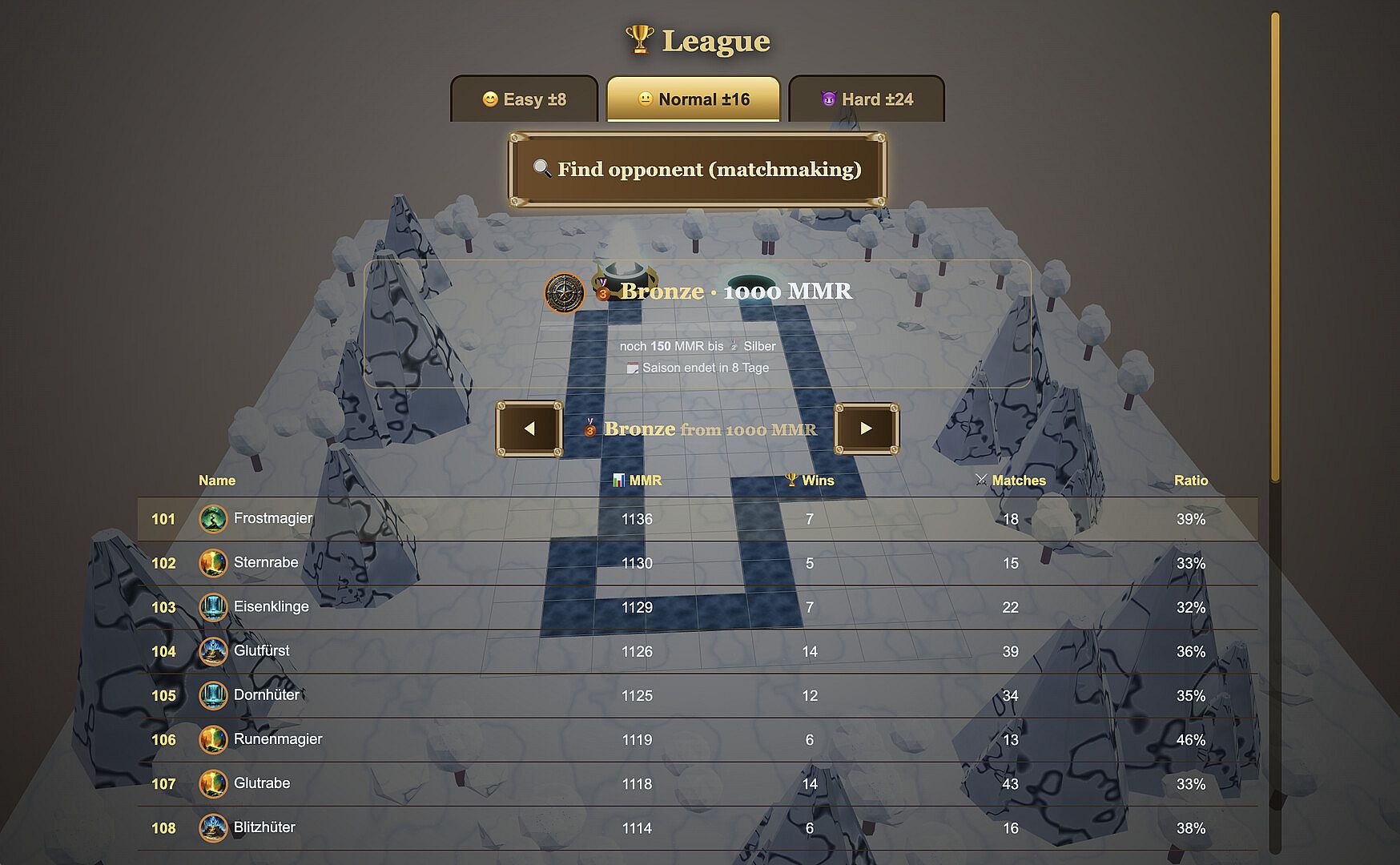
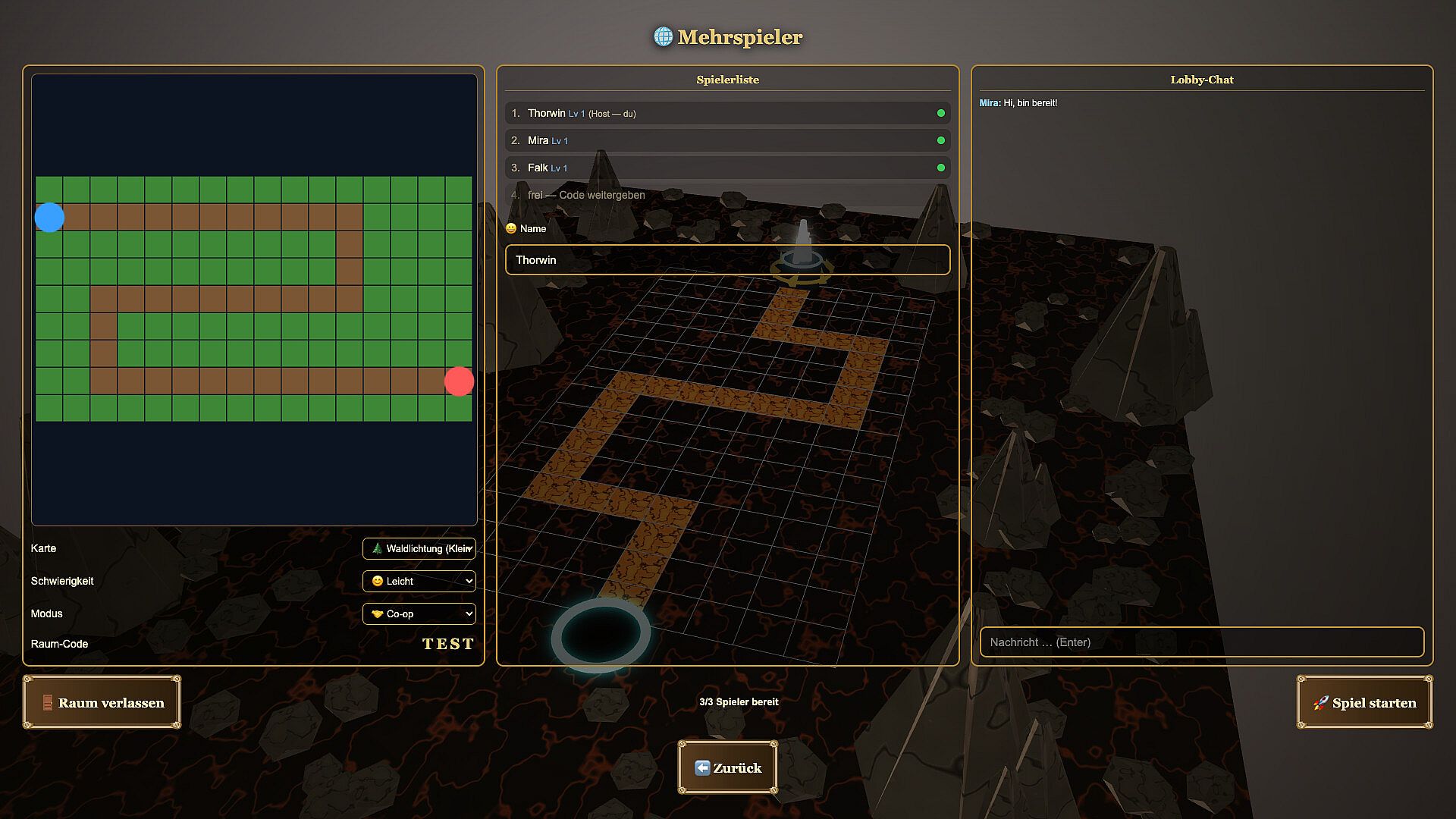
Co-op supports up to four players on a shared base. Each participant manages individual gold while masteries apply per player, encouraging coordinated elemental coverage and totem placement. Versus mode also accommodates up to four players on identical waves, with the last survivor declared the winner. Matches can run with or without masteries for balanced competition. Players may send attack monsters toward opponents' upcoming waves. Lobbies include chat and an auto-start timer, with a PvP leaderboard for ranked play.
Progression and Features
The mastery progression spans three categories and reaches level 90, rewarding consistent play across sessions. Cross-device continuity without accounts simplifies access on multiple machines. Full localization in English and German covers interface and text elements. Additional quality-of-life options include save and continue functionality along with leaderboards that capture detailed run data.
The game remains in active development as it approaches Early Access. Developer notes emphasize frequent updates driven by community input, with plans for expanded enemy types, bosses, maps, and mastery depth in the full release. The adaptive AI receives particular focus during this phase to refine counter behaviors and multiplayer balance.
Is It Worth Playing?
Mindswarm Elements TD suits players who enjoy tower defense with layered decision-making and visible enemy adaptation. The recon panel and resistance mechanics create a feedback loop that rewards observation and flexibility over static builds. Multiplayer options extend the experience to cooperative defense or competitive sabotage, with fair-play toggles for masteries in versus matches.
Because the title has not yet launched, no player reviews or aggregate ratings exist. Early Access will allow direct participation in shaping balance and features through feedback channels. Those interested in strategy games that evolve with each session may find the current description and planned scope align with their preferences, particularly if they value visible AI systems and cross-device progress without account requirements. The game targets audiences seeking deliberate, counter-focused tower defense rather than purely defensive setups.