




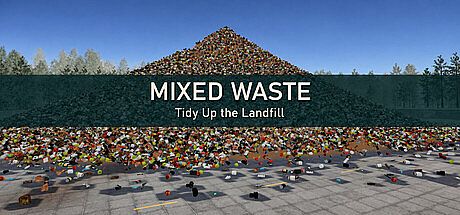


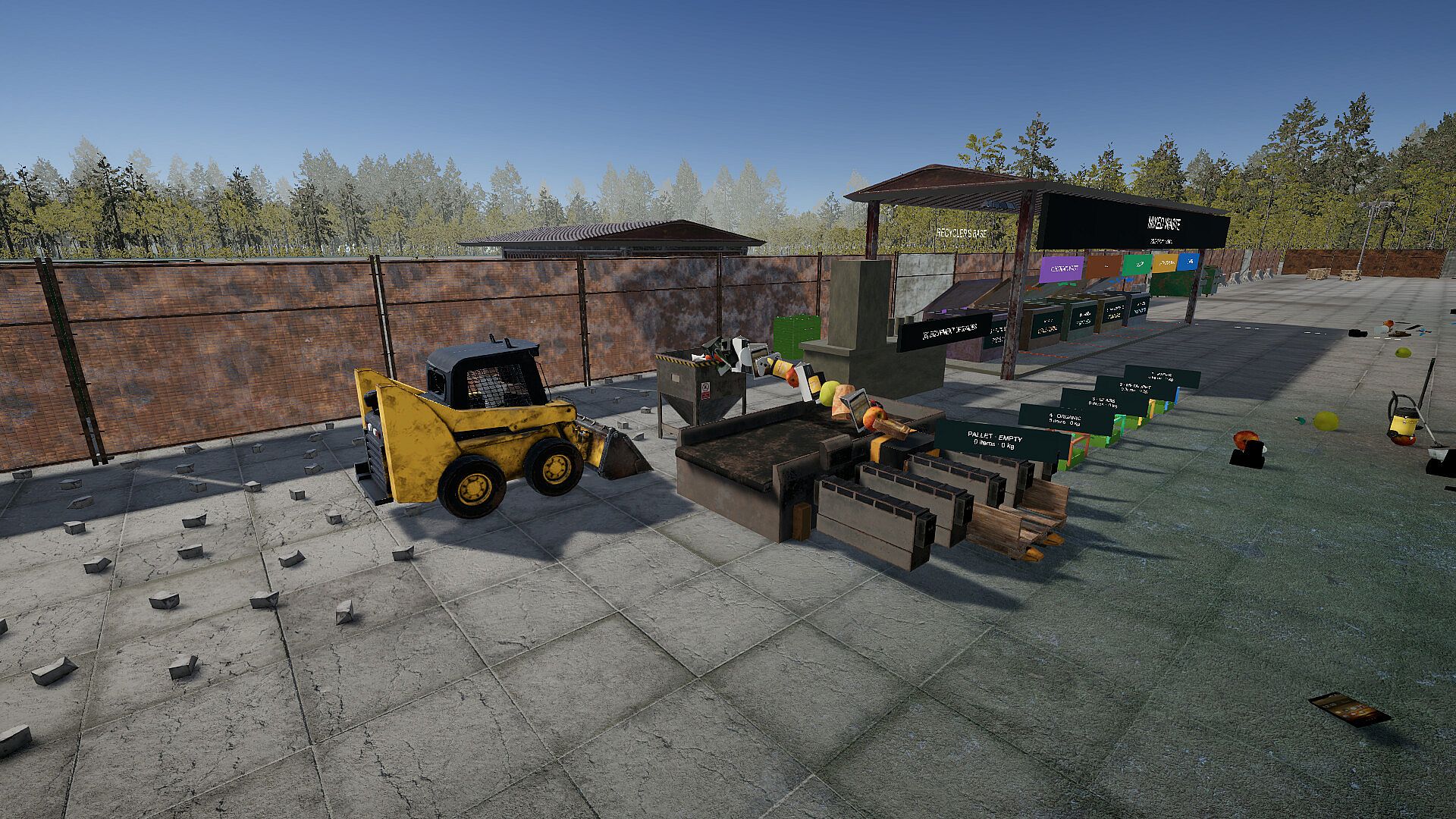
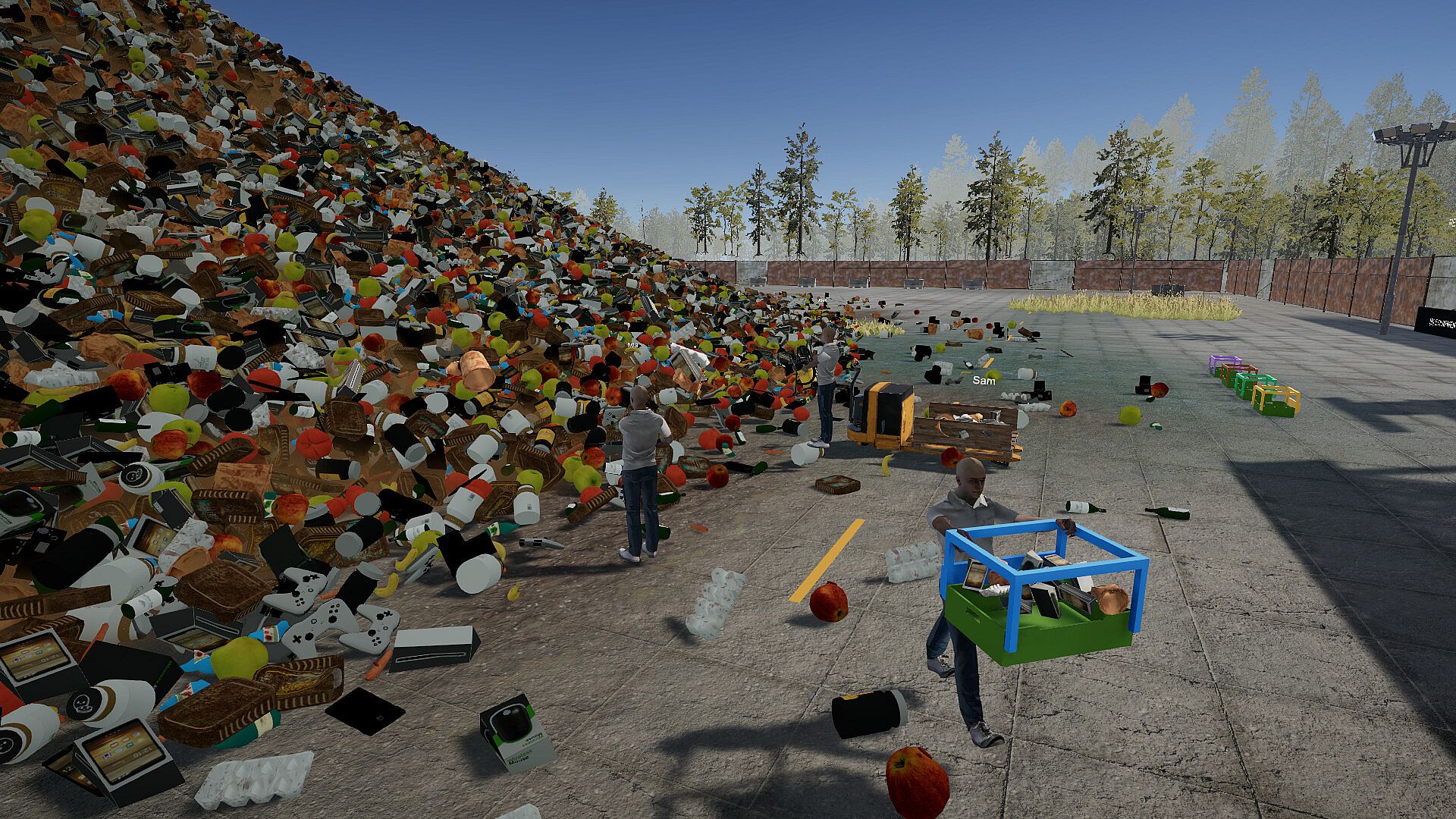
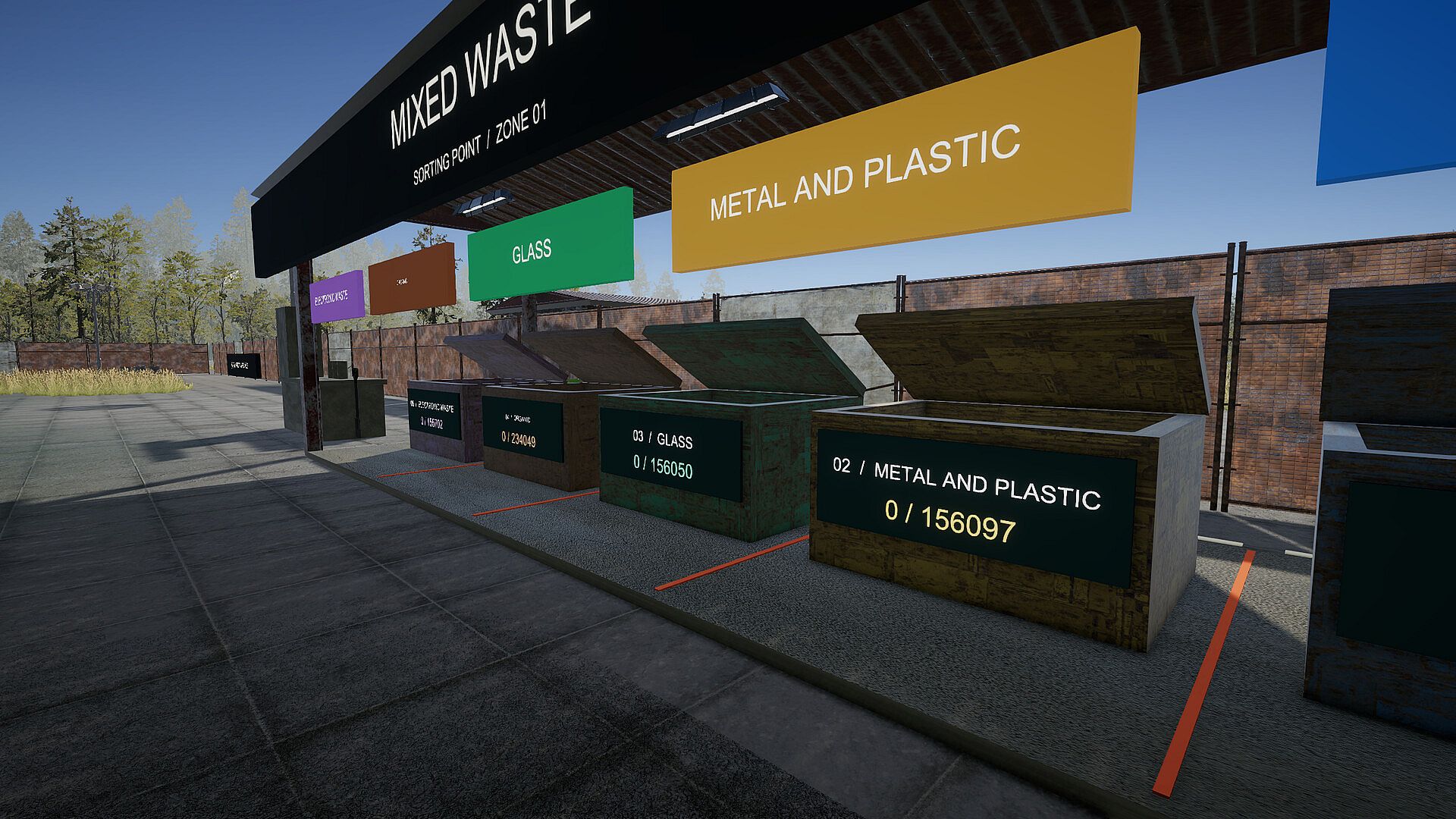
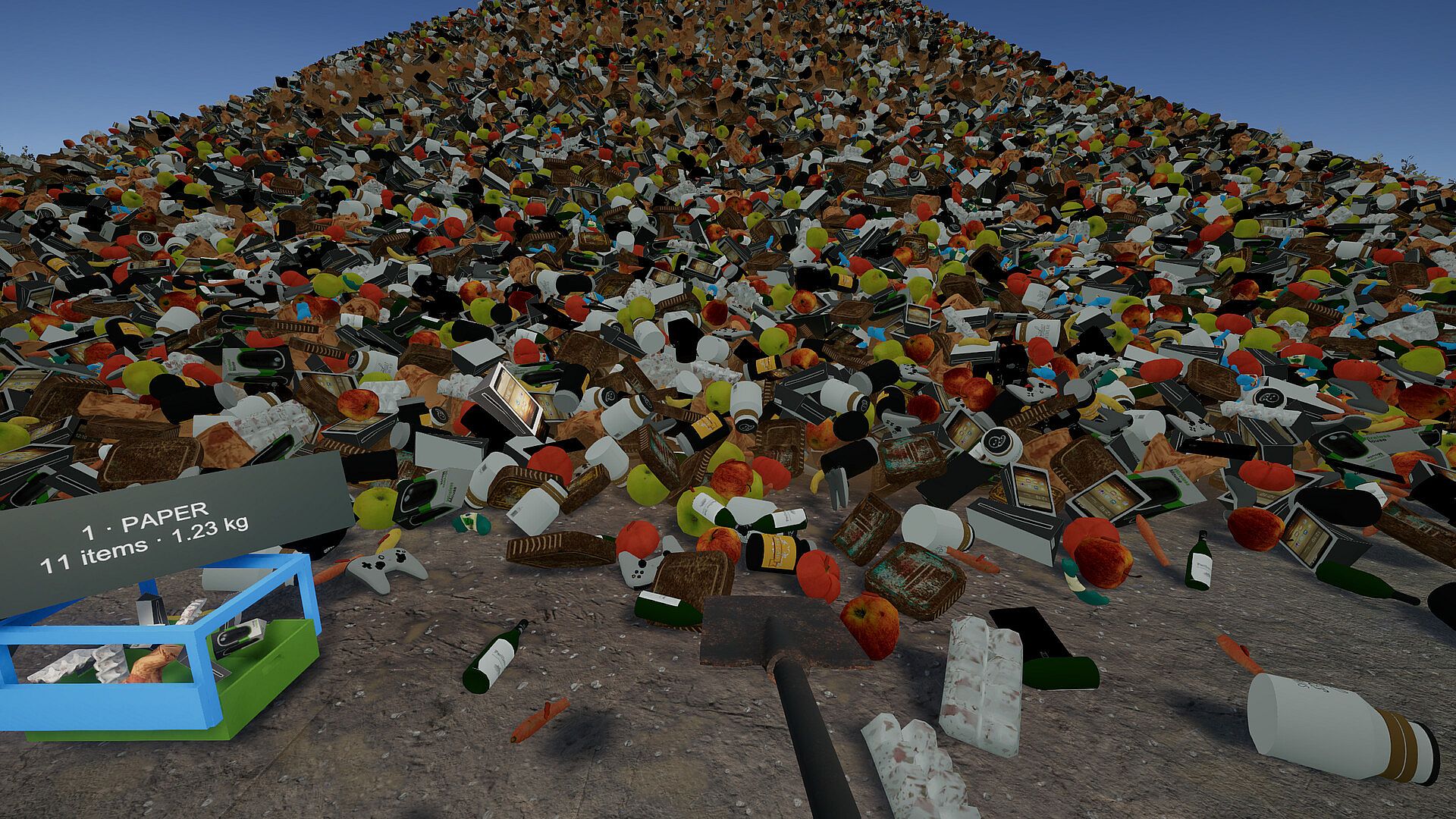
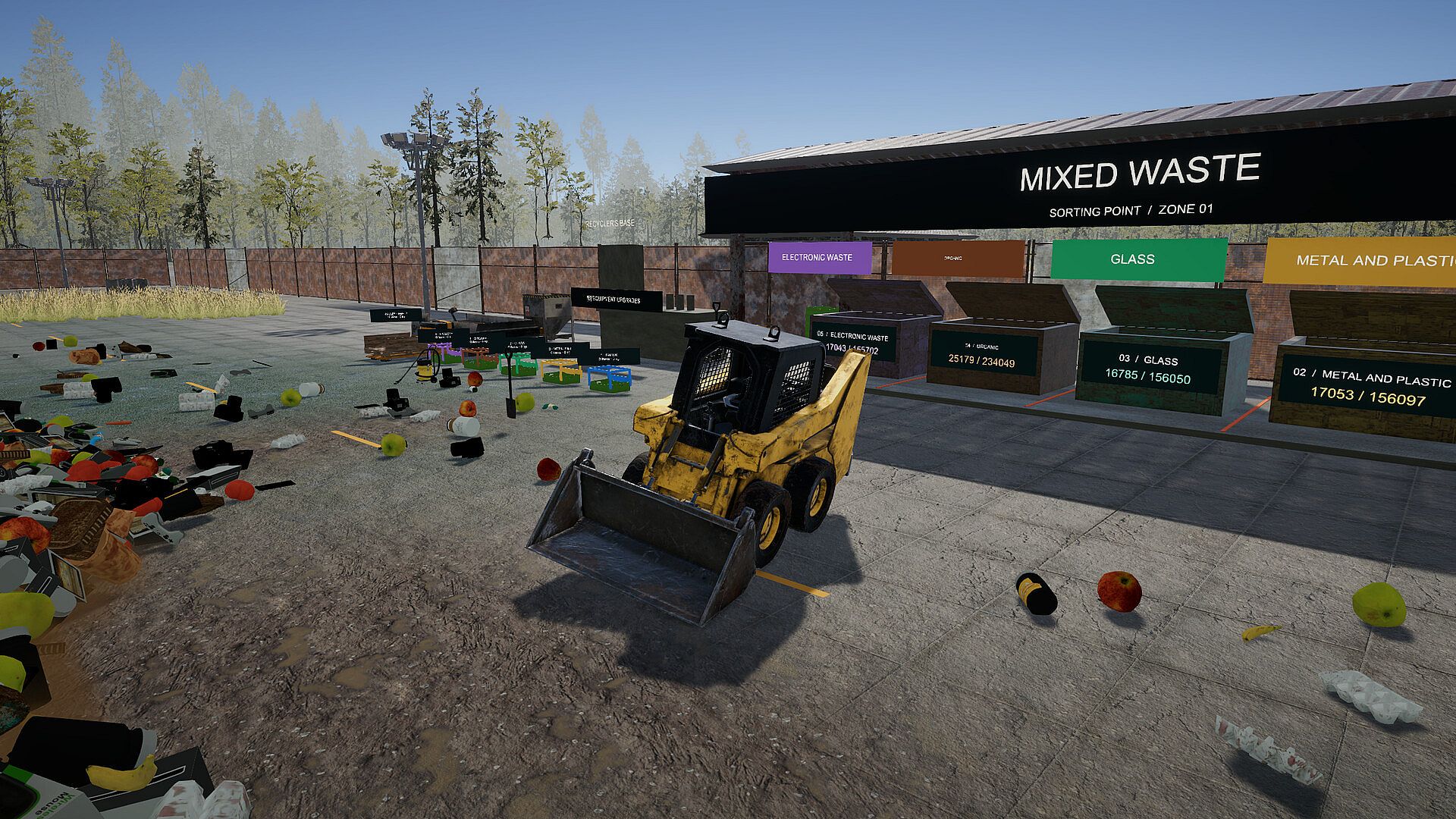
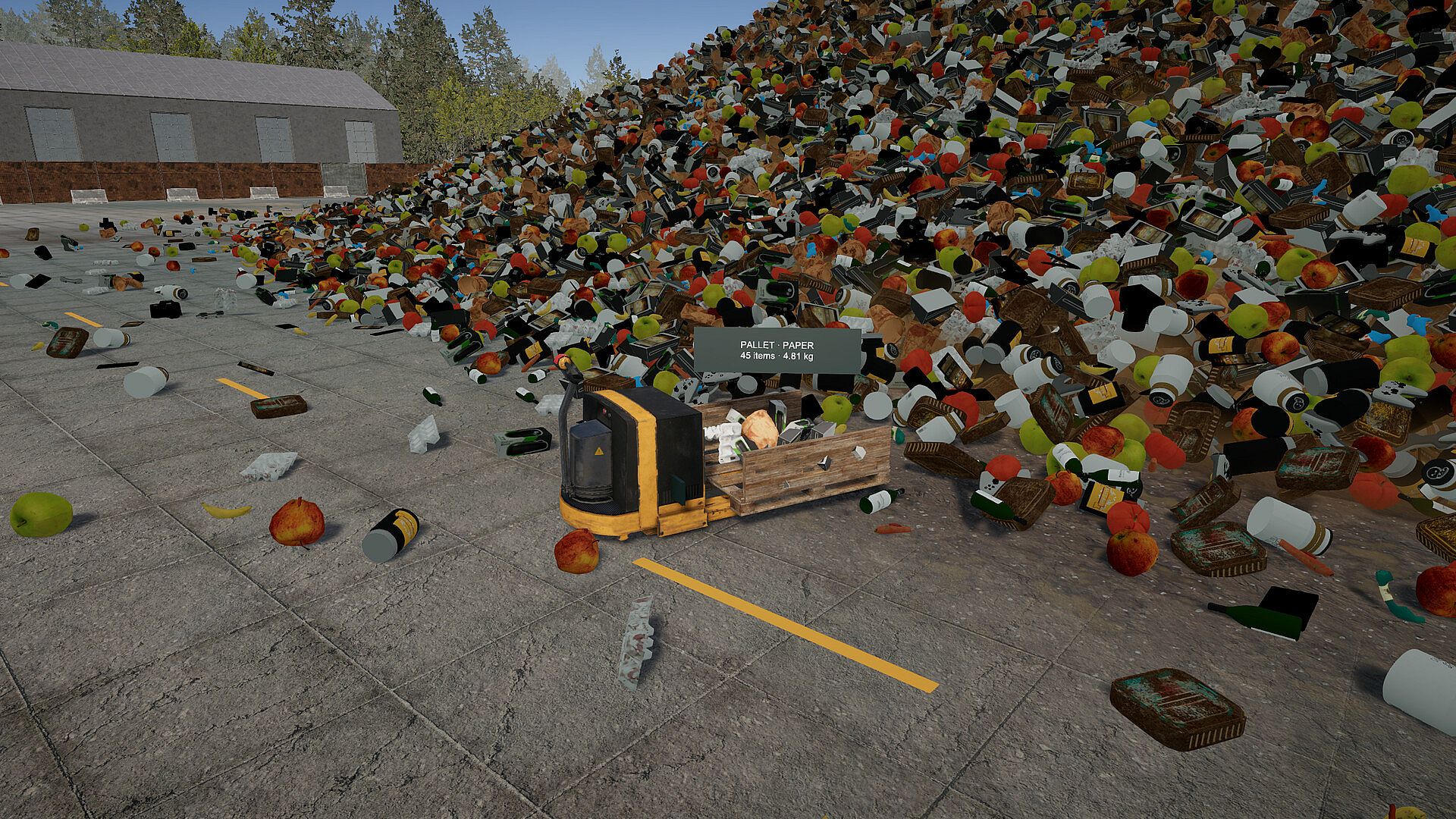
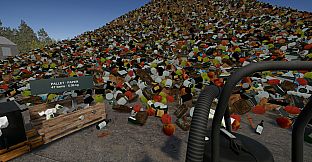
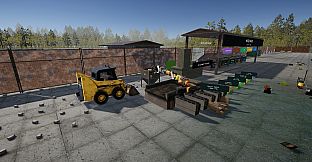
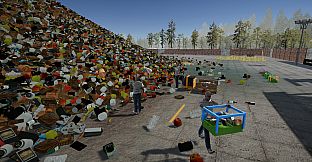
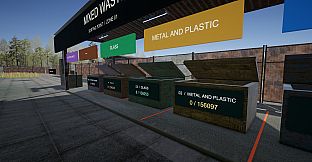
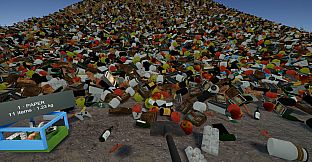
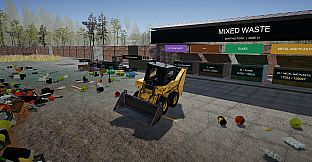
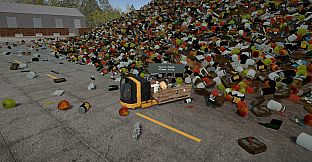
Mixed Waste Tidy Up the Landfill is an indie casual simulation game focused on clearing and sorting a massive landfill filled with one million mixed waste items. Players begin with limited carrying capacity and basic tools, gradually upgrading equipment while deciding how to handle each piece of trash based on its condition and material type. The experience emphasizes deliberate sorting decisions over speed, with the pile visibly shrinking as progress is made toward the total cleanup goal.
Gameplay
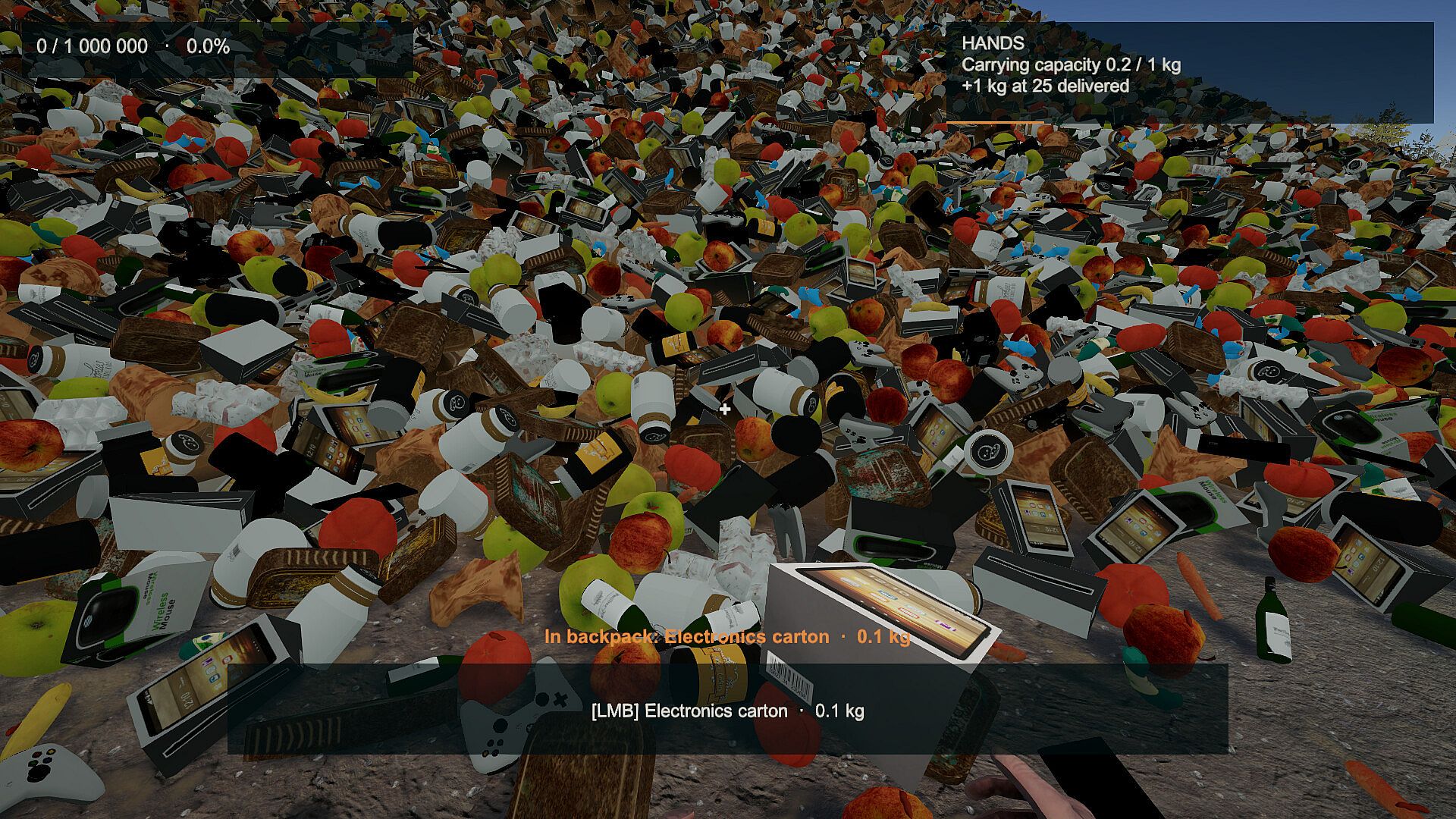
The core loop centers on manual waste removal and categorization at a landfill site. Starting with bare hands and a one-kilogram limit, players pick up individual objects such as bottles, phones, egg cartons, rotting fruit, and broken electronics. Each item requires assessment because contaminated or mixed materials reduce the value of a load. Faster tools increase throughput but risk blending categories, while slower methods preserve cleanliness for better results.
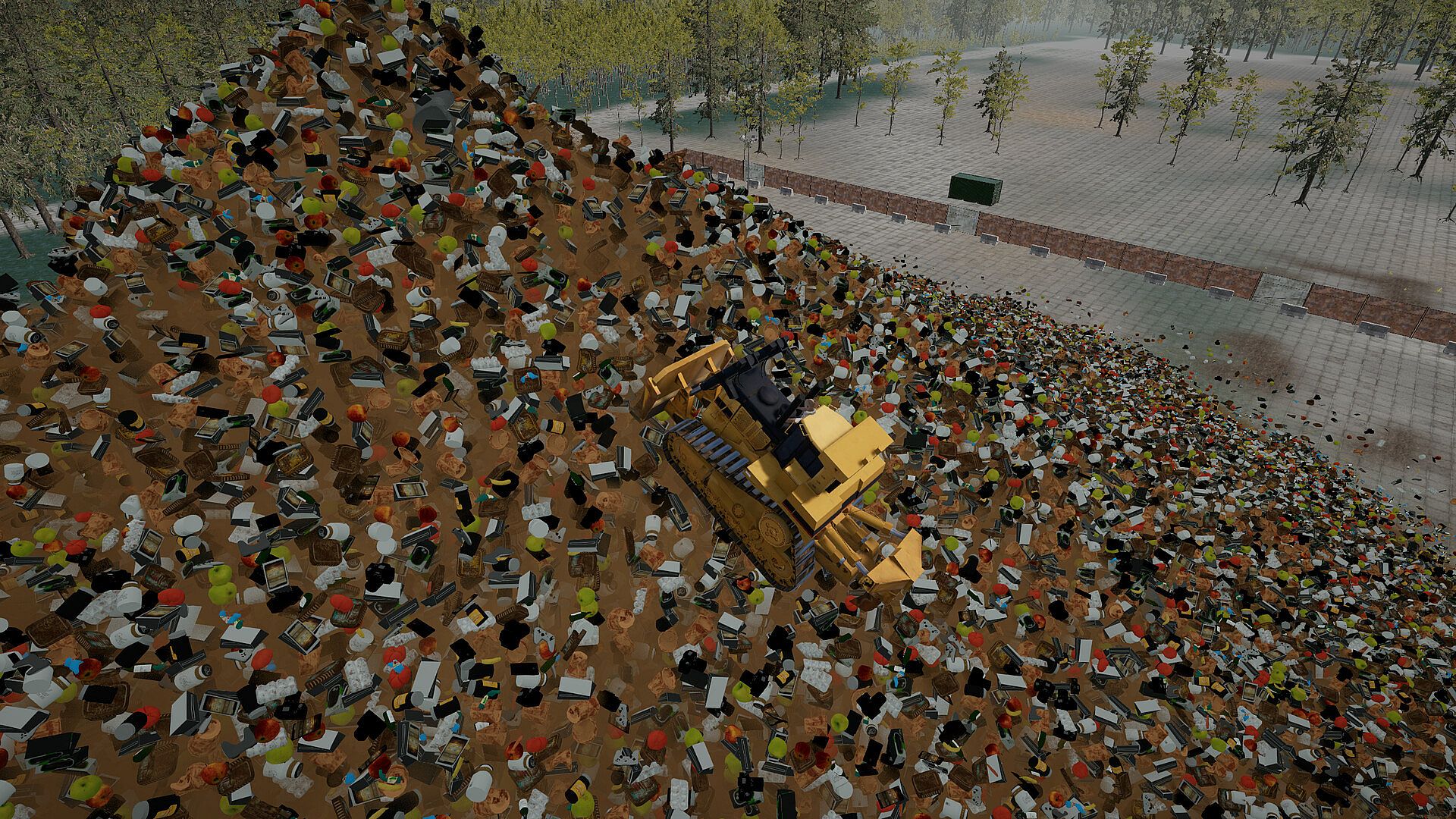
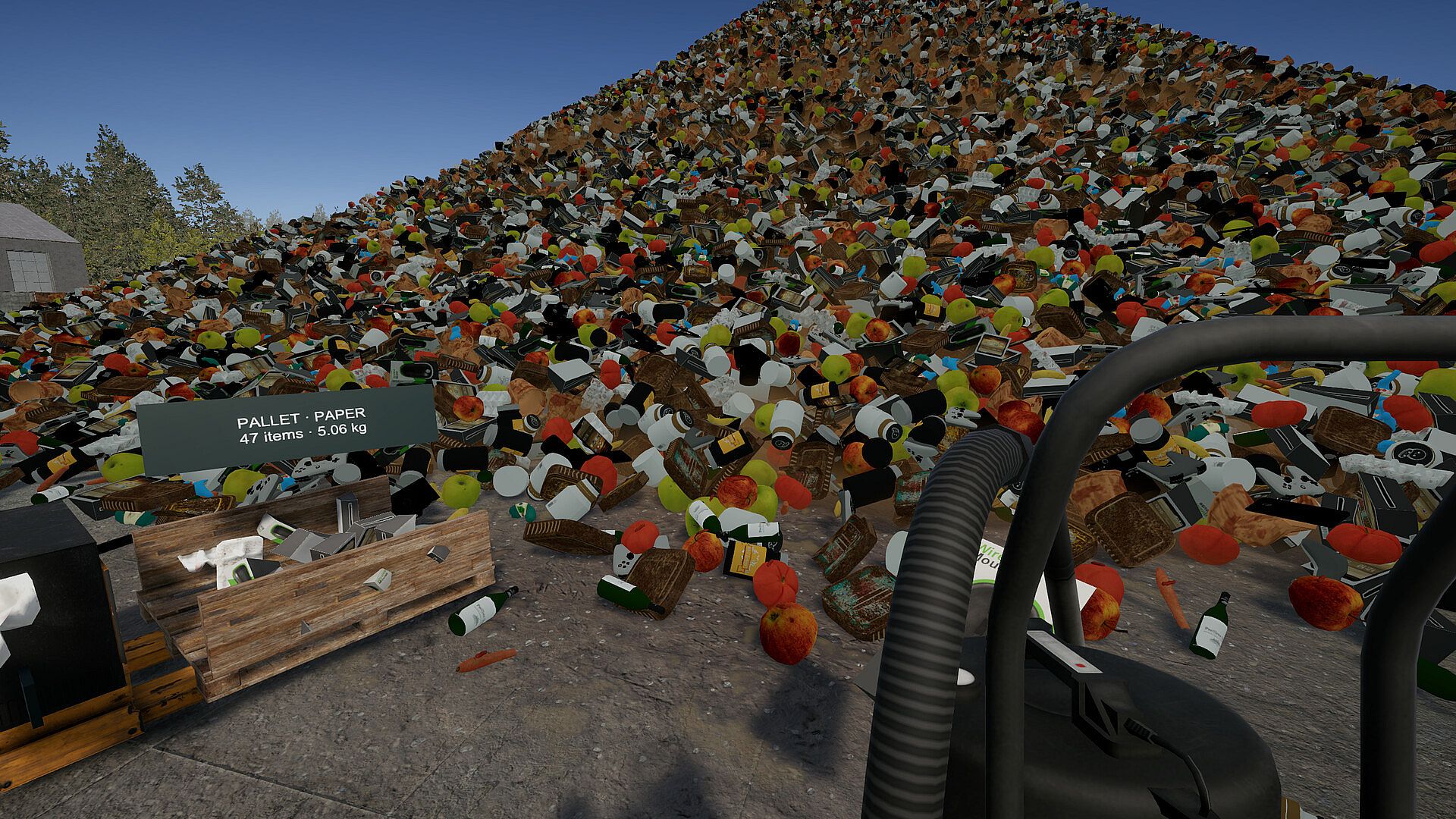
Tool upgrades expand capacity and speed dramatically. Early options include a basic shovel that handles five crates at once. Later equipment features an industrial vacuum that feeds into a pallet system and a front loader capable of processing hundreds of items per second. These changes alter workflow priorities, letting players focus less on individual pieces as capacity grows. The landfill pile itself reacts physically, dropping, shifting, and revealing ground underneath with each removal.
Sorting demands attention to detail. A clean glass bottle sorts easily, but a crushed egg carton covered in yolk or a toy combining plastic and metal creates complications. Contaminated batches lower overall efficiency, forcing trade-offs between haste and precision throughout the session.
Game Modes
The game supports single-player sessions where individuals work through the landfill at their own pace without external timers or quotas. This mode highlights personal decision-making around tool use and sorting thoroughness.
Co-op options allow multiple players to tackle the same landfill together. Shared efforts can divide tasks, with one person handling delicate sorting while others manage bulk removal using upgraded equipment. The structure remains flexible, accommodating different group sizes and play styles.
Progression and Tools
Advancement comes through earning better equipment that scales operations from individual items to truckload volumes. Each new tool shifts the balance between speed and accuracy, encouraging players to experiment with when to prioritize volume versus quality. The central counter tracks progress toward clearing the full million objects, providing a clear long-term target without pressure from deadlines.
Physical changes to the environment reinforce the sense of accomplishment. As sections of the pile disappear, the underlying terrain becomes visible, turning the landfill from an overwhelming mass into cleared ground over time.
Is It Worth Playing?
This simulation suits players who enjoy methodical, low-pressure tasks with tangible visual feedback. The absence of timers or boss demands makes it accessible for relaxed sessions, while the sorting mechanics add layers of choice that reward careful play. Co-op expands the experience for those who prefer collaborative cleanup efforts. Since the game remains in a pre-release state with features like Steam Achievements available upon launch, interested players can follow its development for updates on the full single-player and co-op implementations. Those drawn to casual simulation titles centered on resource management and incremental progress will find the core systems align closely with that preference.











