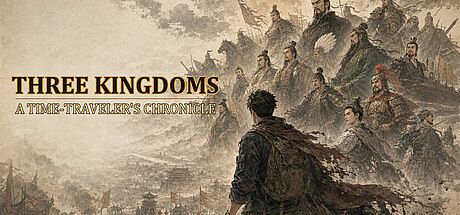


模拟穿越-三国 is a single-player strategy RPG simulation set during the chaotic final years of the Eastern Han dynasty. Players begin as an ordinary individual with no reputation, position, or forces, entering the fray in one of several historical starting points such as 190, 194, 198, 200, 202, or 208 AD. The experience centers on gradual advancement through personal effort, careful relationship management, and adaptation to a living world that advances month by month regardless of individual progress.
Gameplay
Core systems revolve around character creation, where players define a name, appearance, and five key attributes: Martial Skill, Command, Strategy, Administration, and Eloquence. These stats shape suitable roles and duties from the outset. Starting positions vary by chosen era and background, typically beginning in low ranks such as foot soldier, clerk, or scout within a faction. Advancement occurs through military merit, administrative successes, strategic contributions, reputation building, and personal connections rather than immediate command of armies.
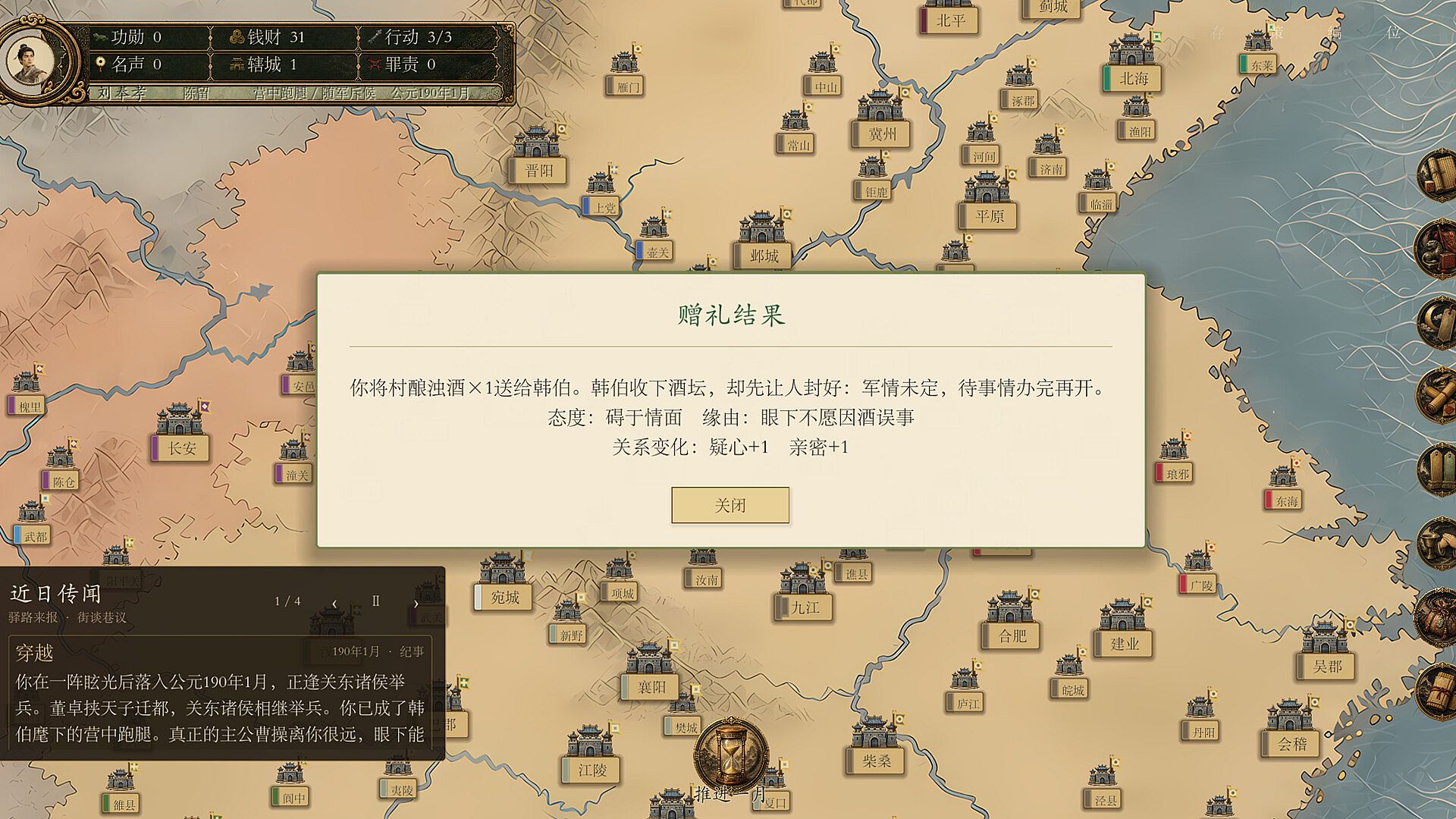
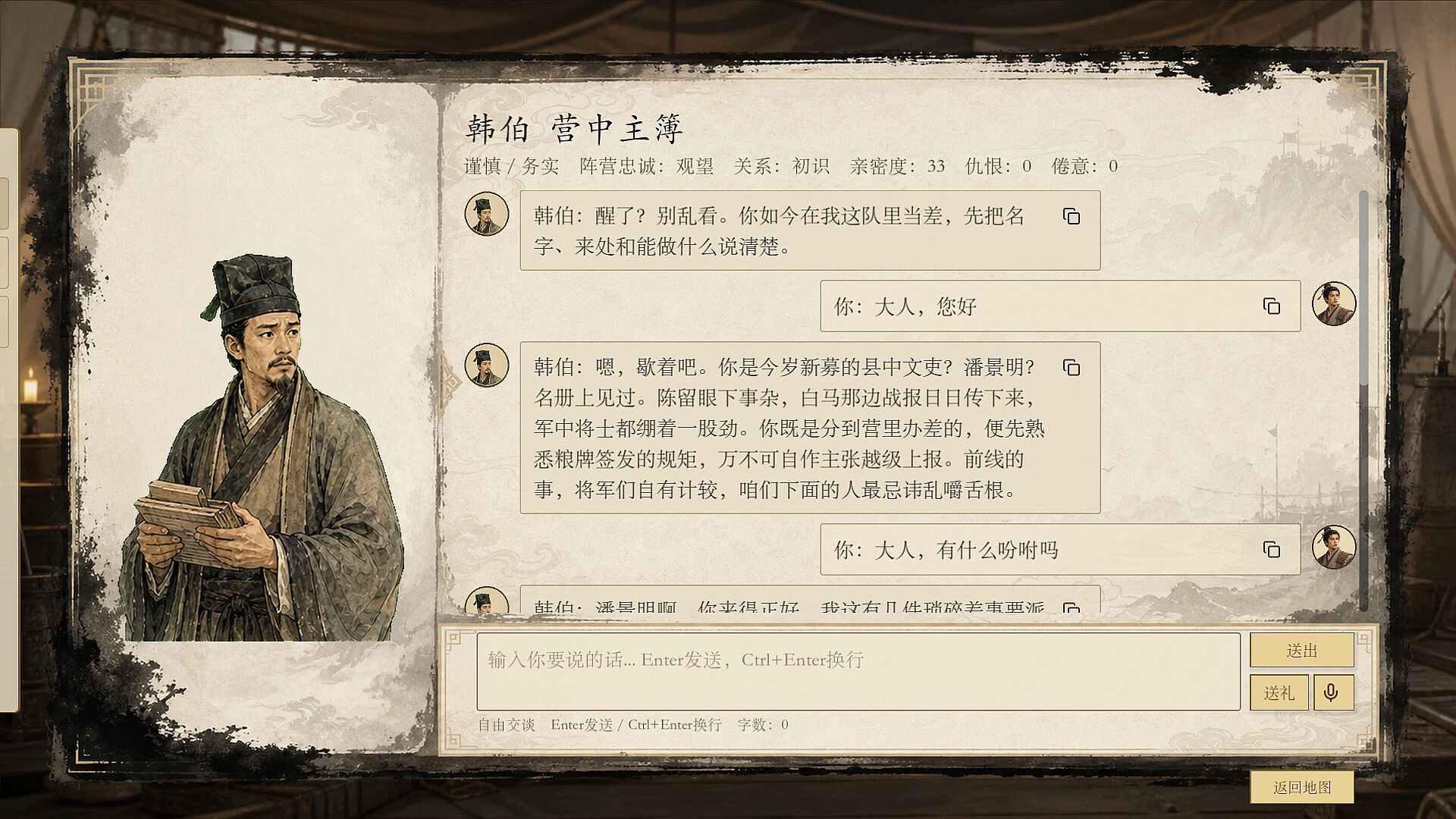
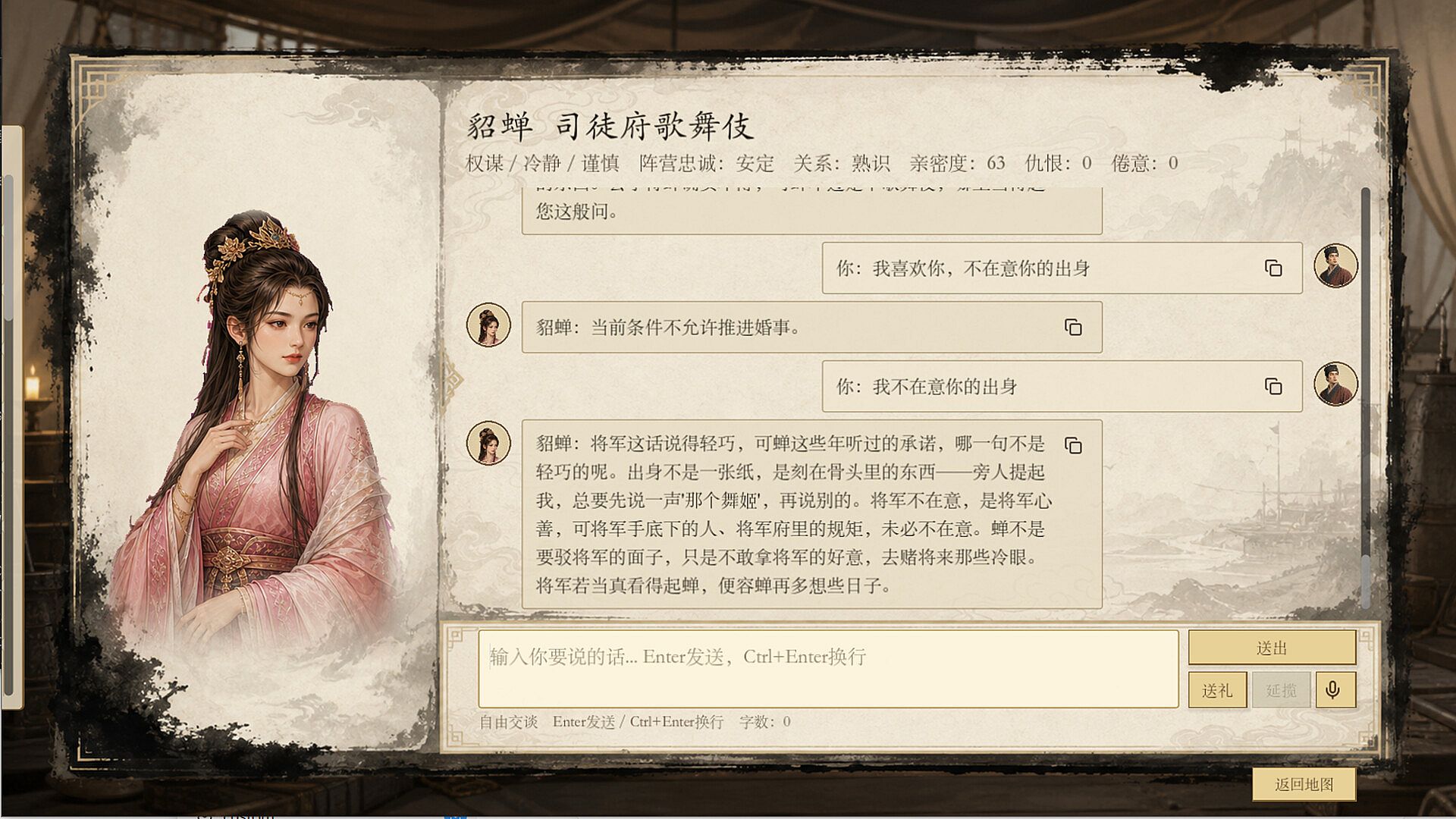
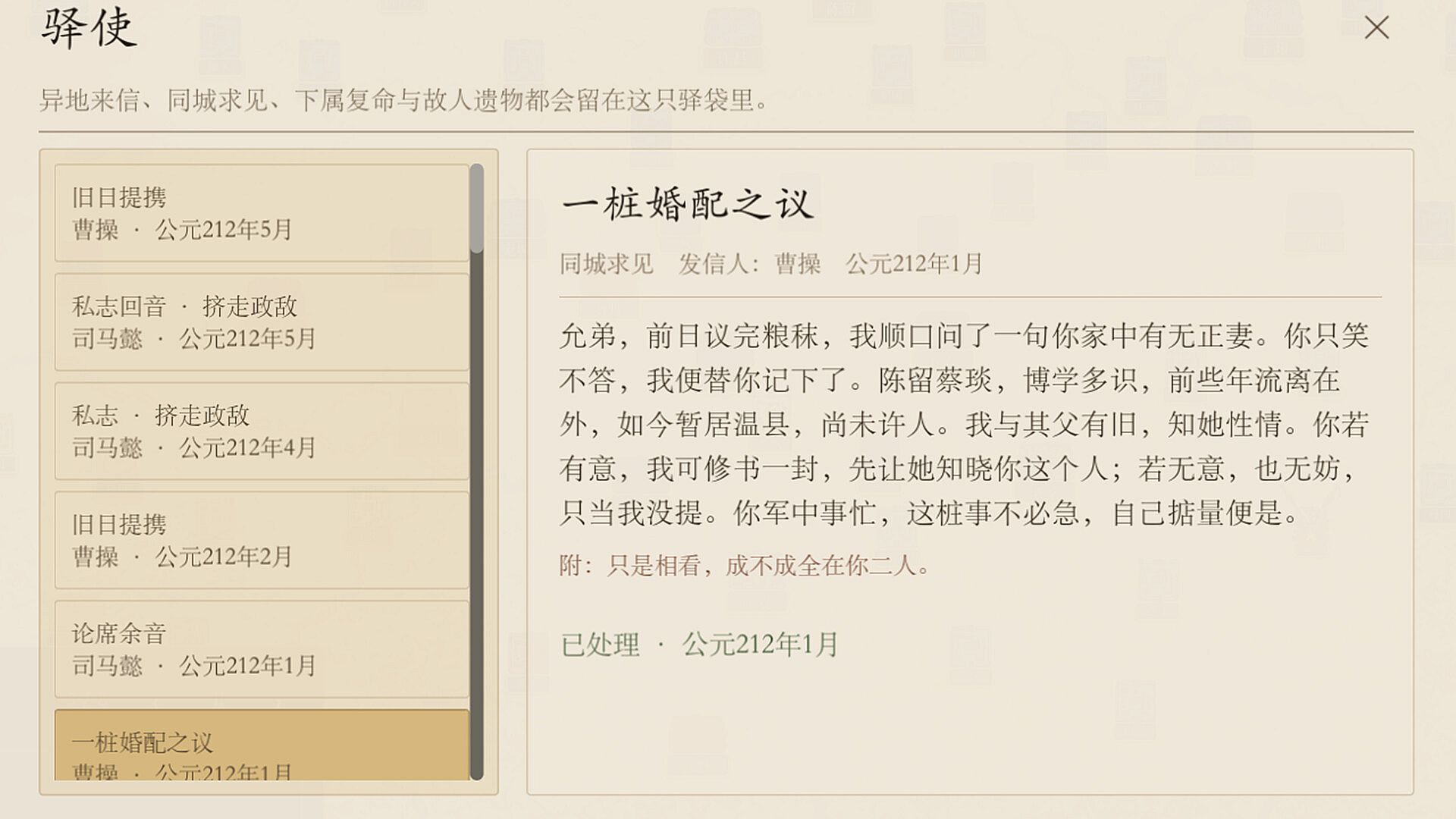
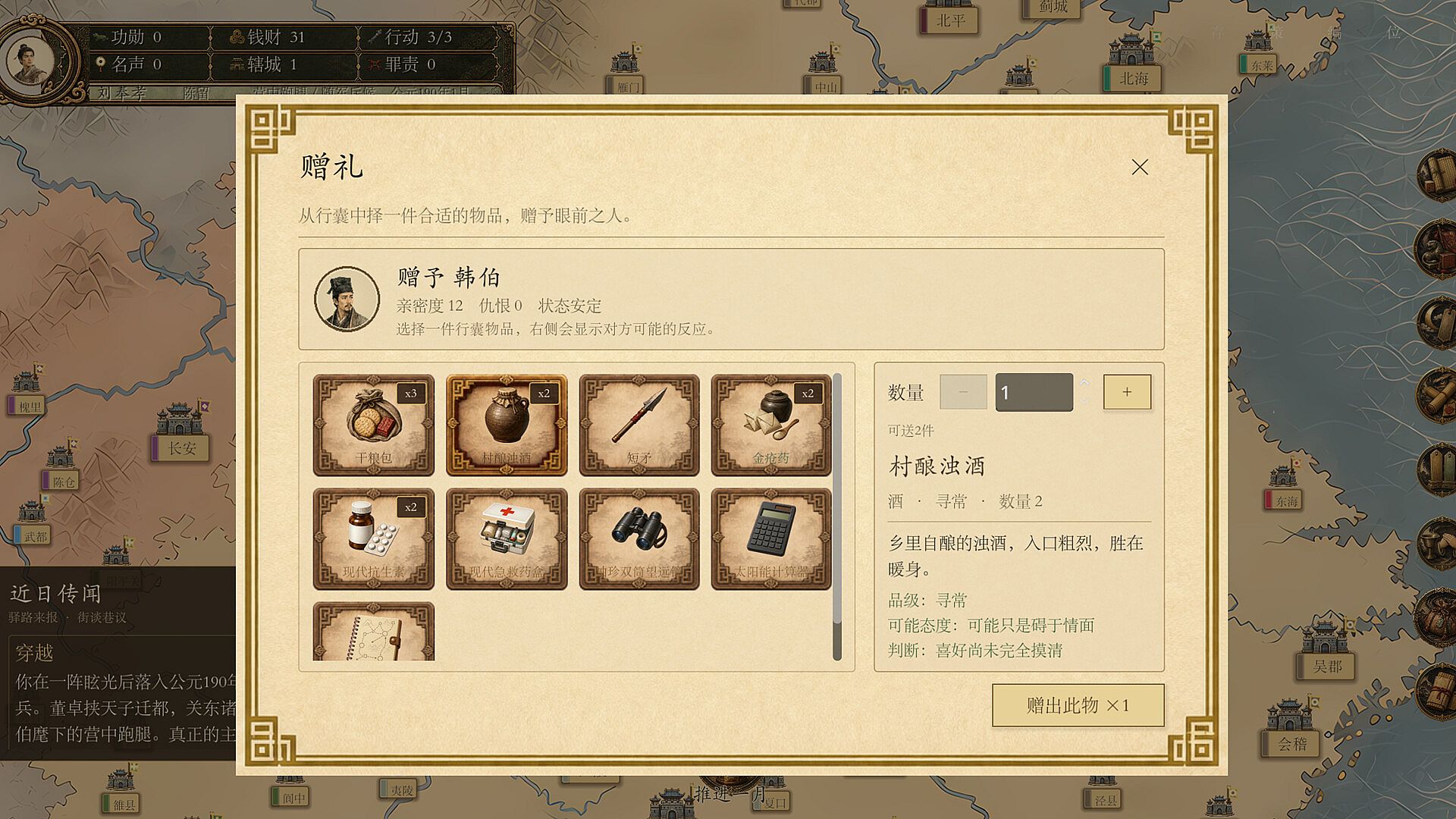
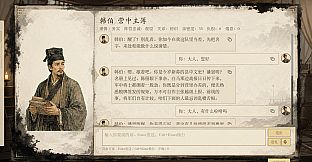
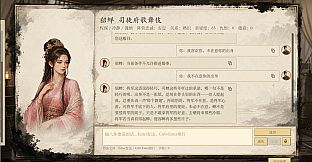
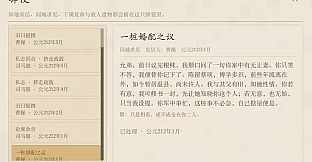
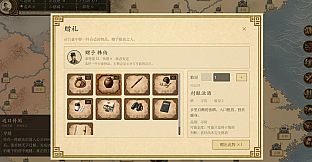
Interactions with NPCs form a central pillar. Conversations, gifts, letters, requests, and proposals elicit responses based on each individual's identity, personality, faction allegiance, current circumstances, and accumulated history with the player. Relationships track multiple dimensions including closeness, hatred, suspicion, weariness, career rivalry, family ties, and superior-subordinate dynamics. These factors influence willingness to meet, endorse, or faithfully execute orders. The courier network delivers reports, warnings, and invitations that reflect distant events gradually rather than all at once.
Subordinates and retainers add layers of management. Low-ranking players complete superior-assigned tasks while seeking recognition. Higher offices allow delegation of intelligence gathering, supply transport, contacts, or combat operations. Retainers possess individual strengths, loyalties, expectations, injuries, and ambitions; they maintain household troops that can form siege forces when directed. Treatment regarding pay, credit distribution, and risk assignment affects long-term loyalty. Marriage introduces family dynamics where a spouse participates in household affairs, business, security, and joint planning while remembering personal history.
Game Modes
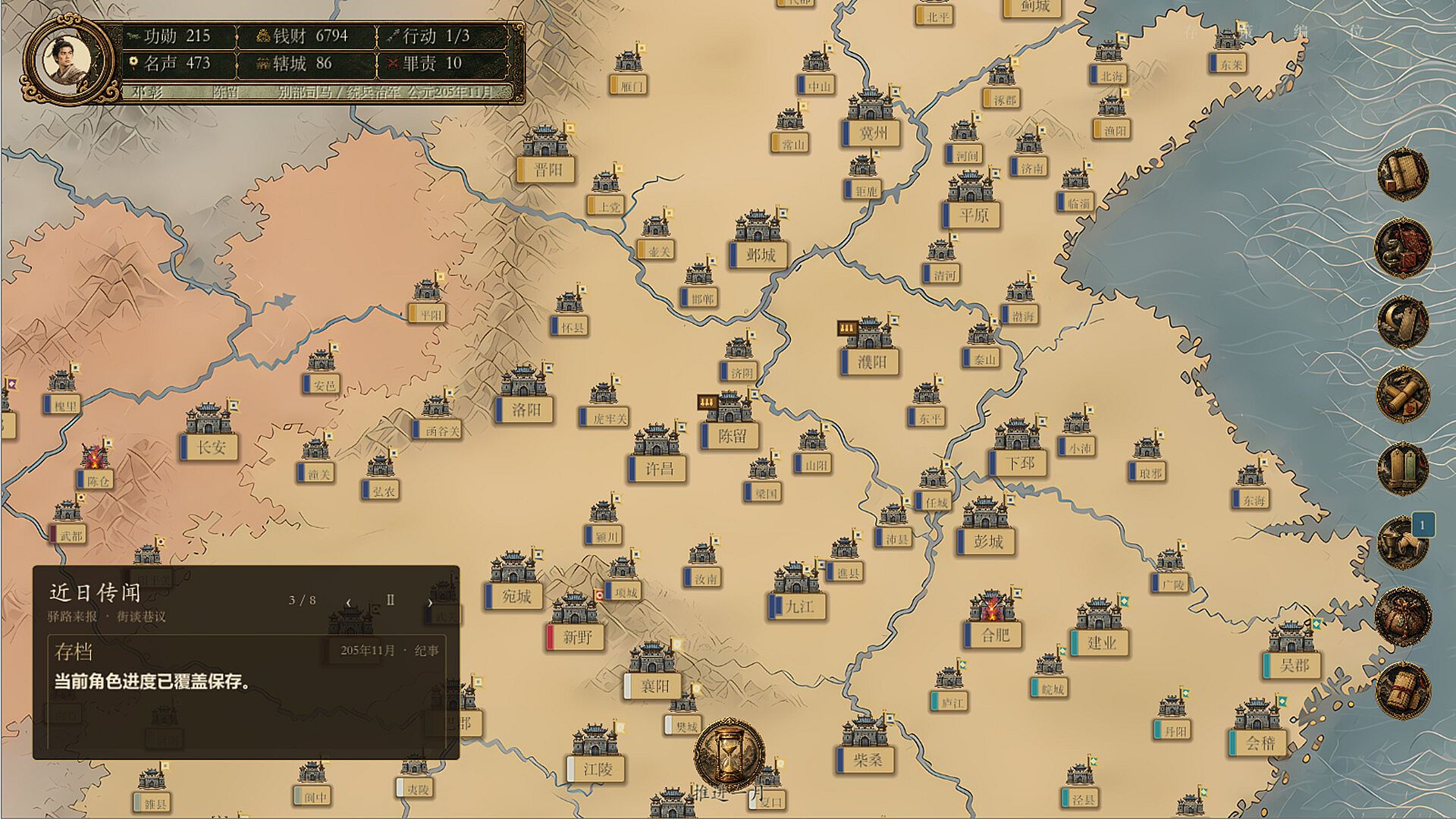
The game operates as a continuous single-player simulation without separate named modes. Players select from multiple historical starting eras that alter initial faction options, rank availability, and surrounding conditions. Progression remains open-ended, allowing paths such as loyal service to rise within an existing power, governance of cities with technology development, or eventual seizure of territory to found an independent faction. Monthly world simulation ensures factions act according to their resources, geography, ambitions, and historical pressures, with wars shifting city control and events like promotions, defections, illnesses, or deaths occurring independently.
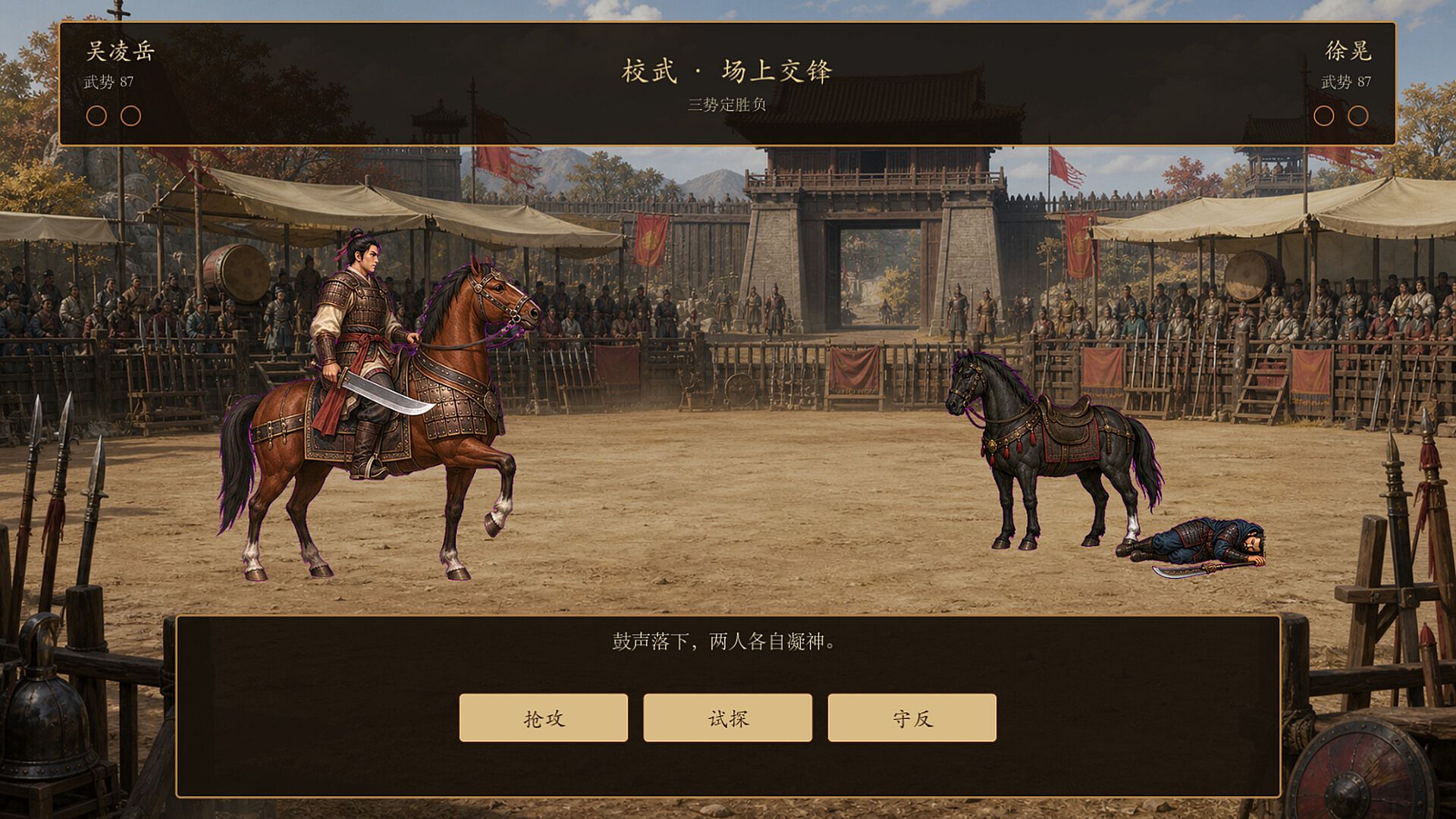
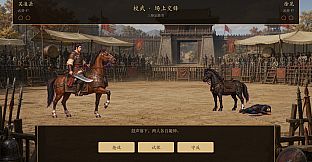
Non-combat activities integrate into the same framework. Social events include martial tournaments, scholarly gatherings, warlord meetings, and merchant fairs. These opportunities support reputation growth and personal connections alongside official duties. The simulation balances war, administration, and daily life without isolating them into distinct play styles.
Progression and World Simulation
Time advances in monthly turns where the broader Three Kingdoms landscape evolves based on military strength, supplies, technology, and ambitions. News of major developments arrives through personal networks rather than instant global updates. Player actions can influence outcomes subtly, such as preserving a grain shipment or contributing to a later decisive battle. Multiple endings reflect the full record of factions served, relationships formed or lost, household built, achievements secured, and costs incurred. Failure paths include loss of position, abandonment by allies, or downfall through accumulated missteps and political conflicts.
Is It Worth Playing?
This title targets players who enjoy deep simulation and role-playing within a historical setting. The emphasis on remembered NPC interactions, subordinate management, and monthly world momentum creates a persistent career narrative from humble origins. Those seeking immediate large-scale command or purely tactical battles may find the slow initial rise and administrative focus less immediate. As the game remains in development with planned Early Access improvements to character memory, task systems, promotion pacing, resource balance, and interface, prospective players should monitor updates for stability and feature completion before purchase. The single-player focus suits those interested in personal stories amid the Three Kingdoms era rather than competitive multiplayer elements.