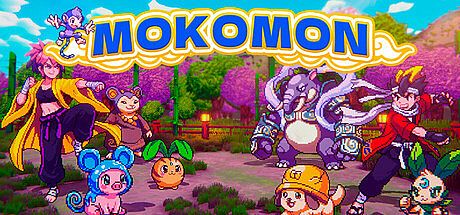


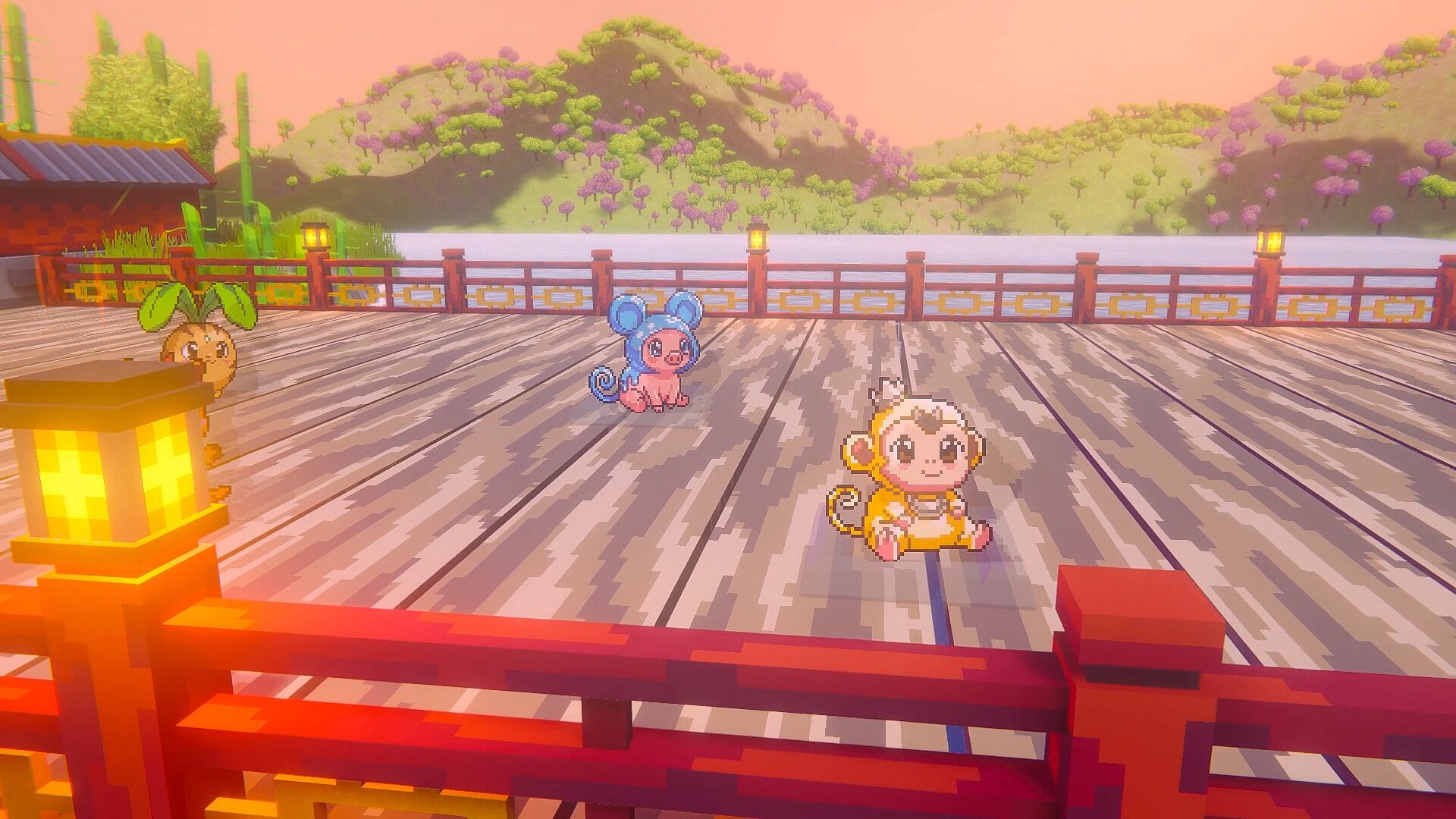
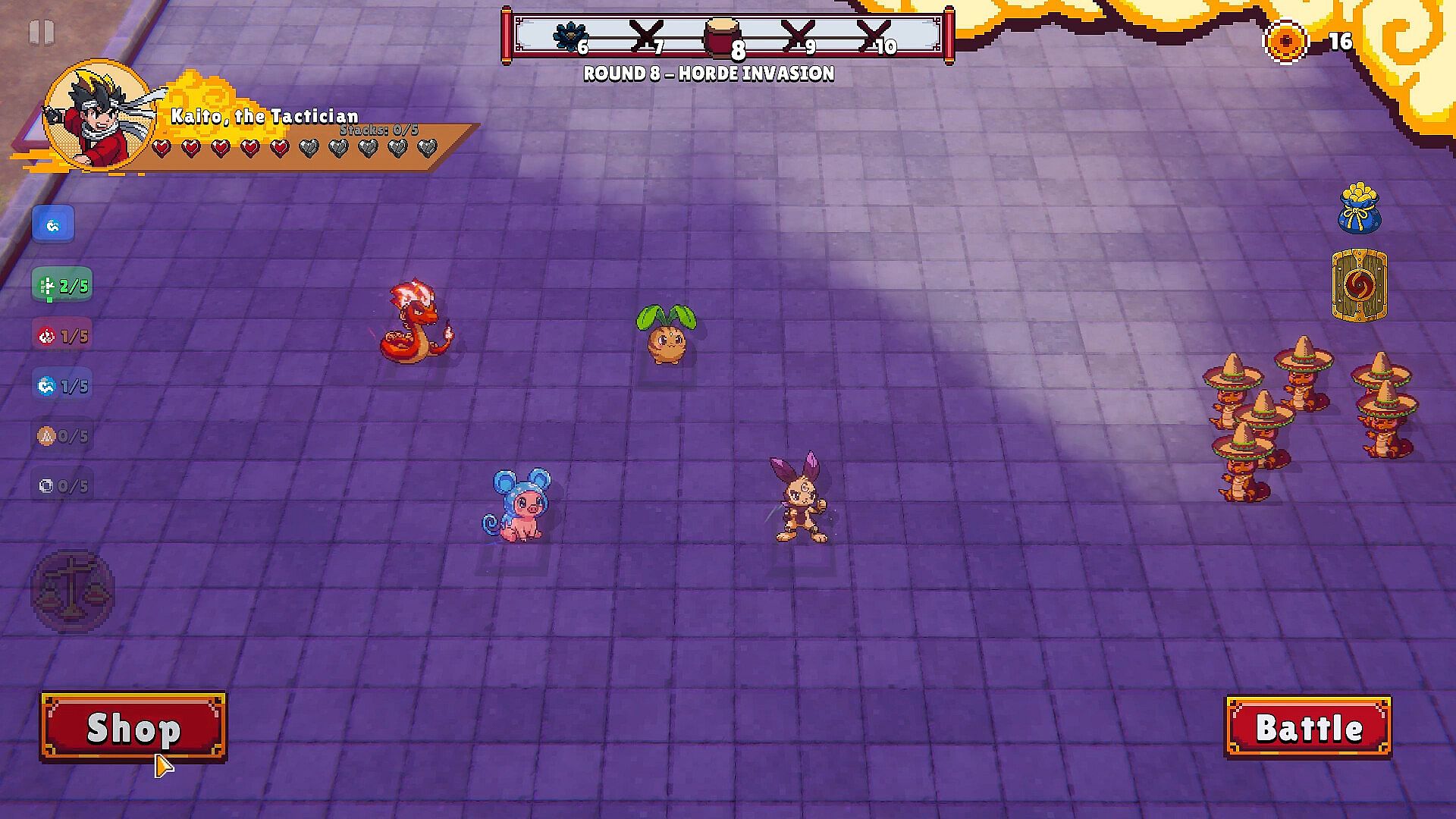
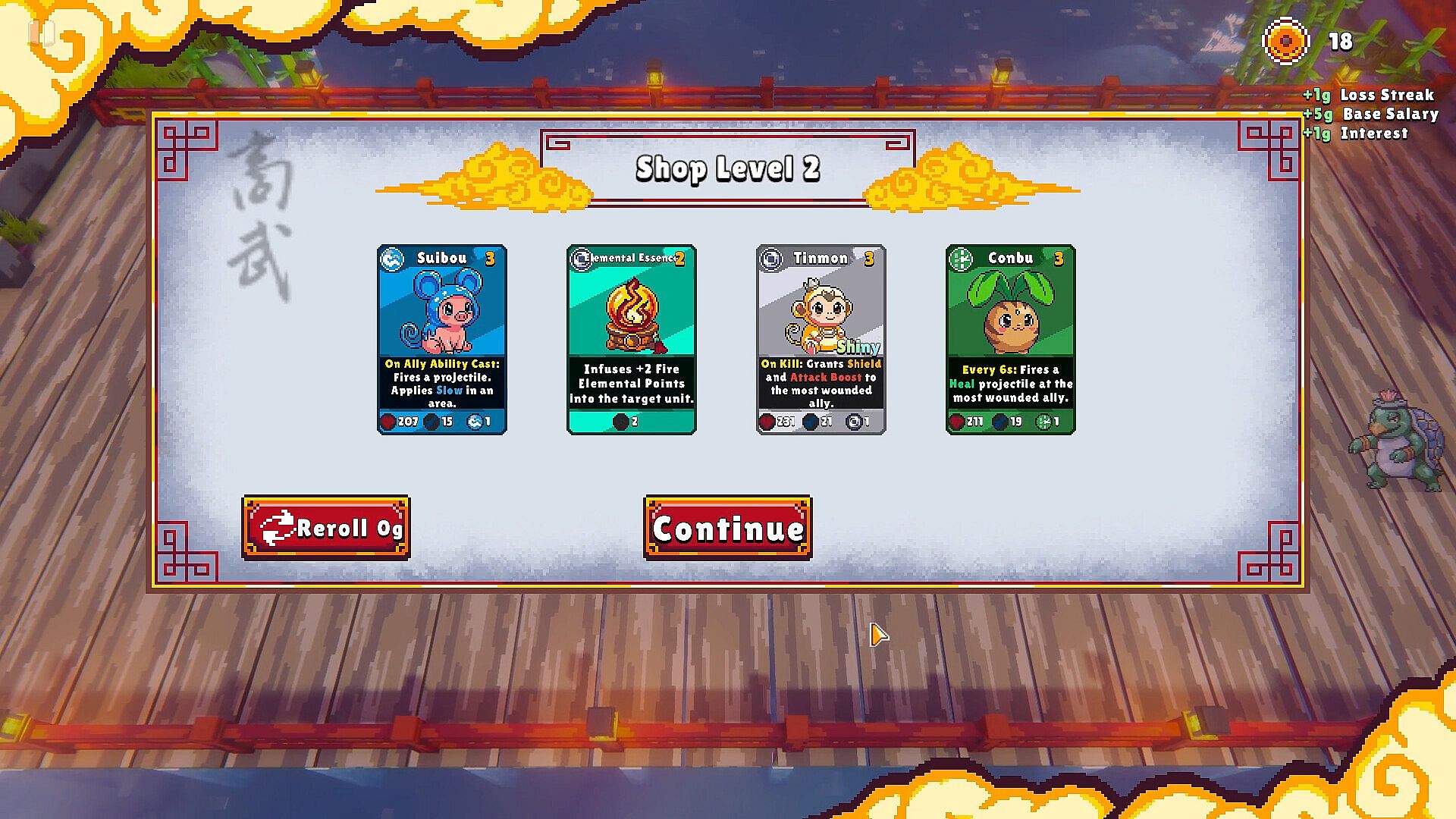
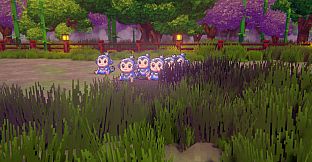
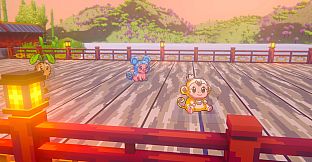
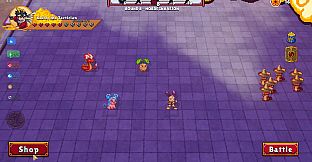
Mokomon: Five Elements is a strategy indie RPG that blends roguelike progression with auto battler combat on PC. Players train creatures known as Mokomon, manage resources, and adapt teams through a non-linear evolution system rooted in the Five Elements of Water, Fire, Wood, Earth, and Metal. The core loop centers on purchasing creatures from a shop, positioning them on an arena board, and observing automated battles against escalating enemies and bosses. Success requires careful economy management and tactical adjustments each round to survive longer runs.
Gameplay
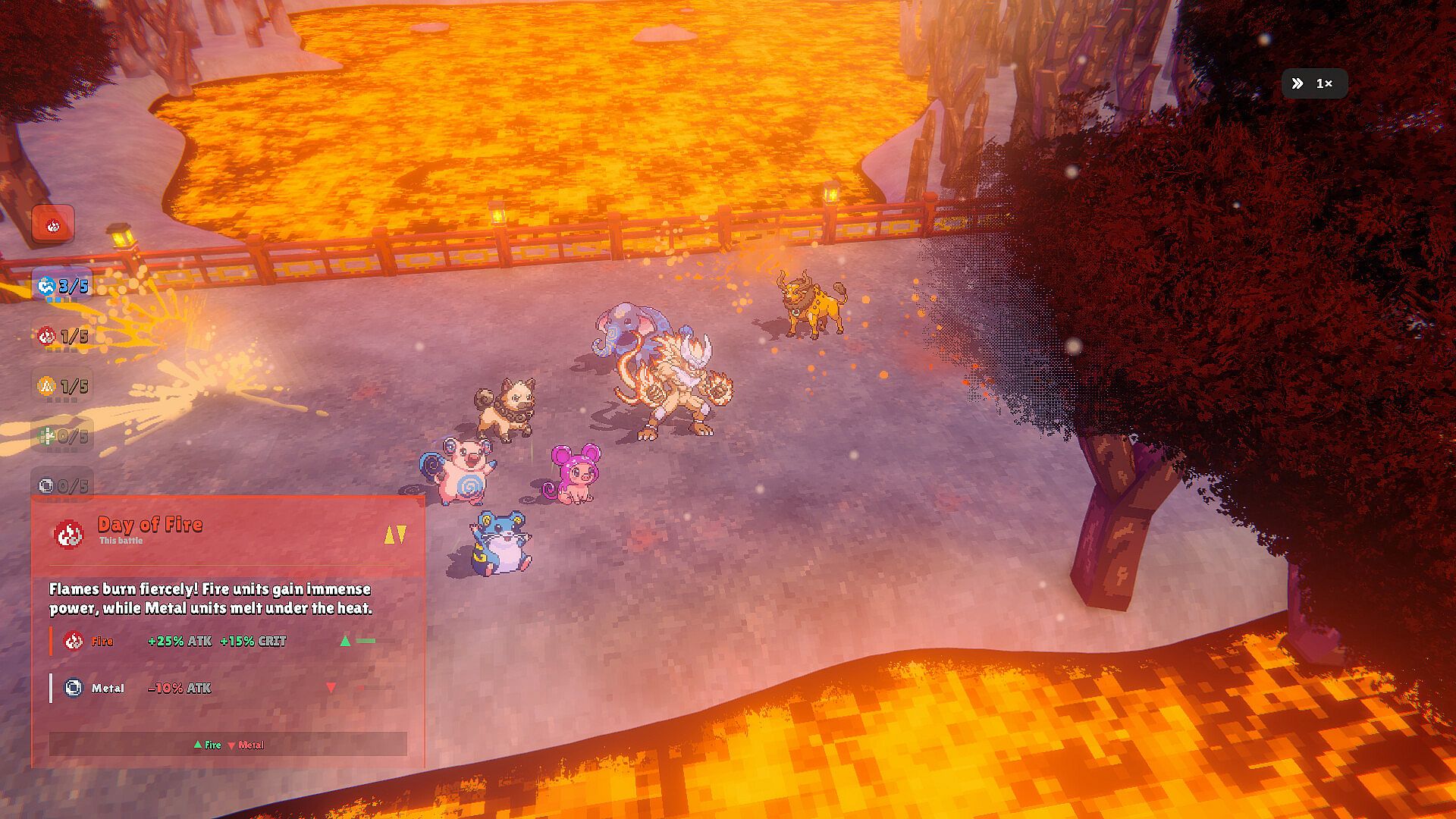
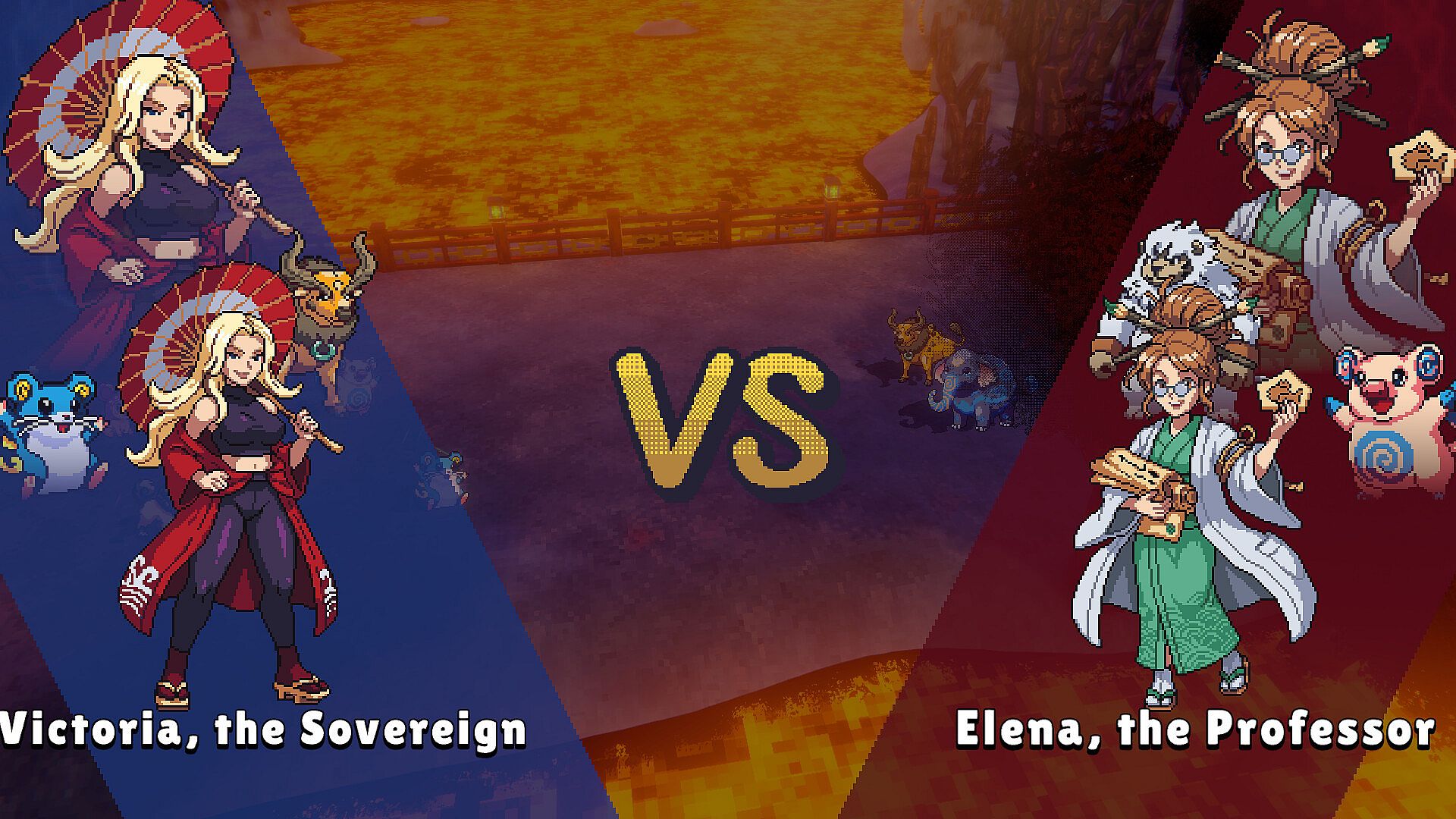
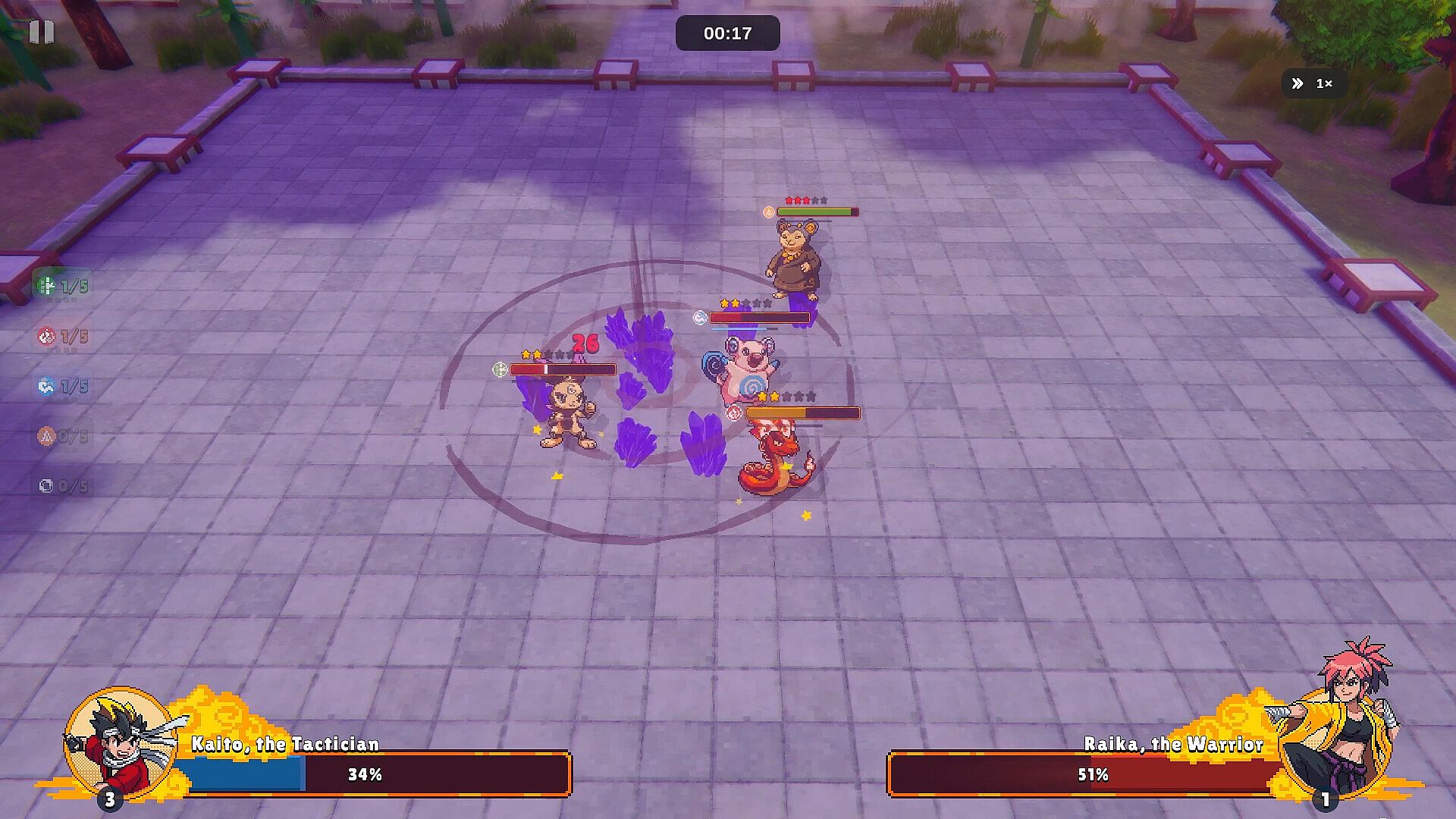
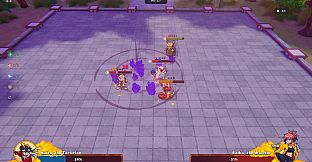
The gameplay revolves around building and refining creature teams in short, repeatable runs. Each session begins with selecting a Tamer, whose unique passive bonuses influence shop offerings and team composition from the first round onward. Creatures are acquired and placed on the board, where automated combat plays out based on positioning and elemental properties. Progressive enemy waves test the team's resilience, with bosses providing key rewards at milestones.
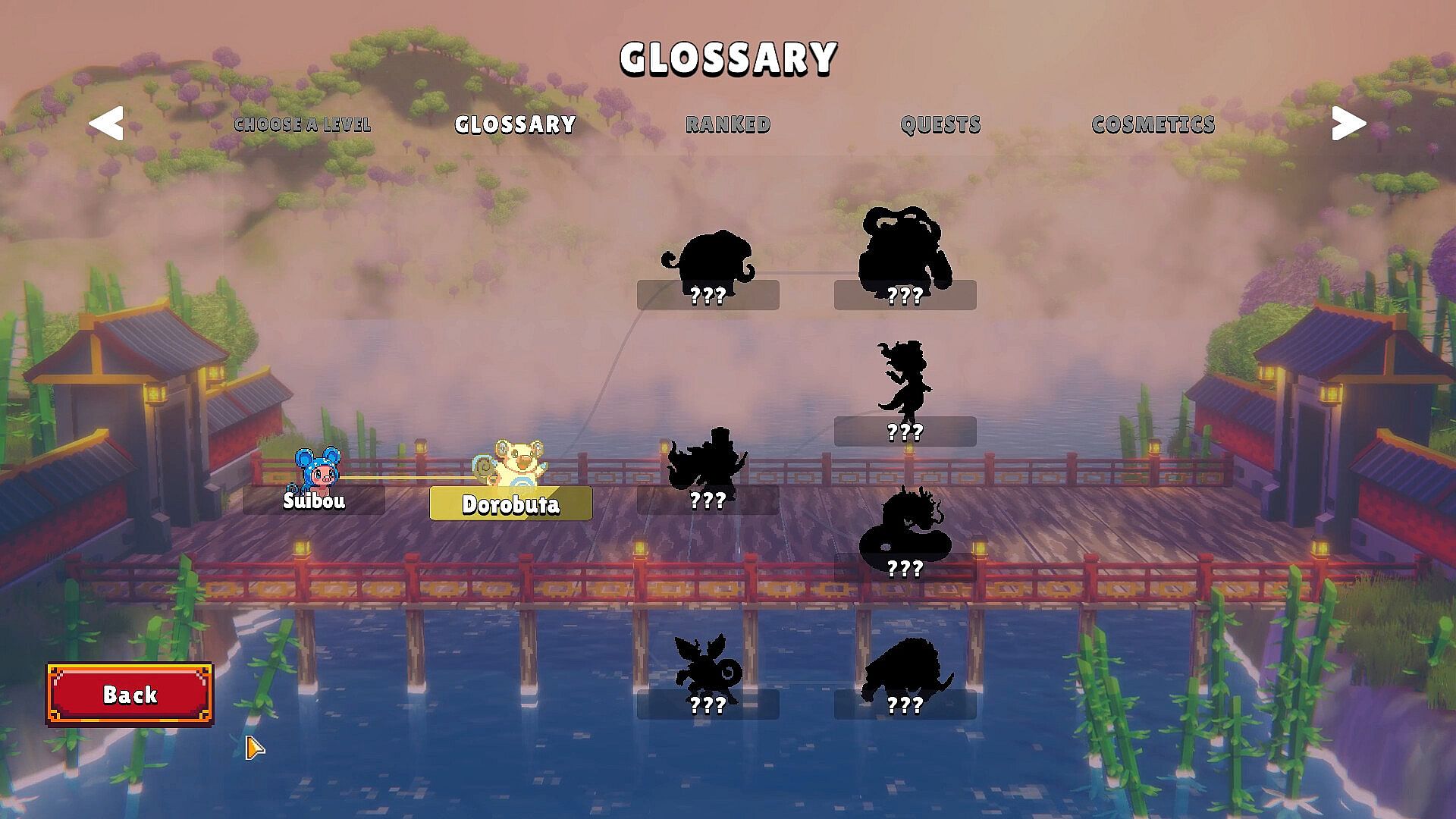
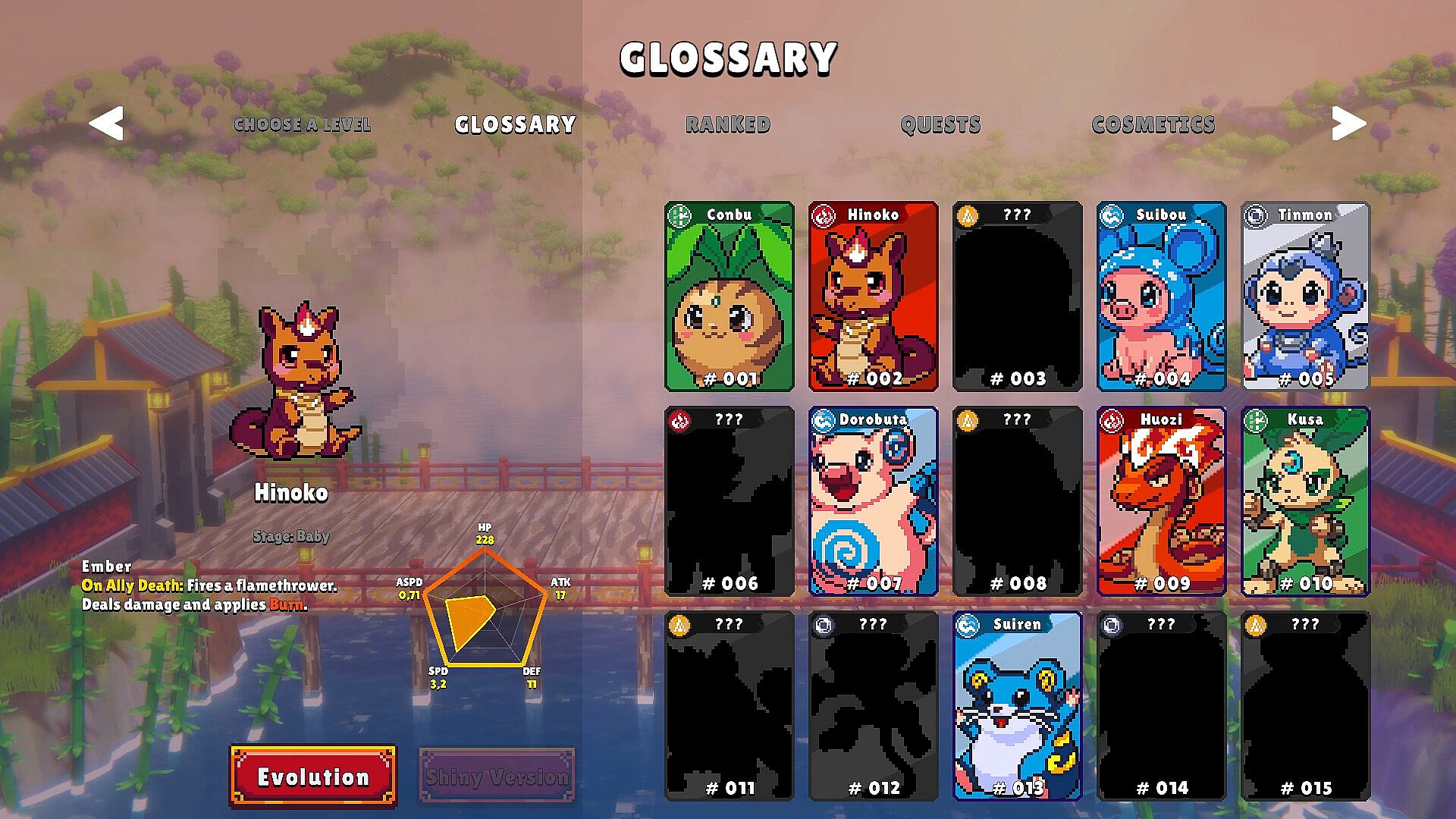
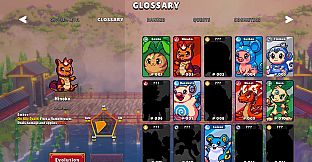
Evolution stands out as a branching, absorption-based mechanic. Players drag and fuse creatures into a target Mokomon to accumulate Elemental Points. Reaching the point threshold triggers evolution, with the final form shaped by the specific elements absorbed during fusions. This creates high replayability, as identical starter creatures can diverge into entirely different species depending on fusion choices and strategy.
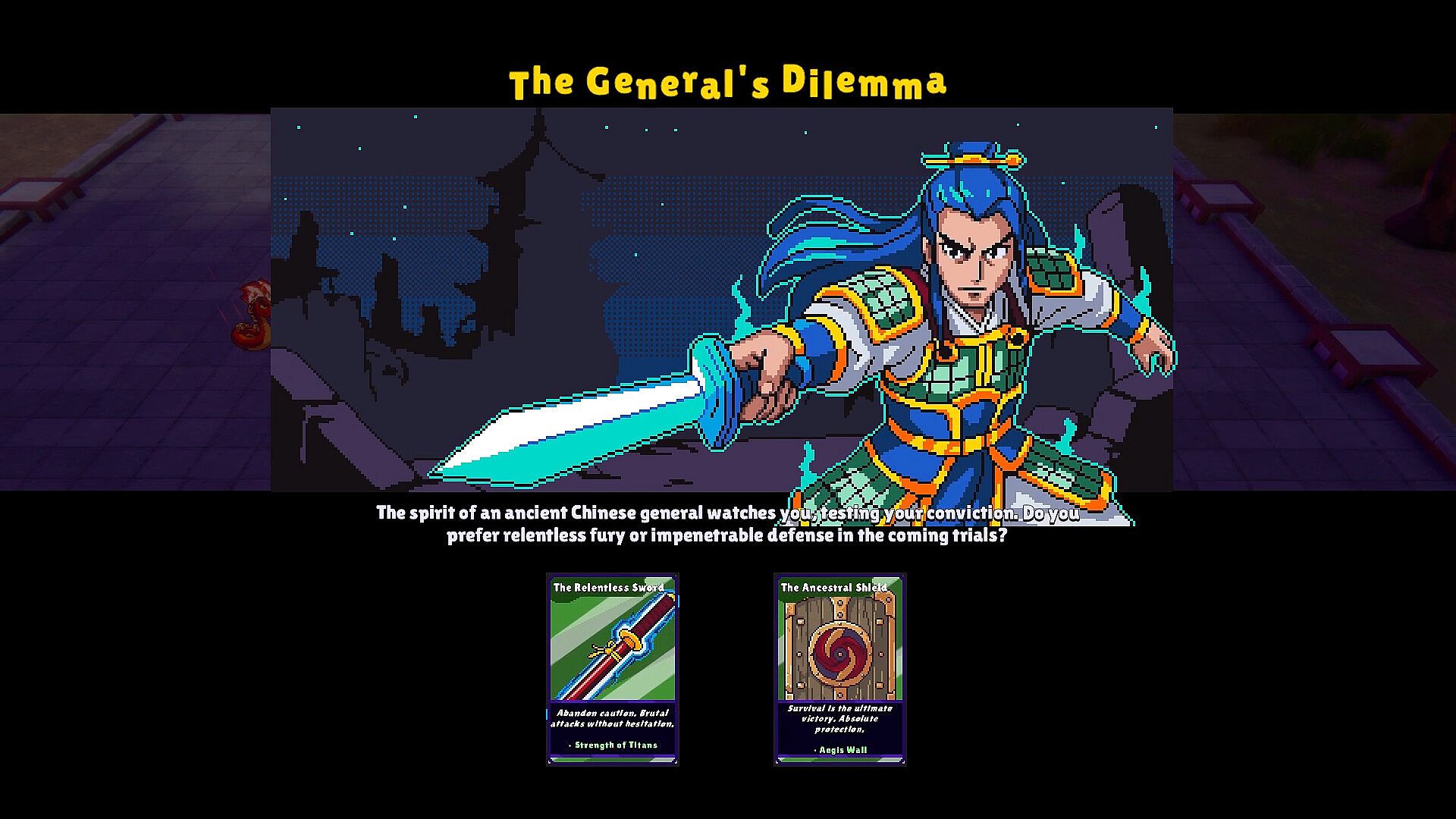
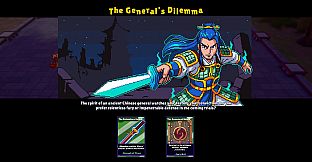
Additional layers include Relics earned from bosses, which permanently modify run rules or stats. Choice Events present dilemmas that trade resources or creatures for buffs or penalties. Rare Shinies appear in the shop with distinct visuals, particle effects, and stat advantages. Elemental synergies activate when two, three, or five Mokomon of the same element occupy the board, granting escalating bonuses. Battles can also feature procedural arena changes that favor specific elements.
Game Modes
The primary experience unfolds in roguelike runs focused on survival through successive rounds of shop purchases, board setup, and automated fights. These runs emphasize adaptation to tougher opposition while accumulating resources for stronger builds. Once a viable team is developed, players can transition to Ranked Matches, where custom teams compete against others in player-versus-player encounters.
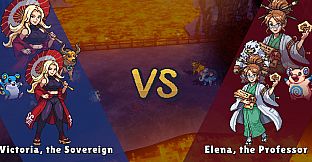
Ranked Matches introduce a competitive layer that tests builds against human opponents worldwide. The mode retains the same creature mechanics and positioning but shifts the focus from AI progression to direct confrontation. No other distinct modes appear in the game's structure, keeping emphasis on the core loop of team construction and elemental mastery.
Key Mechanics and Features
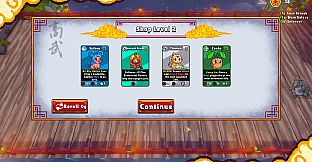
Team building integrates economy, positioning, and adaptation at every step. Shop refreshes and purchases demand strategic spending to balance immediate needs with long-term evolution goals. Board placement directly influences combat outcomes, as creatures interact automatically according to their types and synergies.
The Five Elements system governs interactions through absorption and fusion, rewarding experimentation with different combinations. Tamers add variety by altering starting conditions and ongoing bonuses, encouraging multiple playthroughs to explore their effects. Relics and Events further diversify runs by introducing permanent changes or high-stakes decisions that can pivot a build's direction.
Is It Worth Playing?
Mokomon: Five Elements suits players who enjoy roguelike auto battlers with deep customization and strategic depth. The branching evolution and Tamer passives provide meaningful variety across runs, while synergies and arena events keep battles engaging. Ranked Matches extend the appeal to those seeking competitive outlets for refined teams.
The game rewards careful planning and adaptation over rote repetition. Its indie scale focuses on core systems without unnecessary complexity, making it accessible for strategy fans yet layered enough for repeated sessions. Those drawn to creature collection, elemental tactics, and run-based progression will find consistent value in experimenting with fusions and team compositions.