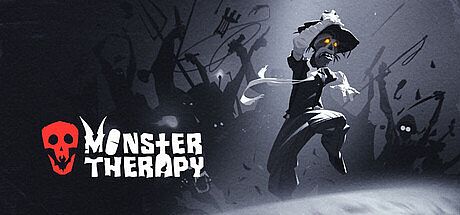


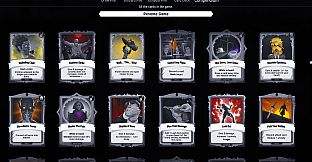
Monster Therapy is a strategy game for PC that blends stealth mechanics with deckbuilding in a narrative-driven experience centered on a team of monsters confronting mental health challenges during their missions as assassins.
Gameplay
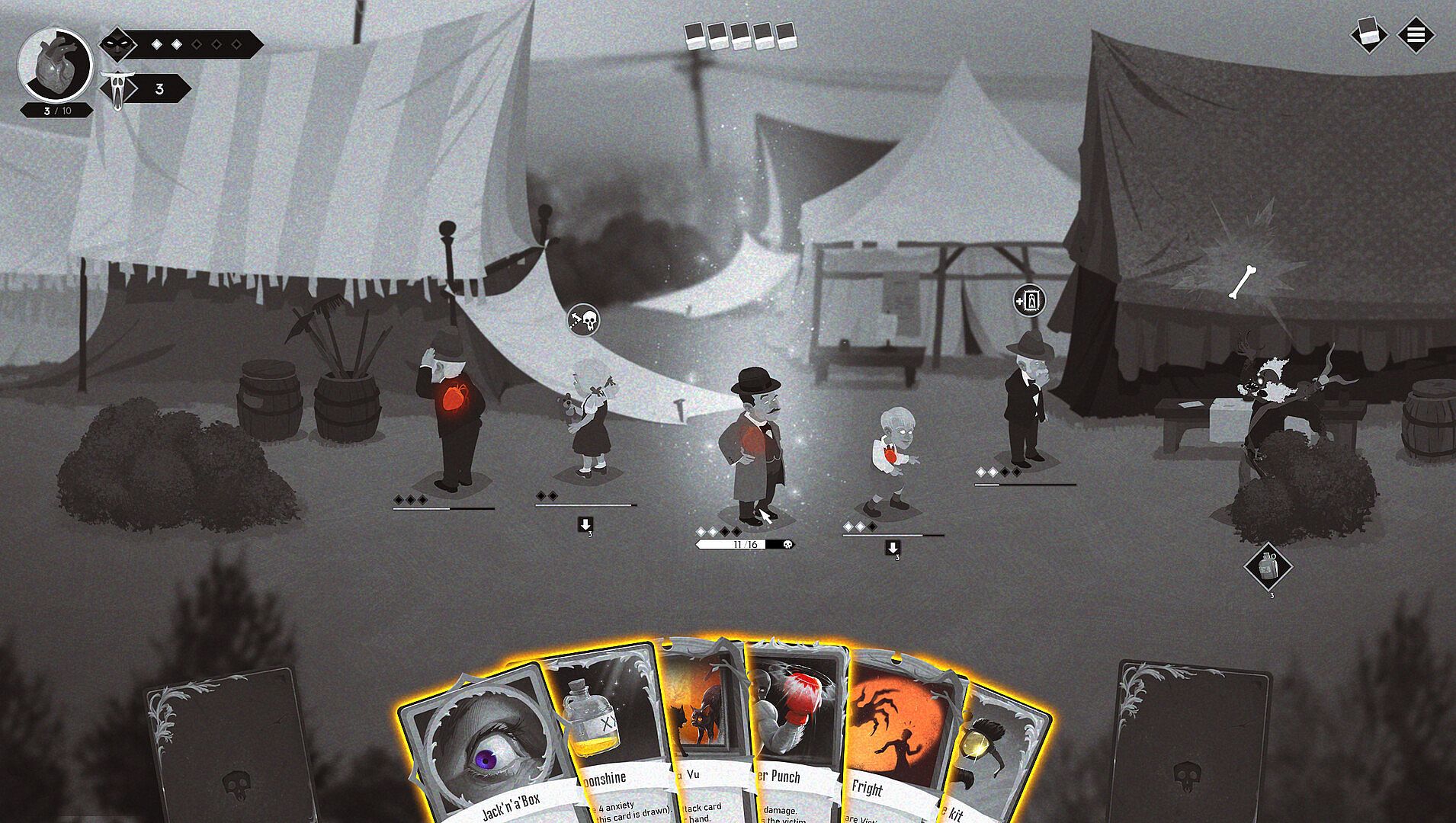
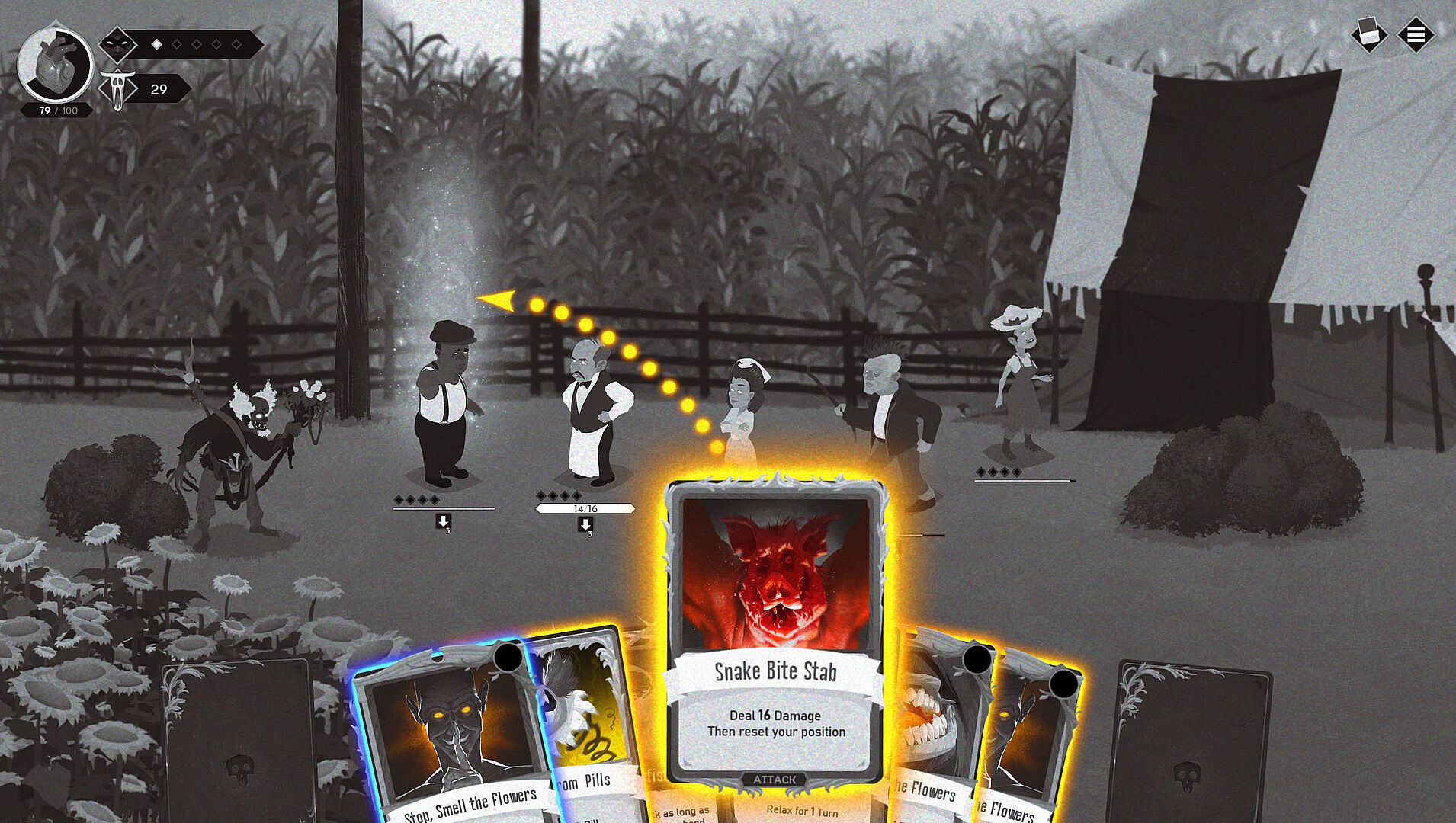
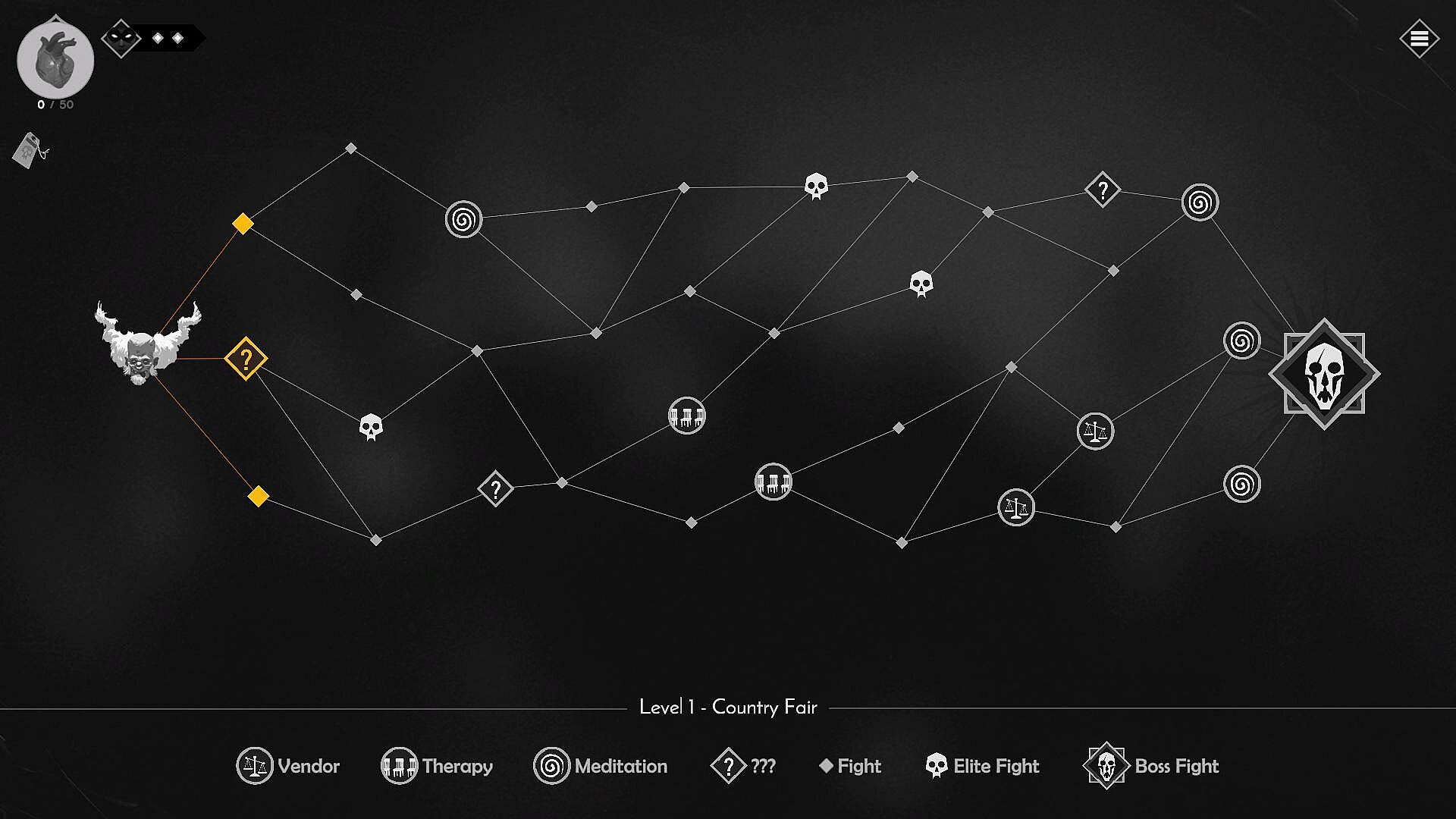
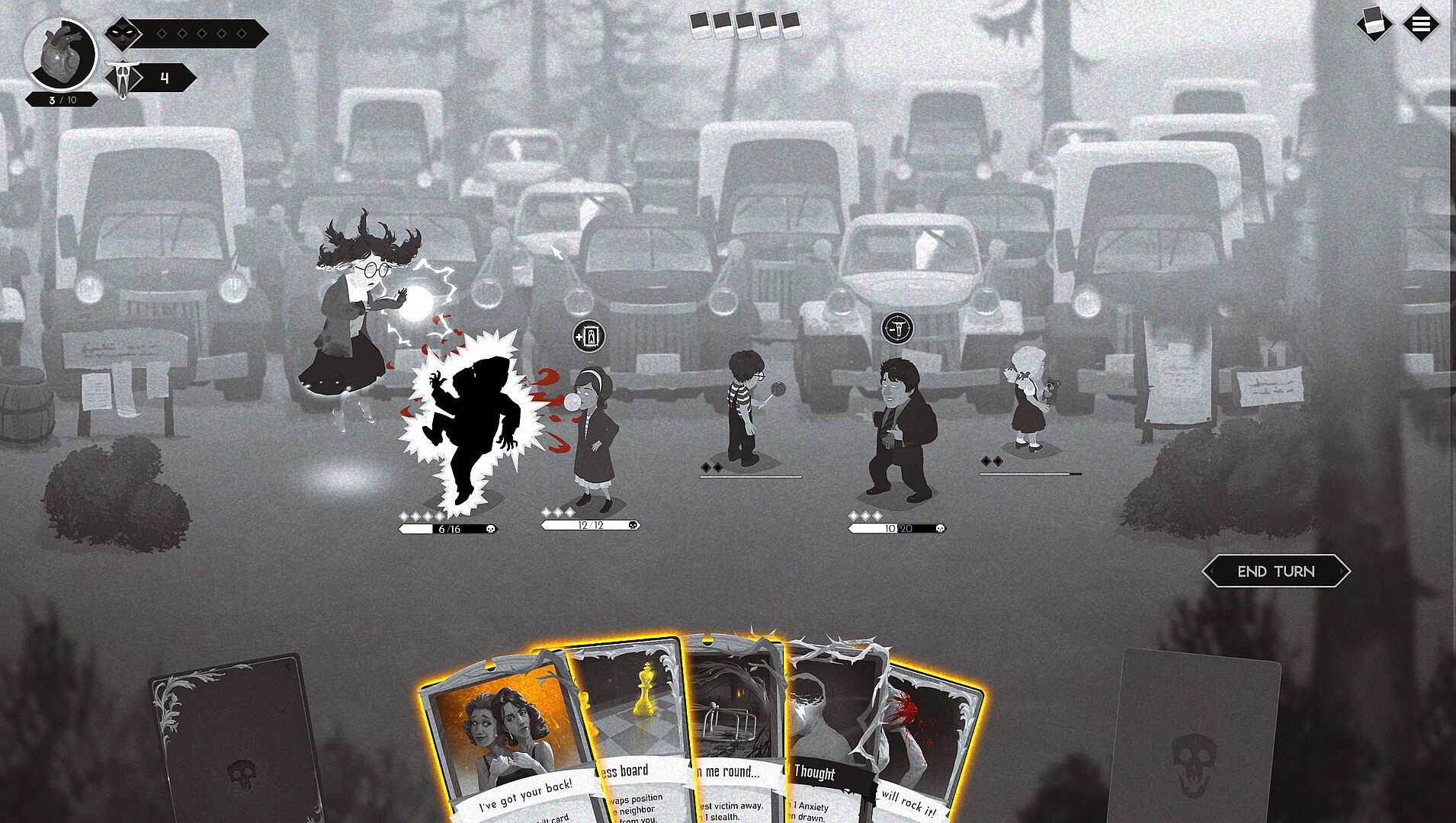
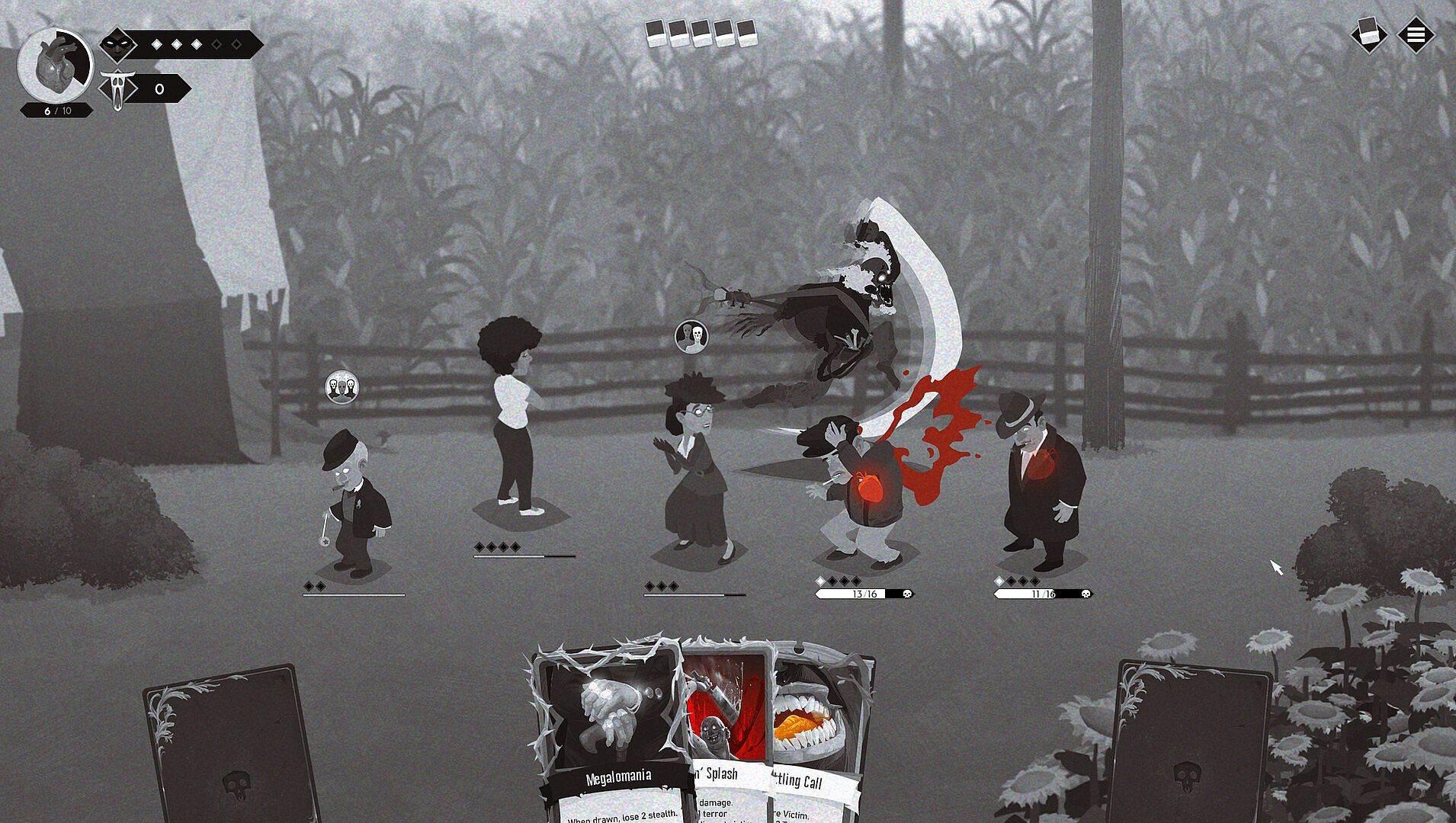
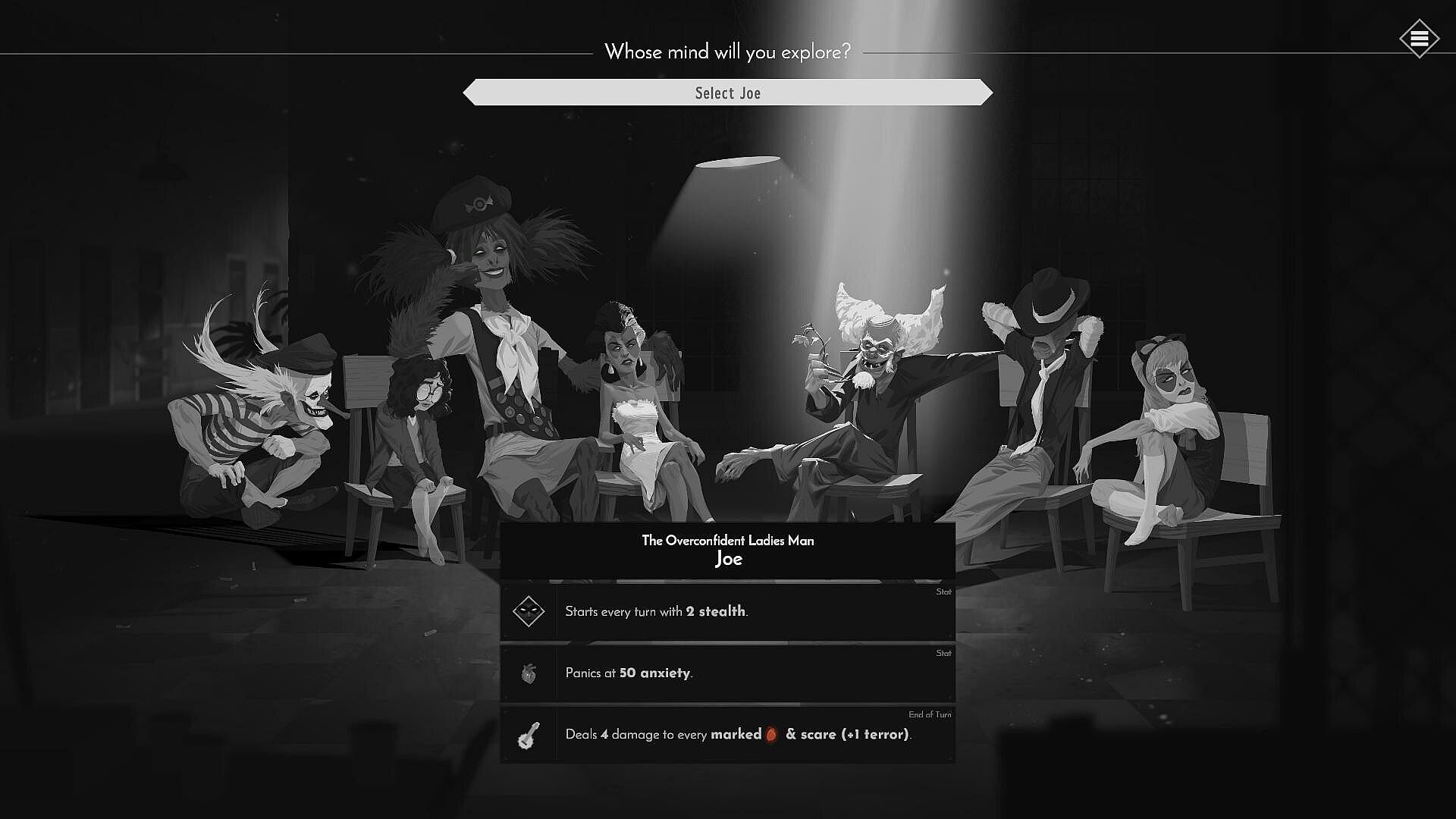
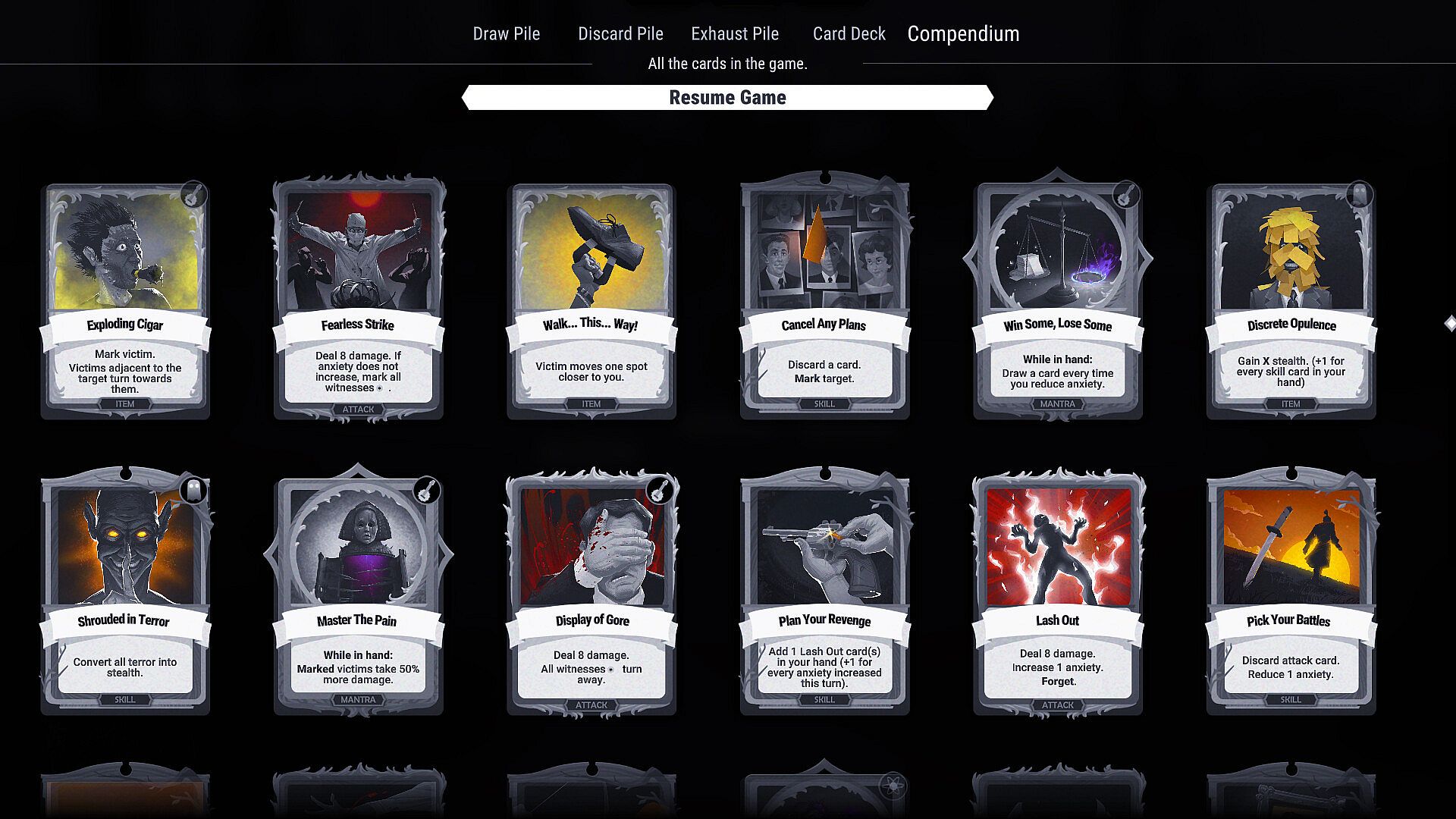
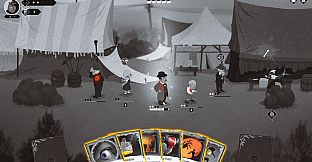
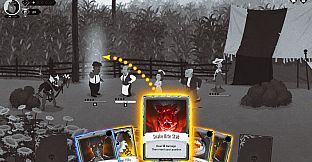
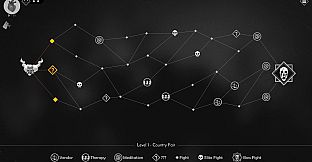
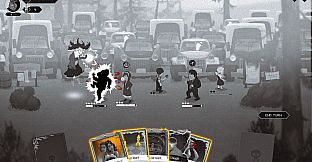
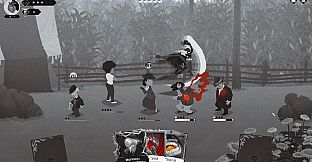
The core loop revolves around constructing and refining a deck of supernatural abilities tailored to each monster's personality and struggles. Players select from unique characters, such as a radioactive housewife or a ghost dealing with impostor syndrome, and navigate levels by using powers to distract enemies, position them for strikes, or execute chained combos for efficient eliminations. Stealth plays a central role, requiring careful planning to avoid detection while managing each monster's mental state to prevent breakdowns that could compromise the mission.
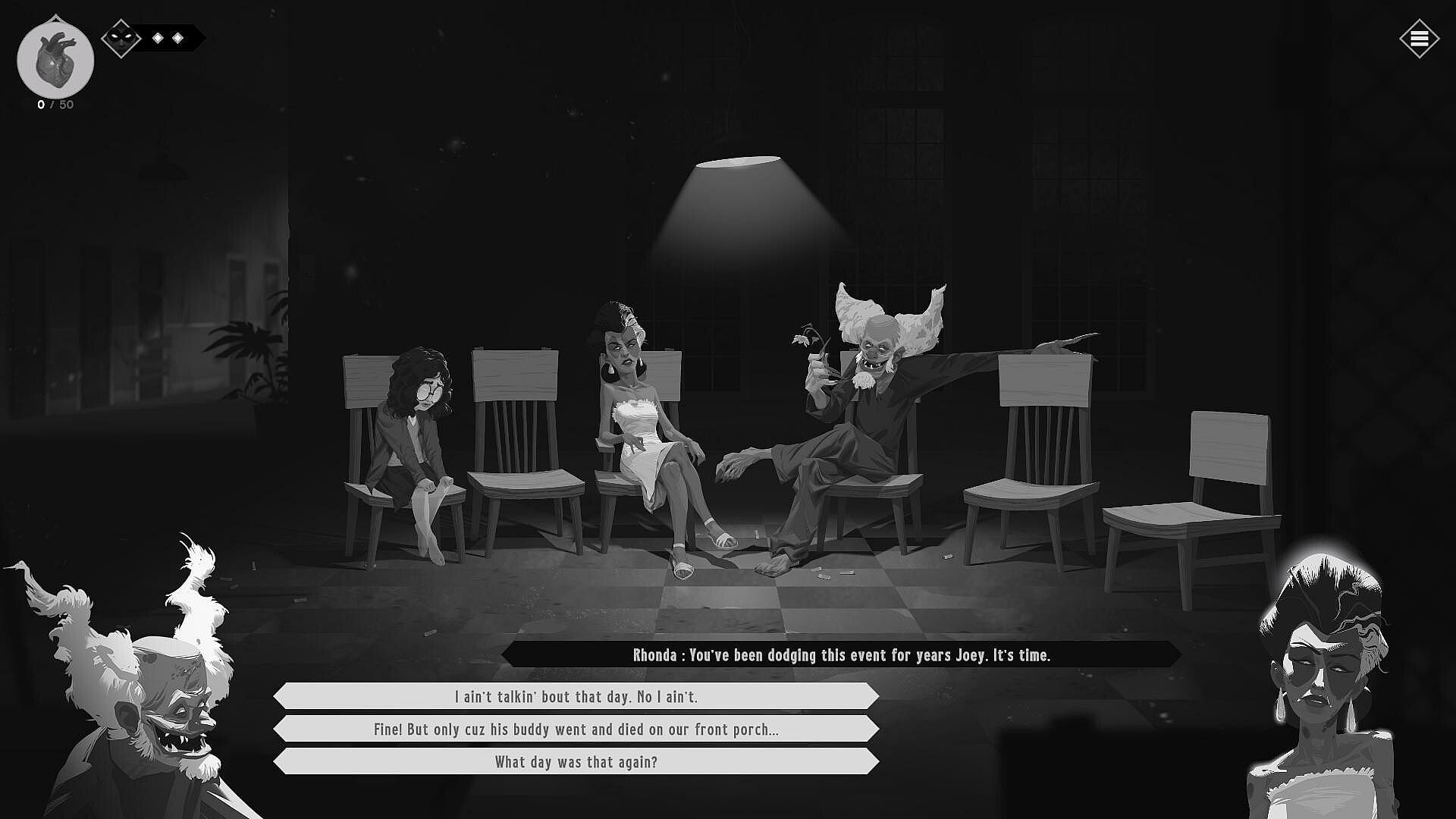
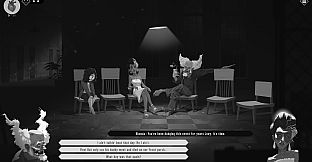
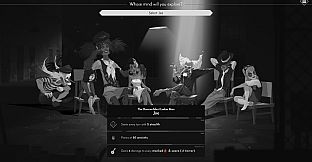
Character development ties directly into group dynamics. As monsters share experiences in a support group setting, bonds form through mutual approval, unlocking shared skills and new techniques that enhance both individual decks and team synergy. This system encourages experimentation with different power combinations while highlighting the ups and downs of each monster's psychological profile. Environmental variety adds depth, with missions spanning locations like bustling country fairs, dimly lit drive-in cinemas, and active film sets where players uncover layers of a larger conspiracy.
Well-being management remains a constant factor. Overuse of abilities or failed stealth attempts can heighten anxiety levels, forcing players to balance aggressive tactics with recovery moments that draw from the group's collective advice and past mistakes. The result is a thoughtful integration of tactical decision-making and character progression that rewards patience and creative deck synergy over brute force.
Game Modes
Monster Therapy centers on a single-player campaign that follows the monsters through an unfolding story of conspiracy and personal growth. The experience unfolds as a continuous narrative thread, with missions designed to interweave stealth objectives, deck customization, and interpersonal support mechanics. Progression occurs through story advancement and character bond strengthening rather than separate competitive or cooperative formats.
Within this structure, players revisit and refine their approach across varied environments, adapting decks to new threats while exploring how individual monster strengths interact during group assignments. The absence of additional modes keeps the focus squarely on the integrated loop of mental health navigation, stealth execution, and plot discovery.
Story and Characters
The narrative follows a cast of distinct monsters as they balance their duties with ongoing mental health management. Each character brings personal challenges that influence gameplay, from anxiety triggers to moments of self-doubt that players must account for when planning operations. Interactions within the support group provide both mechanical benefits and story insights, revealing how the team learns from collective experiences.
A larger threat emerges through the campaign, linking individual missions into a broader investigation. Locations serve as backdrops for both action and character moments, allowing the monsters to confront external dangers alongside their internal ones. The journey emphasizes resilience and mutual support without resolving every issue neatly by the end.
Is It Worth Playing?
Monster Therapy targets players who enjoy strategy games that merge deckbuilding with stealth elements and thematic depth around mental health. Its unique premise of anxious monsters forming bonds while executing missions offers a fresh take on the genre, particularly for those drawn to character-driven stories and tactical experimentation. Since the game remains in active development with an open invitation for community feedback, interested players can follow updates to see how the systems evolve before launch.
The blend of supernatural powers, environmental manipulation, and group progression mechanics suggests strong appeal for fans of thoughtful single-player experiences. Those who value careful planning over fast-paced action will likely find the well-being system and deck synergies engaging, while the narrative thread provides motivation to progress through the conspiracy plot. Early indicators point to a focused title best suited for players comfortable with indie strategy pacing and thematic exploration rather than broad multiplayer features.