


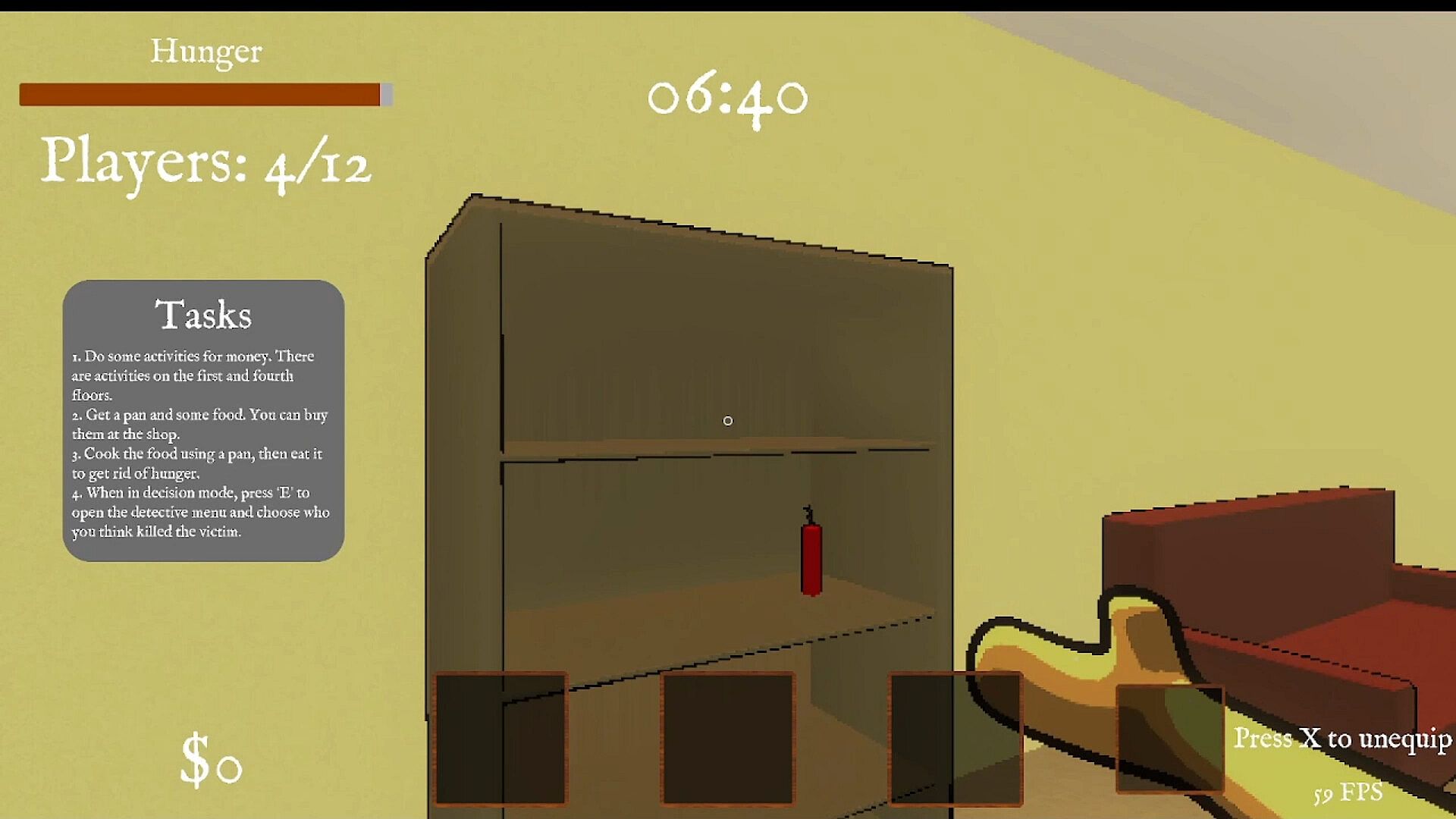
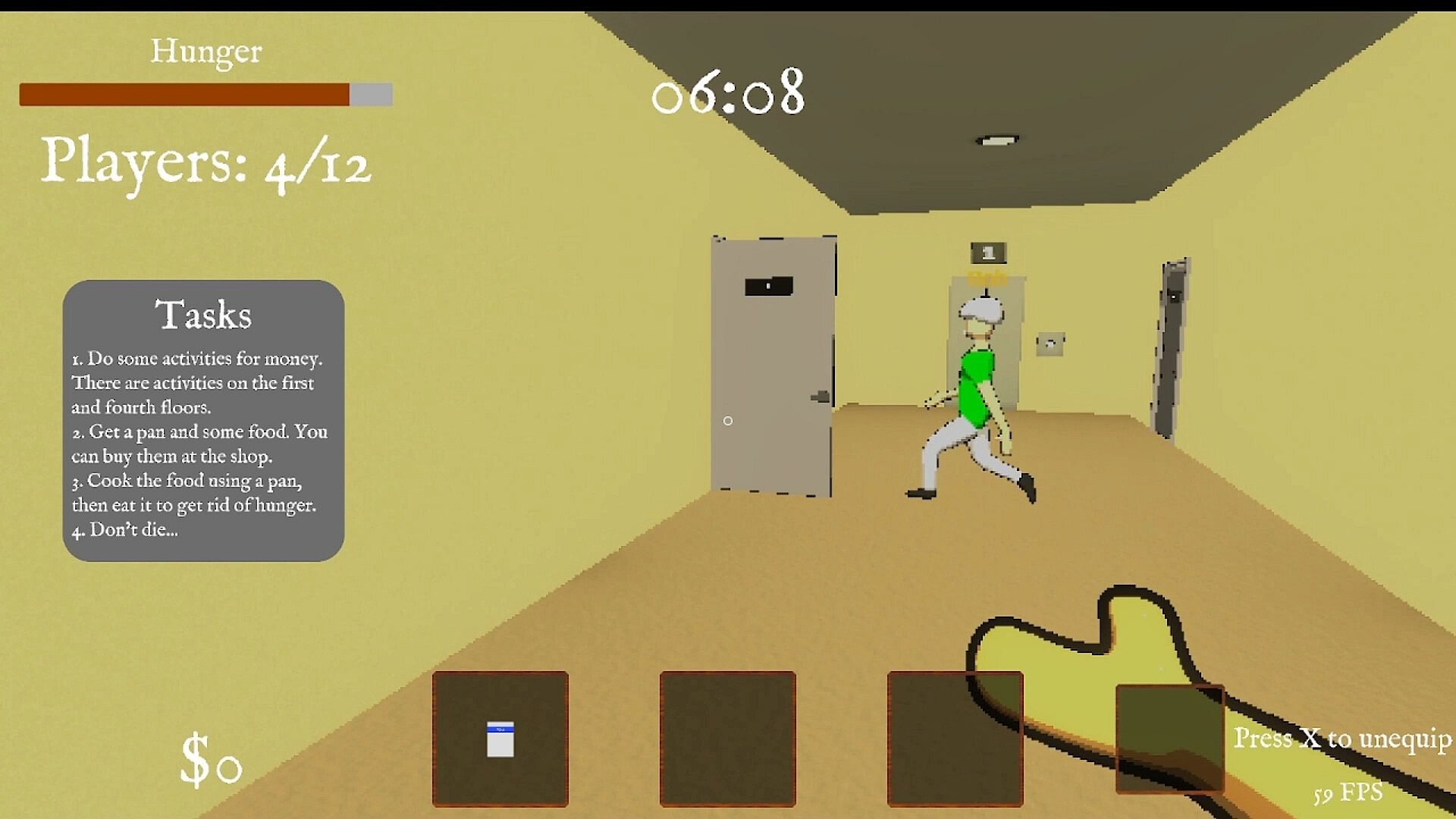
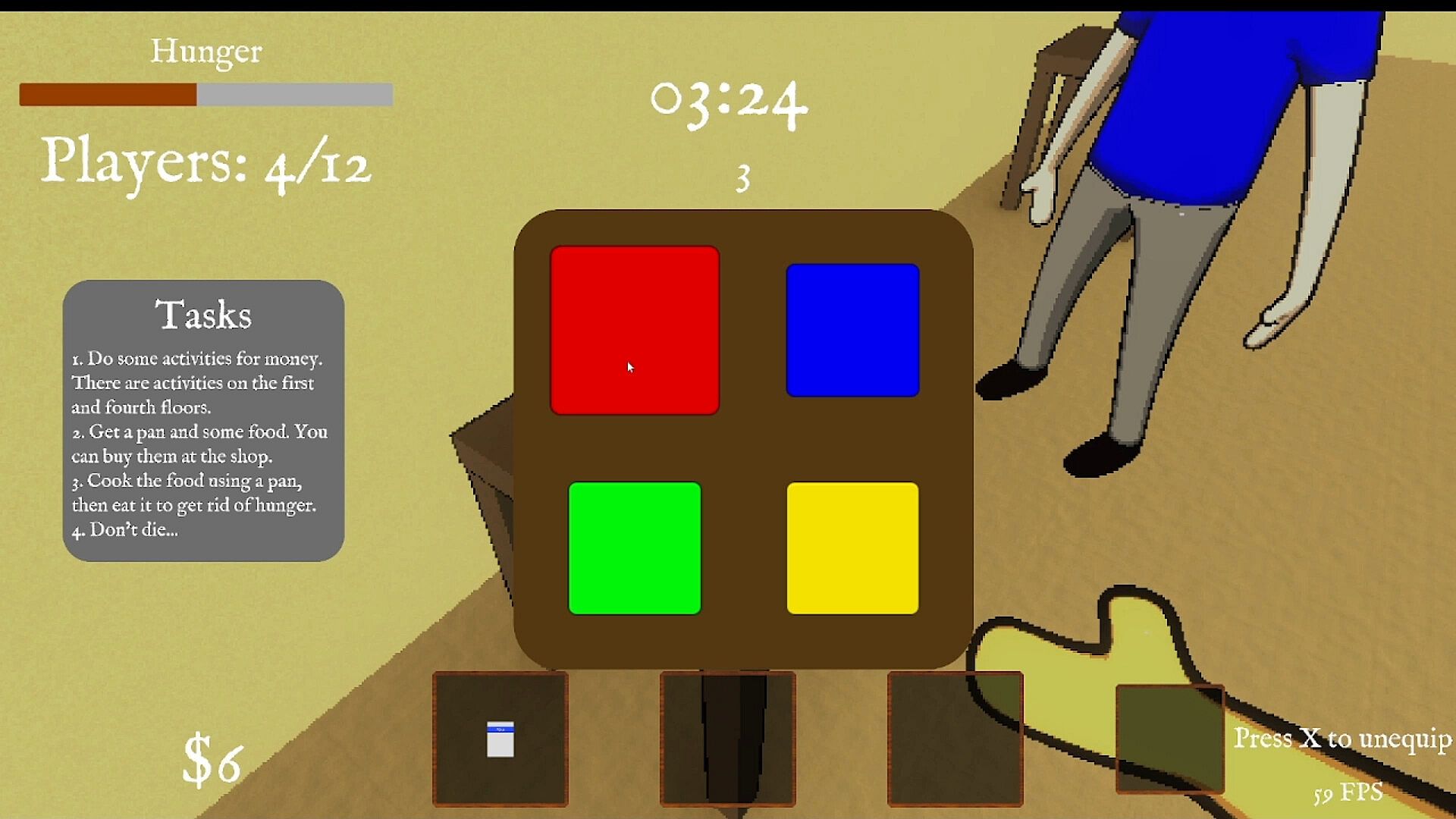
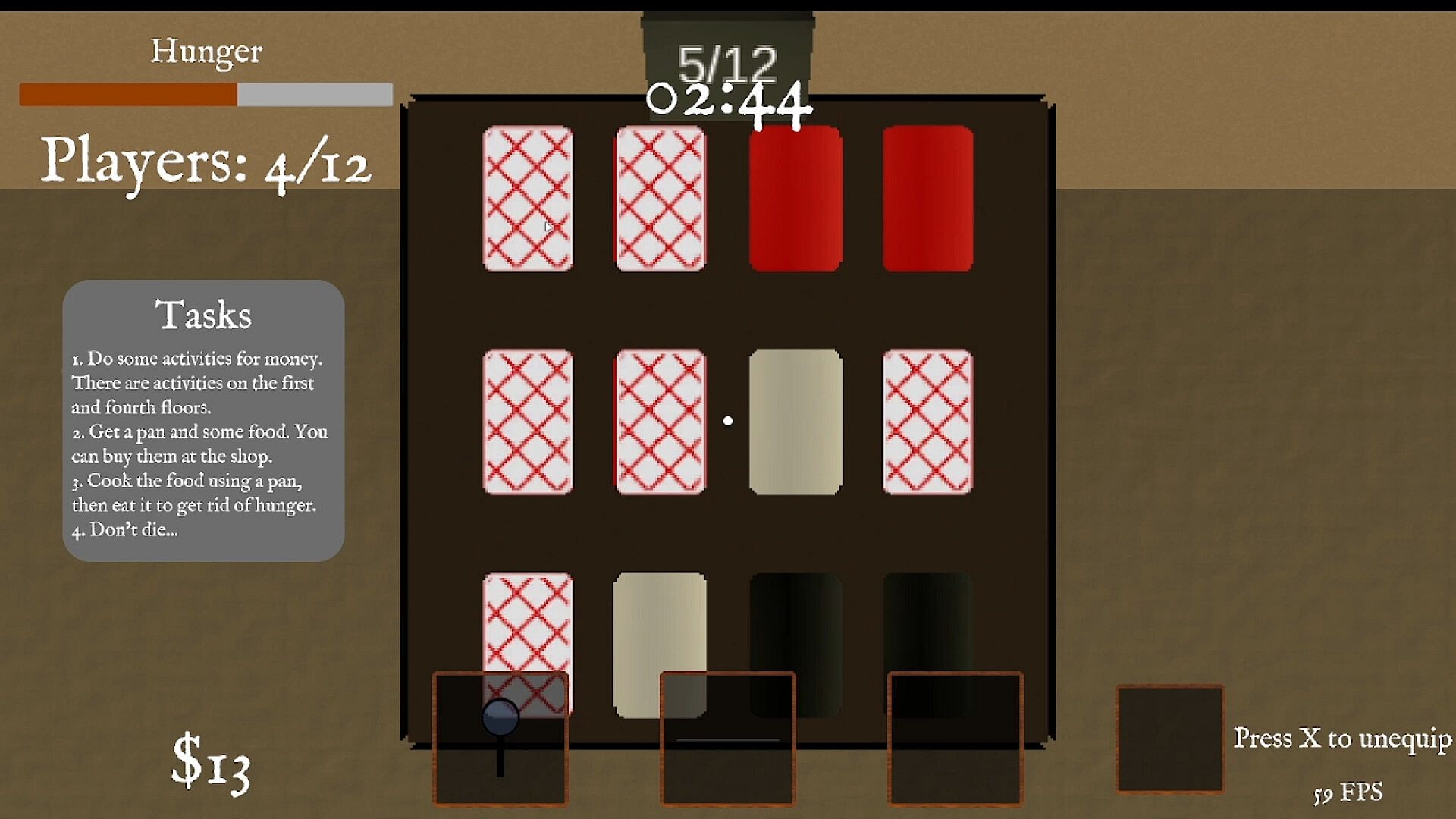



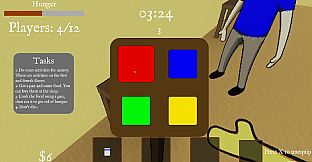


Morder is a social deduction strategy game developed for PC. Players take on hidden roles in sessions that emphasize planning, evidence management, and deduction through discussion and observation. The core setup pits one murderer against one detective while the remaining participants act as innocents who must survive and contribute to identifying threats.
Gameplay
The experience centers on a hidden-role structure where participants use proximity voice chat to communicate and gather information. The murderer selects targets and eliminates innocents while attempting to remove traces of each action. Success depends on timing strikes and managing any leftover clues that could point back to the perpetrator. The detective gathers physical evidence scattered across the environment and may place items to create false leads or confirm suspicions. Innocents focus on staying alive and sharing observations during group discussions to narrow down possibilities. All roles require careful strategy because every decision affects the overall outcome of the round. Sessions support groups of four to twelve participants, making coordination and quick thinking essential in both small and larger lobbies.
Game Modes
The primary format follows the established social deduction loop with fixed roles assigned at the start of each match. One player receives the murderer assignment and must eliminate others without detection. Another receives the detective role and works to collect evidence while potentially misleading the group. The rest fill innocent positions and contribute to survival and accusation phases. No additional named variants appear in available details, so every session revolves around this single core structure that blends casual pacing with strategic depth. Public lobbies allow play without a full friend group, though the game recommends coordinated parties for the best voice-chat experience.
Key Mechanics
Evidence handling forms the central tension. The murderer must dispose of items or traces left behind after each elimination to avoid exposure. The detective actively searches for those same traces and can introduce new objects to shift suspicion. Voice proximity limits how far conversations carry, encouraging players to move around the map and form temporary alliances or isolate targets. Casual elements appear in the straightforward role assignments and lack of complex progression systems, while strategy emerges from long-term planning across multiple rounds. The 4-12 player count keeps matches accessible yet unpredictable, as larger groups increase the challenge of tracking everyone's movements and statements.
Who the Game Appeals To
Morder suits players who enjoy social deduction titles that reward careful observation and verbal strategy over fast reflexes. Groups that already use voice chat for other multiplayer experiences will find the proximity system familiar and effective. Those seeking a lighter alternative to more intense competitive games may appreciate the casual tone combined with the need for tactical thinking. Sessions work well for repeated play because each round resets roles and locations, allowing fresh attempts at different approaches.
Is It Worth Playing?
The game delivers a focused social deduction loop built around evidence management and role-specific goals. Participants who value planning murders, hunting clues, and surviving through discussion will find the mechanics align directly with those interests. Availability on PC with support for public lobbies broadens access beyond private groups. Reception details remain limited at this stage, but the emphasis on proximity voice chat and 4-12 player scaling positions it for parties comfortable with verbal coordination. Players looking for straightforward hidden-role strategy without additional layers of progression or seasonal content can evaluate it based on how well the core deduction loop matches their preferred style of play.