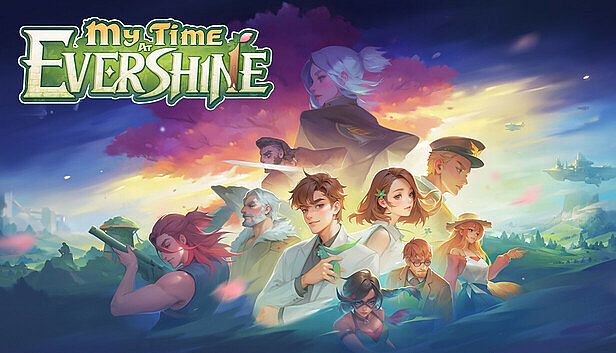



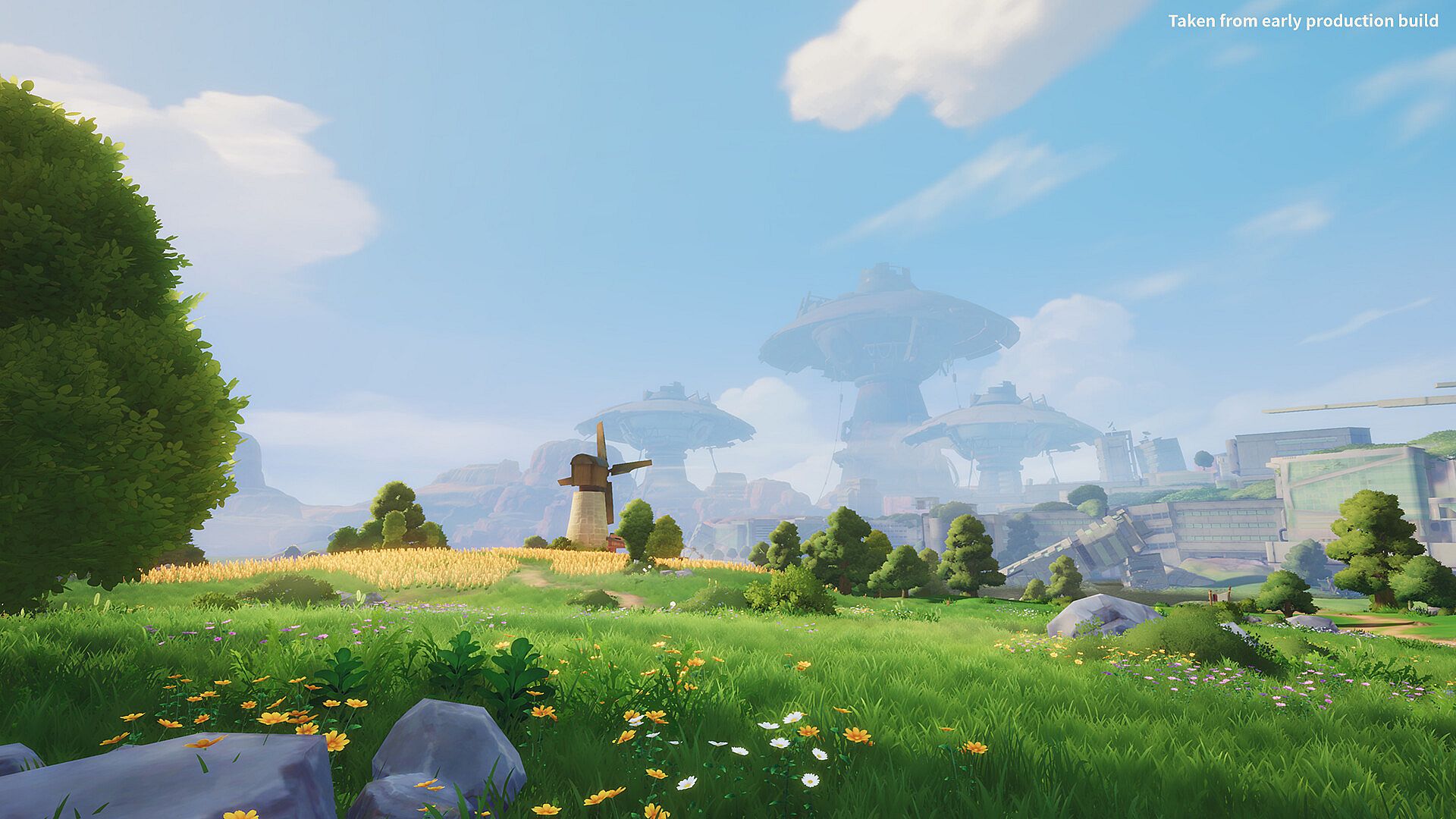

My Time at Evershine stands out as a simulation RPG that blends open-world exploration with settlement building in a post-apocalyptic setting. Set 330 years after a catastrophic event known as the Day of Calamity, the game unfolds in a world where humanity is rebuilding. You step into the role of the governor of a new settlement, tasked with developing infrastructure, recruiting residents, and navigating tensions between factions like the Duvos Empire and the Alliance of Free Cities. This entry in the series builds on its predecessors by emphasizing cooperative play and personal relationships, all within a wholesome atmosphere that encourages creativity and community growth.
Gameplay
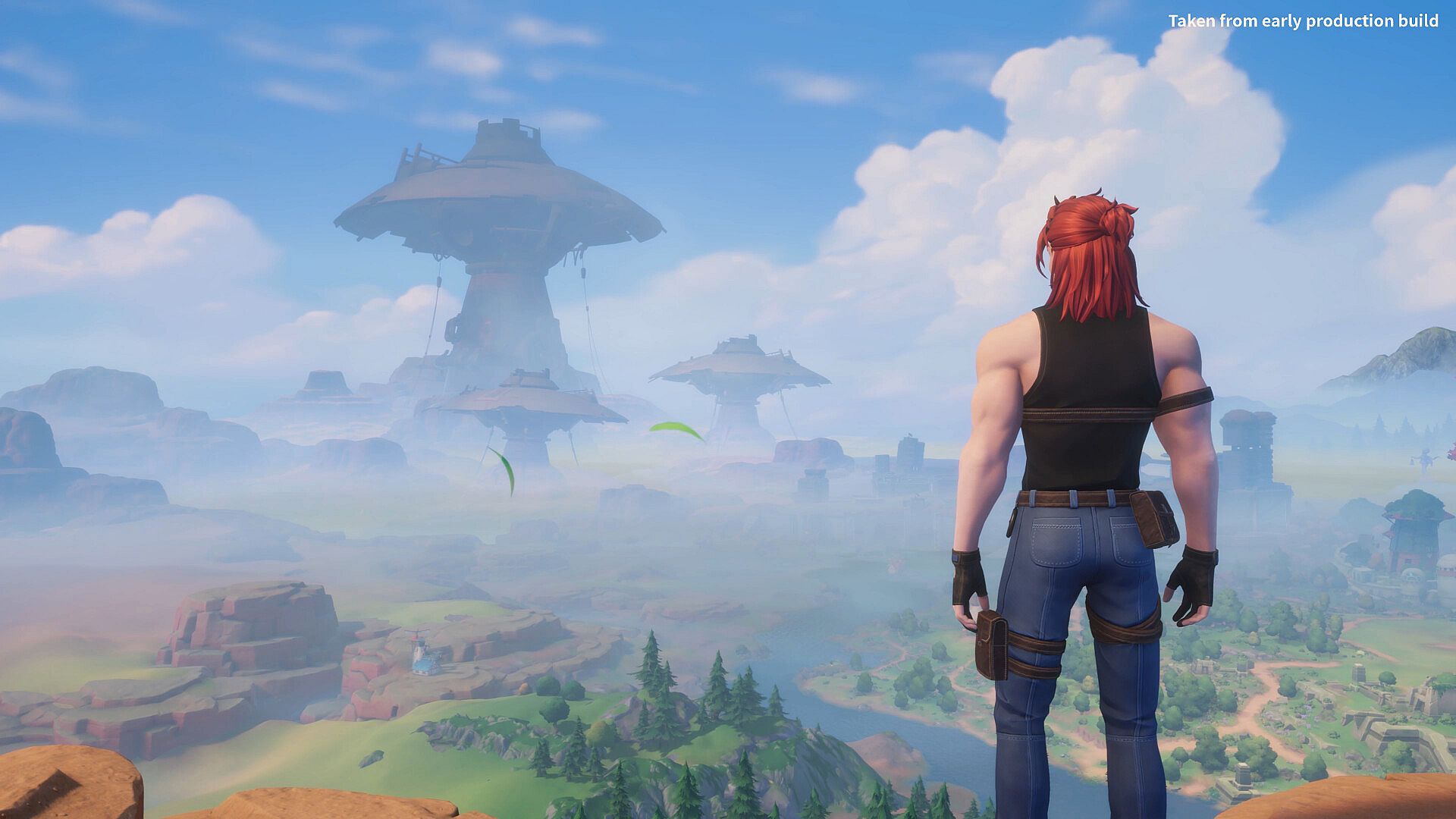
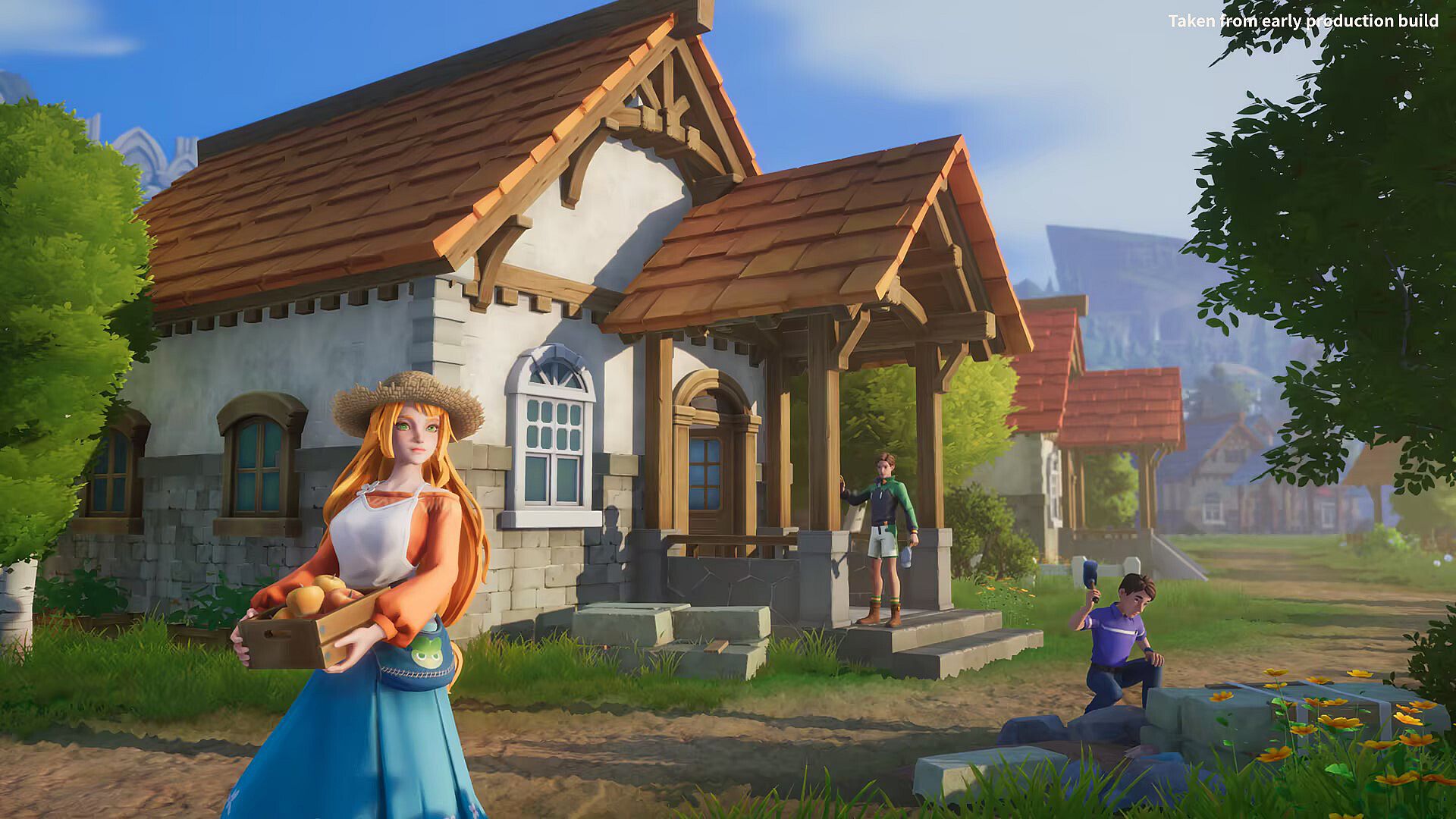
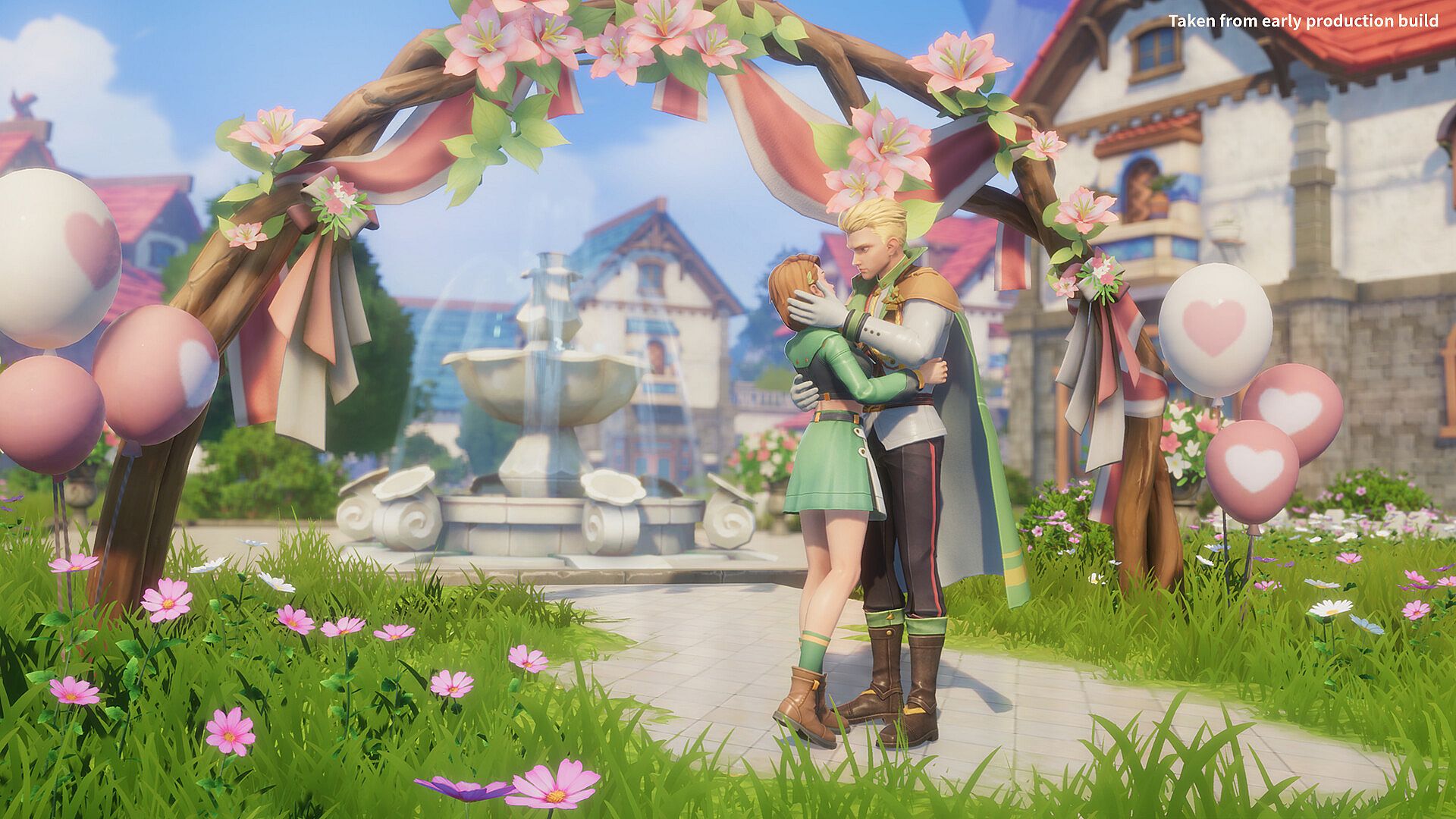
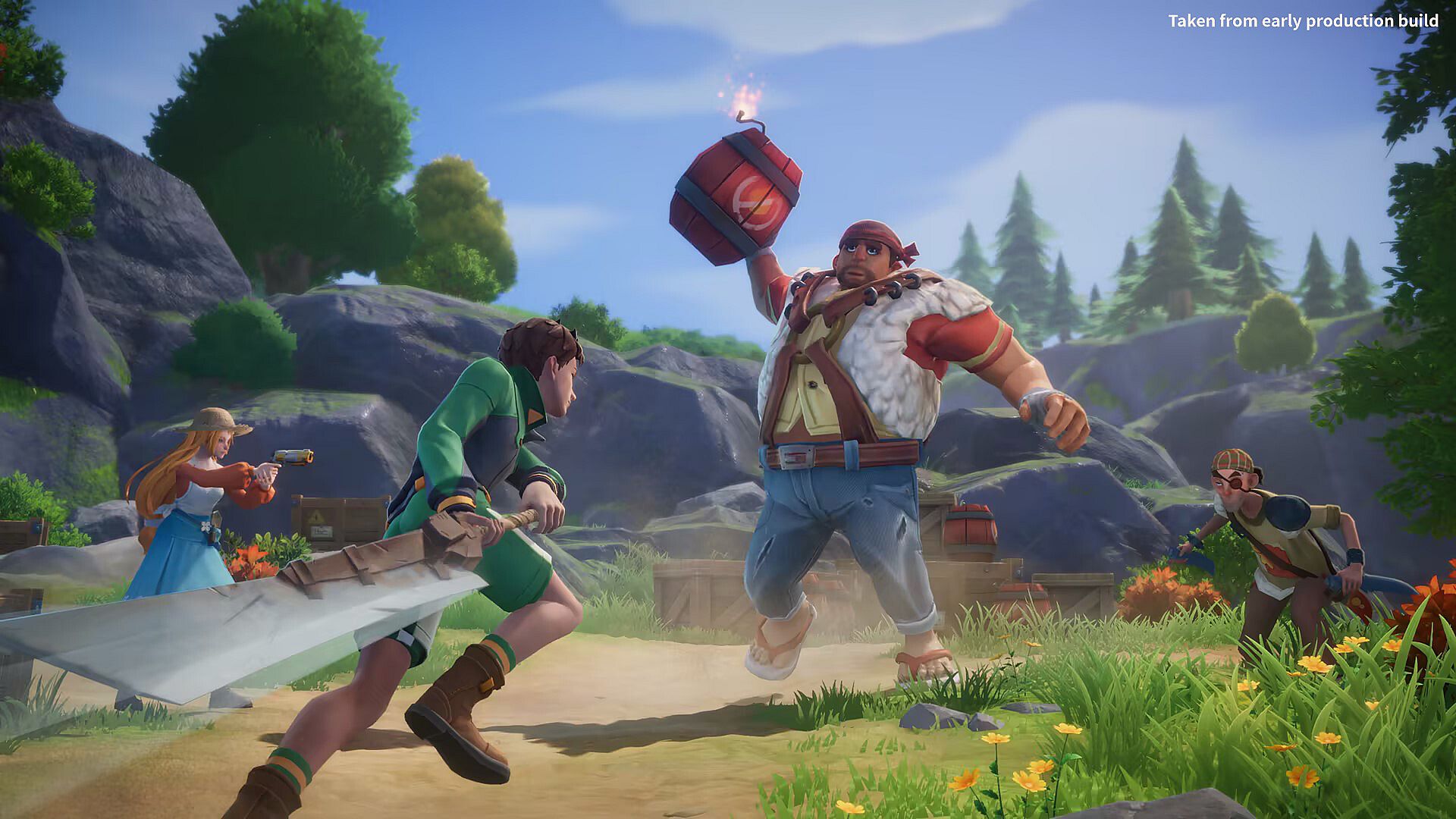
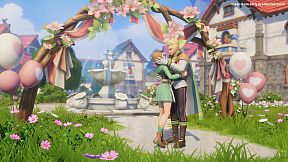
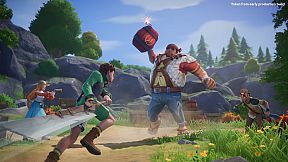
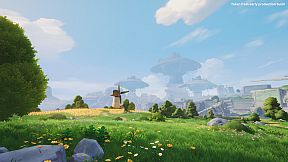
The core loop revolves around managing and expanding your settlement in the Northern Eufaula region. You gather resources, construct buildings using either prefabricated designs for efficiency or custom piece-by-piece methods for personalization. Recruiting settlers is key, as they contribute to various tasks like construction, resource gathering, and defense. Combat involves assigning up to three followers to assist in battles against threats in the wilds, while exploration mechanics allow climbing and gliding across the terrain. Romantic interactions with ten core NPCs add depth, with relationships evolving through dialogue and shared activities. Mini-games and seasonal events provide variety, breaking up the routine of building and questing.
Side quests expand the narrative, revealing backstories of unique NPCs and the broader world. Followers not only aid in fights but also help with acquisition and building, making progression feel collaborative. The game's art direction supports high customization for your character and settlement, ensuring each playthrough reflects individual choices.
Game Modes
Singleplayer mode lets you tackle the story solo, focusing on personal governance and exploration at your own pace. The narrative progresses through missions tied to the North Development Plan, where you build up the Evershine settlement amid regional conflicts.
Multiplayer co-op supports up to four players working together. In this mode, groups collaborate on constructing the town, recruiting settlers, engaging in combat, and exploring dungeons. Shared experiences extend to romantic moments and legacy-building, fostering teamwork in shaping the settlement's future.
Story and World
The plot picks up three years after events in previous titles, centering on border tensions in the Northern Eufaula area. As governor, you report to Director Mr. Gaudi and work to establish a strong city-state for defensive purposes. Interactions with over twenty NPCs, each with distinct personalities, build a sense of community. The world features ruins like the Orzu Ruins, claimed by rival factions, adding layers of intrigue and adventure.
Is It Worth Playing?
If you enjoy simulation RPGs with a mix of building, relationships, and light combat, this game offers a compelling experience rooted in community development and exploration. The series has built a following for its approachable post-apocalyptic themes and cooperative elements, making it appealing for players who prefer creative freedom over intense action. With ongoing development in alpha stages and community discussions highlighting anticipation for features like improved follower systems, it suits those seeking a relaxed yet engaging title. However, if combat-heavy games are your preference, the focus here leans more toward management and social bonds.