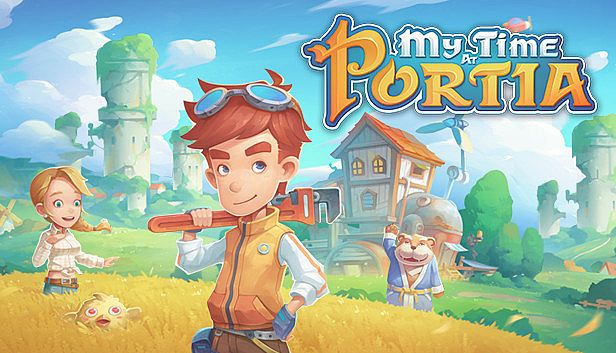































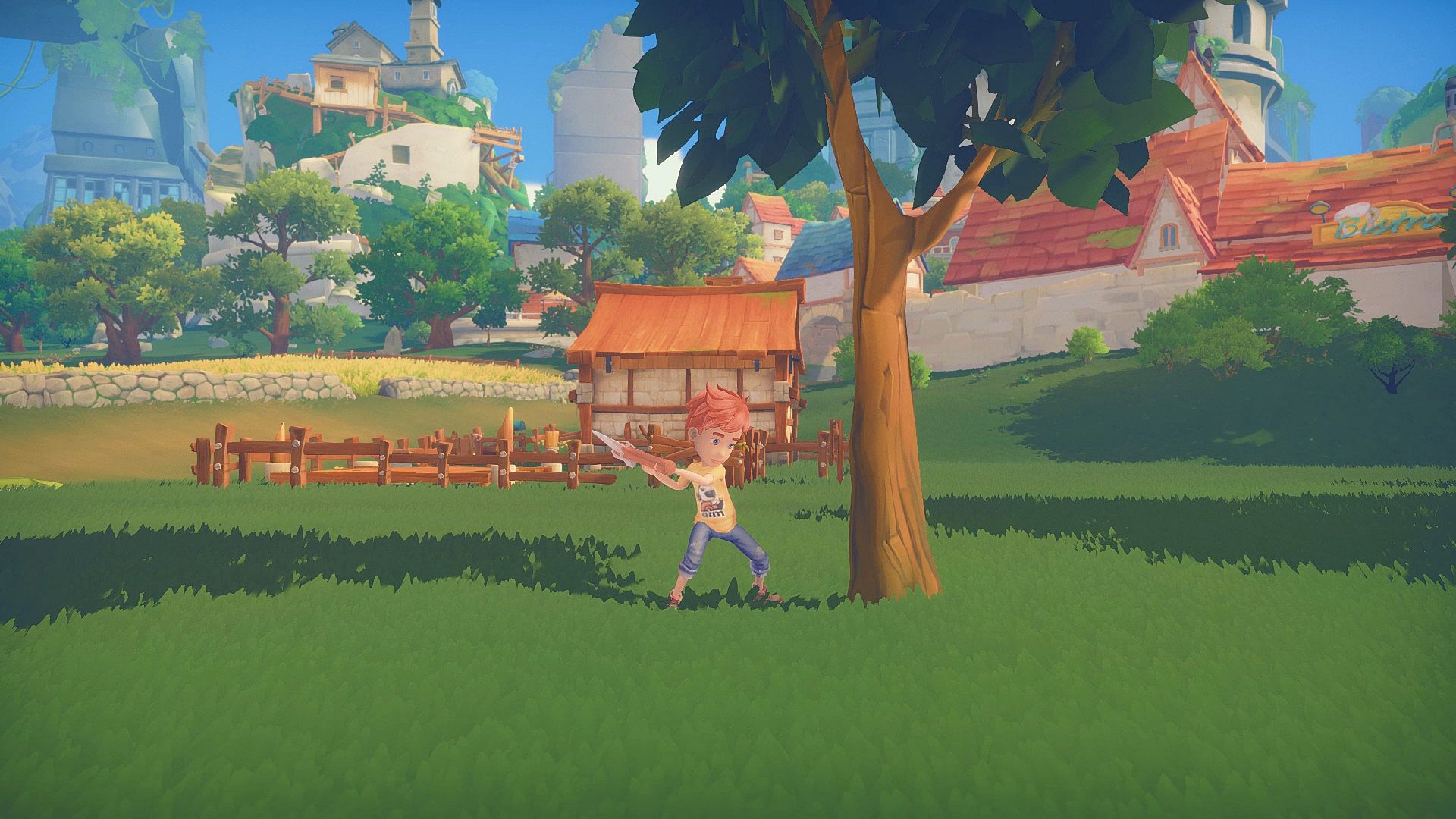
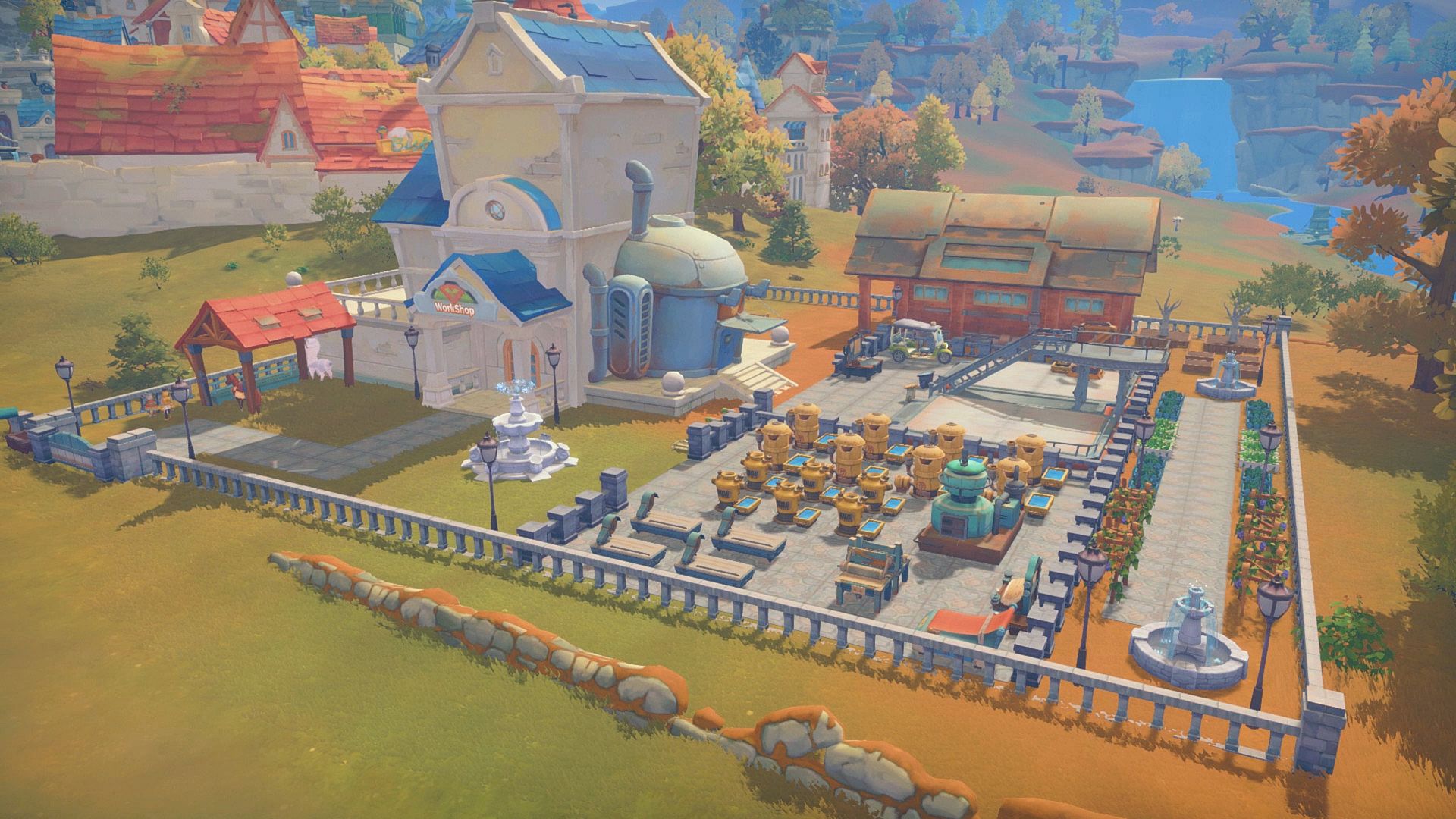
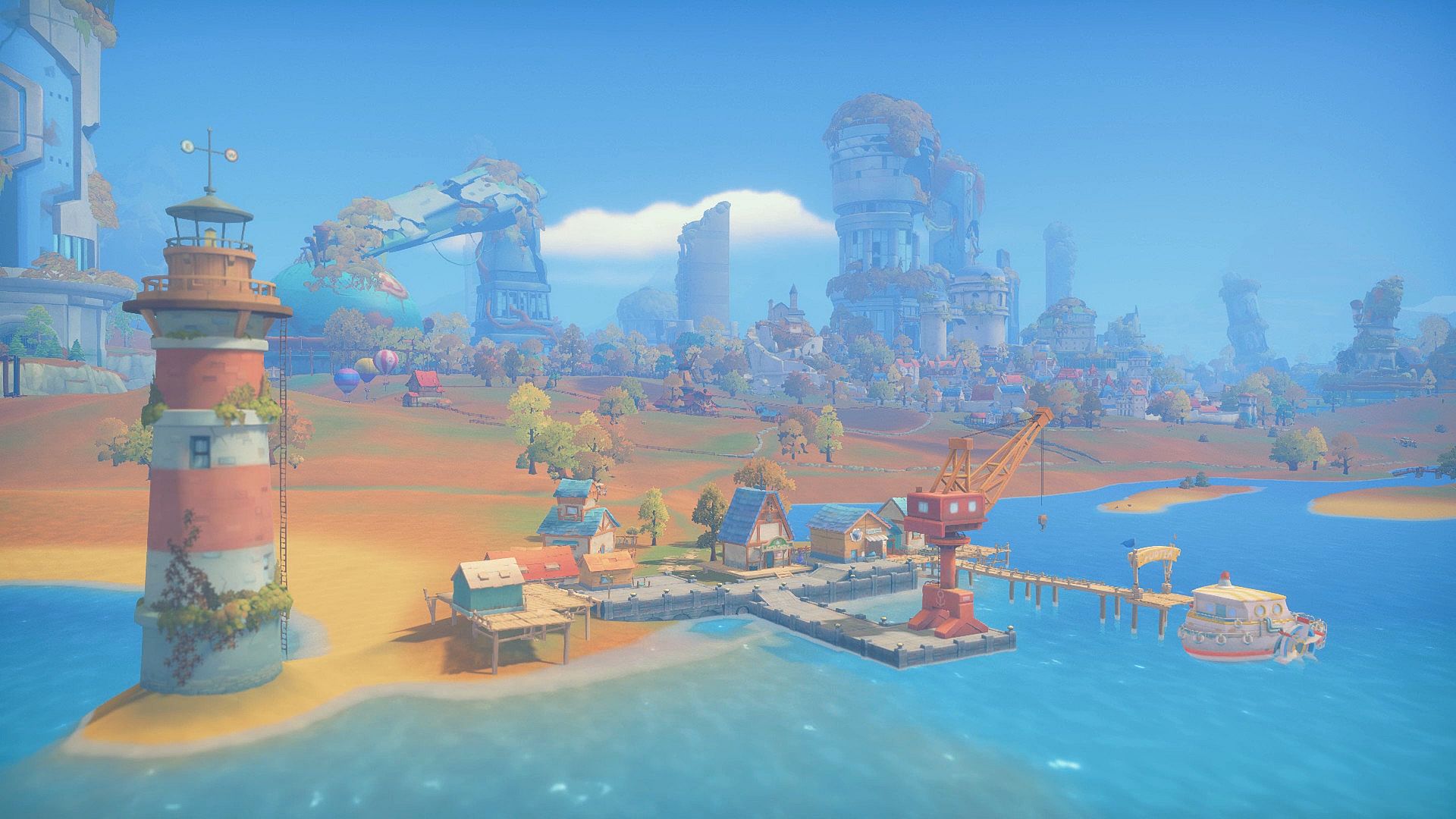
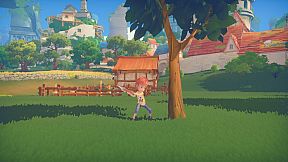
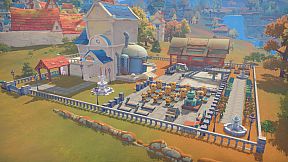
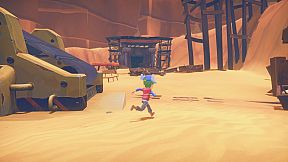

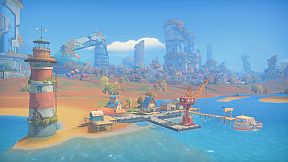

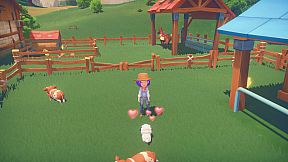
My Time at Portia stands out as a simulation RPG with adventure elements, blending crafting, farming, and exploration in a post-apocalyptic setting. Released in 2019 for PC, this single-player title invites you to rebuild a workshop in the town of Portia, interact with a lively community, and uncover hidden secrets. Drawing inspiration from Studio Ghibli's whimsical style, it combines resource gathering with social interactions and light combat, making it a cozy choice for those who enjoy life simulation games.
Gameplay
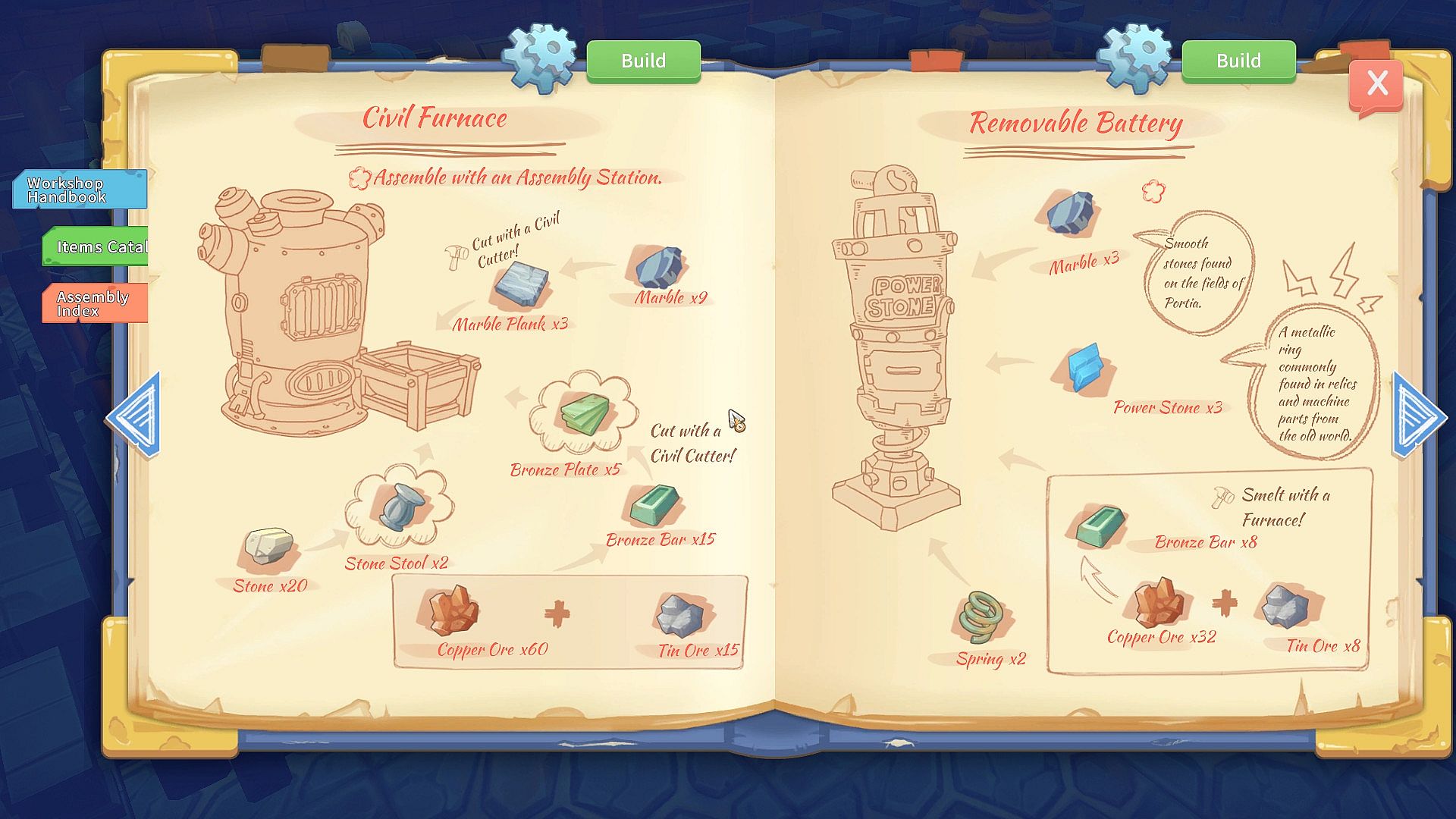
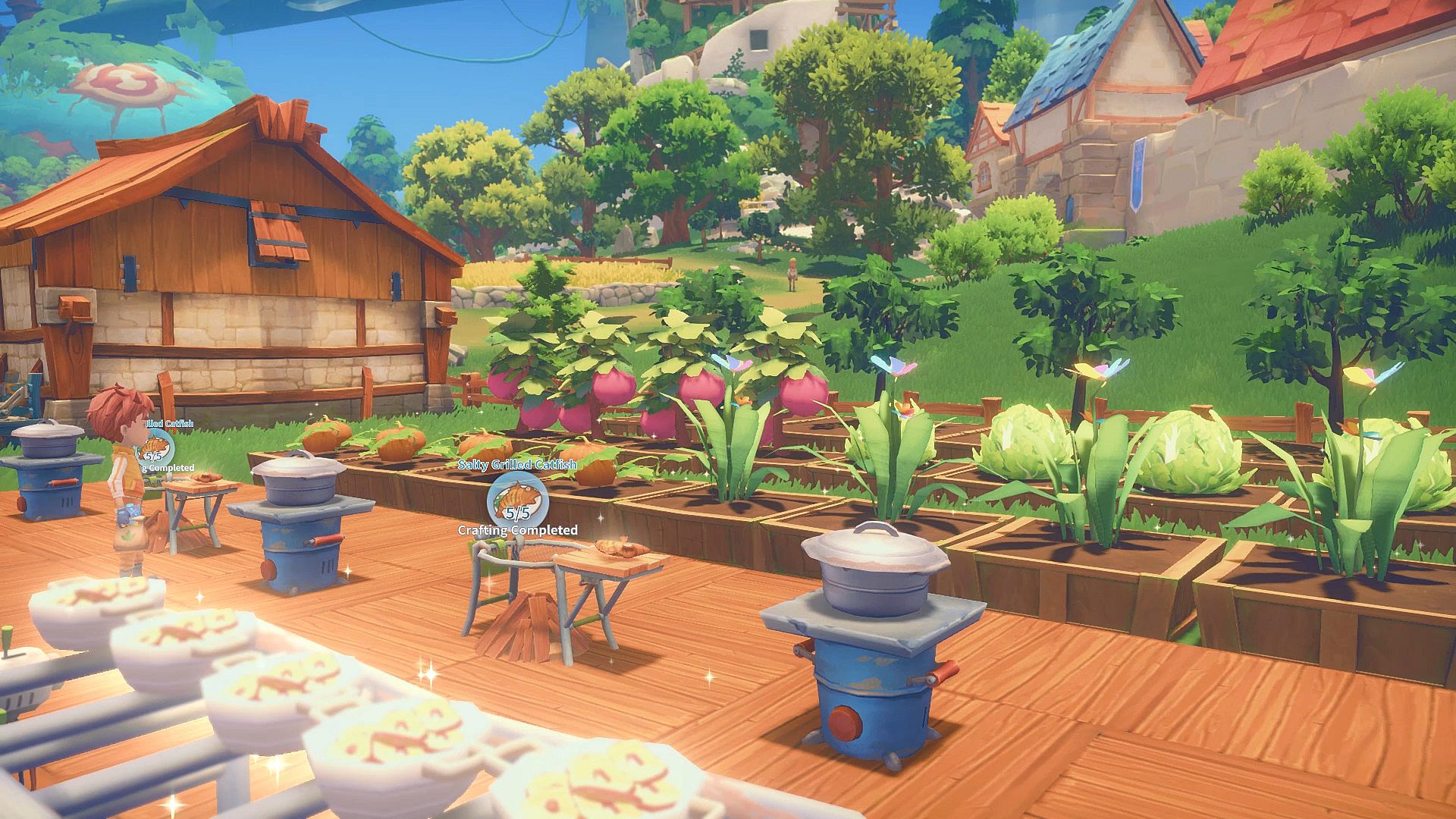
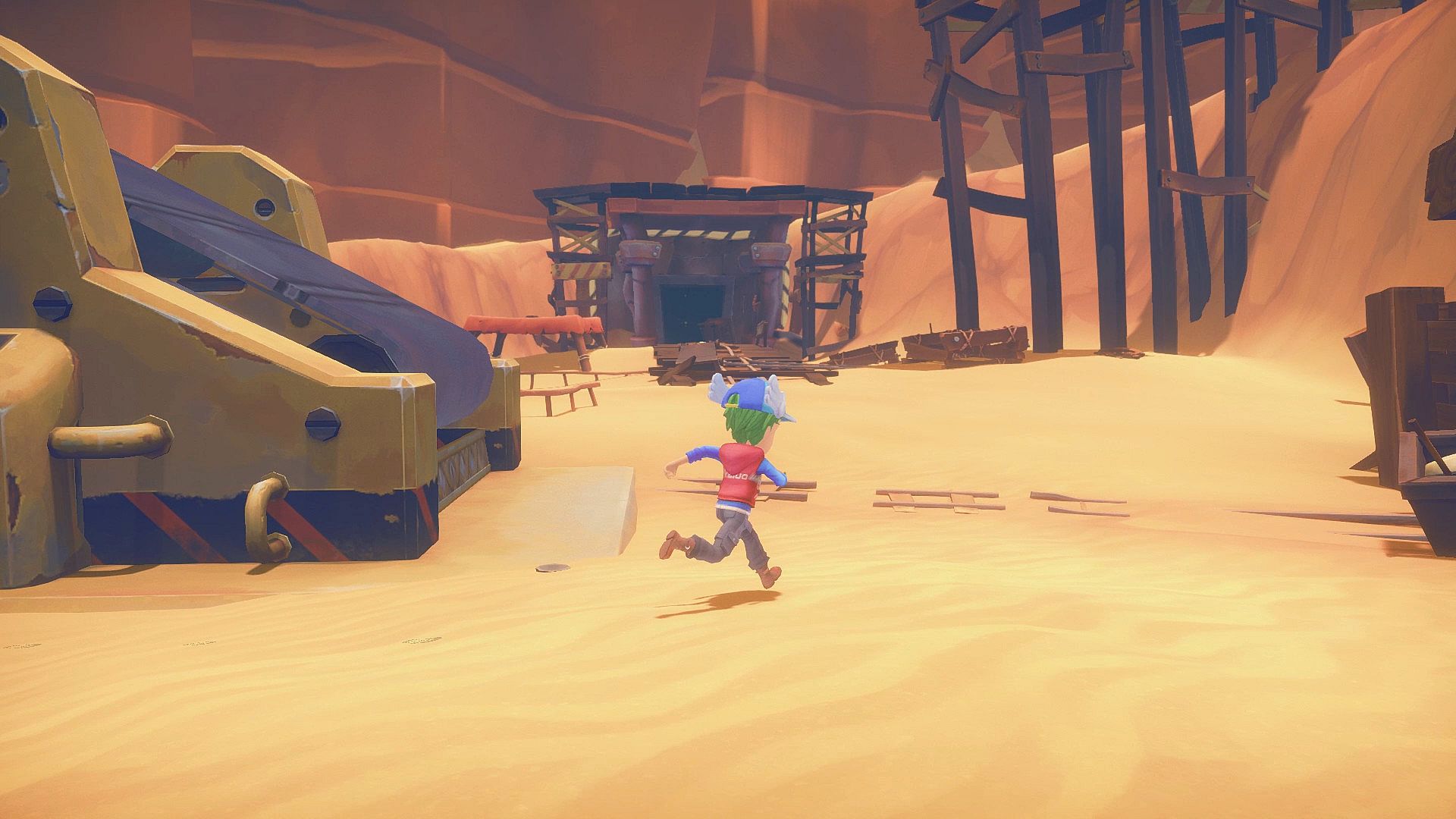
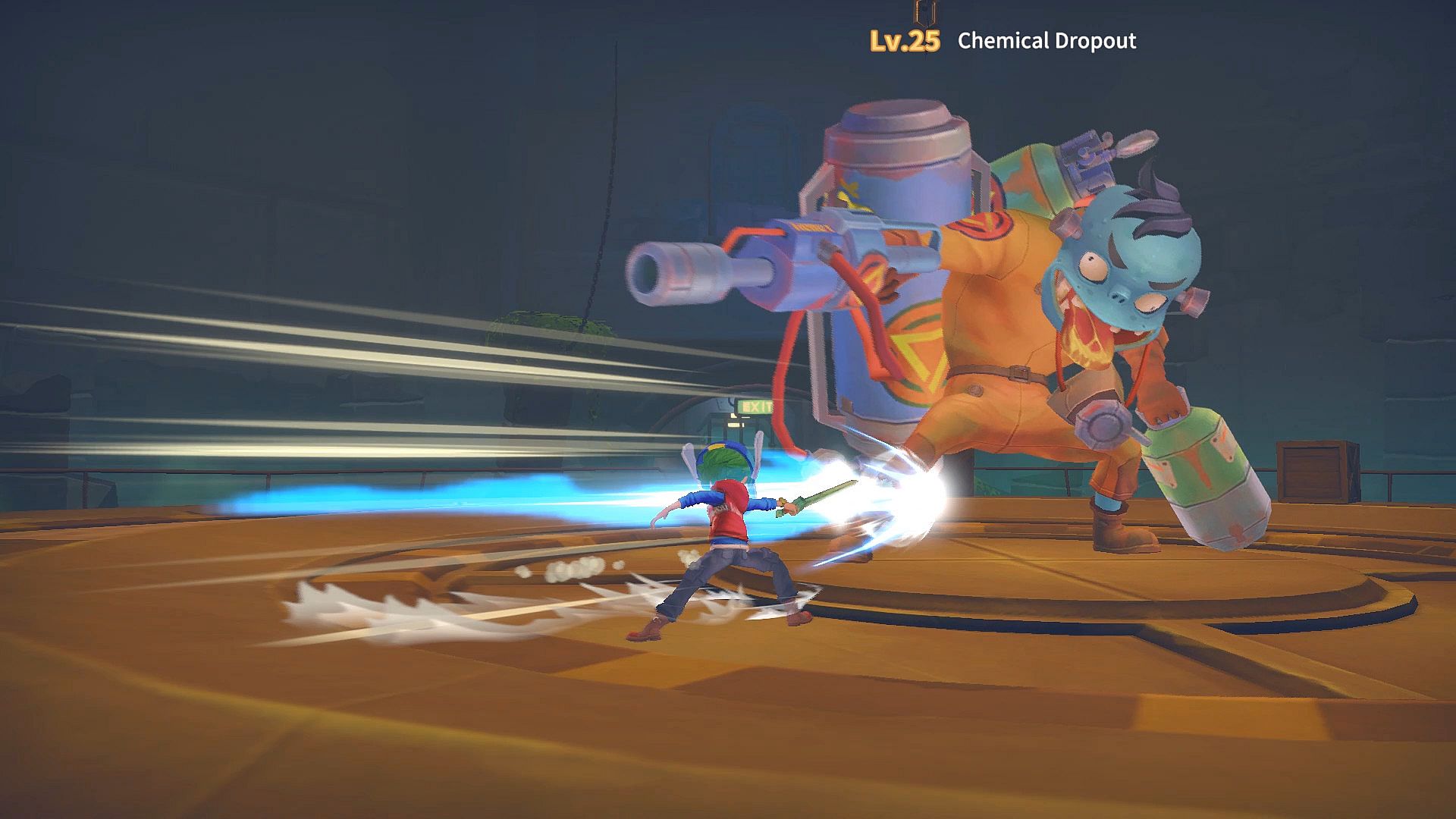
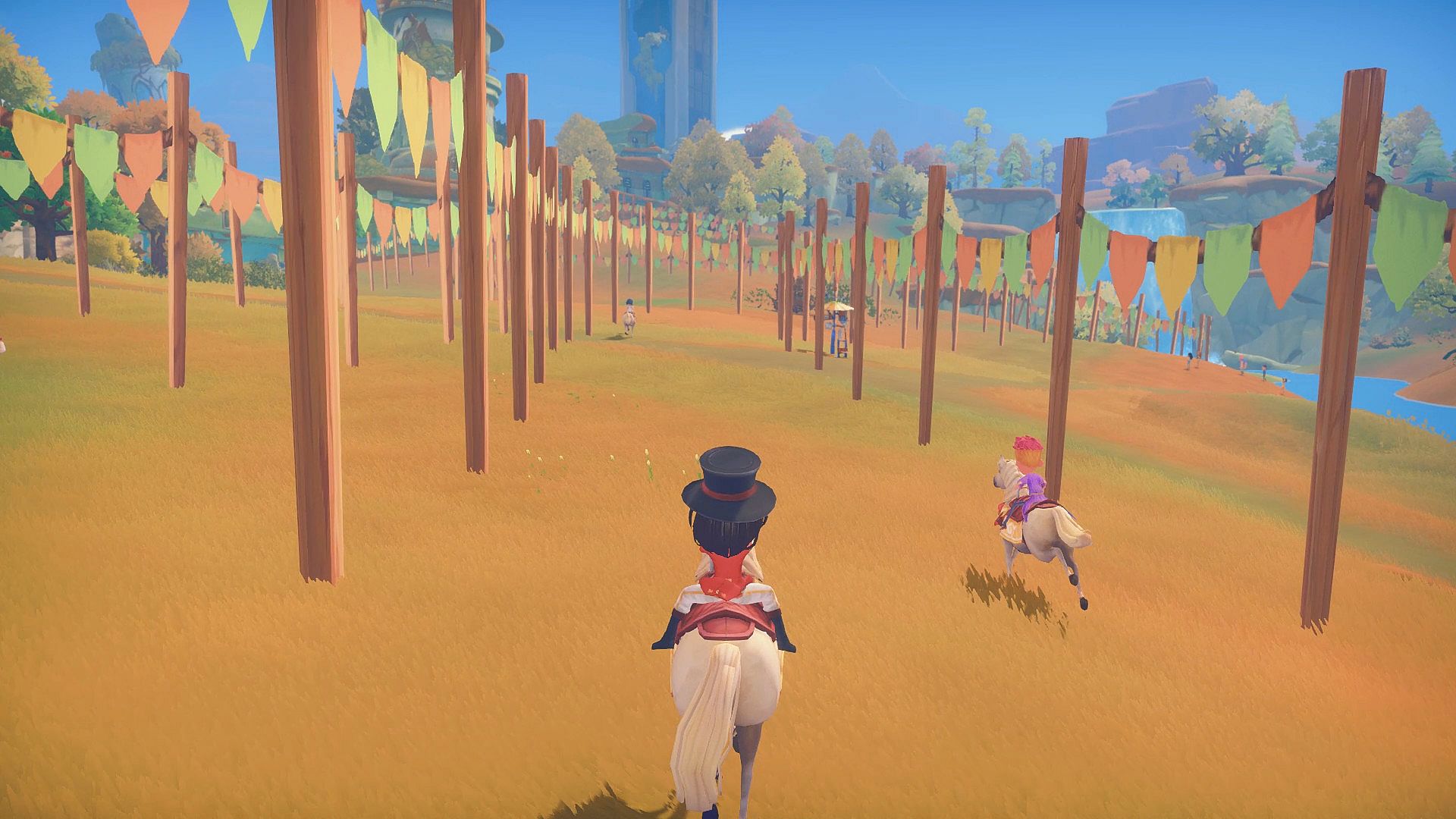
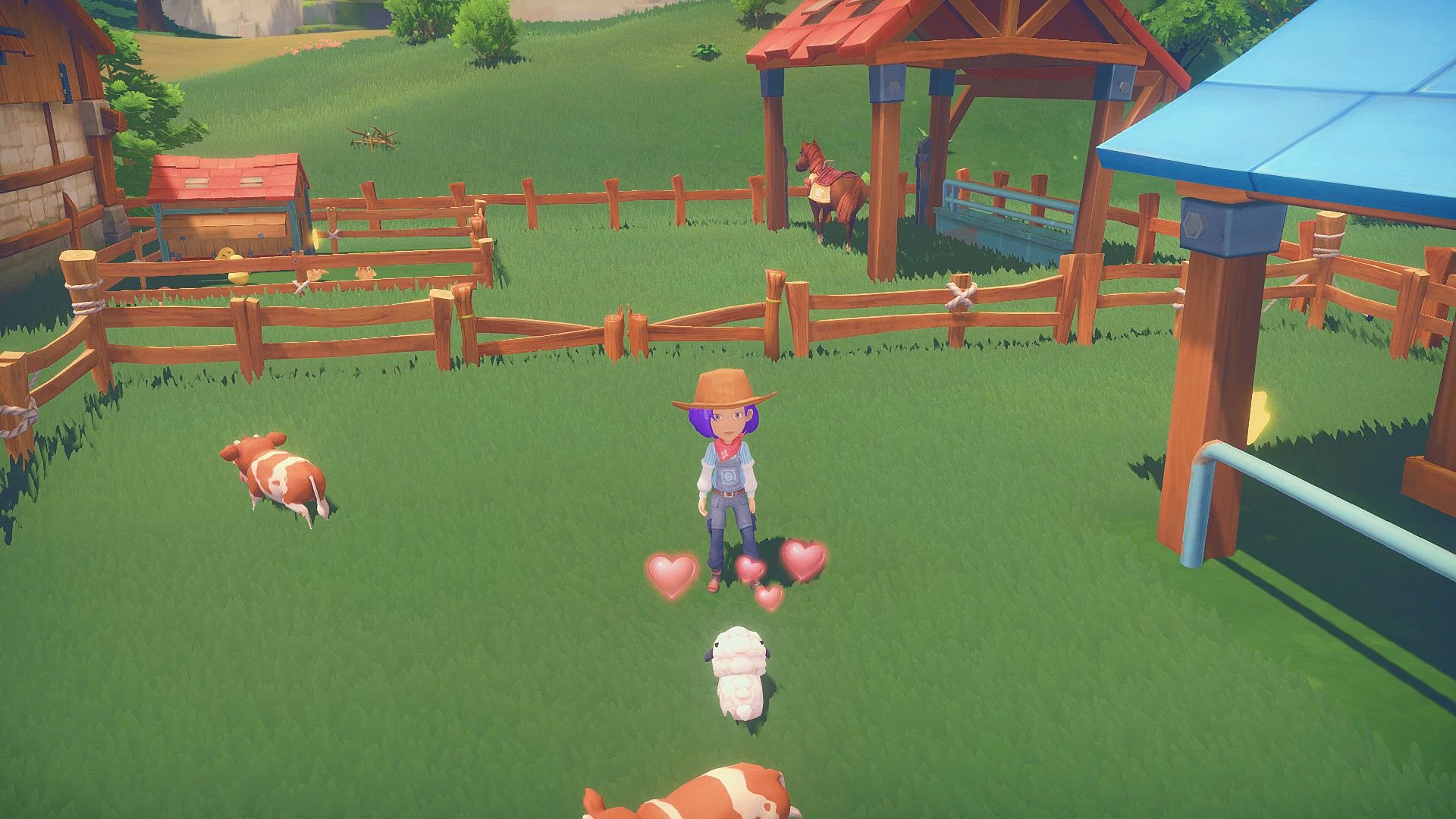
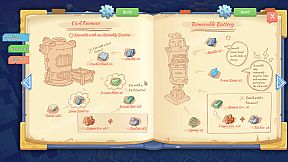
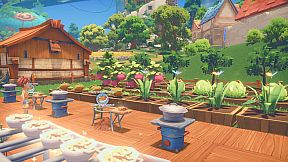
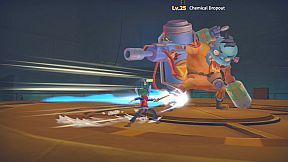
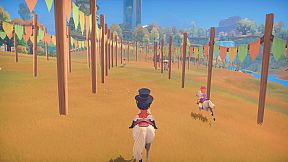
In My Time at Portia, the core loop revolves around managing your workshop through gathering resources like wood and ore via mining and chopping. You craft items using a workbench and handbook to complete commissions from locals, which helps build your reputation. Farming involves planting crops in planter boxes with semi-automatic irrigation systems, raising animals such as chickens or llamas, and even riding mounts around town. Exploration takes you into ancient ruins where you use a pickaxe and Relic Scanner to find relics and treasures, while combat requires equipping weapons to battle monsters and bosses for loot. Skills level up in categories like crafting, combat, and social, allowing customization based on your preferred style. Additional activities include cooking recipes, participating in mini-games, and fishing in various spots.
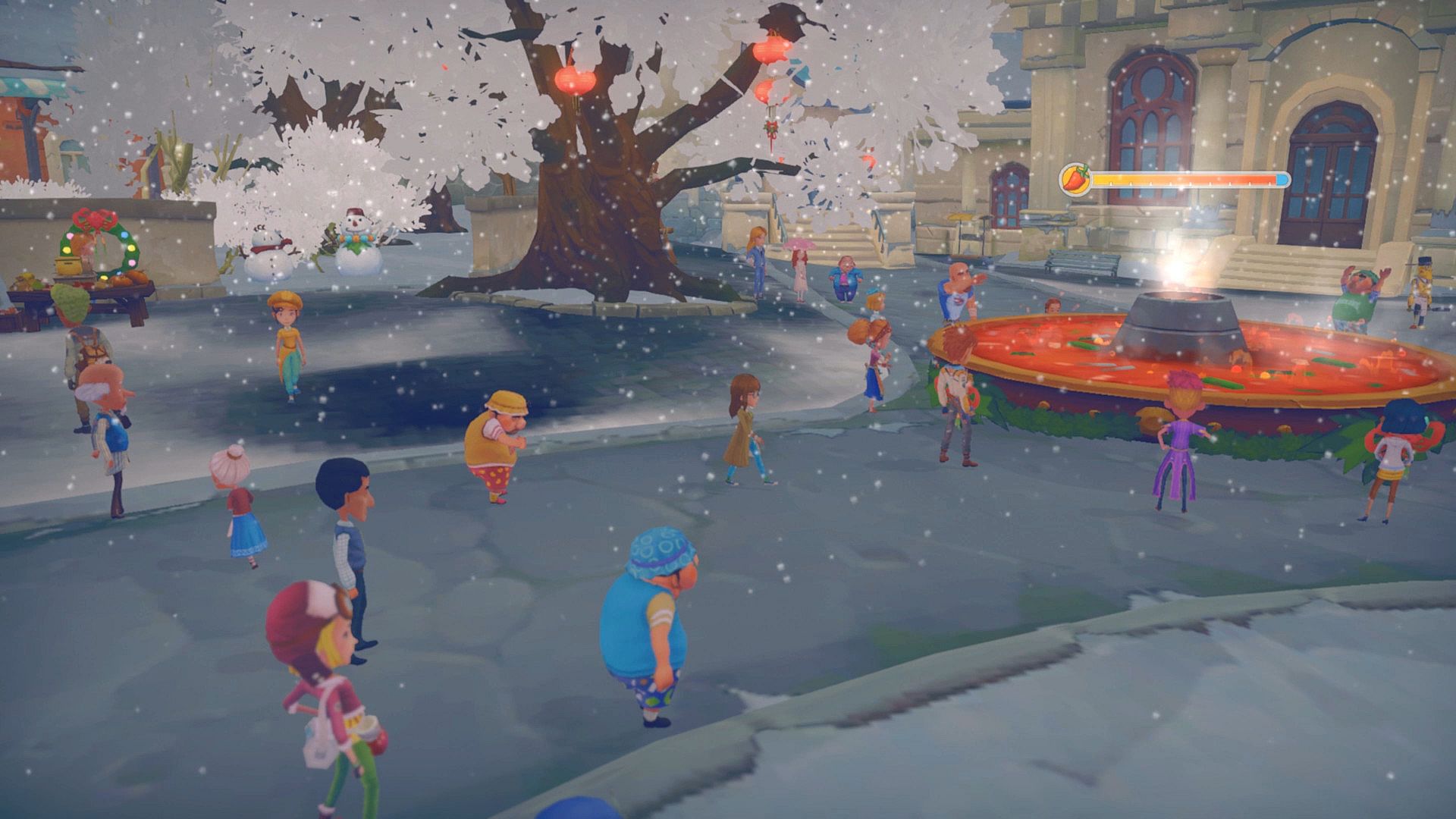
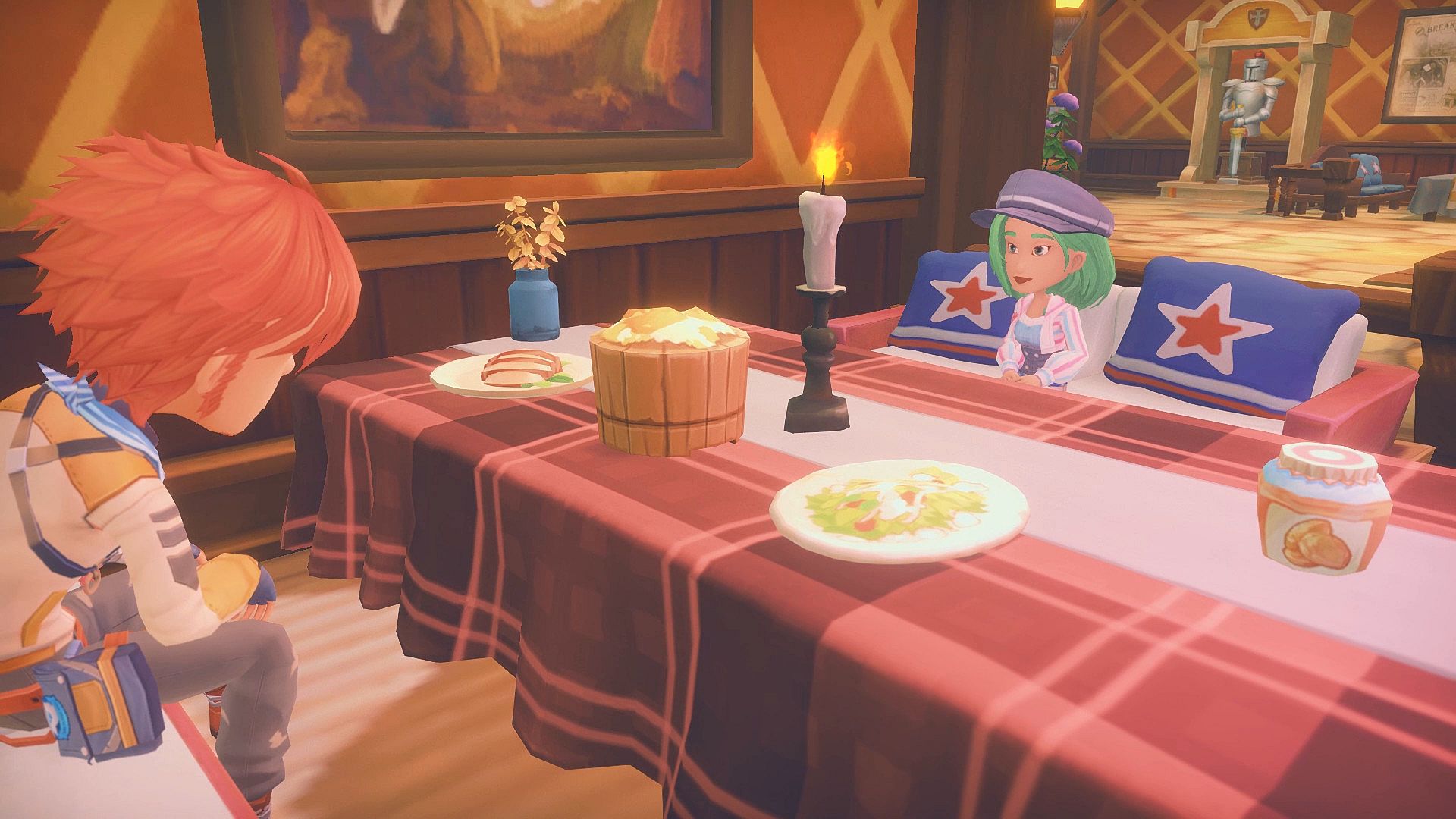
Social mechanics let you befriend over 50 inhabitants, each with unique personalities, daily routines, and stories. You exchange gifts, complete personal requests, and pursue romances, adding depth to the community feel. Festivals occur regularly, offering events like snowball fights or group gatherings that integrate with the town's calendar.
Game Modes
My Time at Portia operates entirely in a single-player mode, with no multiplayer options available. The experience unfolds in an open-world format where you progress through a main storyline involving workshop restoration and town rebuilding, alongside side quests and free-form activities. There are no distinct competitive or cooperative modes; instead, the game emphasizes personal progression and exploration at your own pace.
Key Features and Mechanics
Customization extends to your home and workshop, where you craft furniture and decorations that provide stat boosts, such as increased stamina or health. The Relic Scanner is a key tool for identifying ancient tech in dungeons, tying into the post-apocalyptic lore. Combat is straightforward, focusing on melee weapons and strategy against enemy patterns rather than complex systems. The skill tree allows focused development, whether emphasizing efficient crafting for commissions or combat prowess for dungeon delving.
- Resource management: Gather materials from the environment to fuel crafting.
- Social simulation: Build relationships through interactions and gifts.
- Exploration rewards: Discover loot and story elements in ruins.
Is It Worth Playing?
Based on player feedback, My Time at Portia holds a Very Positive rating on Steam with 91% positive reviews from over 12,000 English-language entries, and recent reviews from the last 30 days show 79% positive out of 81. Critics on OpenCritic give it a Strong rating from 71 reviews, often praising its charming world and relaxing pace, though some note pacing issues in the late game. If you enjoy simulation RPGs with crafting and social elements similar to Stardew Valley, it's a solid pick for long sessions, offering hundreds of hours of content. However, those seeking intense action or multiplayer might find it too laid-back. With no ongoing updates mentioned as of 2026, the game remains in its polished 2019 state, making it accessible for new players looking for a feel-good adventure.