




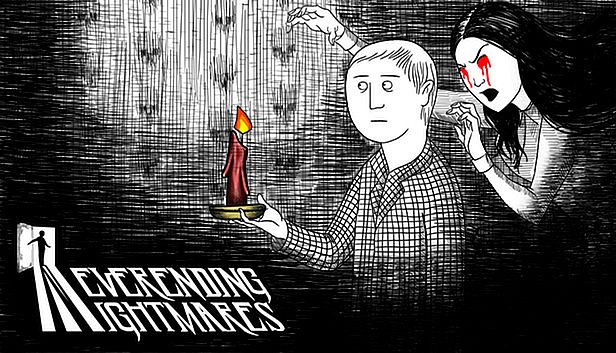













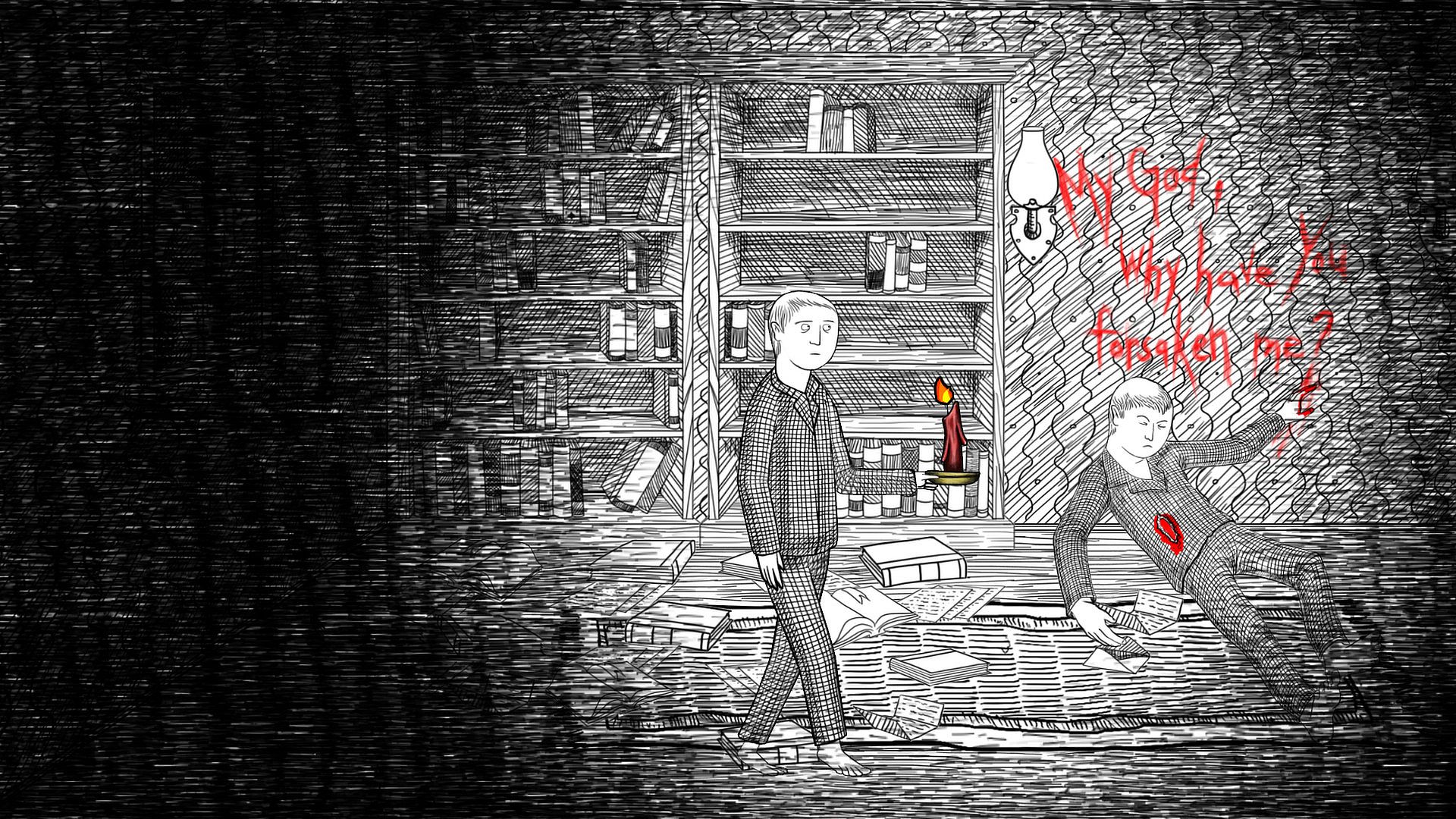
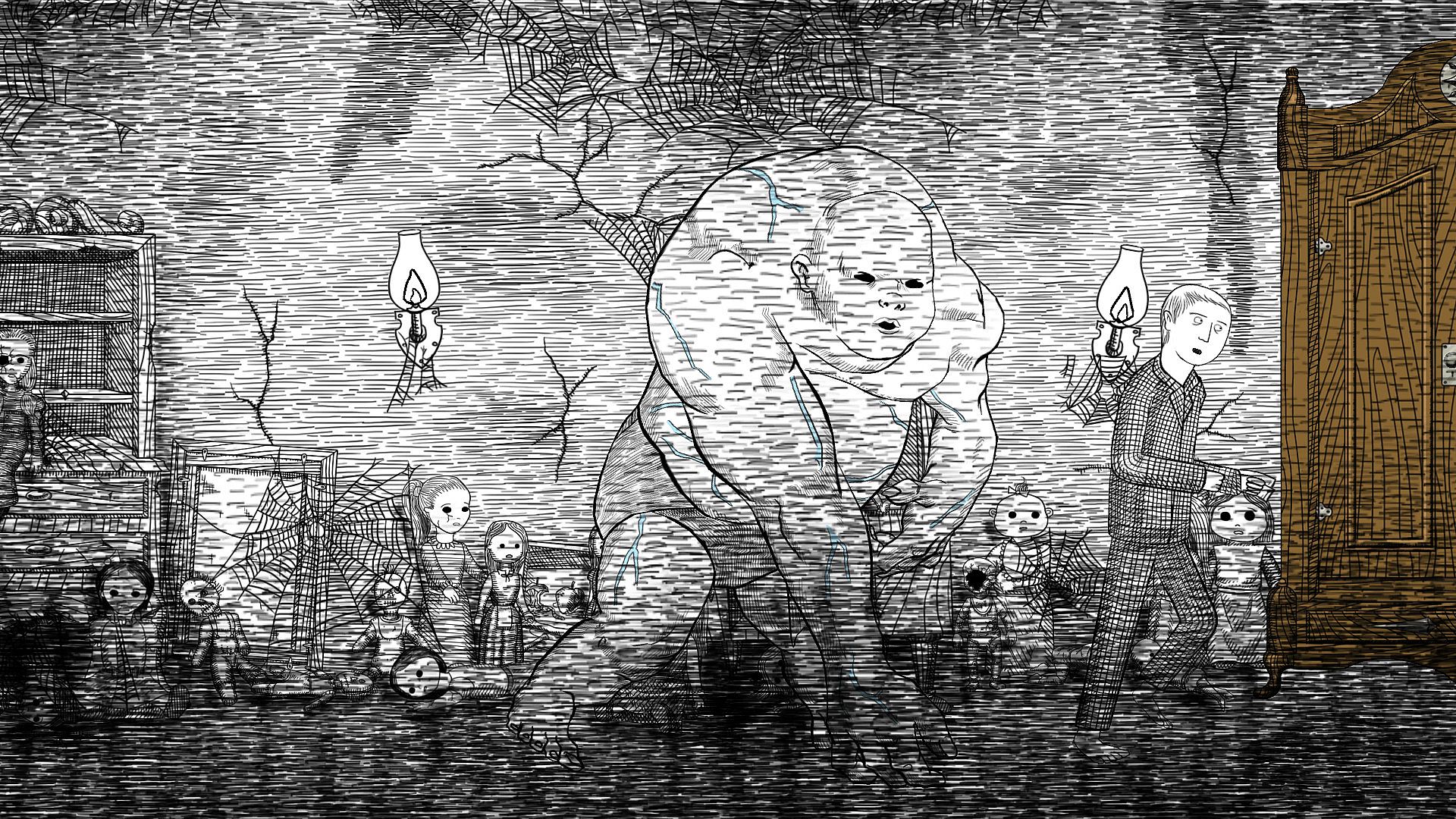



Neverending Nightmares is a singleplayer psychological horror adventure game developed for PC. Players control Thomas as he navigates layers of disturbing dream worlds that reflect real struggles with mental illness. The experience blends exploration with tension built through avoidance and discovery rather than direct confrontation.
Gameplay
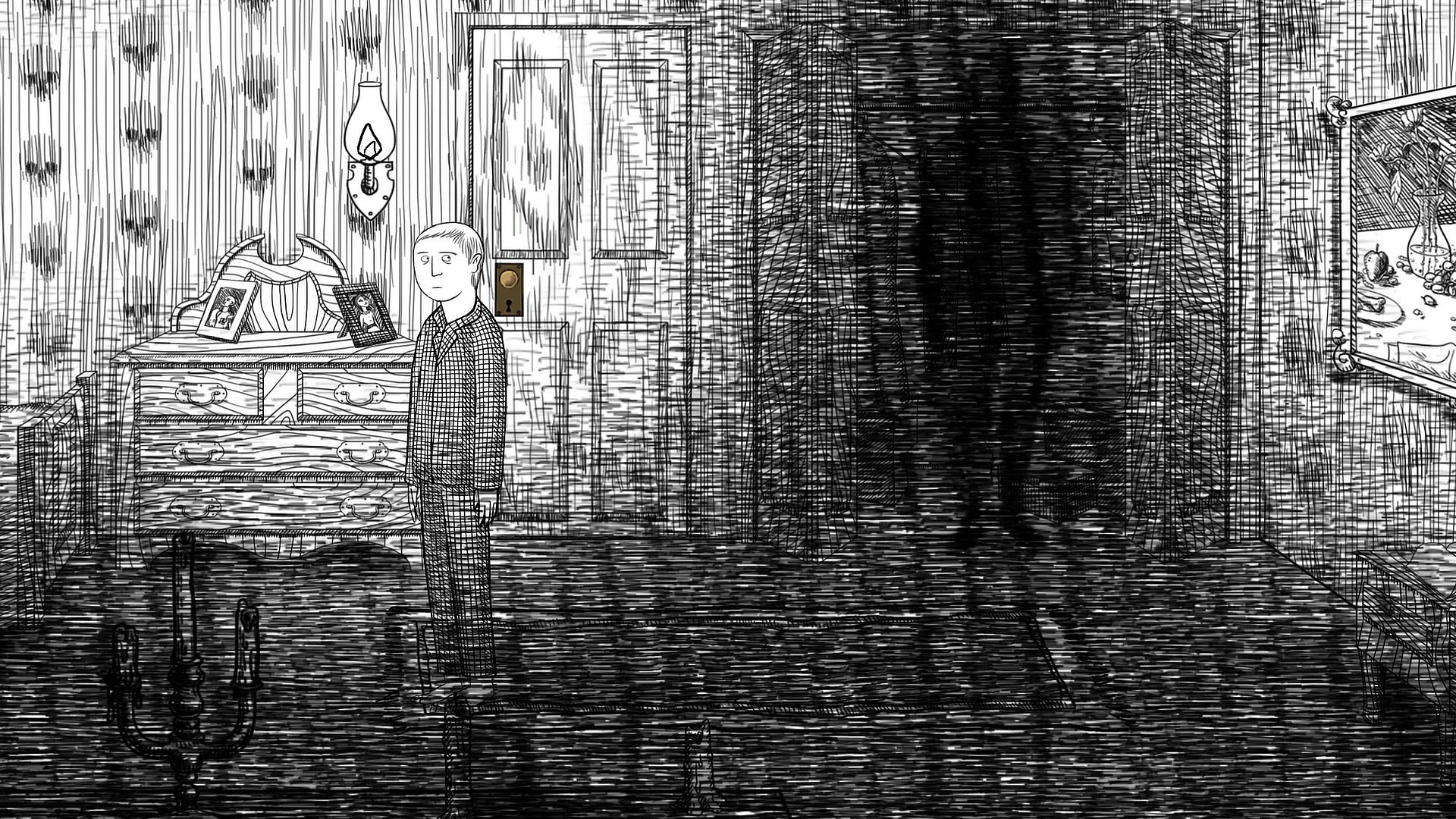
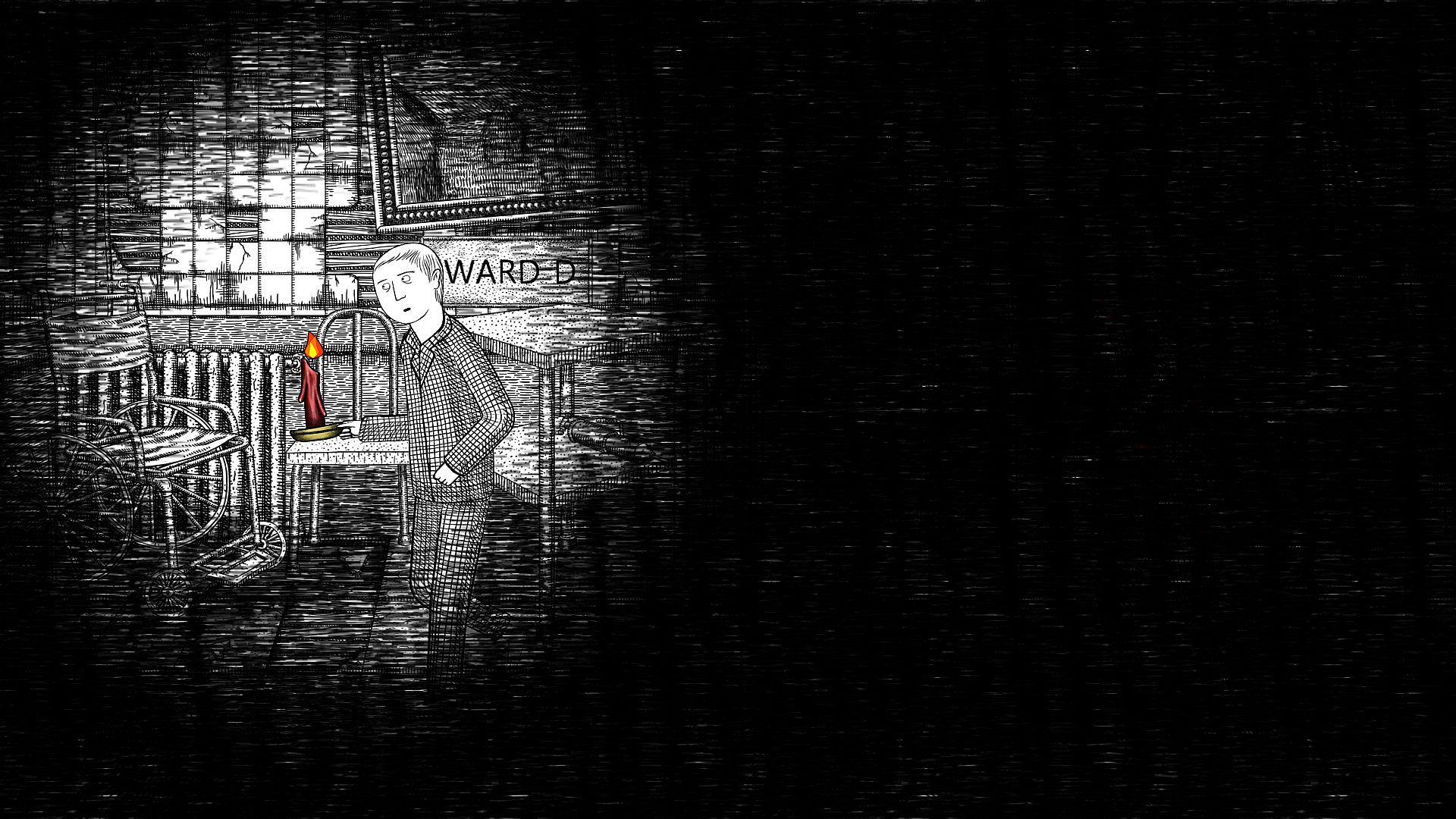
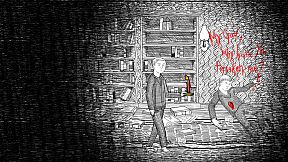
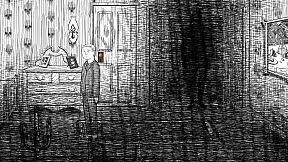
The core loop centers on moving through hand-drawn 2D environments that shift between familiar domestic spaces and nightmarish distortions. Thomas walks from room to room, opens doors, and observes changes in the surroundings that signal progress or new threats. A dynamic lighting system casts shadows and highlights that make the darkness feel alive and unpredictable.
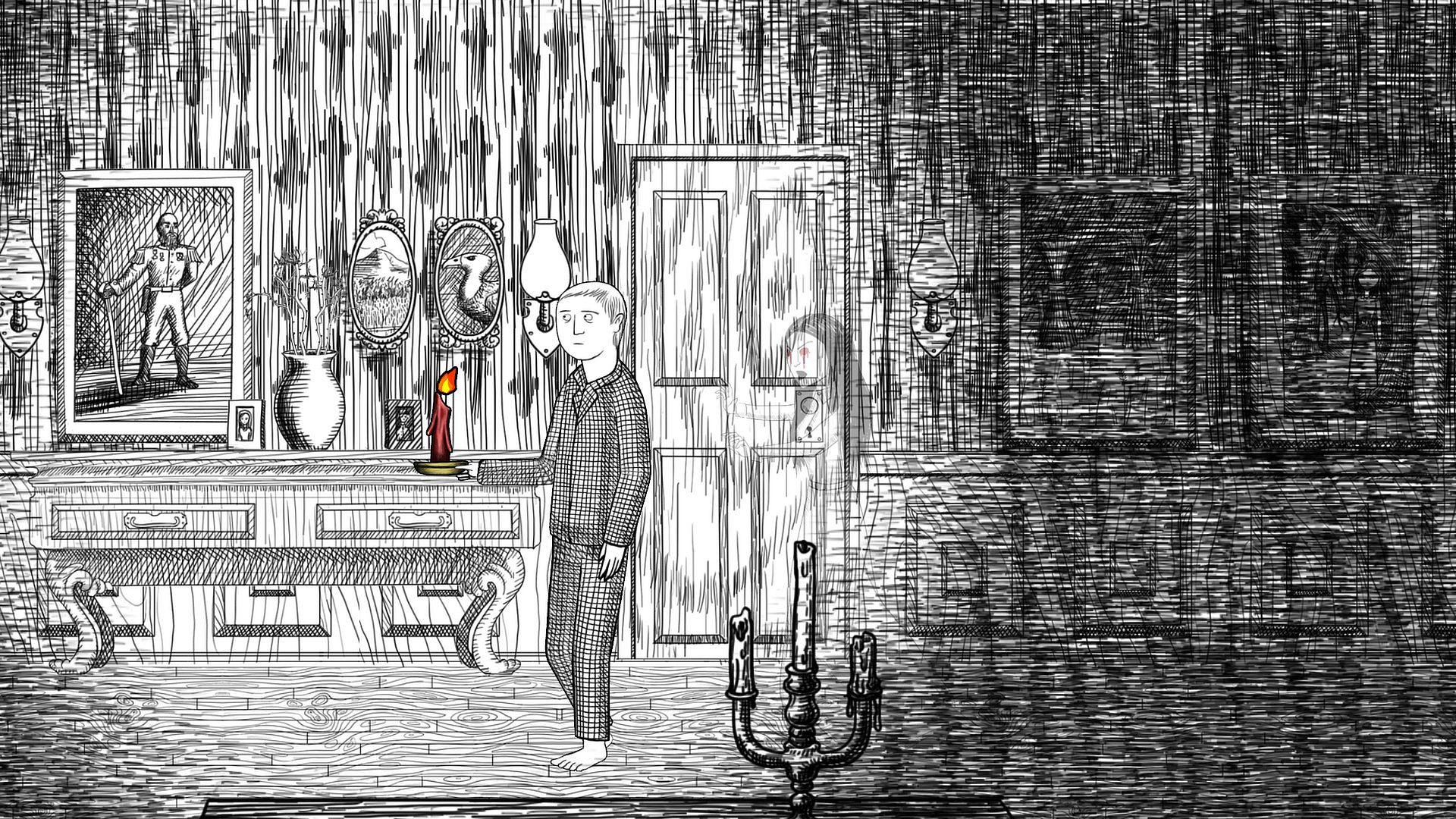
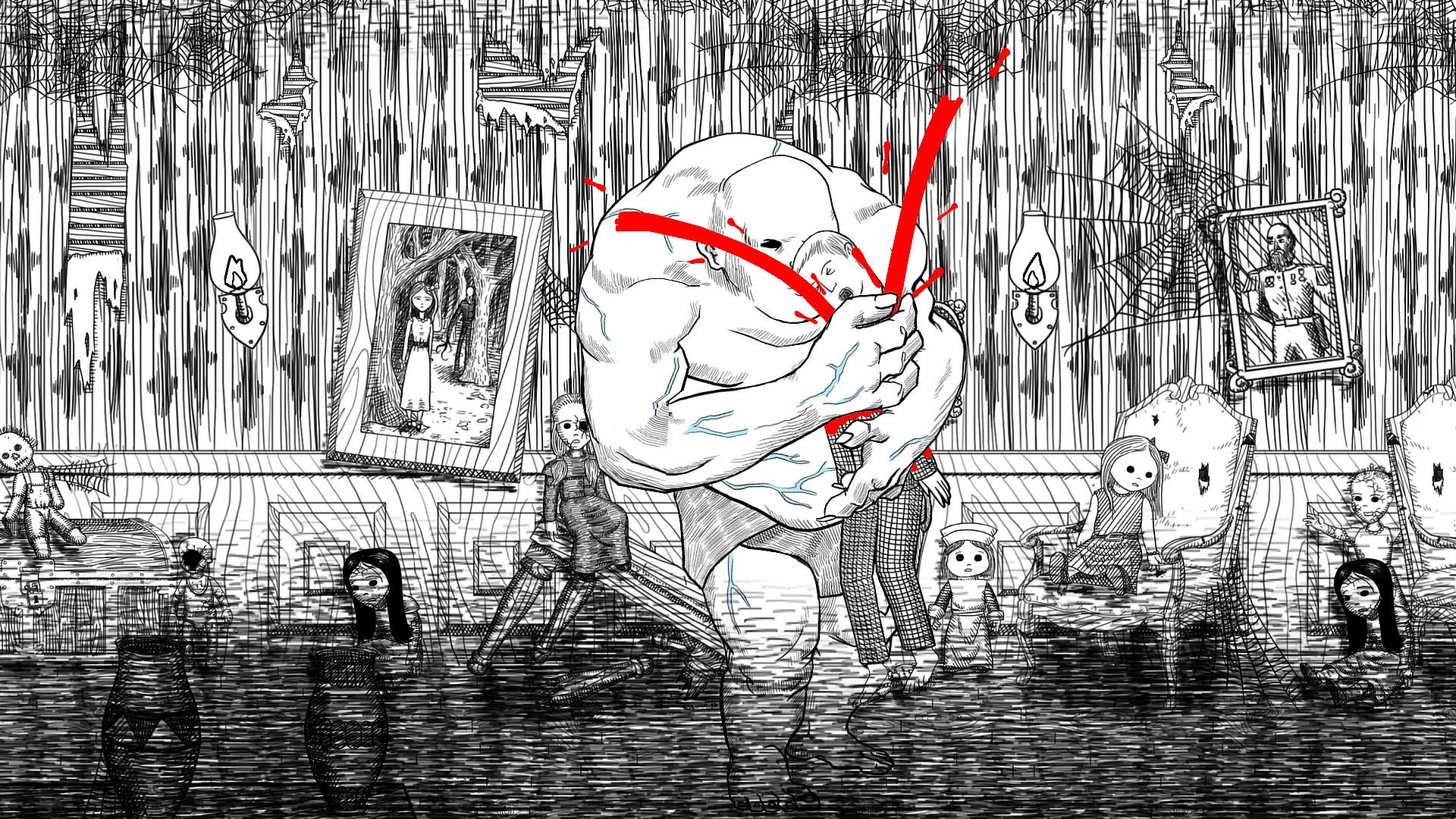
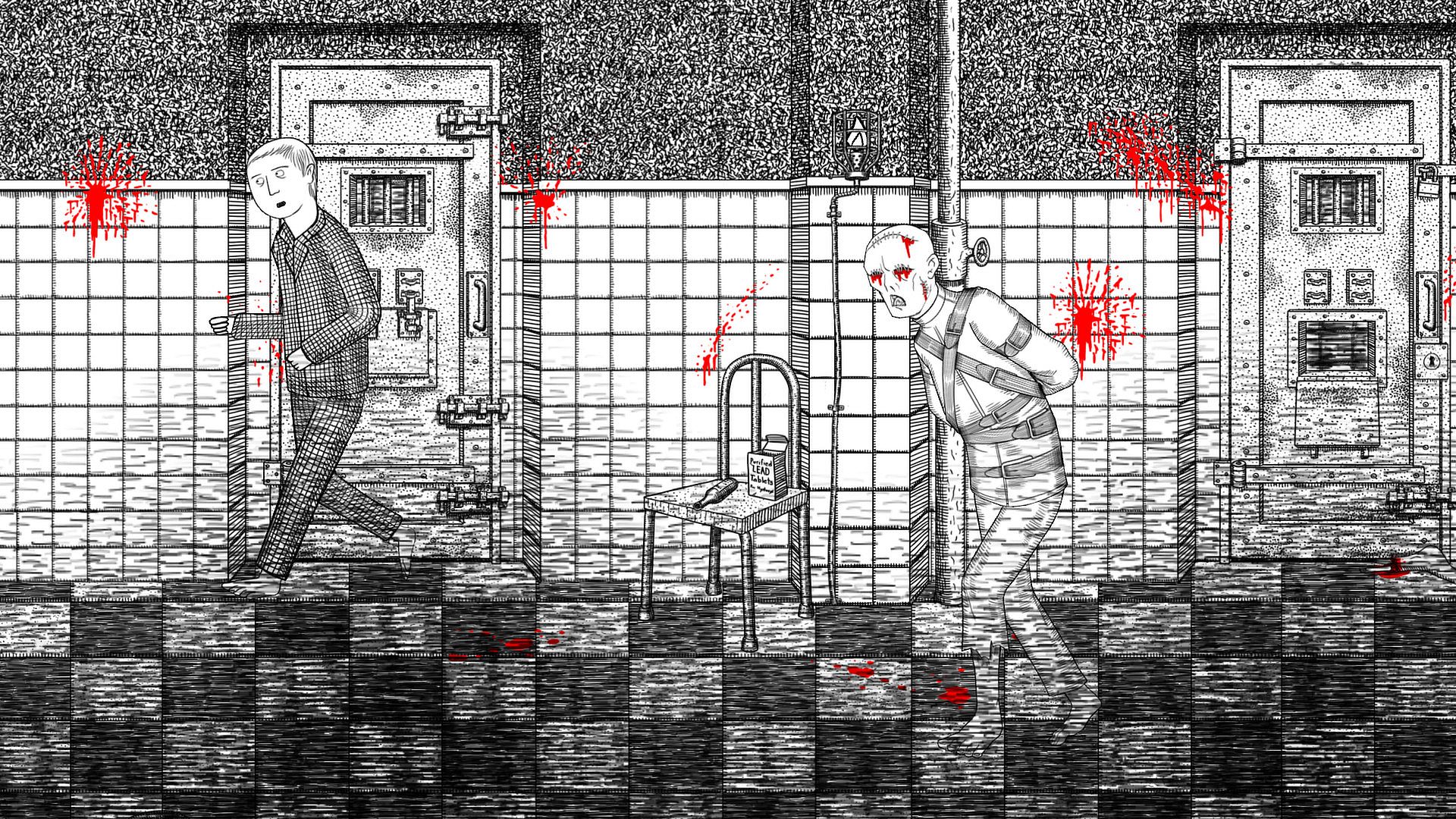
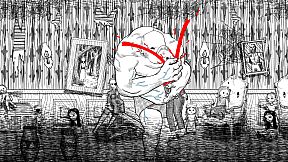
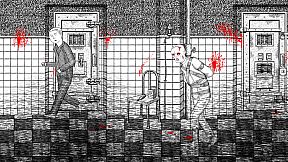
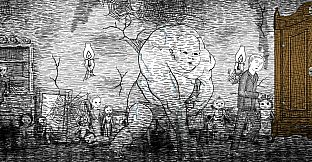
Enemies appear as horrifying apparitions that must be avoided through careful movement and timing. There is no combat system. Instead, the emphasis falls on stealth and quick decisions to outrun or hide from inner demons that manifest visually. The black and white artwork, accented by selective color, creates a stark, oppressive mood that matches the themes of OCD and depression drawn from the developer's personal experiences.
Sound design plays a central role. The haunting ambient score composed by Skyler McGlothlin builds unease without relying on jump scares. Players must interpret environmental clues and narrative fragments to understand which horrors stem from Thomas's psychological state and which represent deeper personal conflicts.
Game Modes
Neverending Nightmares offers a single continuous narrative experience with no separate multiplayer or competitive modes. Progression follows a linear structure that branches based on player choices and specific paths taken through the dream layers. These decisions directly influence which of the three distinct endings the player reaches.
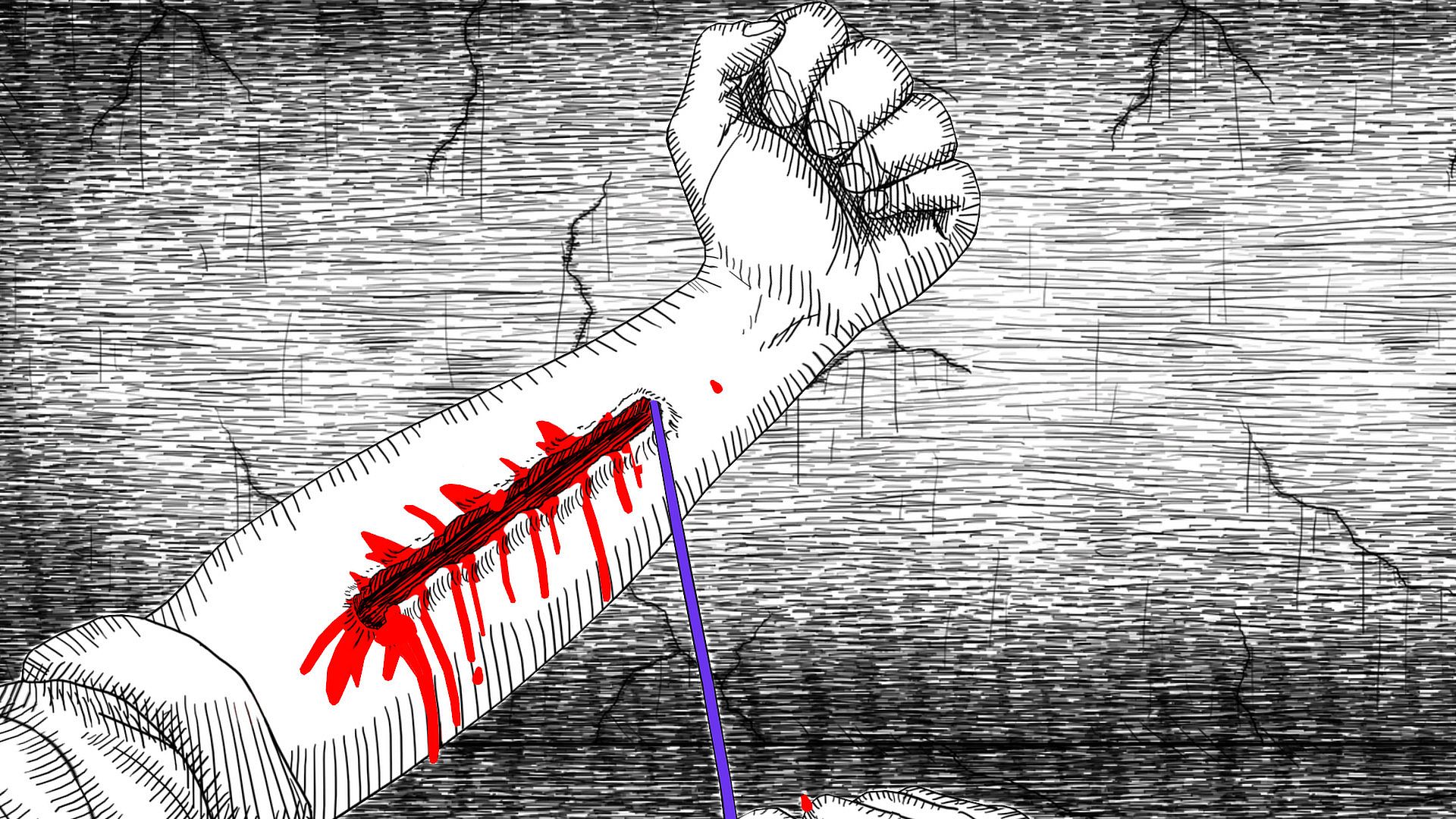
The branching occurs through a combination of directional choices and cumulative actions across sections. One path leads to an ending focused on childhood innocence, another reveals a hospital setting tied to self-harm, and the third presents an adult perspective on relationships and recovery. Each ending provides a different resolution without requiring replay of the entire game from the start.
Checkpoints function as the only save system, encouraging thoughtful exploration rather than trial-and-error saves. The design keeps the focus on atmosphere and story interpretation over mechanical variety.
Narrative and Atmosphere
The story unfolds as Thomas descends through increasingly intense dreamscapes after waking from one nightmare only to remain trapped. Manifestations of his mental health struggles appear as grotesque figures and altered environments that players must navigate. The game draws directly from real battles with depression and obsessive thoughts, turning personal themes into visual and auditory horror elements.
Atmosphere dominates every aspect. The monochrome palette and selective use of red for key objects heighten the sense of dread. Rooms transition seamlessly between the mundane and the surreal, forcing players to question what is real within the dream logic. This approach creates a moody, introspective tone that lingers after sessions end.
Is It Worth Playing?
Reception highlights the game's strength in creating tension and visual mood while noting that the gameplay remains minimal and occasionally frustrating due to its focus on walking and basic avoidance. Players who value atmospheric storytelling and psychological depth often find the experience memorable. Those seeking action, complex mechanics, or replayability through varied systems may find the limited interactivity less engaging.
The three endings reward multiple playthroughs for those interested in exploring different narrative outcomes. The game stands as a complete, short-form title without ongoing updates or seasonal content. It suits fans of indie horror that prioritizes emotional resonance and distinctive art over traditional gameplay loops. If the themes of mental health and dream logic appeal, the distinctive presentation makes it a worthwhile singleplayer experience on PC.















