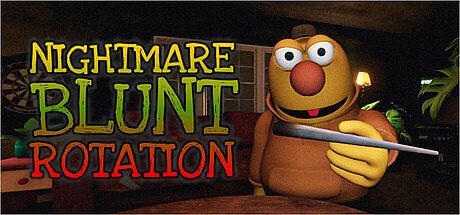


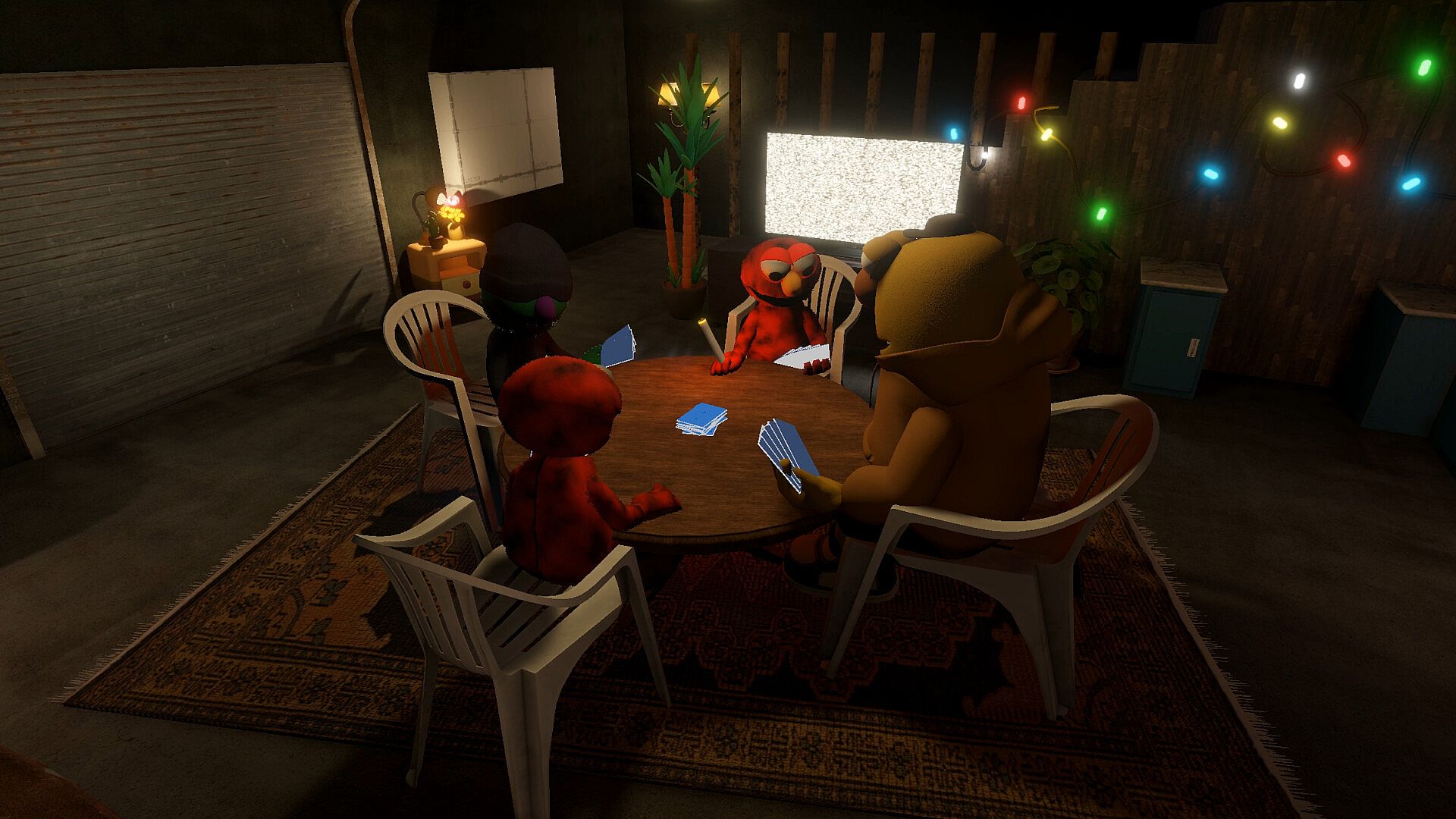
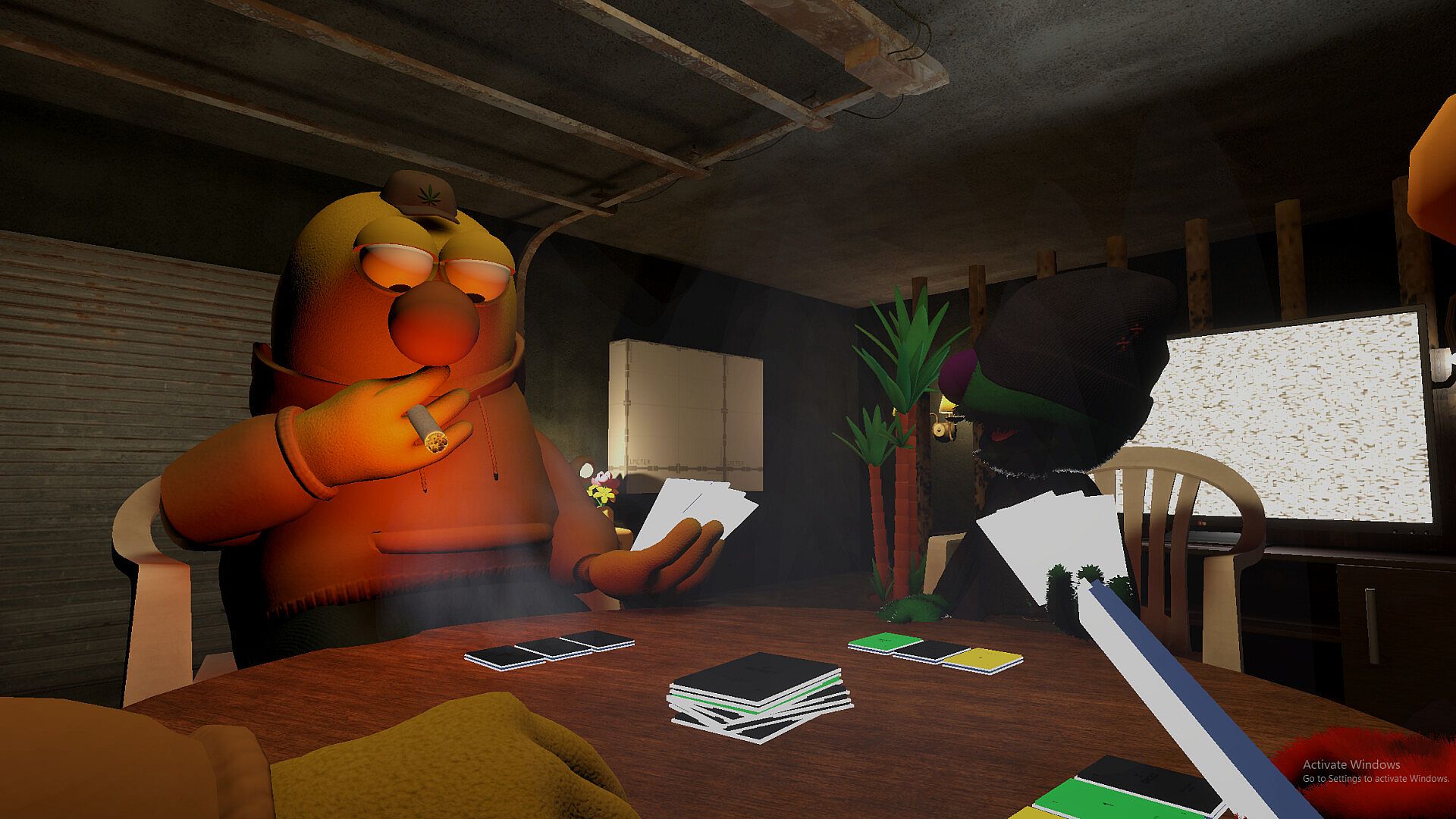
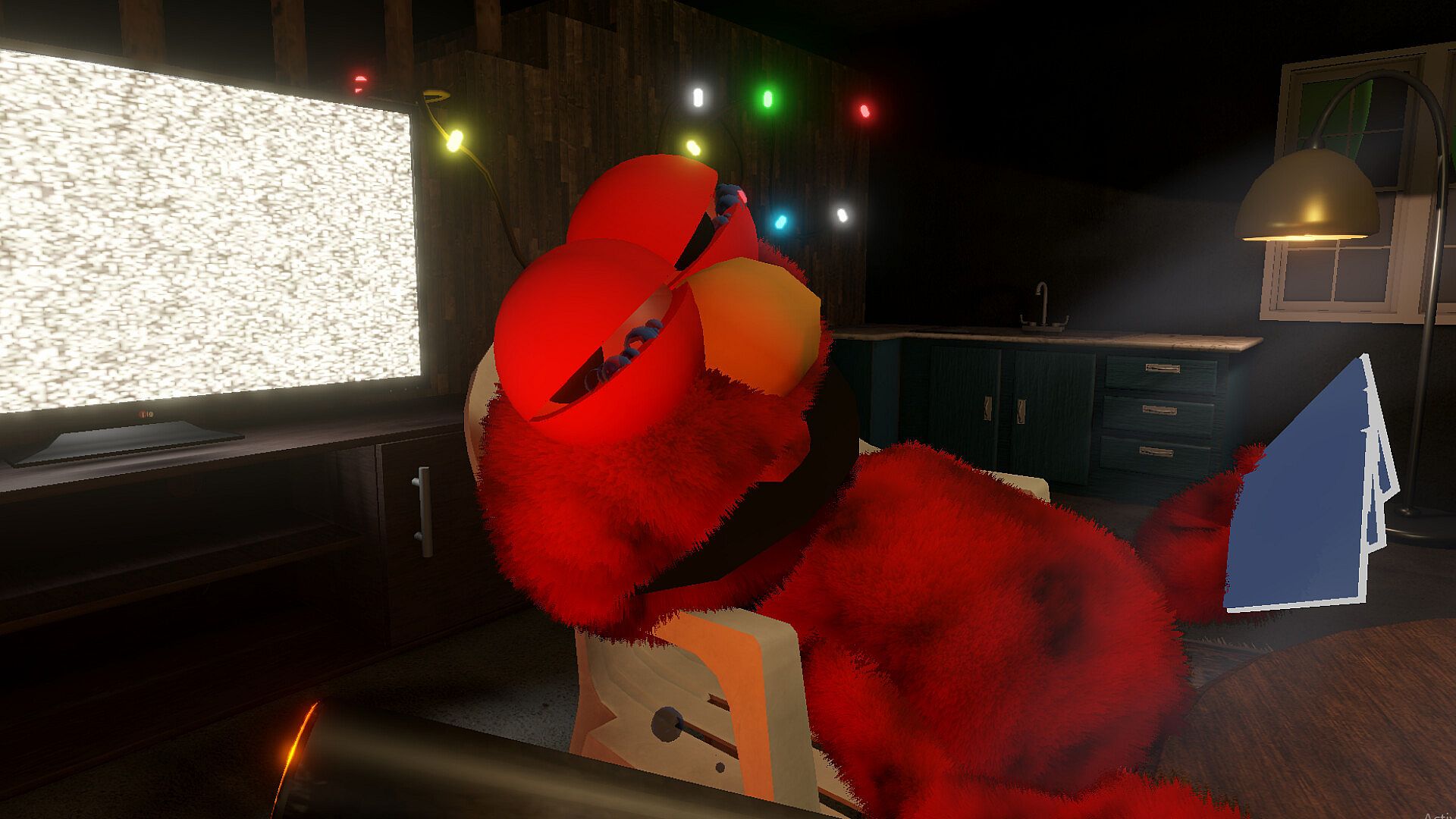
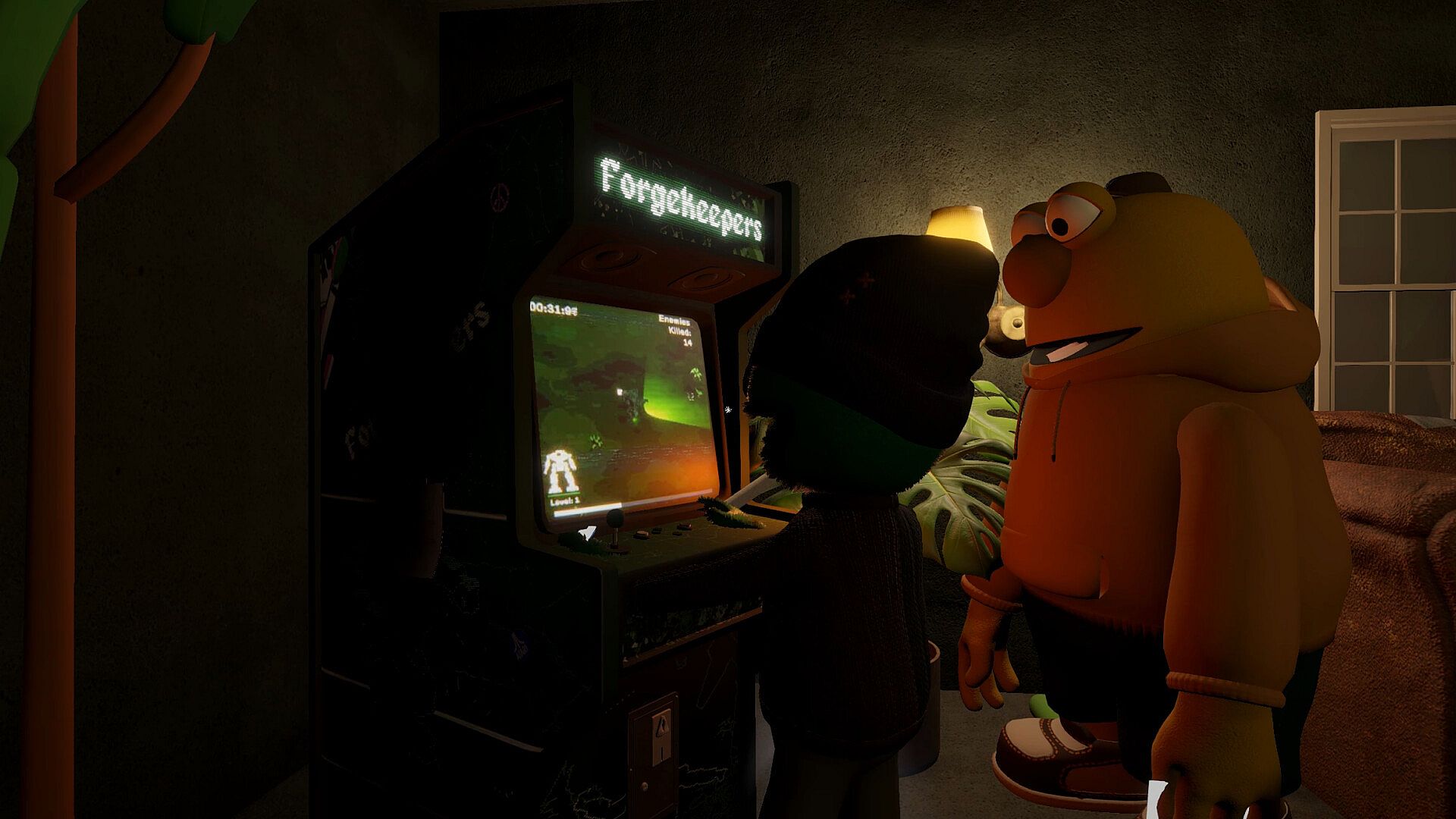
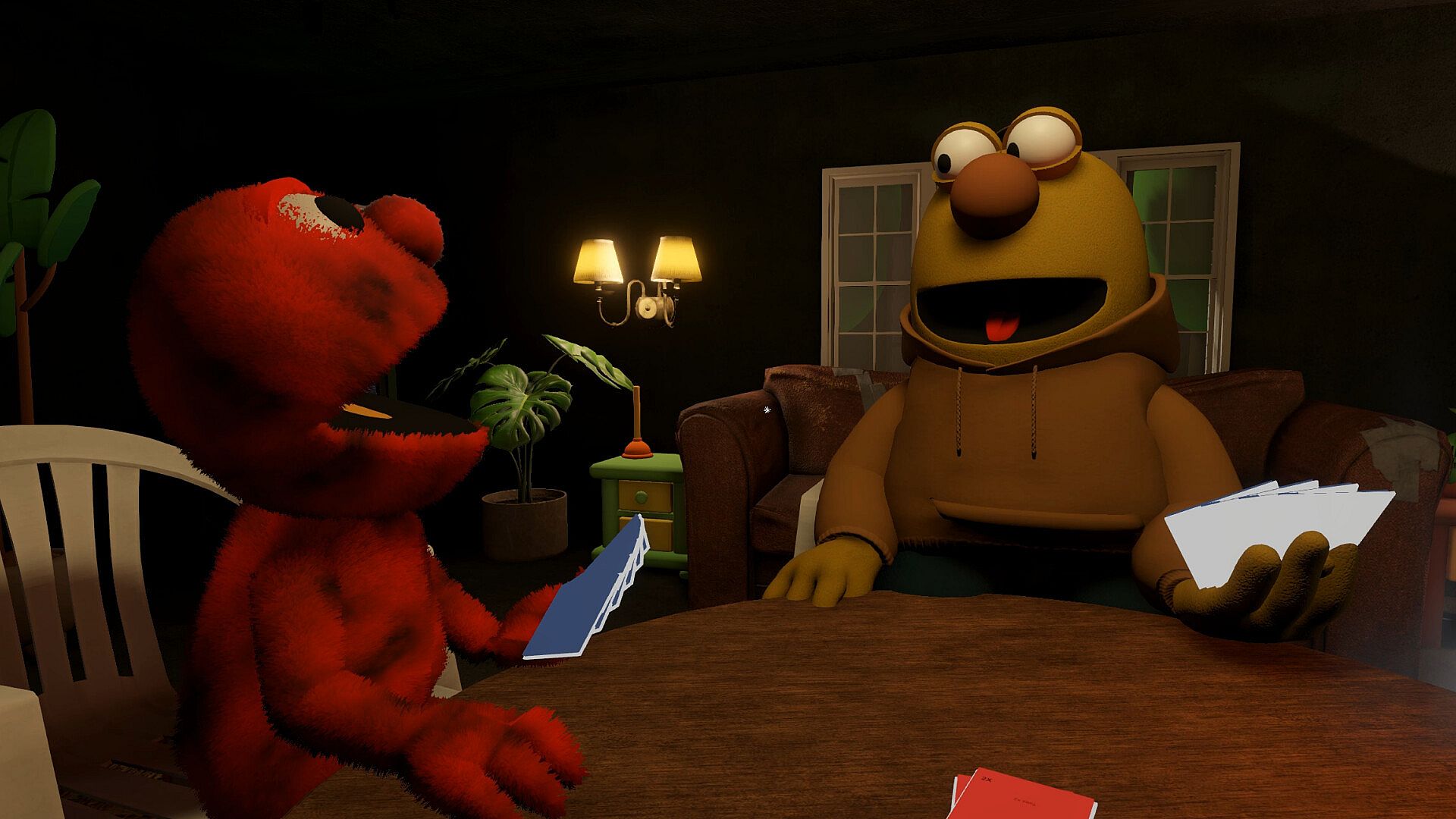
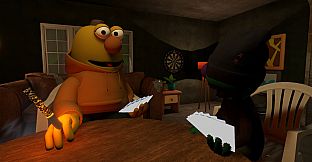
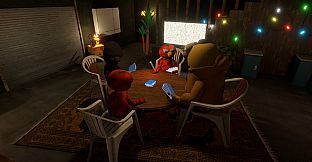
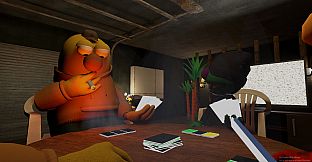
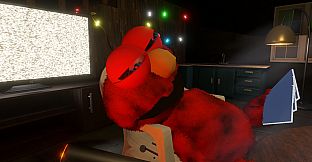
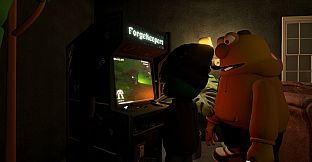
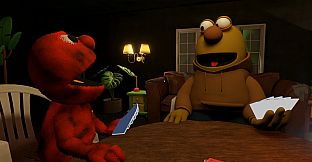
Nightmare Blunt Rotation stands out as a strategy indie game designed for local or online multiplayer sessions on PC. Up to four players gather around a virtual table in this party experience that blends card play with escalating consequences tied to a shared smoking rotation. The core appeal lies in its competitive structure where survival depends on managing rounds without succumbing to the effects of repeated losses.
Gameplay
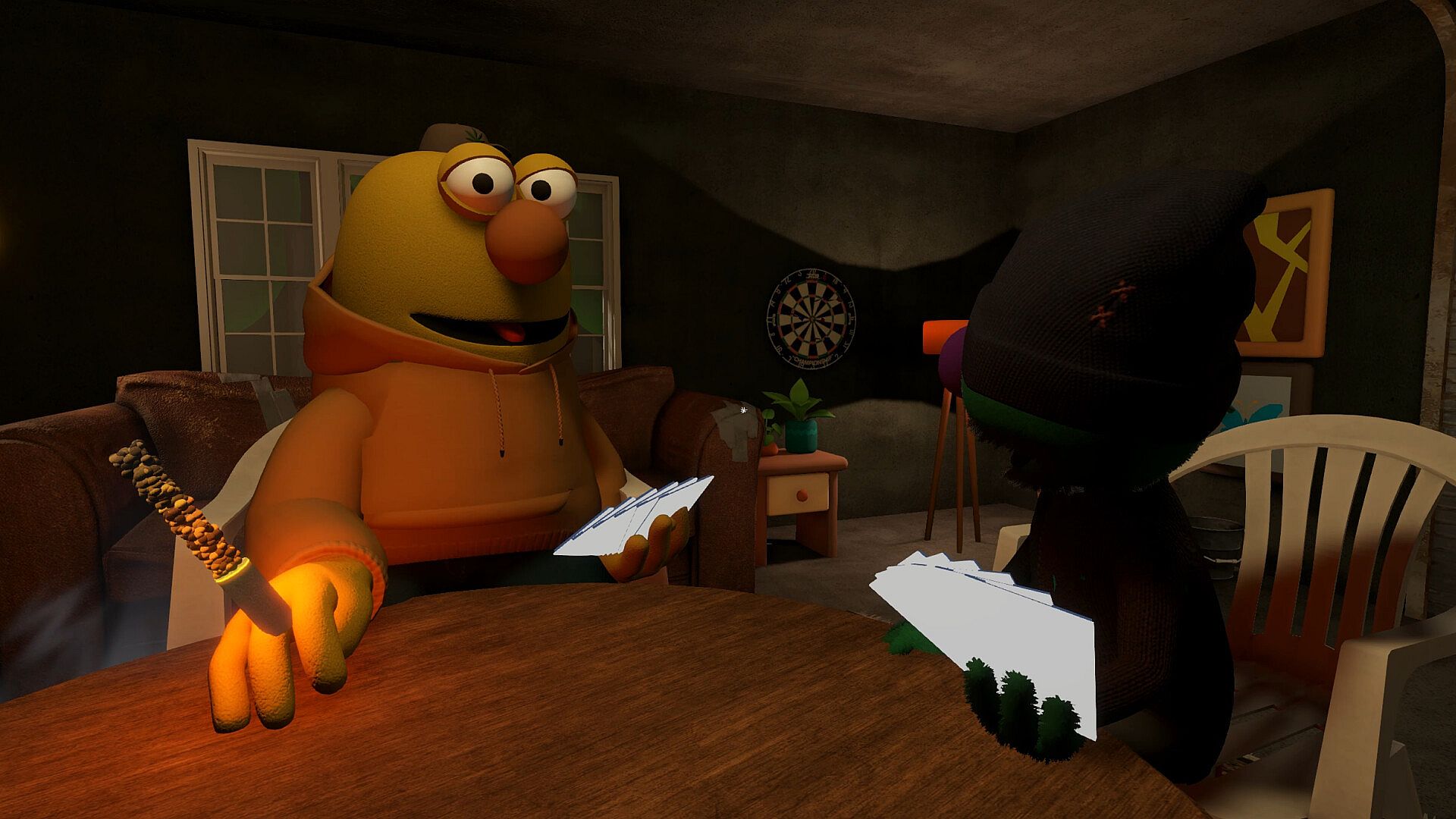
The central loop revolves around seated competition at the table. Players select from available options to begin, then engage in card-based rounds while the rotation advances. Each loss requires smoking, which builds intensity over time. Continued participation leads to green out states marked by visual distortions such as breathing walls, enlarged heads on opponents, and creeping shadows. Excessive exposure results in full blackout, shifting the perspective to an observer role on the floor while others continue.
Strategy emerges from decisions on when to push forward or adjust play style amid the accumulating pressure. The indie focus keeps mechanics straightforward yet tense, emphasizing timing and risk assessment in every round. Multiplayer dynamics heighten the challenge as participants react to each other's performance and the shared progression of the rotation.
Game Modes
Participants choose a game mode before starting to set the rules and pace for the session. These variations alter how cards interact with the rotation and determine win conditions centered on being the final player upright. The structure supports repeated plays with friends, where mode selection influences the balance between quick rounds and prolonged endurance tests.
Core elements remain consistent across choices, including card resolution and the physical toll of losses. This flexibility allows groups to tailor sessions to their preferences without altering the fundamental party competition format.
Visual and Thematic Elements
The presentation captures the progression from normal table talk to altered perceptions through targeted effects. Early stages maintain clear card visibility and player positioning, while later stages introduce the described hallucinations to reflect in-game state. These changes serve the competitive narrative rather than overwhelming the core mechanics.
Sound design supports the atmosphere with cues tied to rotation progress and individual outcomes. The overall aesthetic aligns with the indie strategy label by prioritizing functional clarity during active play.
Is It Worth Playing?
The game targets groups seeking a compact multiplayer party title with strategic card elements and thematic risk management. Its upcoming release on PC means no established player base or review data exists yet to gauge reception. Those drawn to short-session competition for four players may find the rotation concept engaging once available, particularly if they enjoy mechanics that punish overextension.
Availability will depend on the final launch window, with system requirements indicating support for standard Windows setups and a recommendation for stable connections in online matches. The mature content note highlights depictions of drug use, which frames the experience as a fictional cautionary setup rather than an endorsement.