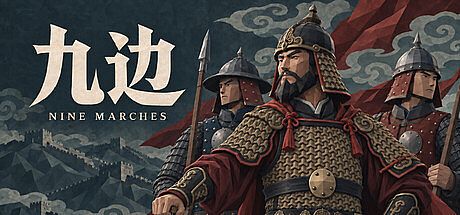


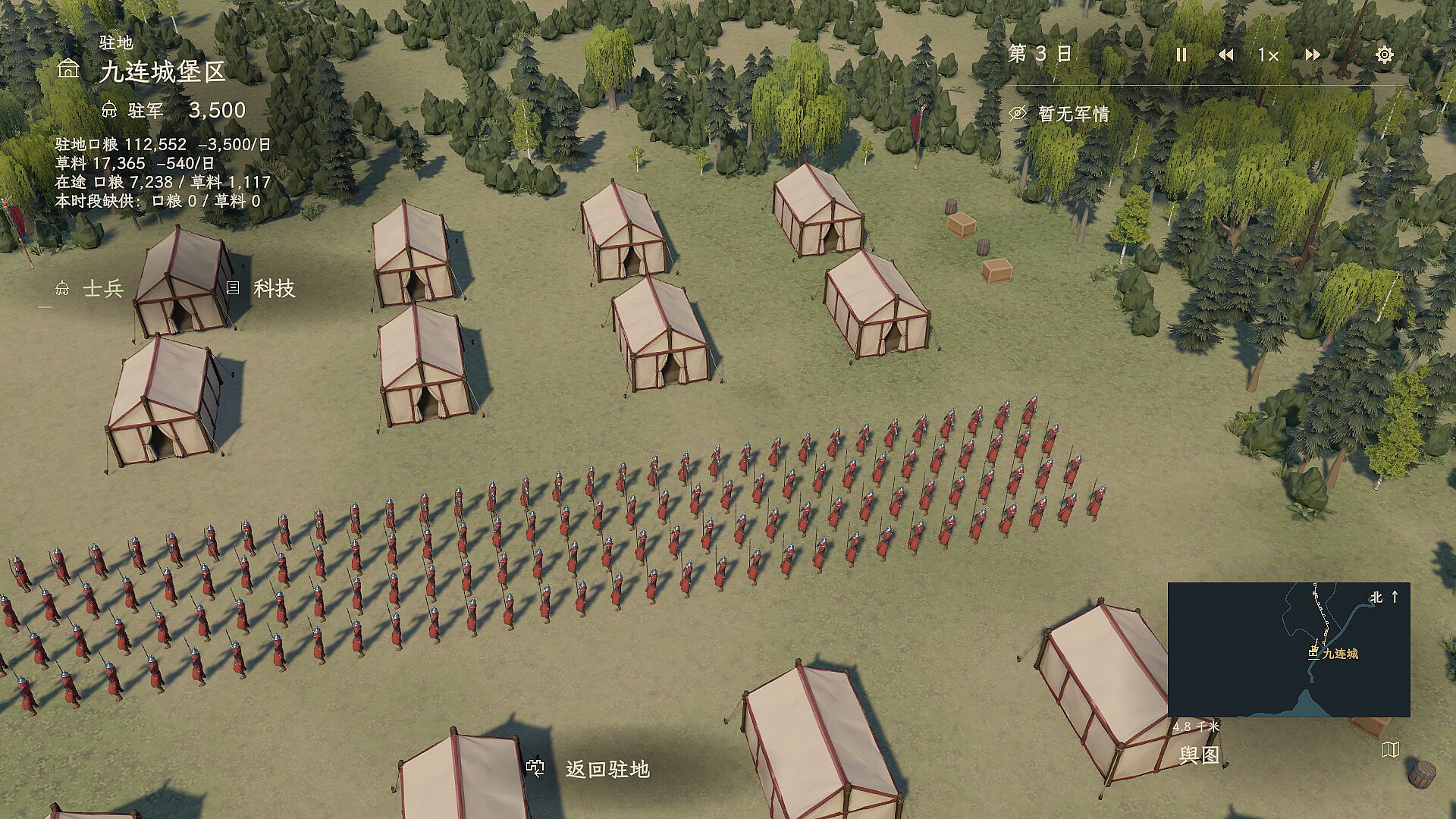
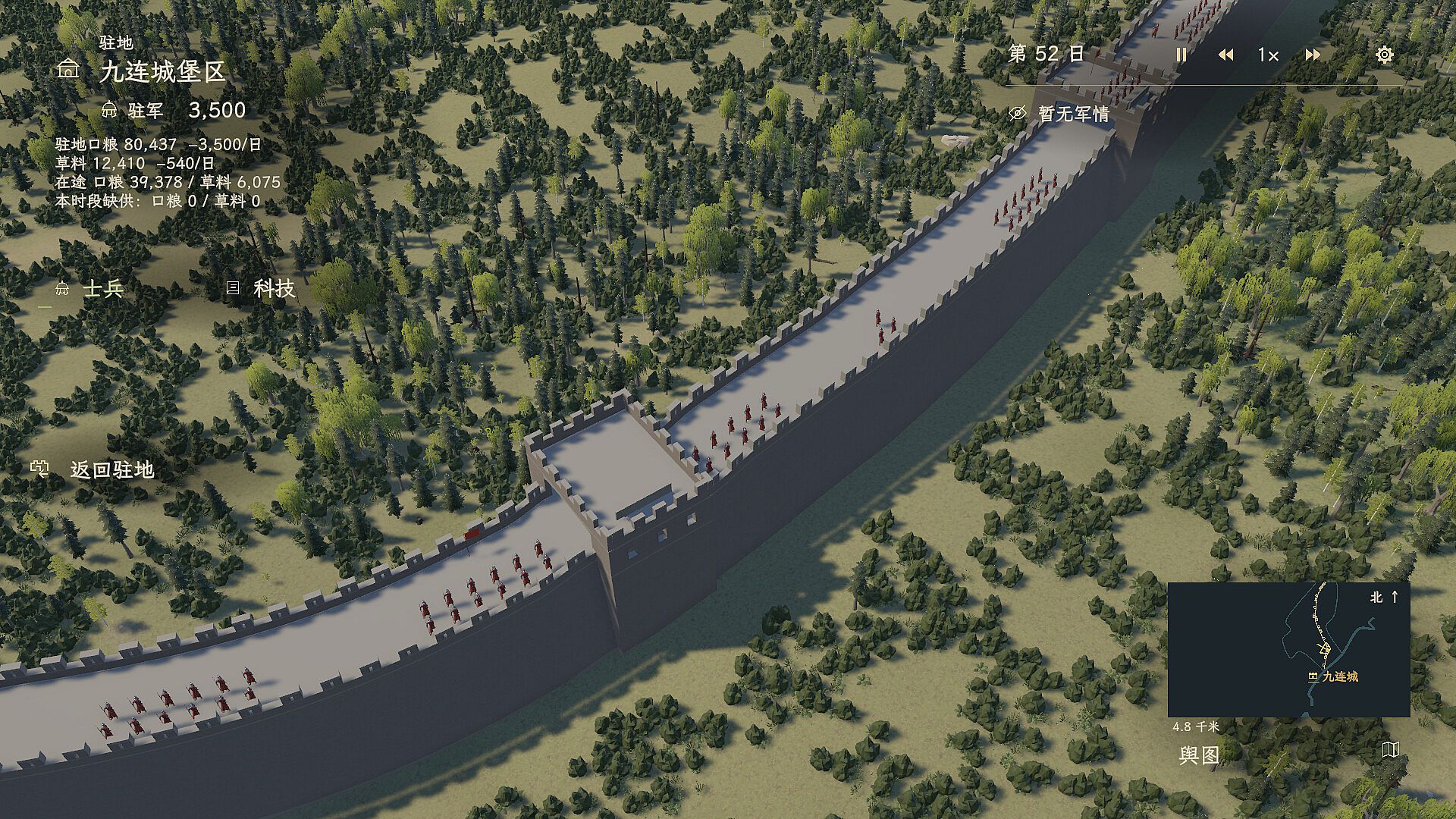
Nine Marches is a single-player tower defense strategy game set on the Ming frontier. Players take on the role of a garrison commander who manages district defenses while advancing through military ranks amid expanding border conflicts.
Gameplay
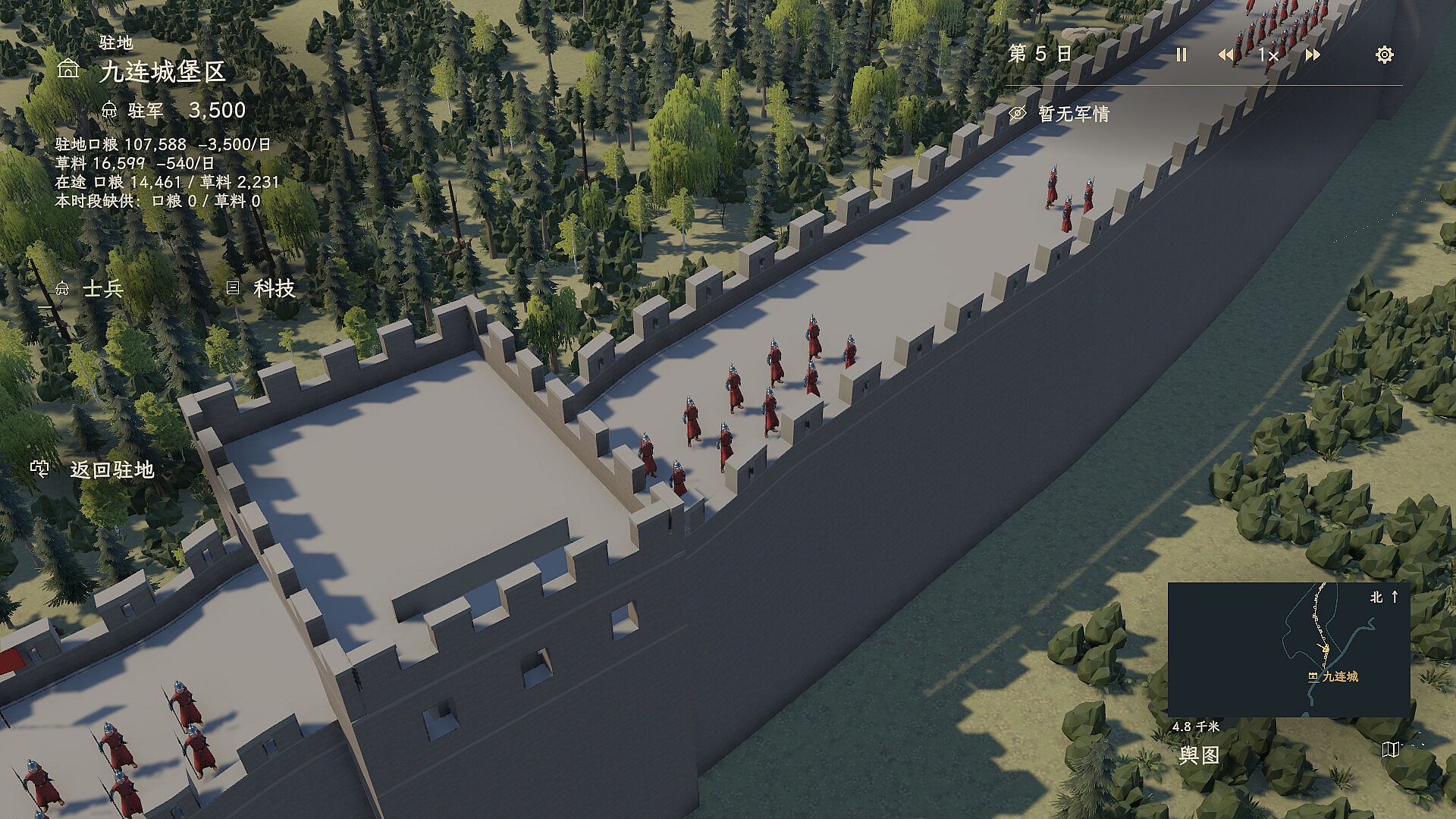
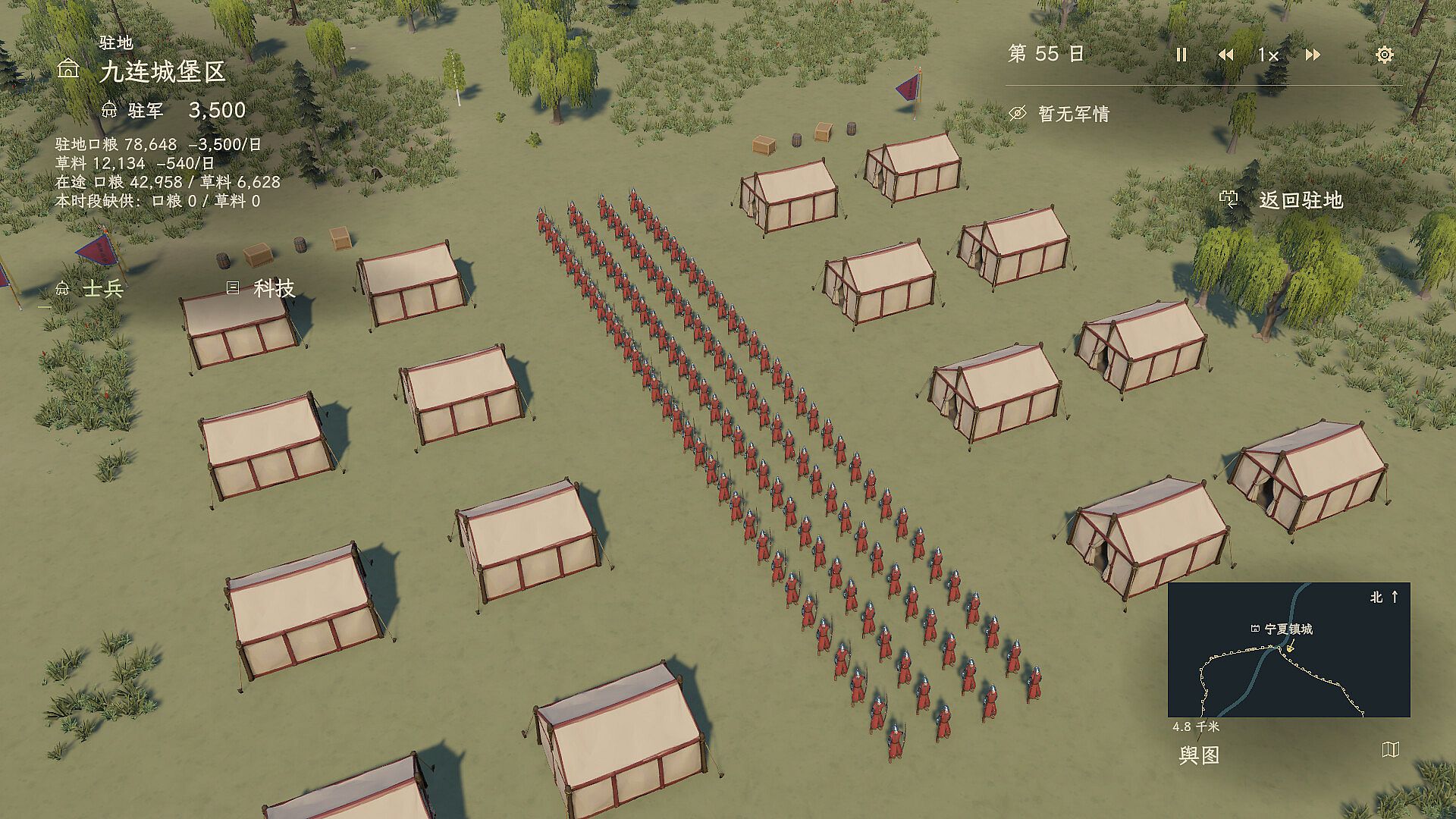
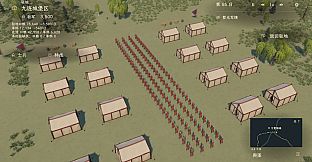
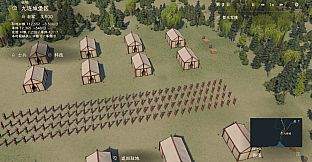
The core loop centers on preparing fortifications before enemy forces arrive and then directing troops during sustained assaults. Terrain shapes placement of walls, gates, and other structures, while troops and supplies are assigned to key positions. After each engagement, damaged defenses require repair and forces need replenishment to maintain readiness for the next threat.
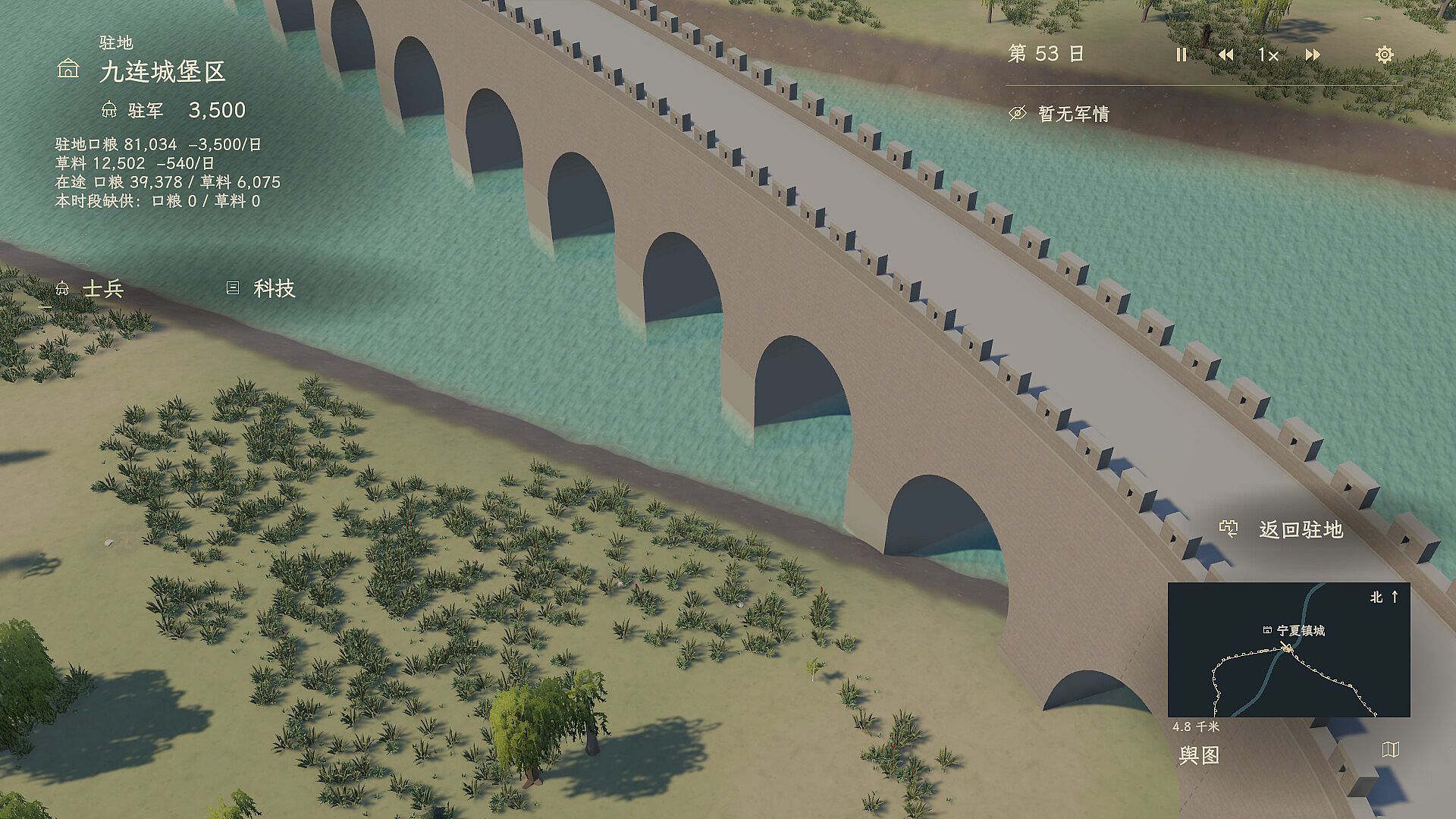
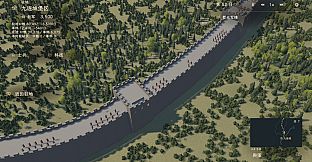
Promotion expands responsibilities. Starting as a garrison commander, successful defense earns distinction that leads to larger armies and broader sections of the frontier to oversee. The open world spans from Jiayuguan in the west to the Yalu River in the east, connecting deserts, passes, forests, and forts into one continuous campaign area. The Great Wall and border towns form part of the same map where individual battles contribute to the wider war effort.
Combat involves massed assaults by Later Jin Eight Banner armies that target gates, walls, and breaches. Commanders organize defenses, commit reinforcements to faltering sections, and monitor formations, flanks, and breakthroughs amid volleys and close clashes. Low-poly visuals draw from historical references for armor, forts, and environments, scaled for both close command views and large-scale battles.
Game Modes
Nine Marches operates entirely in single-player mode. The experience unfolds as a continuous campaign where district management, defensive preparations, and battlefield command integrate into one progression system. Military appointments define available forces and posting locations, with each promotion unlocking command over wider frontier sections and additional troops.
Setting and Progression
The Ming frontier serves as the backdrop, rendered as a unified open world rather than isolated maps. Hexi deserts transition into Liaodong forests and forts, with marching armies and defensive lines influencing the larger strategic picture. Gains or losses along any segment affect the overall campaign.
Career advancement forms the central progression. Commanders begin with limited district control and grow into roles overseeing larger armies. Each new appointment brings broader responsibilities and more complex defensive challenges as war spreads across the borderlands.
Is It Worth Playing?
Nine Marches suits players who enjoy single-player tower defense combined with strategic resource management and long-term progression. The emphasis on terrain-based fortification, troop deployment, and post-battle recovery creates a deliberate pace focused on preparation and line-holding under pressure. Those interested in historical military themes and gradual expansion of command authority will find the military appointment system a natural fit for repeated play sessions.
The low-poly art style supports clear visibility of large formations while maintaining period-appropriate details for forts and equipment. Because the game centers on one continuous world and career path, sessions revolve around incremental improvements to defenses and forces rather than separate scenarios.