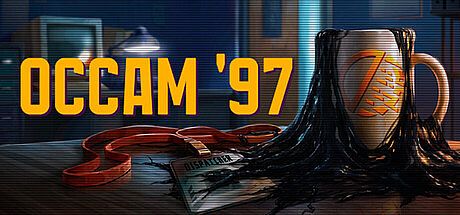


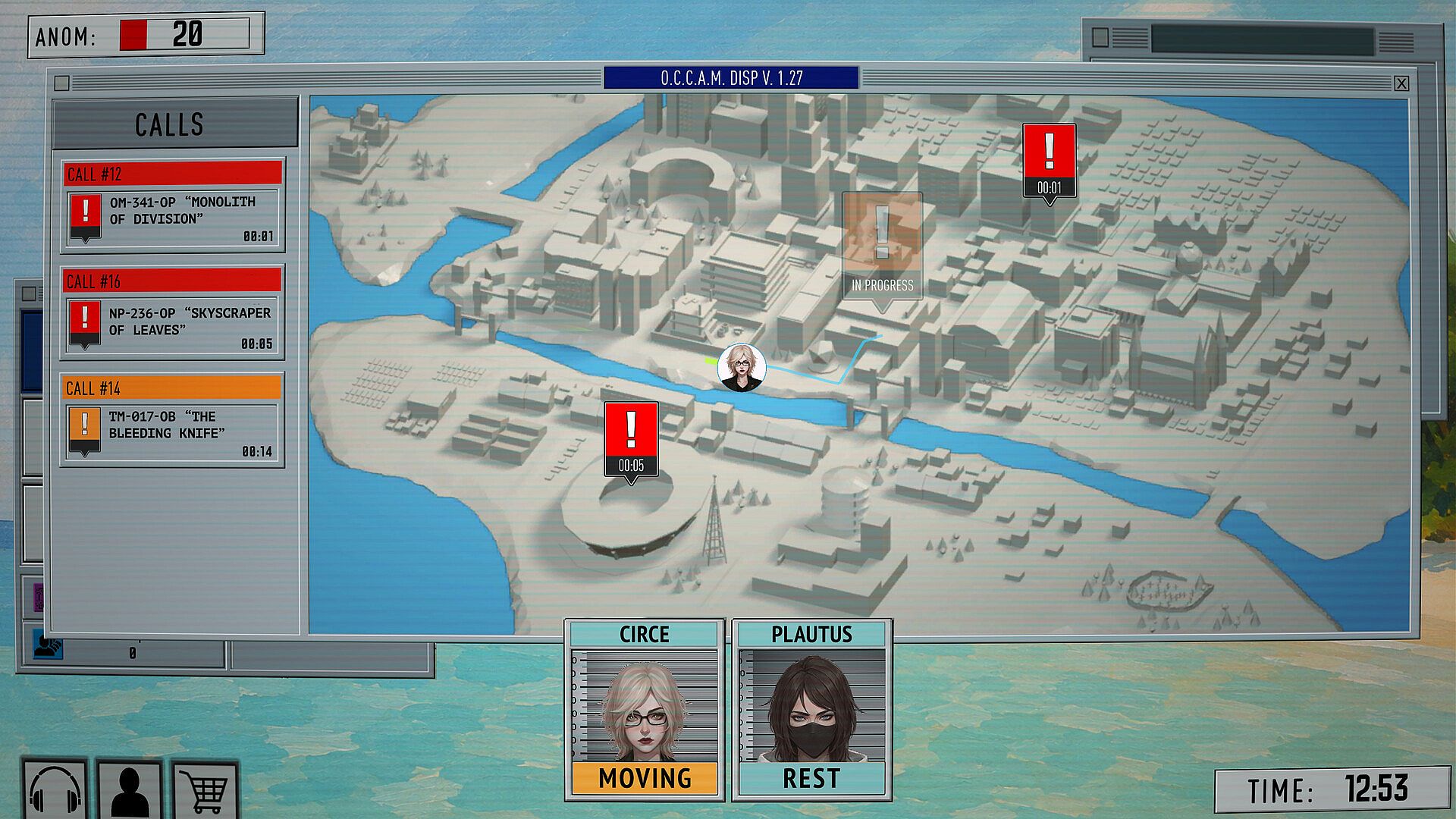
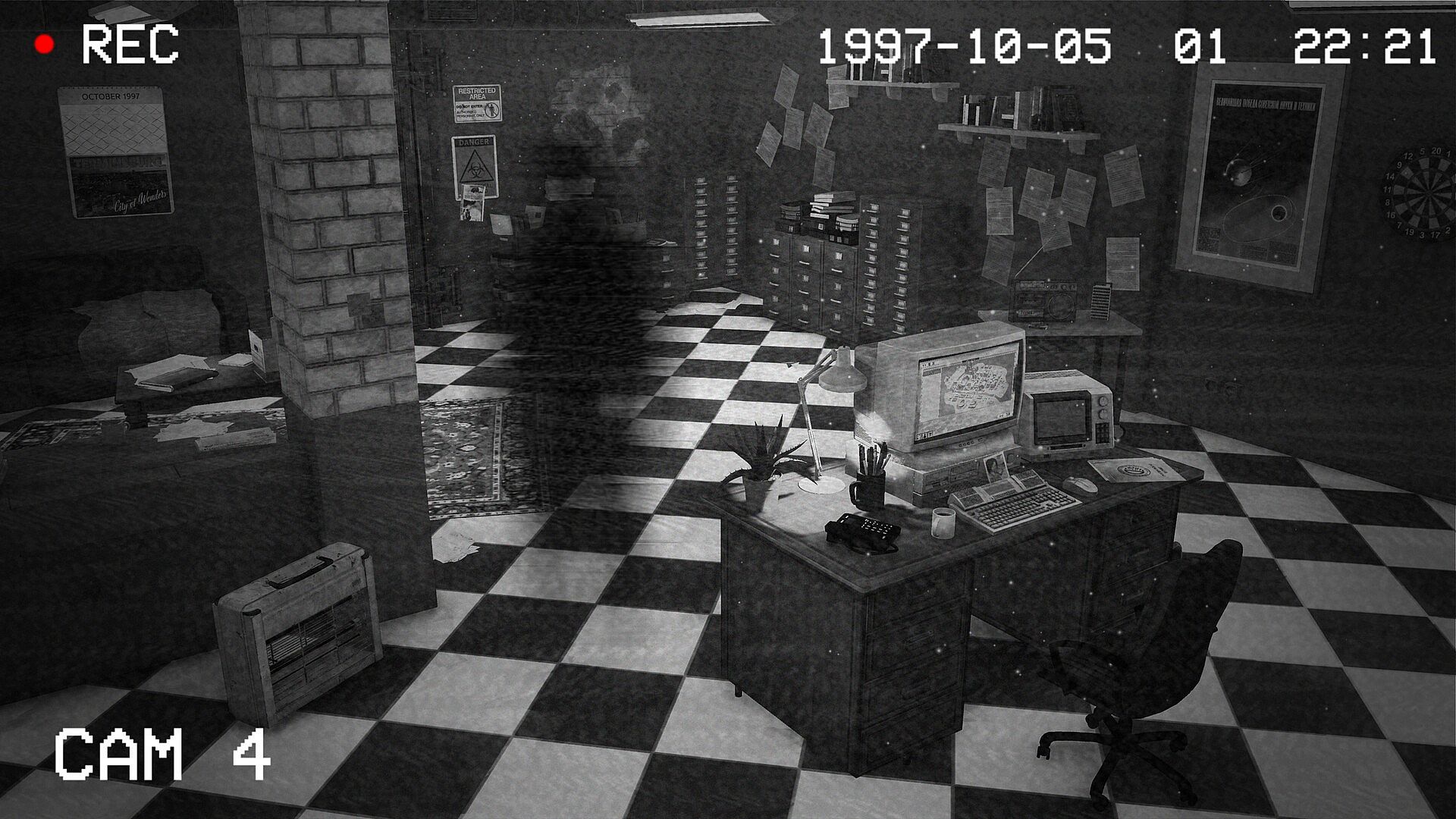
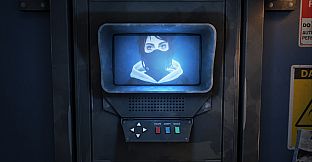
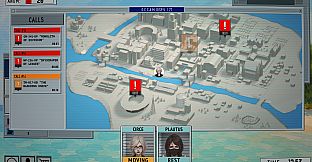
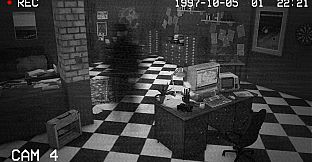
OCCAM '97 is a single-player simulation game set in the fictional city of Terminsburg in 1997. Players assume the role of a dispatcher at the Office for the Correction and Control of Anomalous Matter, handling reports of reality breakdowns and coordinating responses to contain them. The experience centers on decision-making under pressure, resource limits, and the gradual toll of repeated exposure to unexplained events.
Gameplay
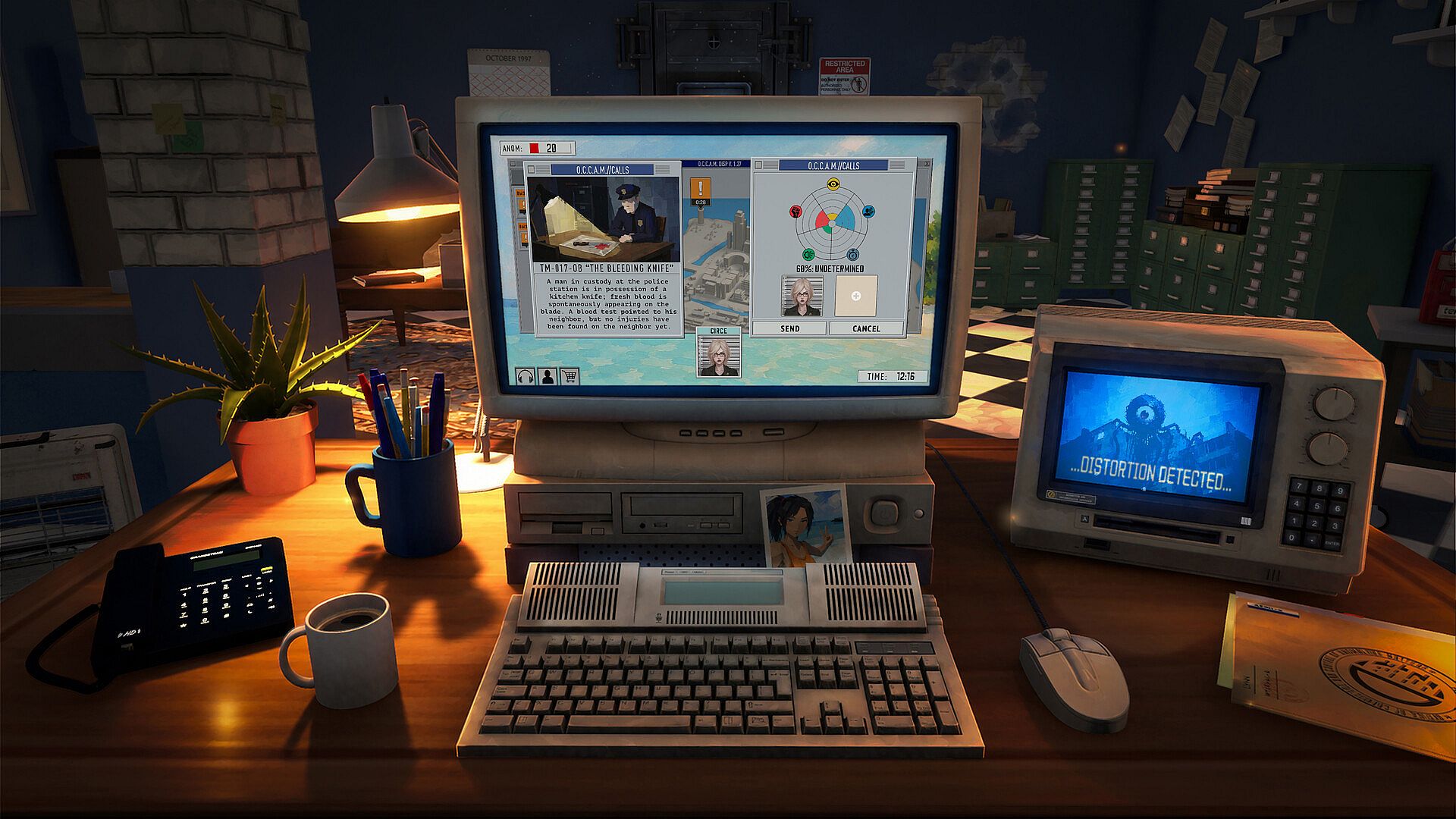
The core loop involves receiving incoming calls about anomalies and deciding which teams to send. Each call requires careful review because some incidents must go unanswered to maintain plausible deniability in official records. Mistakes accumulate and raise the city's overall anomaly level, making future cover stories harder to sustain. Captains serve as the primary operatives, each bringing specialized knowledge of different anomaly types along with personal vulnerabilities that affect reliability during shifts.
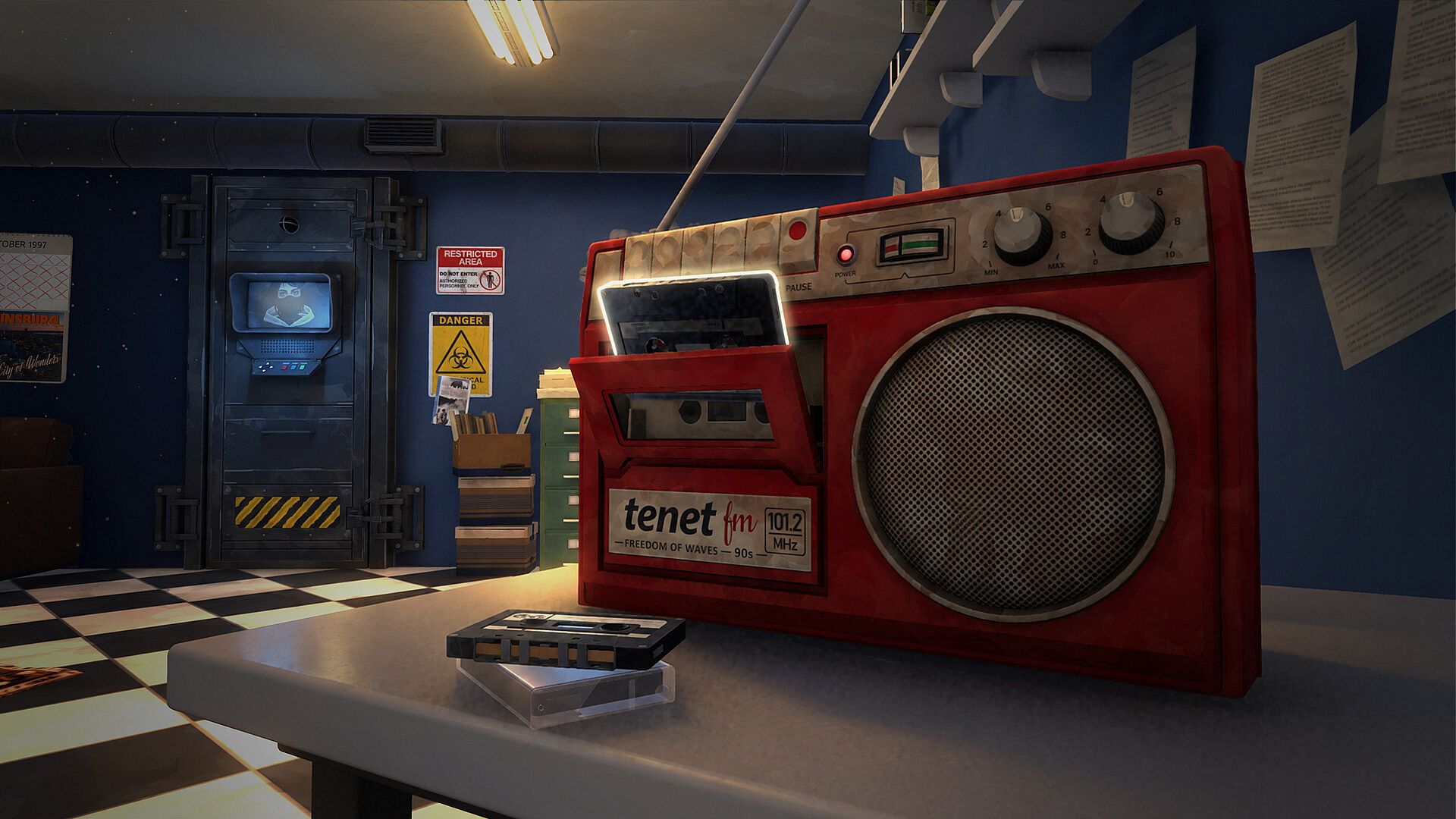
Stress management forms a central system. Captains lose effectiveness as stress builds, raising the chance they will ignore orders or suffer breakdowns. Preventive measures such as counseling sessions help maintain performance, but these require time and attention that could otherwise go toward other tasks. The dispatcher must also monitor personal mental state inside the office bunker through small routines like listening to the radio, drinking coffee, or reviewing mail to avoid perceptual distortions.
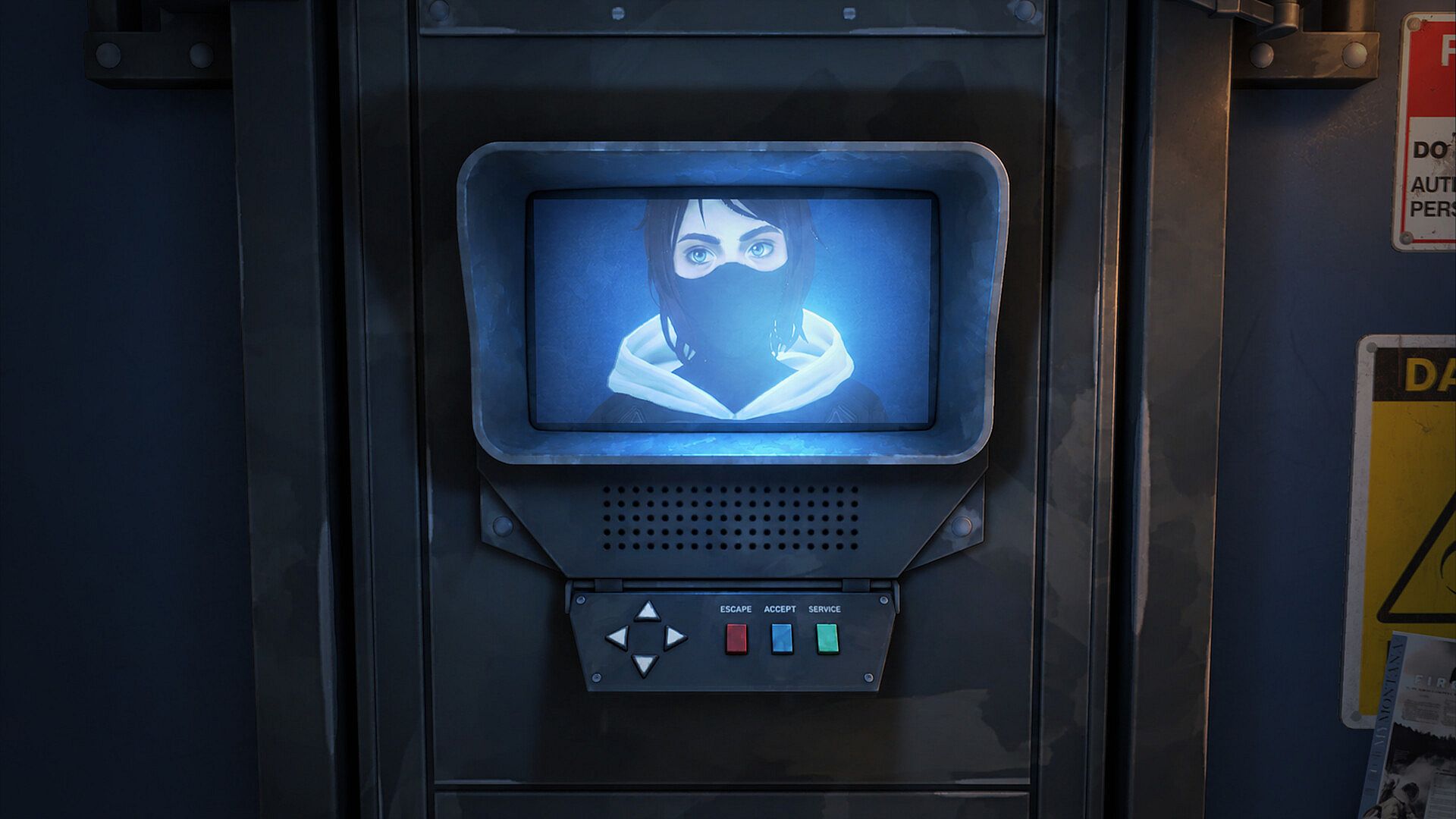
Budget allocation adds another layer of planning. Limited funds must cover recruiting new operatives, buying supplies, or pursuing research on collected anomaly data to unlock better preparation options. Hacking closed networks and intercepting signals provide additional ways to support field teams when complications arise, while memory correction protocols handle civilian witnesses after incidents. These secondary activities compete for the same limited time and resources as direct dispatch work.
Game Modes
OCCAM '97 operates as a single-player experience without separate multiplayer or competitive modes. The entire session unfolds through sequential shifts that combine call handling, personnel oversight, and administrative tasks. Progression comes from surviving successive days while keeping the anomaly level in check and preserving operational capacity. No distinct named modes exist beyond this unified structure of shift-based management and decision cycles.
Key Mechanics and Systems
Captains function as individual resources with distinct strengths and breaking points. One operative might excel at resolving temporal issues yet struggle with downtime, while another manages spatial anomalies but deteriorates in tight environments. Tracking these traits and adjusting assignments accordingly prevents cascading failures. Research from gathered data allows upgrades that improve team readiness for specific anomaly categories.
Resource scarcity forces constant trade-offs. Strengthening a team, preparing a particular captain, or investing in personal recovery all draw from the same pool, and no option covers every need. The game emphasizes long-term consequences, as unchecked stress or rising anomaly levels can lead to irreversible outcomes for both operatives and the city itself.
Is It Worth Playing?
OCCAM '97 targets players who enjoy detailed management simulations with psychological depth and narrative tension around containment and secrecy. The systems reward thoughtful allocation of limited resources and attention to individual character states rather than fast reflexes or combat. Because the game remains unreleased with no user reviews available, its appeal rests on the described mechanics of call triage, captain maintenance, and self-preservation. Those drawn to slow-burn decision loops in anomalous settings may find the structure engaging once it launches, while players seeking action or multiplayer elements will likely look elsewhere. The single-player focus keeps the emphasis on personal strategy and consequence tracking throughout each shift.