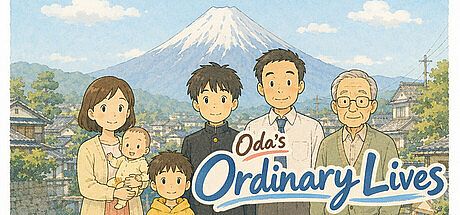


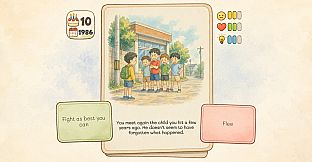
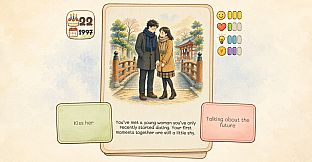
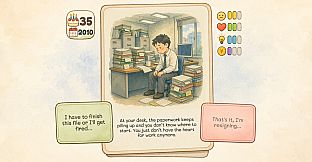
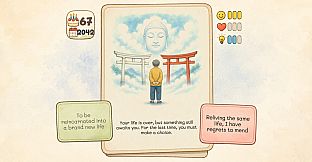
Oda's Ordinary Lives is an indie single-player RPG simulation and adventure game focused on living out complete ordinary lives through branching choices and long-term consequences. Players guide the character Oda from birth through old age, making decisions each year that shape careers, relationships, and daily events in ways that can echo across decades.
Gameplay
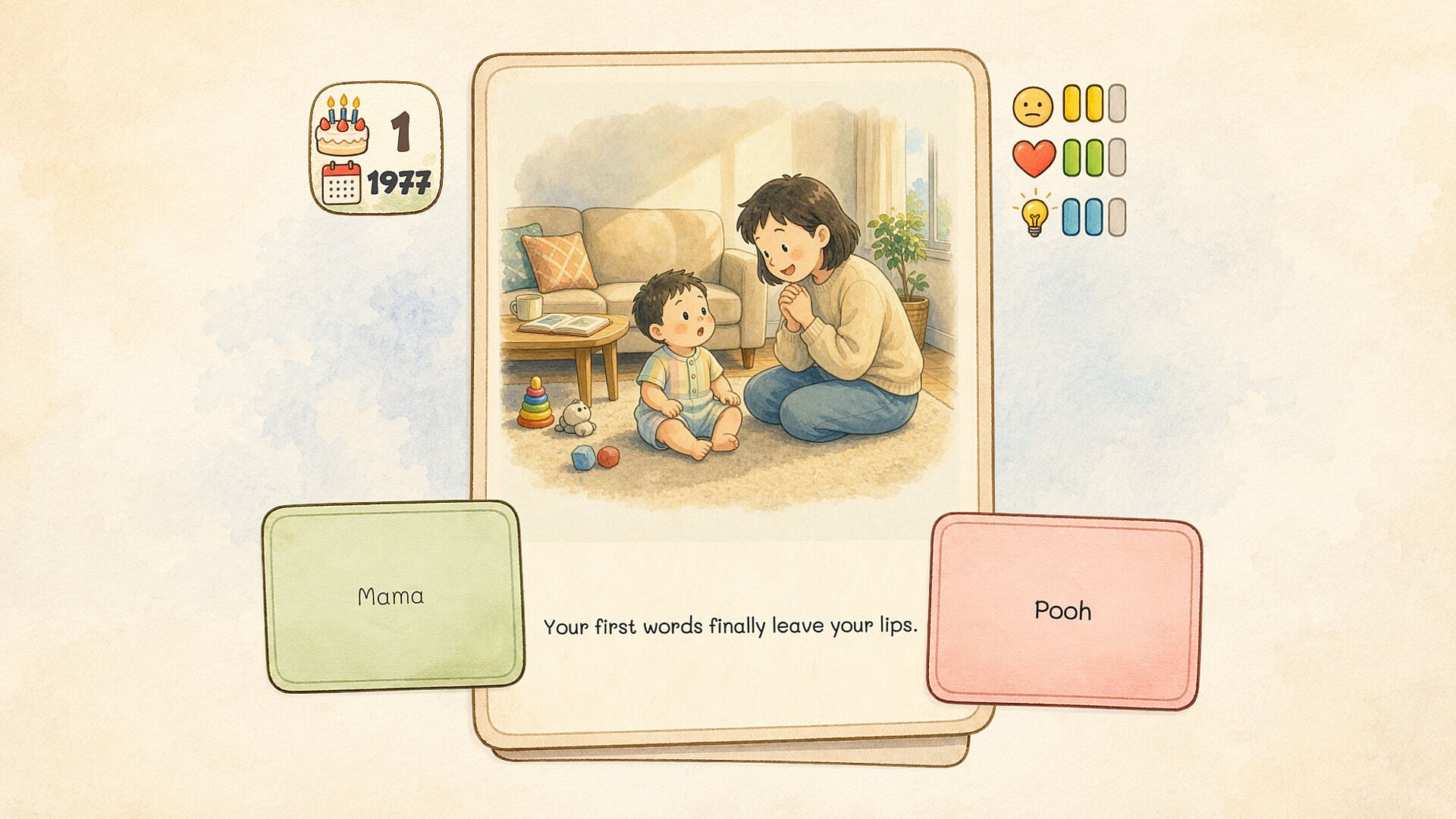
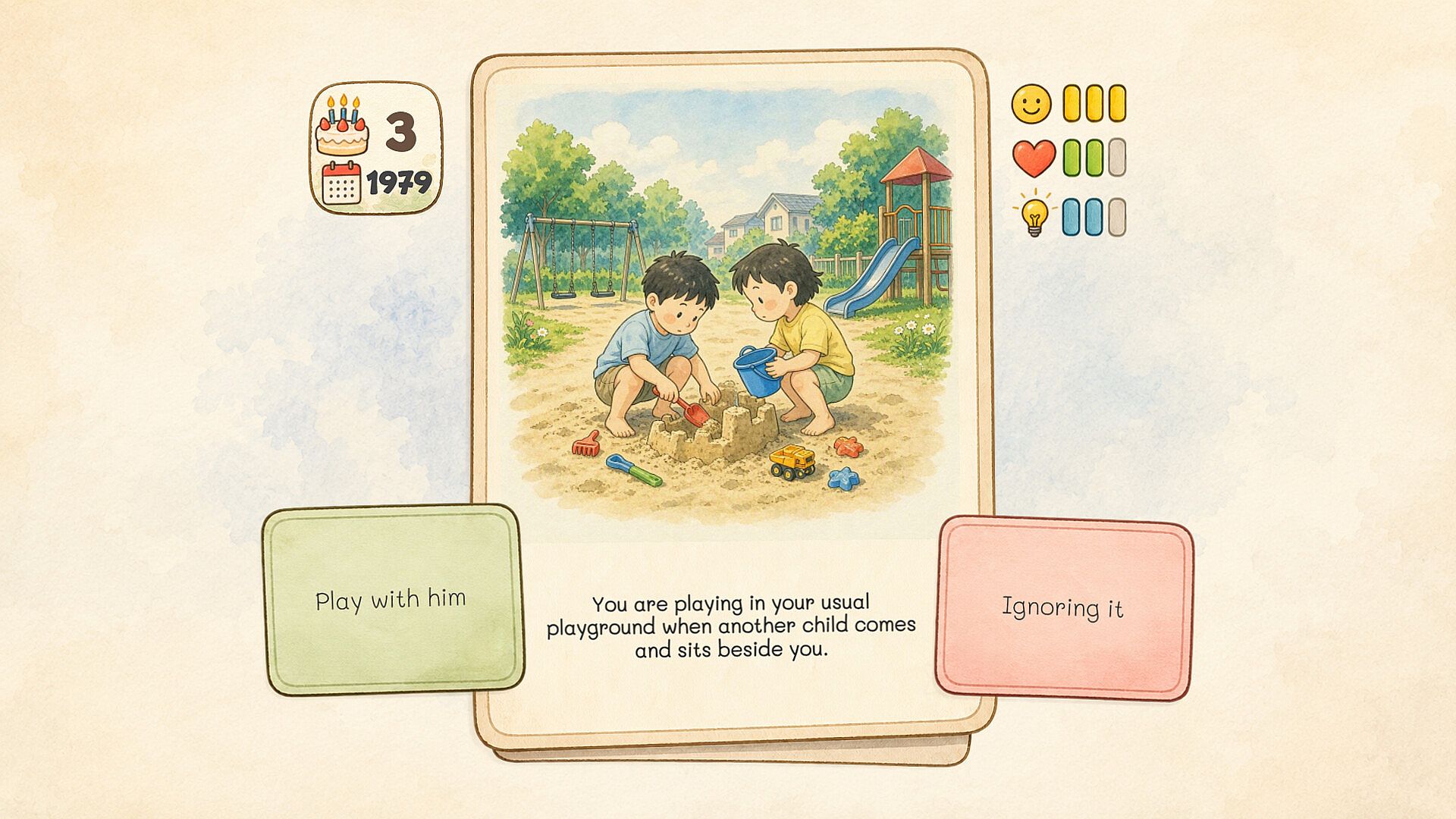
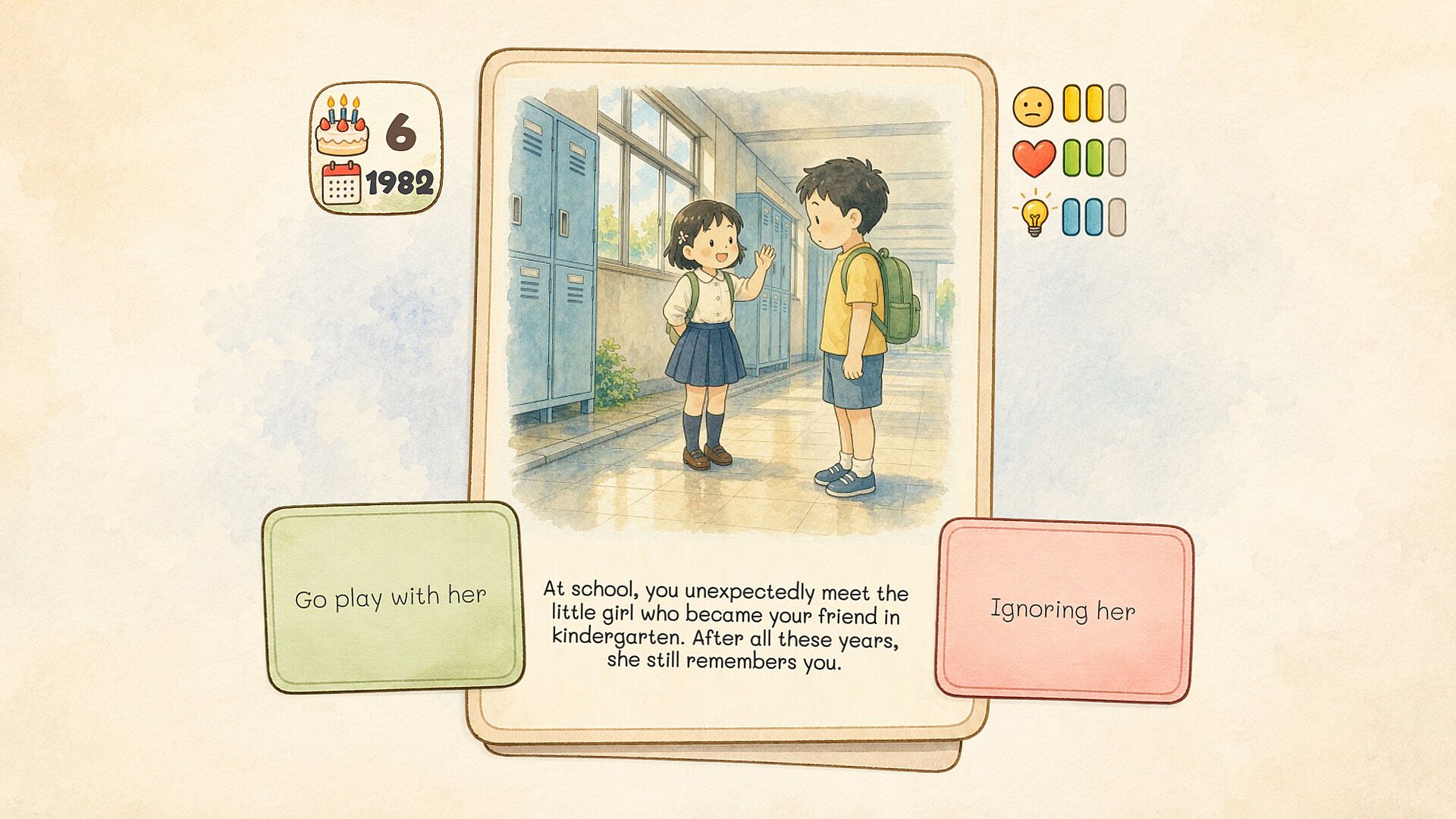
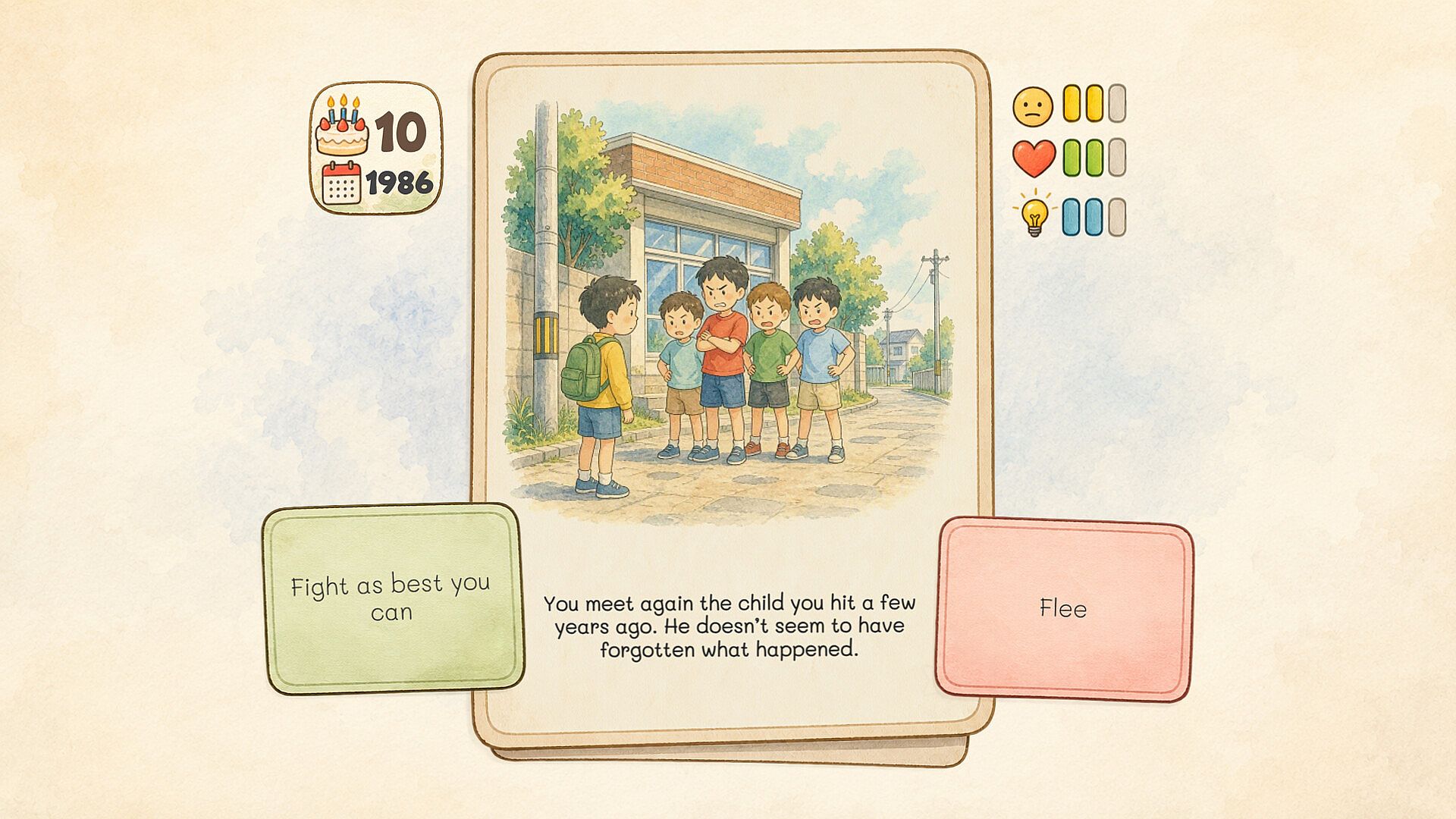
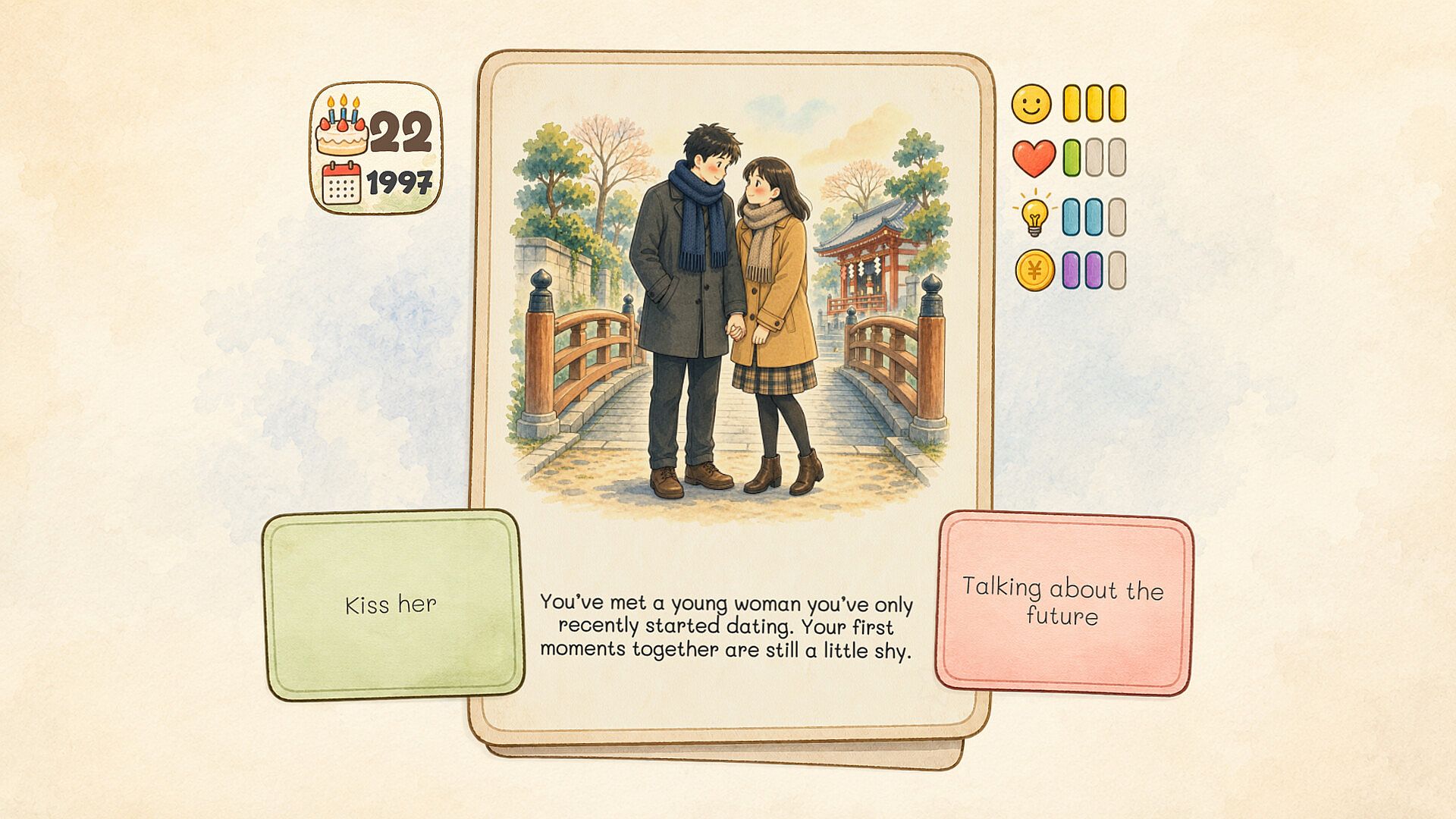
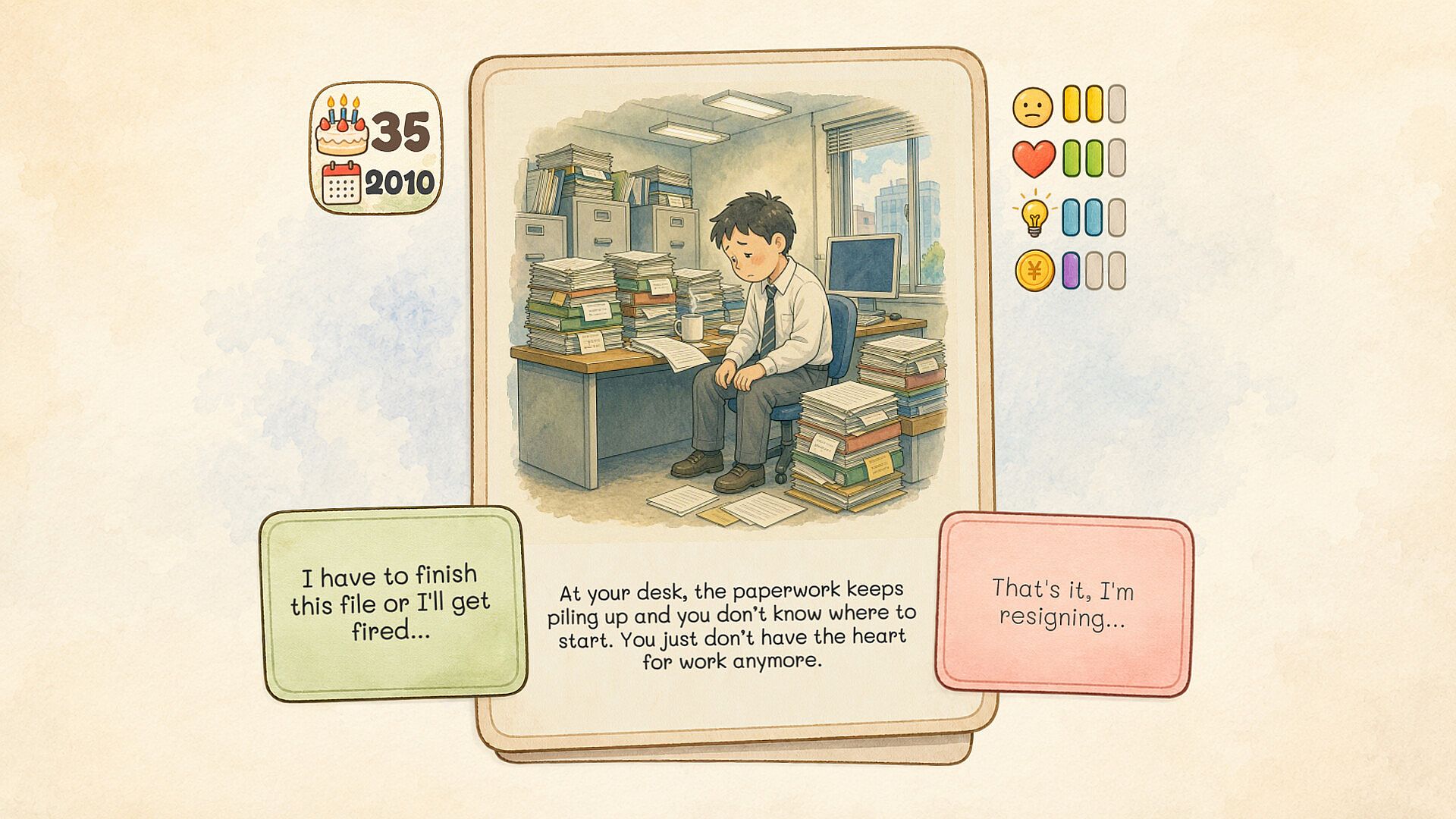
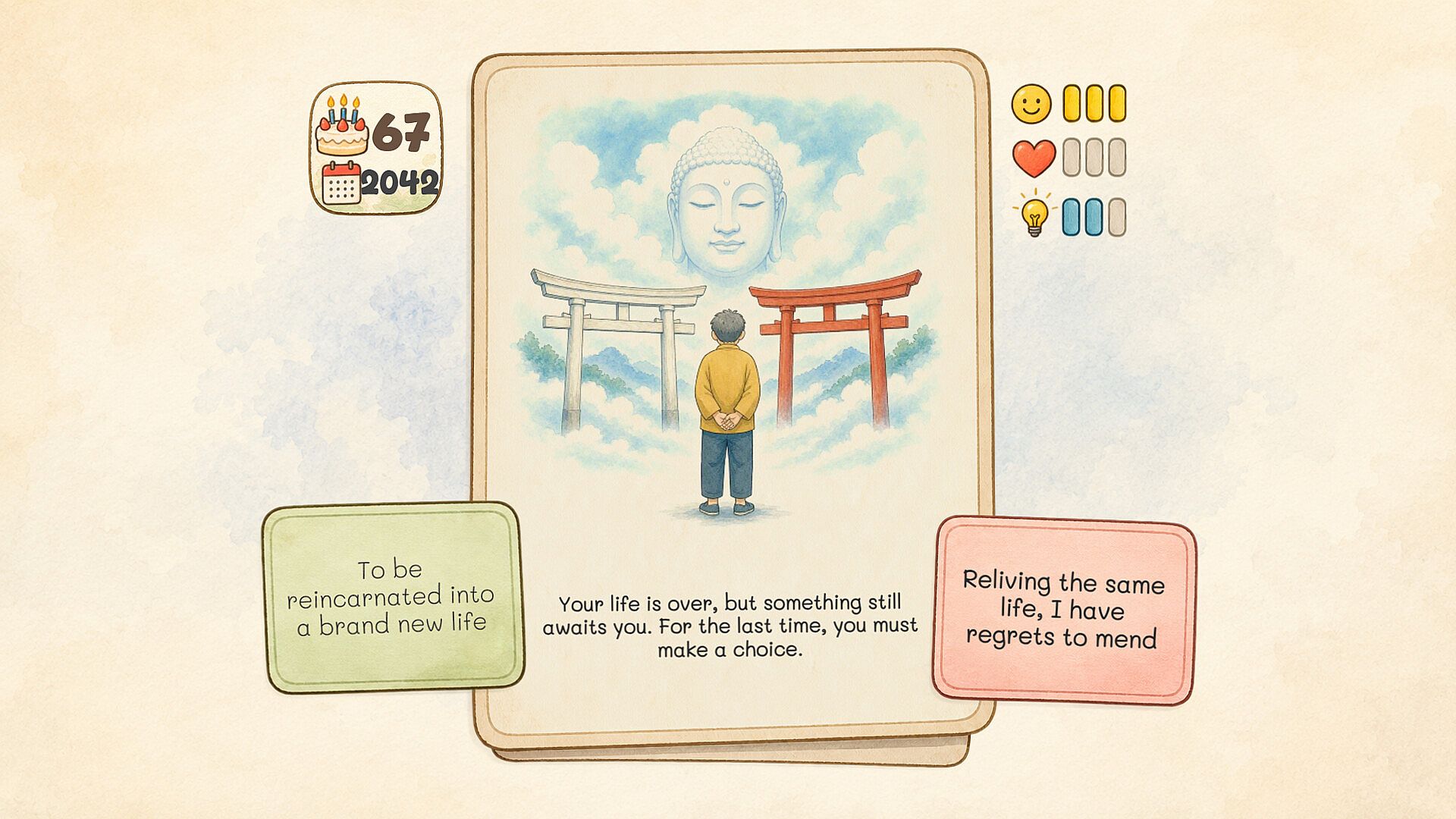
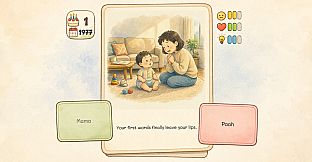
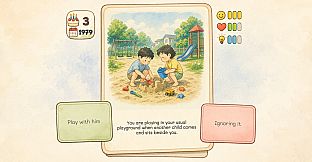
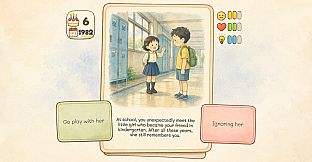
The core loop centers on progressing through each year of Oda's life one event at a time. Every year presents a new situation drawn from ordinary experiences such as school, work, social encounters, or personal milestones. Players respond with one of two choices per event, determining how Oda reacts and influencing future opportunities or setbacks. Decisions made early can resurface later, altering available paths or relationships years down the line. The system emphasizes that some choices appear minor yet carry lasting weight, while others redirect entire life trajectories. There are no traditional win conditions or scores. Progress simply unfolds as a sequence of lived moments, with outcomes ranging from quiet routines to major shifts in family, location, or personal fulfillment.
Reincarnation forms a key replay element. When a life ends, players can start an entirely new existence or reload the same sequence of events to experiment with different reactions and observe altered results. This structure supports extensive variation, as combinations of encounters, relationships, and timing create distinct narratives across multiple runs. The experience remains grounded in simulation elements, tracking how early actions affect later stages without requiring combat, resource management, or external objectives.
Game Modes
The game operates as a single continuous single-player experience centered on one life at a time. The primary mode involves playing through a full lifespan with fresh choices each playthrough. Reincarnation serves as the built-in replay system, allowing either completely new lives or targeted revisits to the same timeline. No separate multiplayer, competitive, or cooperative modes exist. All activity stays within the choice-driven life simulation framework, where the goal is simply to explore different versions of Oda's existence through repeated cycles of birth, decisions, and death.
Key Mechanics and Features
Long-term consequence tracking stands out as the central system. Choices influence not only immediate results but also which events, characters, or opportunities appear in later years. This creates interconnected stories where a single interaction from youth might affect career options or personal connections in old age. The design supports millions of possible combinations through varied events, relationships, and branching paths, ensuring each full playthrough differs in meaningful ways. Visuals and audio support the intimate, reflective tone without relying on high-action sequences or expansive environments. The game remains in Early Access with plans for additional events and refinements based on player input over the coming months.
Who It's For
This title appeals to players interested in narrative-driven simulations and choice-based storytelling. It suits those who enjoy reflecting on cause and effect across extended timelines rather than fast-paced action or puzzle solving. The absence of failure states or competitive elements makes it accessible for casual sessions focused on discovery and experimentation. Fans of life sims or branching story experiences will find the reincarnation feature encourages multiple short or extended playthroughs to uncover different outcomes.
Is It Worth Playing?
Oda's Ordinary Lives delivers a focused single-player experience built around meaningful decisions and their ripple effects over a lifetime. With its emphasis on unique playthroughs and the option to revisit or restart lives, it provides replay value for those drawn to reflective, consequence-heavy narratives. The Early Access version already includes the full core loop from start to finish, with further expansions planned. Players who value quiet exploration of ordinary moments and long-term storytelling will likely appreciate the approach. Those seeking traditional progression systems, combat, or multiplayer features may find the scope more limited. The game is scheduled for wider release following the Early Access period, making it a solid option for anyone ready to engage with its deliberate pace and personal-scale decisions.