




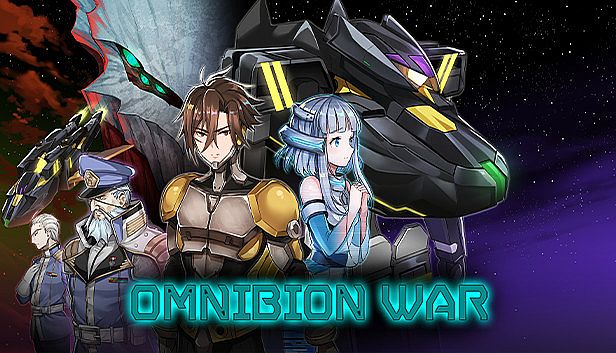



















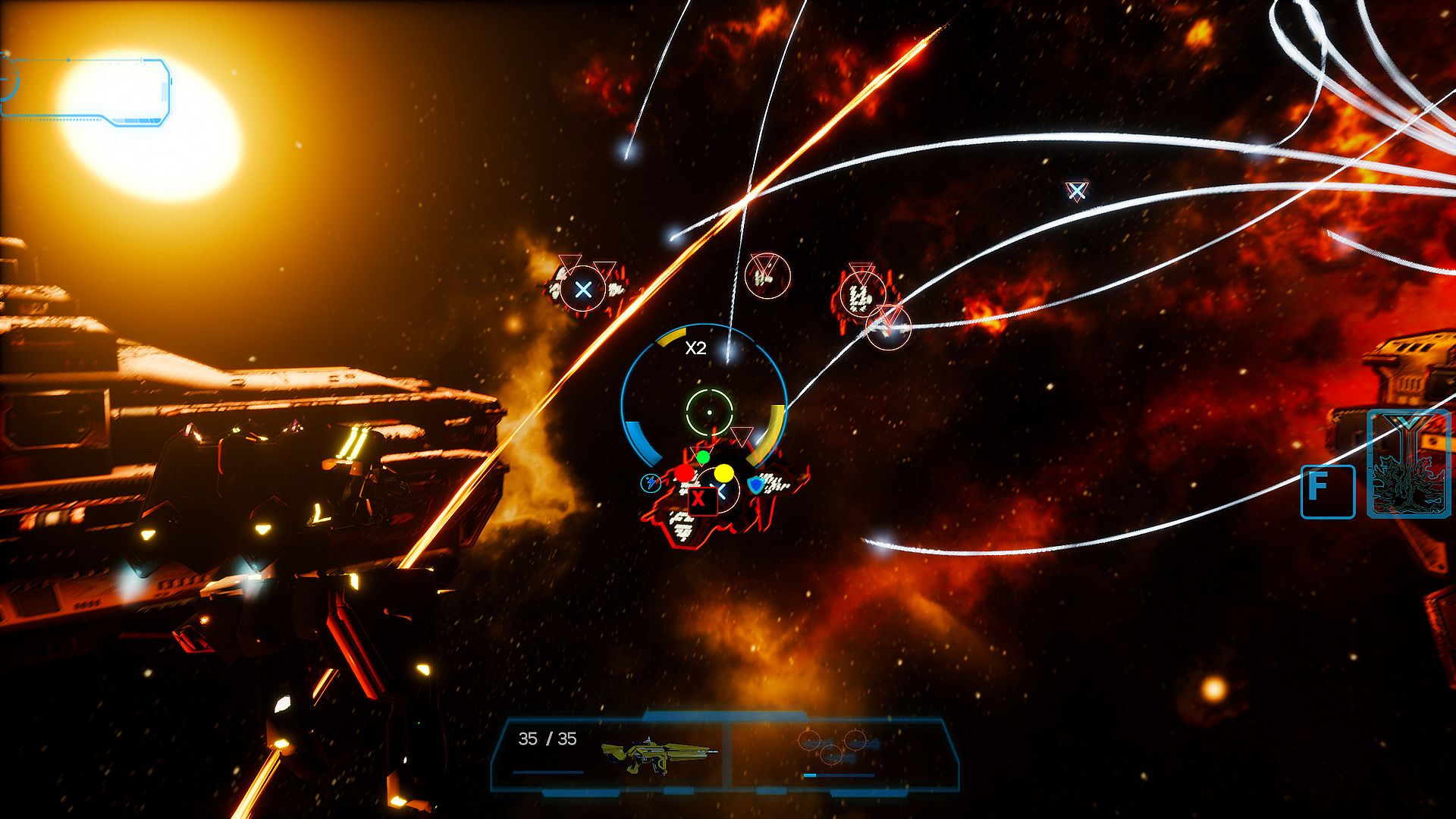
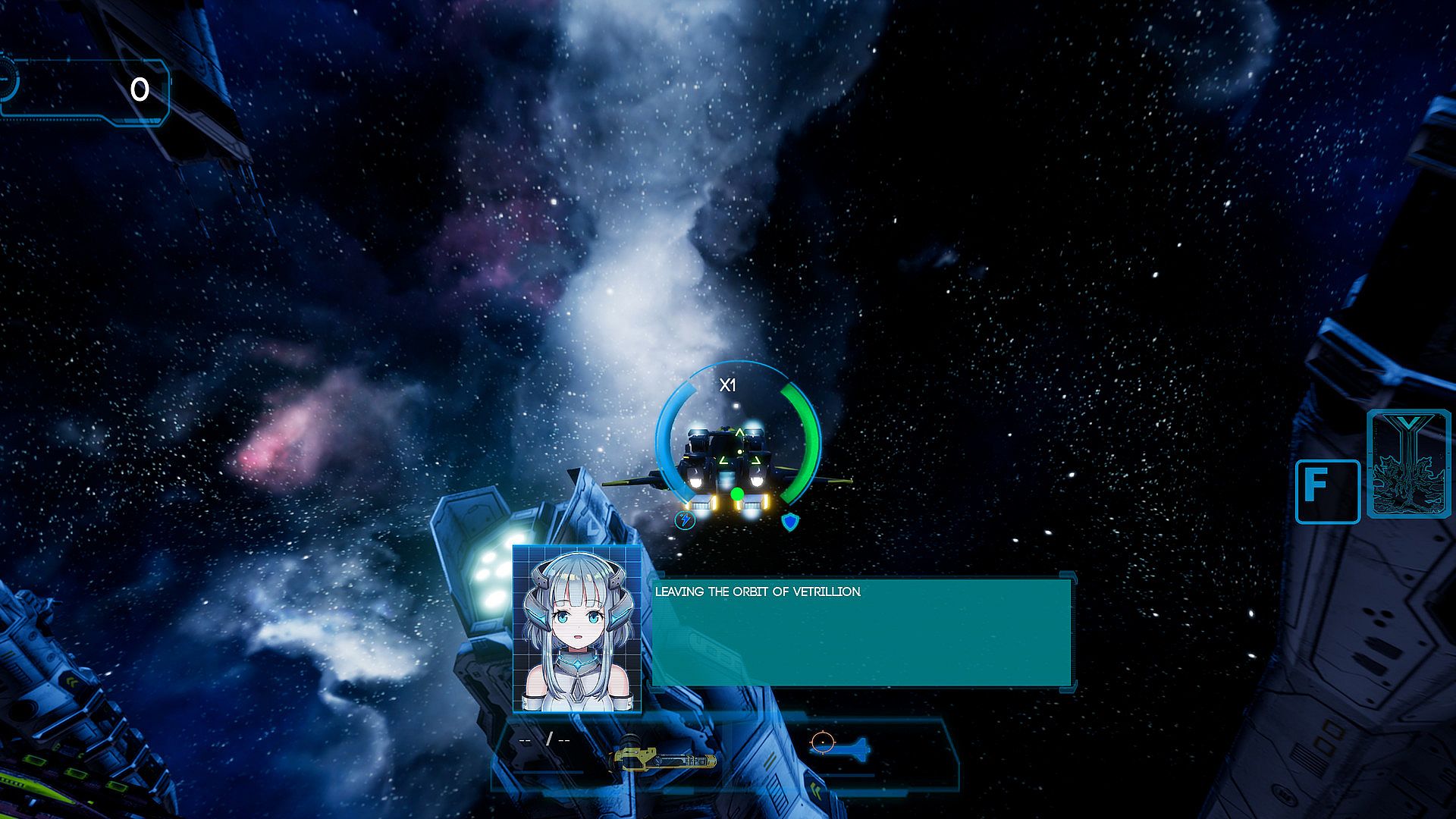
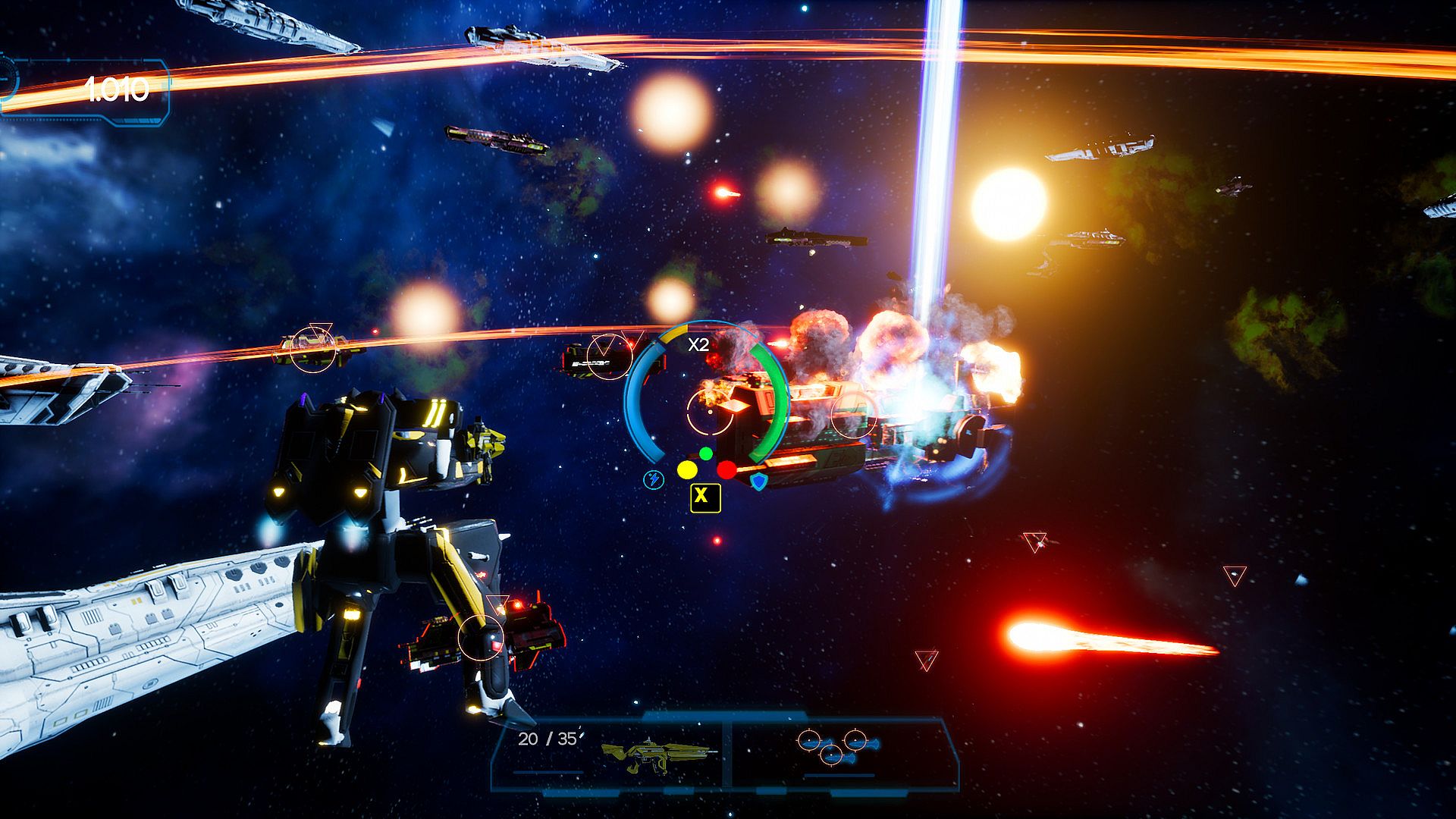
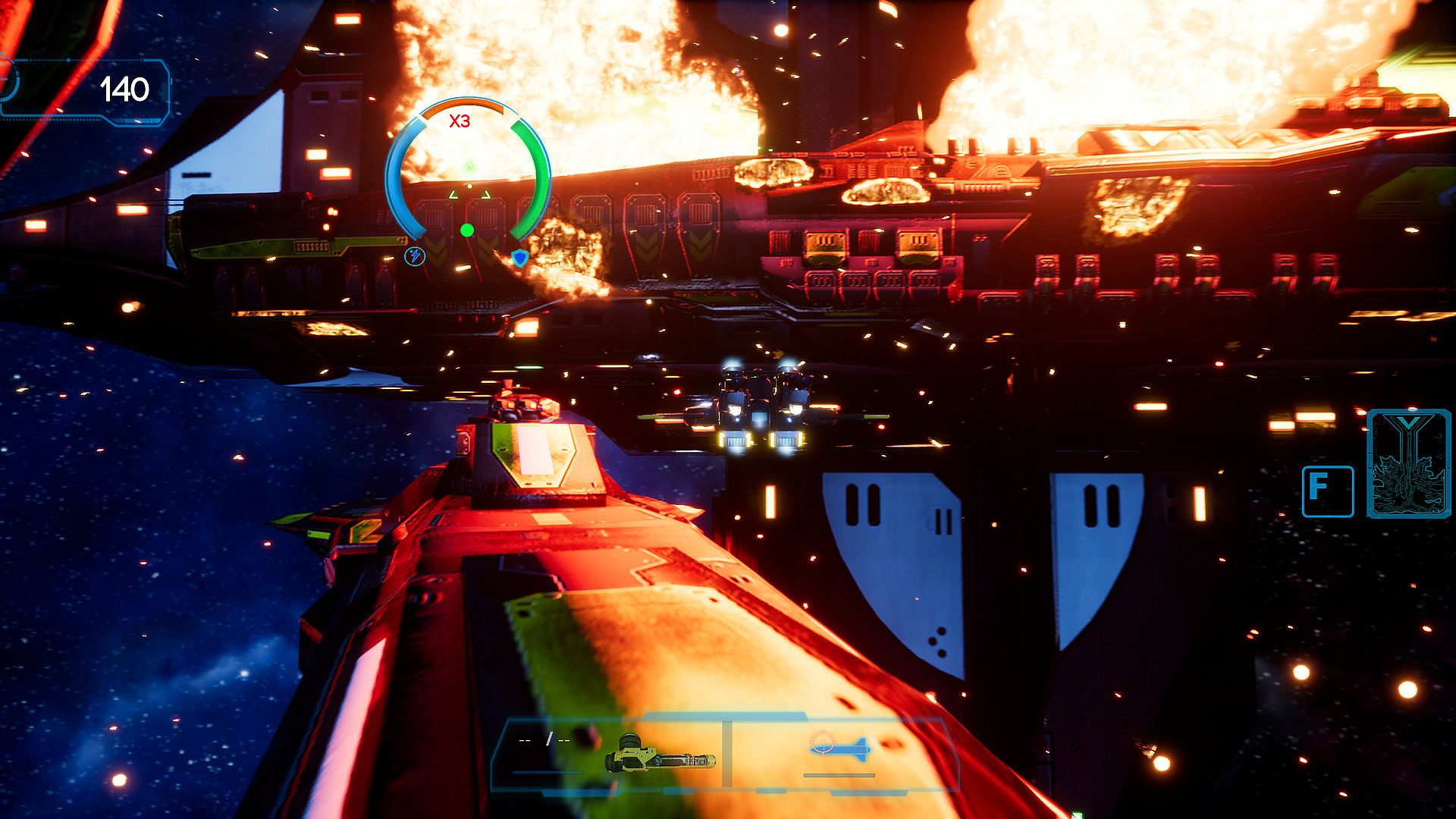

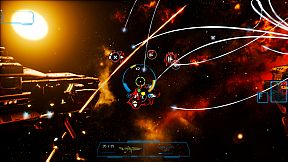

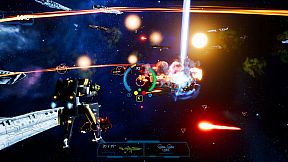
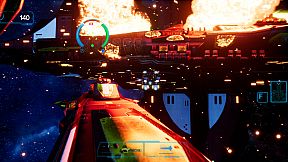
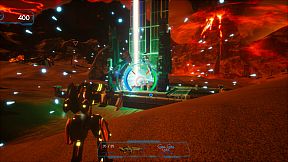

Omnibion War is an action indie game developed as a passion project by a small studio. It blends classic on-rails shooting with modern transformation mechanics in a single-player experience set across space and planetary environments. Players take control of a versatile gunship to battle enemy forces in a story that continues after an earlier galactic conflict.
Gameplay
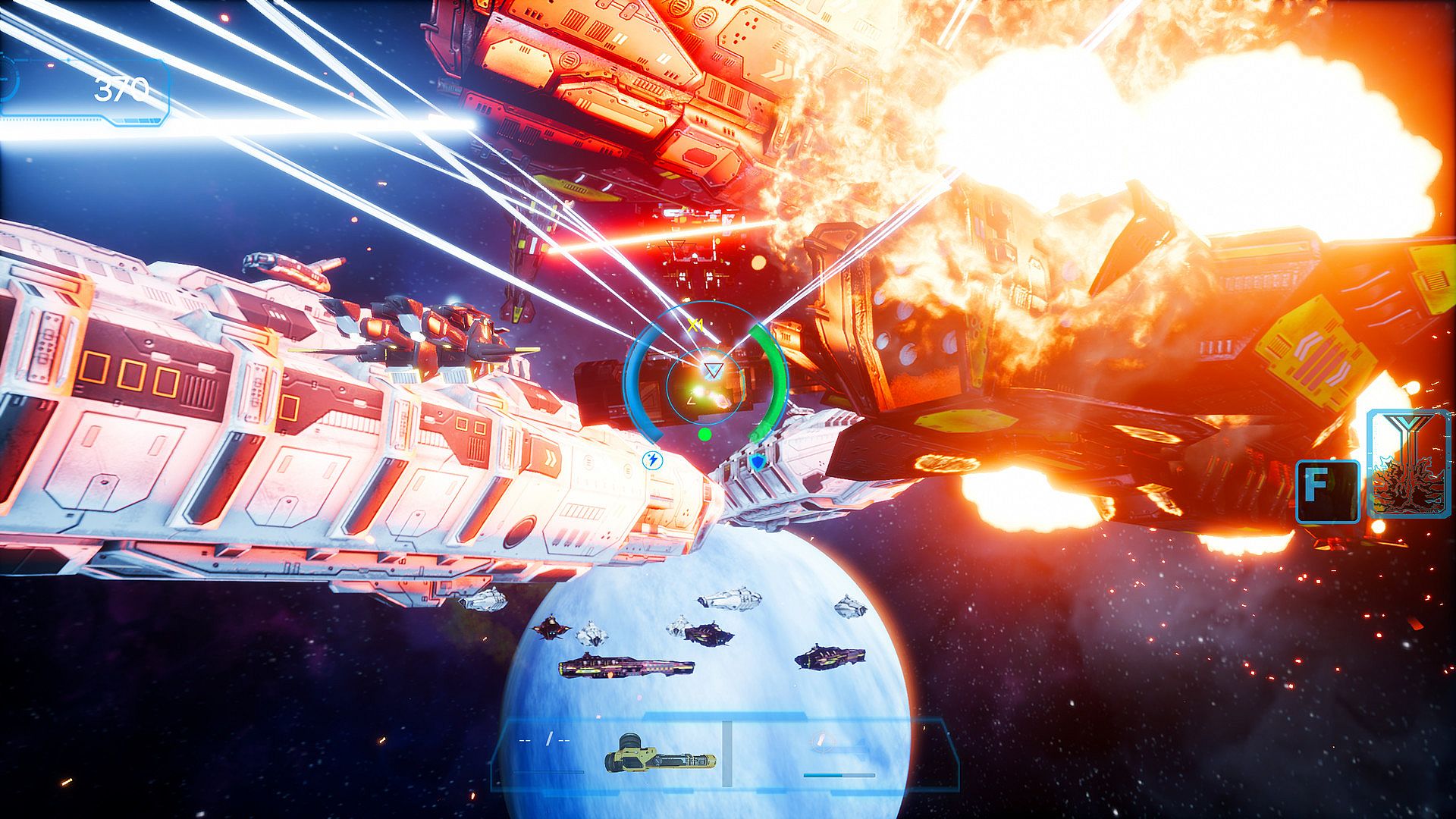
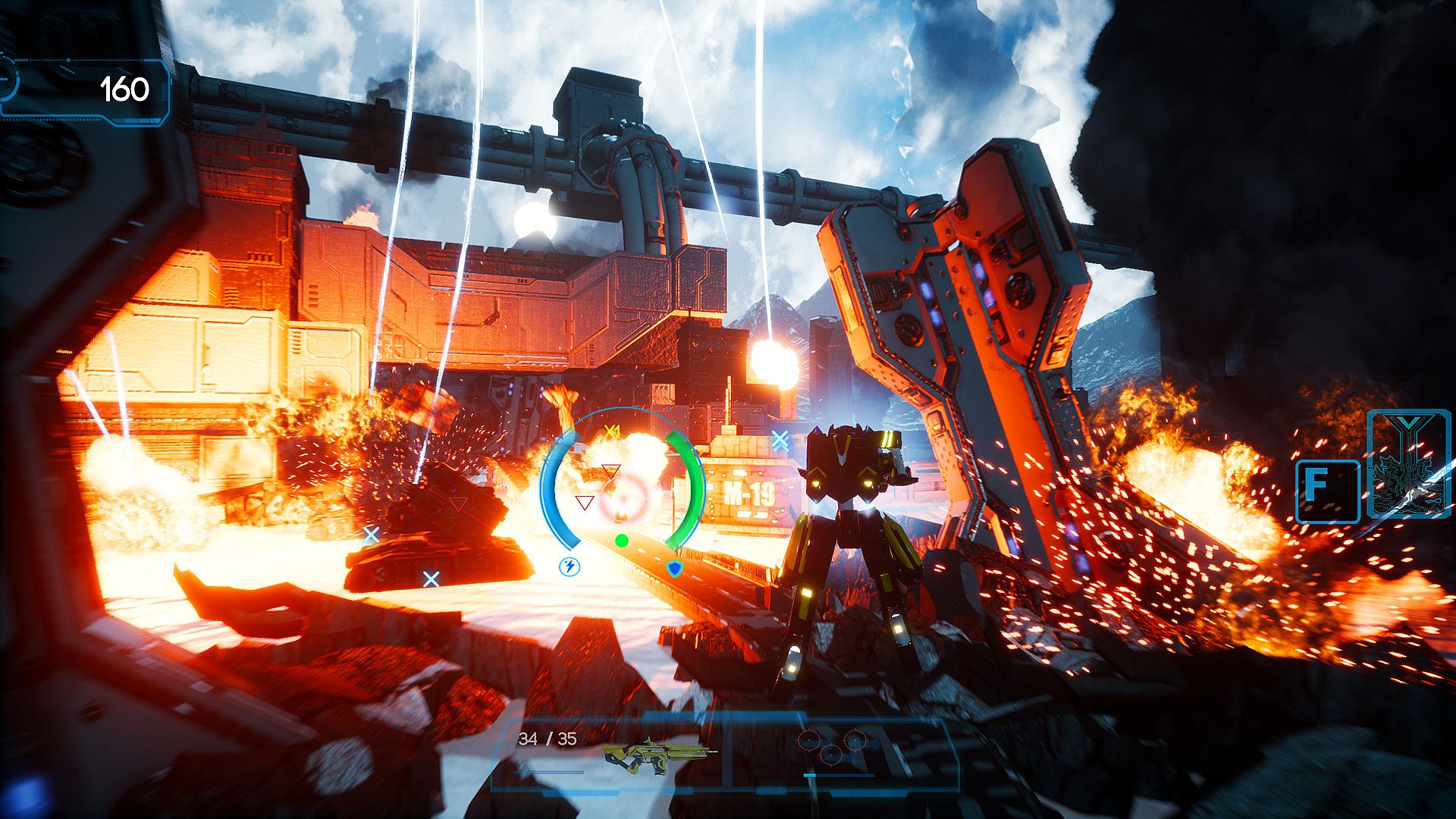
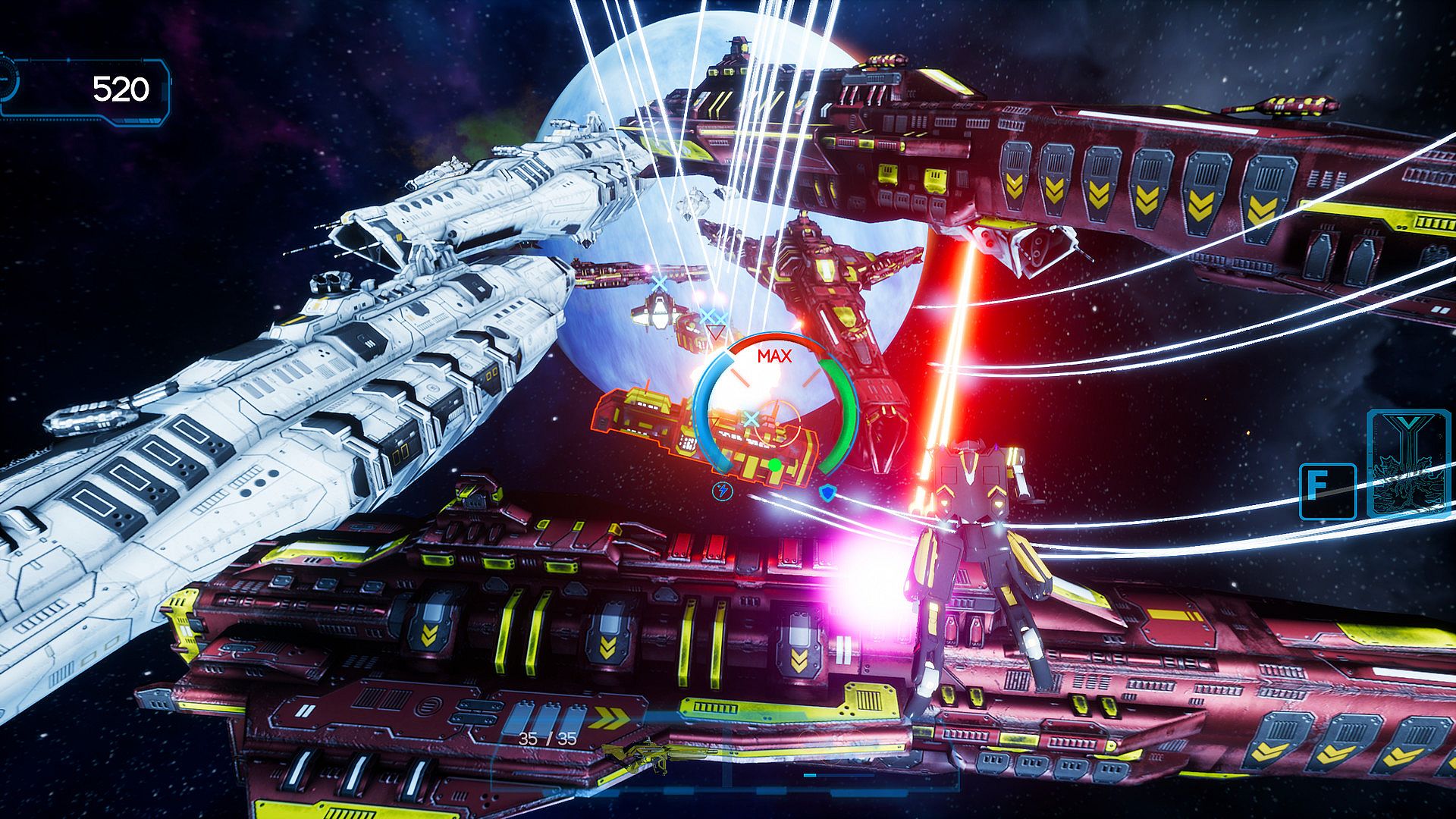
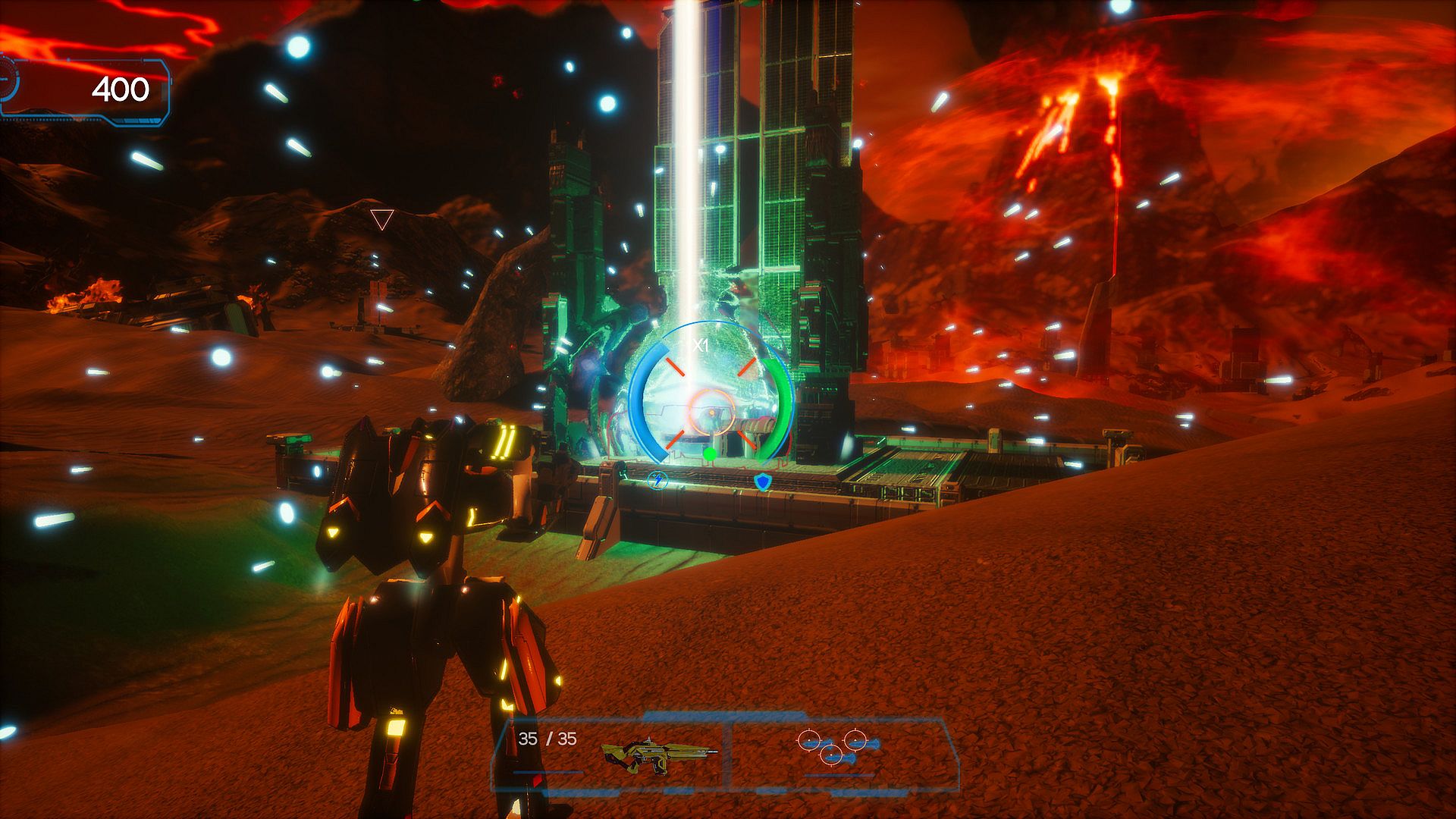
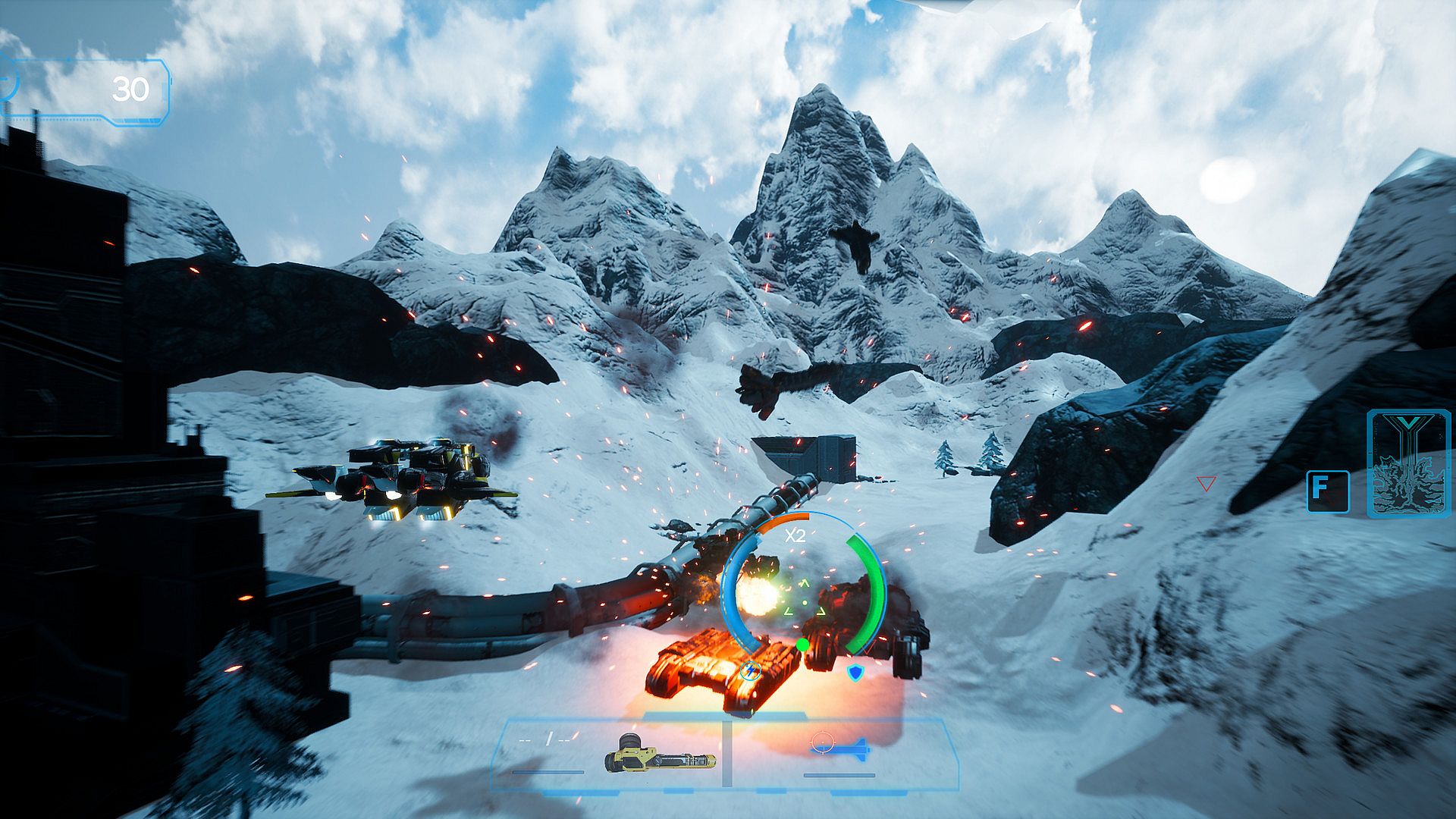
The core loop centers on piloting the A.A.V.G. gunship, which switches instantly between a high-speed space jet and a grounded flying mech. This switch lets players adapt to different combat situations, using jet mode for rapid movement and long-range attacks while mech mode provides stability for heavier firepower and close-quarters defense. Missions send the player through open space, lava-covered deserts, and underwater areas on distant planets, each with specific goals such as protecting assets, destroying targets, or rescuing units.
Combat involves facing waves of smaller enemies alongside larger bosses. The gunship carries multiple weapons that improve through experience points earned during play. These points unlock new armaments, enhancements to existing systems, and special attacks that clear groups of foes more efficiently. The difficulty rises steadily, rewarding precise timing and positioning rather than simple button mashing.
Game Modes
Two distinct modes shape the experience. Rail shooter mode follows fixed paths through levels, emphasizing quick reactions and target prioritization as the ship moves automatically along set routes. Free flight mode removes those restrictions, allowing full control over movement in three dimensions for more open exploration and positioning during fights.
Each mission typically combines both styles. The first phase often uses rail shooter rules for intense, directed sequences, while the second phase shifts to free flight for objective completion and boss encounters. This structure keeps sessions varied without requiring separate playlists or selections.
Is It Worth Playing?
Omnibion War appeals directly to fans of older arcade-style shooters who enjoy a mix of guided and open movement. The transformation system adds a layer of tactical choice that sets it apart from pure on-rails titles, while the progression system gives clear incentives to replay missions for better upgrades. The steep learning curve means early attempts may feel punishing, yet successful runs deliver satisfying mastery over the controls and enemy patterns.
Because the game focuses entirely on single-player content with no ongoing seasons or multiplayer components, it suits players seeking a self-contained campaign rather than live-service updates. Those who appreciate retro-inspired visuals and sound design paired with modern transformation mechanics will find the most value here. Newcomers to the genre may want to start on lower difficulty settings to adjust to the pace before tackling higher challenges.














