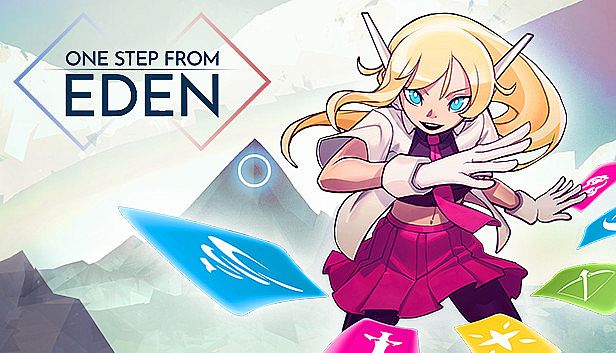














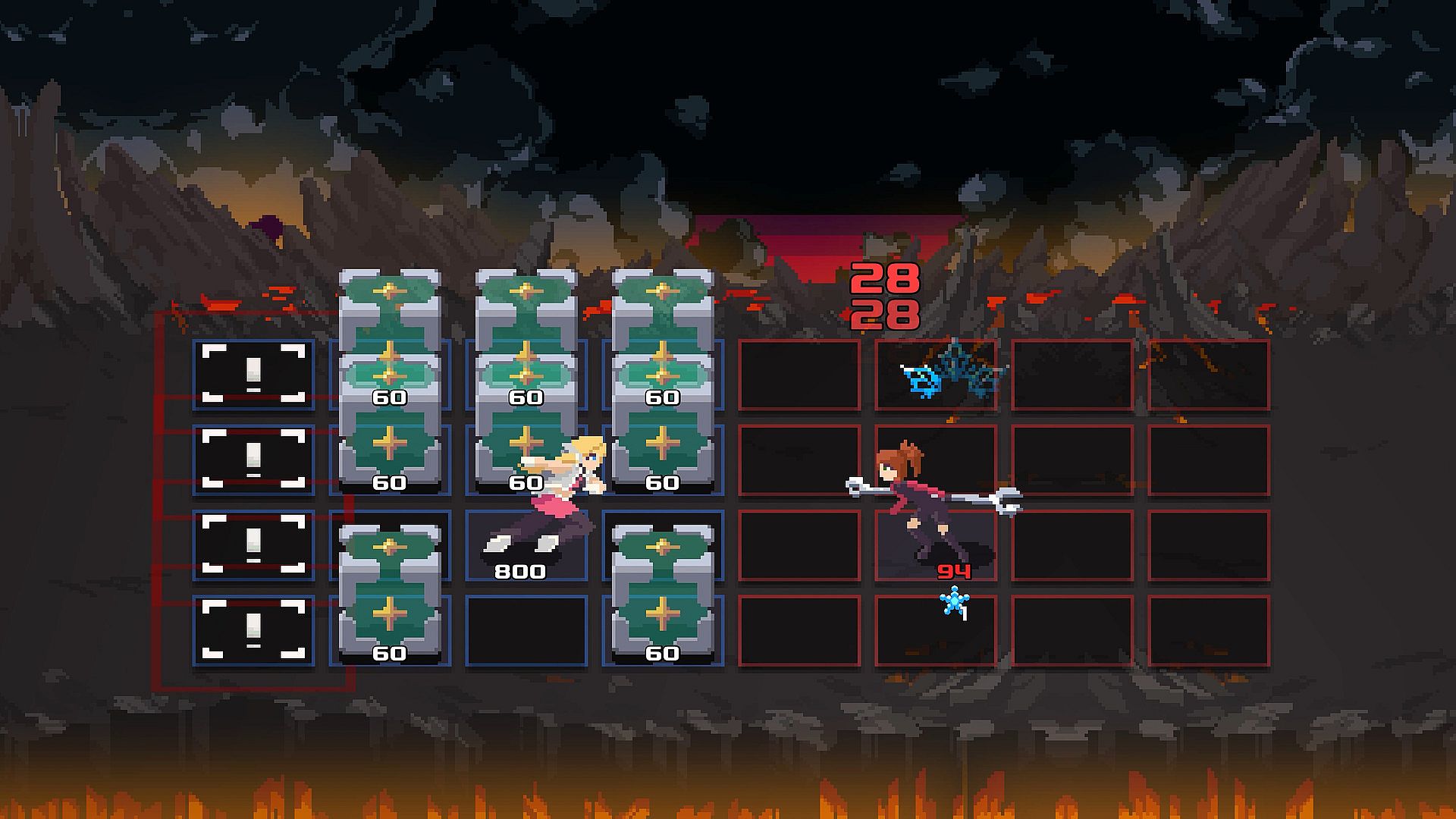
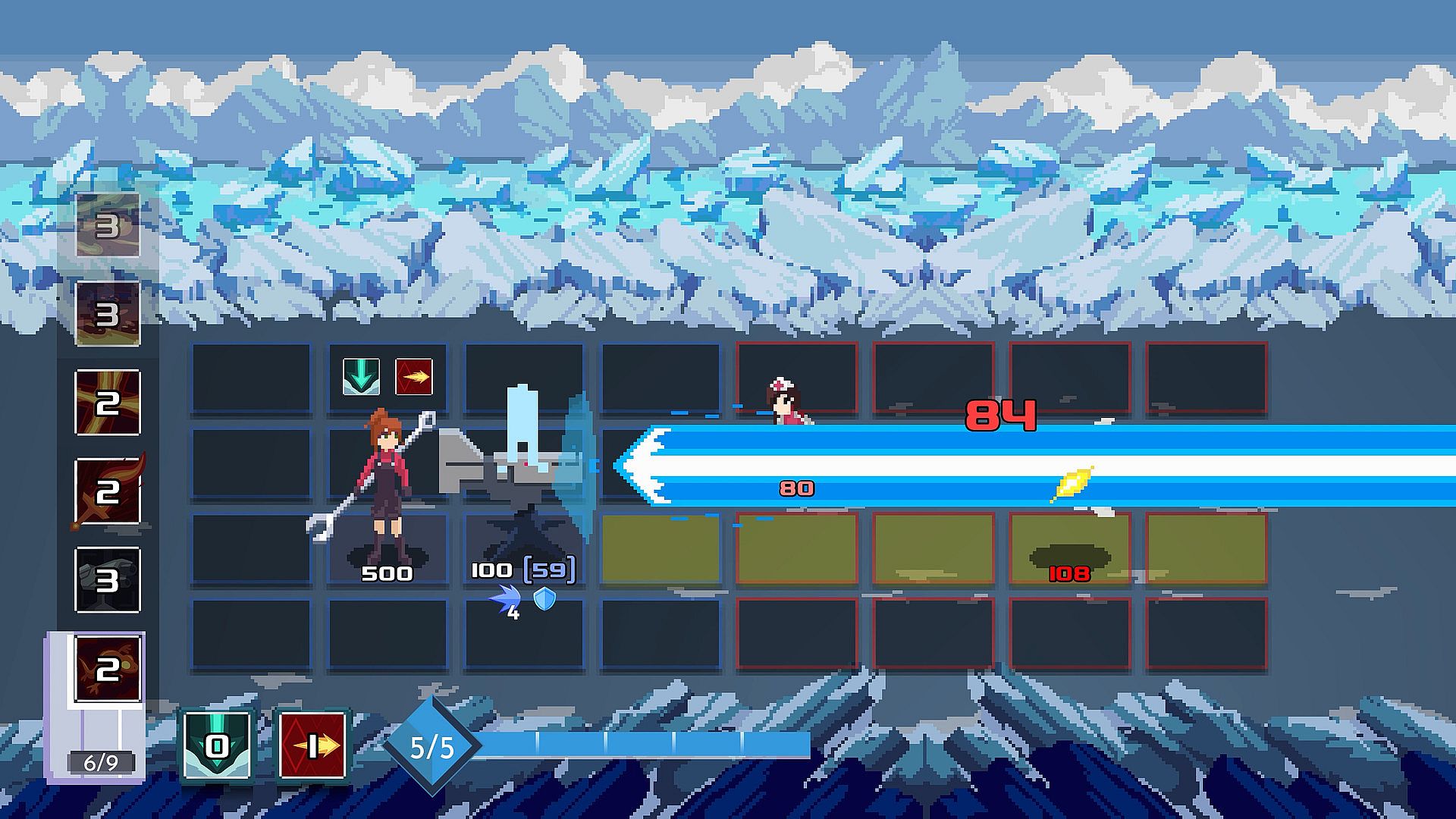
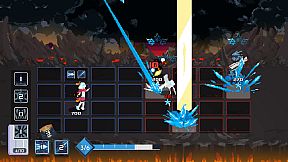
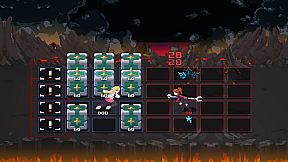
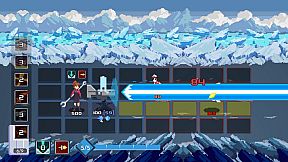
One Step From Eden is an action strategy indie game that blends deck building with real time grid based combat in a post war setting. Players navigate a bleak world as they attempt to reach the last beacon of hope known as Eden. The core experience mixes strategic card selection with fast paced dodging and spell casting on mirrored 4x4 grids where movement occurs one square at a time.
Gameplay
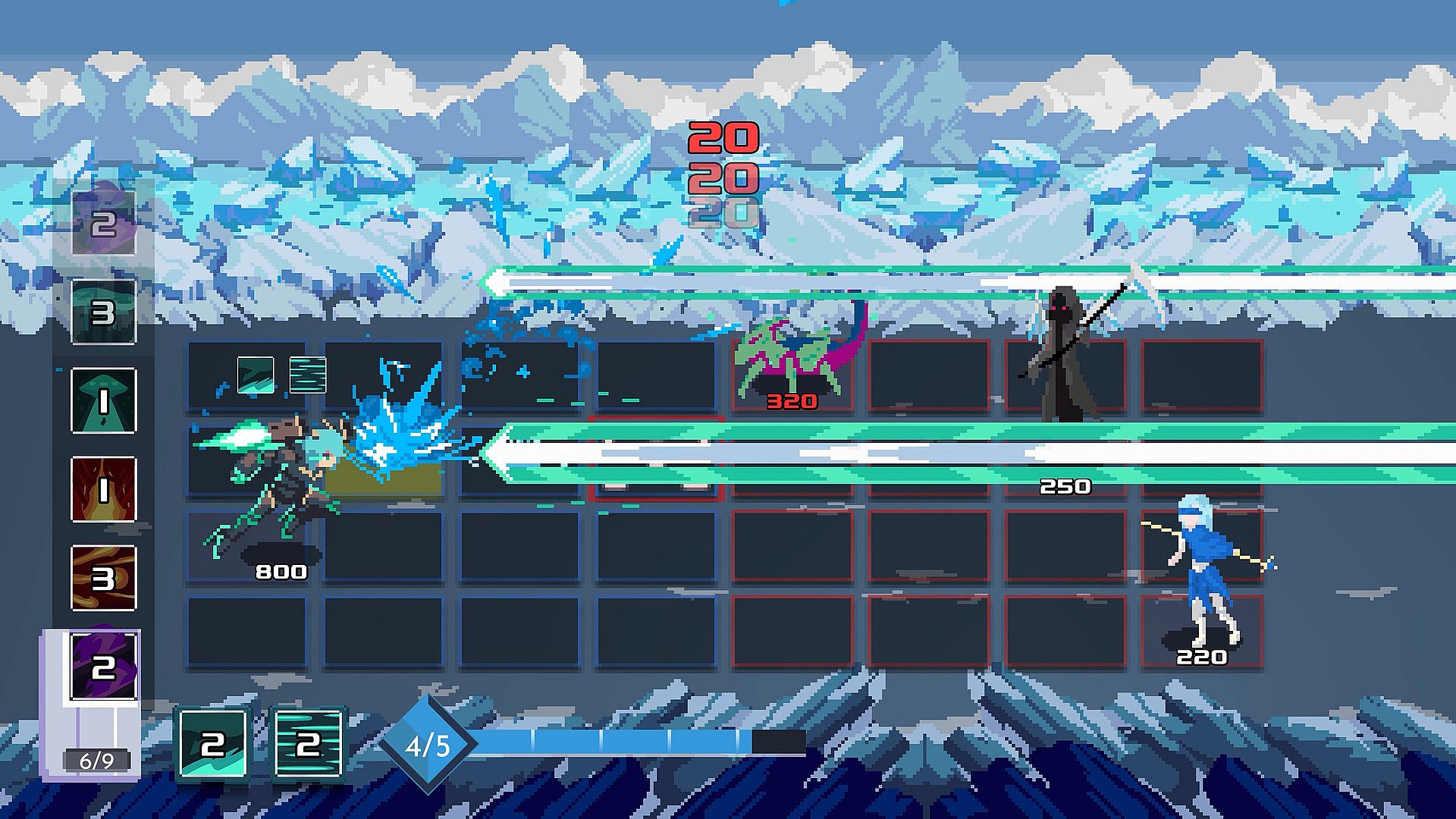
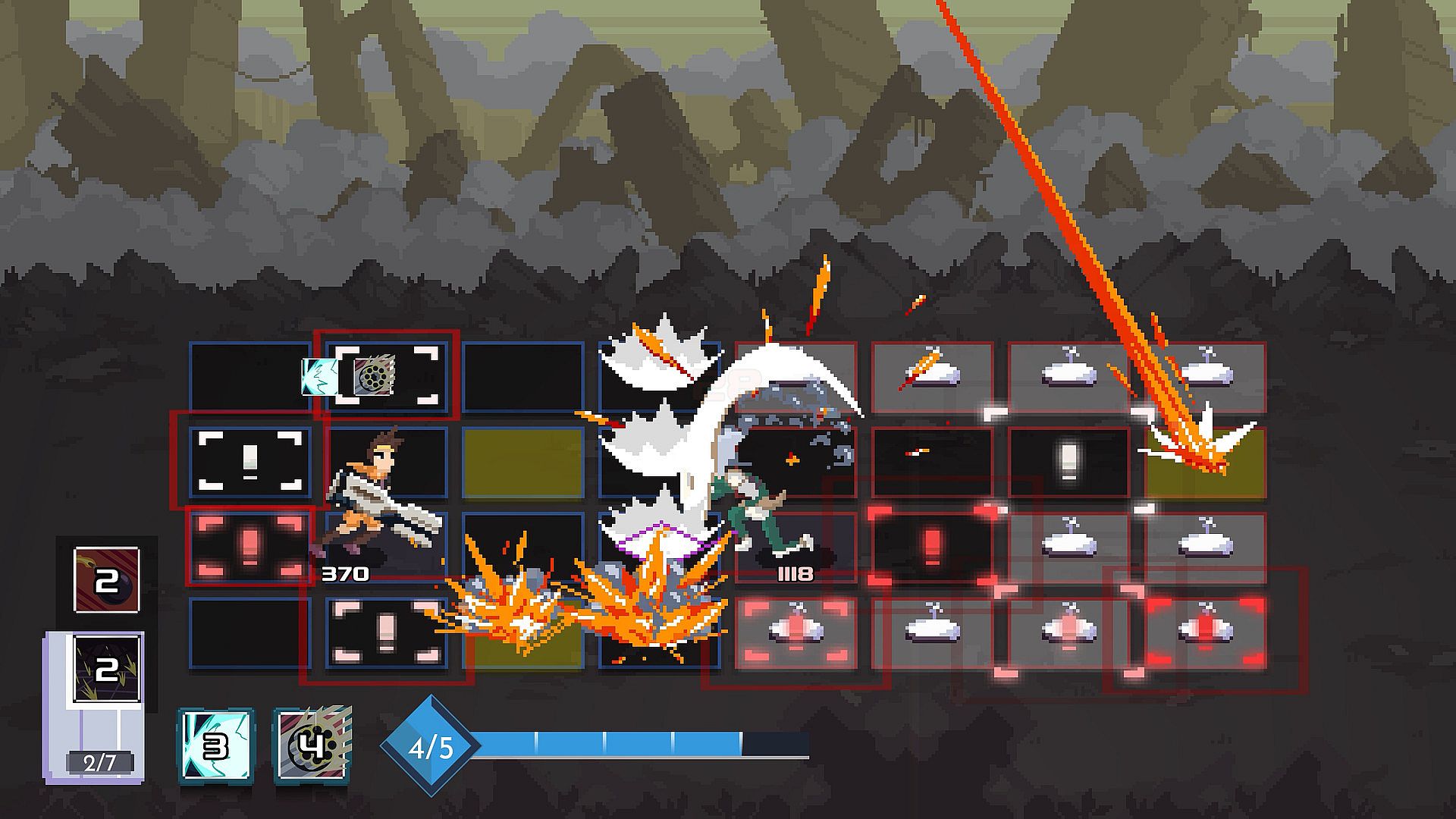
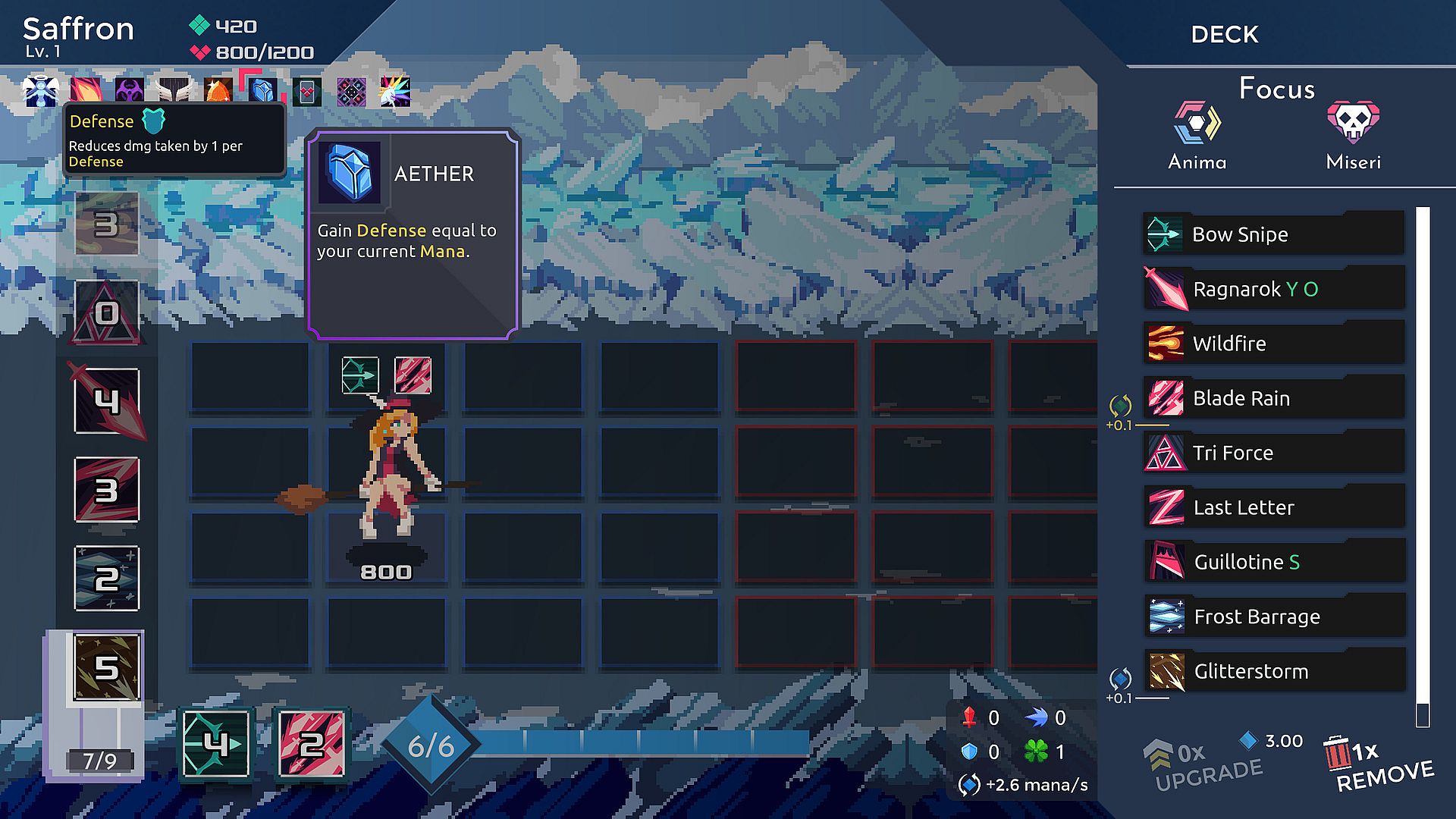
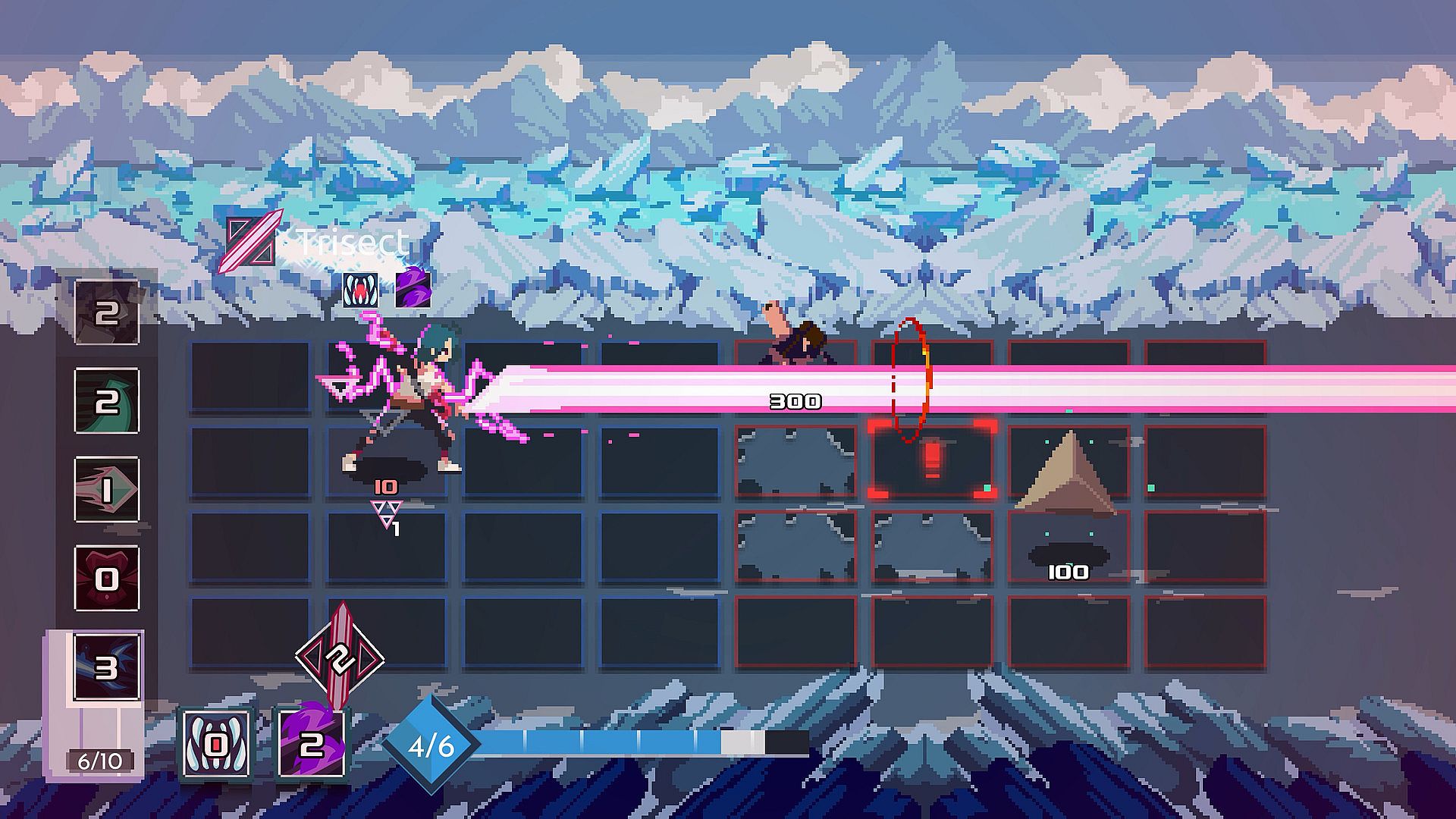
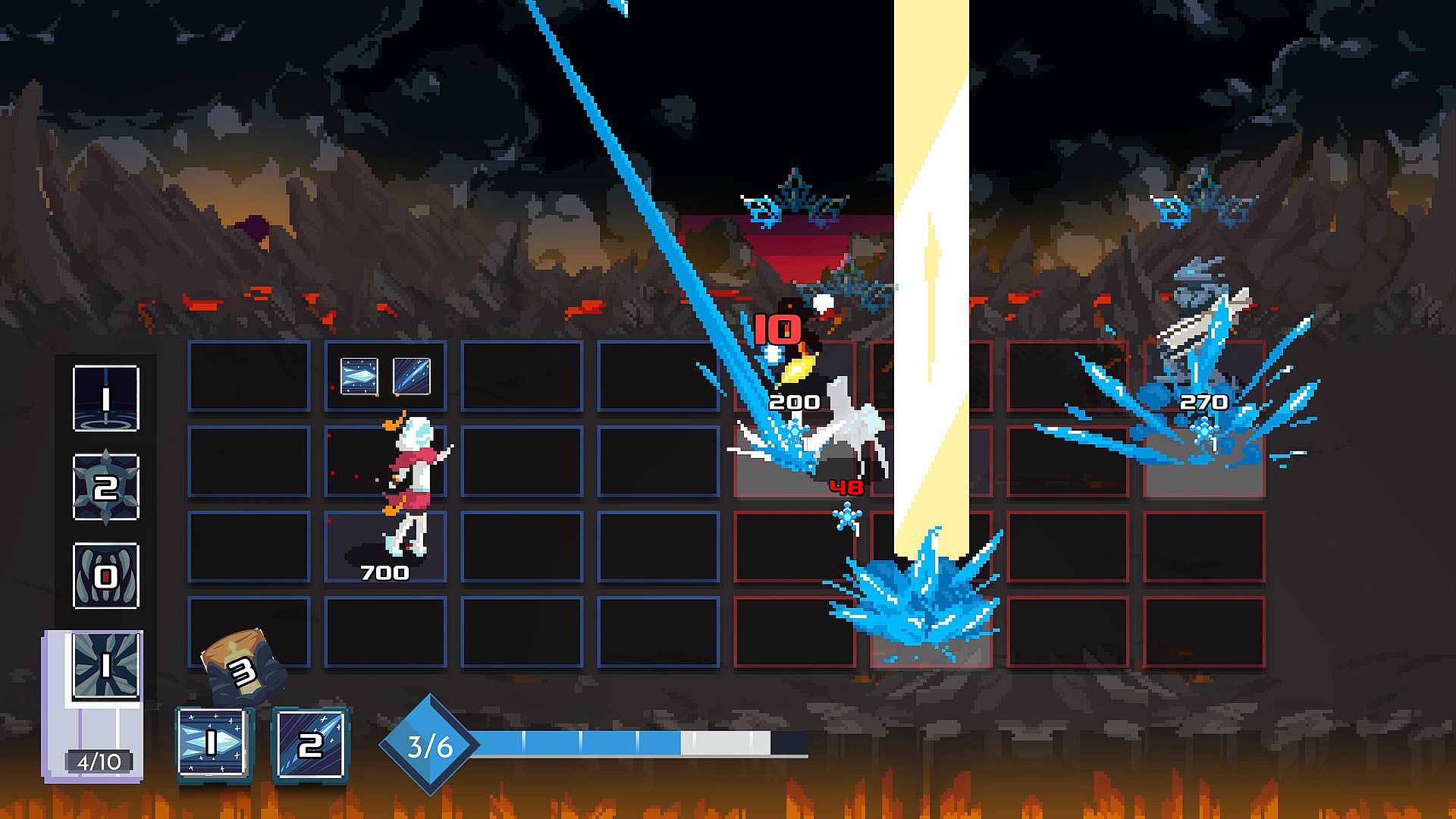
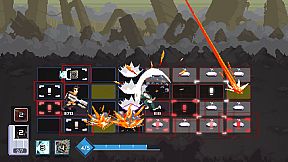
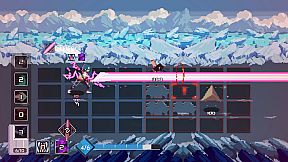
Combat forms the heart of every run. Each encounter places the player on one 4x4 grid while enemies occupy a mirrored counterpart. Basic attacks fire from a dedicated button while spells occupy two active slots that can be cast when mana allows. A reshuffle option returns spent cards to the deck during battle. Projectiles and patterned attacks fill the grids requiring precise positioning to avoid damage while maintaining offensive pressure.
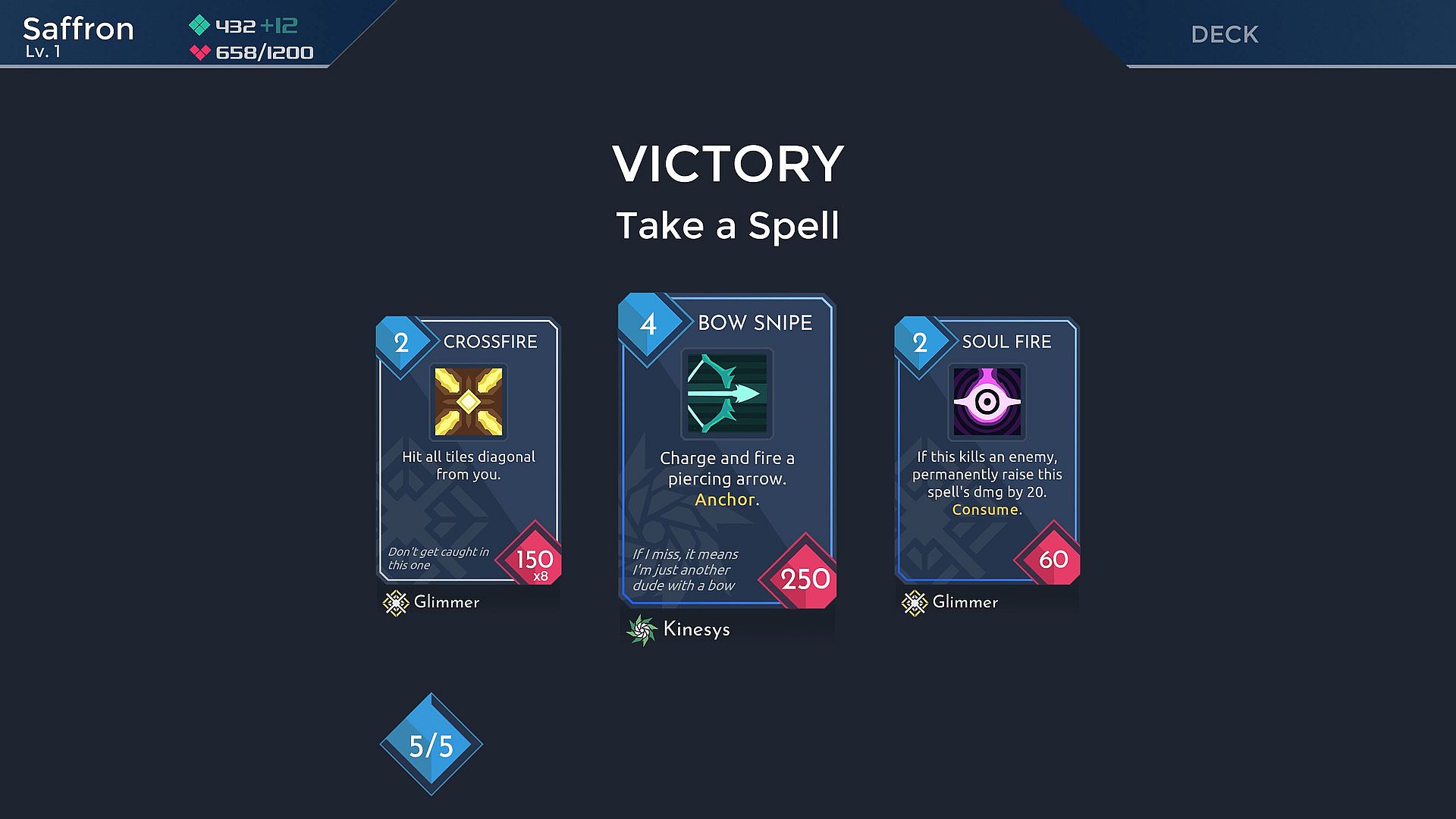
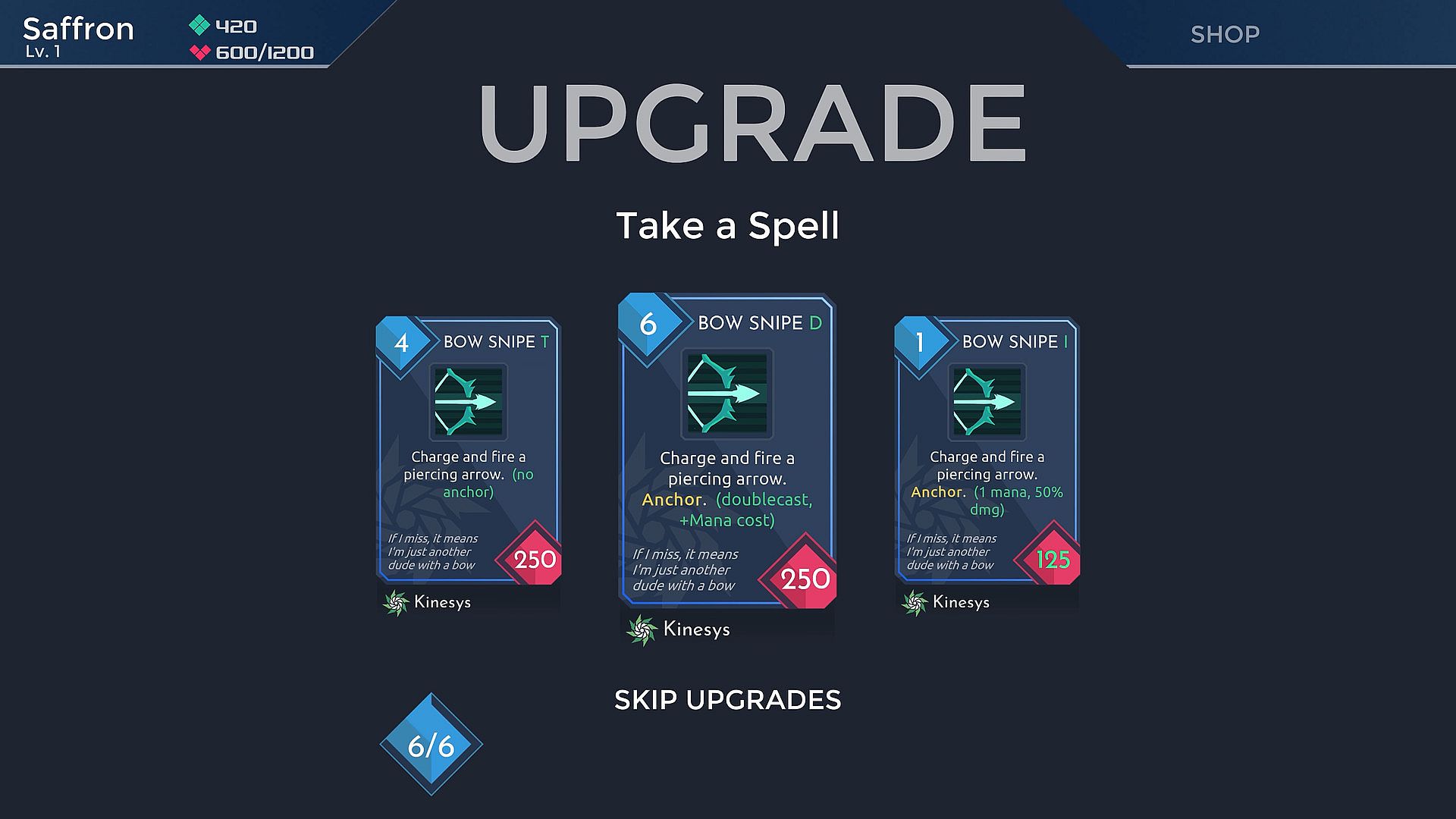
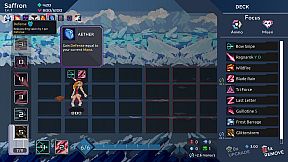
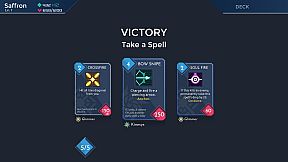
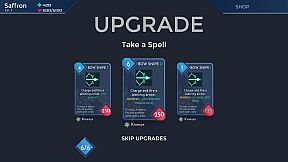
Between fights players select new spells to add to their collection from limited choices and receive artifacts that grant passive effects. These items often carry both benefits and drawbacks that shape long term strategy. During a single attempt characters gain experience that improves stats temporarily while overall progress across multiple runs unlocks additional starting options and content. The nine available characters each begin with distinct specializations such as elemental focus or structure placement that influence early builds yet remain flexible through collected spells and artifacts.
Levels generate procedurally across multiple zones leading to shops events and escalating encounters. Over 200 spells and more than 100 artifacts provide extensive customization so that no two attempts follow identical paths. The system rewards experimentation with different combinations while demanding mastery of timing and positioning to survive tougher opponents.
Game Modes
Single player runs constitute the primary mode where the goal remains reaching Eden through successive combat encounters and choices. Each attempt ends upon defeat yet accumulated progress persists toward permanent unlocks. Local co op allows two players to share a run and coordinate spells and movement on the shared grids.
PvP matches pit players against one another in direct confrontations using their customized decks and characters. These modes support local play only and emphasize the same grid mechanics without the roguelike progression of single player attempts. No additional named modes exist beyond these core options.
Characters and Progression
Nine distinct characters offer varied entry points into the combat system. Each specializes in particular mechanics such as mana regeneration through basic attacks or tile manipulation yet all draw from the shared pool of spells and artifacts. Unlocking occurs through repeated runs that fill a global completion meter leading to new starting decks and visual options.
Procedural generation ensures branching paths and varied enemy compositions across zones. Events during runs introduce choices that can alter available rewards or introduce complications. The overall structure supports repeated play through expanding options rather than linear story advancement.
Is It Worth Playing?
The game delivers strong replayability for players who enjoy challenging real time combat paired with deck building decisions. Its grid based system creates tense moments where positioning and spell timing determine success against evolving enemy patterns. Local co op and PvP extend the experience for those with access to shared play sessions.
Reception highlights tight controls and visual style alongside criticism of steep difficulty curves and limited multiplayer depth. The title maintains active mod support through workshop integration allowing community expansions to the base systems. Availability on PC makes it accessible for those seeking a focused blend of strategy and action without ongoing seasonal content.
Players comfortable with roguelike failure loops and precise movement will find substantial depth in experimenting across character builds and spell synergies. Those seeking lighter experiences or extensive online features may find the scope narrower. The combination of procedural variety and permanent unlocks provides lasting engagement for the target audience.