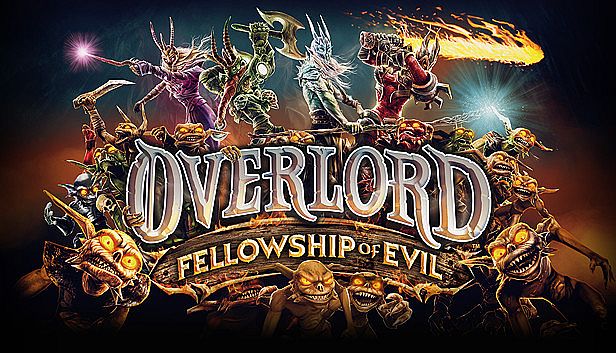












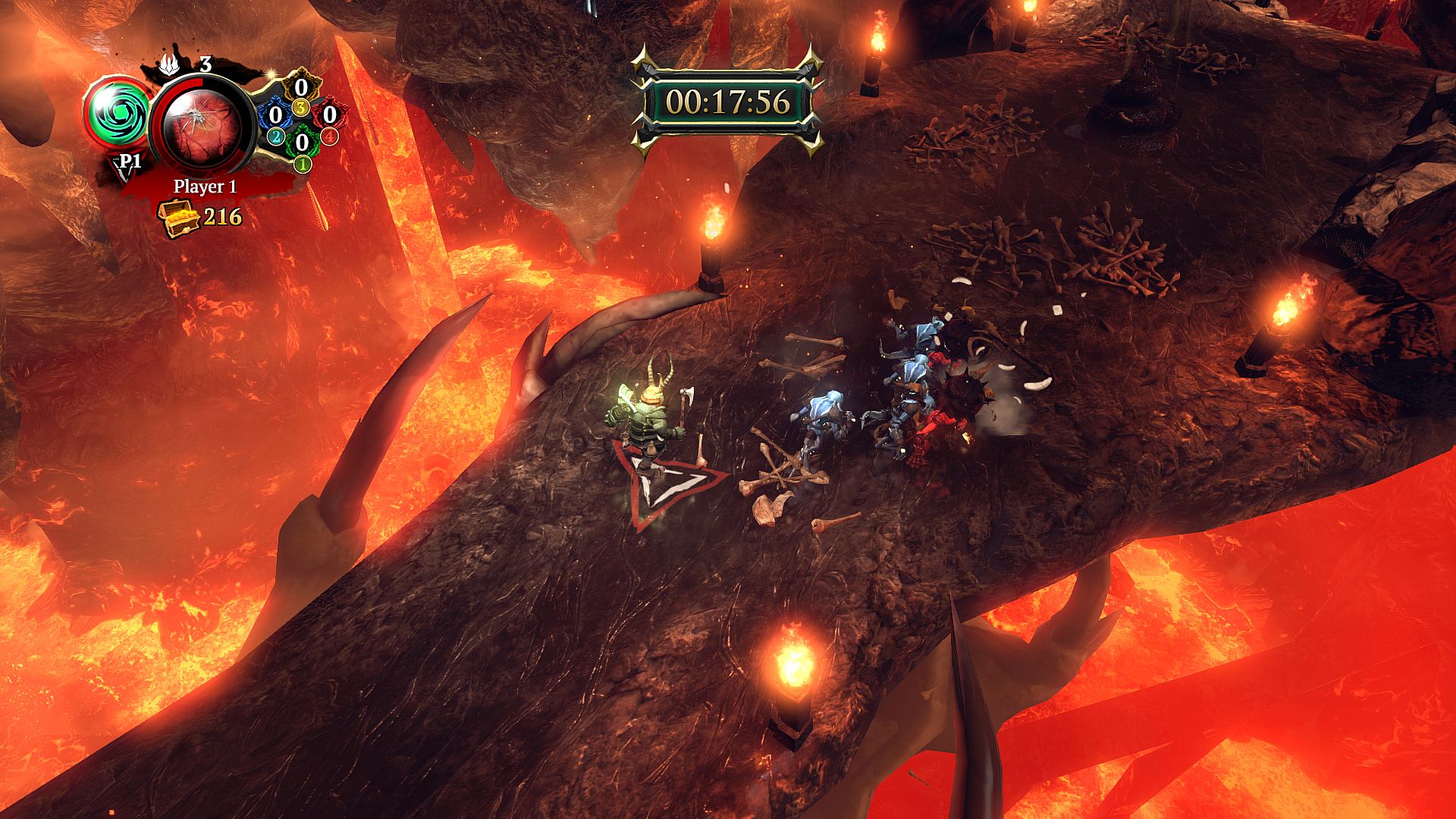
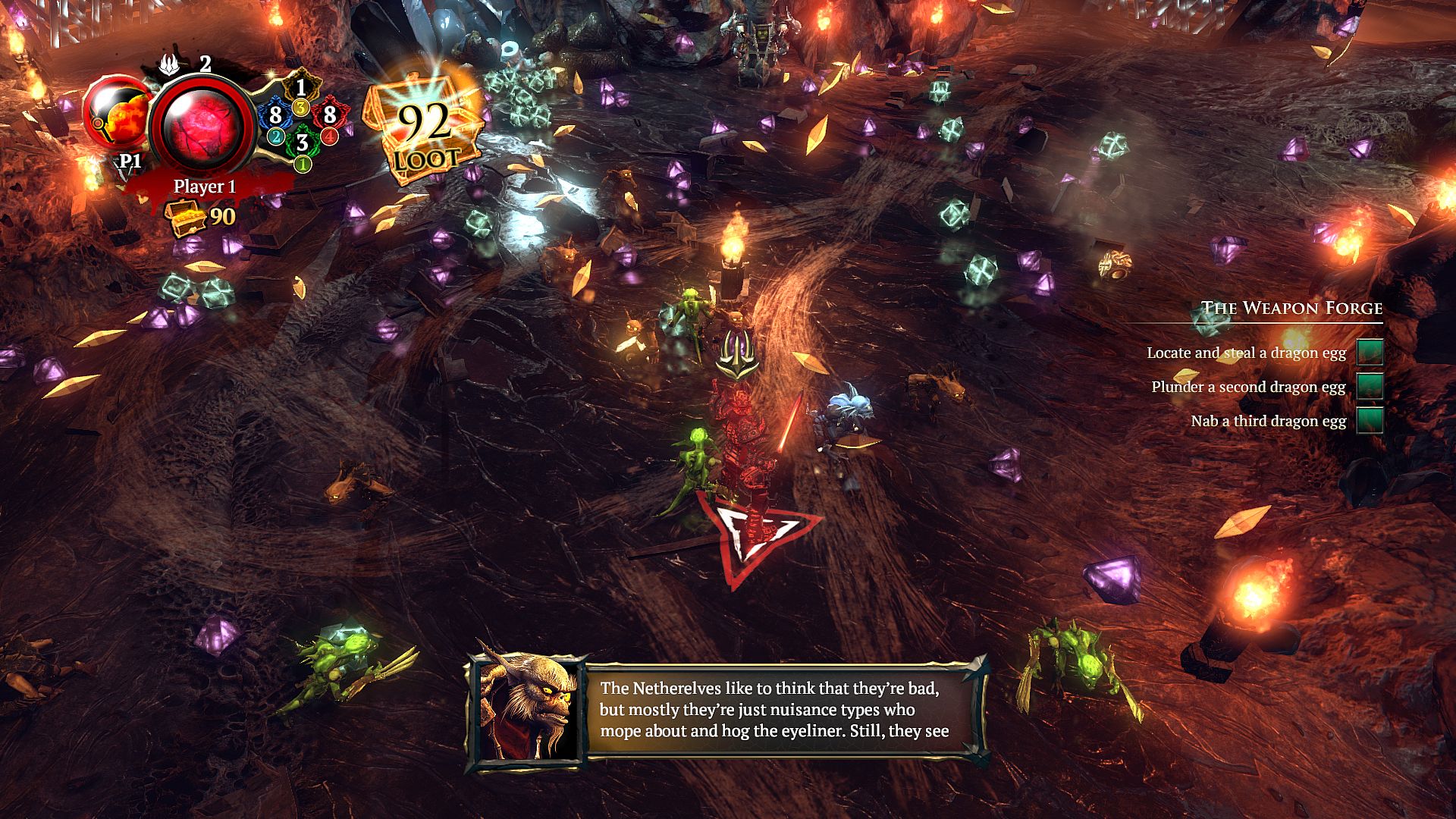
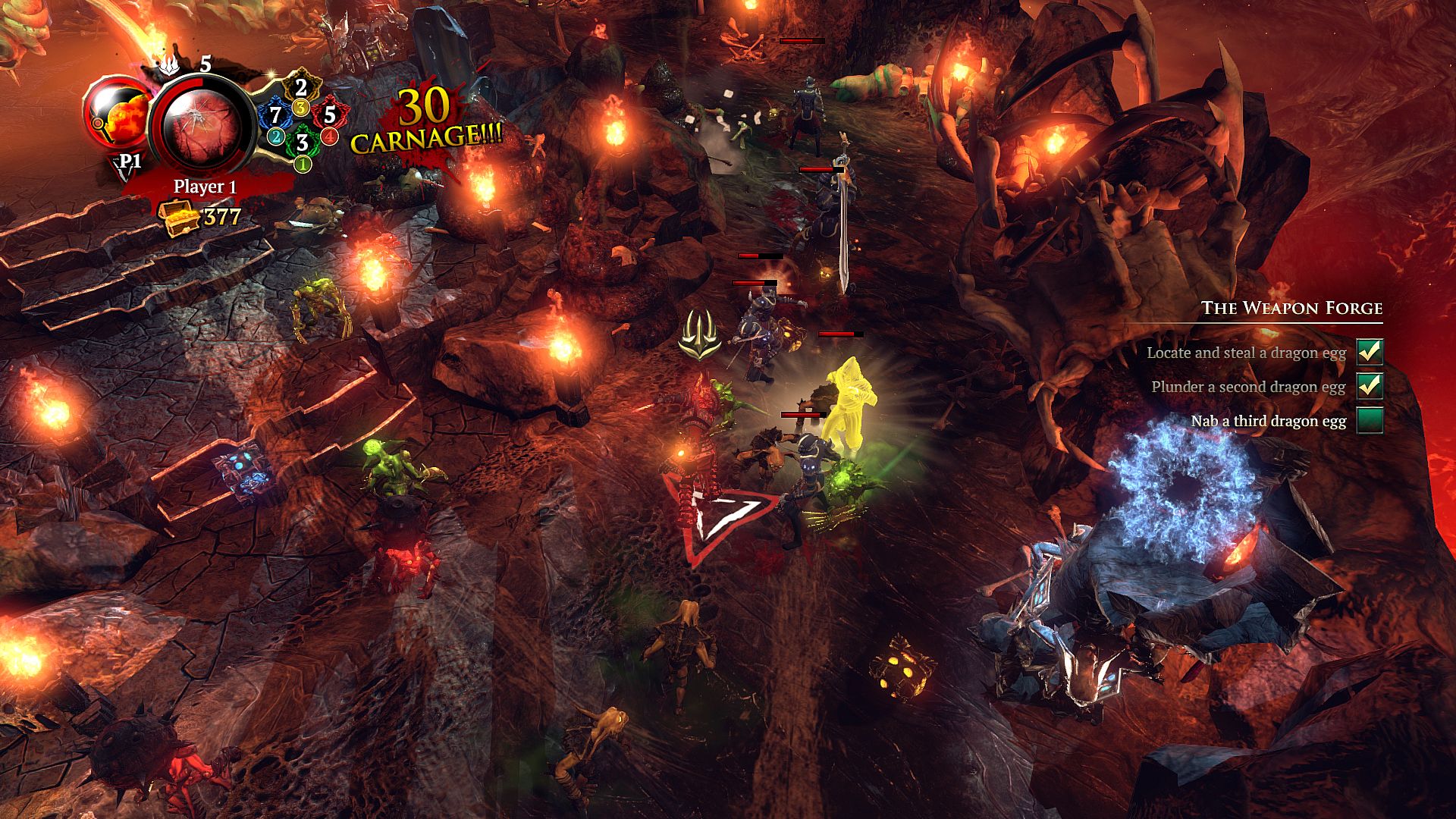
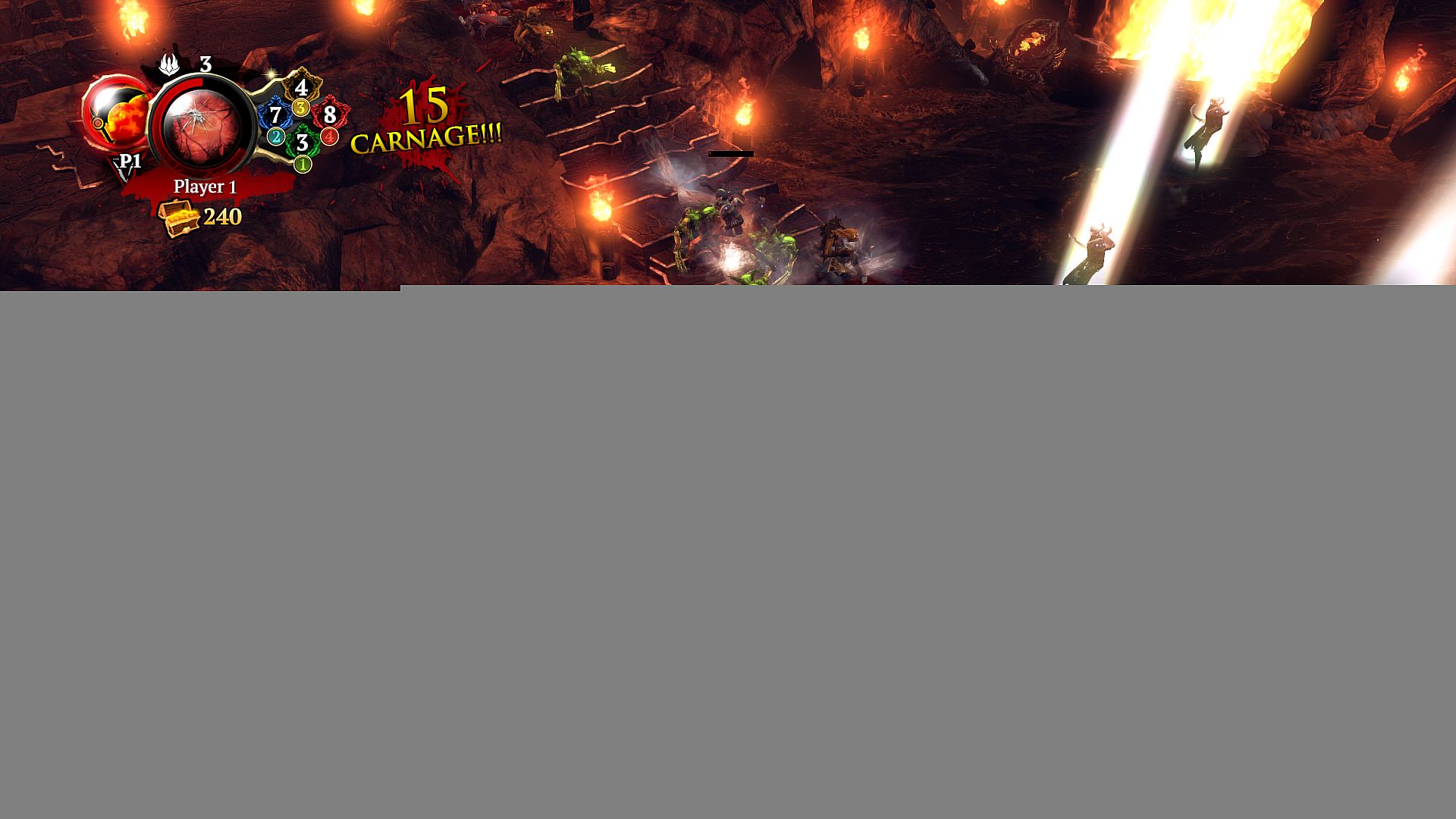
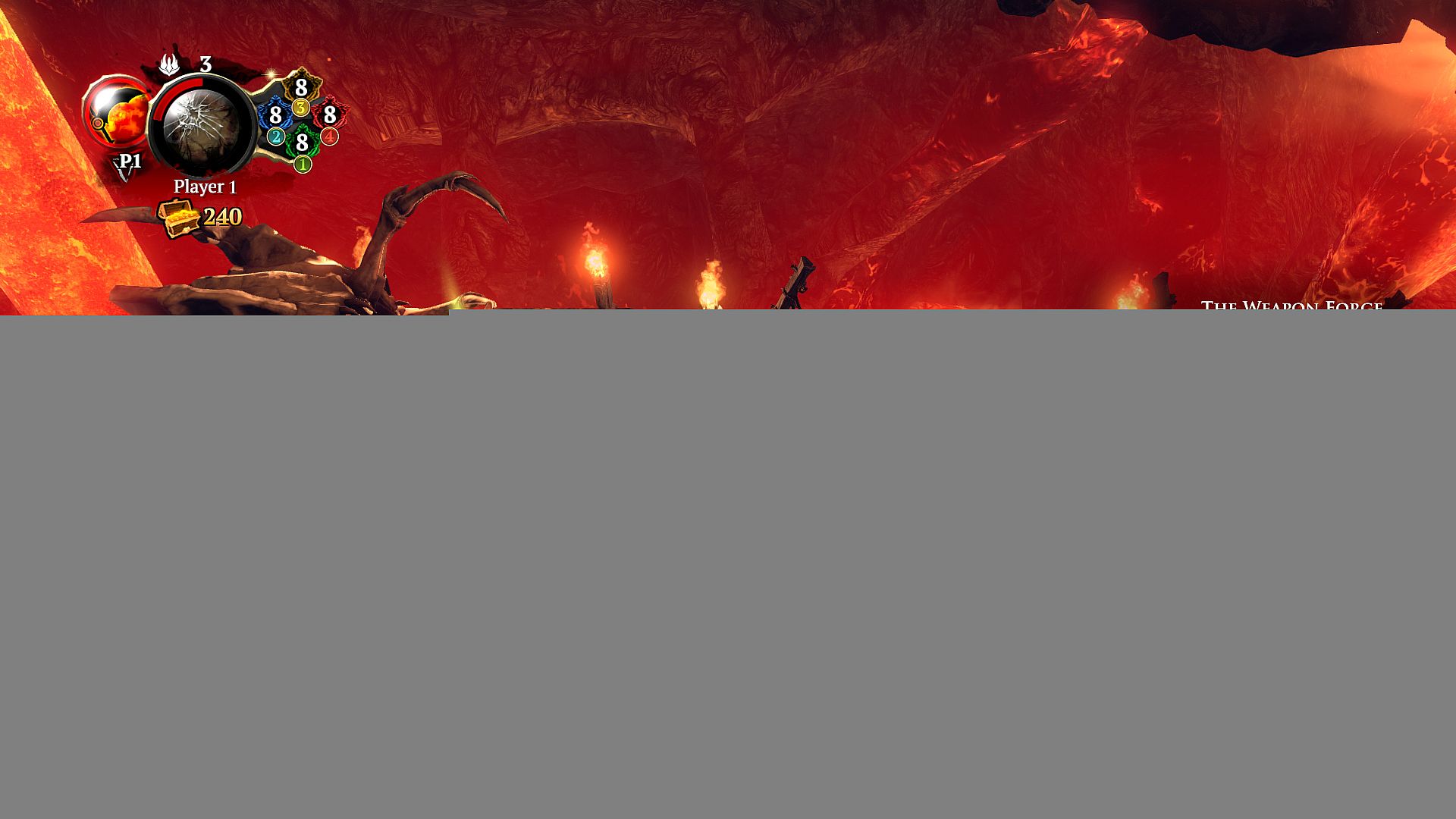
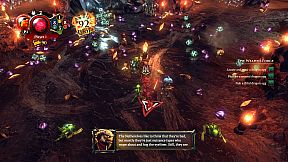
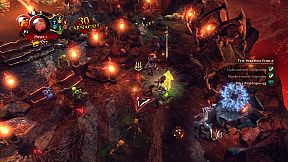
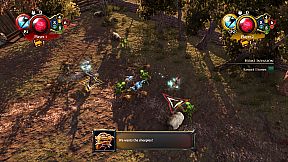

Overlord: Fellowship of Evil puts players in control of undead Netherghuls in an action adventure game built around dark humor and destructive gameplay. The title features four distinct characters, each equipped with unique abilities that shape how combat and exploration unfold. Minions serve as the primary tool for causing chaos, and the experience centers on directing these creatures through battles while collecting loot and advancing through the Netherworld and the surface world above.
Gameplay
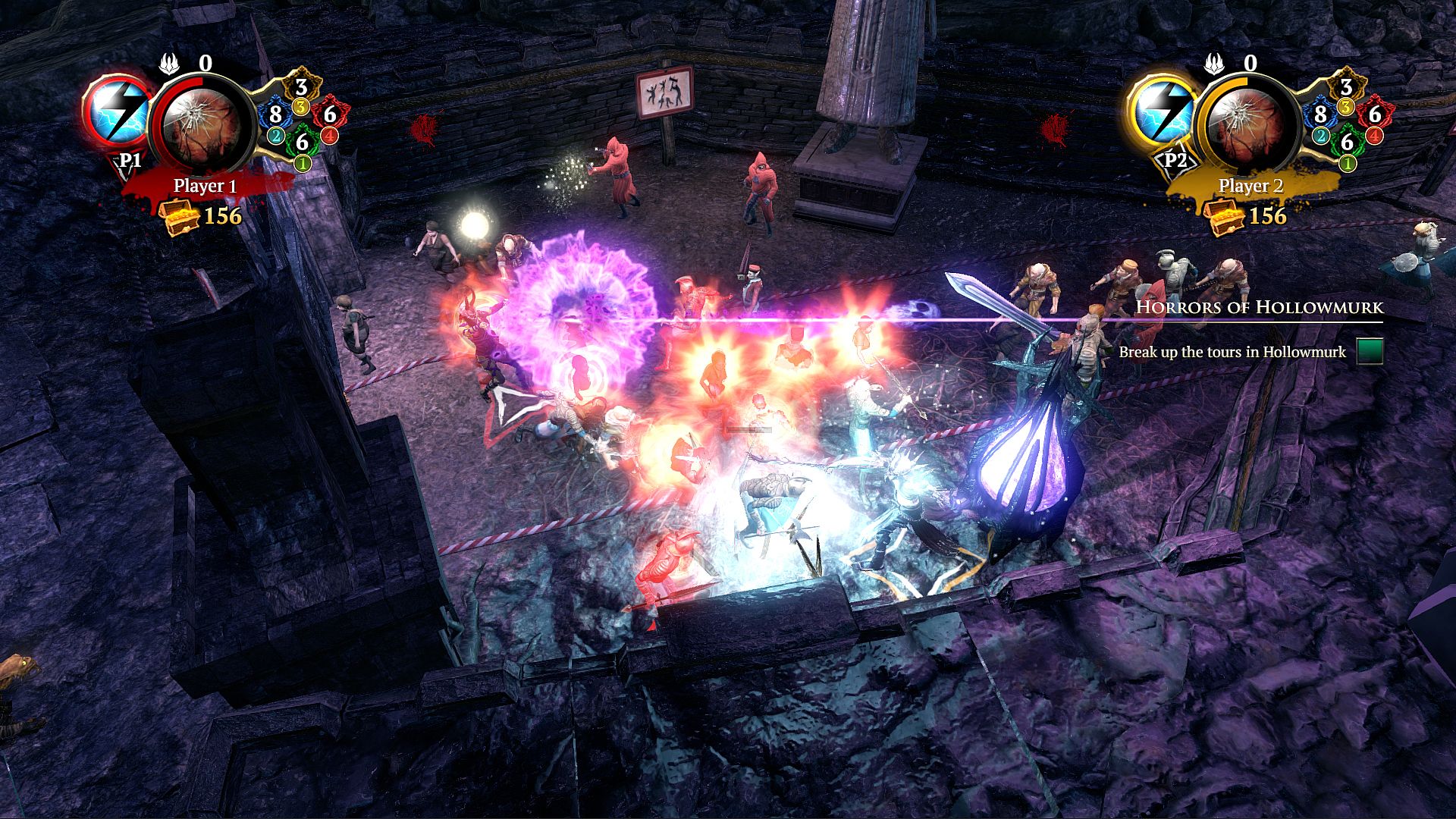
Combat combines melee attacks with the special powers of the chosen Netherghul. Players direct groups of minions to overwhelm enemies, using their numbers and varied behaviors to handle different threats. Minions can be developed over time, turning them into more effective agents of destruction through repeated use in fights. Loot gathered during runs supports this progression, and the system encourages experimentation with different minion types to suit the situation.
The four playable Netherghuls offer variety in approach. One might excel at ranged disruption while another focuses on close-range dominance or area control. Switching between them changes the flow of encounters and encourages replay to test new combinations. Gnarl provides guidance throughout, delivering commentary that reinforces the game's tone of mischievous evil.
Exploration involves moving between the Netherworld and the lands above, where players smash through obstacles and confront forces of good. The loop of invasion, combat, and resource gathering keeps sessions focused on building power and spreading disorder. Minion management adds a layer of strategy, as keeping them alive and effective directly impacts success in tougher areas.
Game Modes
Single-player mode allows full control over one Netherghul and the minion horde without external interference. The campaign progresses through a series of twisted quests that highlight the humor and destructive opportunities built into the world.
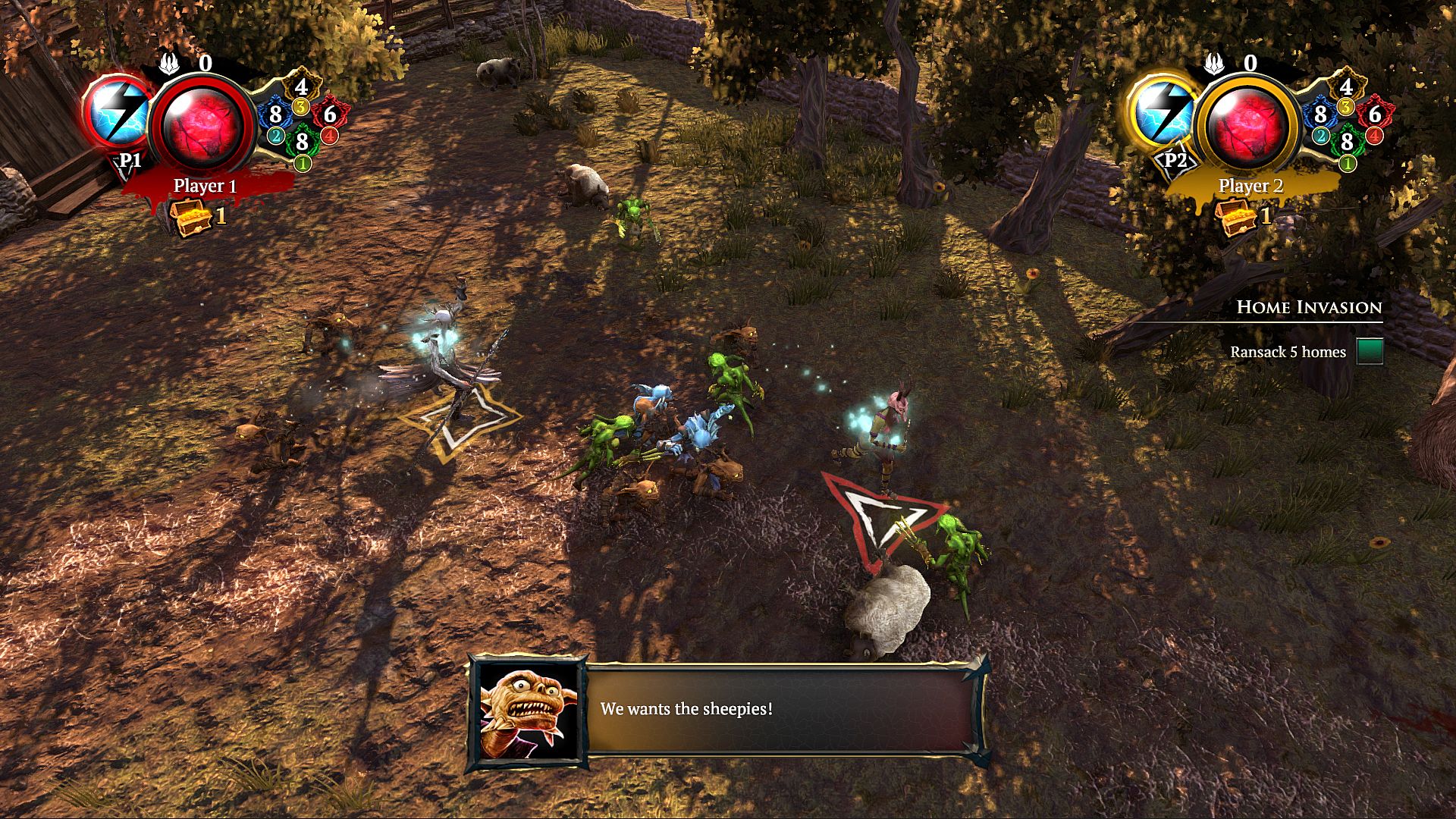
Co-op supports up to four players total, with local and online options available on a shared screen. Participants select from the four Netherghuls and work together or compete as the mood strikes. The setup permits betrayal at any moment, turning cooperative sessions into opportunities for players to steal loot or sabotage one another in the Trials of Evil.
This flexibility creates sessions that range from straightforward team destruction to chaotic free-for-alls. The single-screen format keeps everyone in the same view, making coordination and sudden shifts in allegiance feel immediate and personal.
Story and Tone
The narrative follows the resurrection of the Netherghuls after the absence of a true Overlord. Their goal is to restore evil to a world dominated by good forces. Rhianna Pratchett's script delivers the series' signature black humor through dialogue, situations, and the overall attitude toward destruction and mischief.
Minions add personality to every moment with their chaotic actions and loyalty to the player character. Gnarl's voice work ties the experience together, offering wry observations that fit the subversive comedy. The story serves mainly as a framework for the core loop of combat and minion deployment rather than a deep plot focus.
Is It Worth Playing?
The game suits players who enjoy action RPG mechanics centered on minion command and the freedom to act as the villain. Its co-op structure stands out for allowing both teamwork and direct competition in the same sessions, which appeals to groups looking for unpredictable multiplayer moments.
Those drawn to dark comedy and light-hearted destruction will find the tone consistent throughout. The four character options and minion development provide enough variety for multiple playthroughs in single-player or with others. On PC the title remains accessible for anyone interested in this specific blend of humor, combat, and chaotic group play.
Availability on the platform makes it straightforward to try, especially for fans of the series' approach to evil protagonists or those seeking co-op experiences where rules can be bent or broken by the players themselves.