




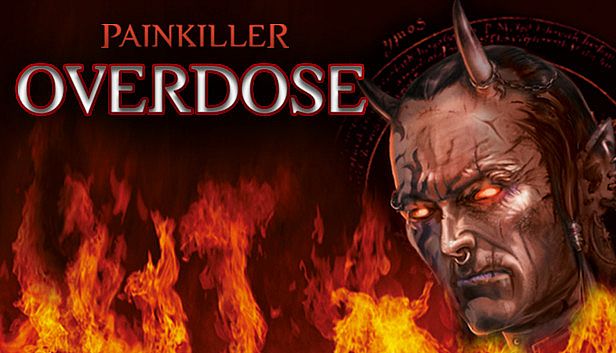















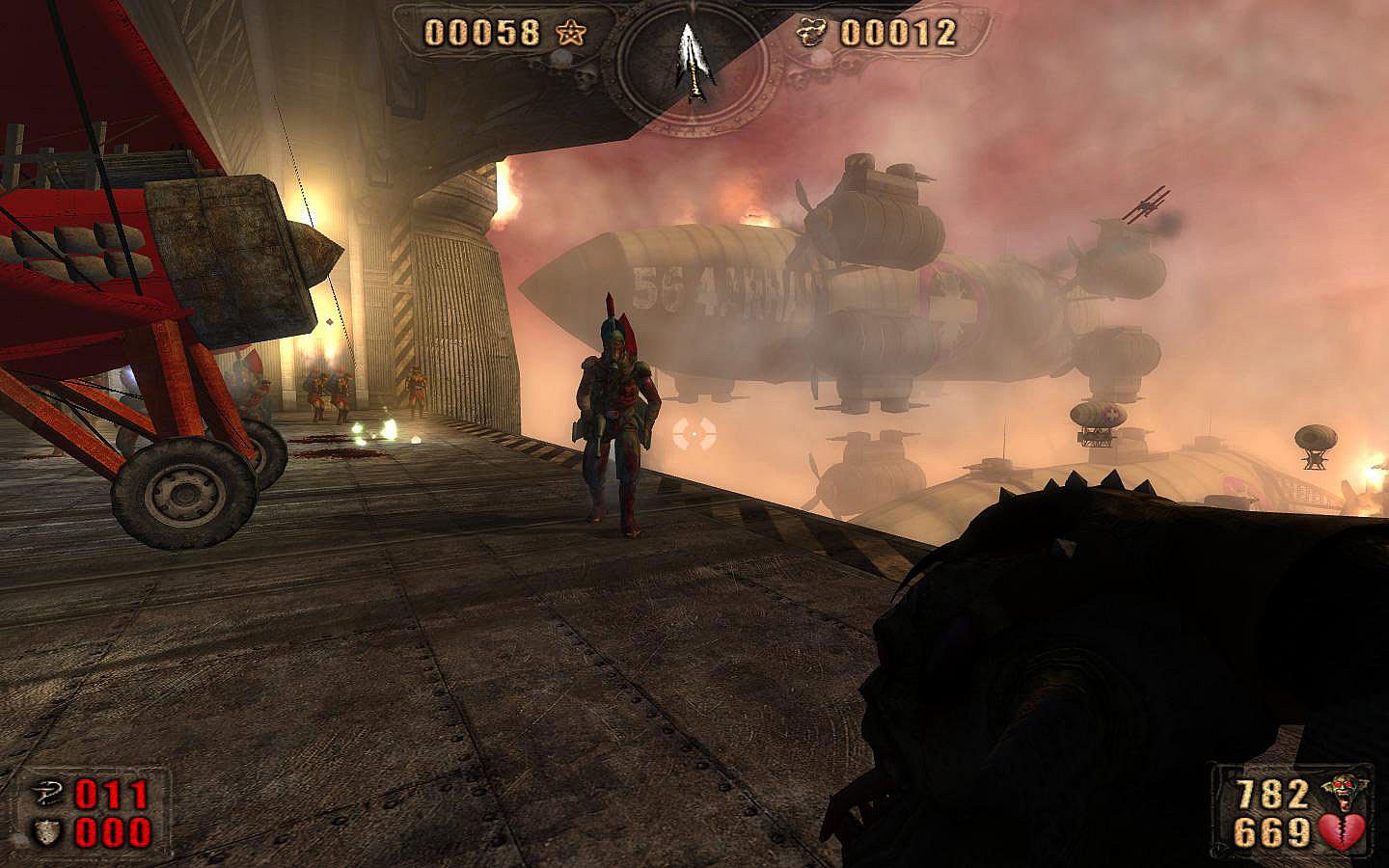
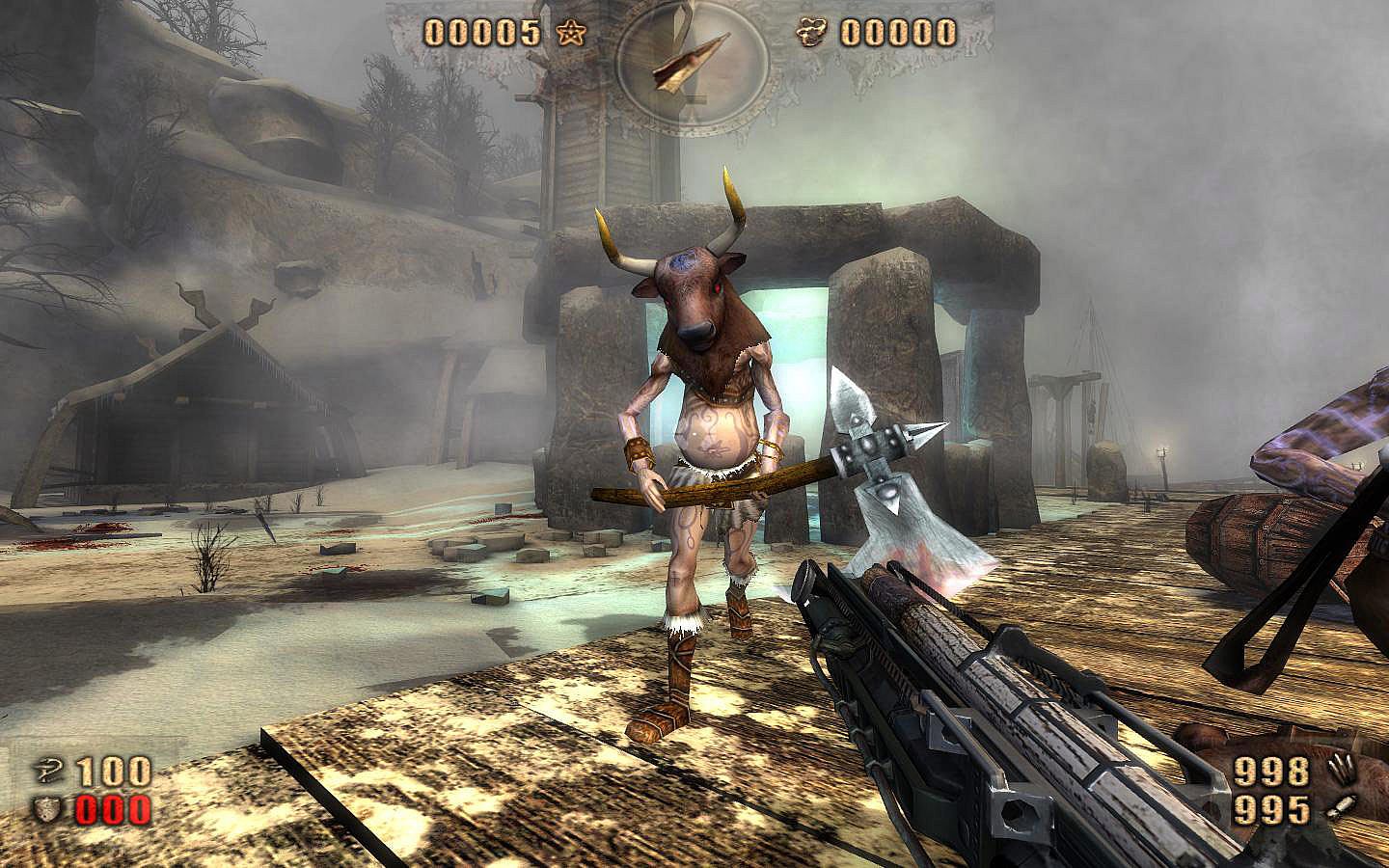
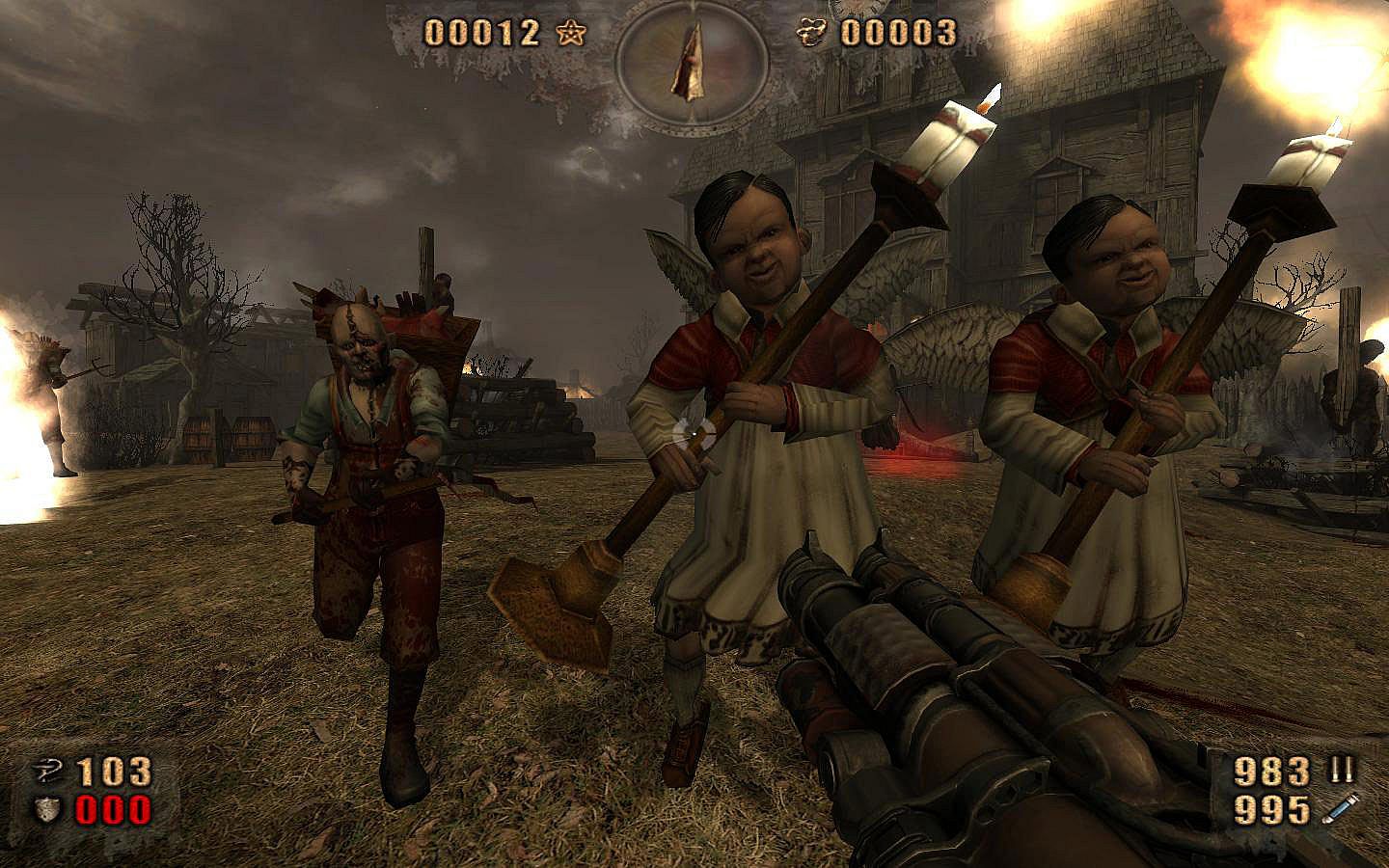
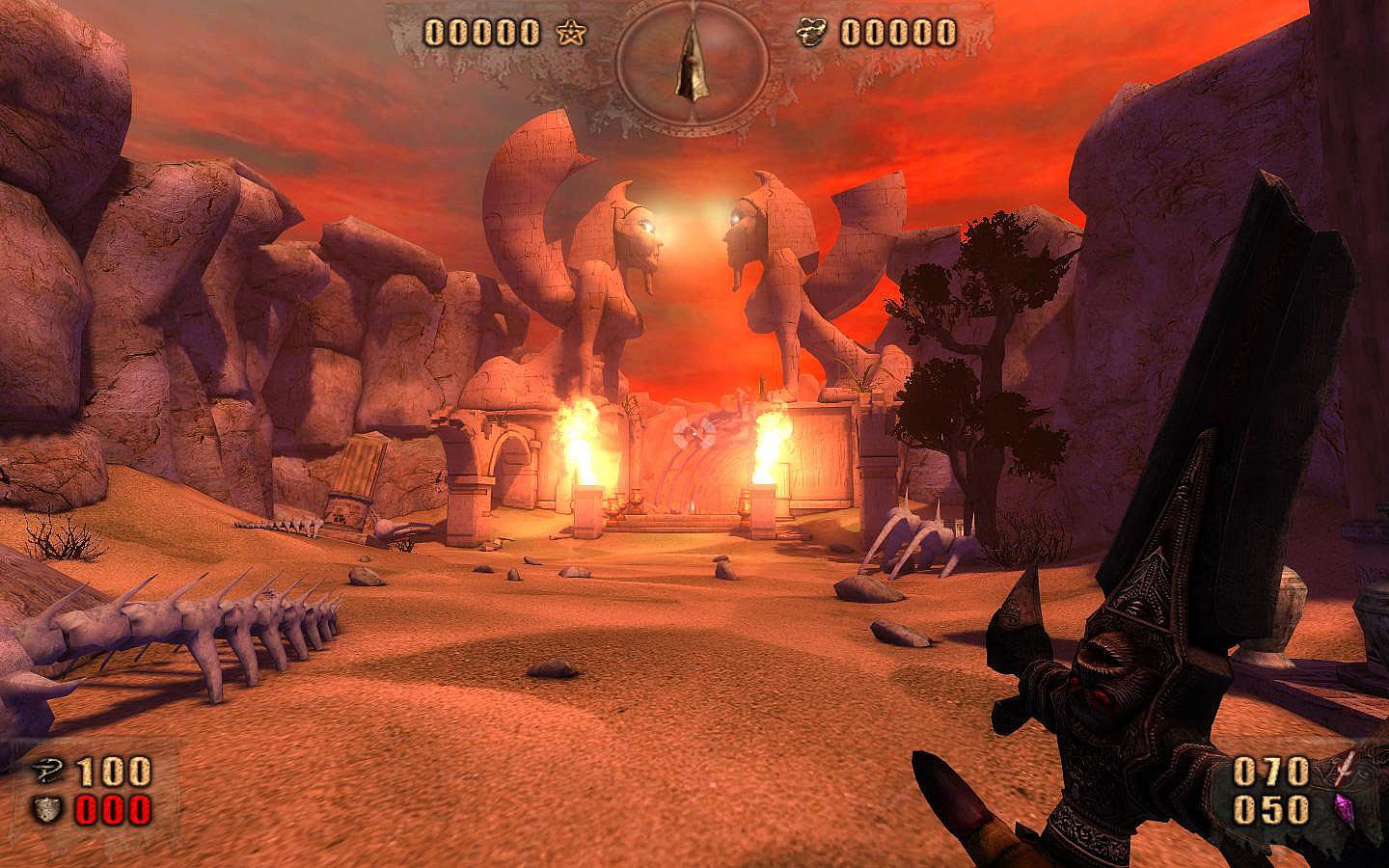
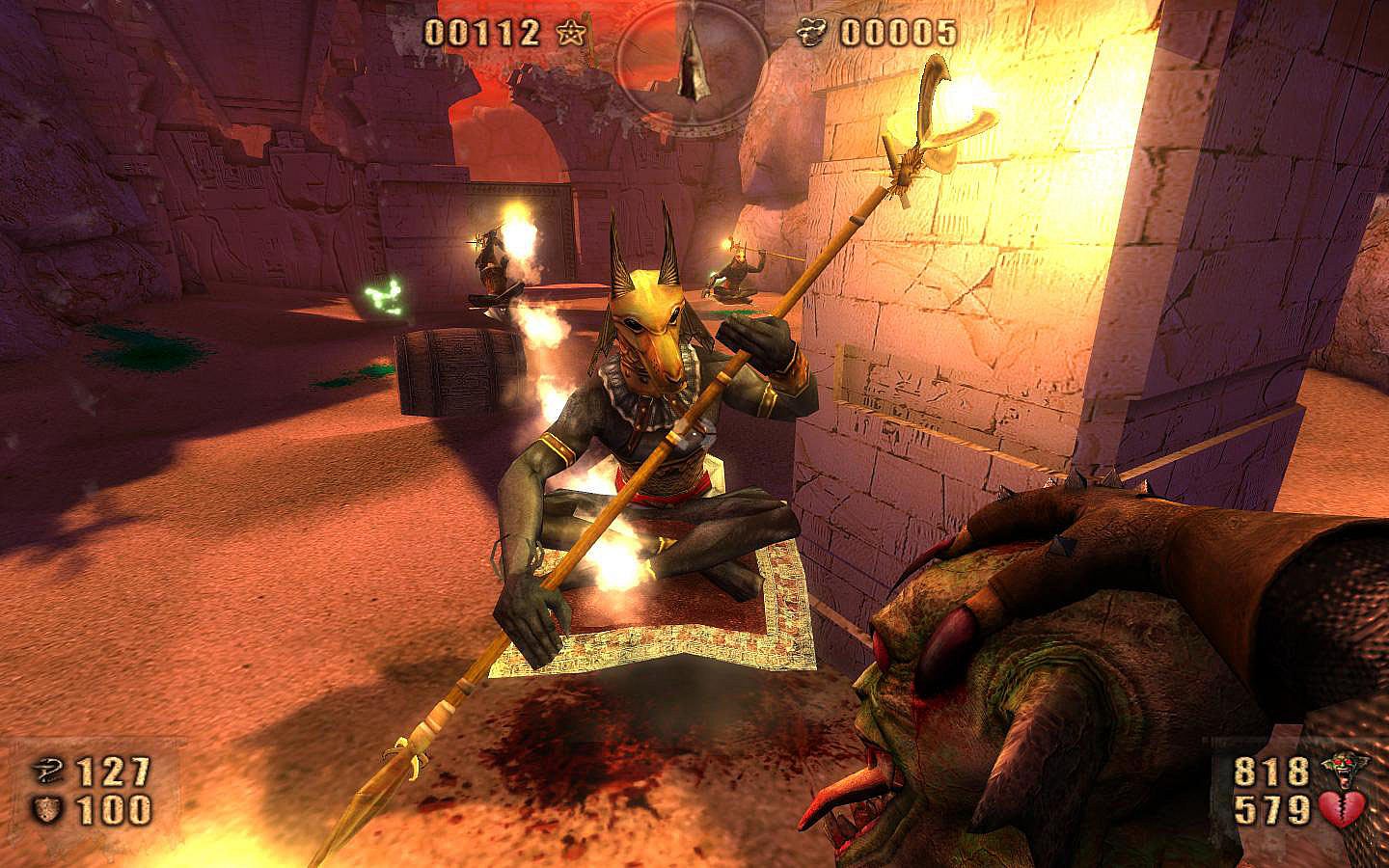
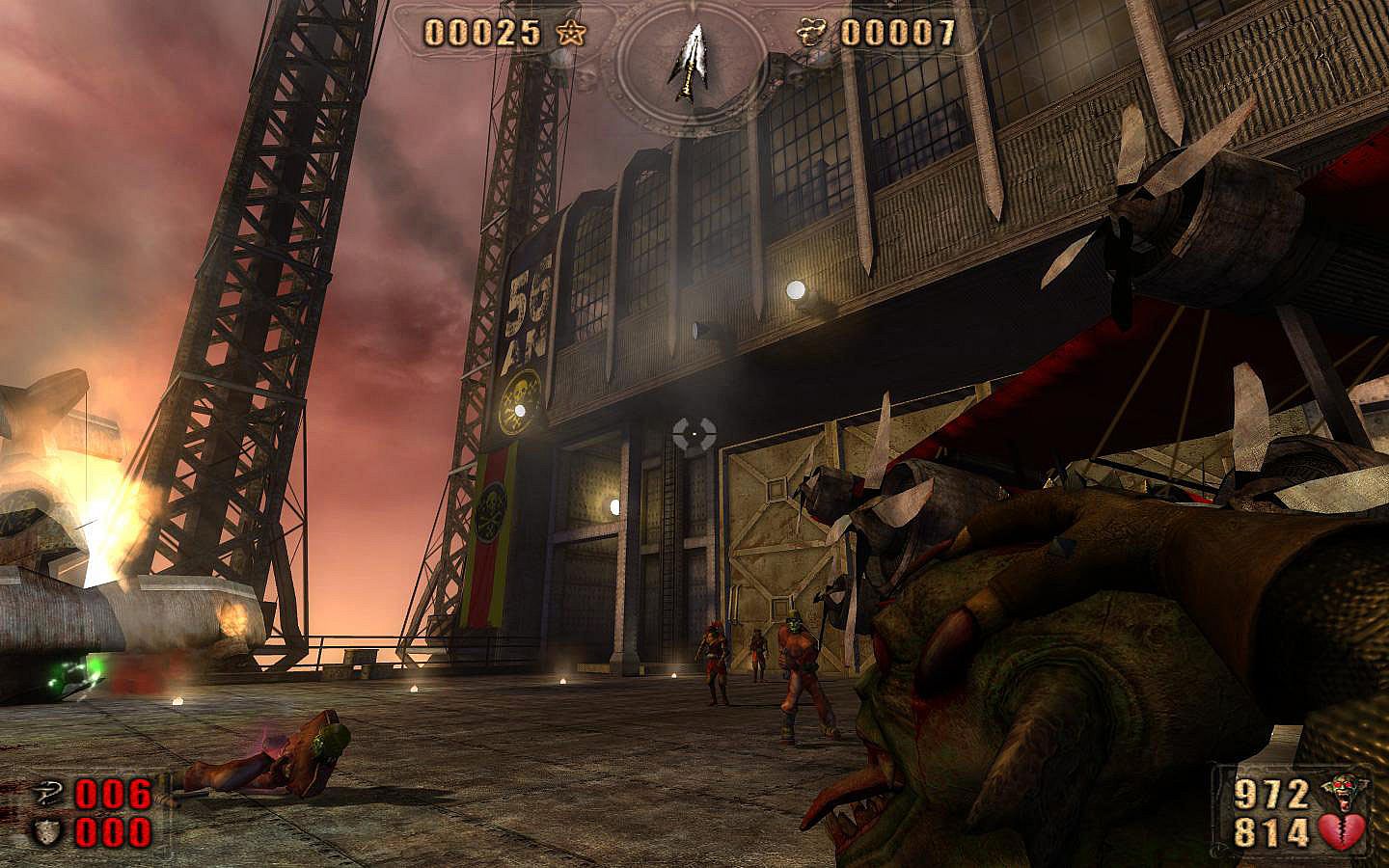
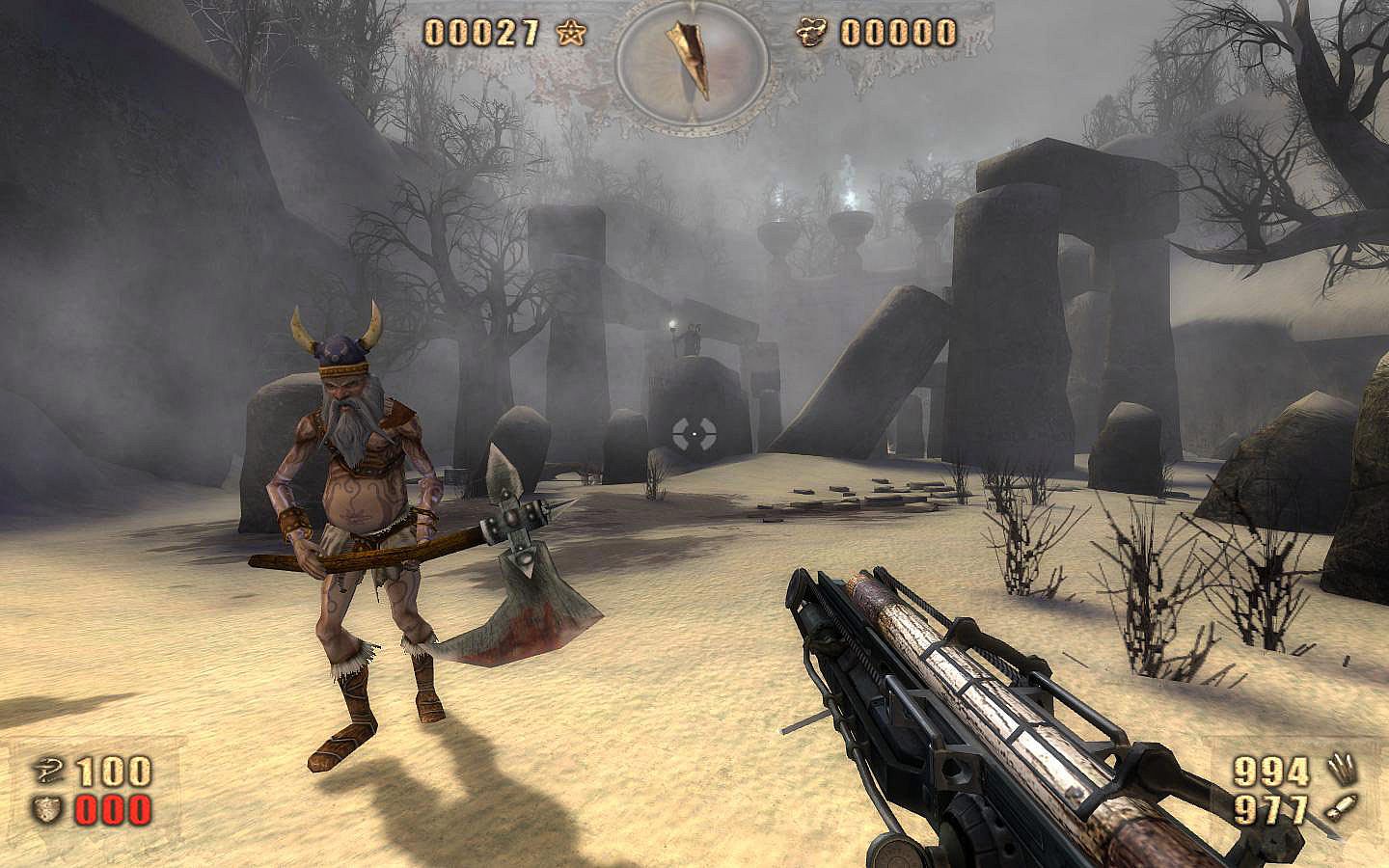
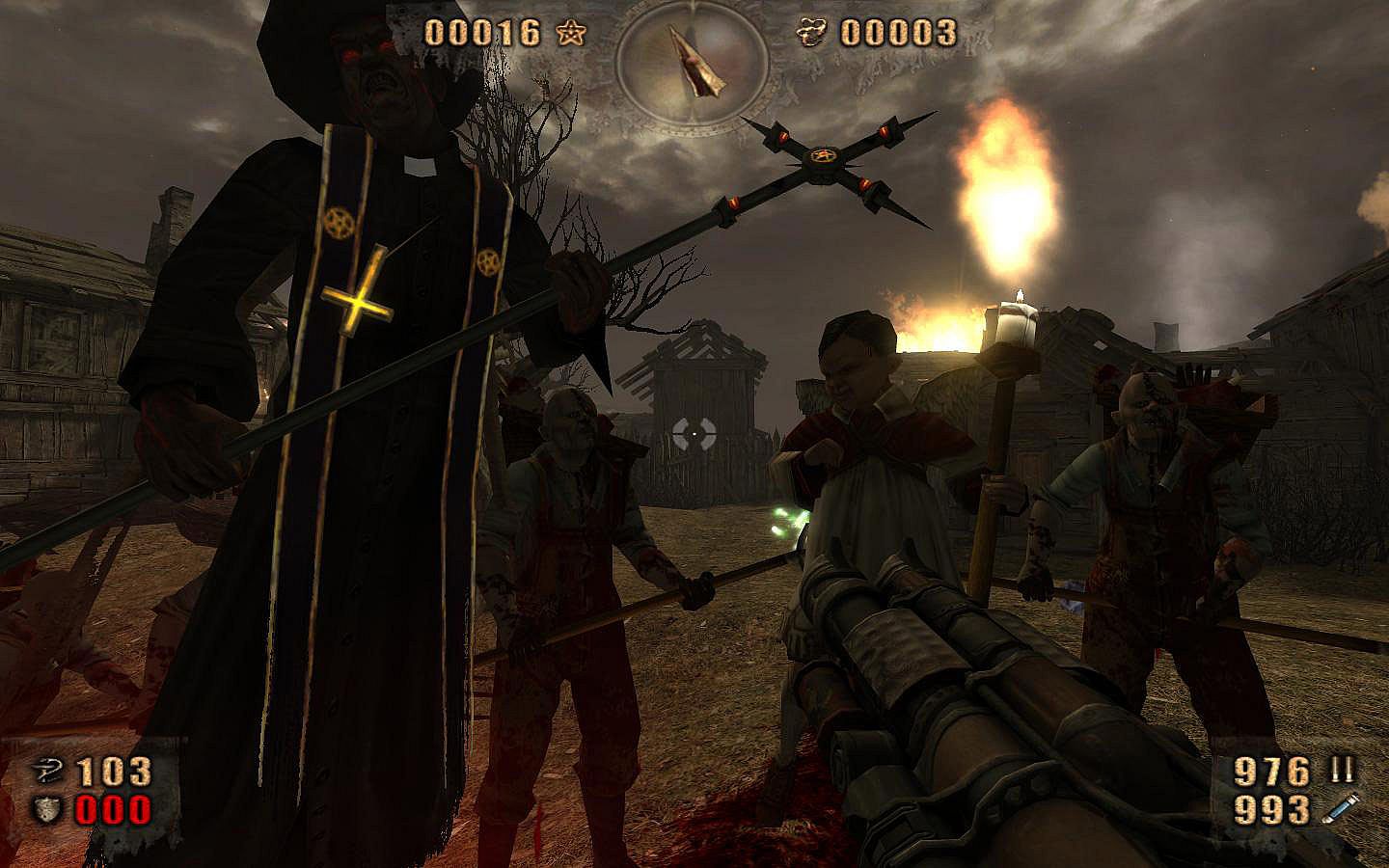
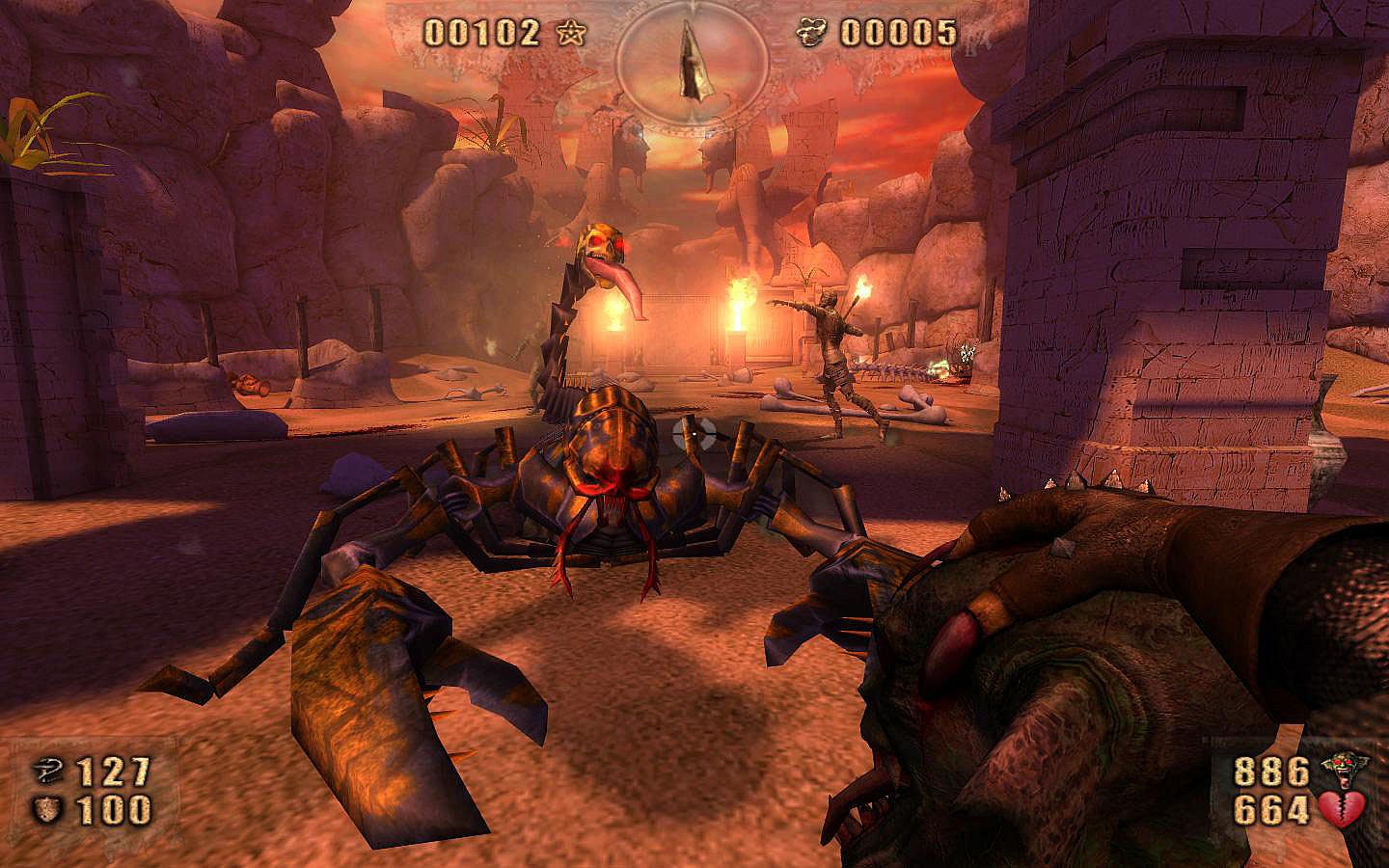
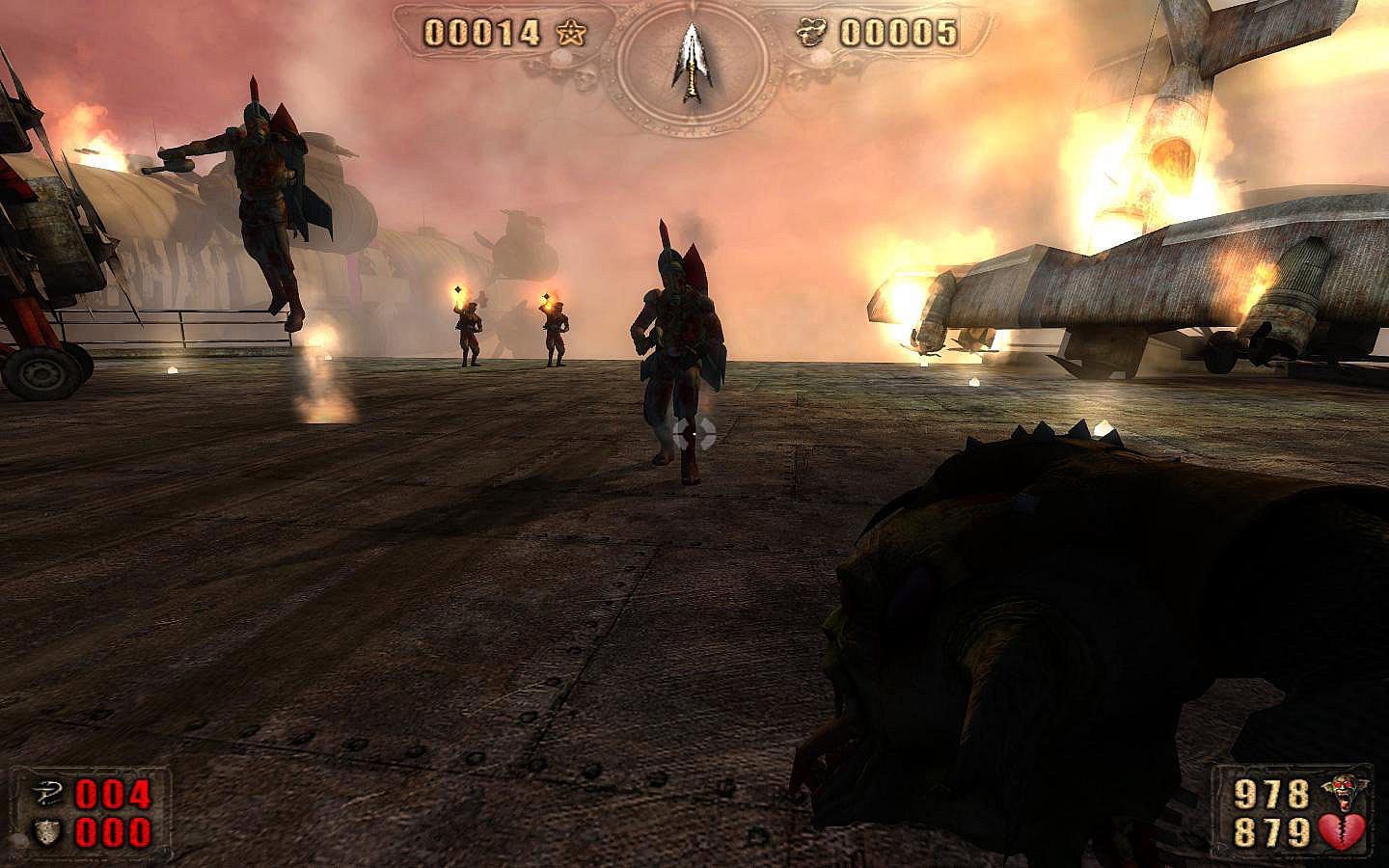
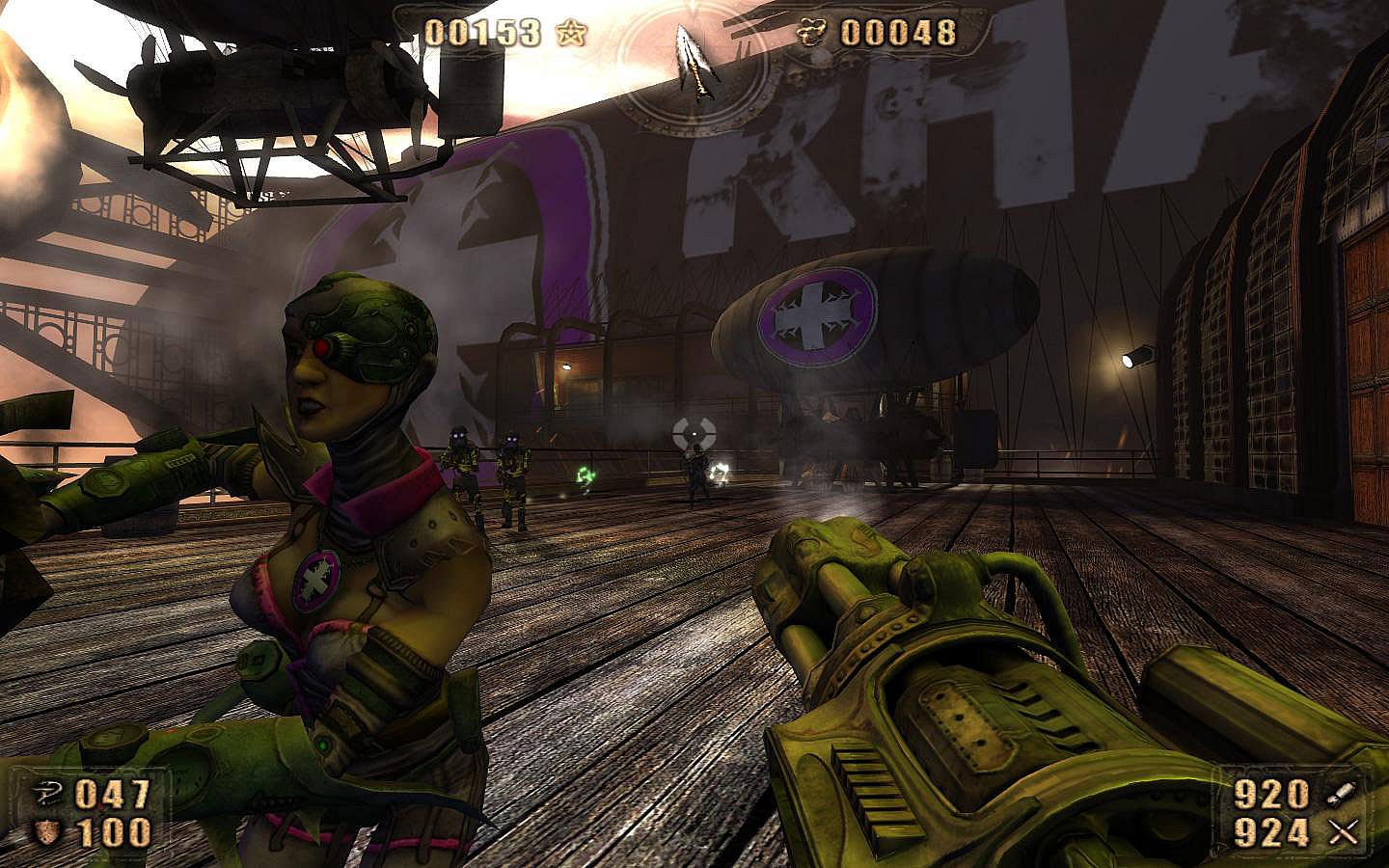
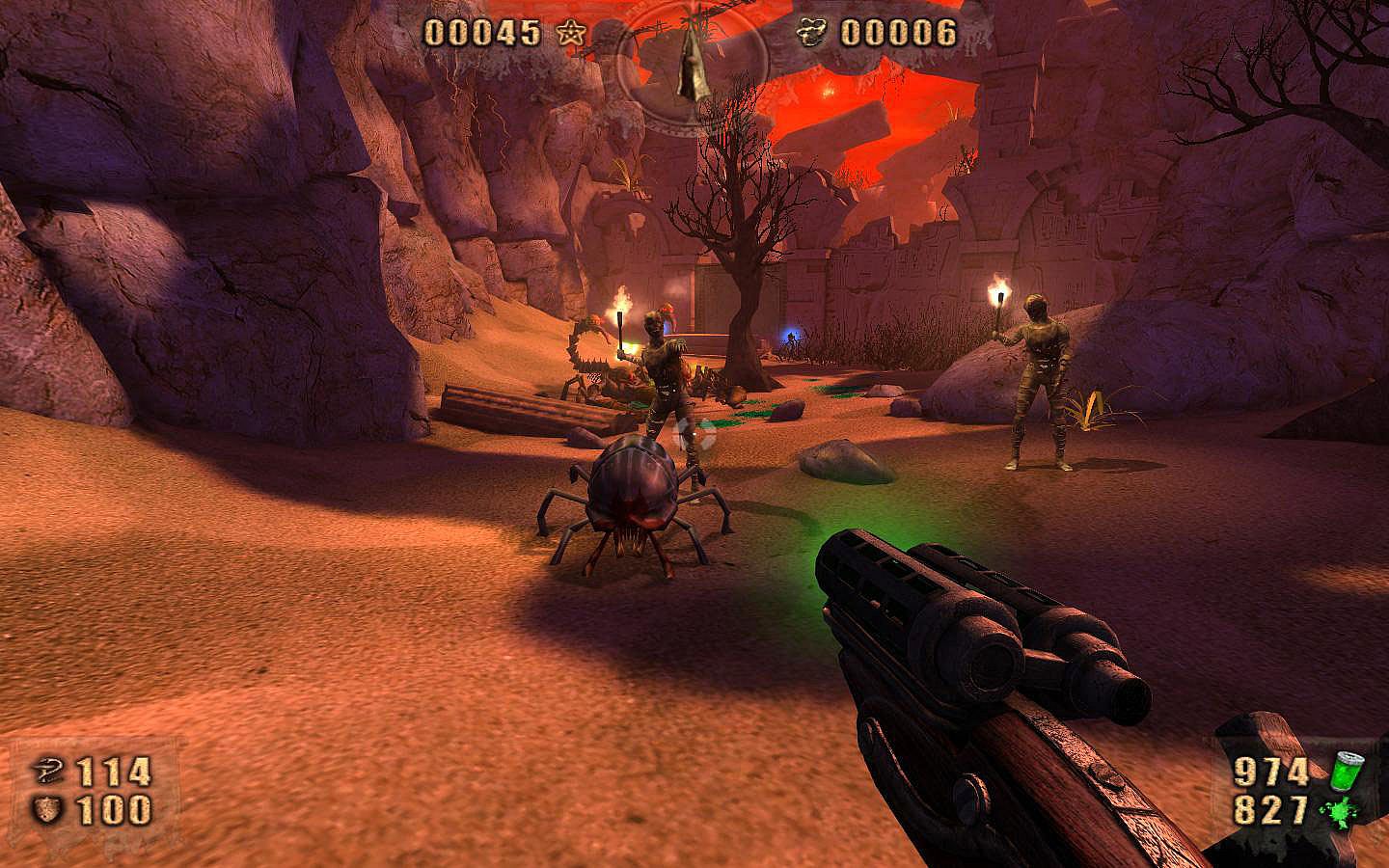
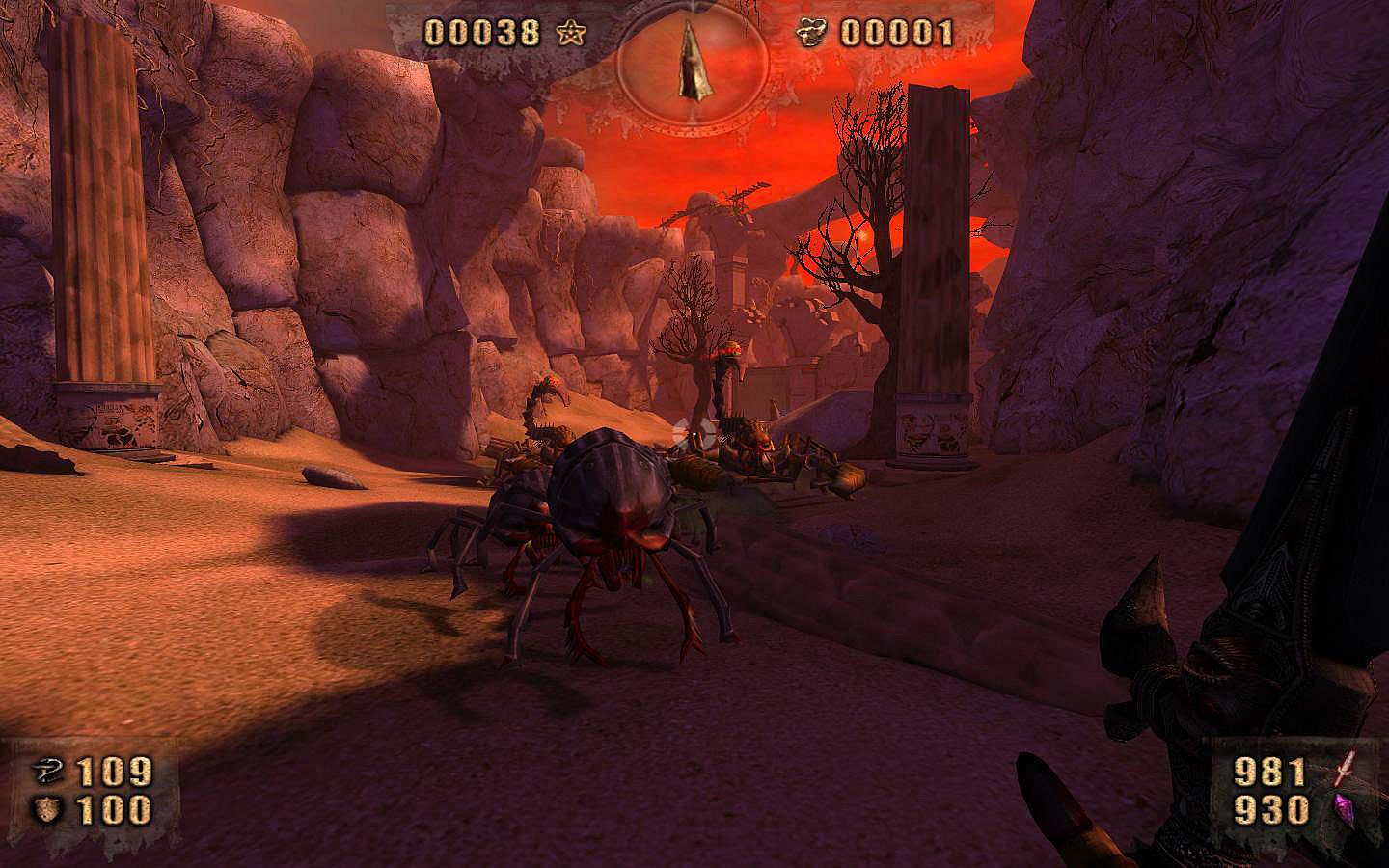
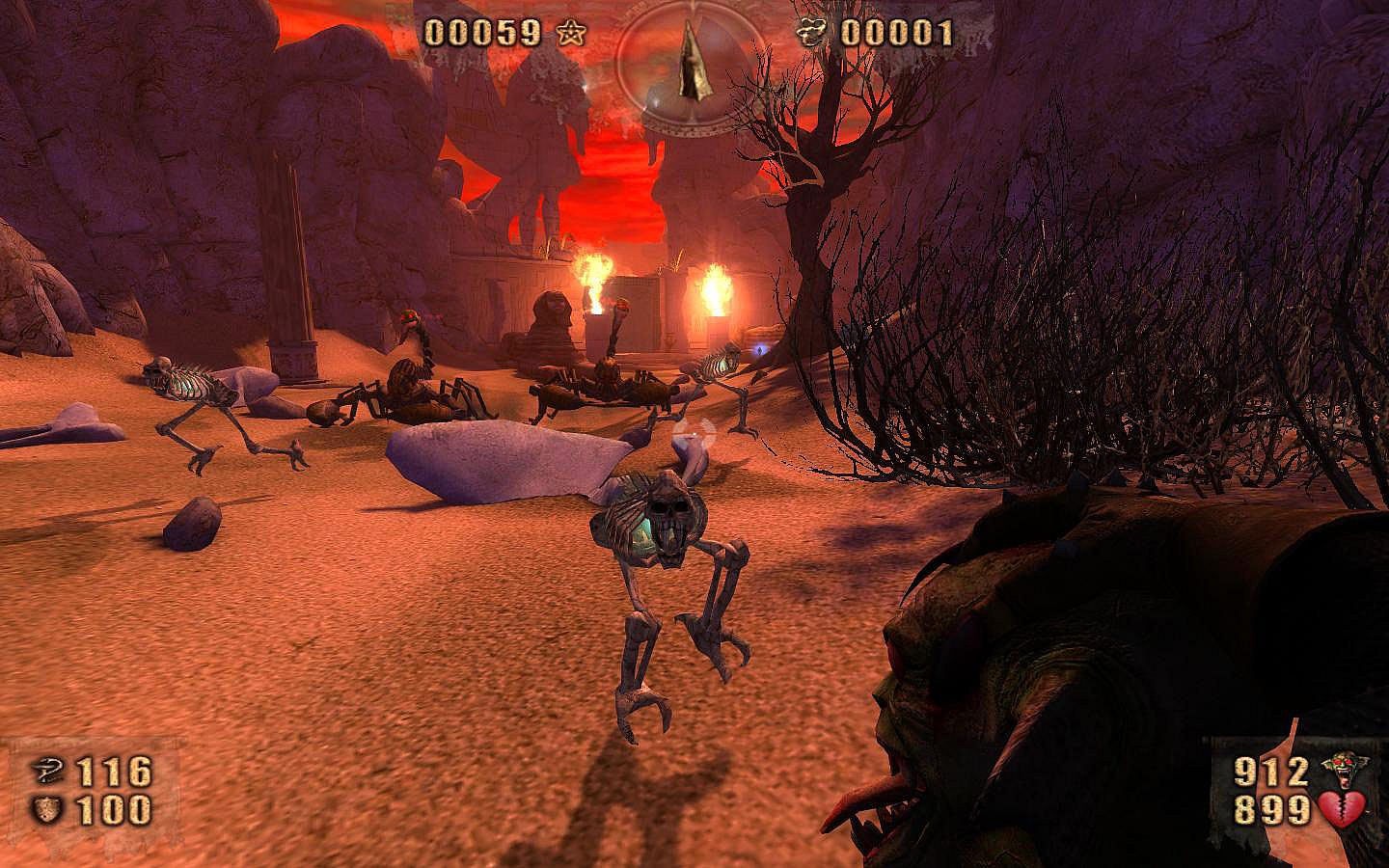
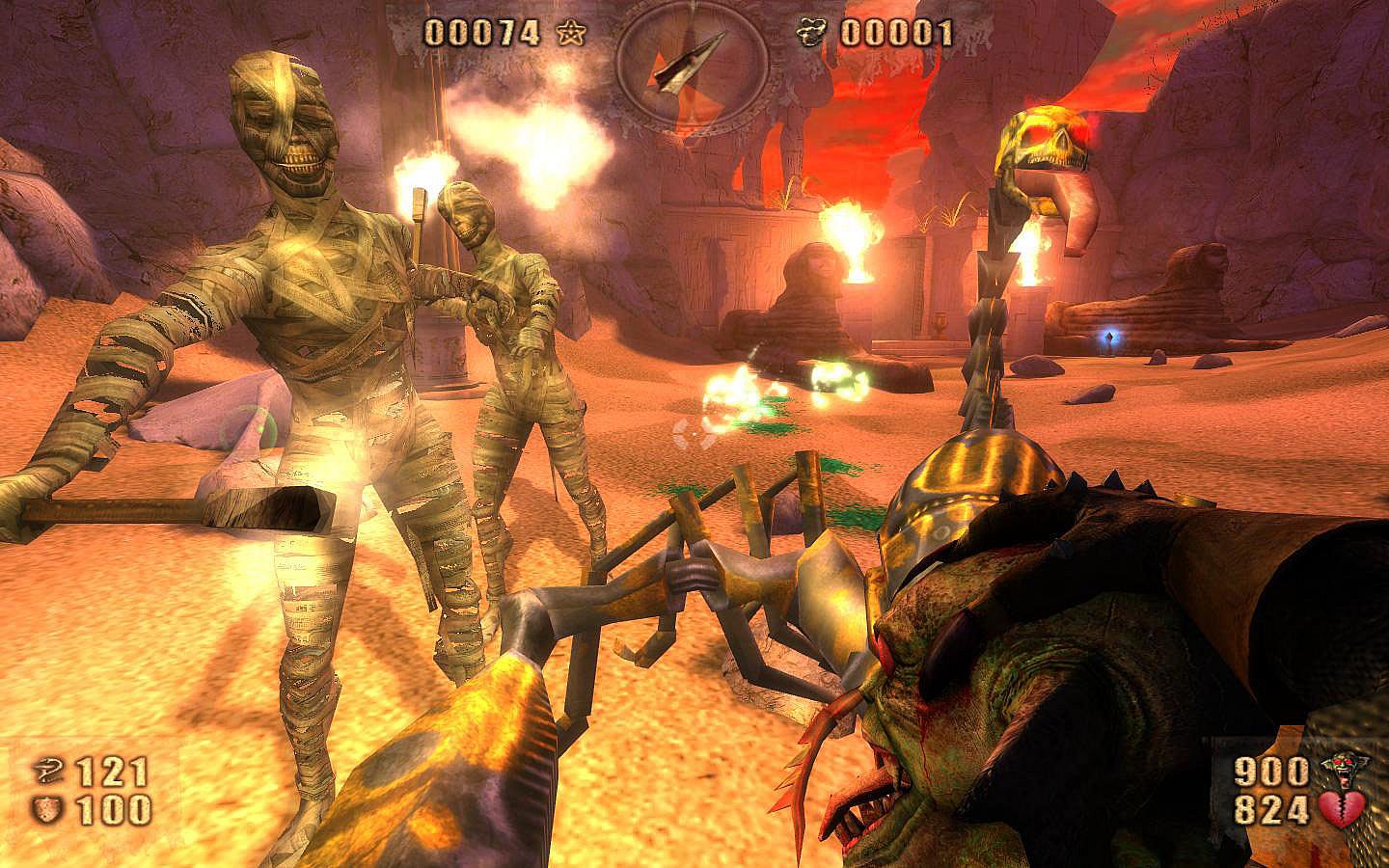
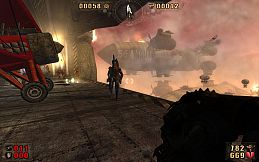
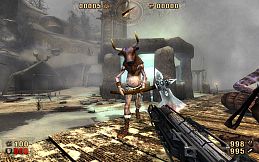
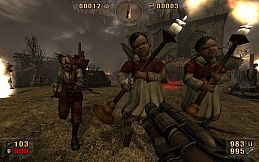
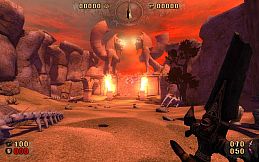
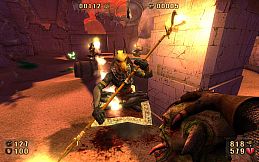
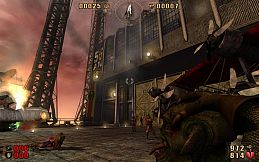
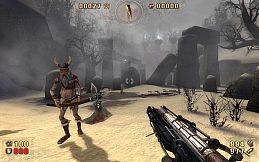
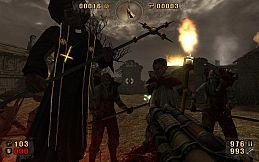
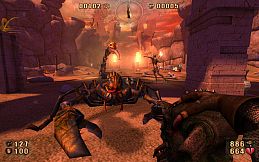
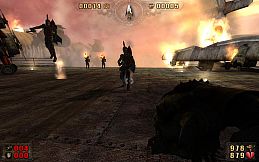
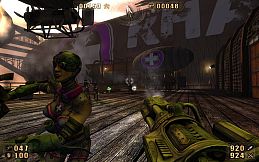
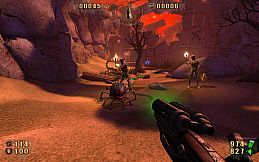
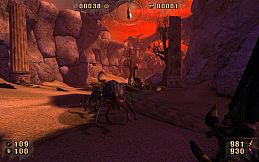
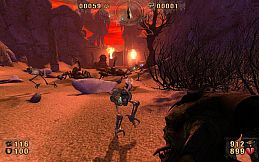
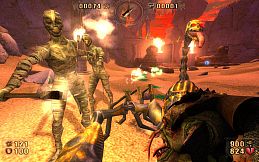
Painkiller Overdose is a first-person shooter that delivers intense, fast-paced combat against hordes of demonic enemies. Released in 2007 as a standalone title developed by Mindware Studios, it expands on the core formula of rapid movement and heavy weaponry while introducing a new protagonist named Belial along with a fresh storyline that connects to earlier events in the series. The game features sixteen dedicated singleplayer levels filled with twisted creatures and massive bosses, alongside support for multiplayer sessions that emphasize direct confrontation and objective-based play.
Gameplay
Players control Belial through linear stages where the emphasis stays on constant forward momentum and precise aiming. The arsenal consists of six new demonic weapons, each equipped with a primary fire mode and an alternate function that alters its behavior mid-fight. One example involves a cannon that can switch between direct blasts and a freezing effect to immobilize targets temporarily. These tools pair with a reshuffled Tarot card system that grants Belial temporary power-ups and combination effects during combat.
Enemy encounters involve more than forty distinct monster types, ranging from smaller twisted forms to larger threats that require specific weapon strategies to dispatch efficiently. Physics interactions allow for environmental manipulation and enemy displacement, while end-of-level bosses appear at colossal scale and demand sustained attention to weak points. The singleplayer campaign avoids any role-playing progression or inventory management, keeping the focus strictly on movement, shooting, and survival against relentless waves.
Game Modes
Multiplayer supports up to sixteen participants in sessions that include Free-For-All deathmatches and Capture the Flag objectives. Server options and stat tracking features allow hosts to customize rules and monitor performance across matches. Compatibility extends to maps and modes from the original Painkiller, enabling players to mix content from both titles in the same lobby. The overall structure prioritizes quick respawns and straightforward scoring without complex team balancing or additional layers.
Story and Setting
The narrative follows Belial as he navigates the consequences of prior events involving Lucifer's defeat. Sixteen new levels depict crumbling domains of Hell guarded by oversized bosses, with environments designed around tight corridors and open arenas that favor aggressive playstyles. The story serves mainly as connective tissue rather than a deep plot driver, leaving the action as the central draw.
Is It Worth Playing?
Player reception remains mixed, with approximately 69 percent of Steam reviews rating the title positively based on nearly one thousand submissions. Those who enjoy classic first-person shooters built around high enemy counts, responsive controls, and powerful alternate-fire weapons often find the experience satisfying. The game suits individuals seeking short, replayable sessions in both singleplayer and multiplayer formats without modern progression systems or seasonal content. Availability continues through standard digital platforms, and no further updates or expansions have appeared since its initial release. Individuals drawn to straightforward demon-slaying loops from the mid-2000s era will likely appreciate its direct approach, while those preferring narrative depth or contemporary mechanics may find it limited in scope.














