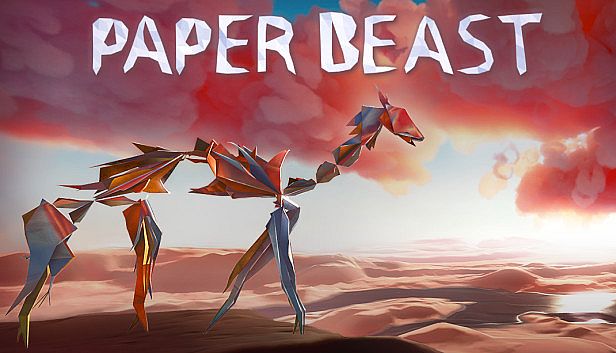

















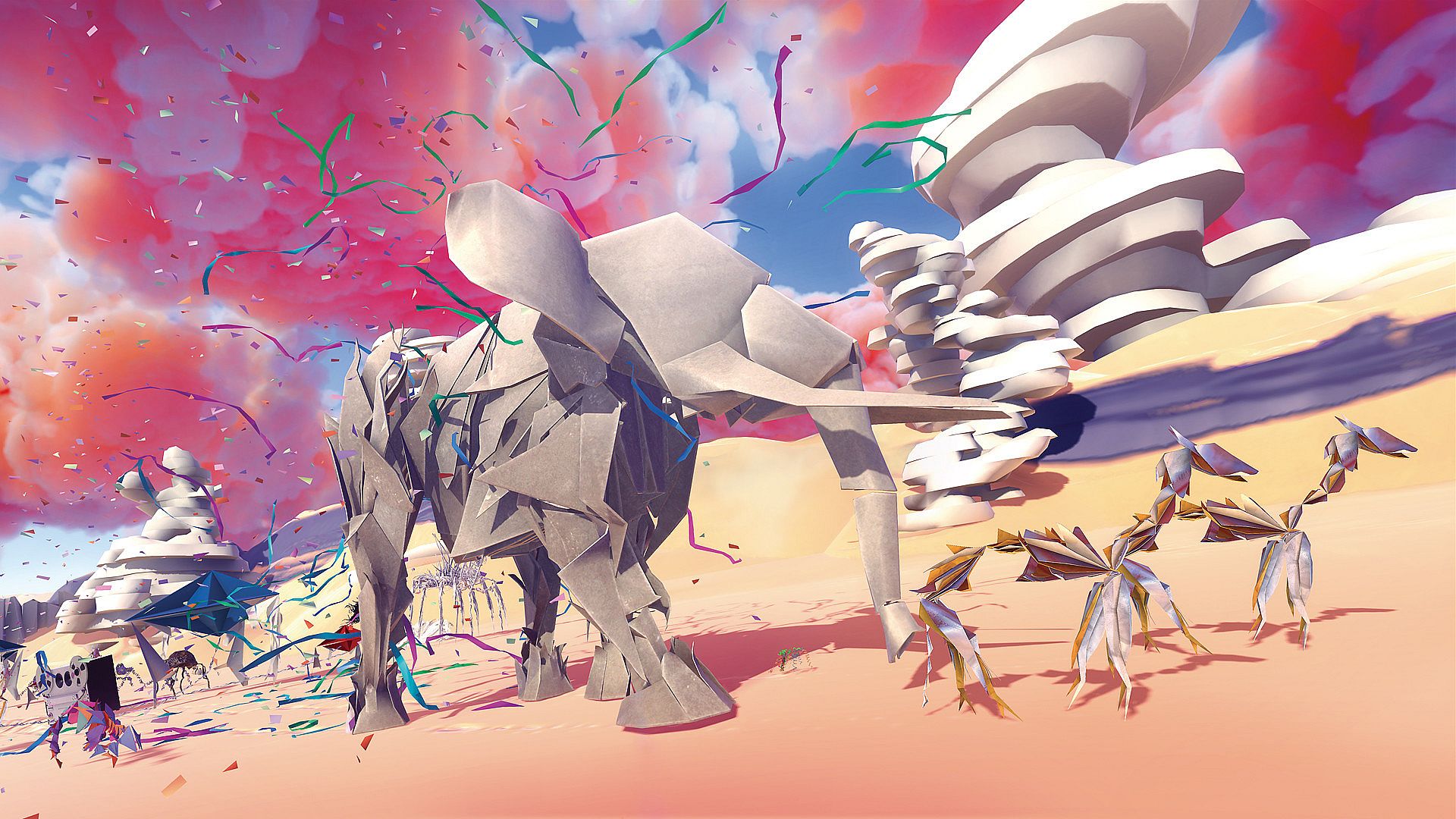
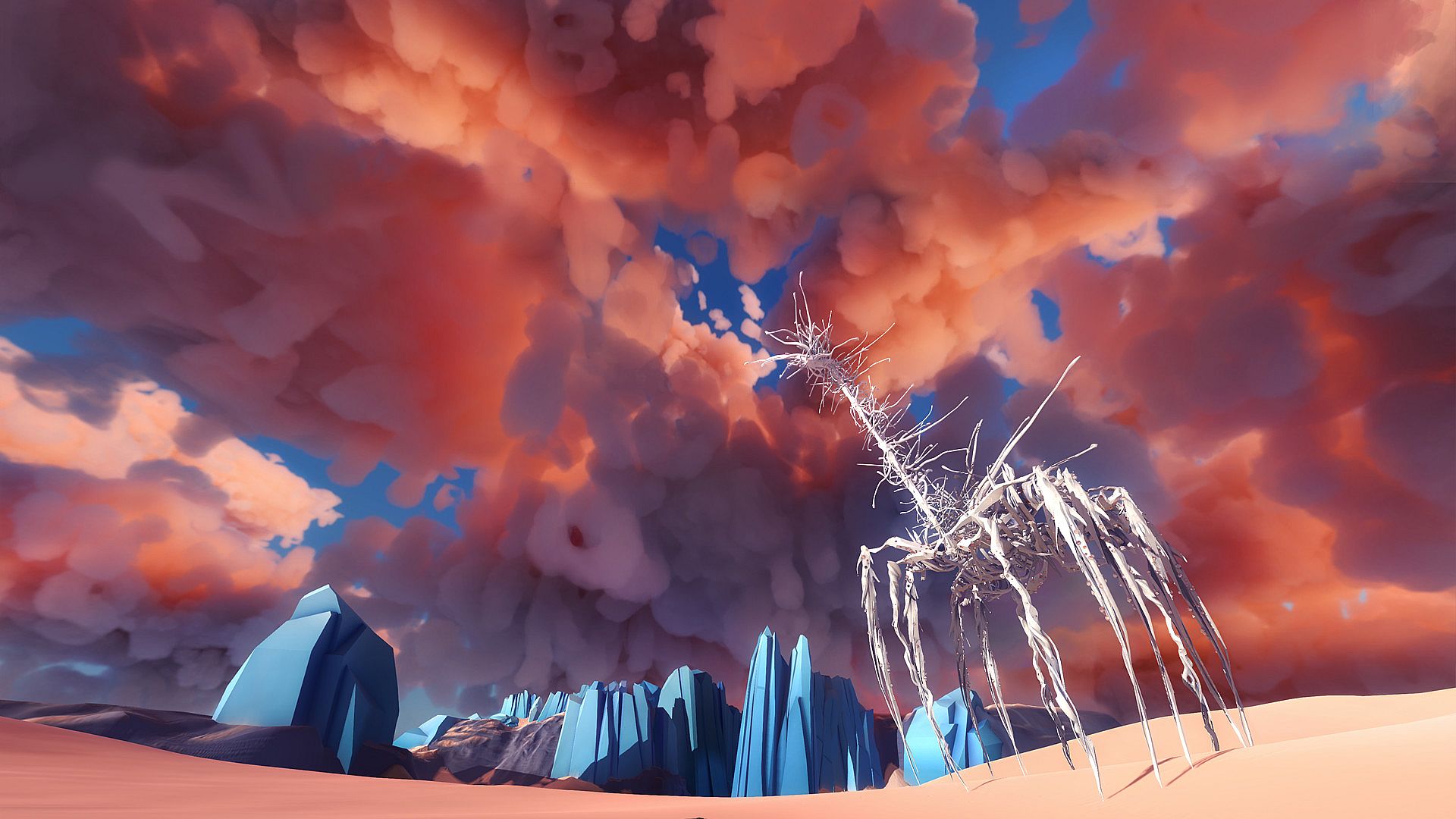
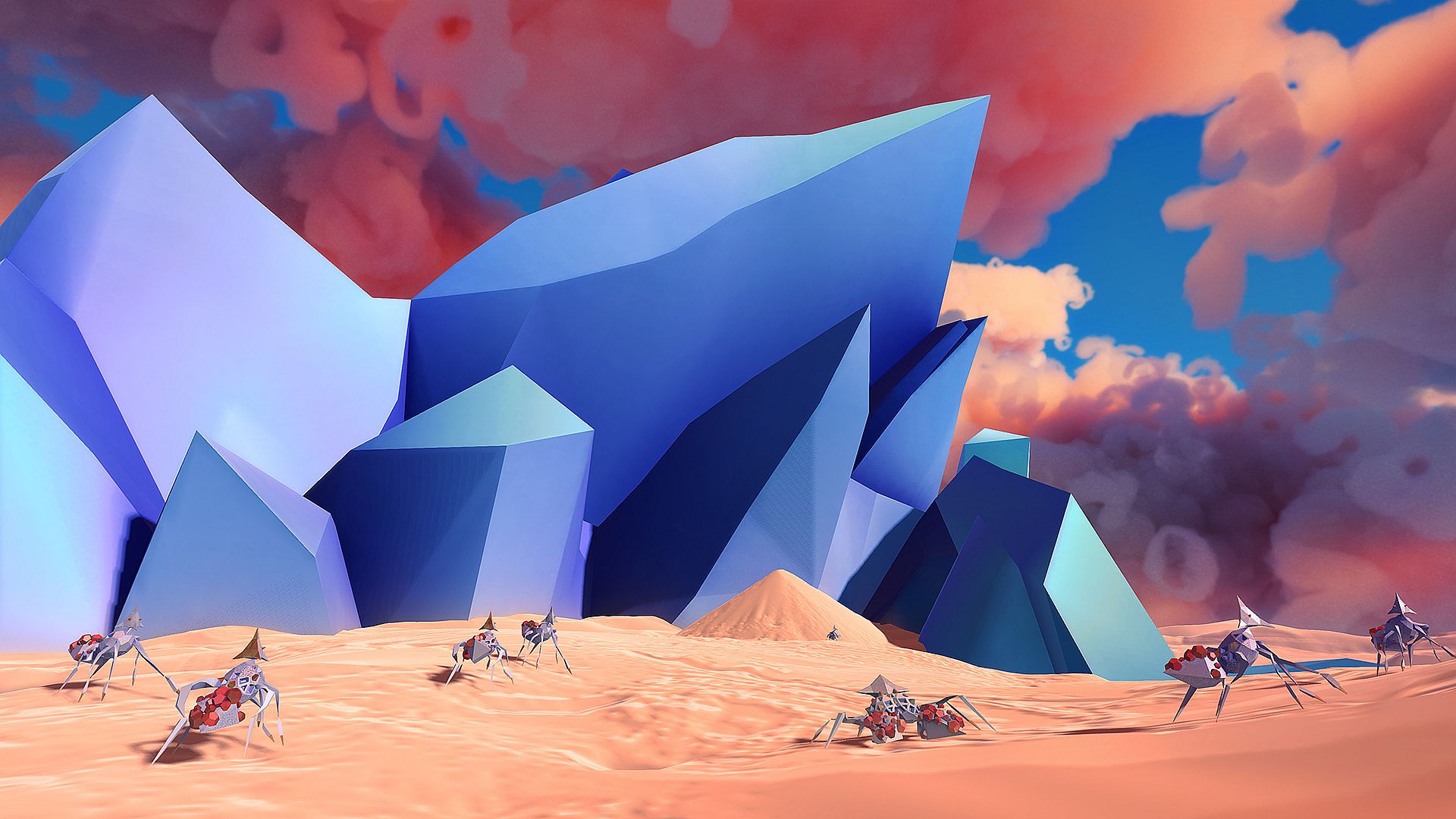
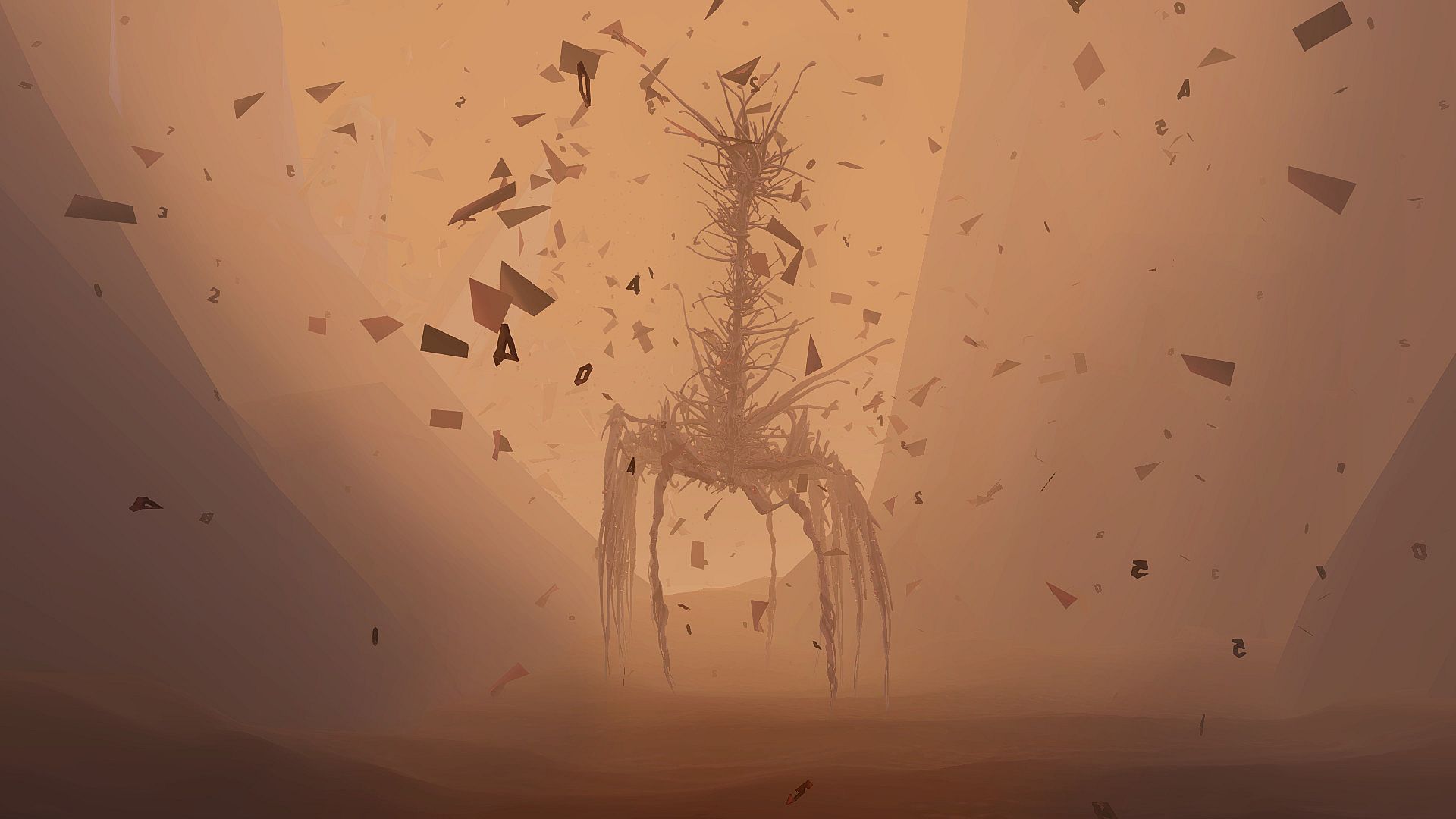
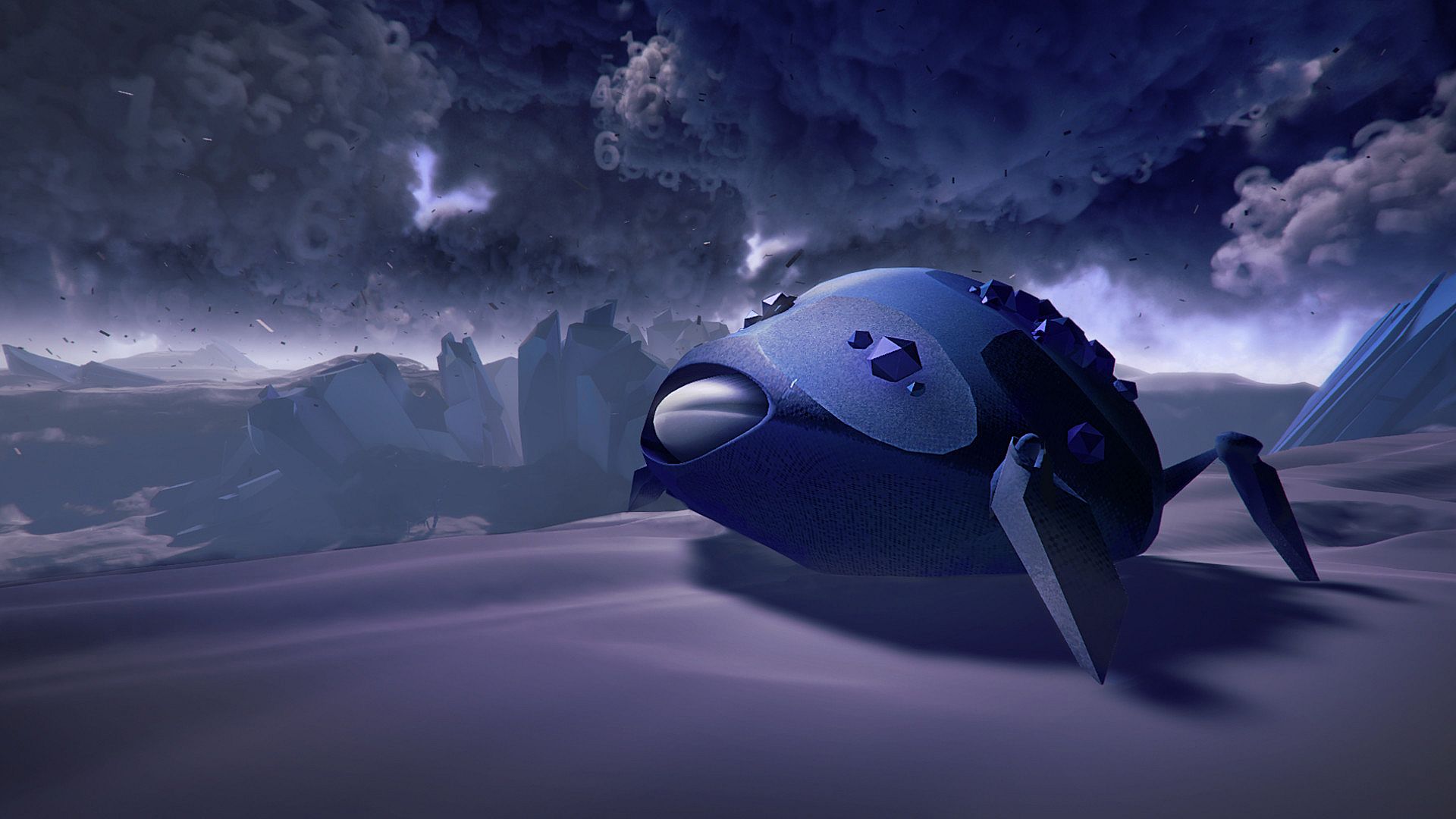
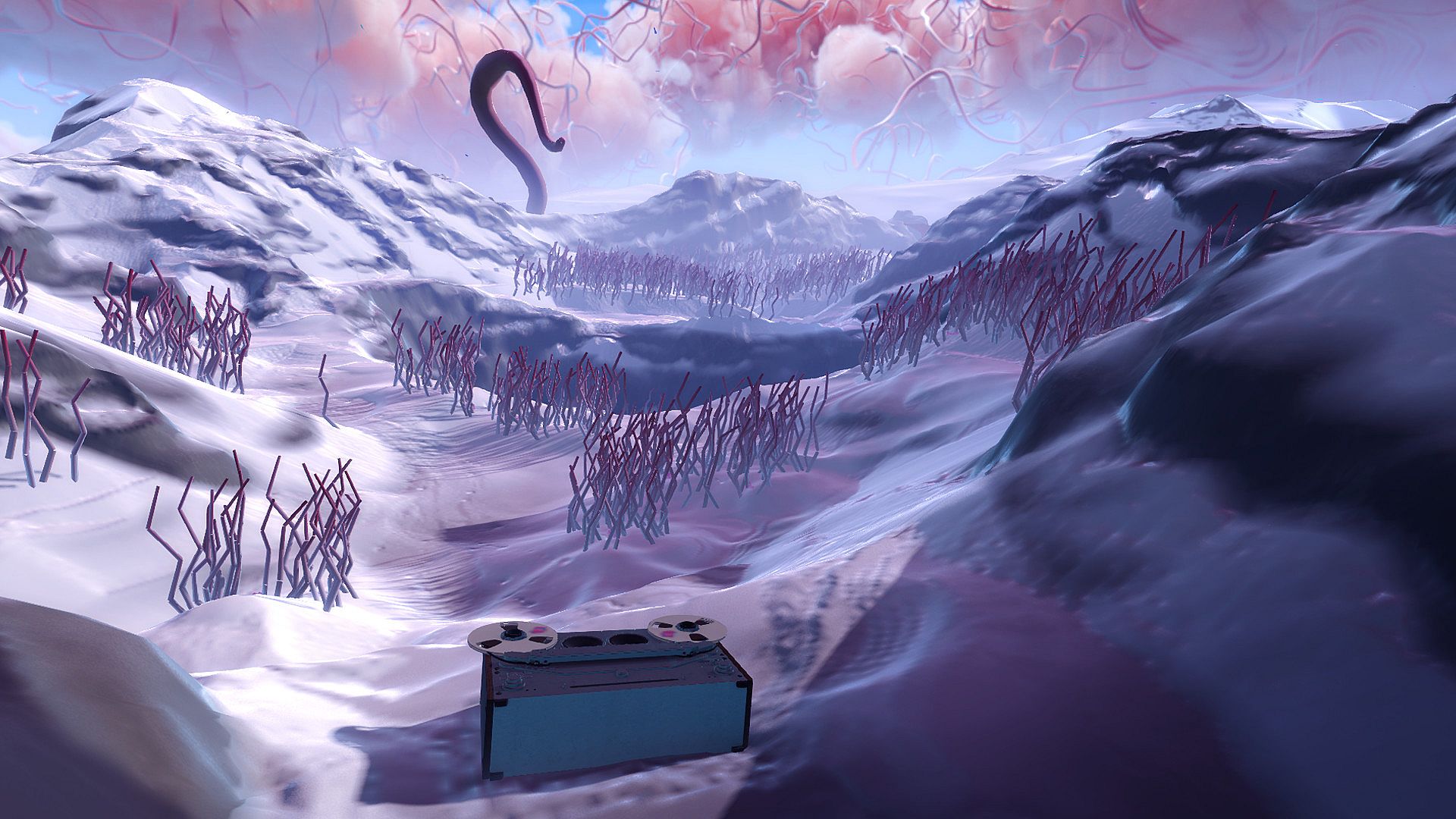
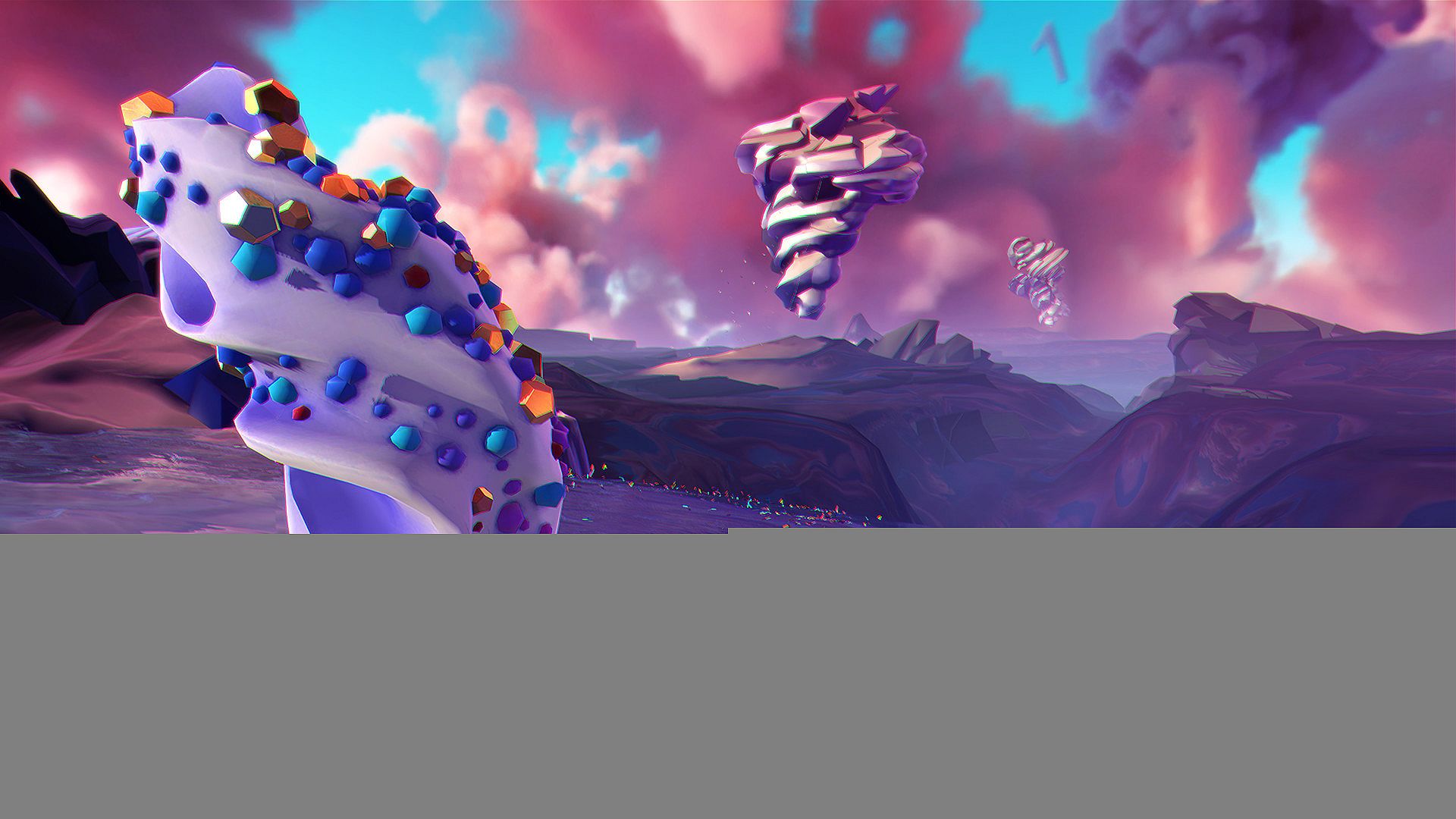
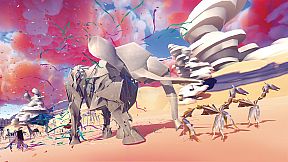
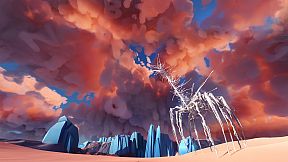
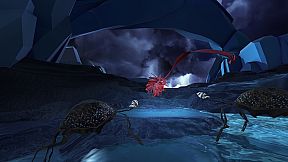
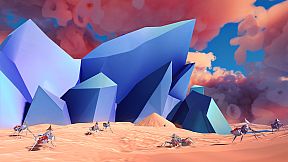
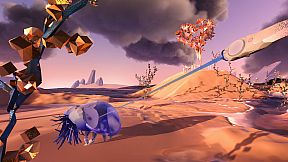
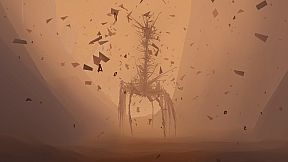
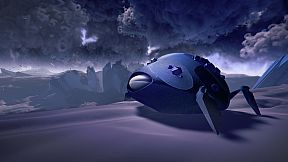
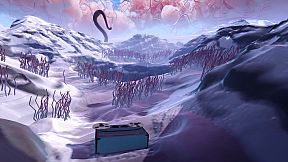
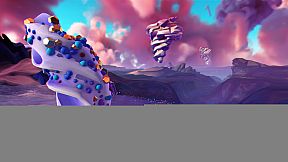
Paper Beast is an indie simulation adventure game developed for PC that places players in a surreal, paper-crafted ecosystem. Created by Eric Chahi, the designer behind Another World, it emphasizes exploration and gentle interaction within a dreamlike digital wilderness where life has emerged from the depths of the internet. The experience centers on observing and assisting a variety of intelligent paper creatures while manipulating the surrounding environment through a detailed physics system.
Gameplay
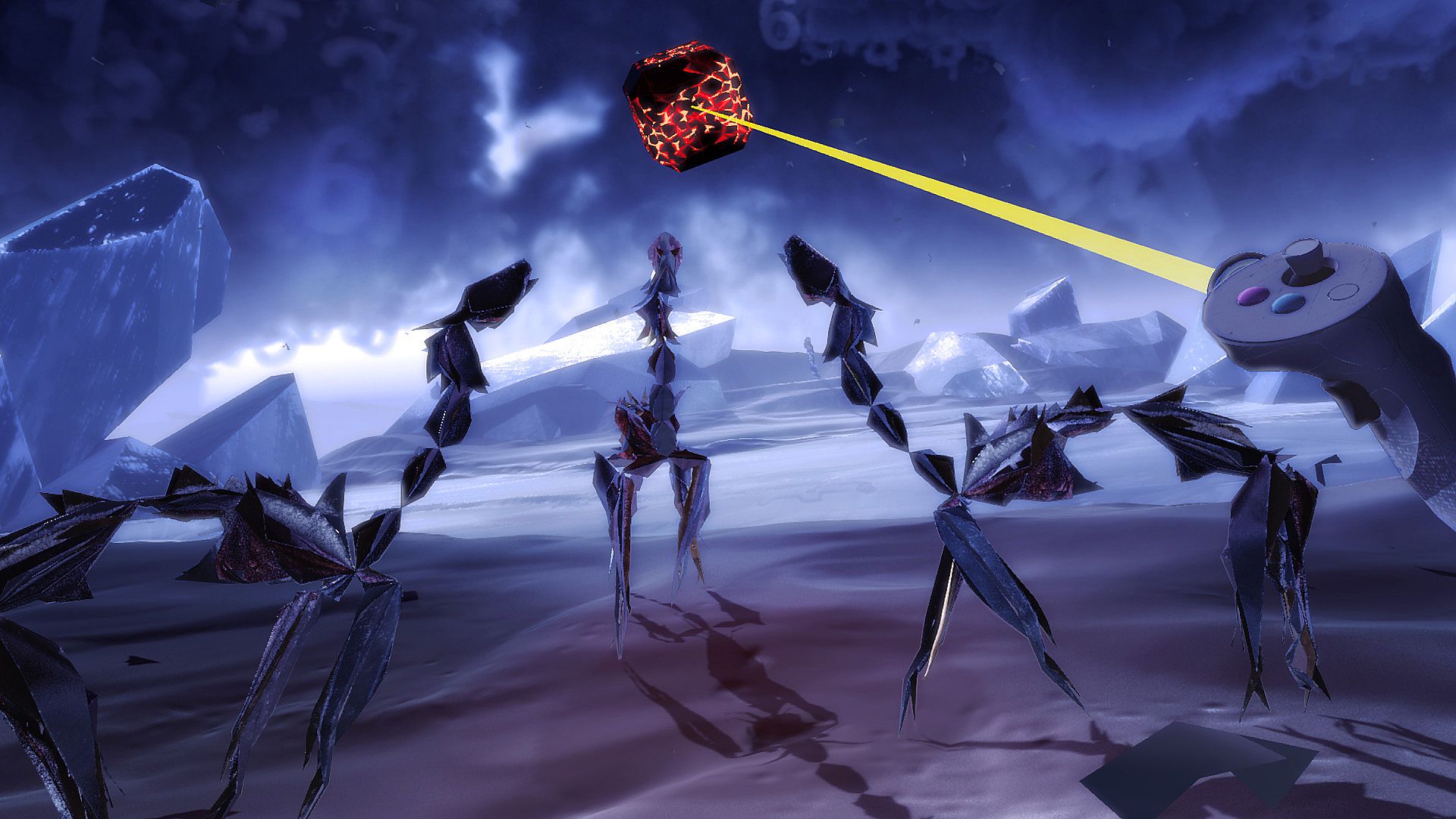
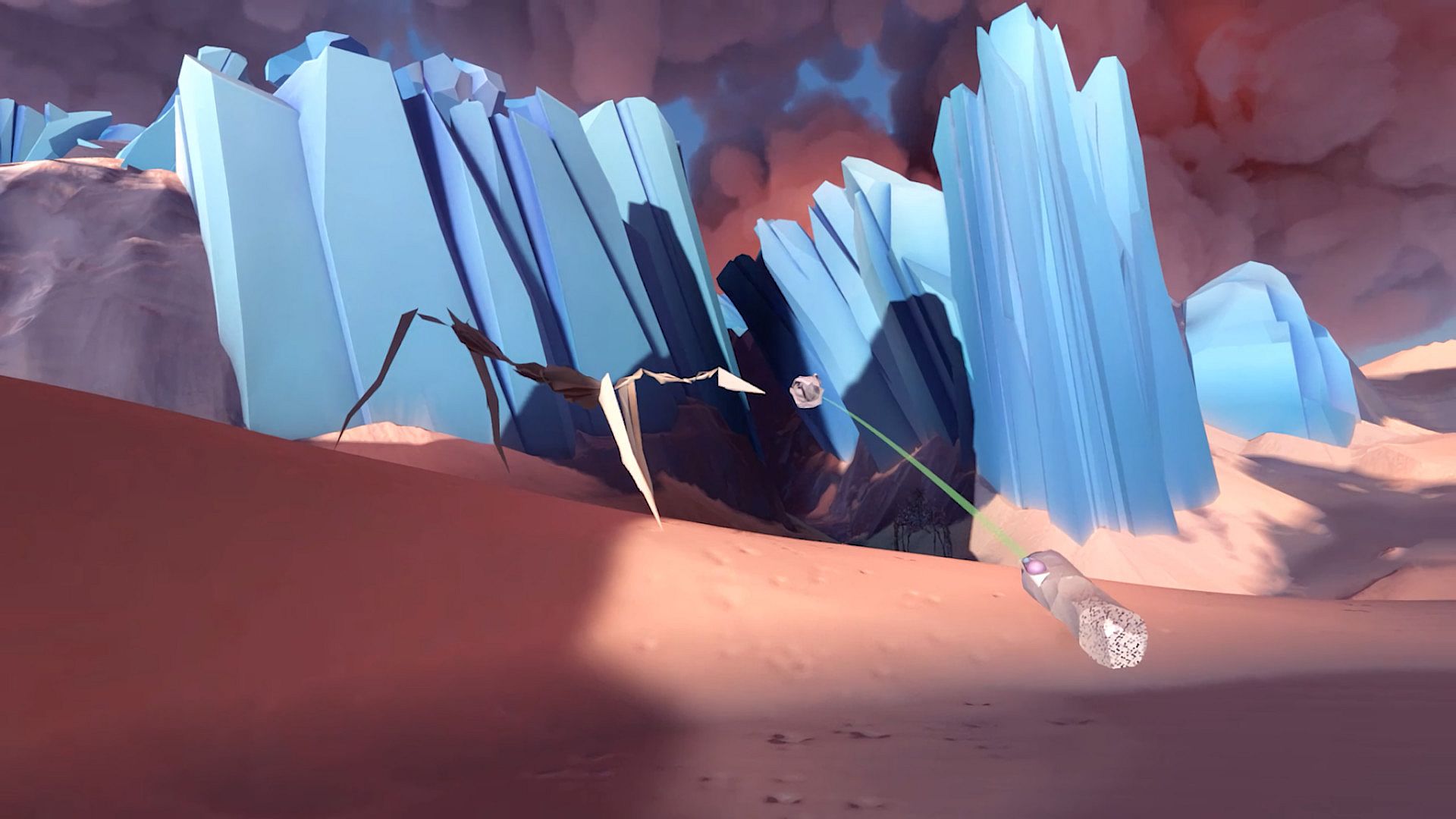
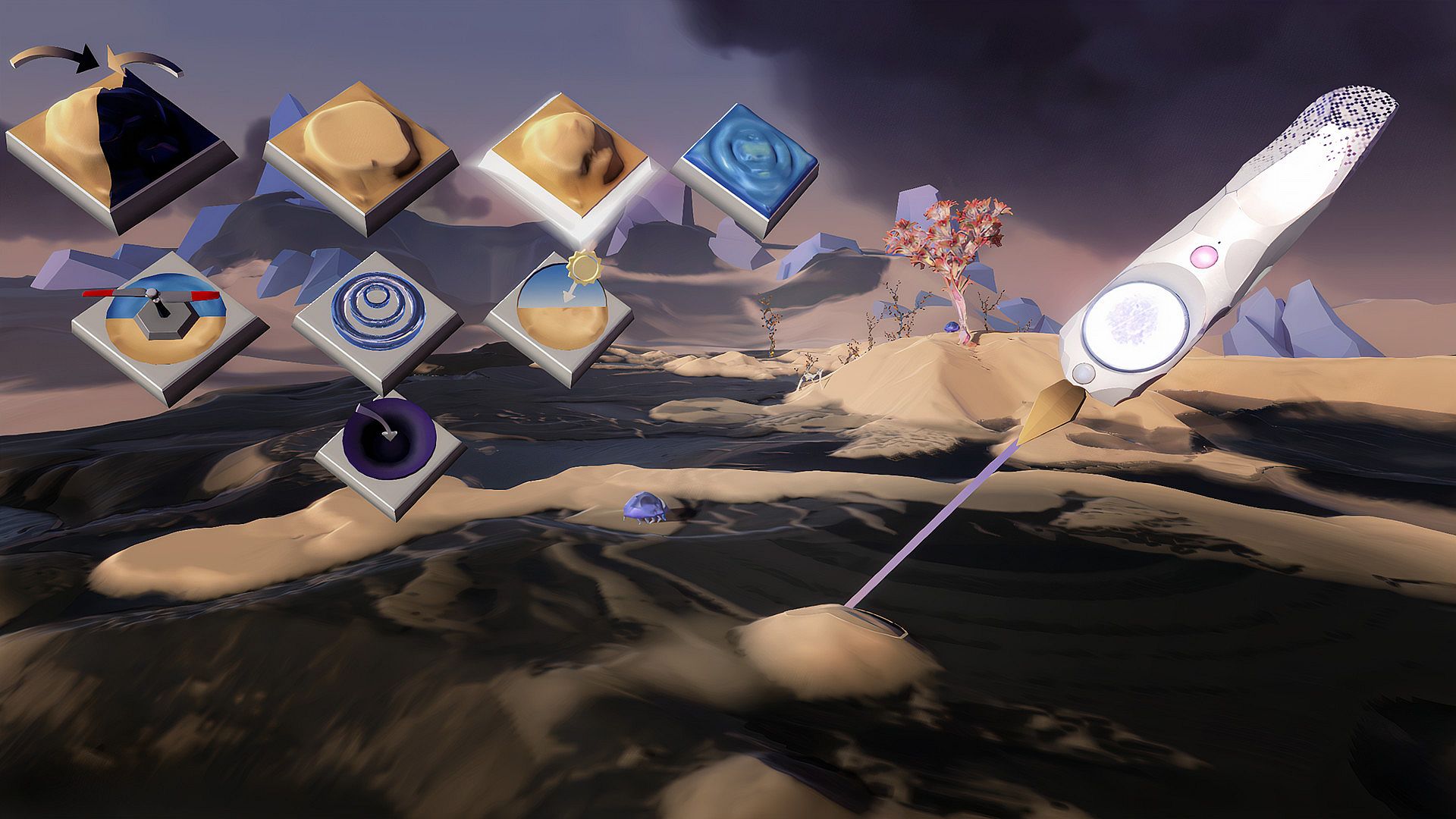
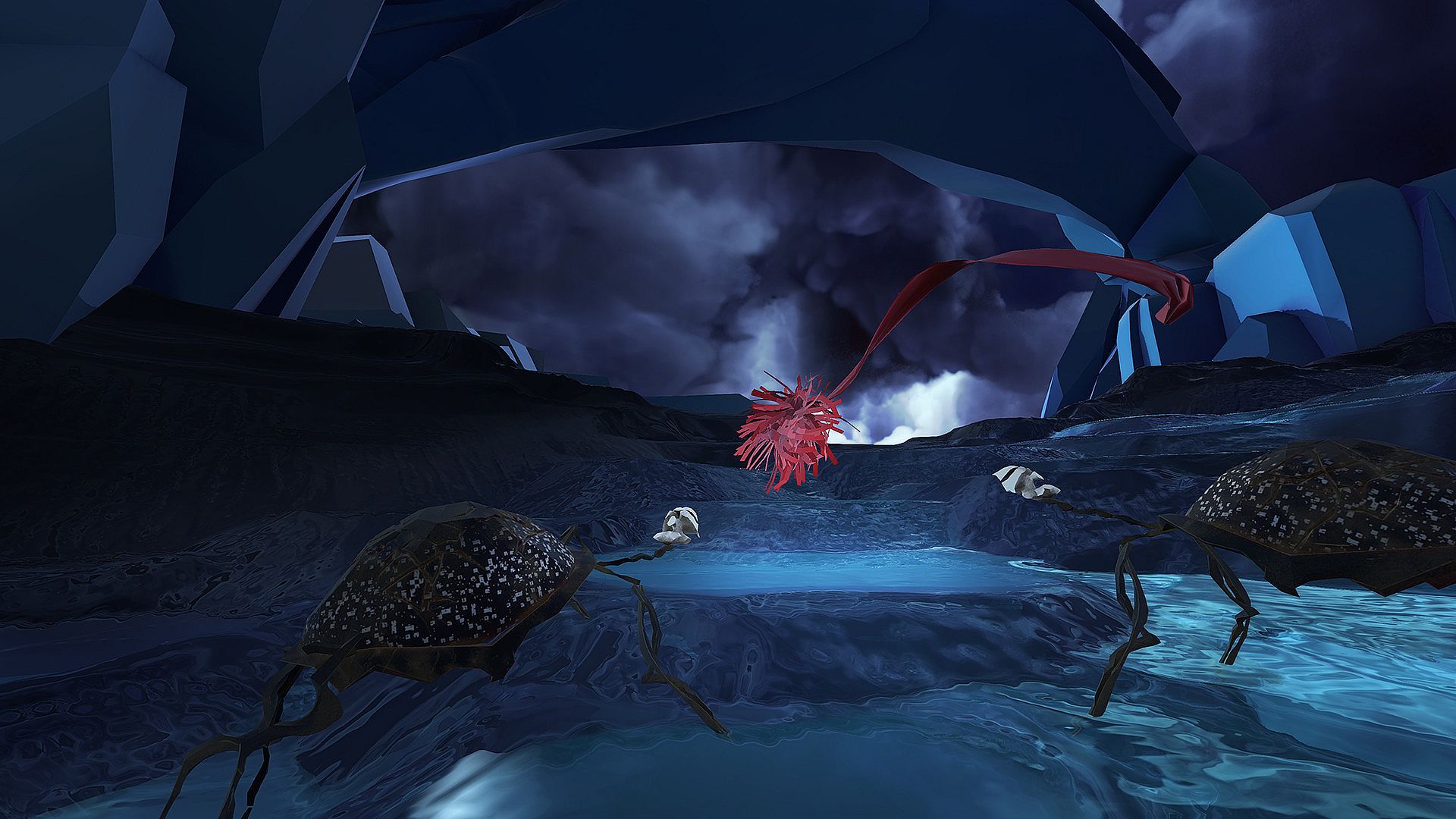
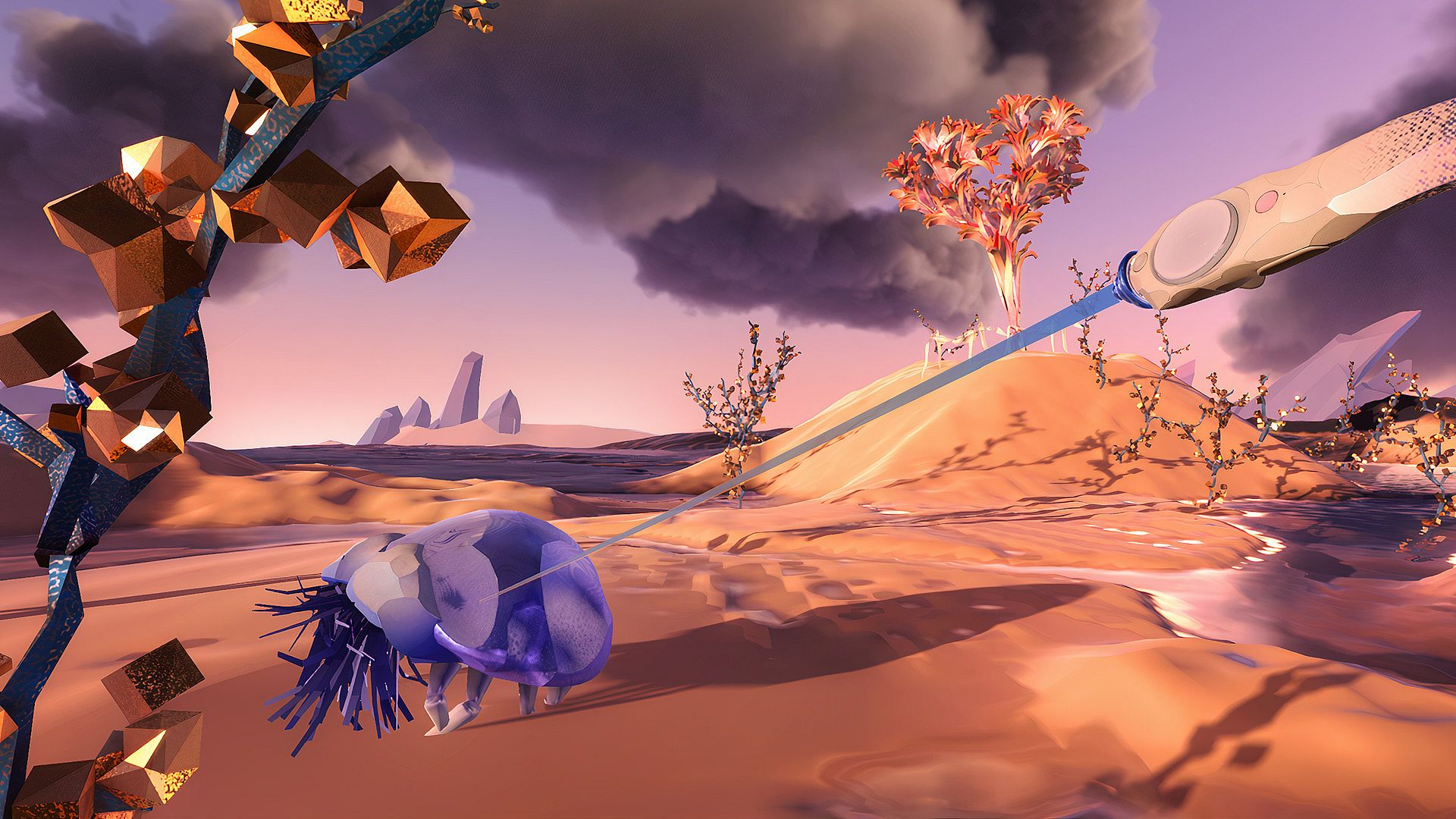
The core loop revolves around careful observation and environmental problem-solving. Players navigate colorful, low-polygon landscapes filled with abstract flora and fauna. Interaction focuses on grabbing and guiding creatures whose behaviors respond dynamically to player actions and changes in the world. A robust physics engine drives most mechanics, allowing actions such as redirecting water flows, altering terrain temperature to melt ice formations, or enduring weather events to progress through sequences of interconnected challenges. Movement and manipulation feel deliberate, encouraging experimentation with how objects and creatures interact under simulated physical rules.
Creatures exhibit distinct personalities and capabilities that adapt based on context. Some provide mobility assistance, while others influence local conditions when positioned correctly. This system creates organic puzzle solutions that reward patience and creative thinking over direct confrontation. The visual style remains consistent with folded paper aesthetics, giving every element a tactile, handmade quality that enhances the sense of a living, responsive miniature world.
Game Modes
Paper Beast offers two distinct modes that cater to different play styles. The adventure mode presents a structured sequence of exploration and puzzle sections. Progress involves traversing varied biomes, learning creature behaviors, and applying environmental controls to overcome obstacles in a linear yet open-feeling narrative arc. This mode highlights discovery and the gradual unfolding of the ecosystem's mysteries.
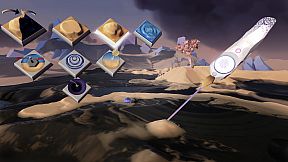
The sandbox mode functions as an open-ended playground with god-game elements. Players gain tools to reshape the landscape on a larger scale, including raising mountains, carving lakes, introducing new creatures, and triggering large-scale weather phenomena such as tornadoes. Experimentation here focuses on building balanced or chaotic ecosystems and observing emergent interactions without time pressure or specific objectives. Both modes share the same physics foundation and creature roster, allowing skills and discoveries from one to inform play in the other.
Universe and Creatures
The setting depicts an isolated digital realm where abstract life forms have evolved in isolation. Environments range from crystalline caverns to floating islands, all rendered with a consistent paper texture that unifies the aesthetic. Creatures vary in size, form, and function, from small helpers that cling to surfaces to larger beings capable of significant environmental impact. Their reactions to player presence and world changes form the heart of the simulation, creating moments of unexpected cooperation or disruption.
Sound design complements the visuals through an original score that blends ambient textures with energetic rock elements. This audio layer supports the contemplative pace while highlighting key interactions and transitions between areas.
Is It Worth Playing?
Paper Beast appeals most to players who enjoy single-player experiences centered on physics-based puzzles, creature observation, and creative sandbox tools. Its deliberate pace and focus on gentle experimentation suit those seeking a break from high-intensity action or competitive multiplayer. The two modes provide clear variety, with the adventure offering guided progression and the sandbox delivering unrestricted freedom to build and observe.
Player feedback consistently highlights the satisfying creature behaviors, inventive physics interactions, and distinctive art direction as standout features. The game runs well on standard PC hardware and remains available without ongoing seasonal content or required updates beyond initial release patches. Those interested in thoughtful exploration and emergent simulation will find substantial value in its focused design, while players preferring fast combat or narrative-driven stories may find the experience too understated. Overall, it delivers a cohesive and memorable session for its target audience of indie simulation enthusiasts.