













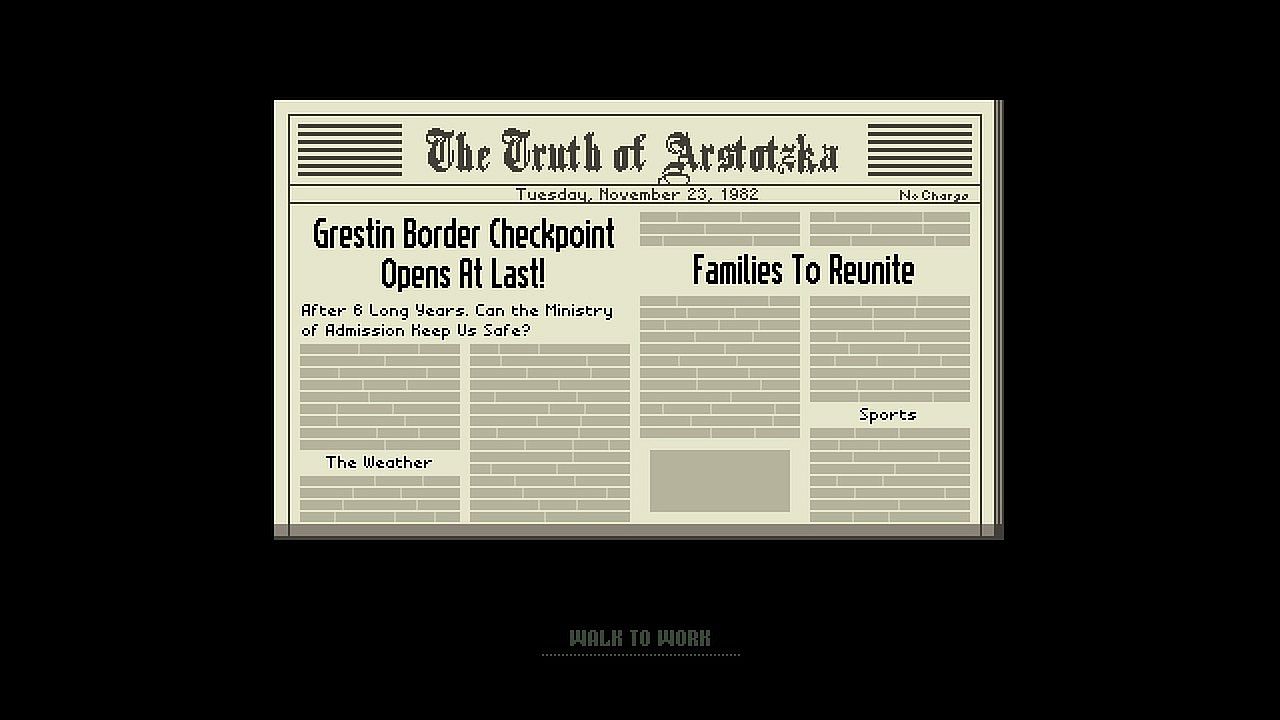
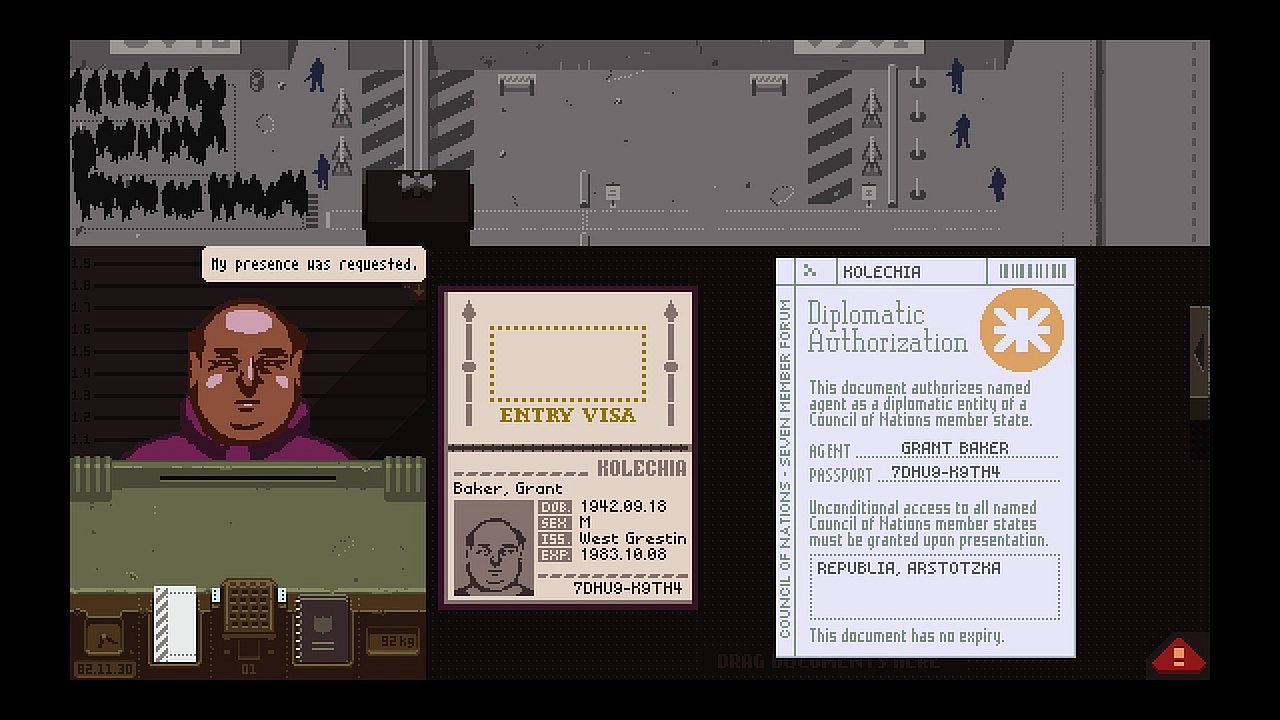
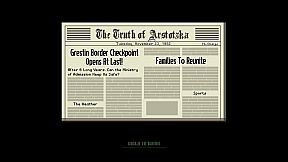

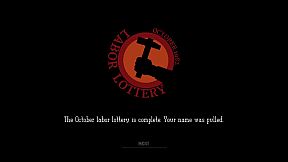
Papers, Please stands out as a puzzle simulation game that puts you in the role of an immigration inspector in a fictional communist state. Released in 2013 by developer Lucas Pope, this indie title combines document-checking mechanics with moral dilemmas set against a backdrop of political tension. You manage the border checkpoint between Arstotzka and Kolechia, deciding the fates of travelers based on limited information and strict rules.
Gameplay
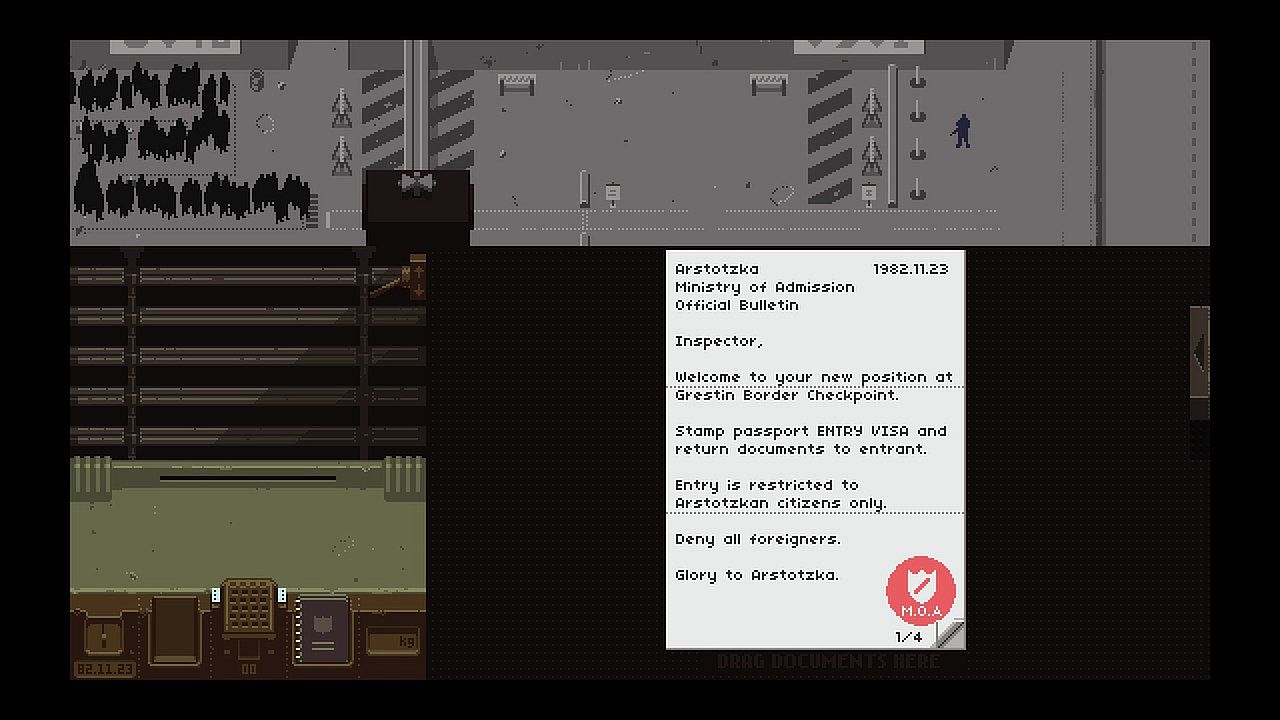
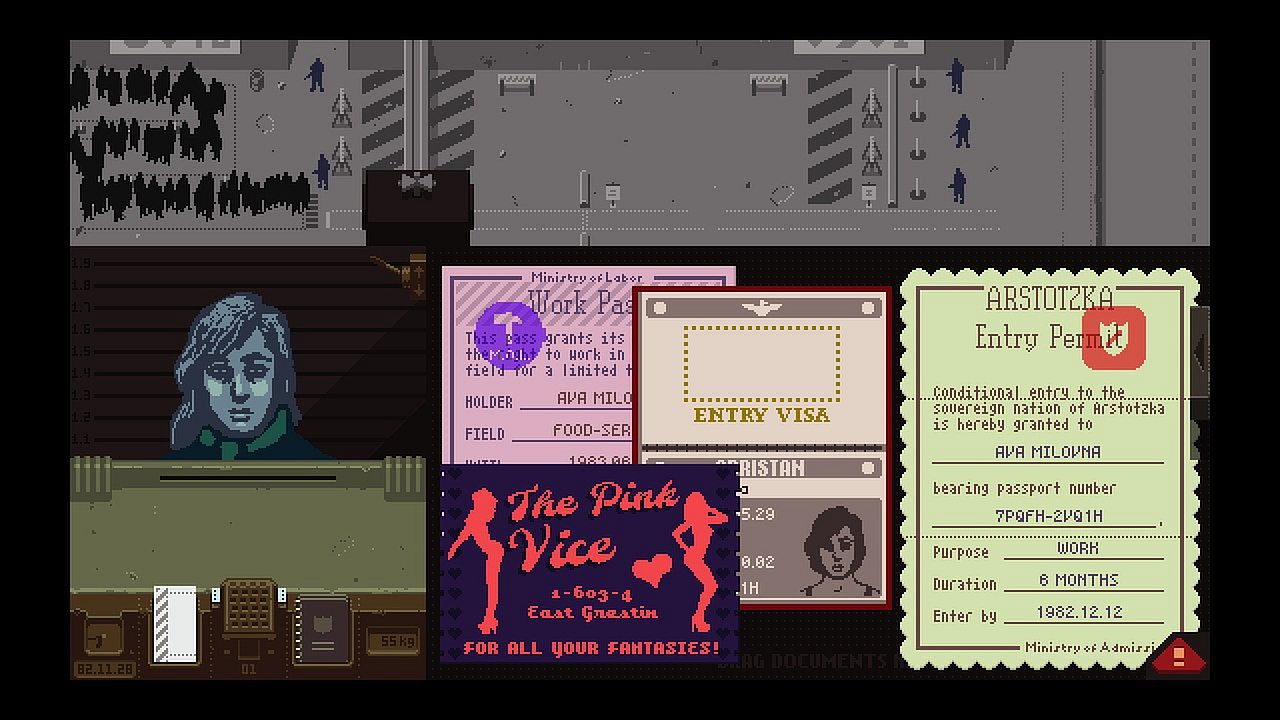
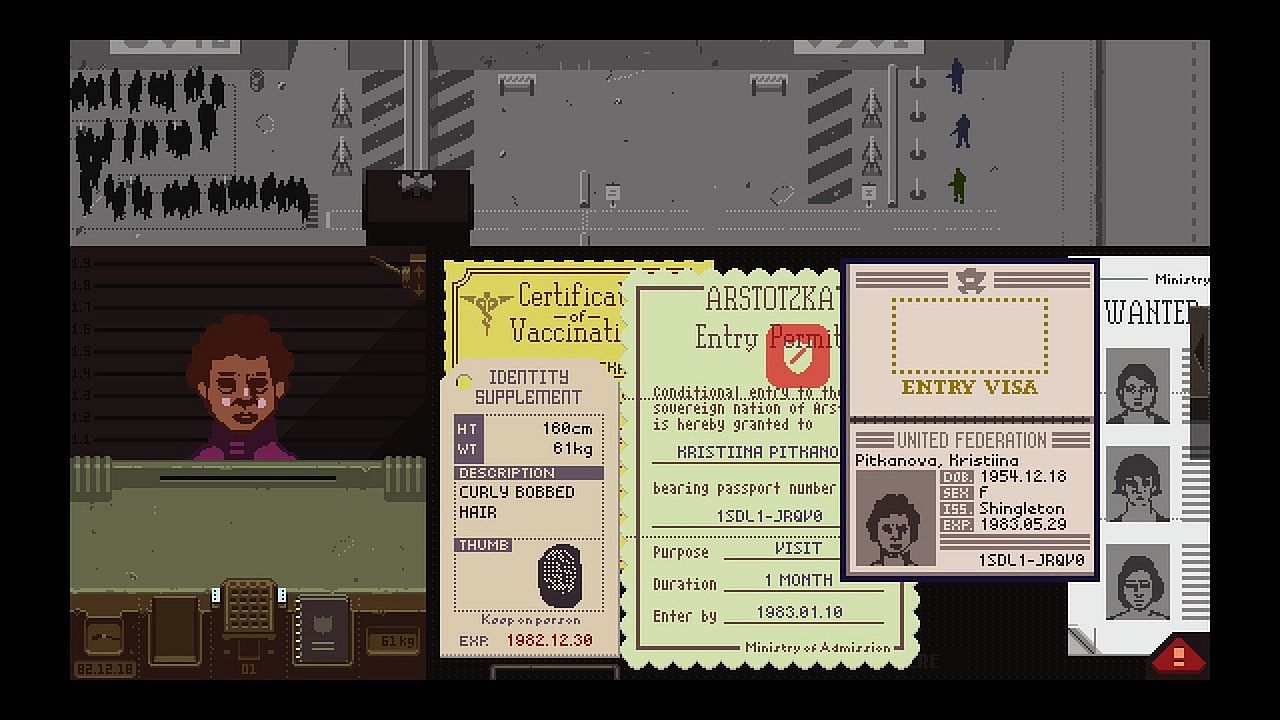
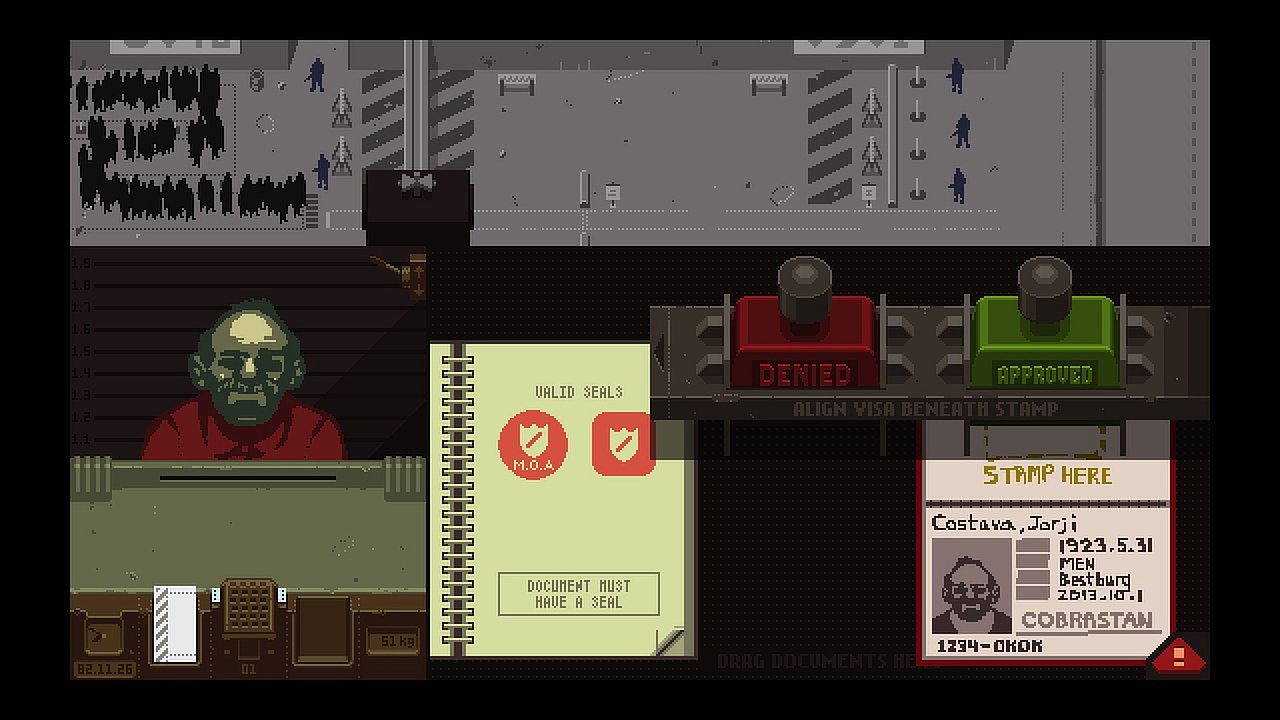
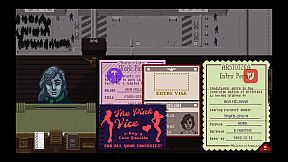
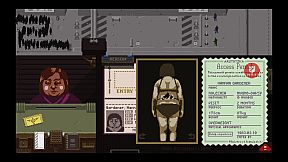
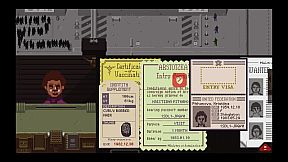
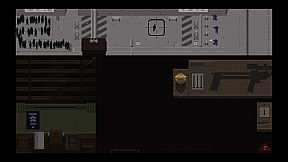
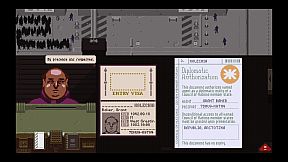
In Papers, Please, the core loop revolves around examining travelers' documents at the Grestin Border Checkpoint. Each day brings a queue of immigrants, visitors, and citizens, and you must verify passports, entry permits, work passes, and other papers for discrepancies like forged details, expired dates, or mismatched information.
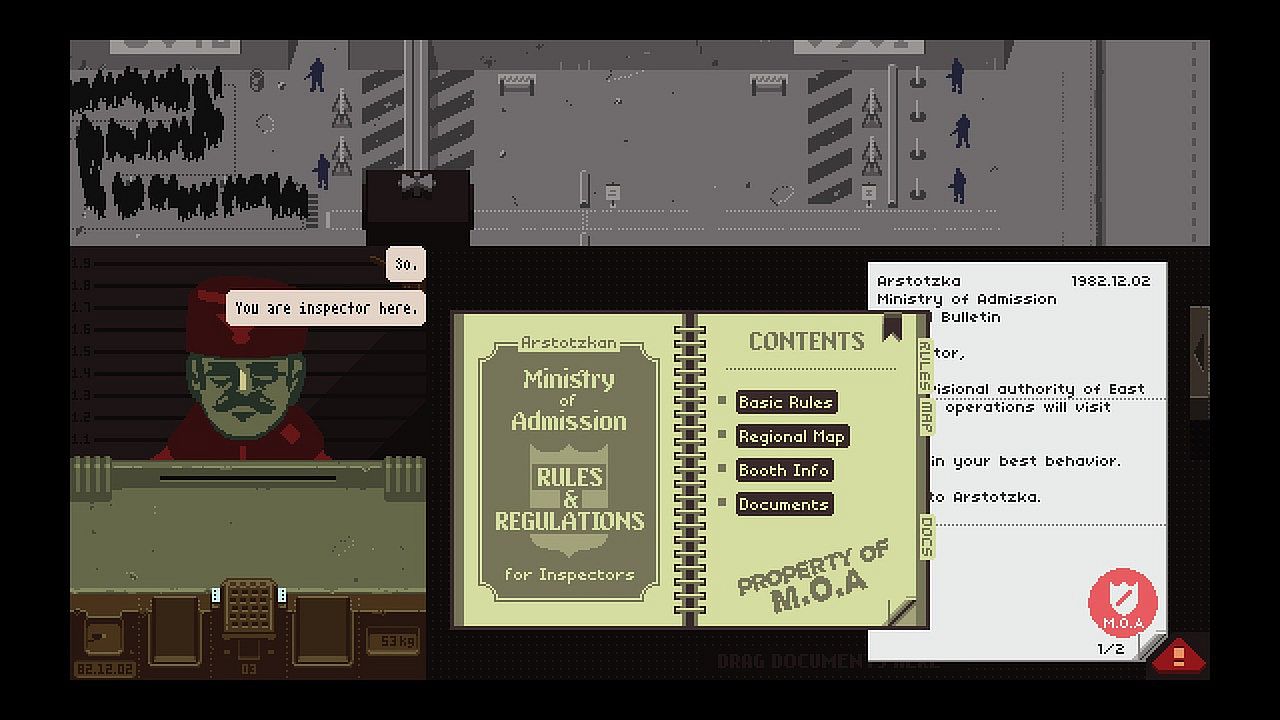
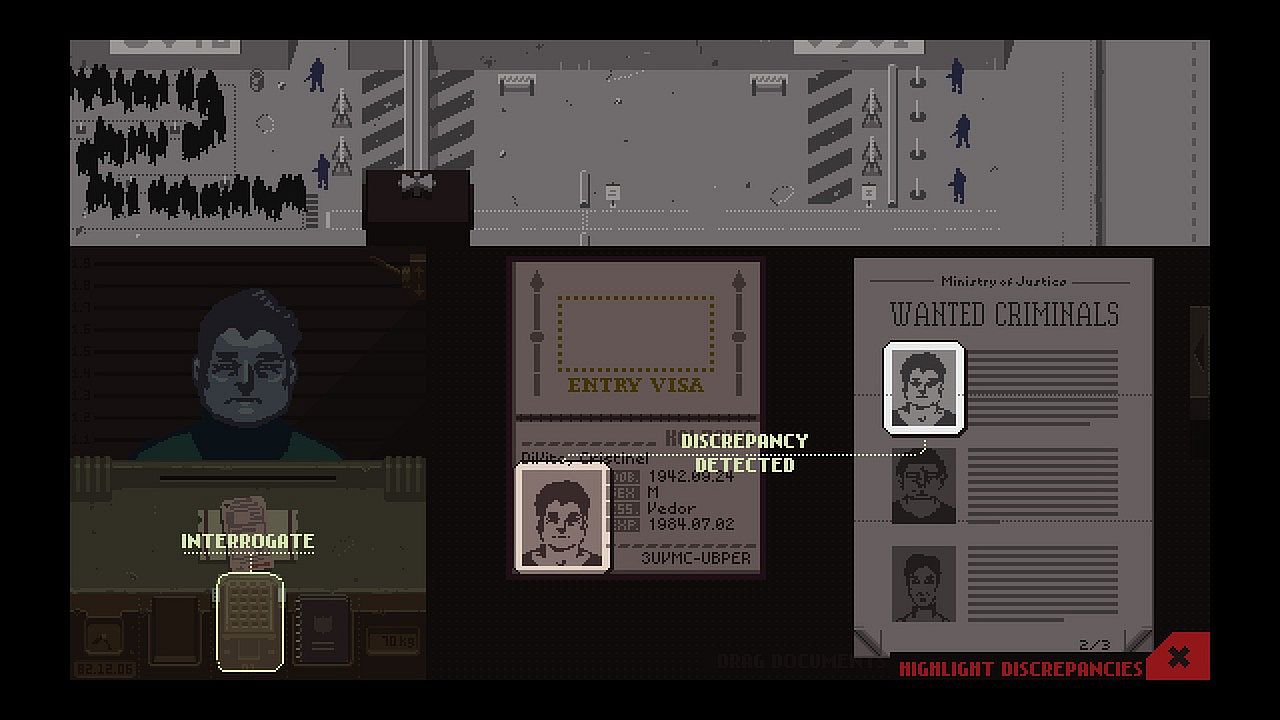
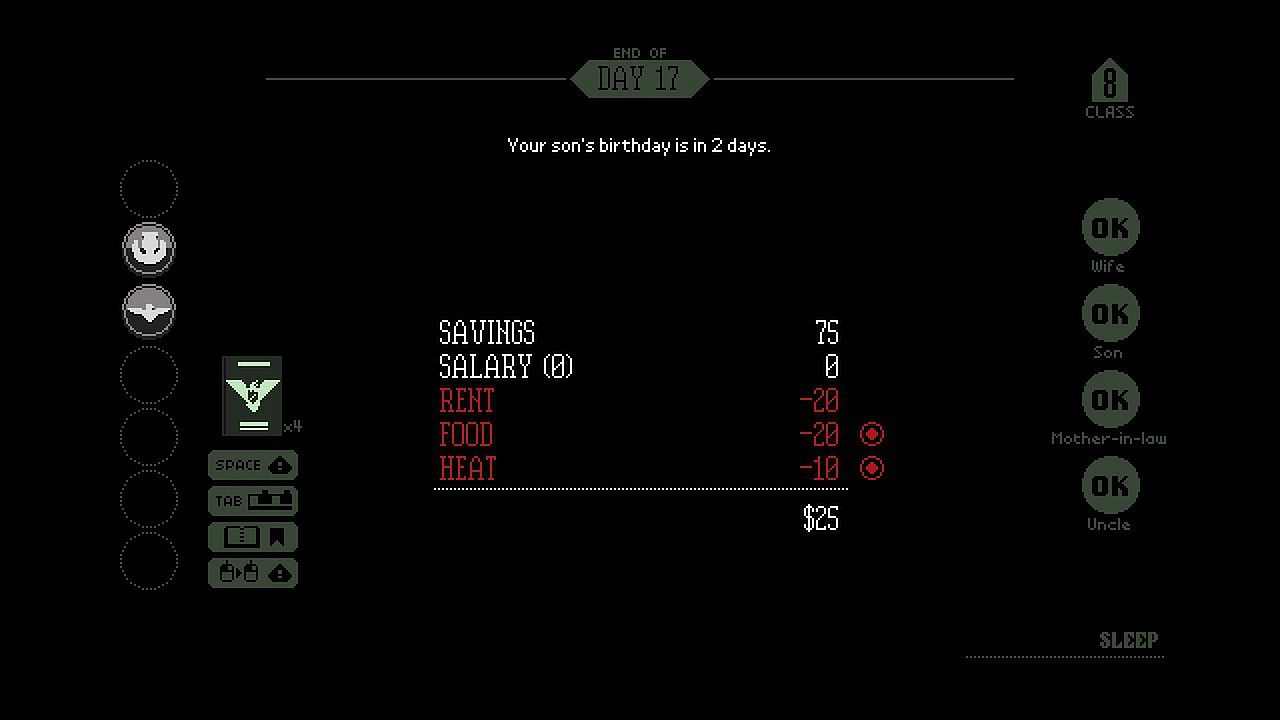
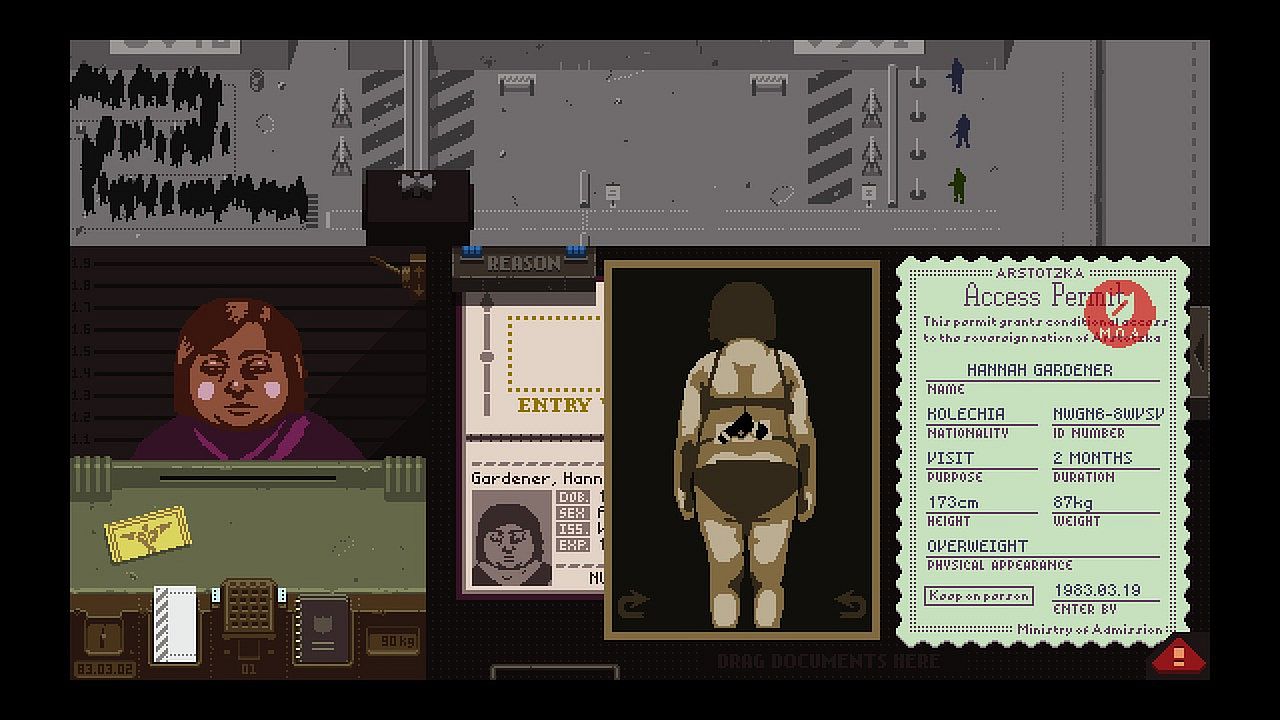
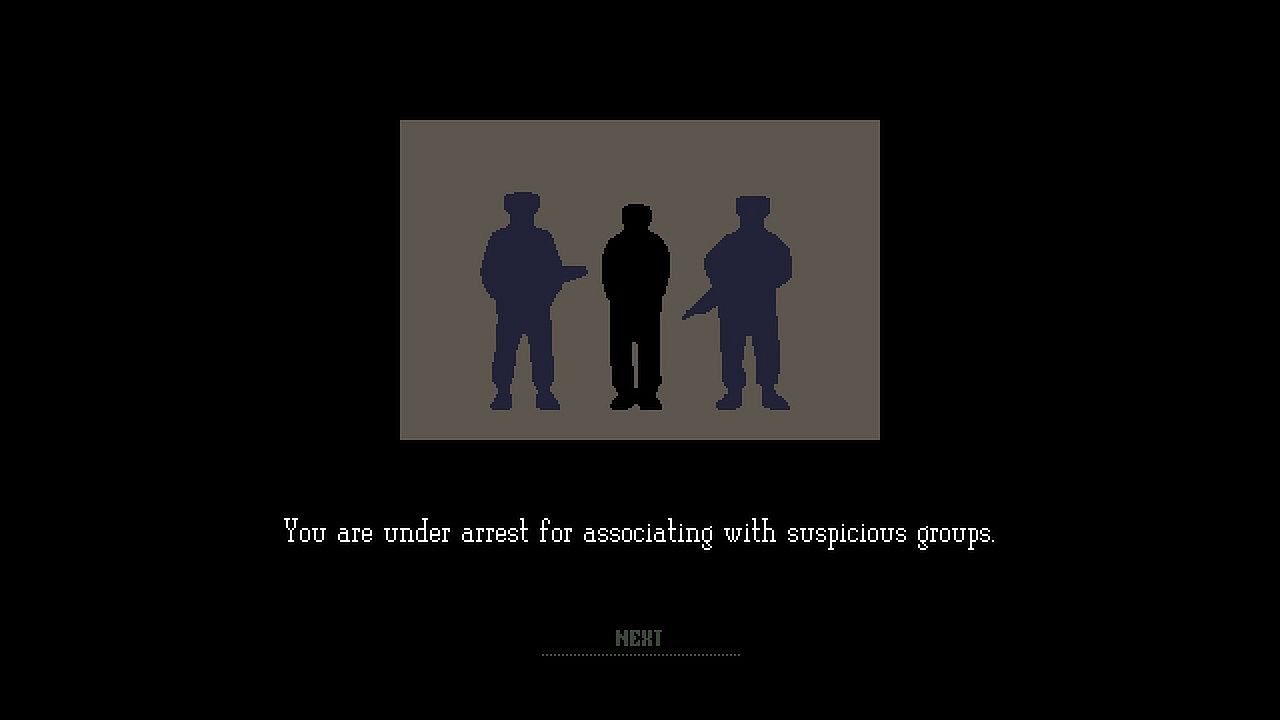
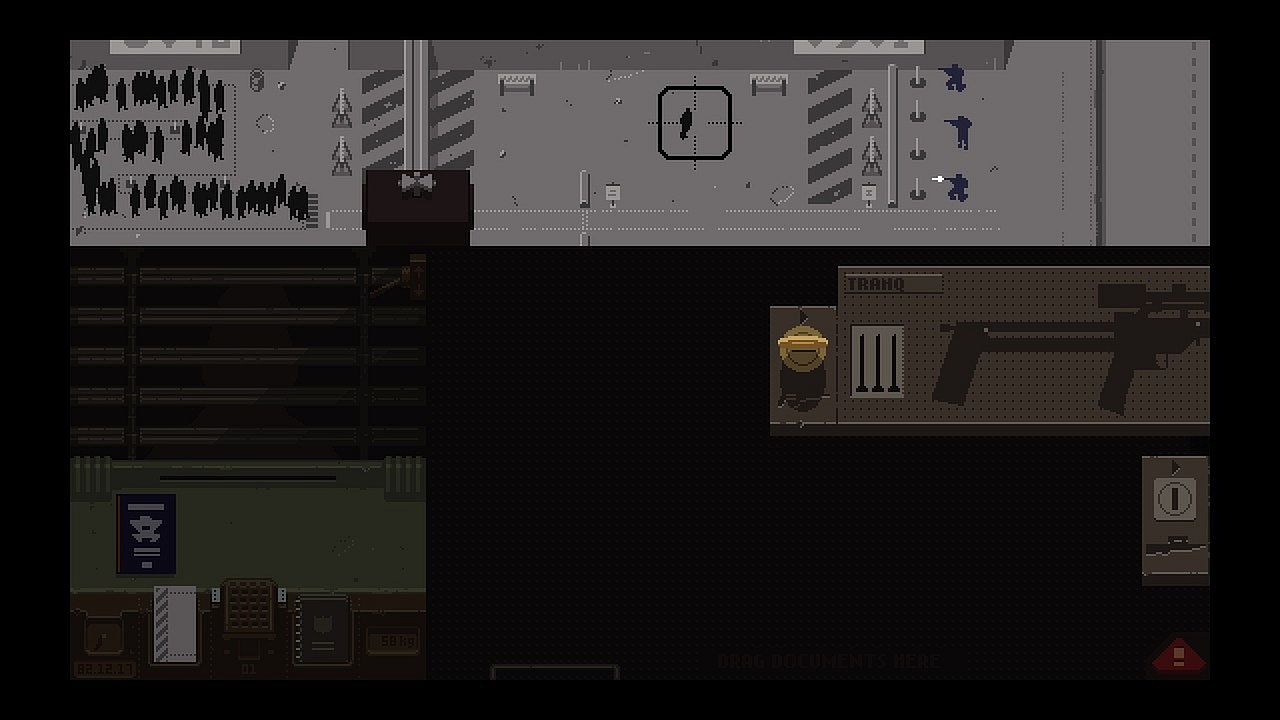
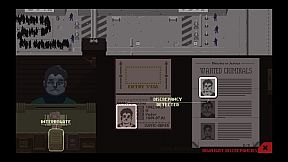
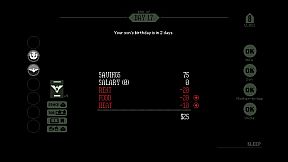
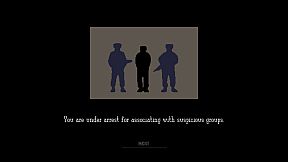
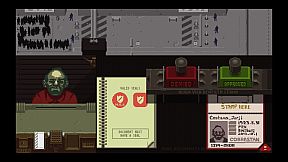
As the game progresses, new tools become available, such as a rulebook that updates with changing regulations, a discrepancy detector, and systems for fingerprinting or body scanning suspects. You stamp approvals or denials, and errors can lead to citations that deduct from your salary, affecting your ability to support your family with food, heat, and medicine.
The gameplay emphasizes attention to detail and quick decision-making under pressure, with narrative branches influenced by your choices, including encounters with smugglers, spies, and terrorists hidden among the crowds.
Game Modes
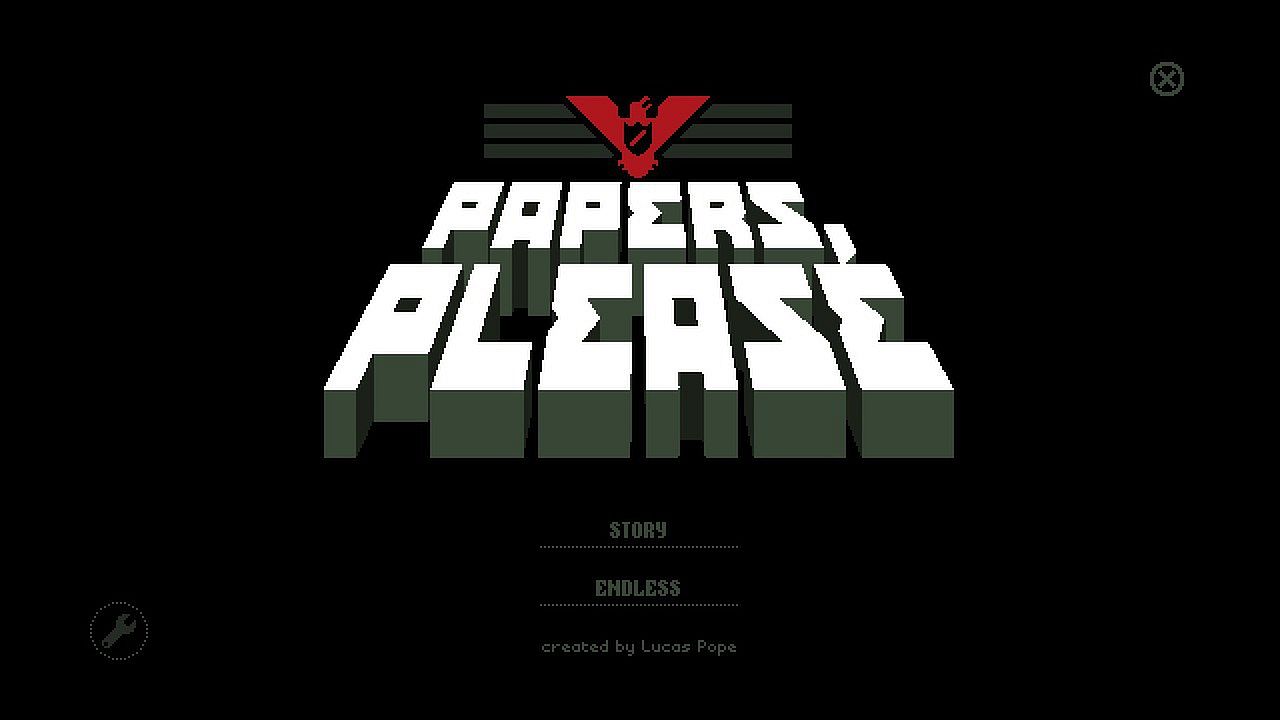
Papers, Please features two primary game modes: Story mode and Endless mode. Story mode follows a structured narrative over 31 in-game days, where you navigate the main campaign with branching storylines based on your decisions at the checkpoint.
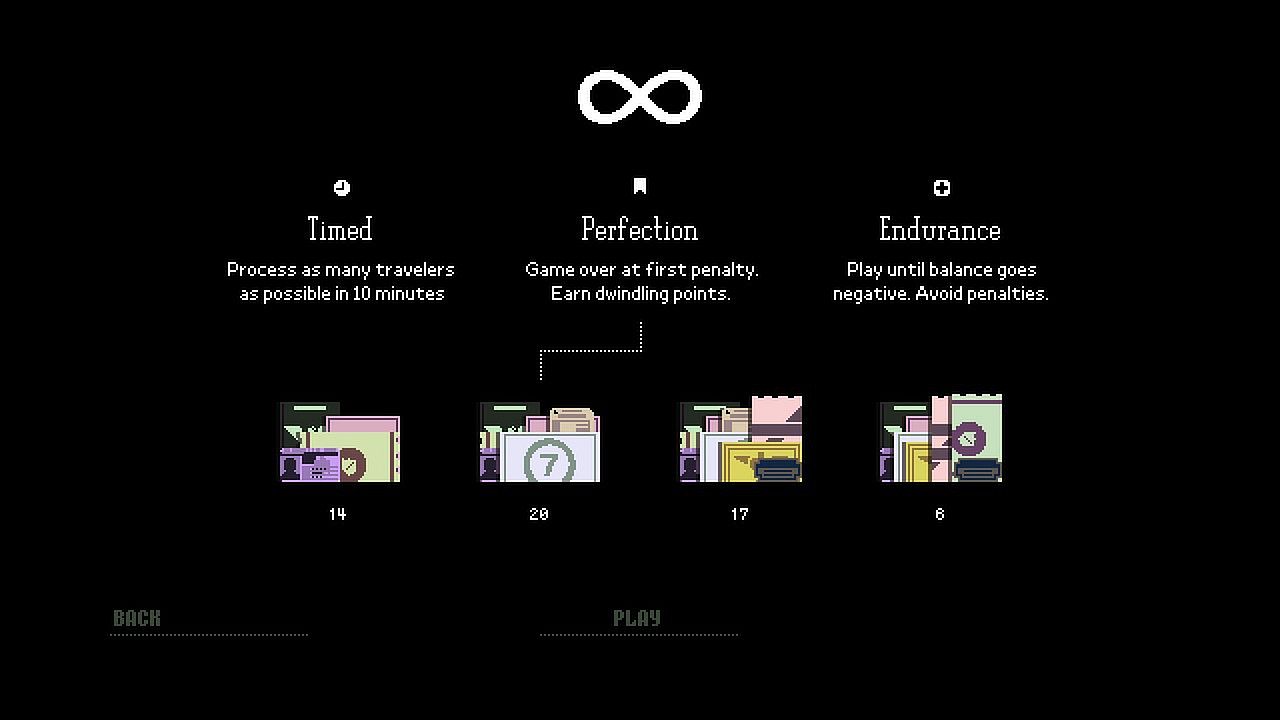
Endless mode unlocks after completing Story mode by entering a five-digit code. It offers replayability without the narrative constraints, including sub-variants like Timed mode, which challenges you to process as many travelers as possible in 10 minutes, and Perfection mode, focused on achieving flawless inspections.
Is It Worth Playing?
With overwhelmingly positive player reception, Papers, Please has been hailed as one of the best indie games ever made, praised for its innovative narrative design and empathy-building mechanics in reviews from sites like RPGFan as recently as 2024.
The game suits those who appreciate puzzle simulations with deep storytelling and moral choices, rather than action-oriented titles. Its current state remains strong, with no ongoing updates needed due to its complete, standalone nature, making it a worthwhile pick for players seeking a thought-provoking experience on PC.