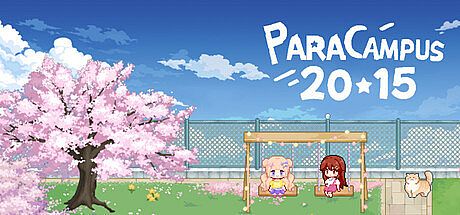


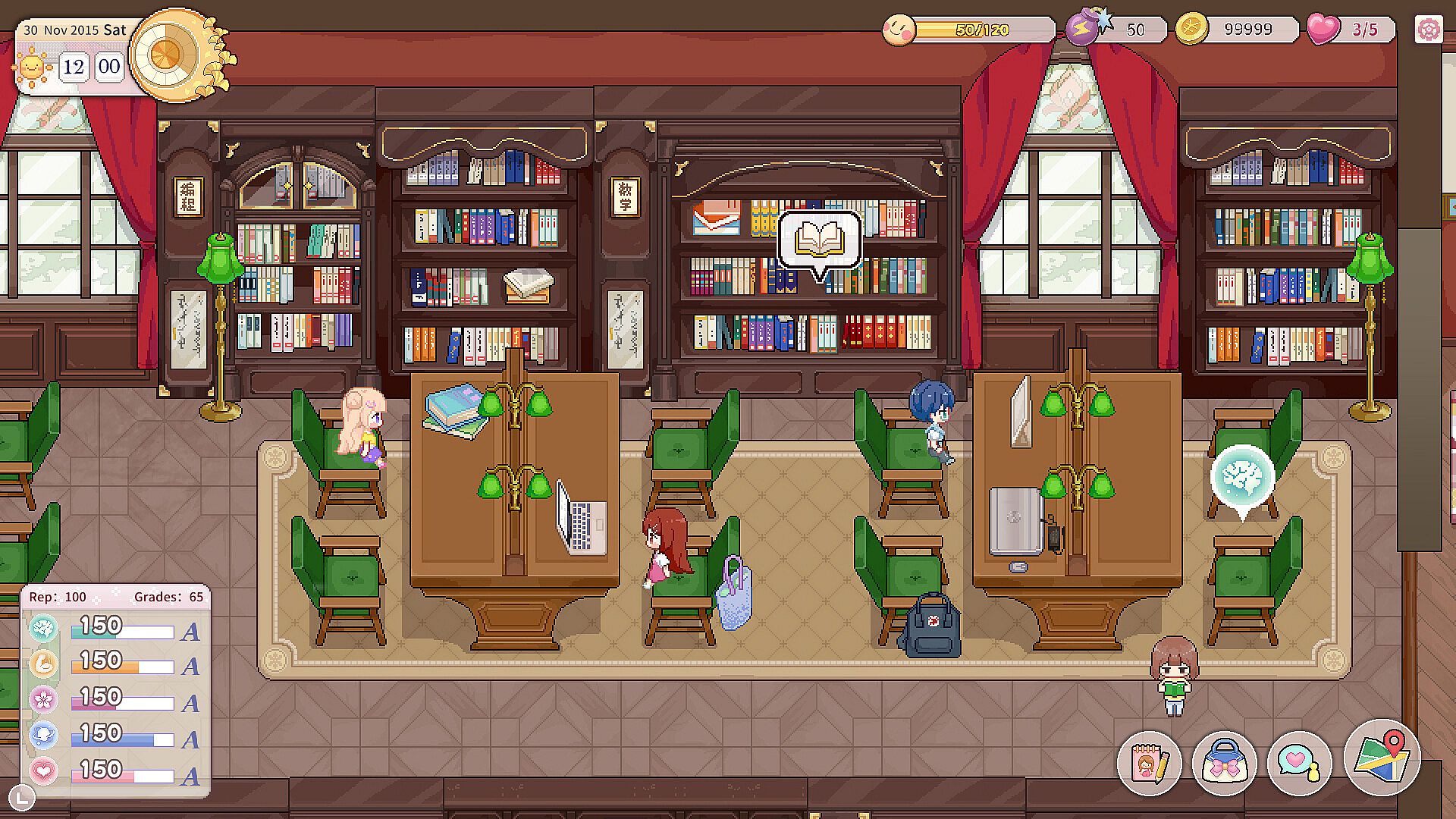
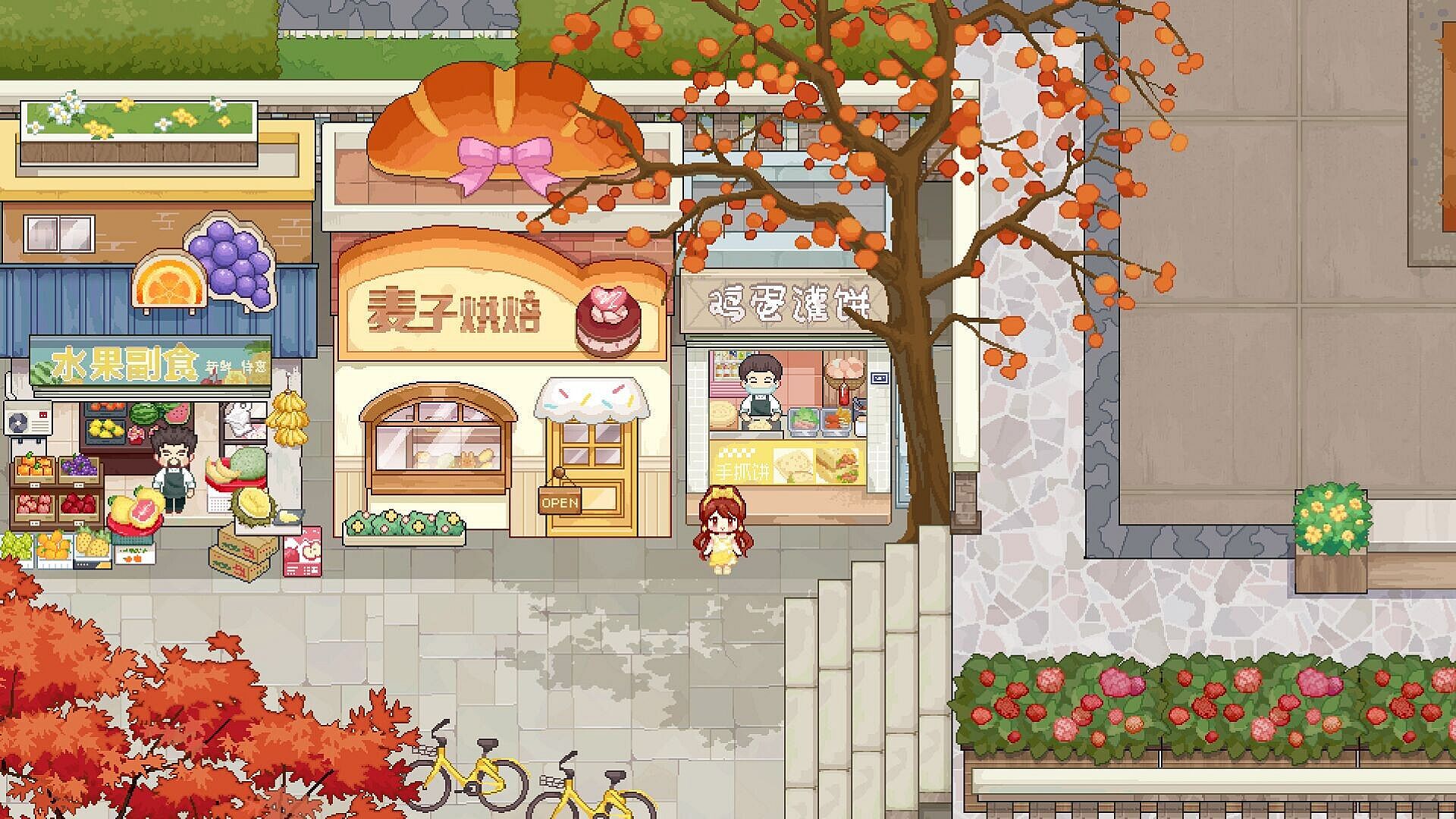
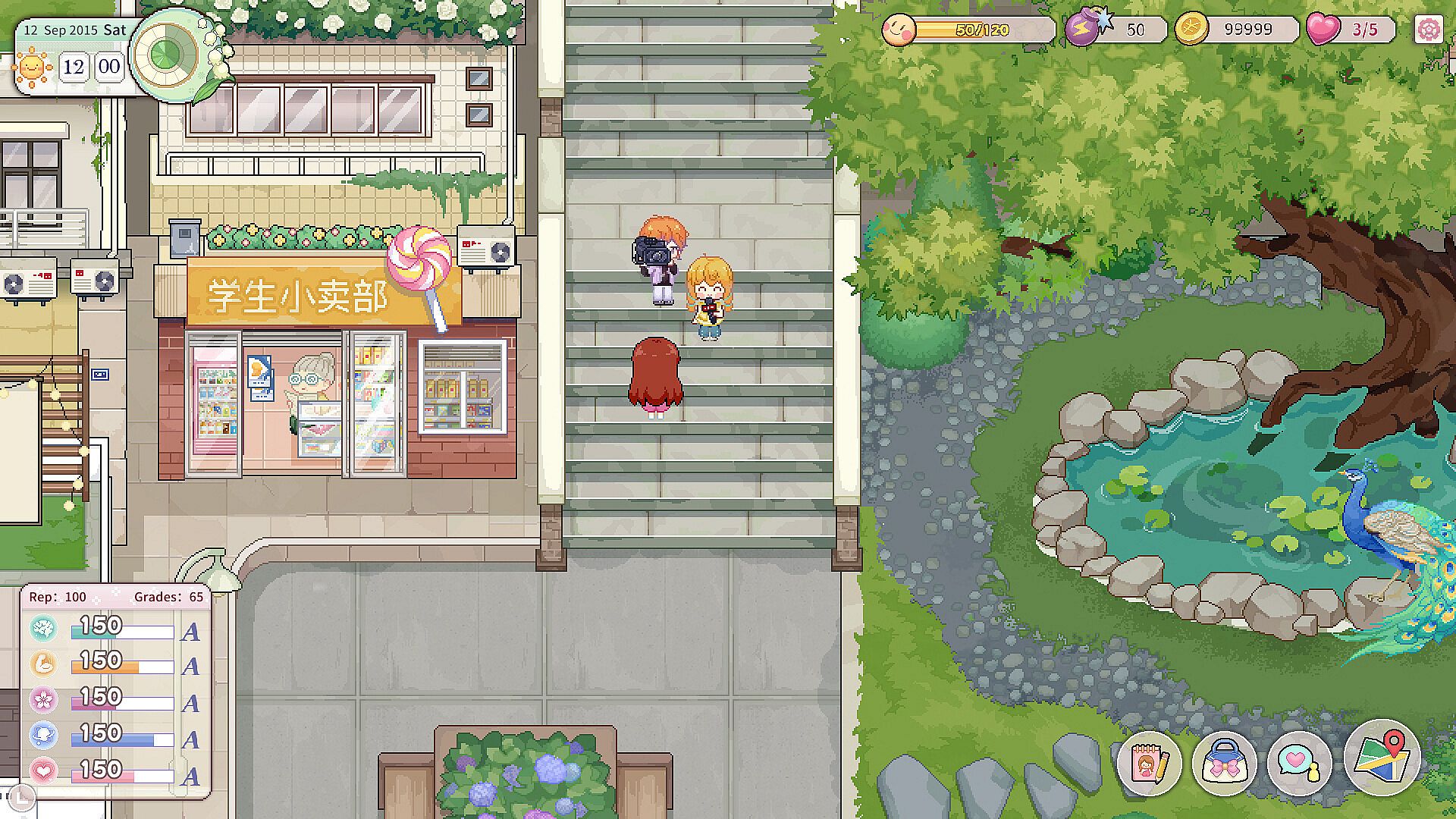
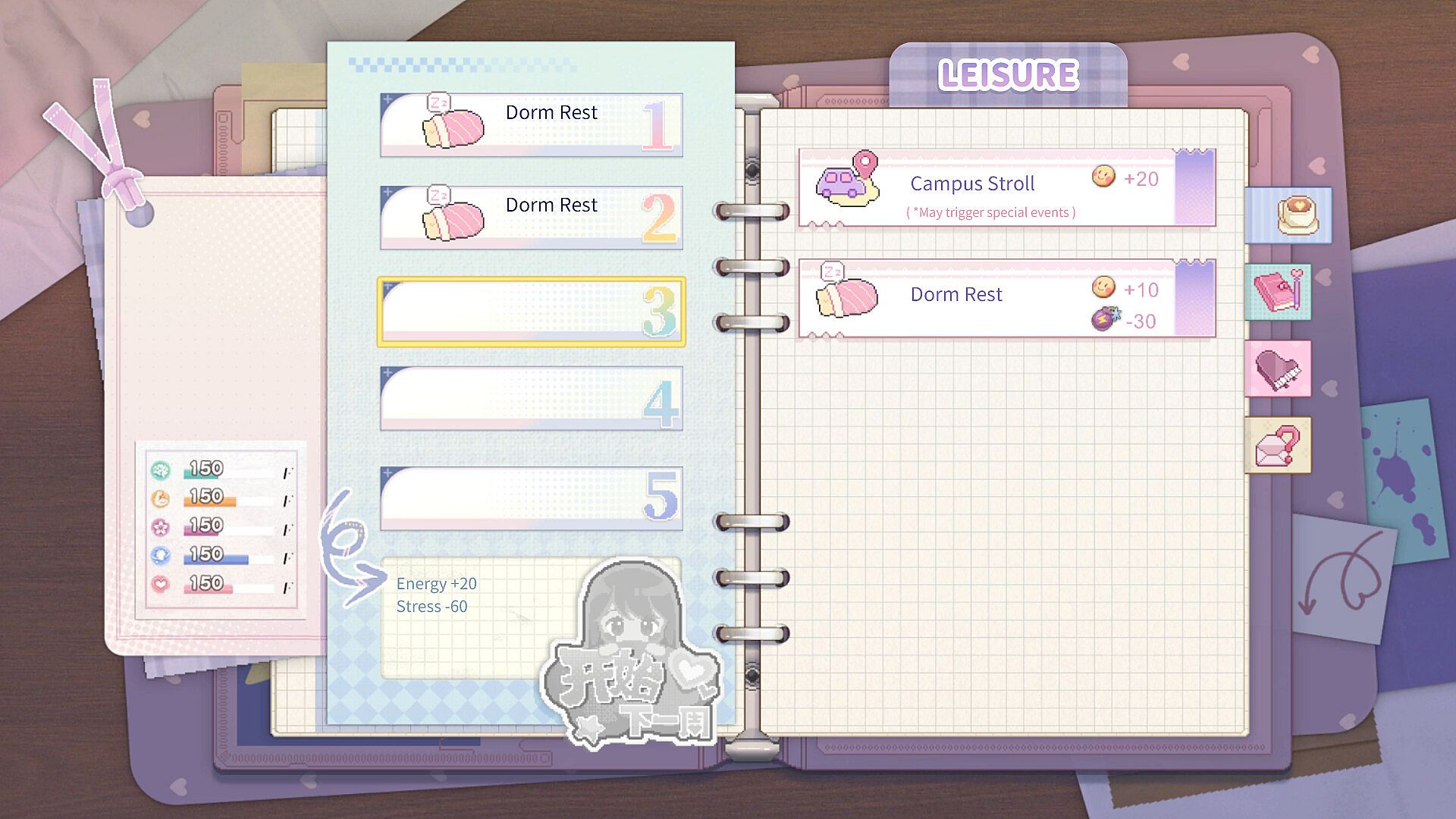
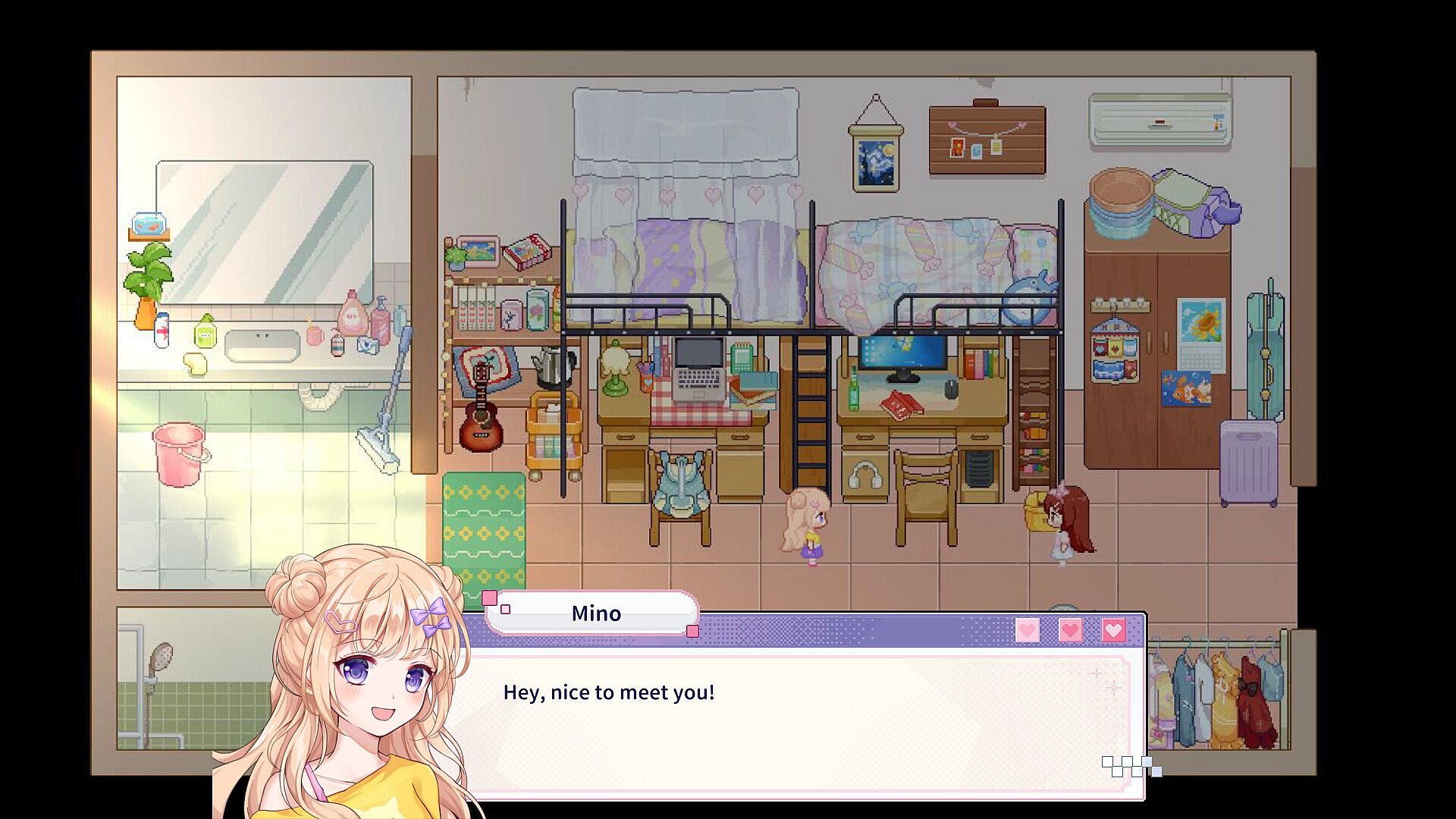
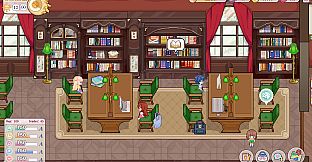
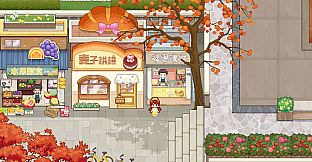
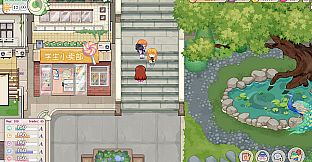
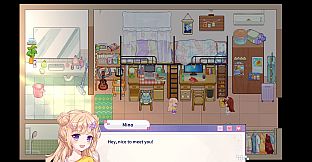
Paracampus 2015 is an indie RPG and simulation title centered on college life. Players step into the role of a freshman navigating the year 2015, balancing academic demands with personal growth and social connections. The experience blends casual simulation elements with choice-driven storytelling, allowing freedom to pursue grades, develop skills, or explore relationships and side activities across a detailed campus setting.
Gameplay
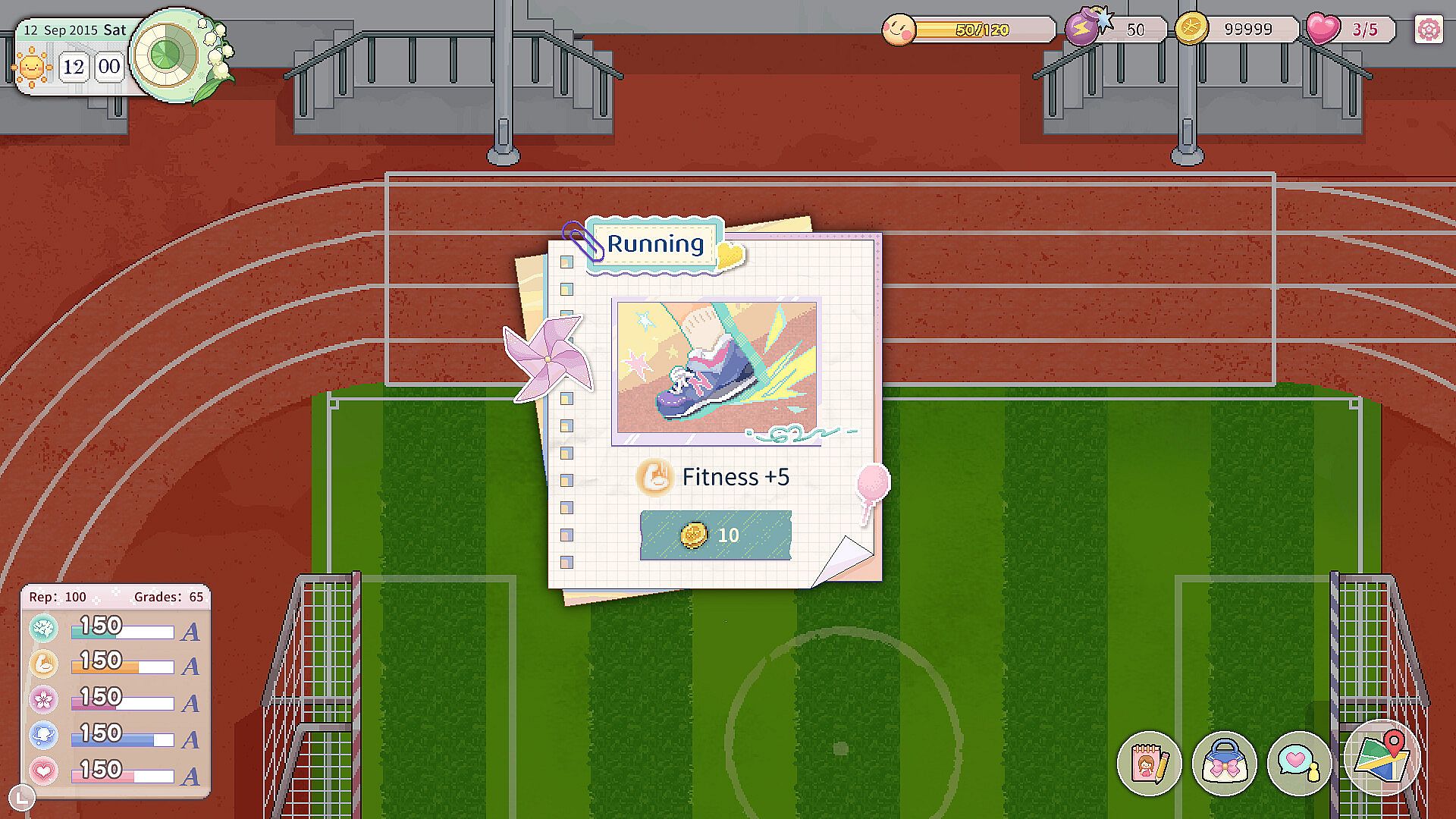
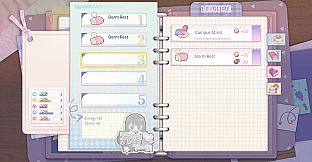
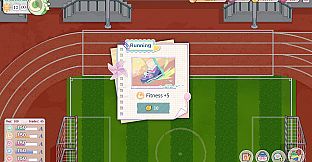
The core loop revolves around daily planning and long-term decision making. Time management forms the foundation, as players allocate hours between studying to raise GPA, practicing new abilities for a versatile skill set, or engaging in part-time jobs and club activities. Progress feels tangible through visible improvements in academic standing and personal capabilities, which open further options as the story advances.
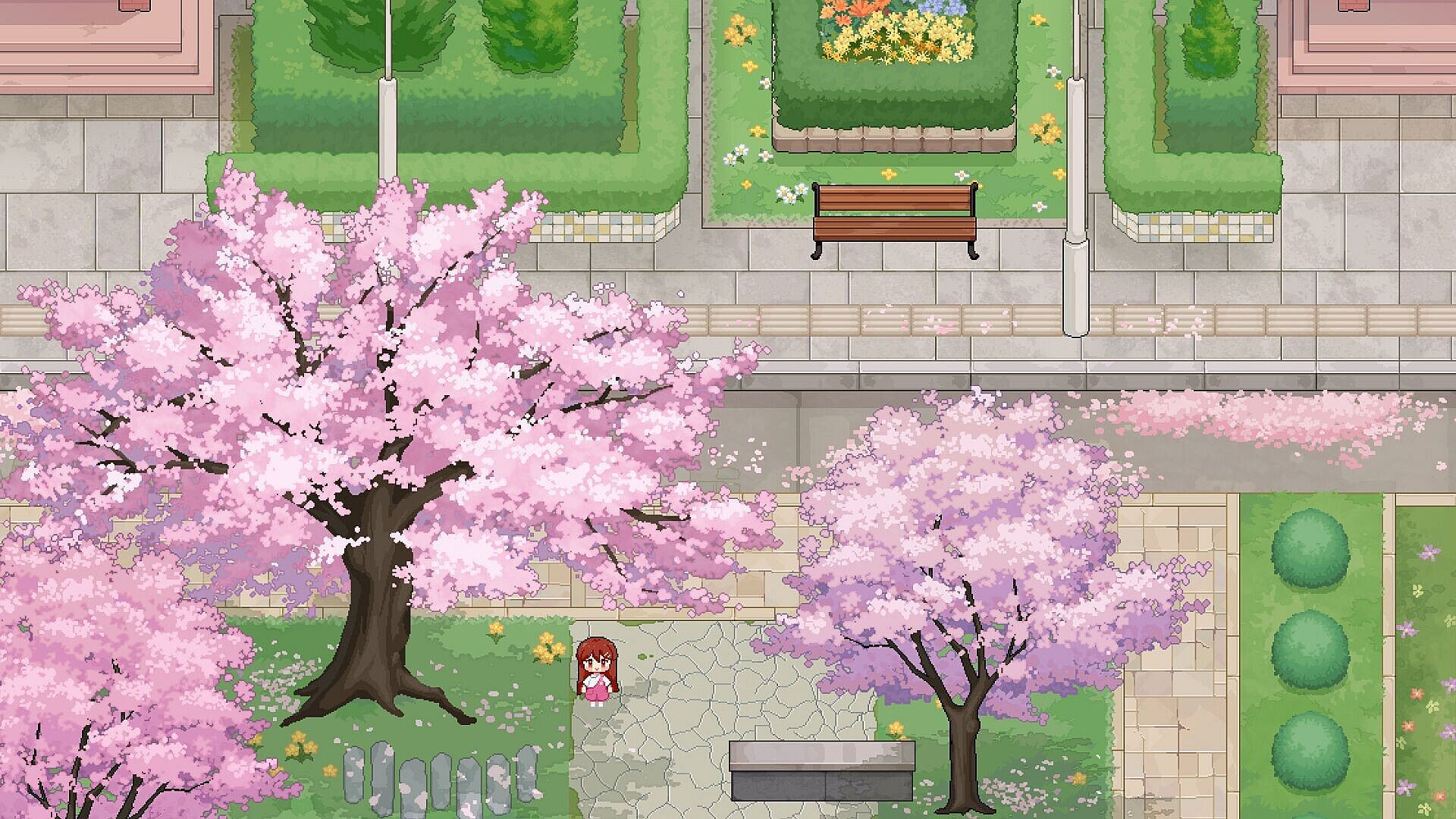
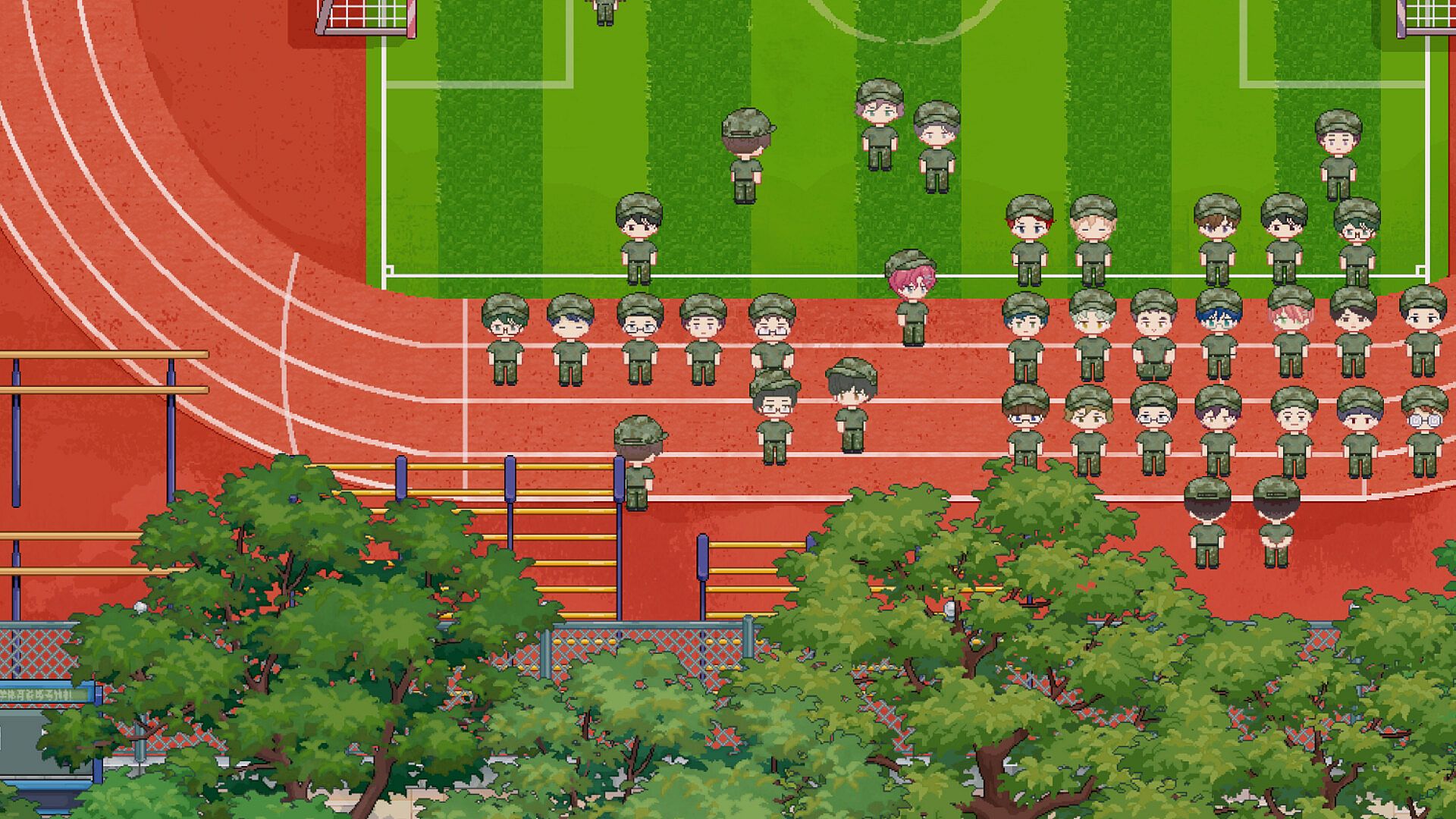
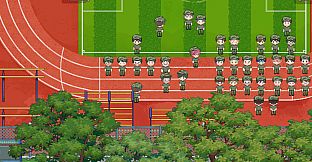
Exploration adds depth to the routine. The campus map invites free movement, where random events and illustrated scenes can appear at any location. These moments range from brief encounters to extended interactions that influence relationships and unlock new branches. Over a dozen such scenes provide visual variety, while map events ensure that repeated visits rarely feel identical.
Character interactions drive much of the engagement. Meetings with fellow students and faculty can lead to friendships, rivalries, or deeper bonds. Romance remains possible but optional, emerging naturally from consistent choices rather than forced sequences. The system rewards attention to dialogue and timing, making each playthrough reflect the player's priorities.
Game Modes
No traditional multiplayer or competitive modes exist. Instead, the game structures its single-player experience around flexible life paths that players define through their actions. One route emphasizes academic excellence, focusing on lectures, assignments, and exam preparation to achieve top student status. Another encourages skill acquisition across varied disciplines, supporting a more independent or creative lifestyle outside strict coursework.
Additional paths incorporate social and exploratory elements. Players might prioritize clubs, part-time work, and campus wandering to build connections and uncover side stories. These routes often intersect, allowing hybrid approaches where academic goals mix with personal development or romance. The design supports multiple endings based on accumulated choices, encouraging experimentation across separate play sessions.
Narrative Structure and Atmosphere
Story delivery stays grounded in everyday college moments rather than dramatic set pieces. The setting evokes the mid-2010s through subtle details in environments and character references. Players encounter a mix of optimistic newcomers and those feeling uncertain about their direction, mirroring common freshman experiences. Choices affect not only immediate outcomes but also how characters remember or interact with the player later.
Side content expands the main narrative without requiring completion. Endless minor stories emerge from map exploration and repeated character meetings, adding texture to the world. The tone balances lighthearted campus life with reflective moments about growth and future possibilities, avoiding heavy-handed messaging.
Is It Worth Playing?
Paracampus 2015 targets players who enjoy thoughtful simulation games with strong narrative flexibility. Its focus on personal agency and multiple endings suits those who value replayability through different approaches rather than high-stakes action or competitive systems. The single-player format and emphasis on planning make it accessible for casual sessions while offering enough depth for longer engagements.
With a planned release in 2027 and no user reviews available yet, the title remains an upcoming project. Those drawn to college-themed RPGs and simulations with romance and exploration options may find its described mechanics appealing once it launches. Availability will be limited to PC, aligning with its simulation focus.