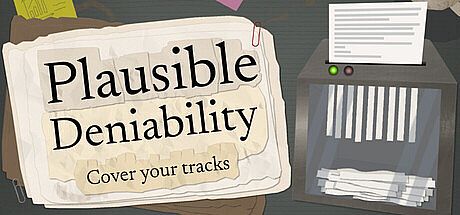


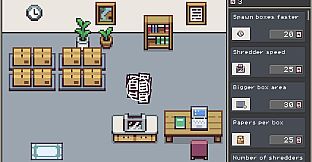
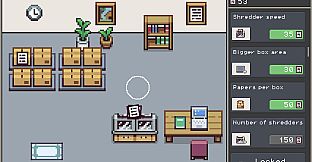
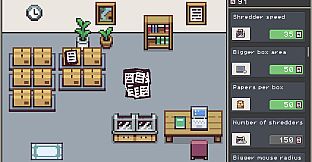
Plausible Deniability - Cover Your Tracks is an indie simulation game for PC that centers on the steady rhythm of document destruction. Players handle an incoming flood of paperwork by opening containers, gathering sheets, and routing them through a shredder to clear the backlog and earn resources for expansion.
Gameplay
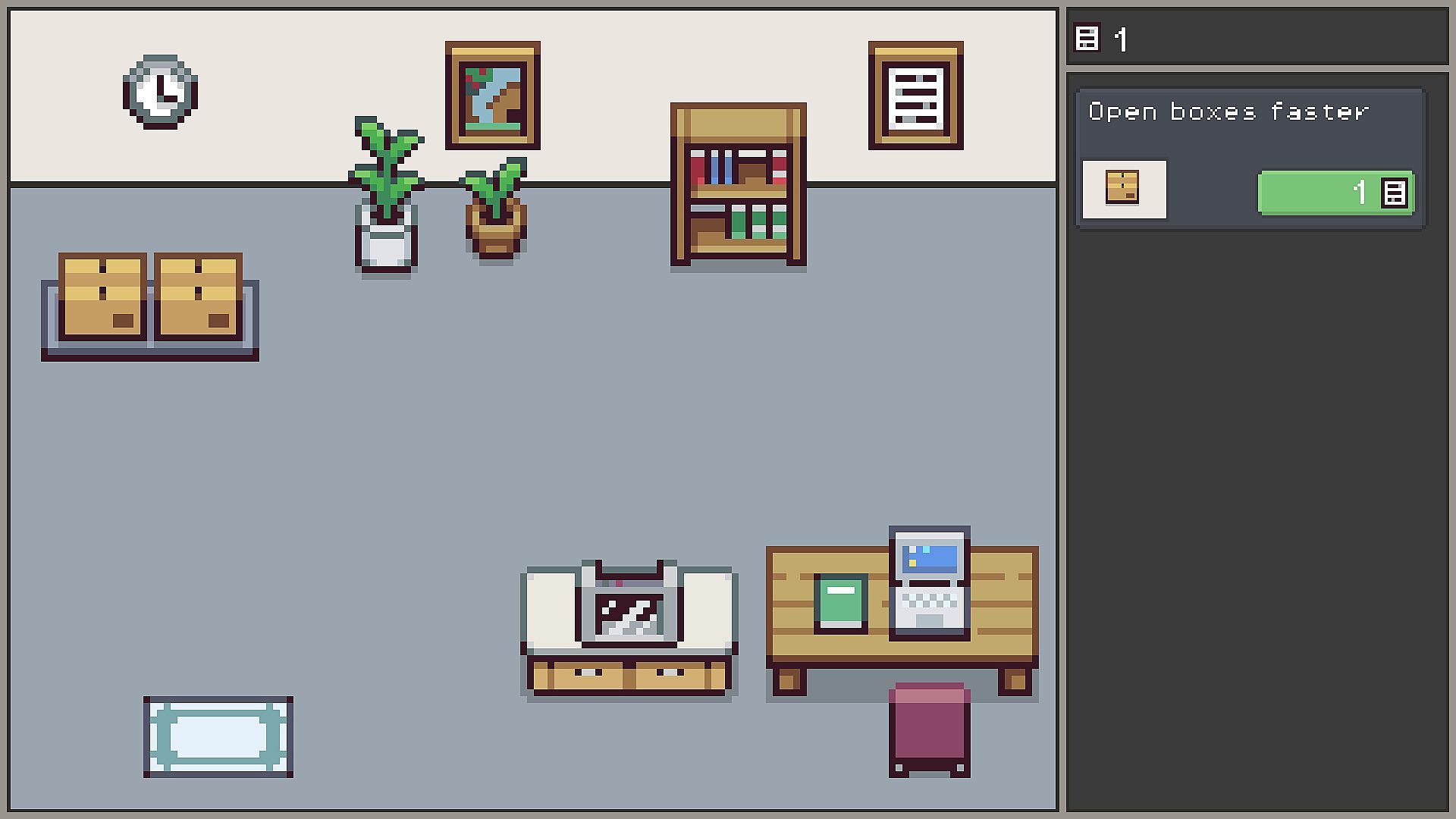
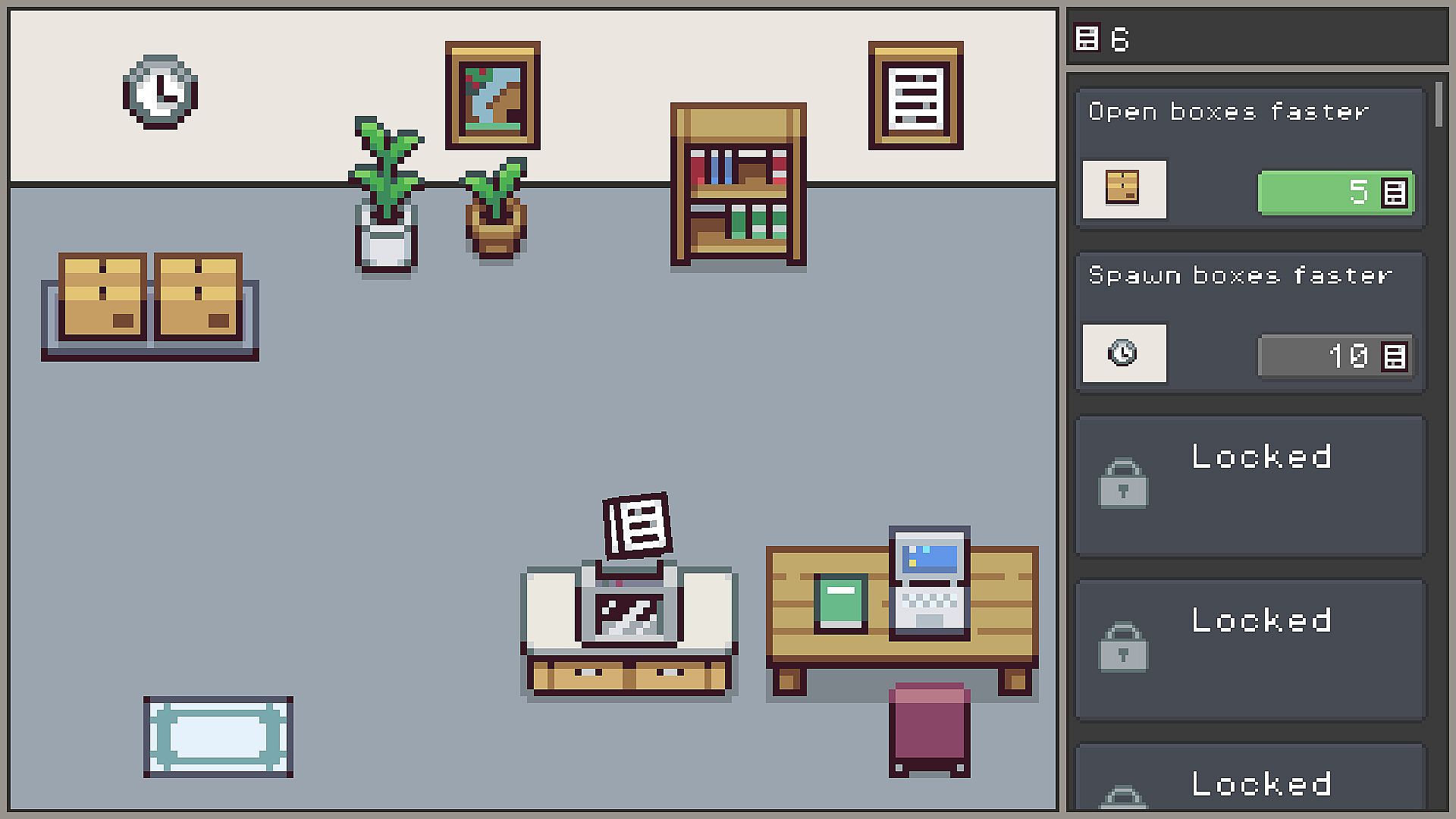
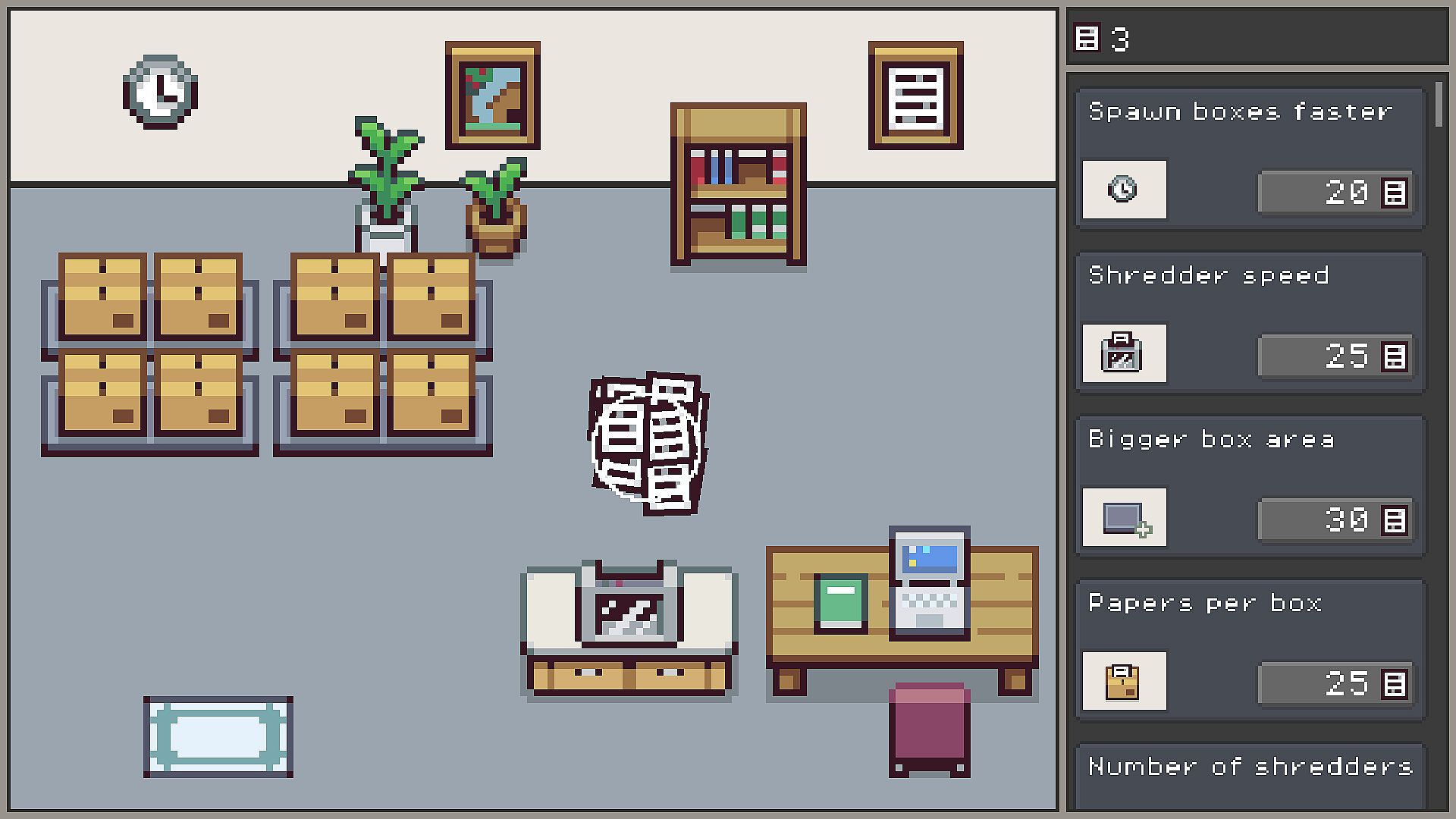
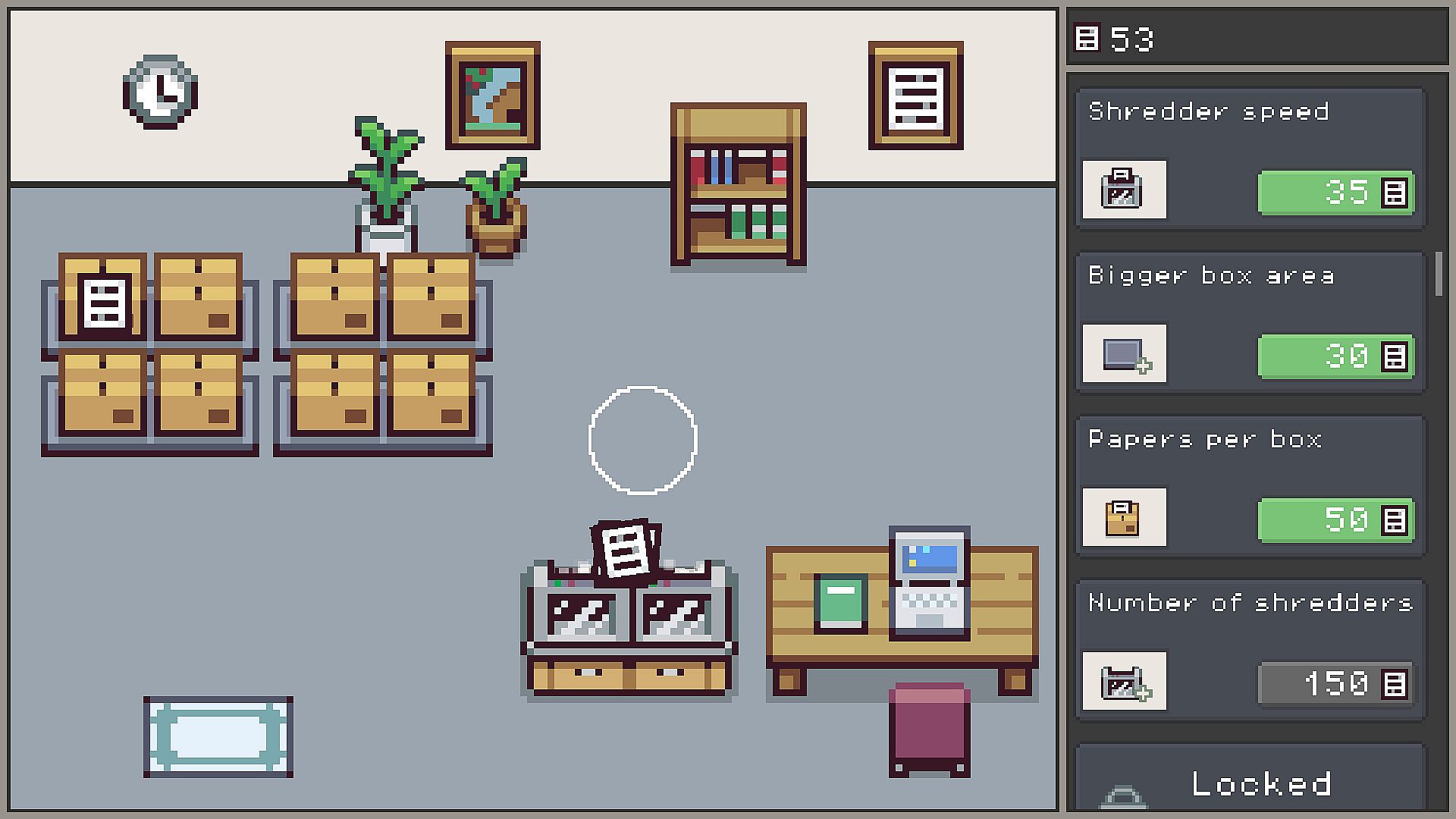
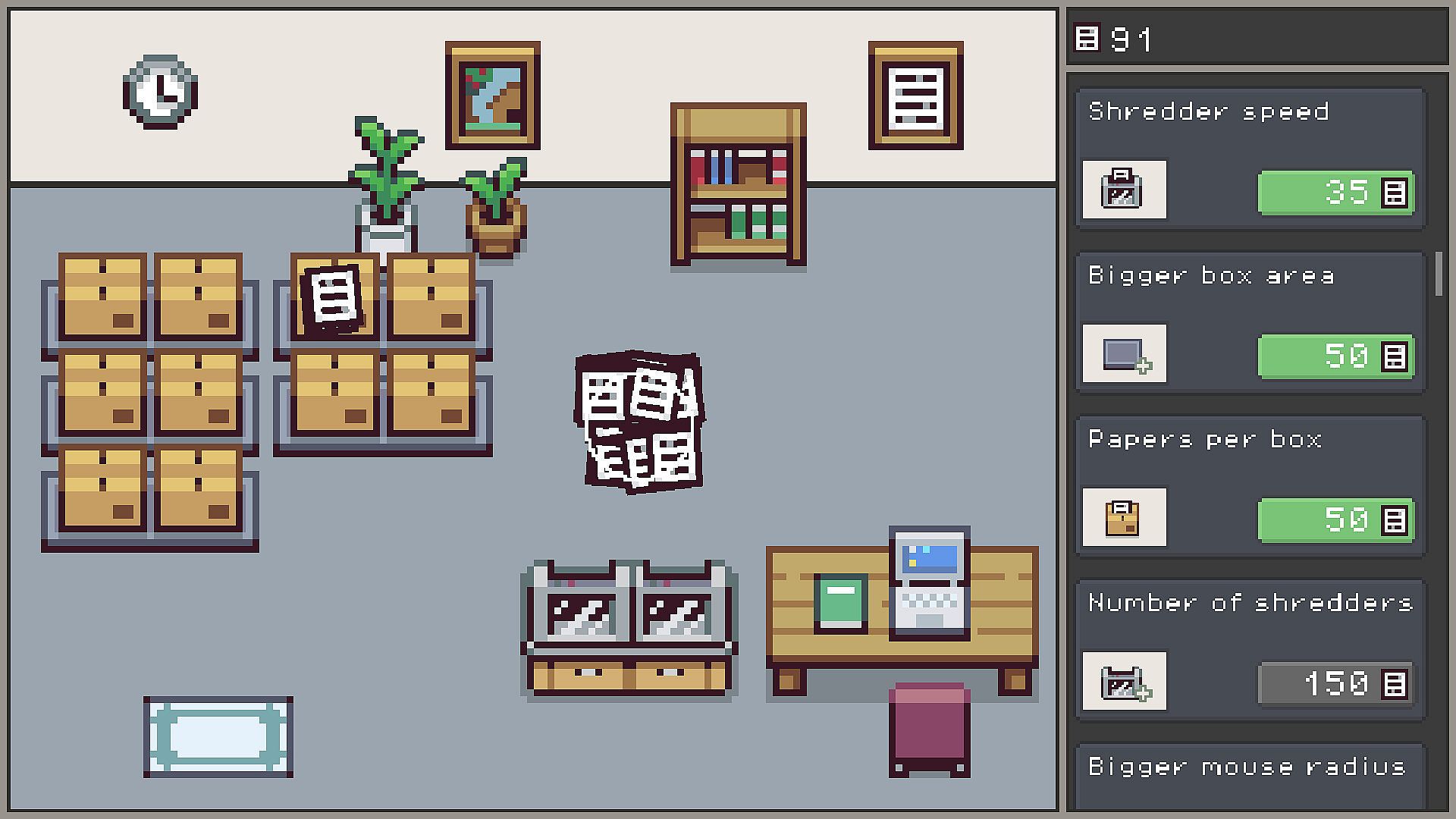
The core loop revolves around opening boxes that arrive in an endless stream. Each container yields papers that must be collected and fed into the shredder. Points accumulate from every destroyed document, and those points fund upgrades that increase shredder capacity, speed up processing, and improve overall efficiency. Early stages begin with basic equipment and limited boxes, requiring careful timing to stay ahead of the flow. As upgrades accumulate, the operation scales into a more demanding setup where multiple boxes open simultaneously and the shredder handles greater volume without pause. The progression emphasizes steady investment in tools that let players manage larger workloads without falling behind.
Mechanics focus on physical interaction with the workspace. Players move between stations to break open containers, transport papers, and maintain the shredder feed. Resource management plays a central role because every point spent on upgrades reduces the time needed for future tasks. The simulation grows in intensity as the rate of incoming boxes rises, turning a straightforward task into a coordinated effort across an expanding station. Upgrades unlock incremental improvements that compound over time, allowing the player to sustain momentum even as the workload multiplies.
Game Modes
The experience centers on a single continuous session where the goal remains clearing paperwork as efficiently as possible. There are no separate competitive or cooperative modes described in available information. Instead, the simulation builds through repeated play sessions that reward consistent upgrading and faster clearing times. The absence of distinct modes keeps attention on refining the central shredding operation and experimenting with different upgrade paths to handle increasing demands.
Progression and Upgrades
Points earned from shredding serve as the primary currency for growth. Early purchases focus on basic improvements such as faster shredder blades or additional collection tools. Later investments expand the station layout and processing speed, enabling players to handle simultaneous box openings and higher paper volumes. The upgrade tree encourages repeated sessions because each improvement directly affects how quickly the next wave of documents can be cleared. This system creates a clear sense of advancement as the once-simple desk evolves into a more capable operation.
Is It Worth Playing?
The game suits players who enjoy incremental simulation titles built around resource management and steady expansion. Its straightforward premise delivers satisfaction through visible progress as upgrades transform the workspace and increase throughput. Because the title remains in development with a release date still to be announced, interested players can follow updates from the developer Nox Nauta Games for the latest details on launch timing and any refinements to the core systems. Those drawn to calm yet escalating workstation management will find the described loop aligns closely with the provided mechanics, offering a focused experience without additional layers or distractions.