







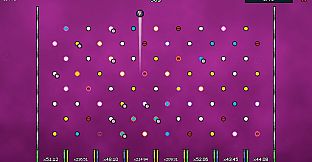
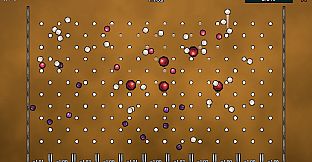

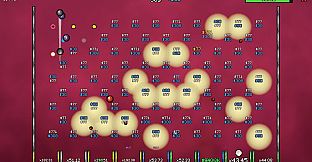



Plink Lab is a casual incremental simulation game for PC that blends strategy elements with satisfying physics-based ball dropping. Players drop balls into fields of pegs to trigger chain reactions, collect cash, and build increasingly powerful setups through an extensive upgrade system. The experience emphasizes relaxed progression without harsh setbacks, making it suitable for short or extended sessions focused on optimization and visual feedback.
Gameplay
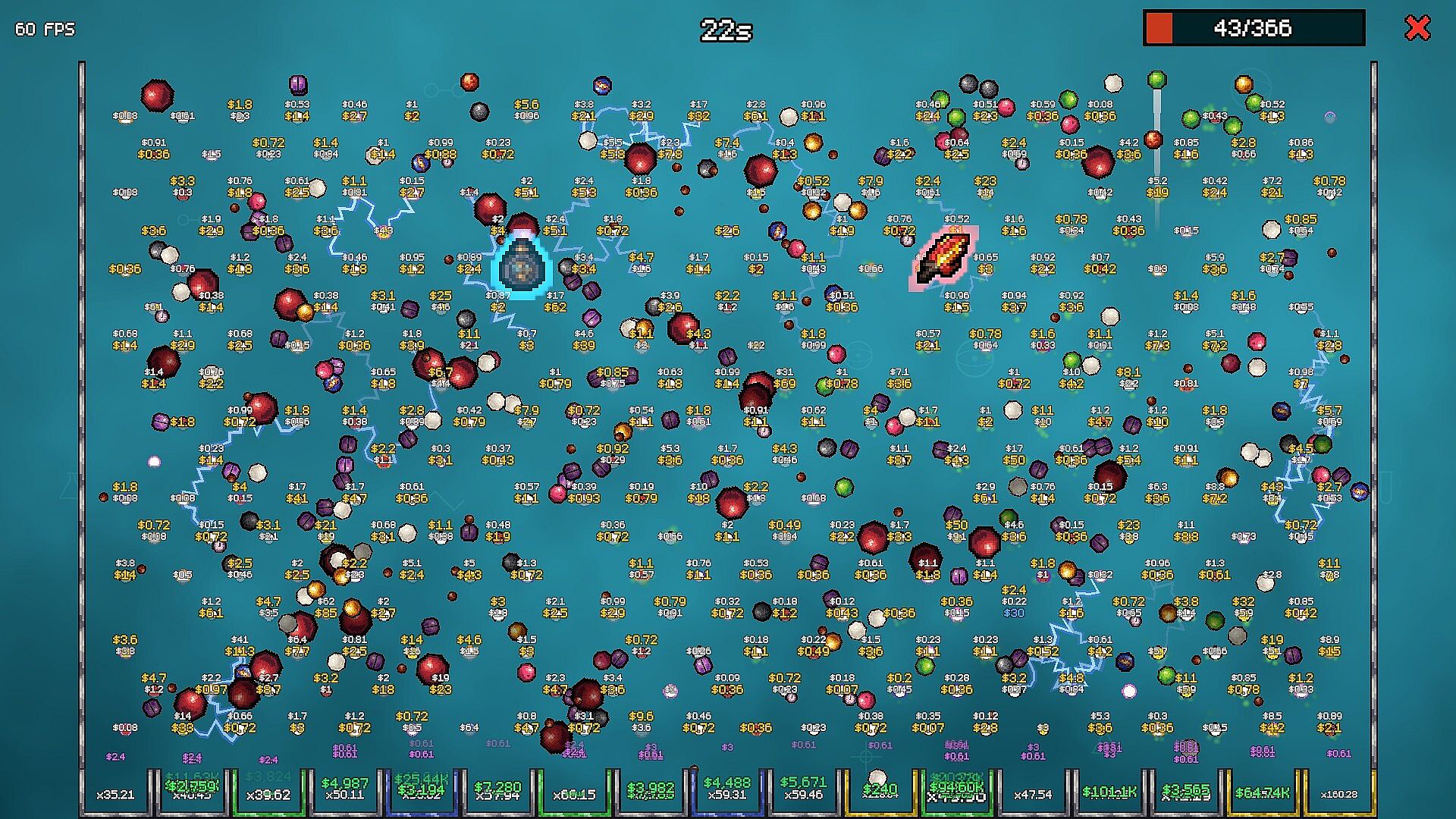
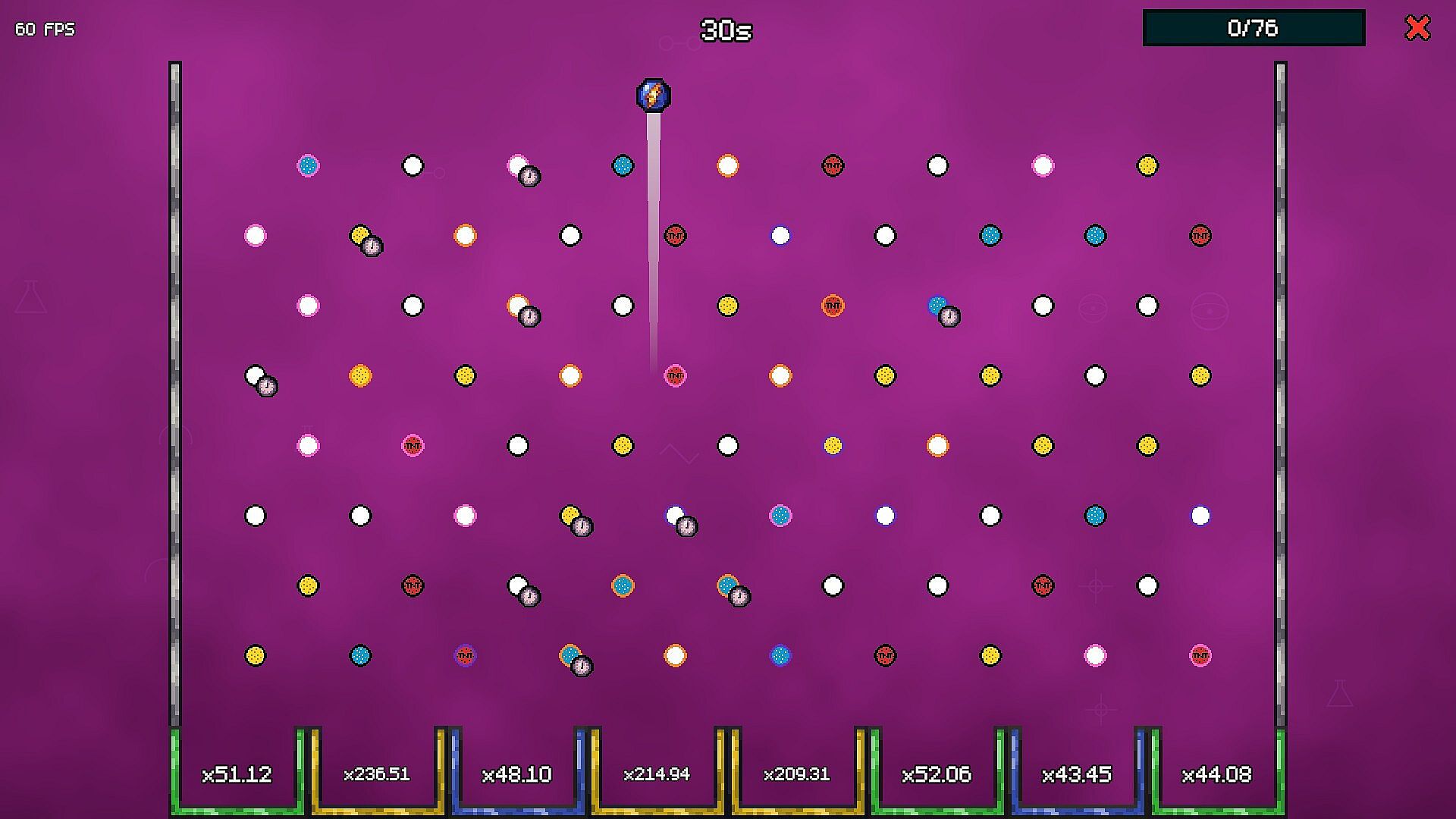
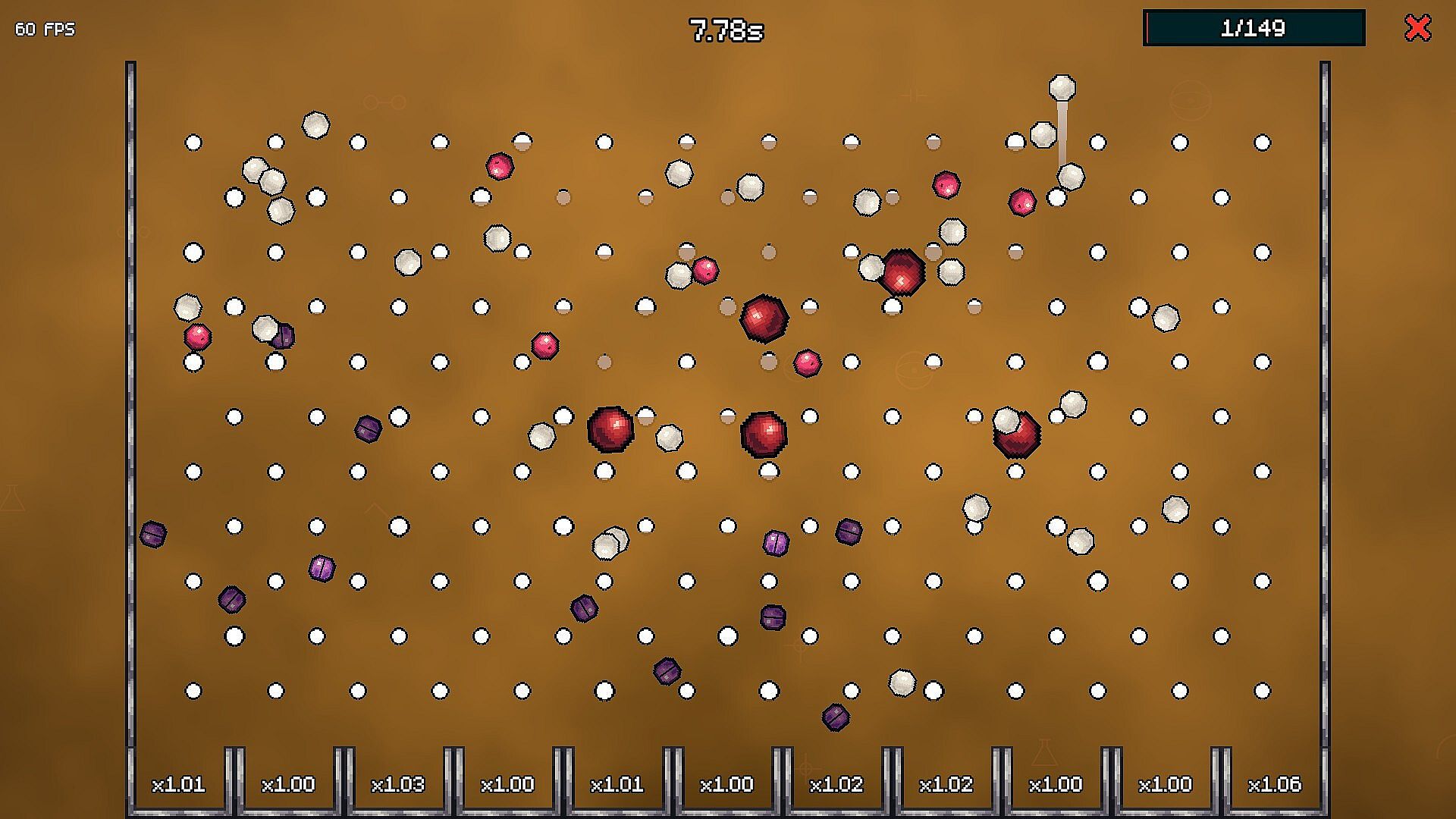
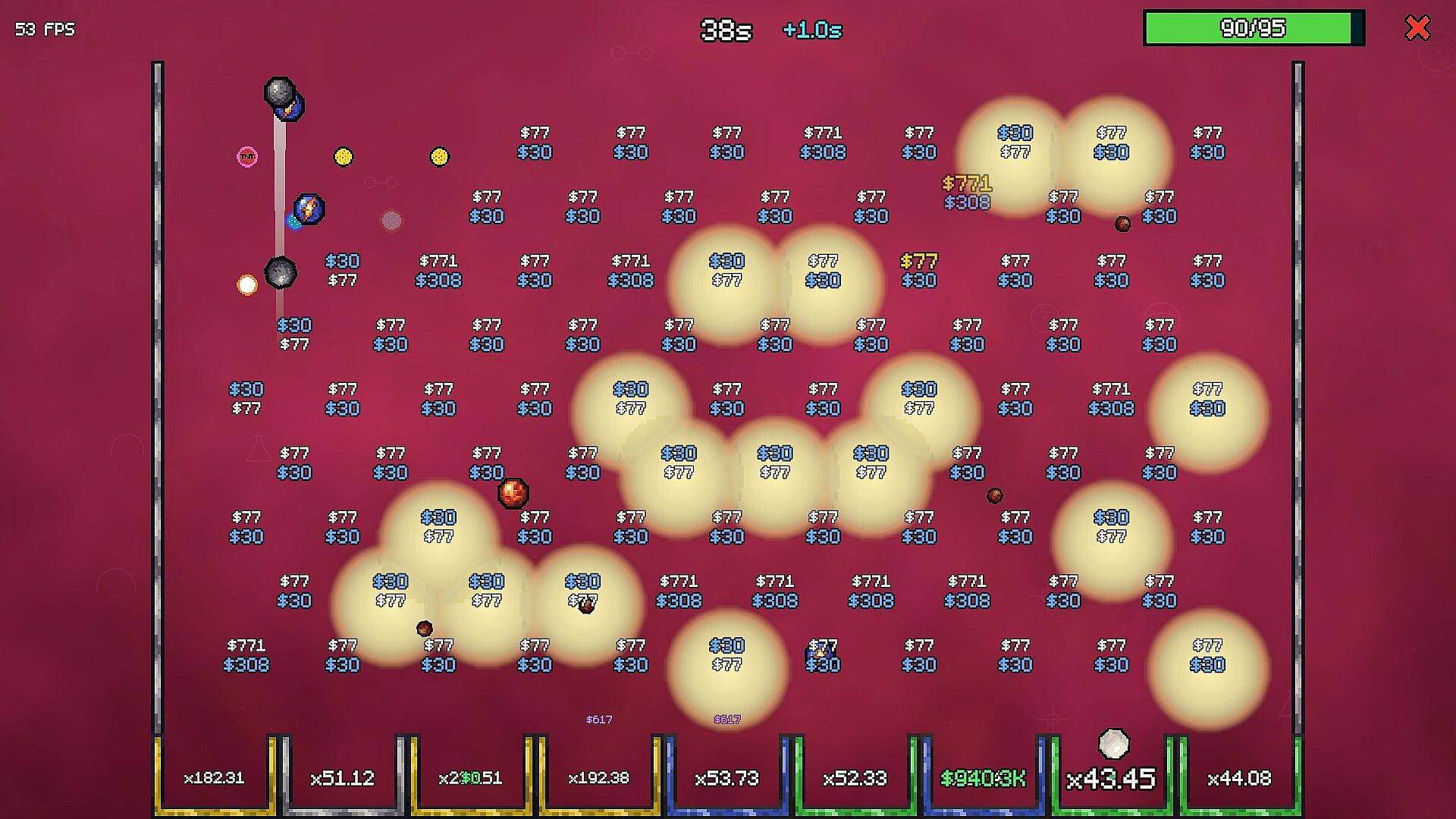
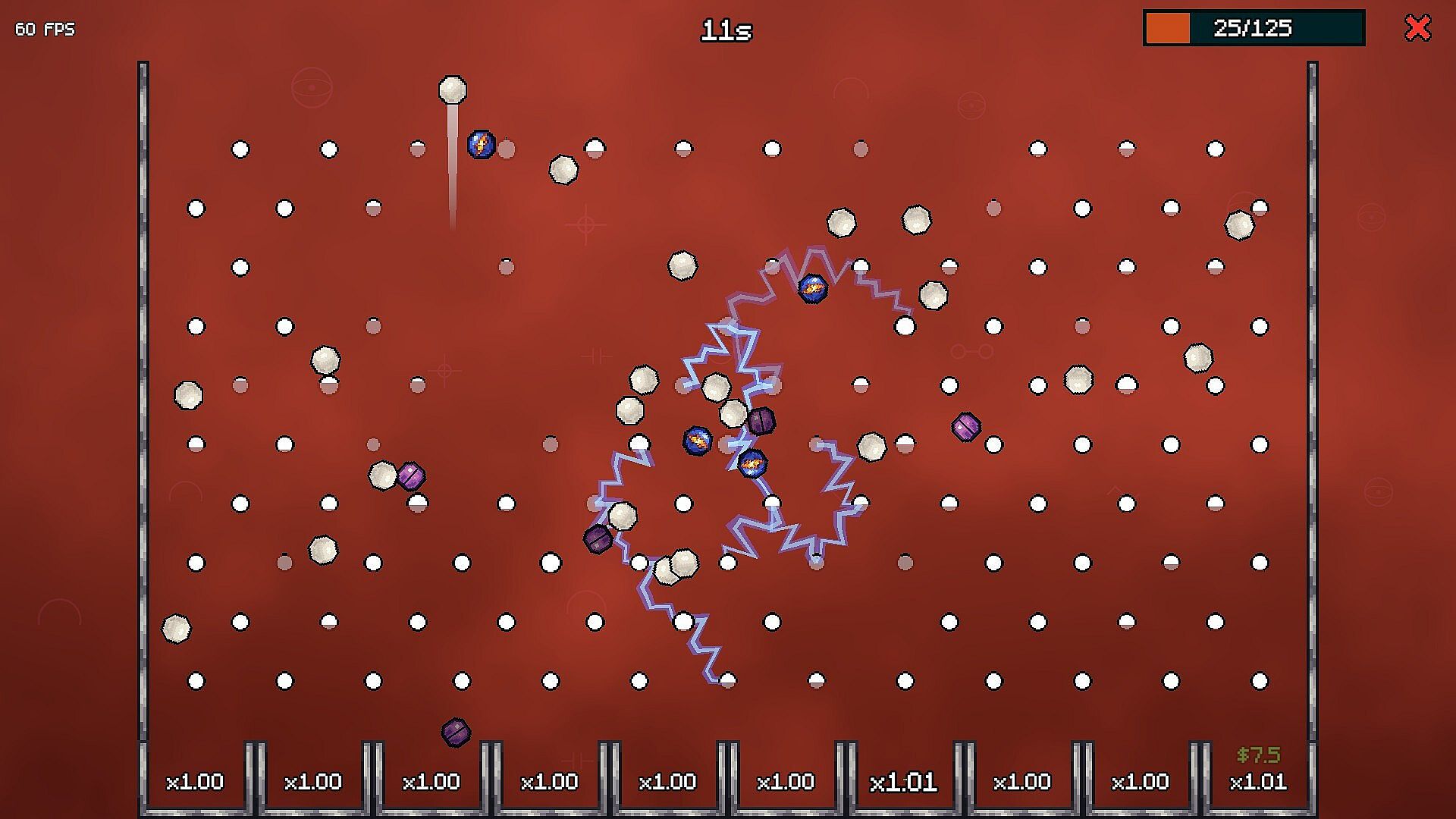
The core loop revolves around dropping balls from the top of the screen and observing their path through dense arrangements of pegs. Each bounce can smash targets and generate coins, with successful drops leading to escalating rewards that accumulate rapidly. Controls remain minimal, relying on simple clicks to initiate drops while the physics handle the rest, creating opportunities for screen-filling chain reactions as setups improve.
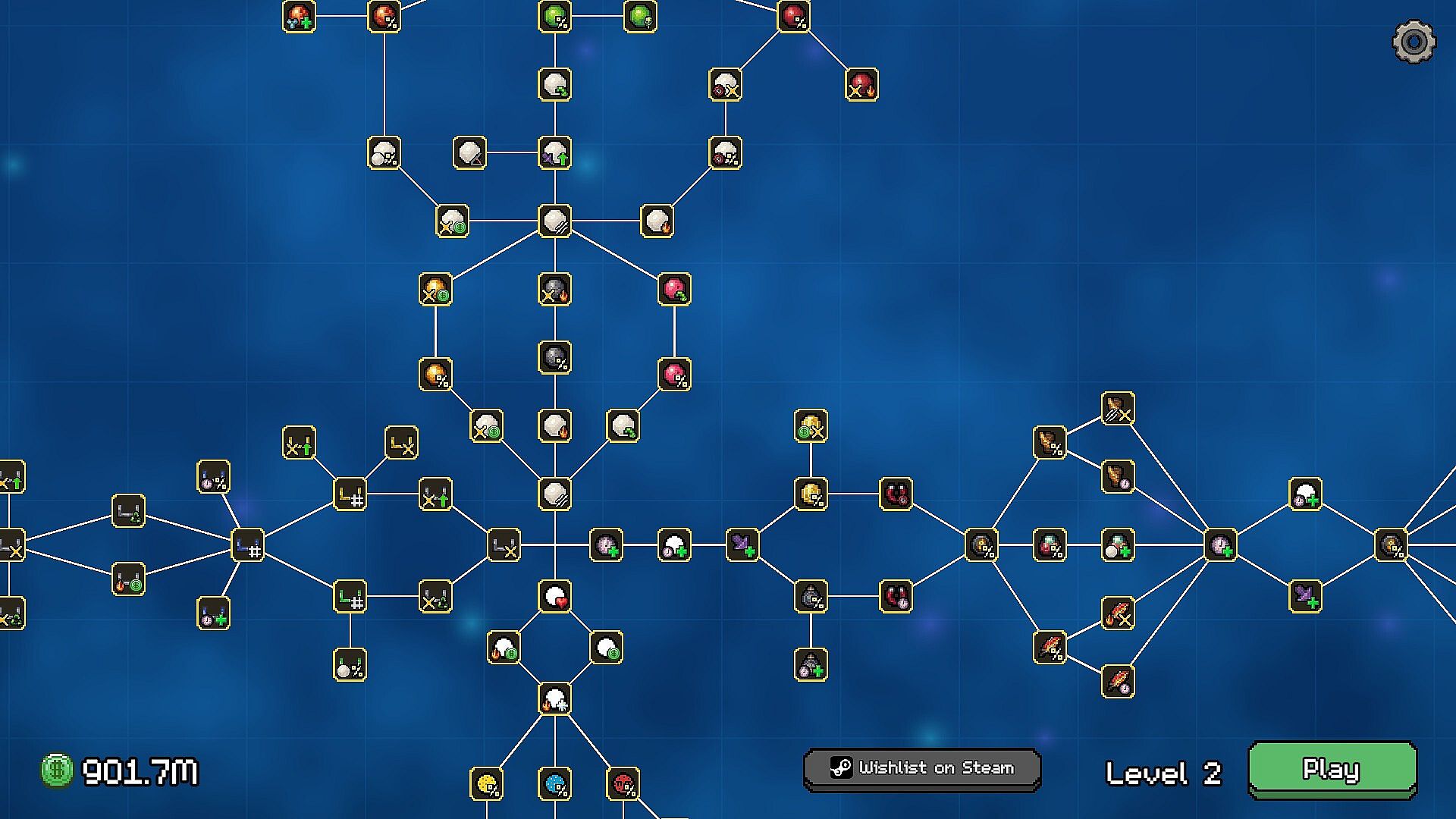
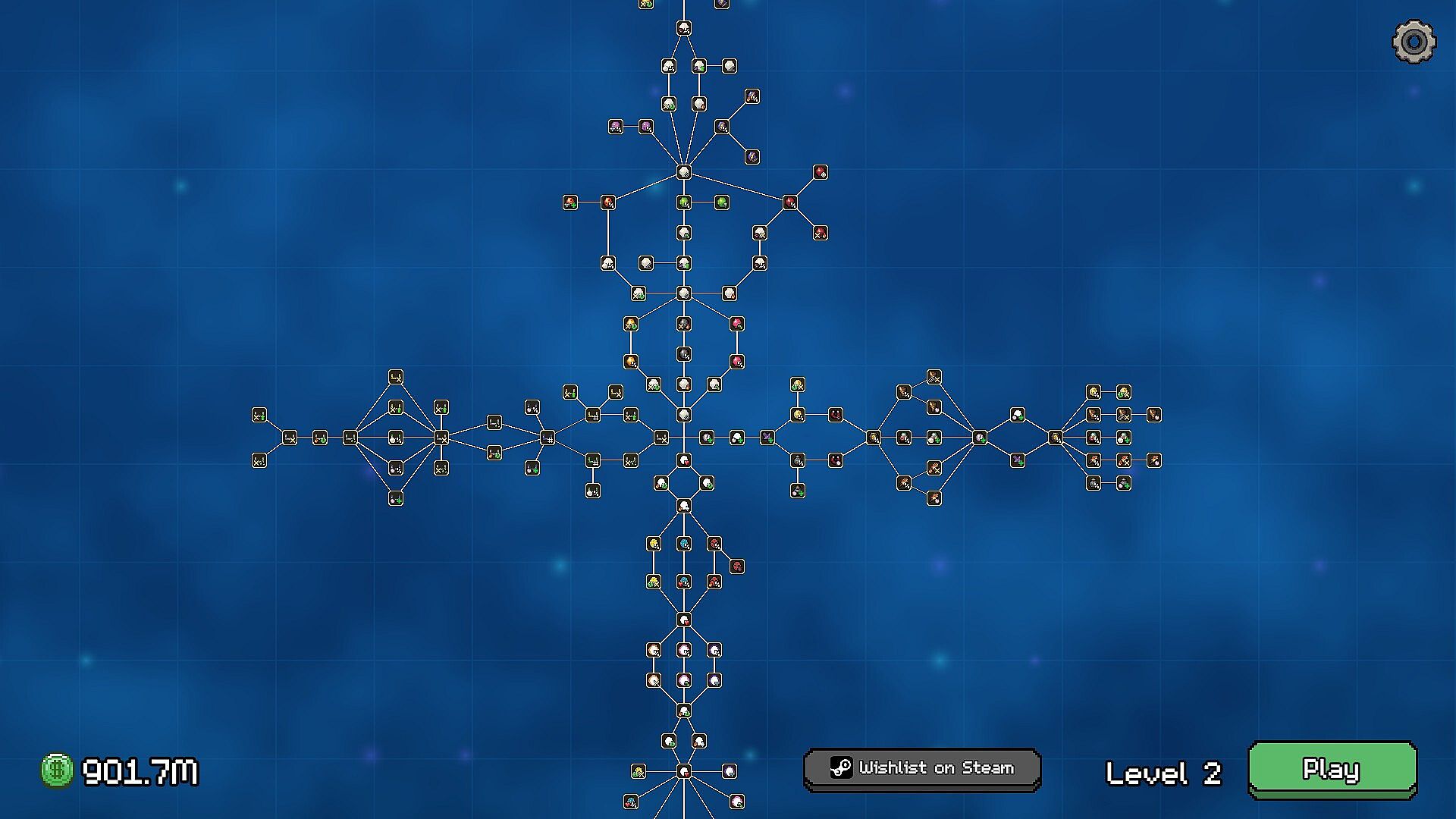
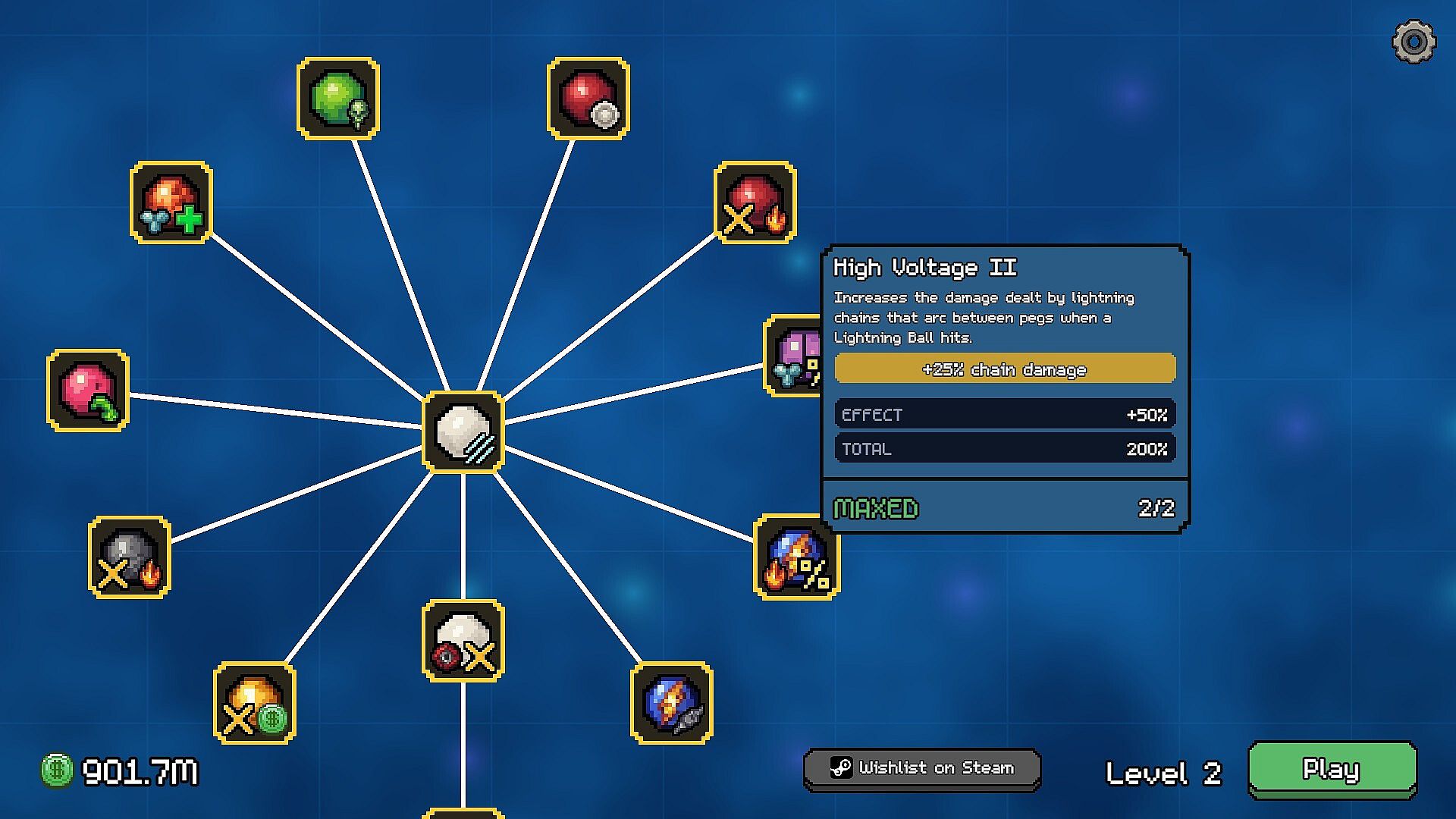
Progression centers on a large upgrade tree that offers choices across multiple categories. Players can select from various ball types for enhanced bounce or splitting effects, different peg configurations for altered trajectories, and specialized buckets at the base for multiplied payouts. These elements combine to form custom builds where synergies emerge naturally, allowing numbers to scale dramatically over repeated plays. The simulation aspect shines through the incremental growth, where each session builds toward more chaotic and rewarding outcomes.
Failure carries no lasting consequences. Even if a timer expires without clearing the board, all earned cash remains available for immediate investment in upgrades. This design supports a steady loop of experimentation, where stronger configurations enable players to tackle denser peg fields and achieve higher multipliers in subsequent attempts.
Game Modes
Plink Lab operates as a single-player experience centered on iterative incremental sessions. There are no separate competitive or multiplayer modes, keeping the focus on personal progression and build crafting within the core physics simulation. Sessions revolve around repeated drops that feed into the upgrade tree, with the goal of pushing cash totals and reaction scales higher each time.
The structure encourages strategic planning around ball and peg selections to maximize synergies. Players return to the same foundational board layout but with enhanced tools, creating a sense of continuous improvement without artificial divisions into distinct stages or campaigns.
Progression and Upgrades
The upgrade tree forms the strategic backbone, presenting options that directly influence ball behavior, peg interactions, and reward collection. Choices include modifications for greater bounce height, ball multiplication on impact, or lightning-style chain effects that spread across the board. These upgrades interact in ways that reward thoughtful combinations, turning early modest gains into exponential growth as more elements unlock.
Visual and audio feedback reinforces the incremental nature, with coins and reactions becoming more elaborate as power increases. The simulation tracks long-term accumulation, allowing players to experiment with different paths through the tree and observe how small adjustments compound into major differences in performance.
Is It Worth Playing?
Plink Lab suits players who enjoy casual incremental games with light strategy and strong emphasis on satisfying mechanics. The absence of penalties for incomplete runs lowers the barrier to entry, while the upgrade depth provides ongoing goals for those who like optimizing builds and watching numbers climb. As a single-player title with Steam achievements and cloud support, it offers a self-contained experience focused on repeated, relaxing sessions.
Currently in a pre-release state with a public playtest available, the game shows promise for fans of physics-driven simulations and incremental progression. Its straightforward controls and escalating chaos make it accessible, though the full release will determine how the systems expand. Those seeking stress-free gameplay with clear feedback loops will likely find value in its approach to ball-dropping incremental strategy.