

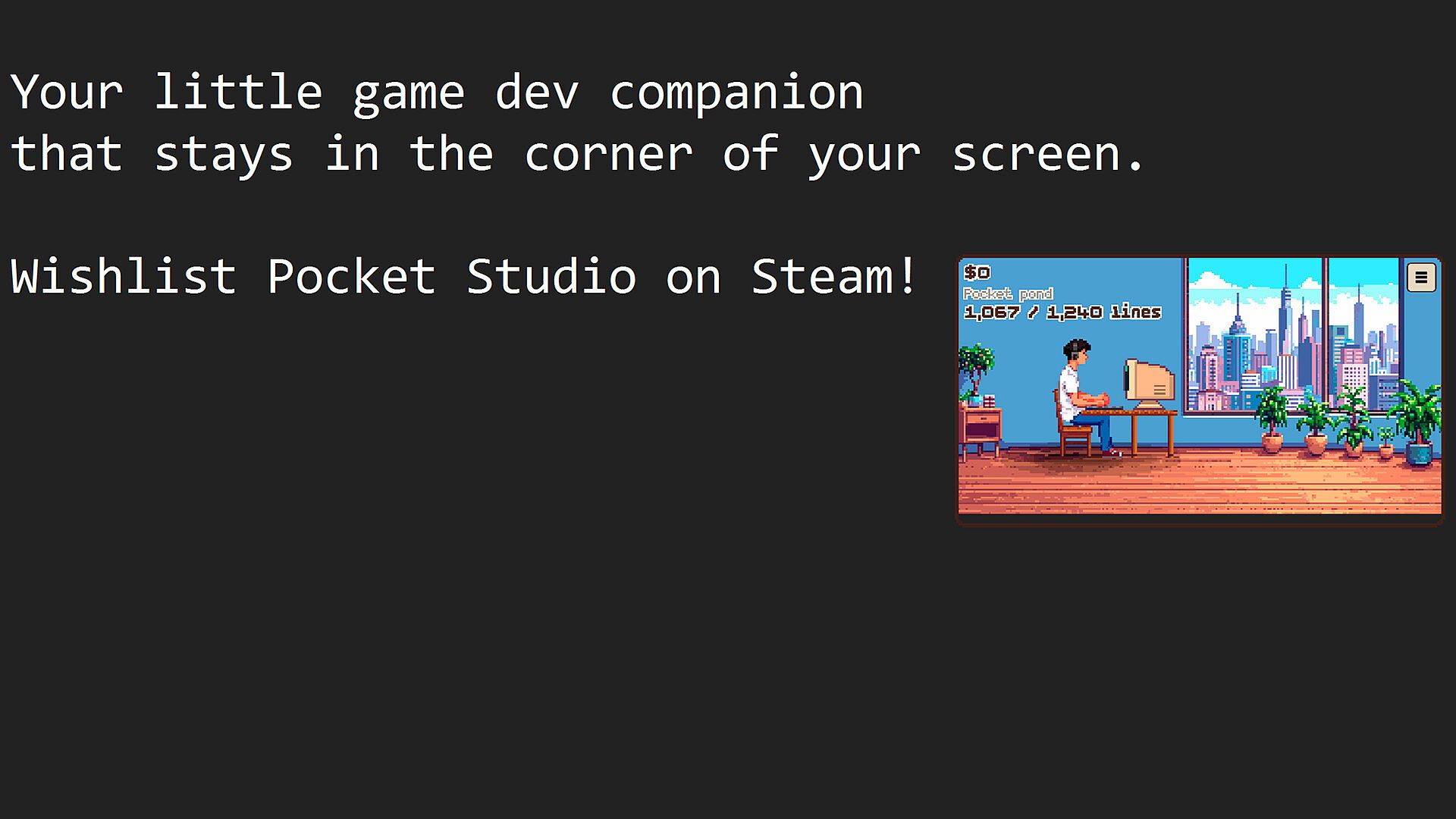
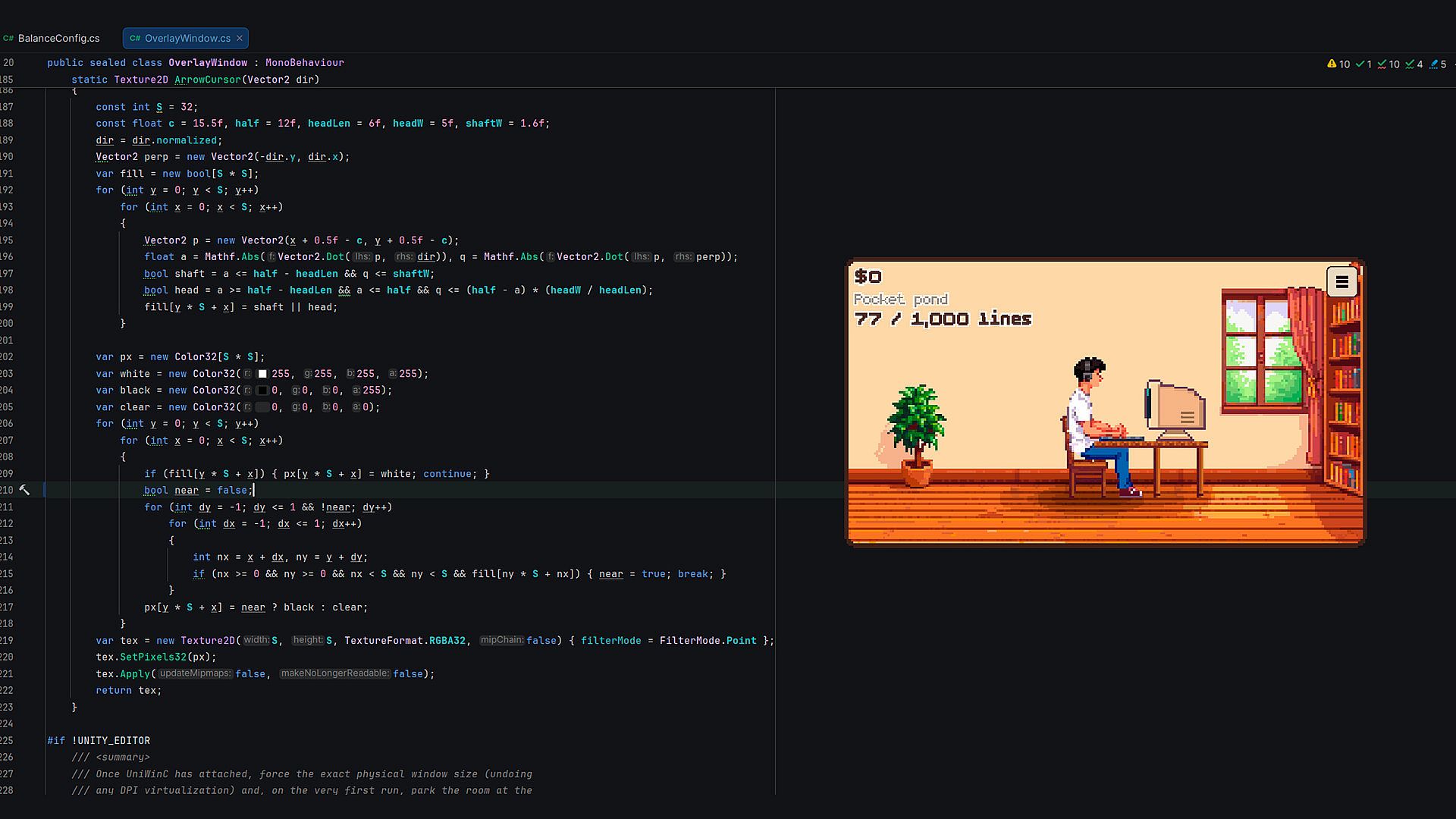
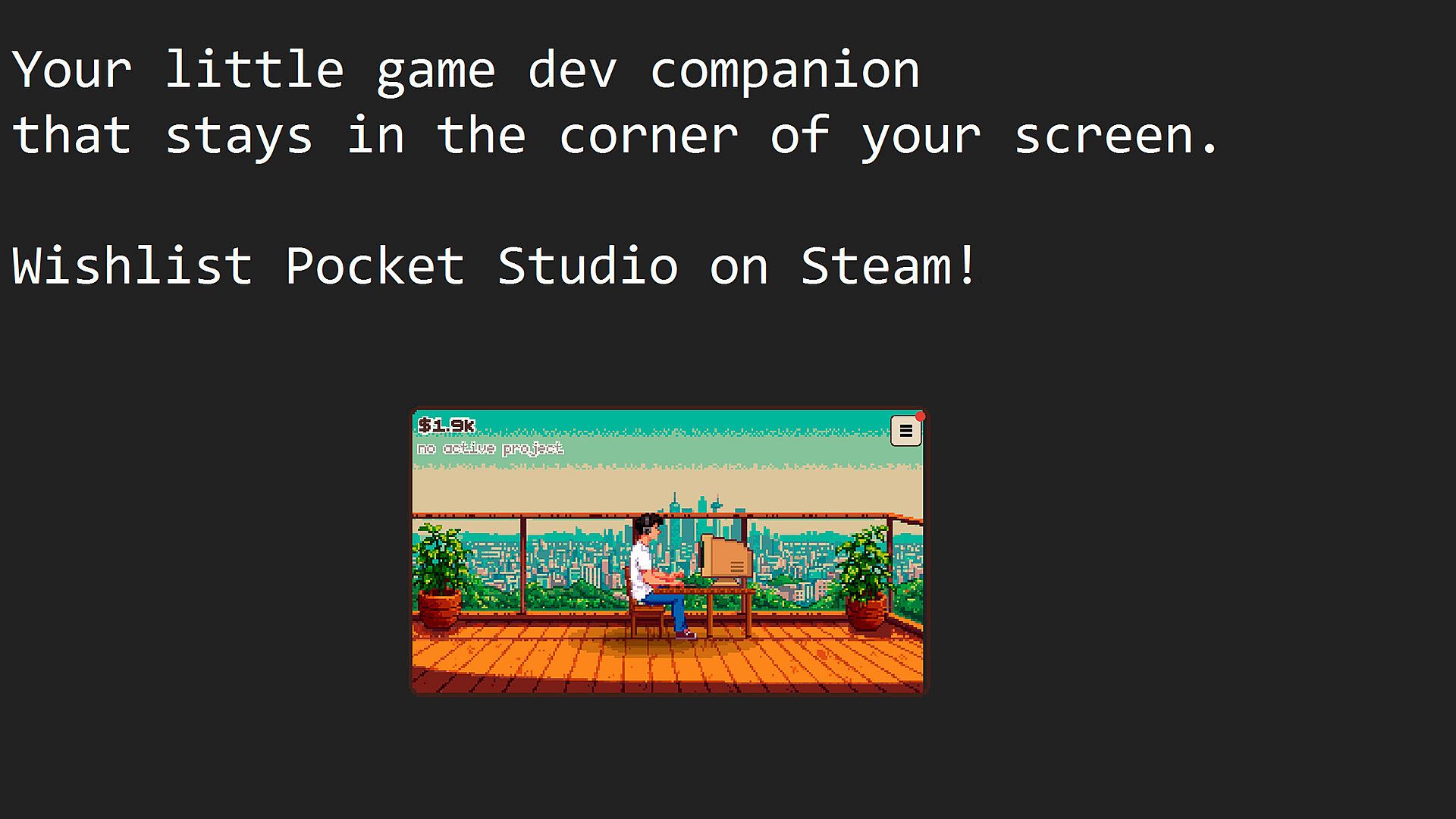
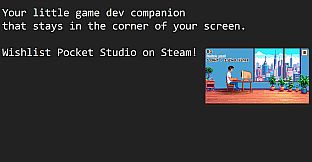
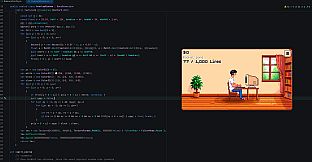
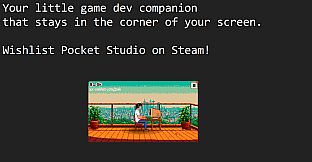
Pocket Studio Desktop Companion is an indie casual simulation game for PC that places a miniature game developer directly on your desktop. The tiny figure sits in the corner of the screen with an office chair and ambitious plans but relies entirely on your keystrokes to produce actual code. Every press in a text editor, email client, or document contributes lines to the developer's current project, turning ordinary computer use into steady progress on new titles.
Gameplay
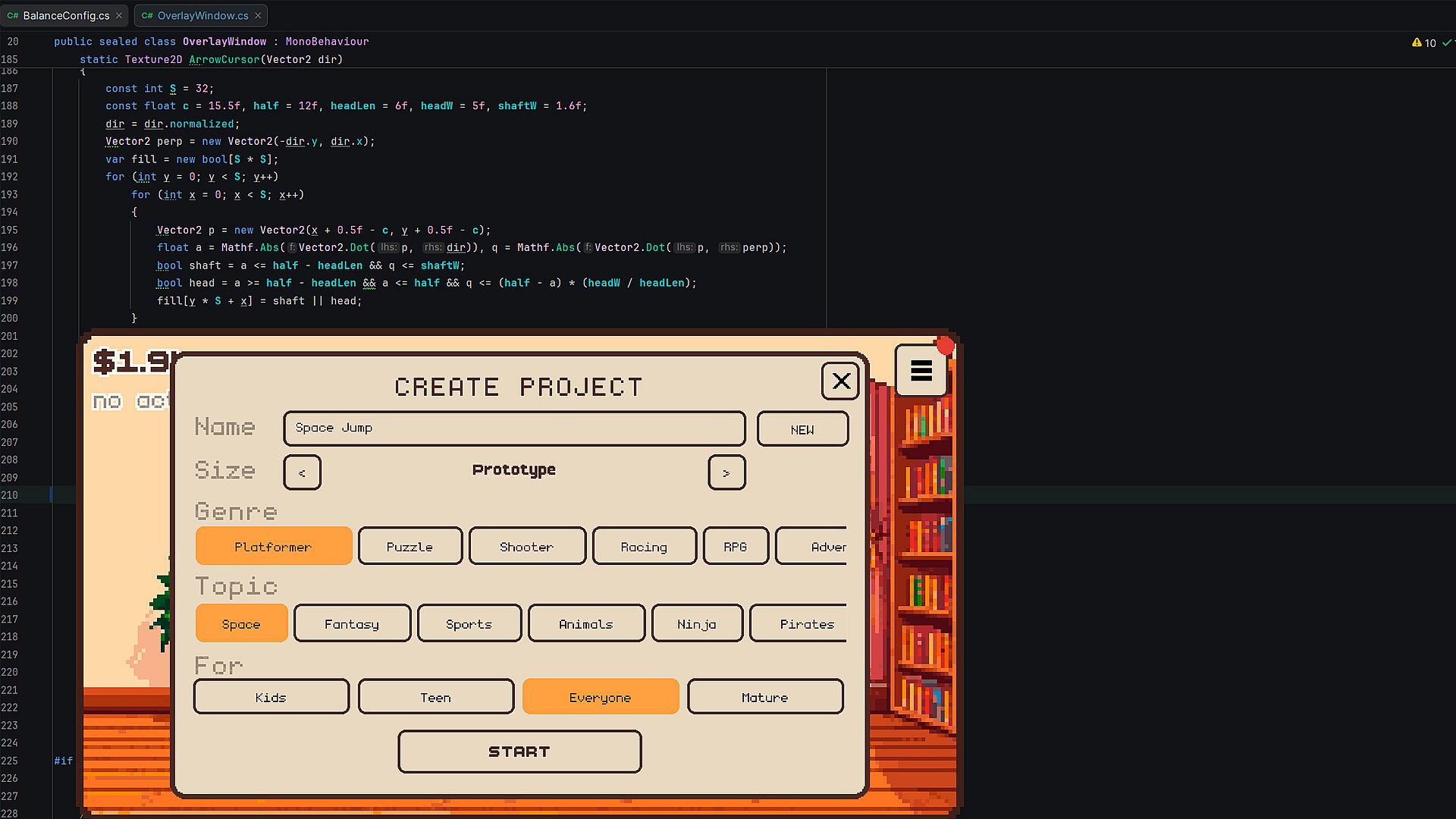
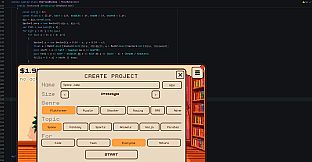
The core loop centers on productivity integration. You select a project concept before work begins by choosing a name, genre, topic, and target audience. Examples include cyberpunk racing aimed at teens or farming horror for a broad crowd. The developer then builds the game in real time as you type elsewhere on your machine. Bugs emerge during development and extend the timeline, requiring continued input to resolve them through additional lines of code.
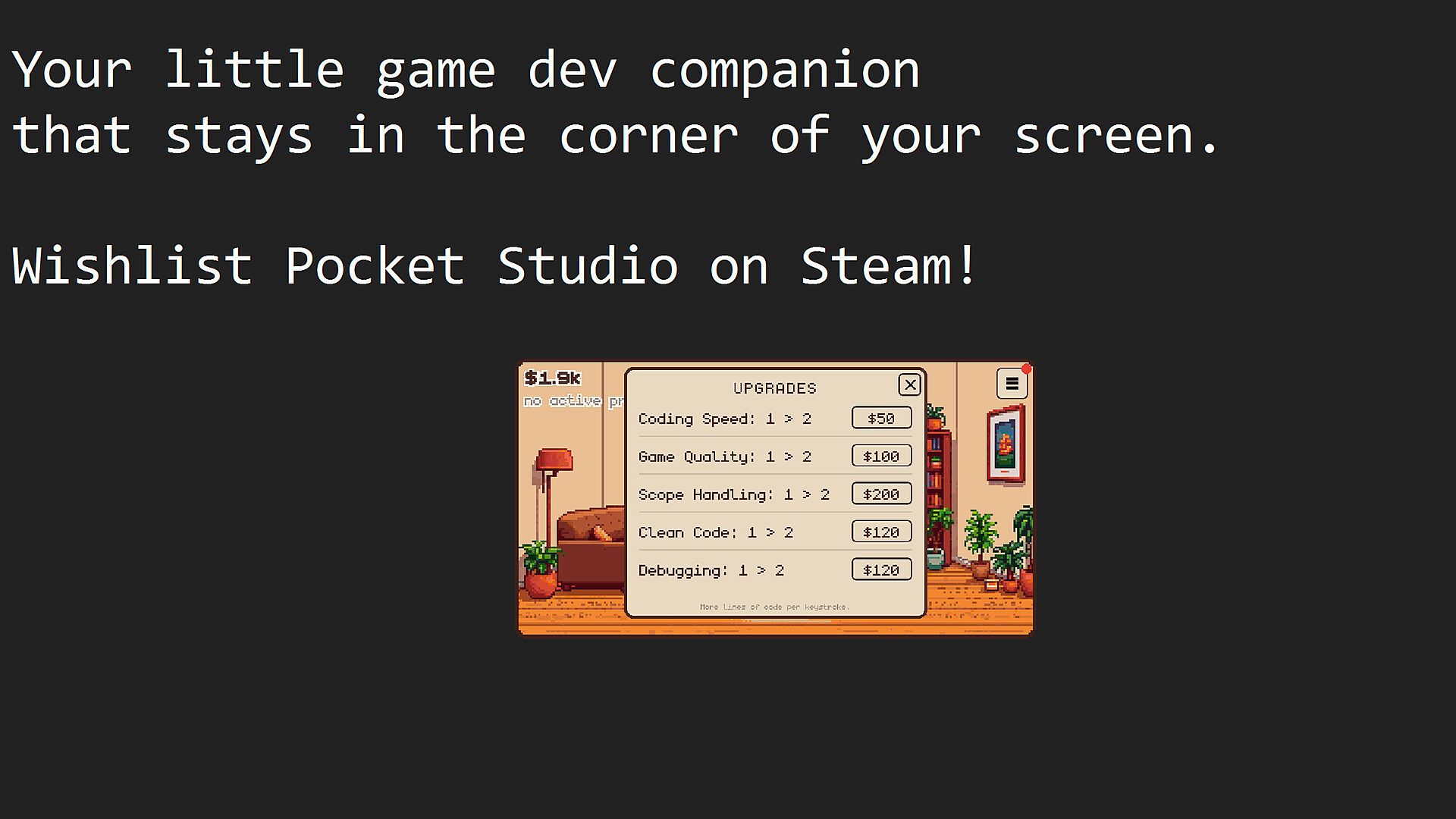
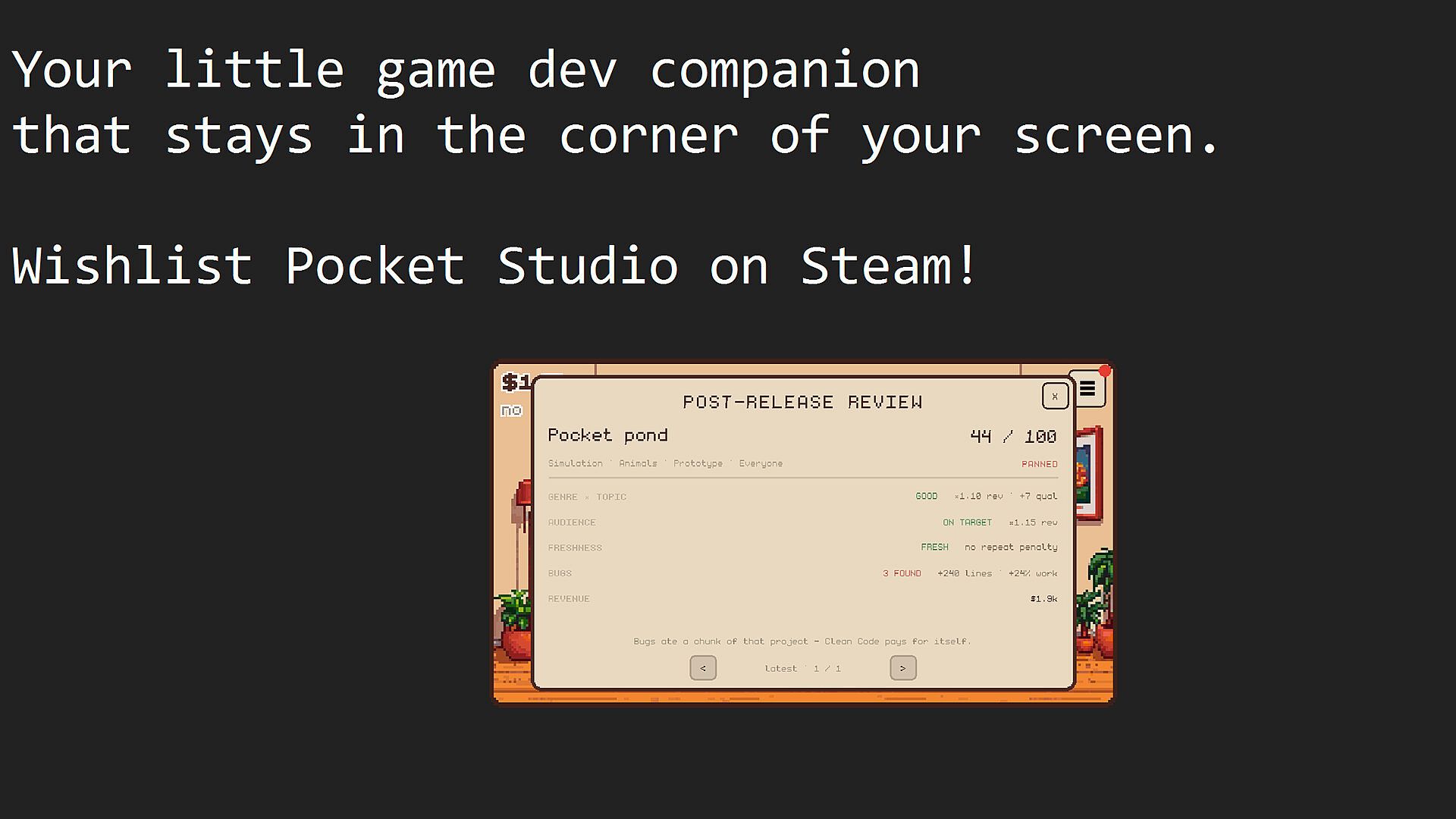
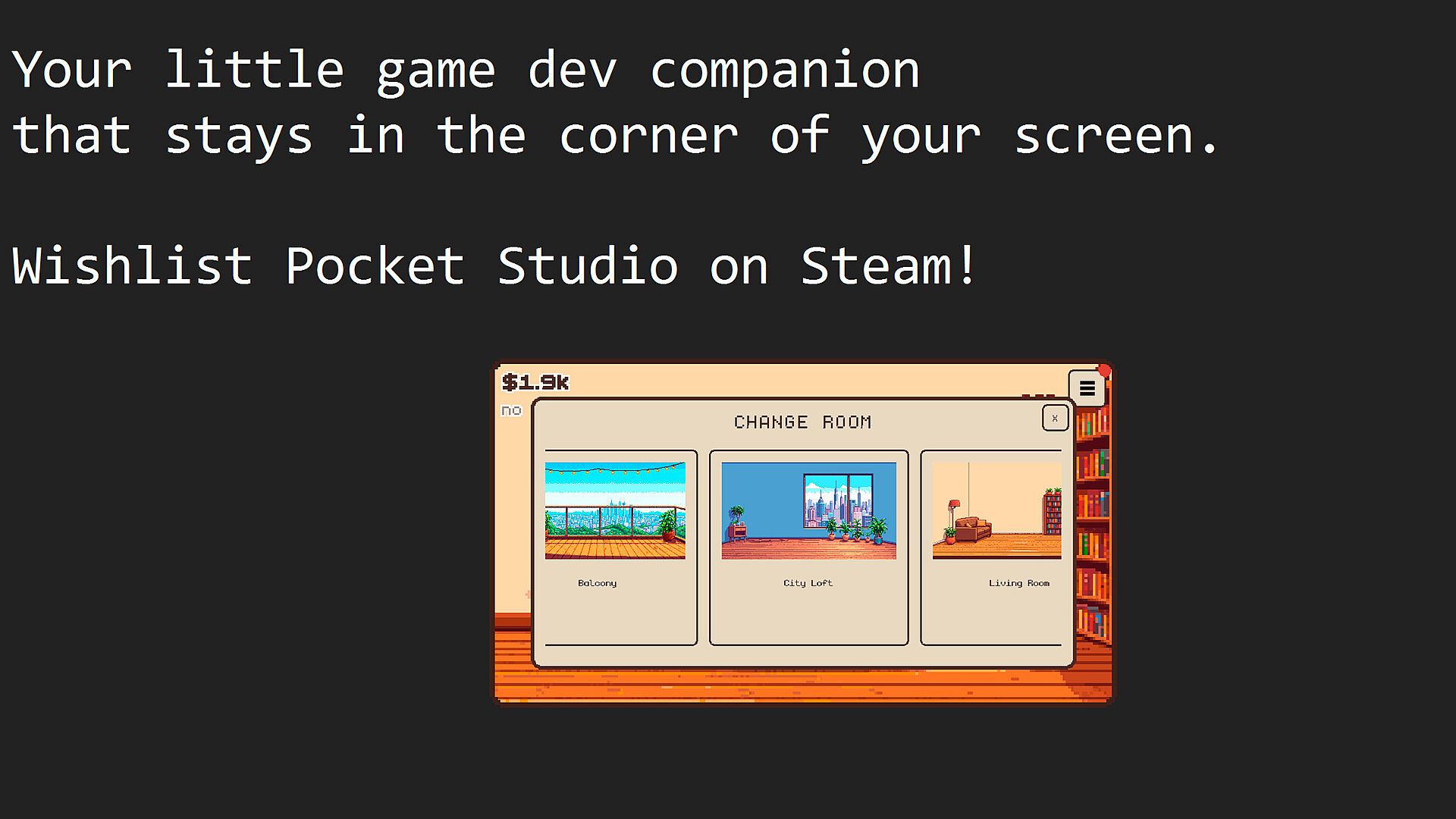
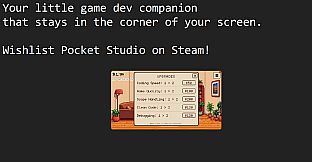
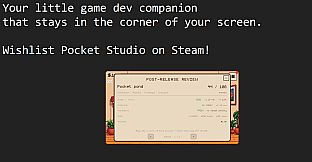
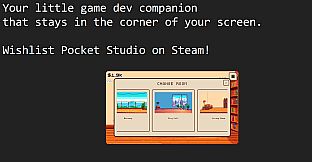
Releases provide immediate feedback through review scores and earnings. These funds feed back into the studio across five upgrade paths that improve coding speed, overall quality, ability to handle larger scopes, code cleanliness to reduce future issues, and debugging efficiency. Earnings also unlock new rooms that expand the visible workspace over time. Each completed project generates a detailed postmortem that breaks down genre fit, audience alignment, idea freshness, bug impact, and financial results, allowing patterns to emerge through repeated play.
Game Modes
The experience runs as a single ongoing simulation without separate named modes. All activity occurs within the persistent desktop environment where the developer works alongside your normal tasks. Progression happens through repeated project cycles rather than distinct gameplay variants, with the same systems applying from the first prototype to larger efforts.
Studio Growth and Management
Financial returns from shipped games drive visible expansion. Upgrades directly affect how efficiently the developer operates and how ambitious future projects can become. New rooms add physical space and change the studio's appearance from a basic setup to something more established. The postmortem system encourages observation of what combinations succeed or fail, turning each release into a learning step for better decisions on the next one.
Is It Worth Playing?
This title suits players who enjoy idle simulation mechanics blended with light management and productivity elements. It rewards consistent computer use by making everyday typing contribute to tangible in-game outcomes. The absence of traditional levels or competitive features keeps the focus on steady studio building and the satisfaction of watching small projects ship. Those who appreciate cozy, low-pressure experiences that run quietly in the background will find the desktop companion format a natural fit, especially if they value systems that reveal their own rules through play rather than upfront tutorials.