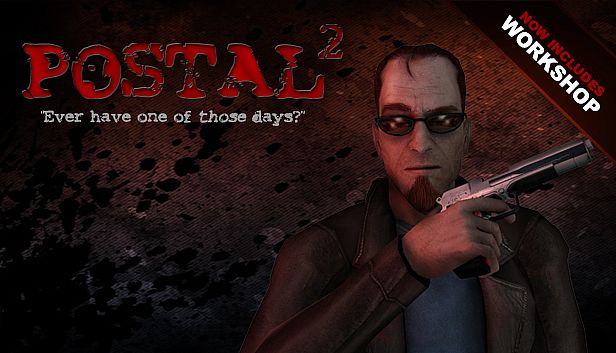





























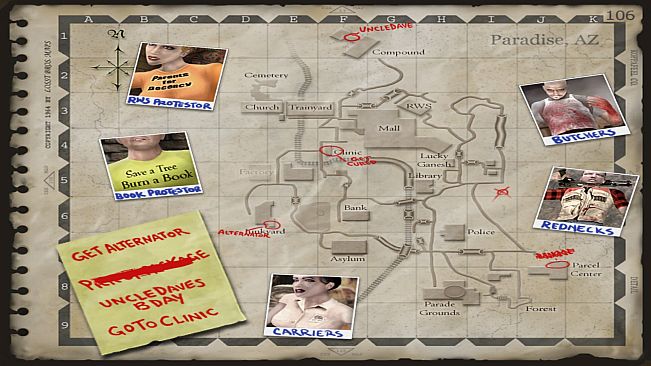
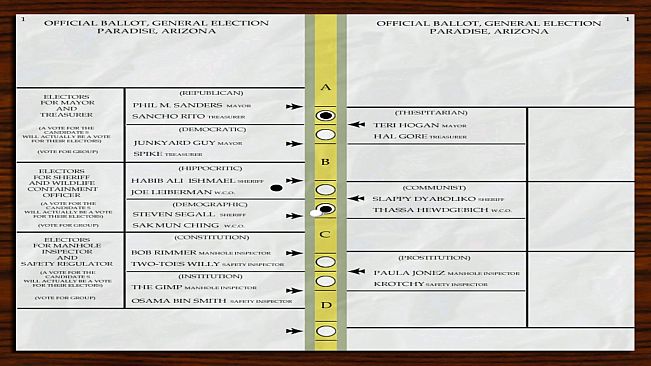
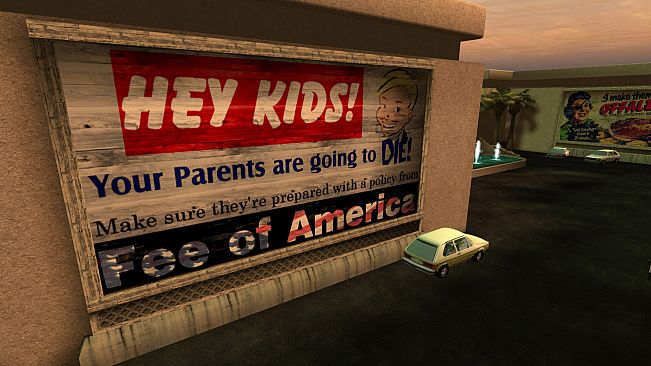
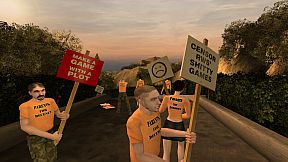
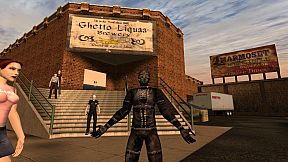
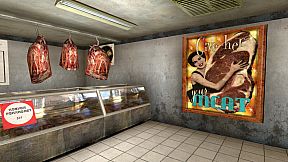
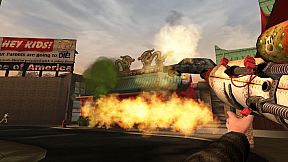
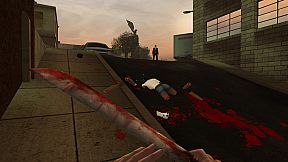
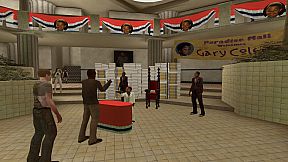
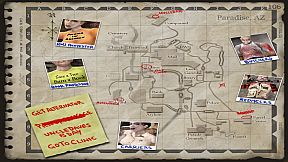
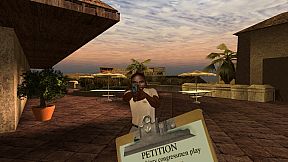
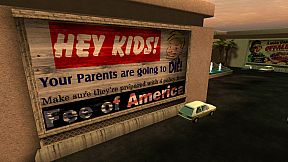
POSTAL 2 stands out as a first-person shooter that blends open-world exploration with dark humor and player-driven chaos. Released in 2003, this PC title puts you in the shoes of The Postal Dude, an ordinary guy navigating a bizarre week in the fictional town of Paradise, Arizona. What starts as simple errands like buying milk or returning a library book quickly spirals into encounters with eccentric characters and unpredictable situations, all within a non-linear environment where your choices dictate the level of violence.
Gameplay
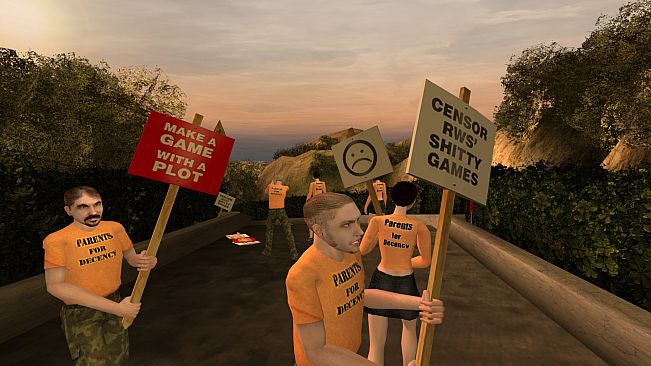
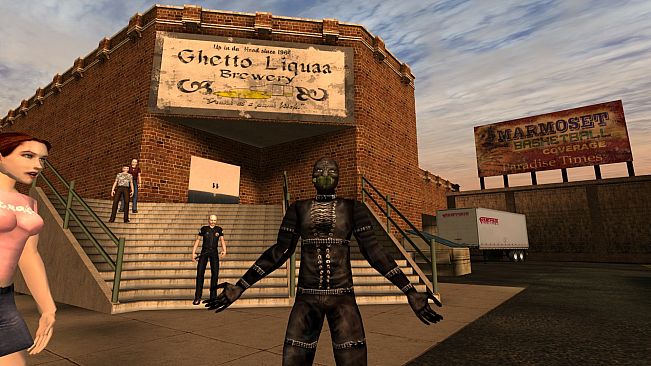
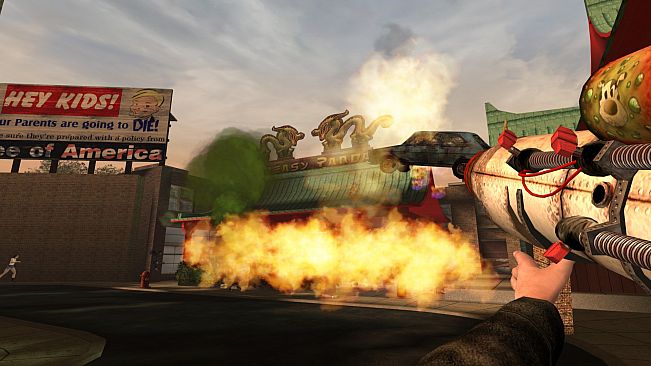
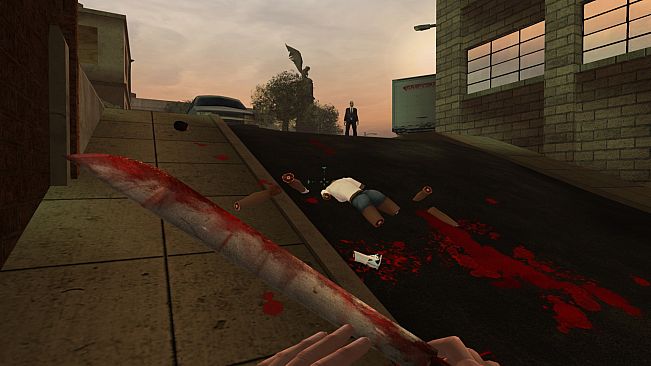
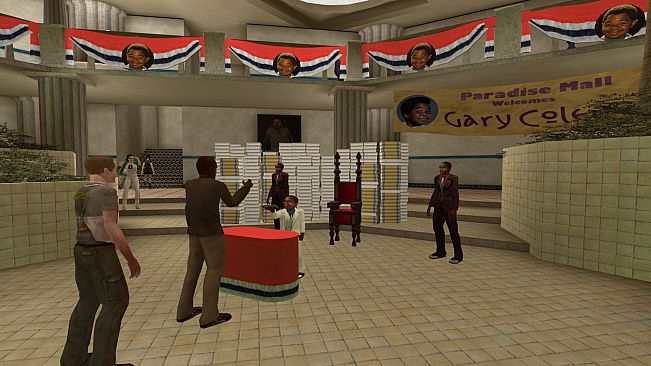
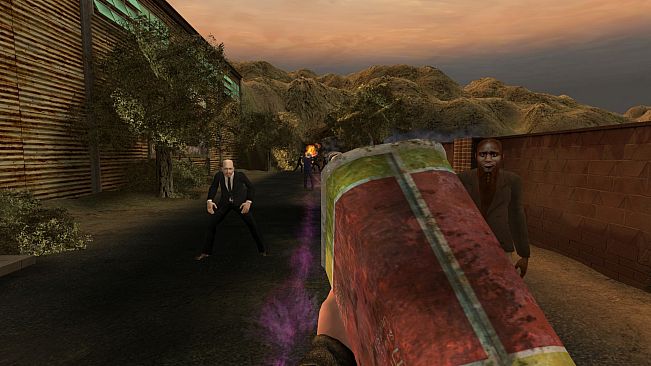
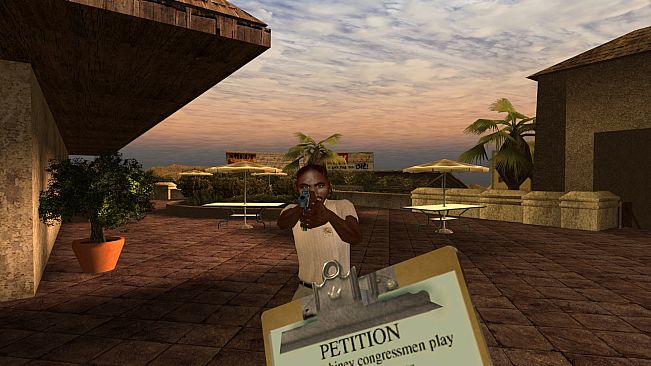
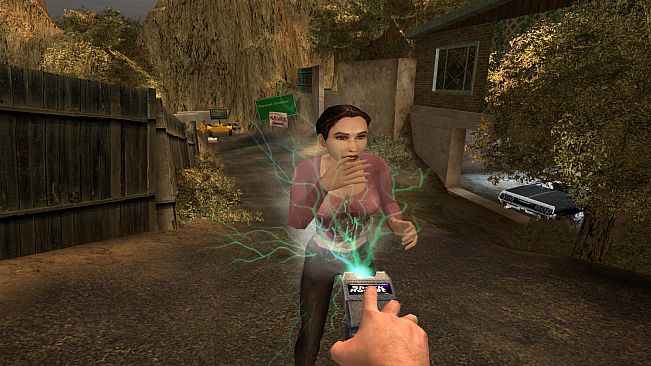
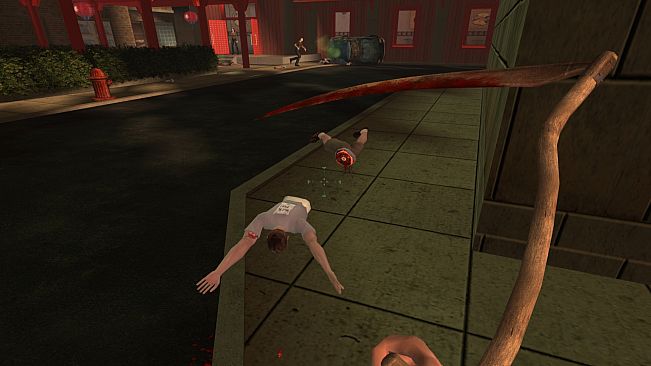
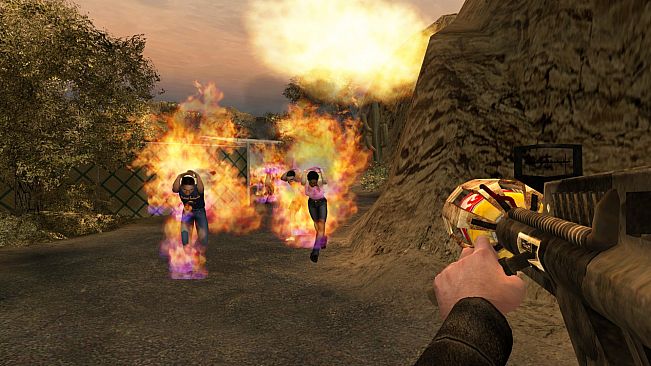
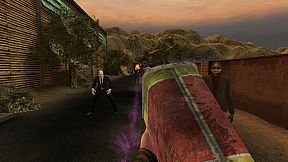
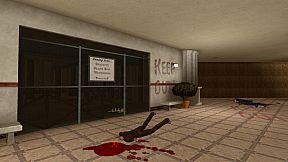
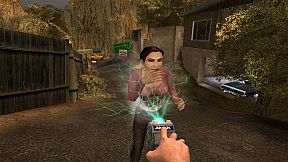
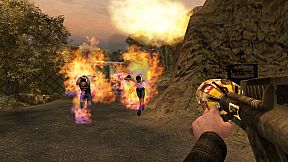
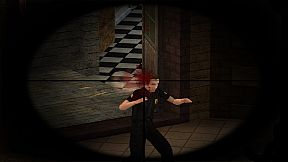
In POSTAL 2, the core loop revolves around completing daily tasks across an in-game week, from Monday to Friday in the base game. You control The Postal Dude in a first-person perspective, exploring a semi-open world divided by loading zones. Mechanics emphasize freedom: opt for aggressive tactics by blasting enemies with weapons like shovels, rocket launchers, or improvised tools such as cats used as firearm silencers, or take a passive route by avoiding conflict. The game's AI creates a living simulation where NPCs go about their routines, react to your actions, and sometimes turn hostile without provocation. Interactions include urinating on people or objects, pouring gasoline to set fires, and recruiting attack dogs by feeding them biscuits. Environmental elements, like destructible cars and animals that can be provoked into attacks, add layers of unpredictability. The world features a mix of caricatured American stereotypes, including corrupt cops, cannibal rednecks, and sewer-dwelling terrorists, all contributing to the satirical tone.
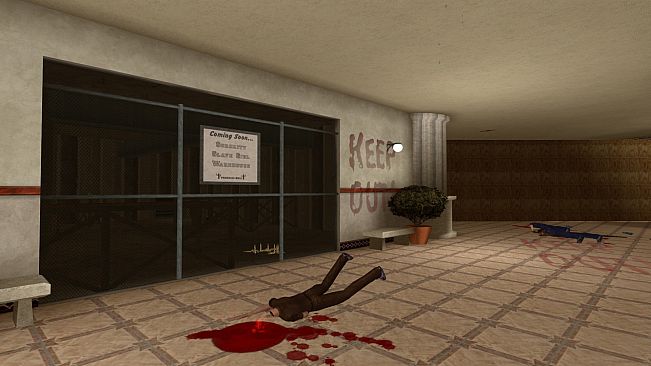
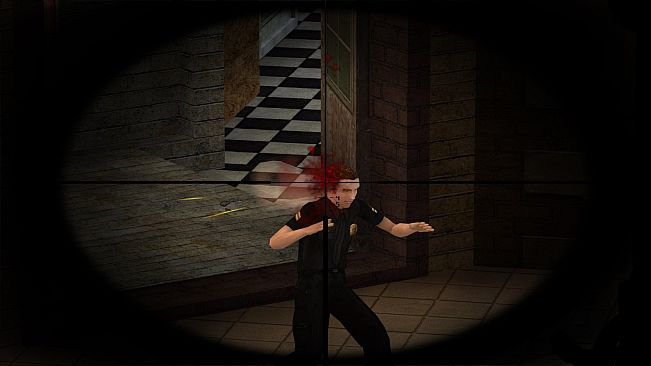
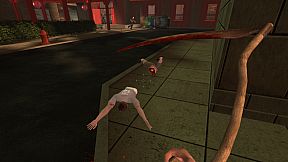
Combat and exploration rely on an arsenal that ranges from basic melee items to explosive devices, with gore and destruction playing key roles in violent playthroughs. If you choose pacifism, the game still challenges you through NPC aggression, forcing creative problem-solving to survive without killing. Built on Unreal Engine 2, the title supports modding through the POSTed editor, allowing custom levels and scenarios.
Game Modes
The primary mode in POSTAL 2 is the single-player campaign, where you progress through task-based objectives in a non-linear fashion. A variant called A Week in Paradise extends the base game to include Sunday, offering a fuller narrative experience. For those seeking non-violent challenges, the pacifist approach functions as a survival mode, requiring you to navigate the world and complete errands while dealing with hostile NPCs without resorting to lethal force.
Multiplayer was added via the Share the Pain expansion, but its servers shut down in 2015, leaving it unavailable in the current state. Community mods, accessible through workshop support, provide additional custom content like new maps and gameplay tweaks.
Expansions and Updates
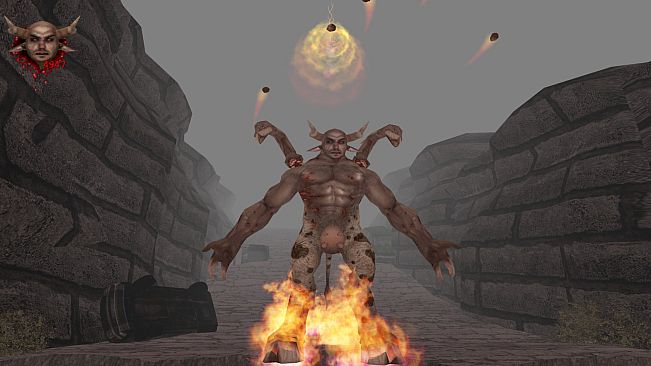
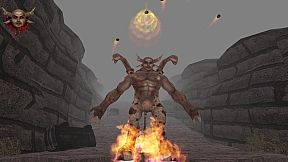
POSTAL 2 has received several expansions that build on its mechanics. Share the Pain, released in 2003, introduced multiplayer elements. Apocalypse Weekend from 2005 added linear missions over Saturday and Sunday, featuring new enemies like zombies and enhanced gore, though it removes the pacifist option. The 2015 Paradise Lost expansion shifts to a post-apocalyptic setting 11 years later, with faction alliances, a journey through Hell, and boss fights. Other additions include the 2005 spin-off Corkscrew Rules!, available in English since 2017.
The game continues to receive updates, with a major one in 2013 and ongoing support. A VR adaptation and a remake titled Postal 2 Redux are in development, slated for 2026.
Is It Worth Playing?
Player reception for POSTAL 2 has been mixed, with Metacritic scores reflecting average reviews upon release, including harsh critiques like 0/10 from some outlets for its crude humor and technical issues. Over time, it has built a cult following, praised for its chaotic freedom and satirical edge in user reviews. If you appreciate open-world FPS games with dark comedy, extreme player agency, and the option to play violently or peacefully, this title offers a unique experience that's still supported with mods and updates. Those sensitive to graphic violence or offensive themes might find it off-putting, but for fans of unfiltered absurdity, it remains a noteworthy pick in the genre.