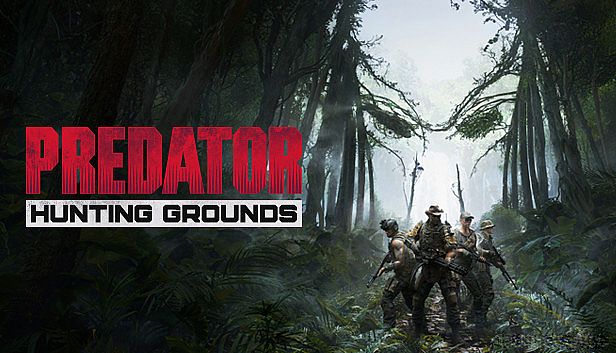





















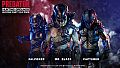


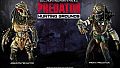
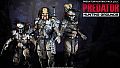







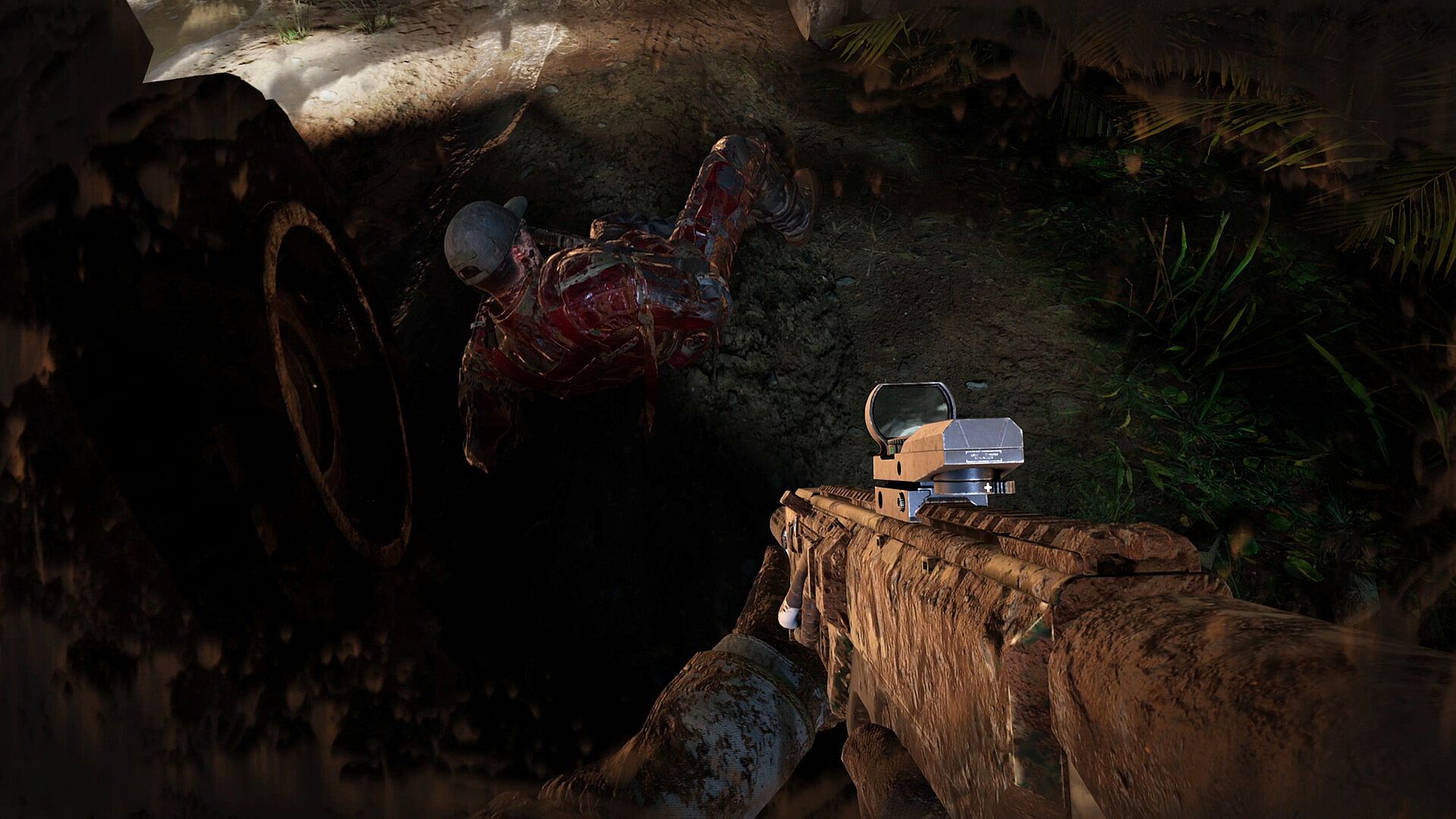
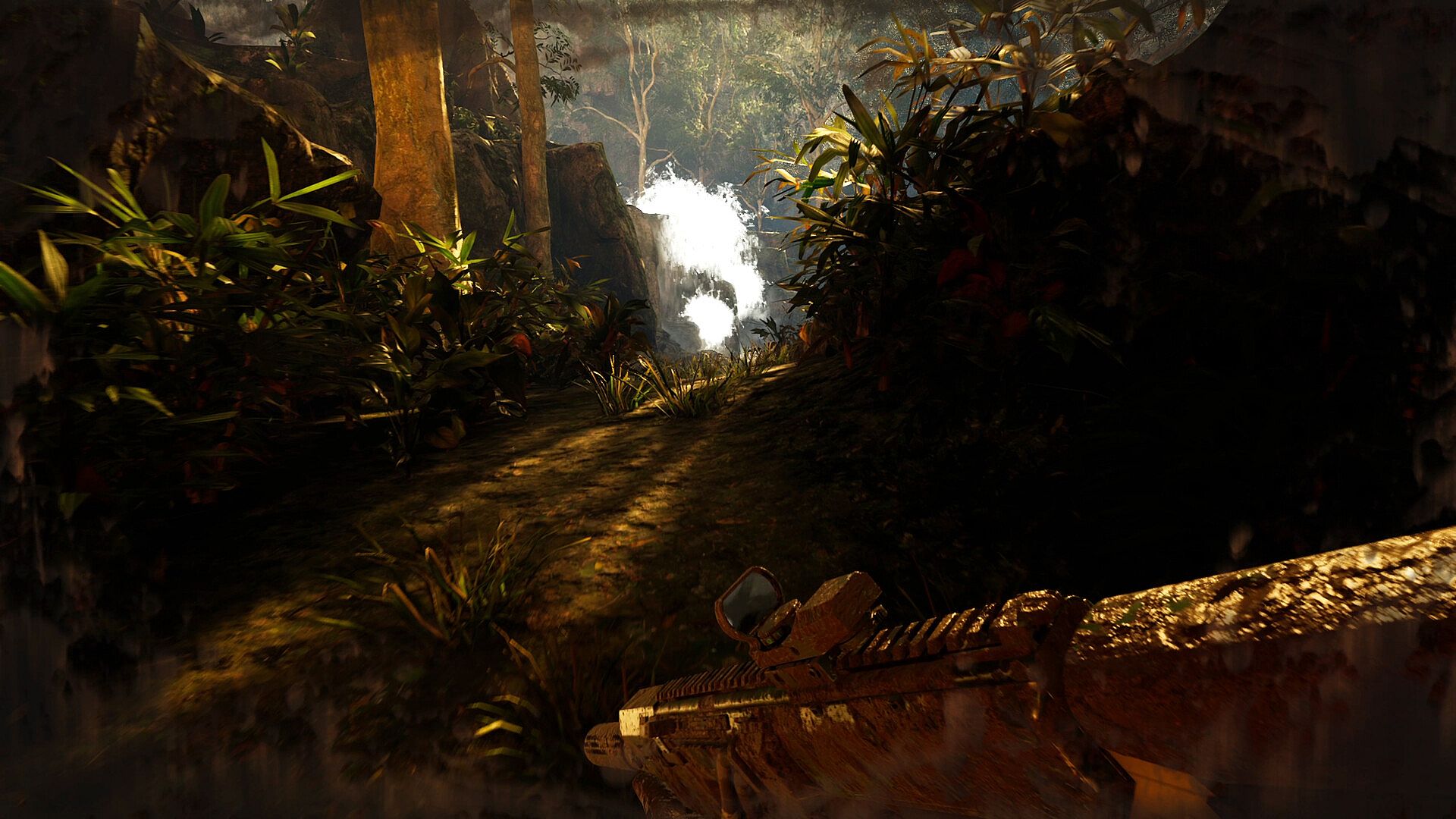
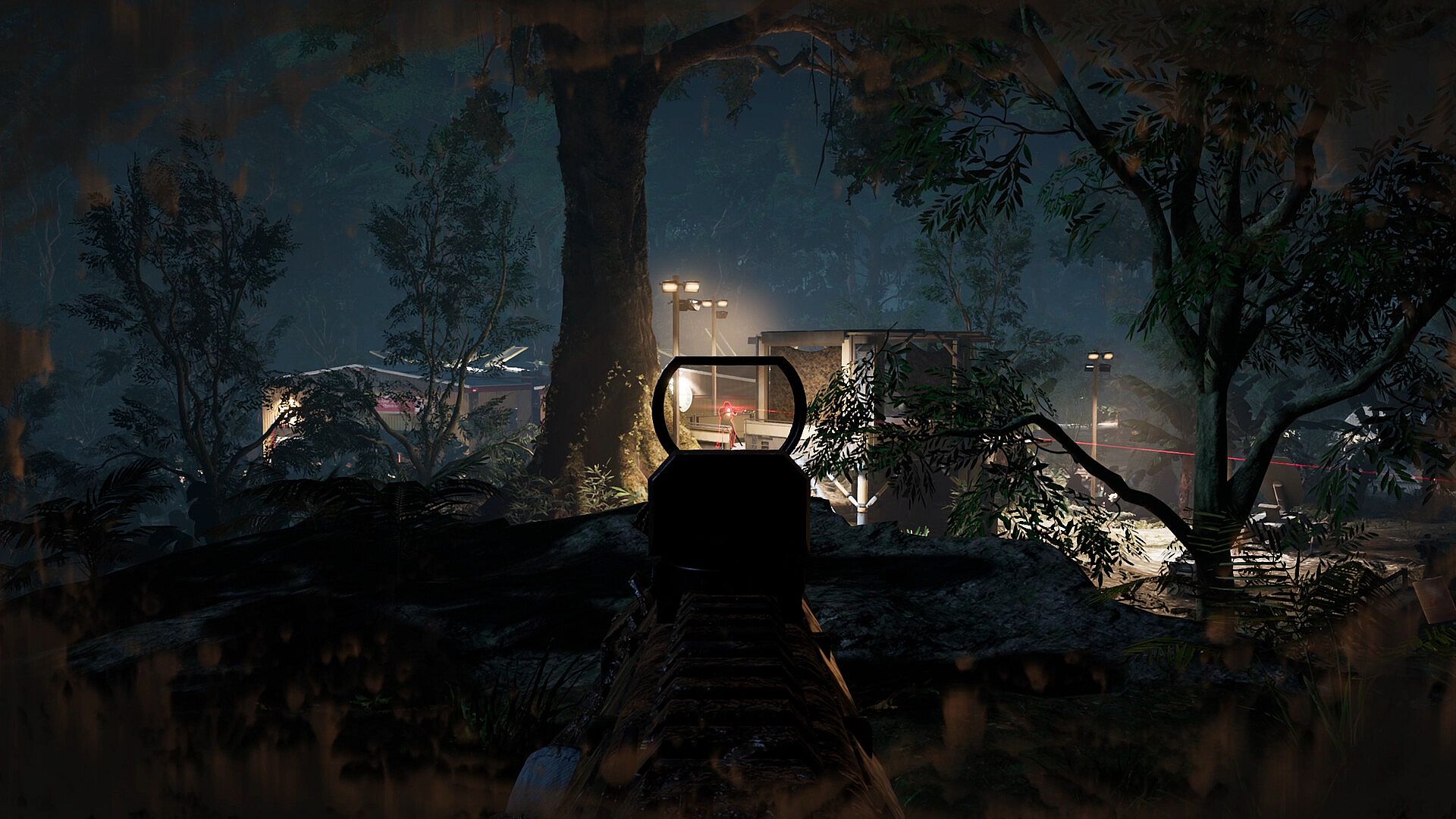

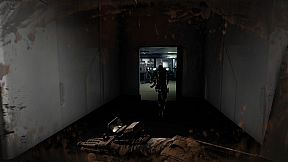
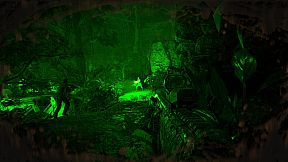
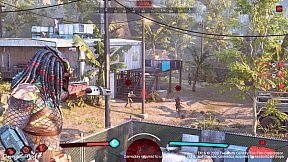
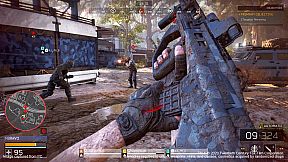
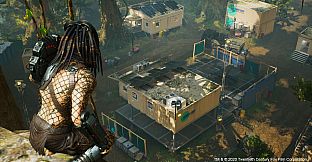
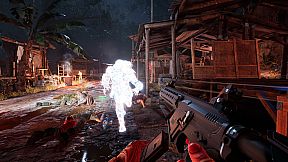
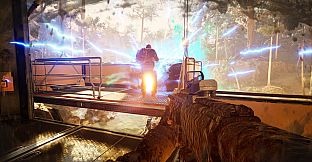
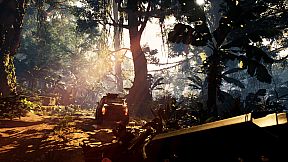
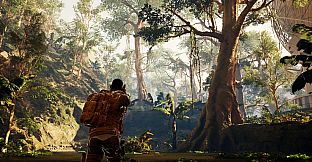
Predator: Hunting Grounds is an asymmetrical multiplayer shooter available on PC that places players in the role of either a human mercenary or the Predator in tense matches of pursuit and survival.
Gameplay
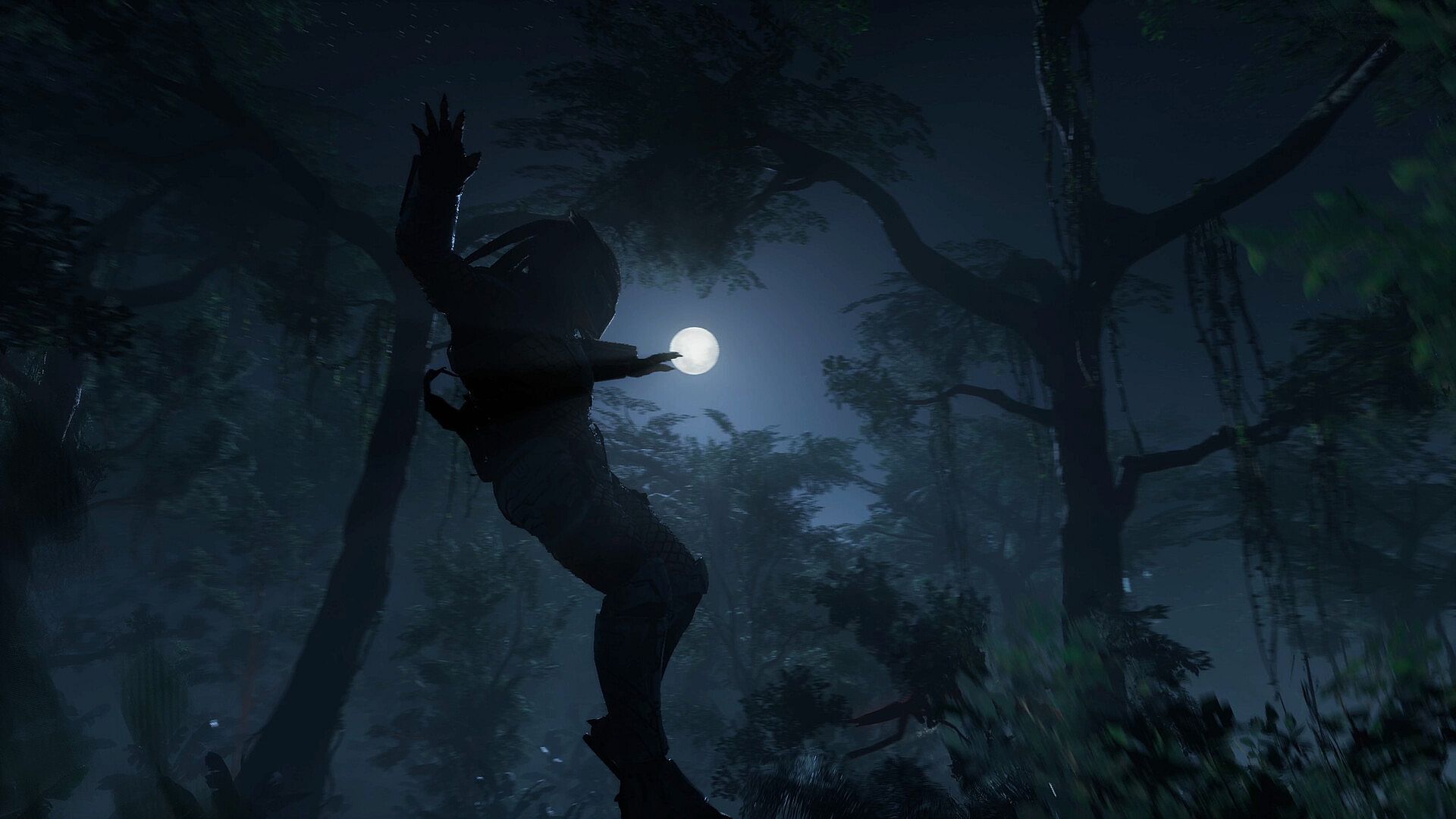
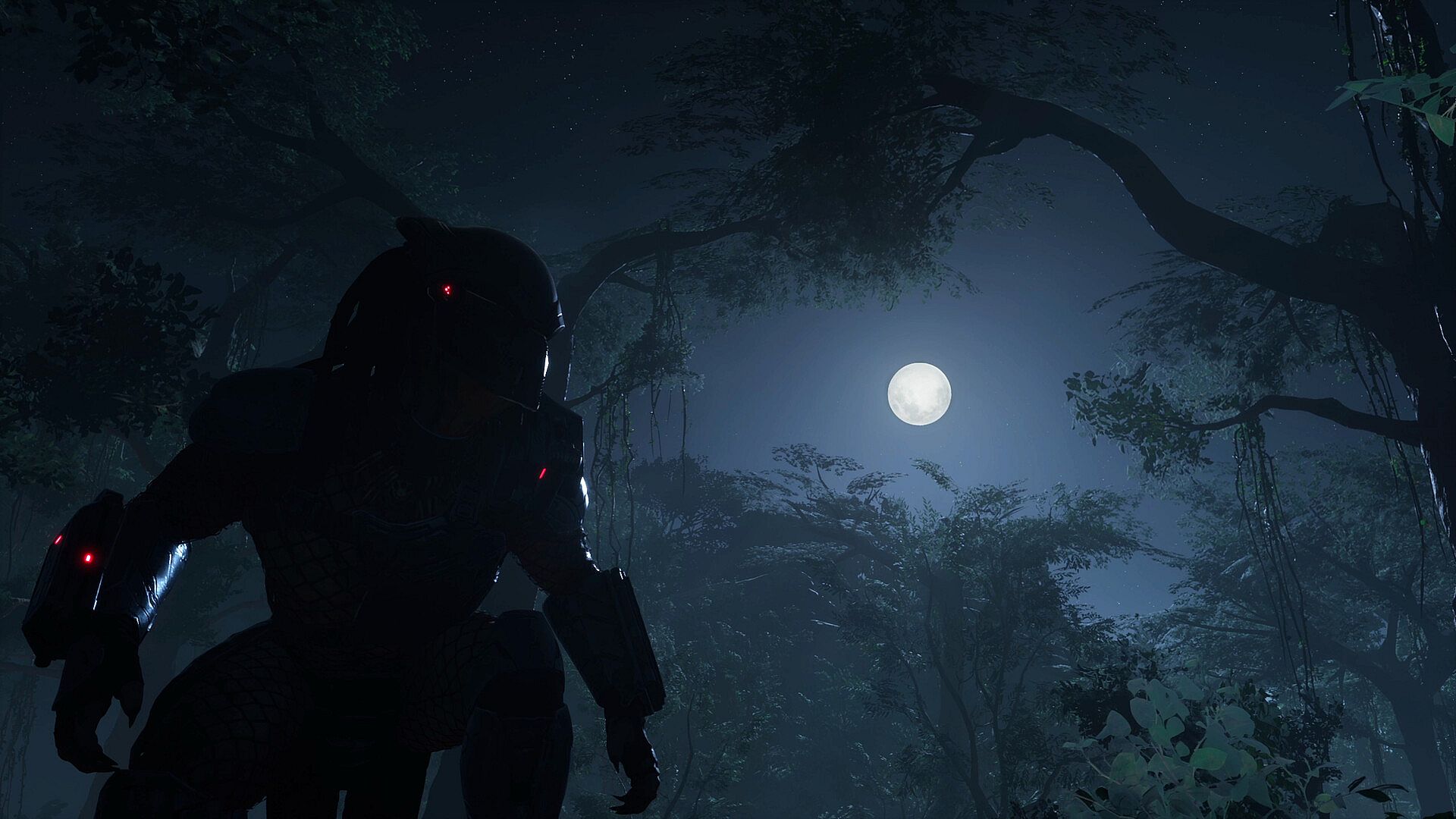
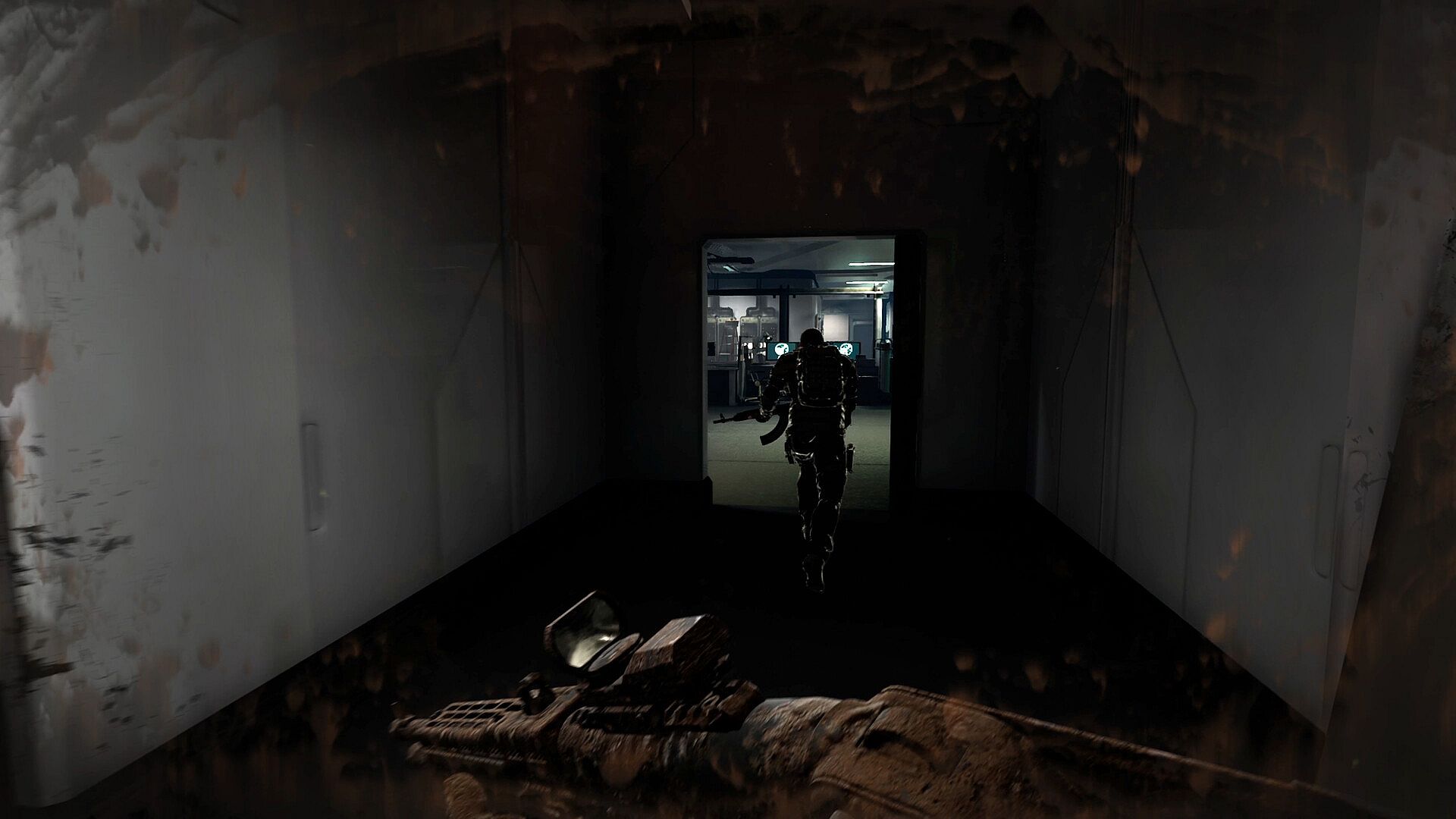
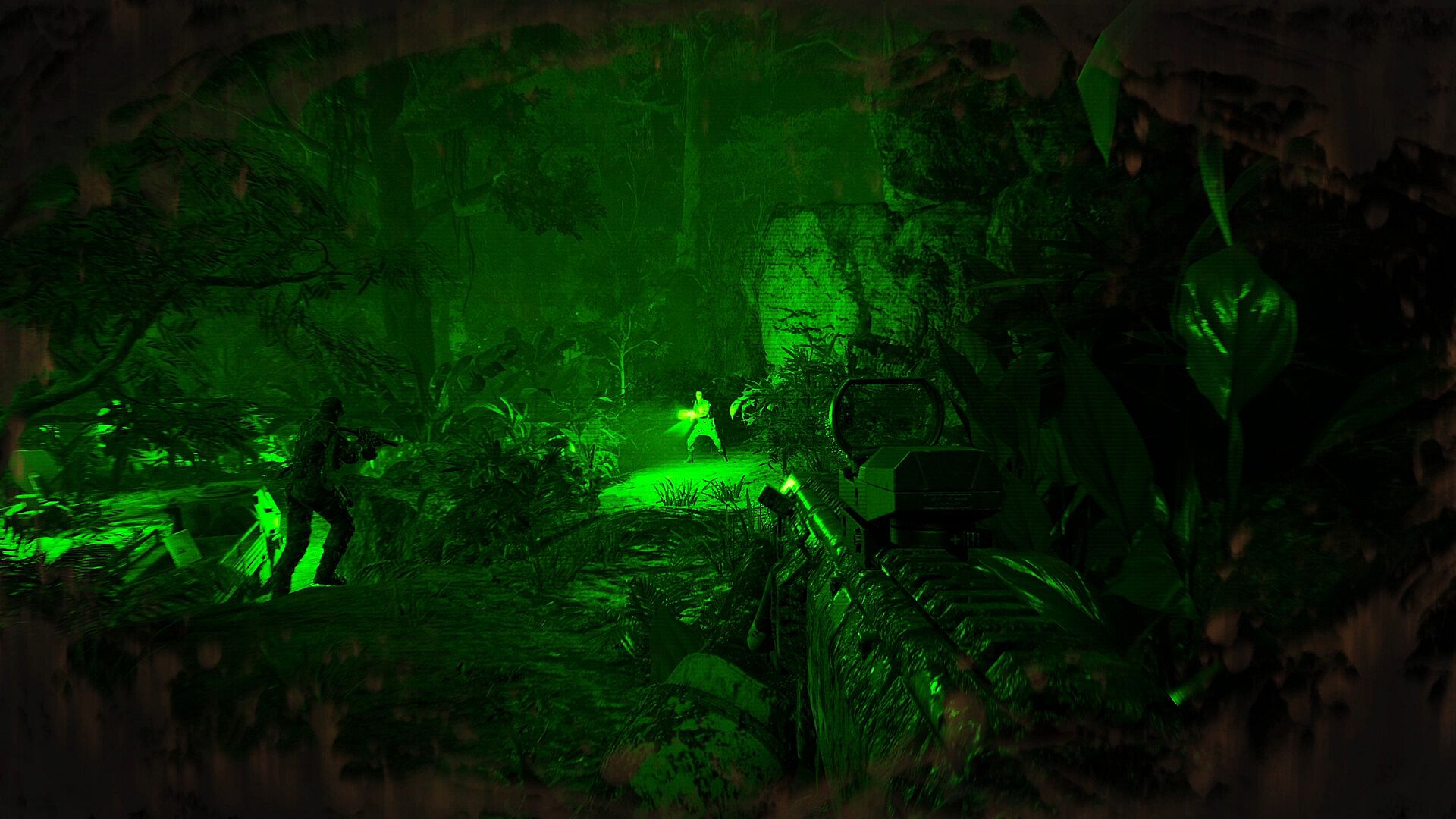
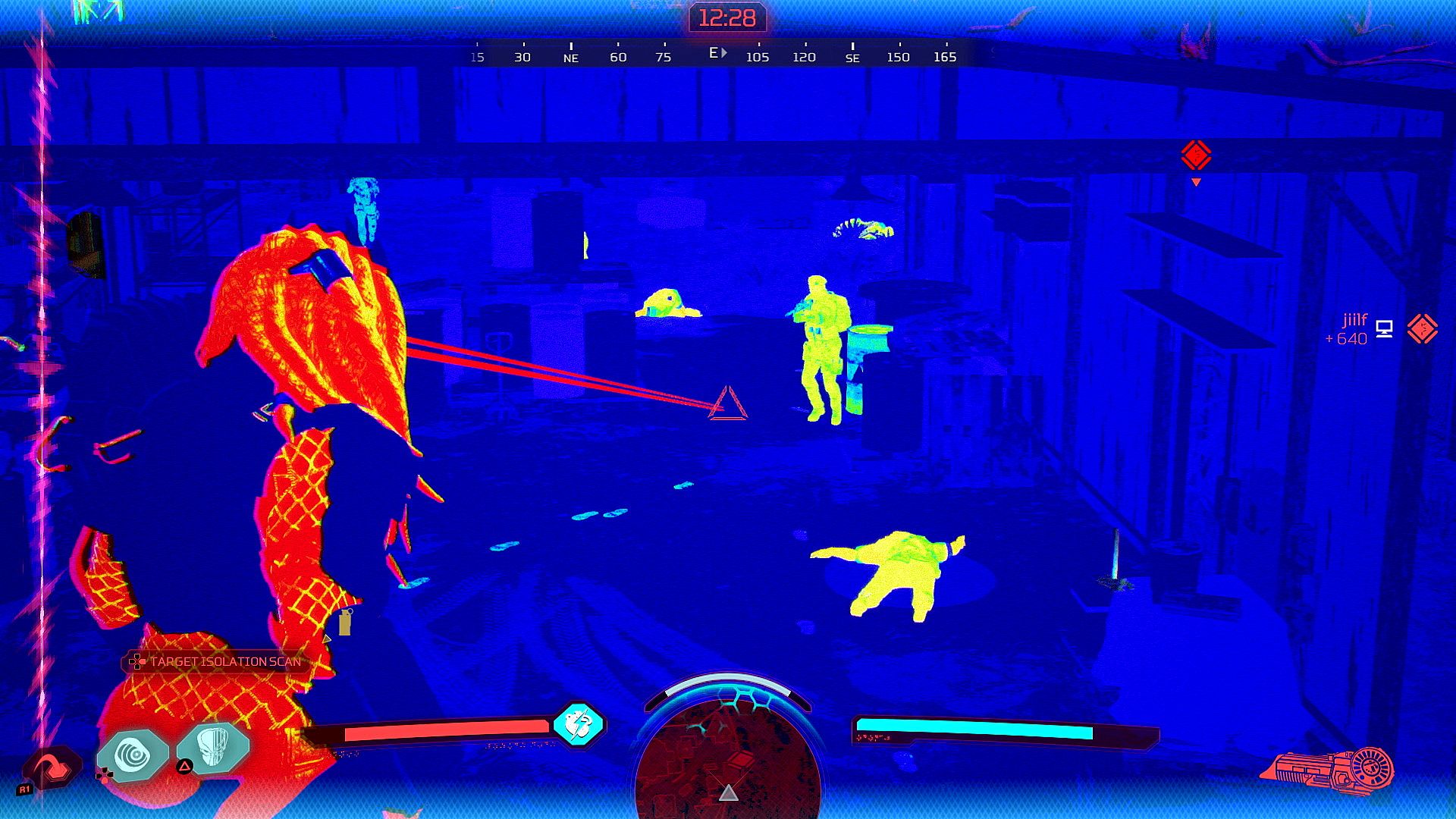
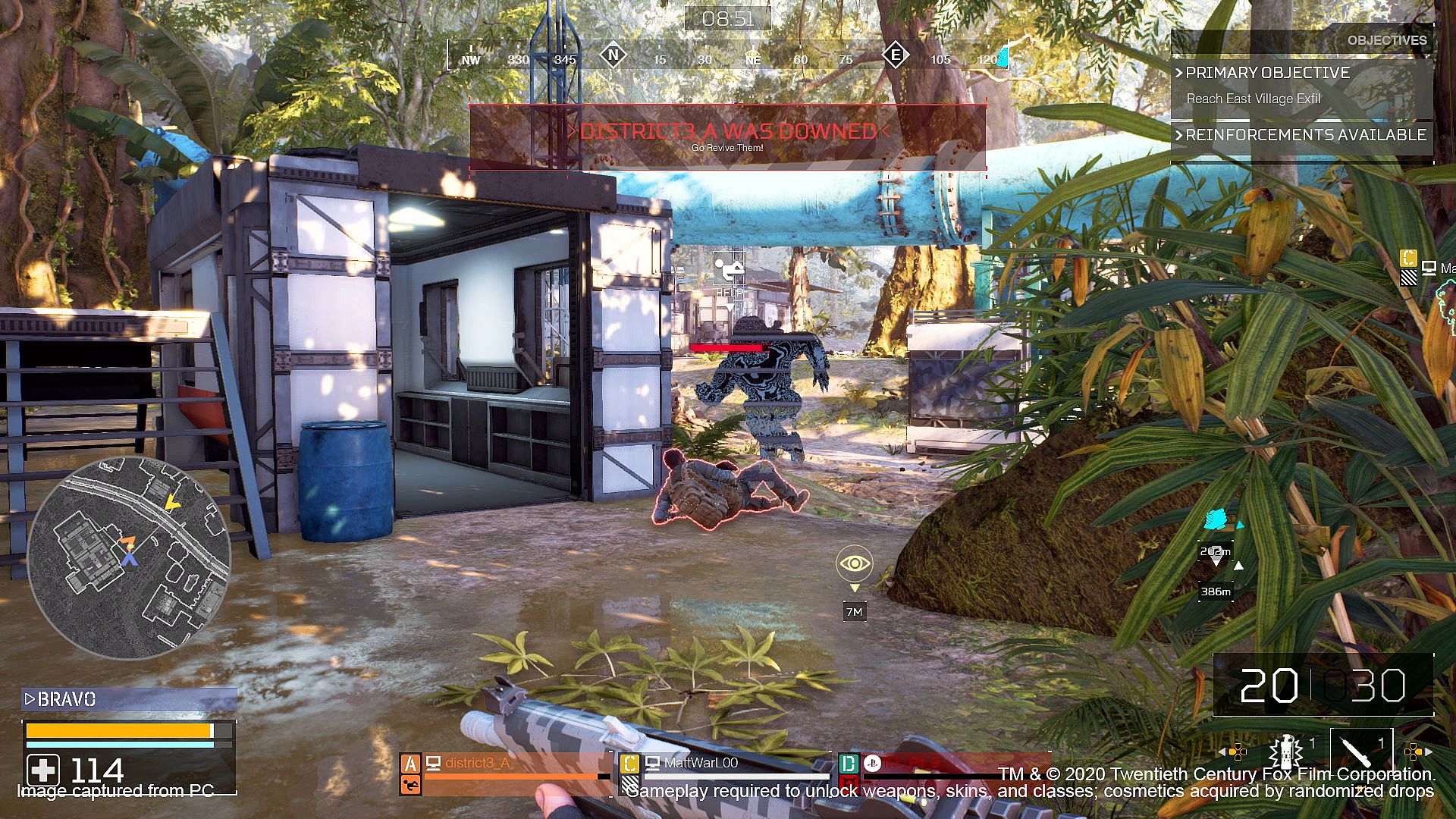
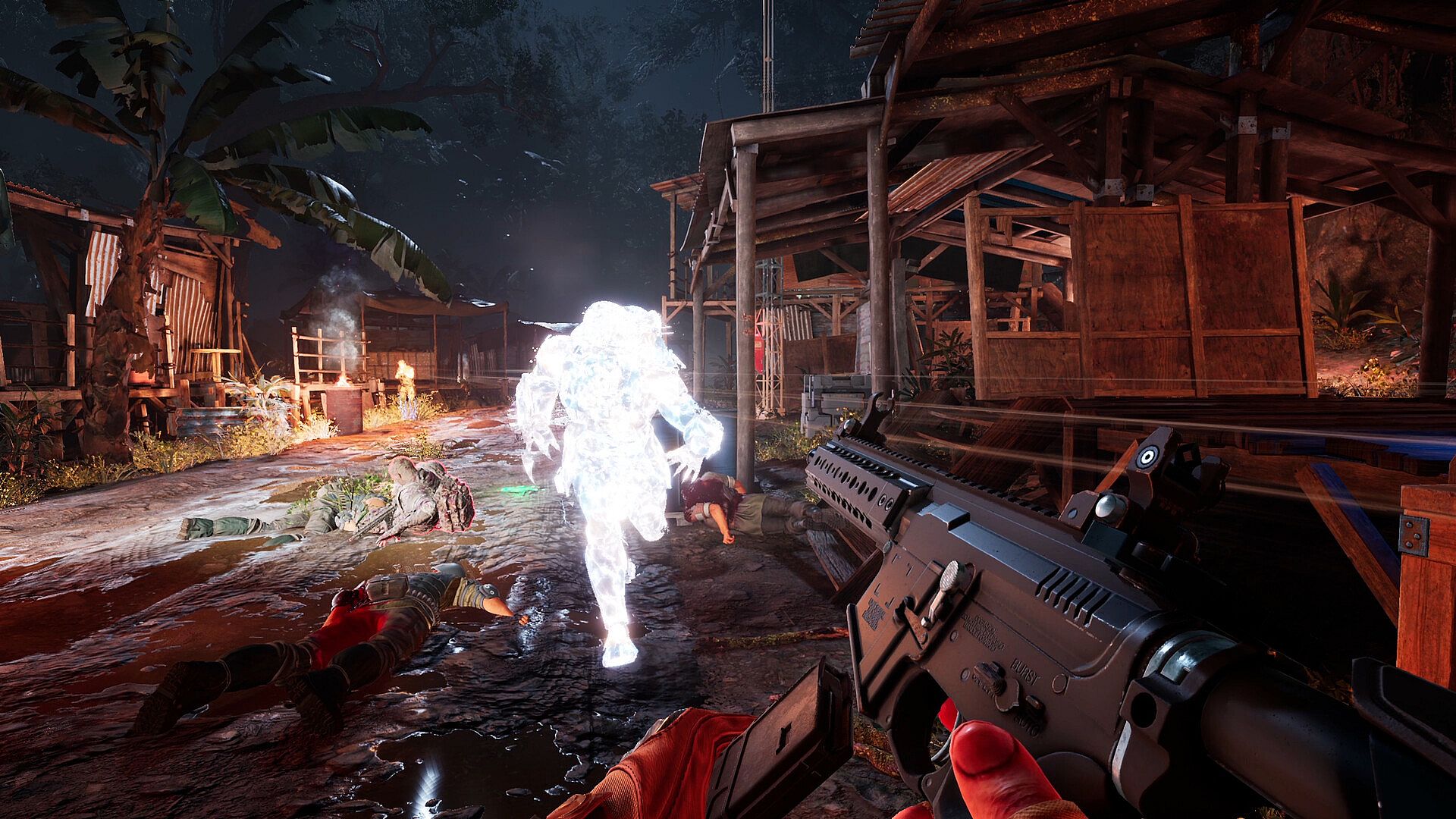
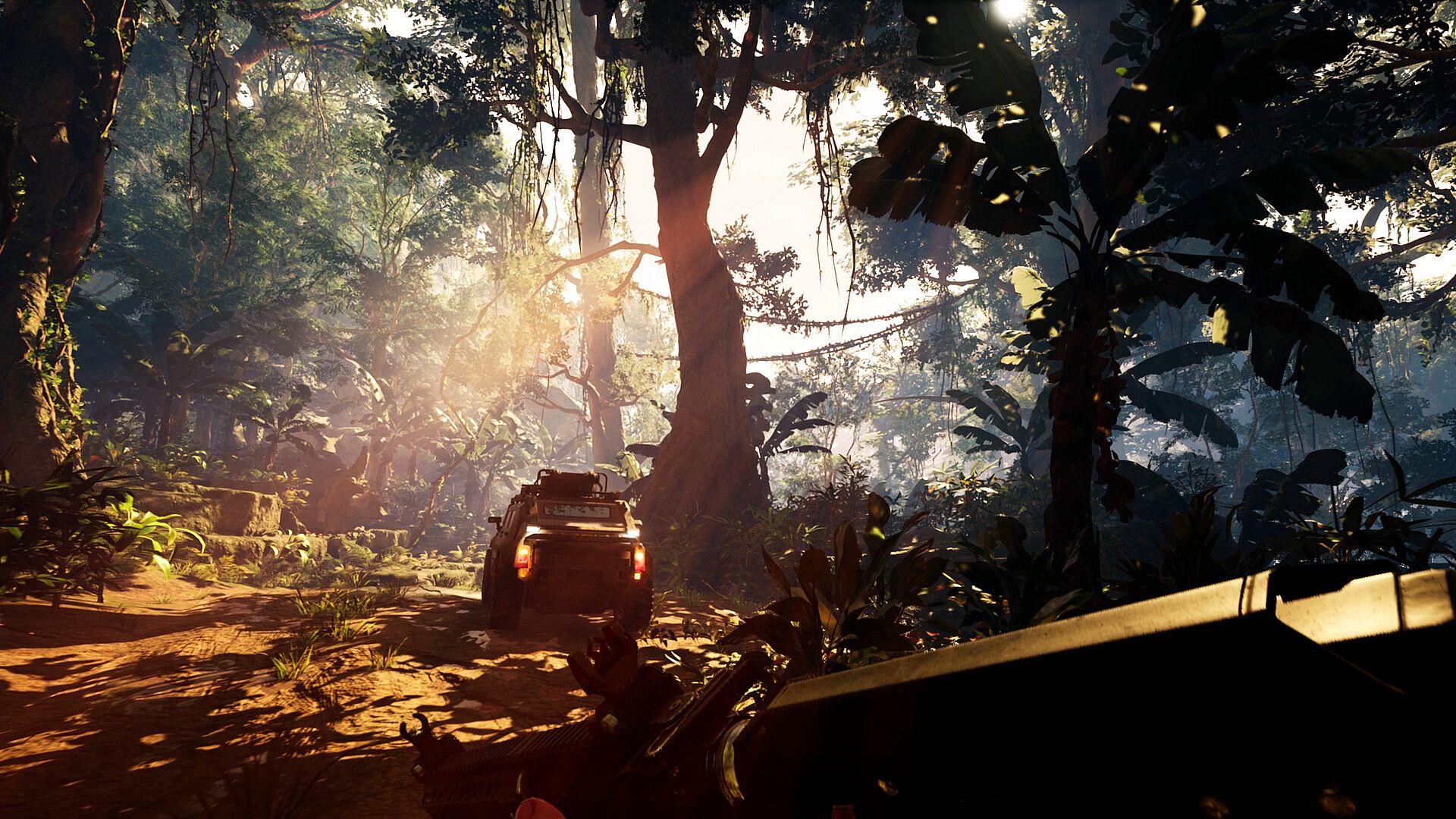
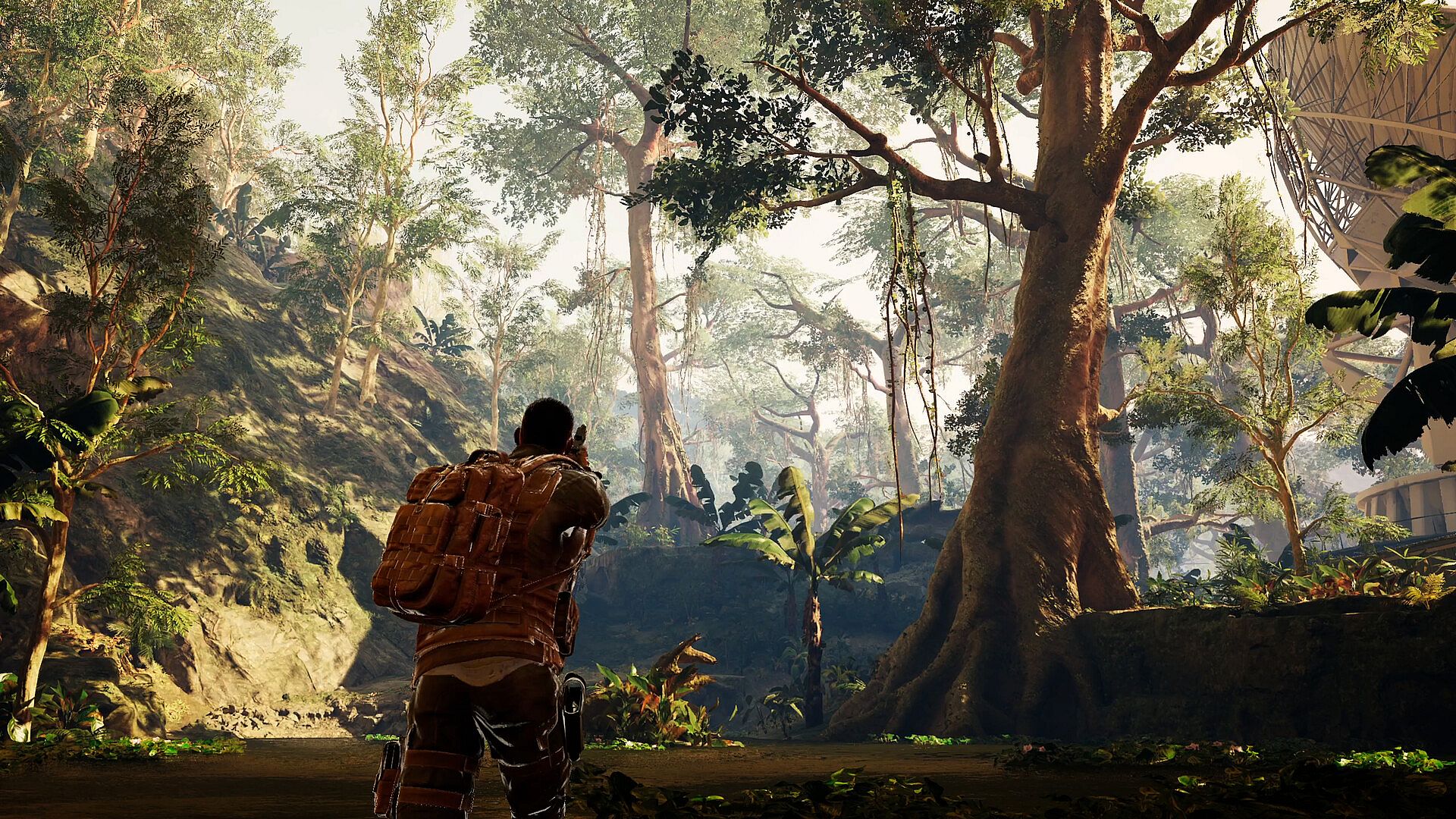
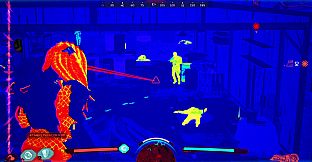
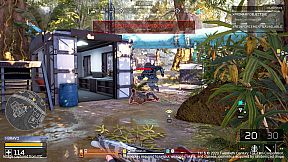
The core loop revolves around asymmetric objectives where one side controls the Predator while the opposing side operates as a coordinated Fireteam. Humans must navigate environments to fulfill mission tasks while avoiding detection and elimination. The Predator operates with superior mobility and specialized tools to track and engage targets from a distance or in close quarters. Matches emphasize stealth, positioning, and resource management on both sides, with the Predator relying on cloaking and thermal vision to locate prey and the Fireteam using coordinated movement and defensive positioning to complete goals and extract.
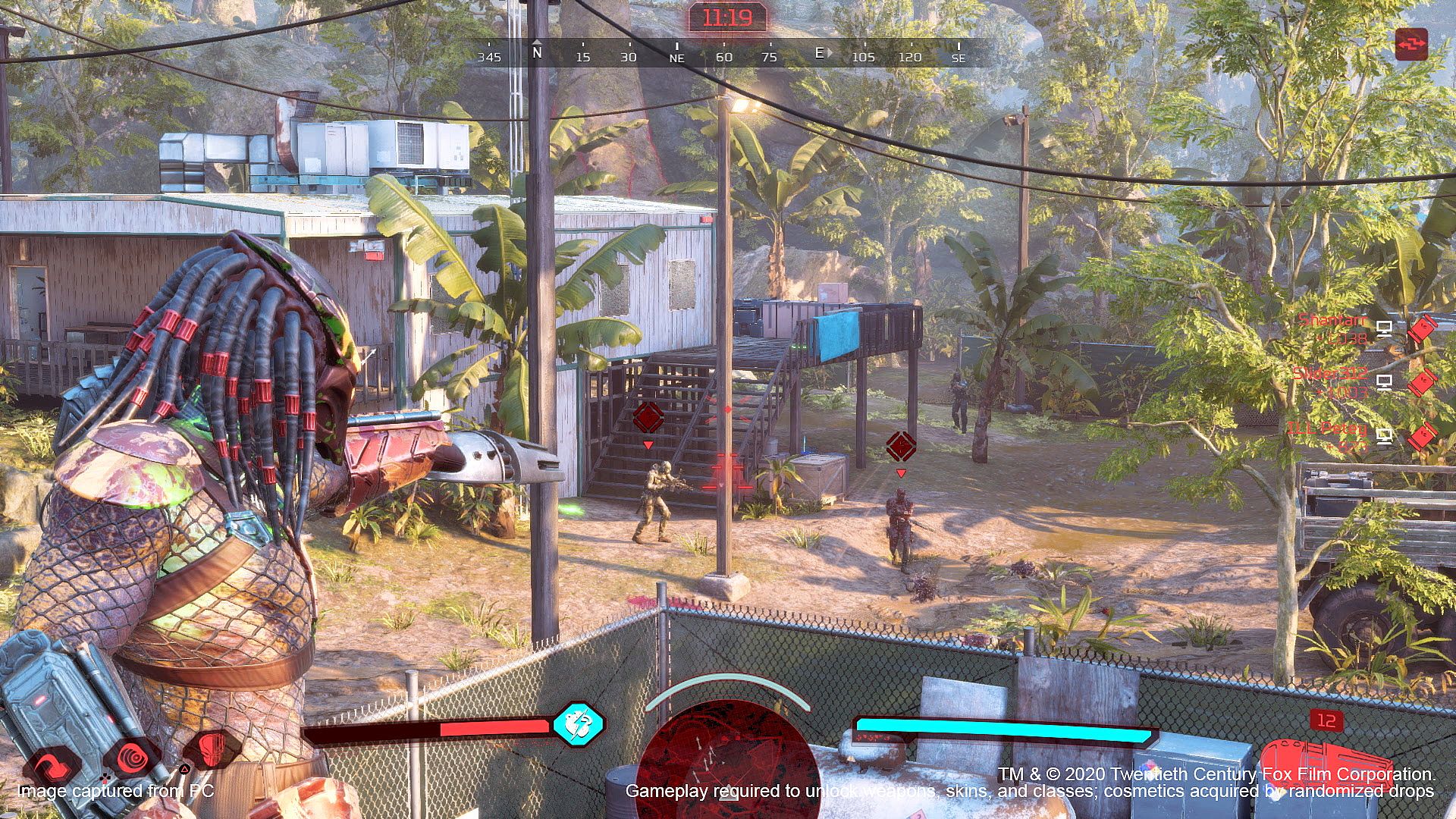
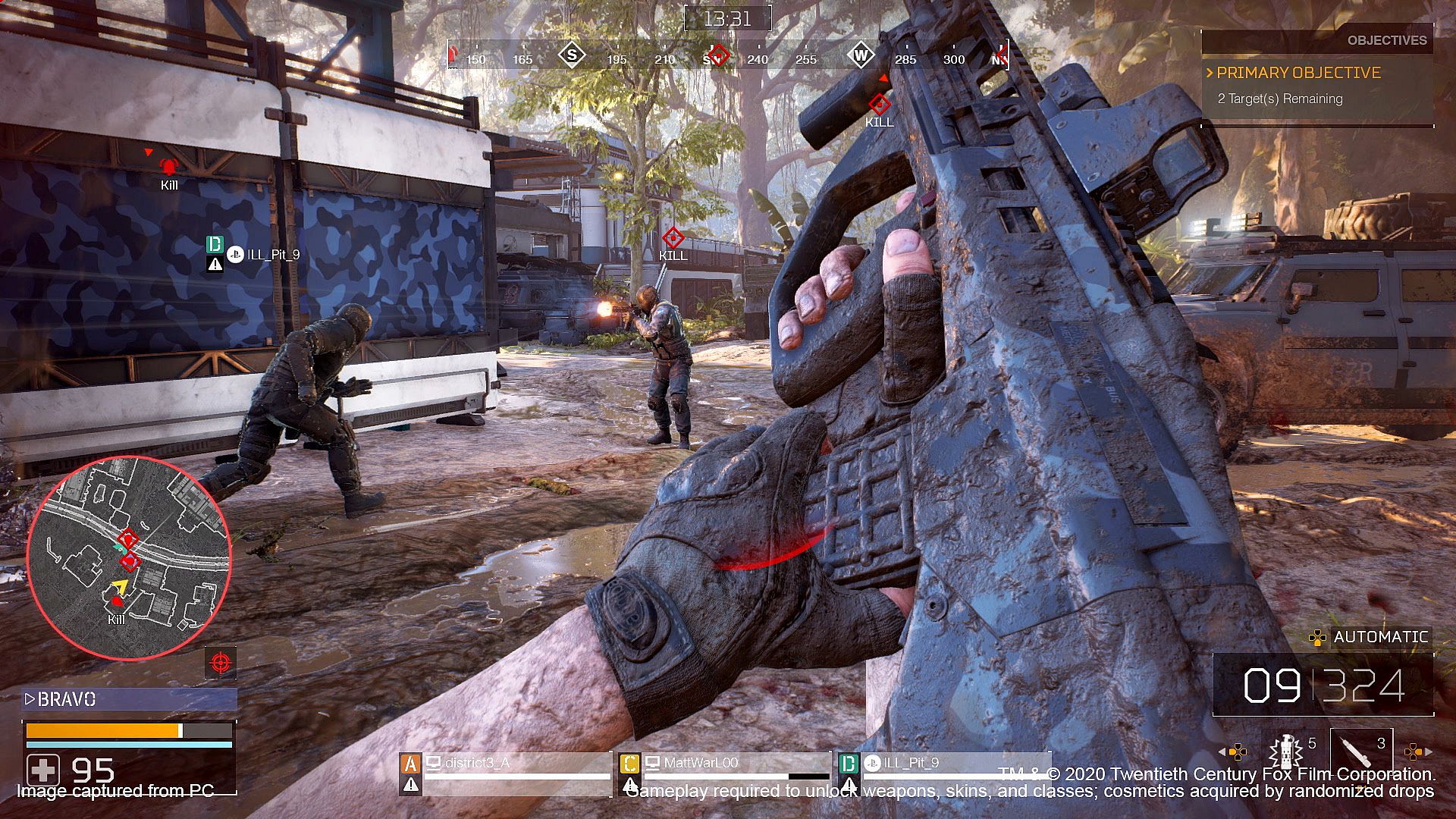
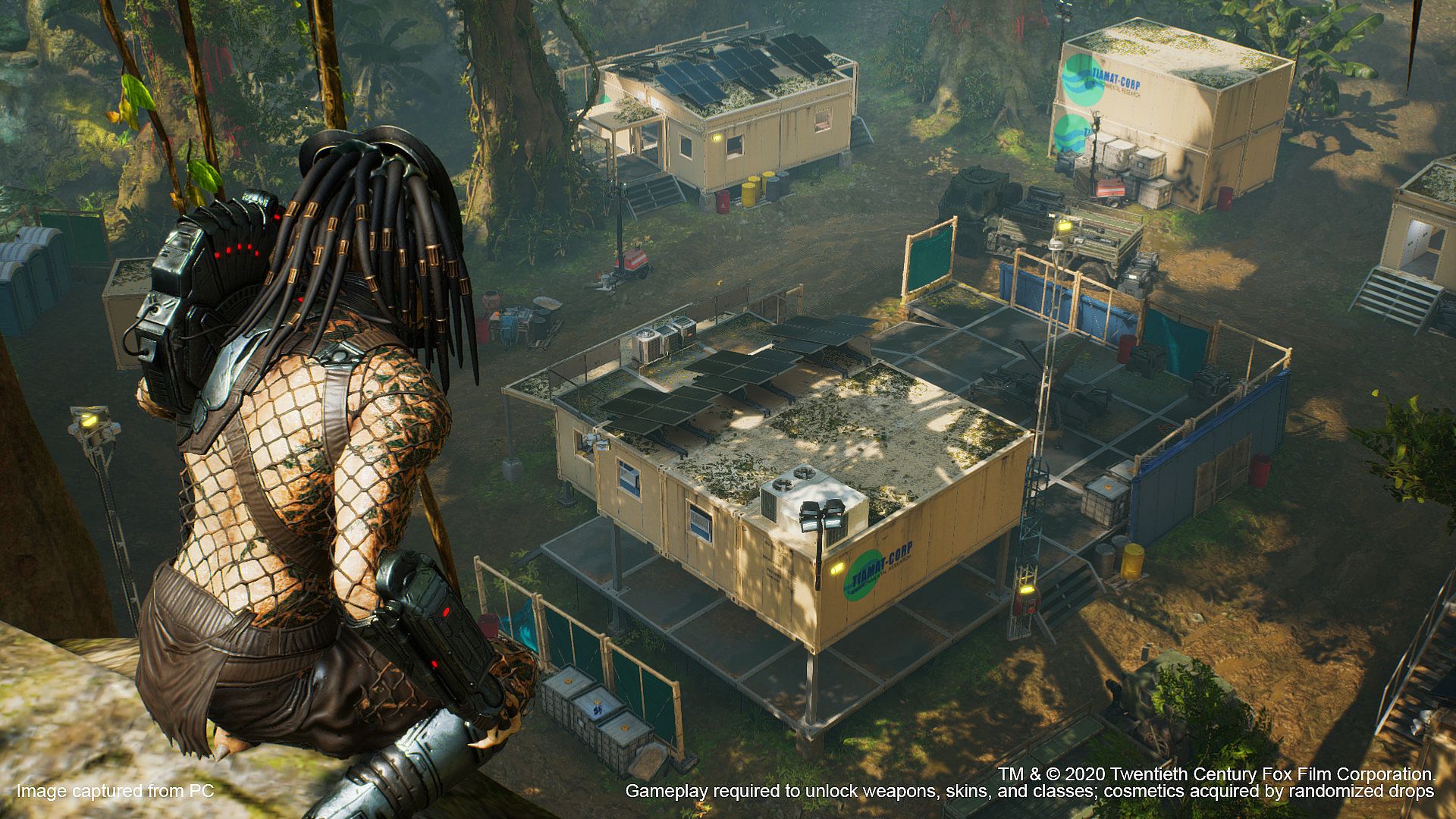
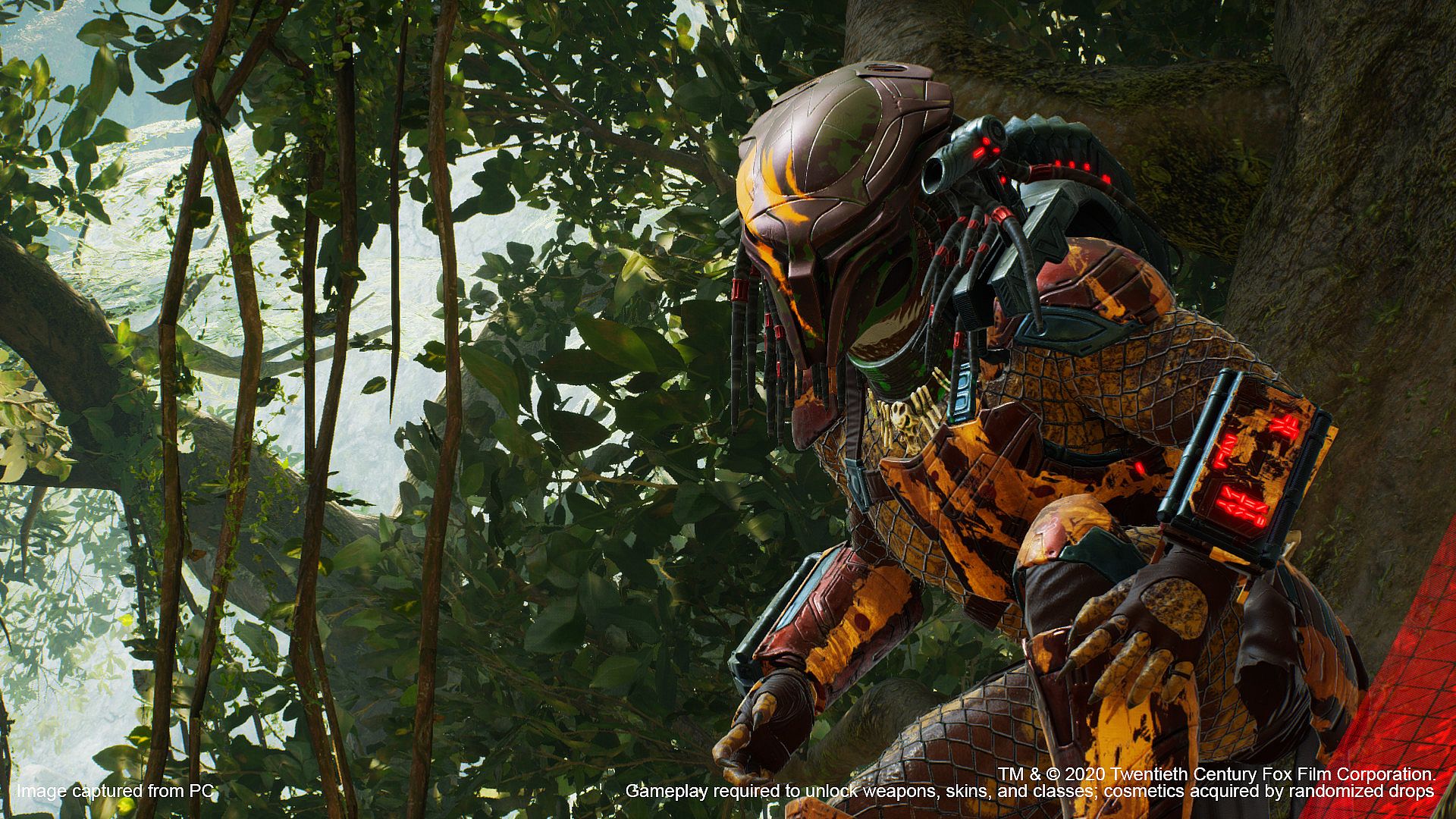
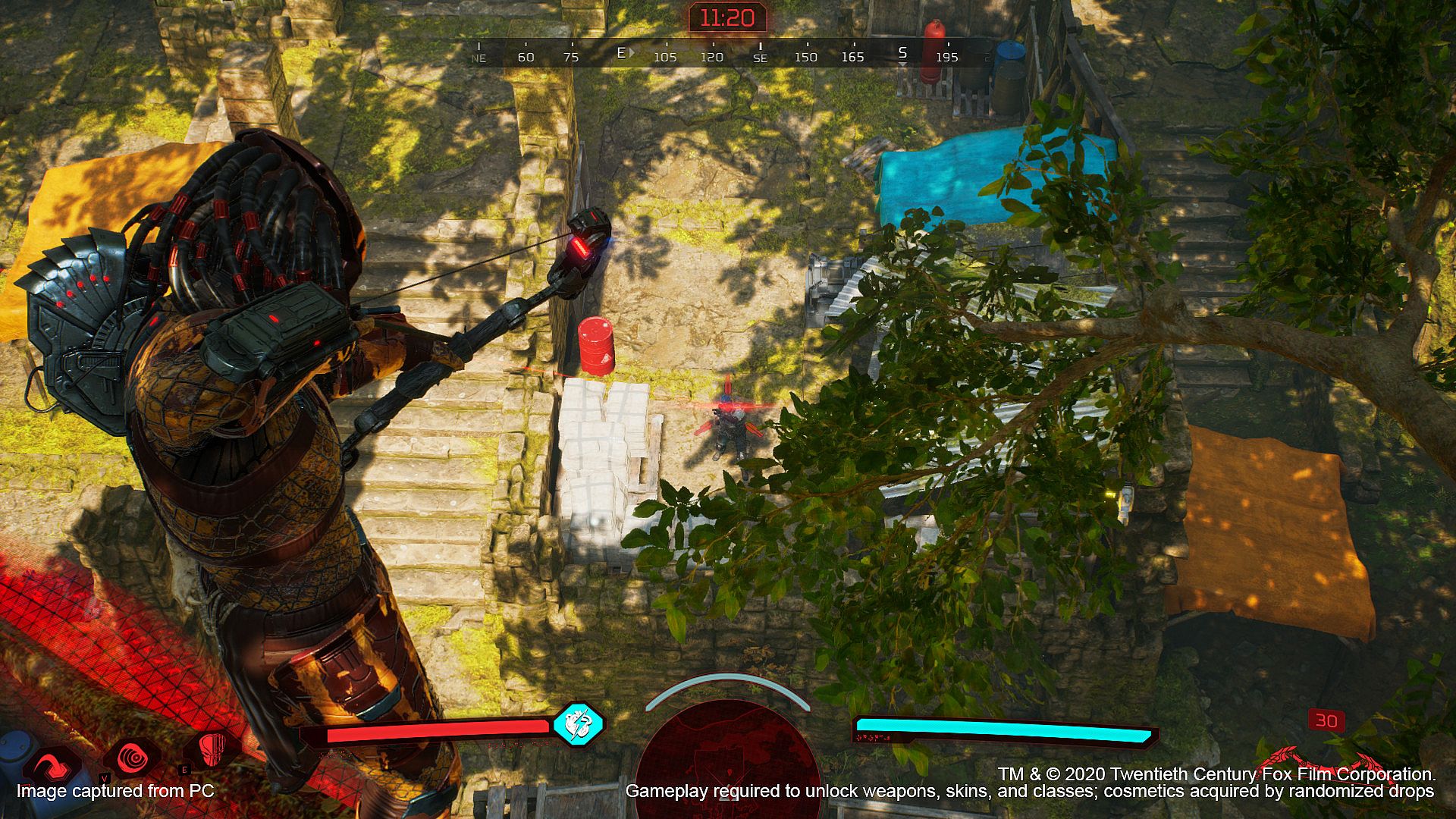
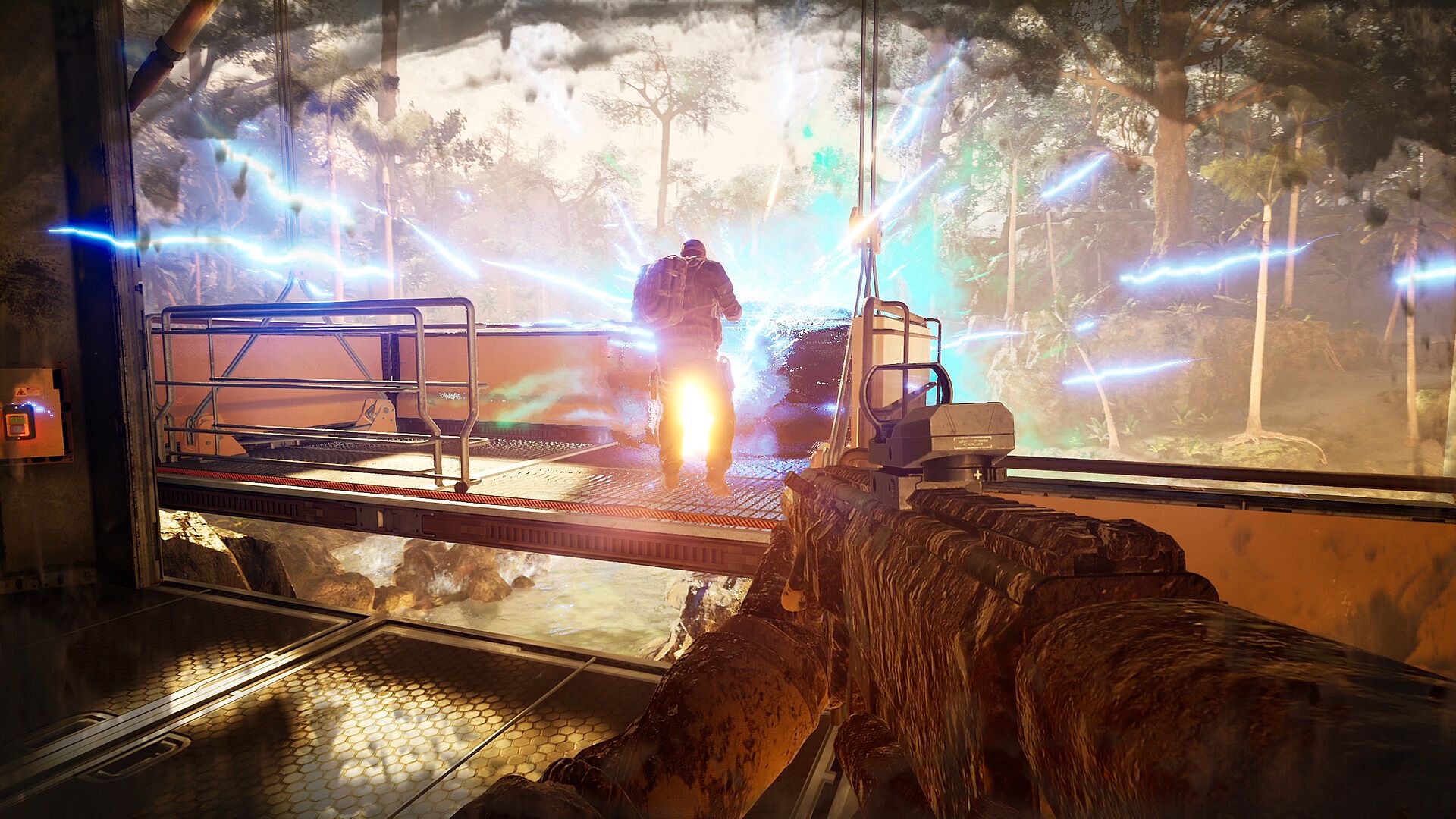
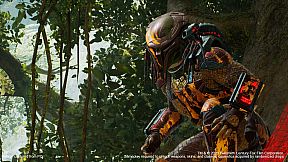
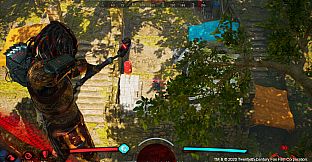
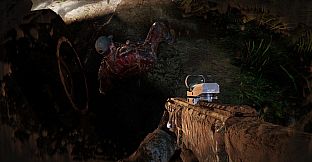
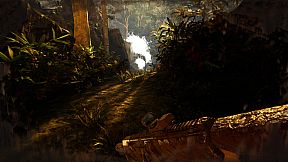
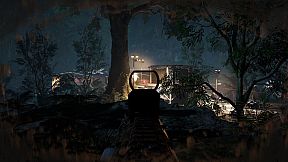
Combat mixes ranged and melee options. Fireteam members wield conventional firearms and equipment suited for group defense, while the Predator deploys alien technology including the shoulder-mounted Plasma Caster for long-range strikes and the Combistick for melee engagements. Third-person and first-person perspectives are both supported, allowing players to switch views based on preference during action sequences. Environmental awareness plays a key role, as maps contain cover, elevation changes, and objectives that influence strategy for both factions.
Game Modes
The primary experience centers on two opposing roles within the same match structure. As the Fireteam, players work in a group of four to complete a series of objectives across the map before the Predator locates and eliminates them. Success requires efficient task completion and eventual extraction, often described as reaching the extraction point or chopper. Switching to the Predator role inverts the dynamic, tasking the player with hunting the Fireteam using superior senses and weaponry to prevent mission success.
These modes operate in an asymmetrical format where balance comes from the distinct abilities and goals of each side rather than symmetric team sizes. No additional standalone modes appear in current documentation, keeping the focus on this hunter-versus-prey structure across available maps.
Weapons and Factions
Two distinct factions define the gameplay identity. The Fireteam consists of human mercenaries equipped with modern military hardware designed for suppression and objective defense. The Predator faction features advanced alien armaments that reward patient stalking and precise strikes. Key Predator tools include the Plasma Caster for projectile attacks and the Combistick for direct confrontations, creating a contrast with the Fireteam's more conventional loadouts.
Mechanics encourage adaptation, as the Predator can switch between ranged harassment and aggressive close combat while the Fireteam must manage ammunition, positioning, and team communication to counter the threat. Faction-specific strengths and weaknesses shape every encounter without crossover equipment options.
Is It Worth Playing?
Predator: Hunting Grounds delivers a focused asymmetrical multiplayer experience centered on the cat-and-mouse dynamic between Fireteam and Predator. Player reception on major platforms shows mostly positive historical feedback, though recent activity levels on PC remain low, which can extend matchmaking times and limit consistent sessions.
The game receives periodic balance updates addressing movement, weapons, and overall playability, indicating ongoing developer attention to core systems. It suits players who enjoy asymmetric multiplayer shooters with distinct role mechanics and are comfortable with smaller communities. Those seeking high population counts or frequent new content may find the current state limiting, while fans of the Predator concept and tactical hunter gameplay can still find engaging matches when servers are populated.
Availability on PC provides straightforward access for those interested in the verified mechanics without additional barriers. The title remains a niche option best approached with realistic expectations about player numbers and match frequency.