


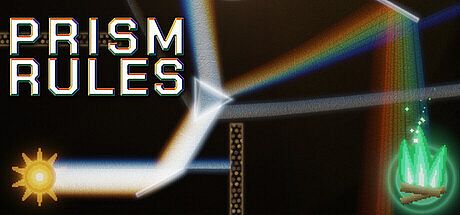


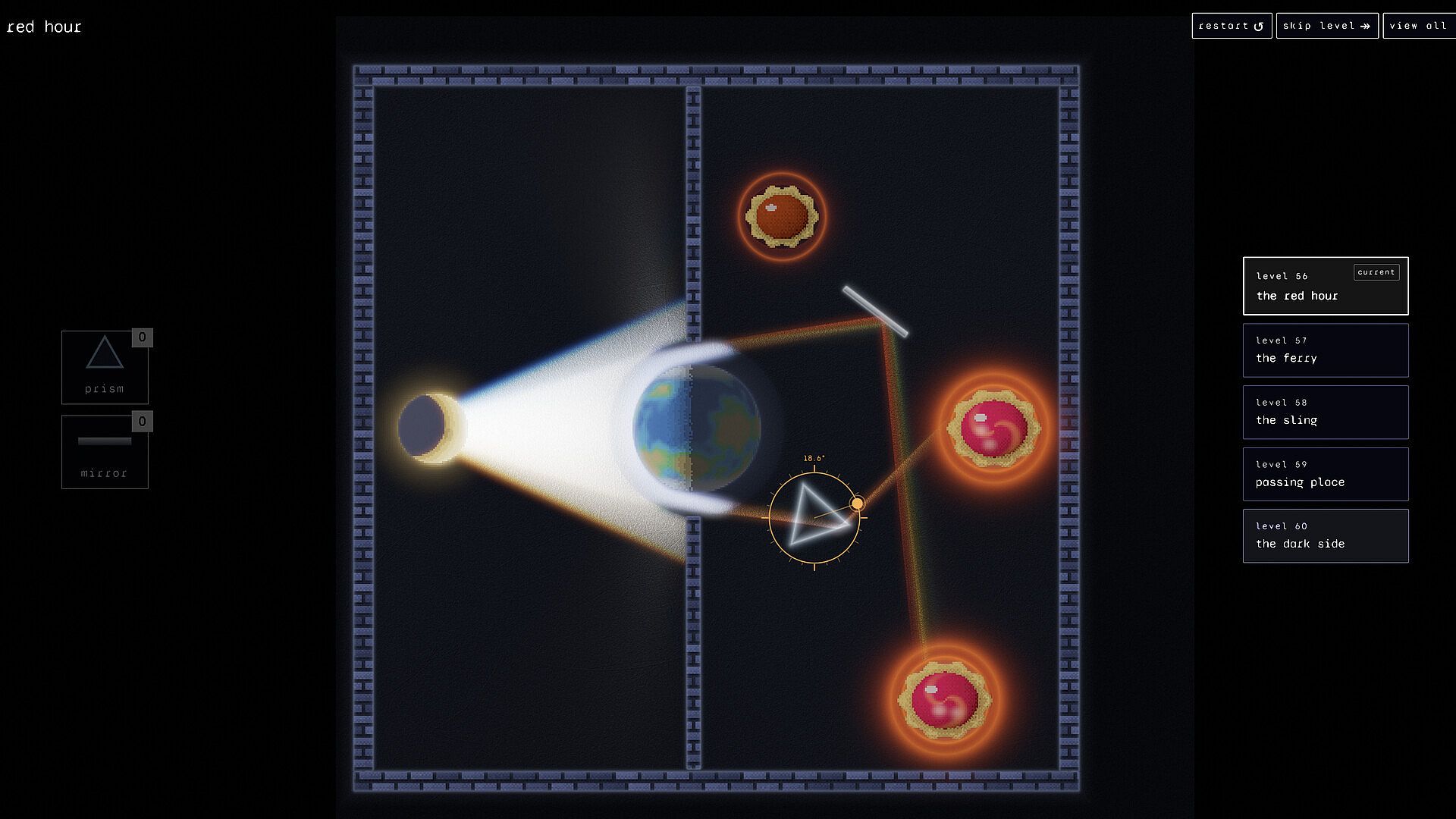
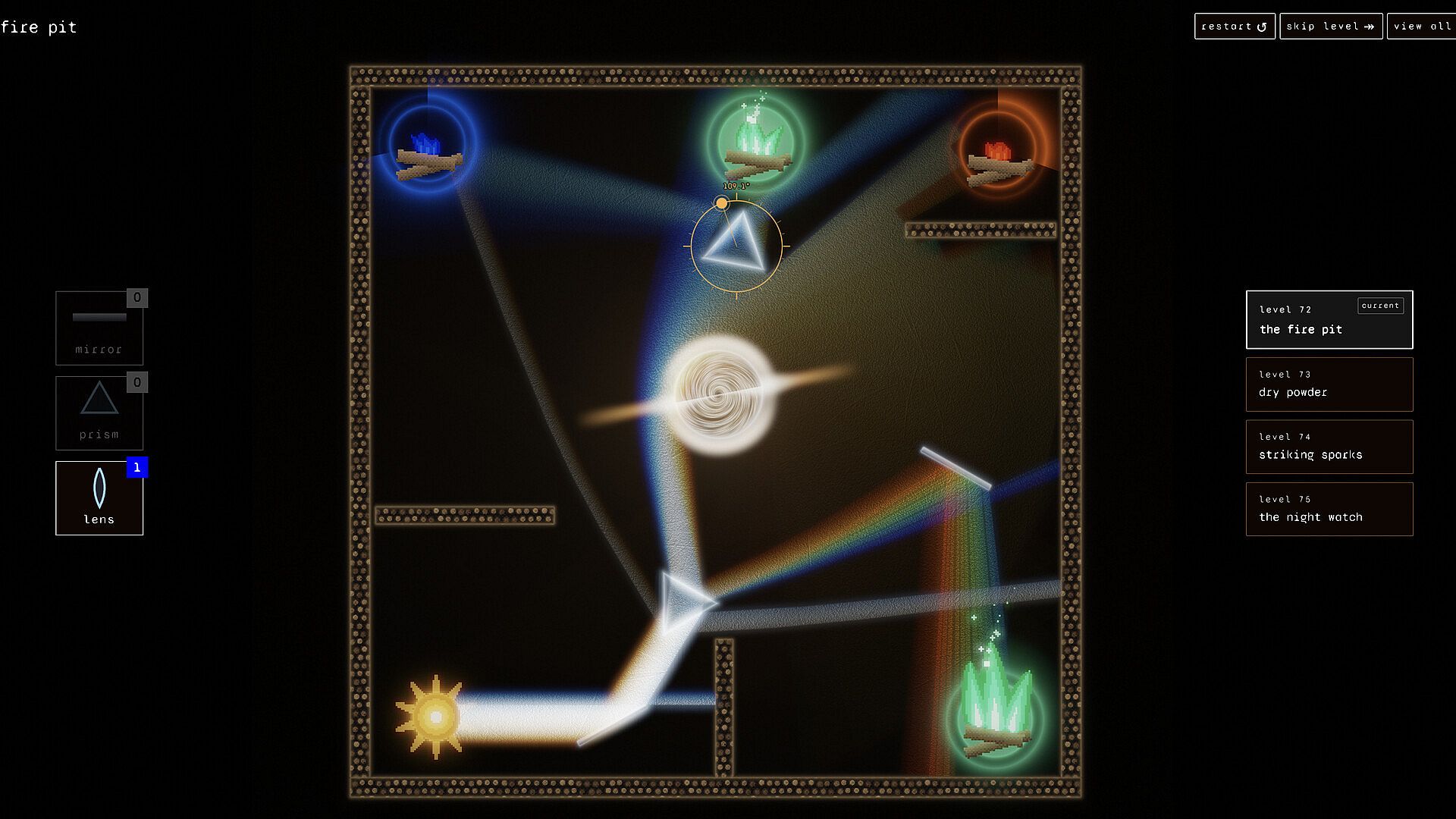
Prism Rules stands out as a strategy indie casual puzzle game centered on light manipulation. Players guide beams through intricate setups on PC and browser platforms by positioning optical tools to reach designated goals. The experience emphasizes thoughtful problem solving over speed or reflexes.
Gameplay
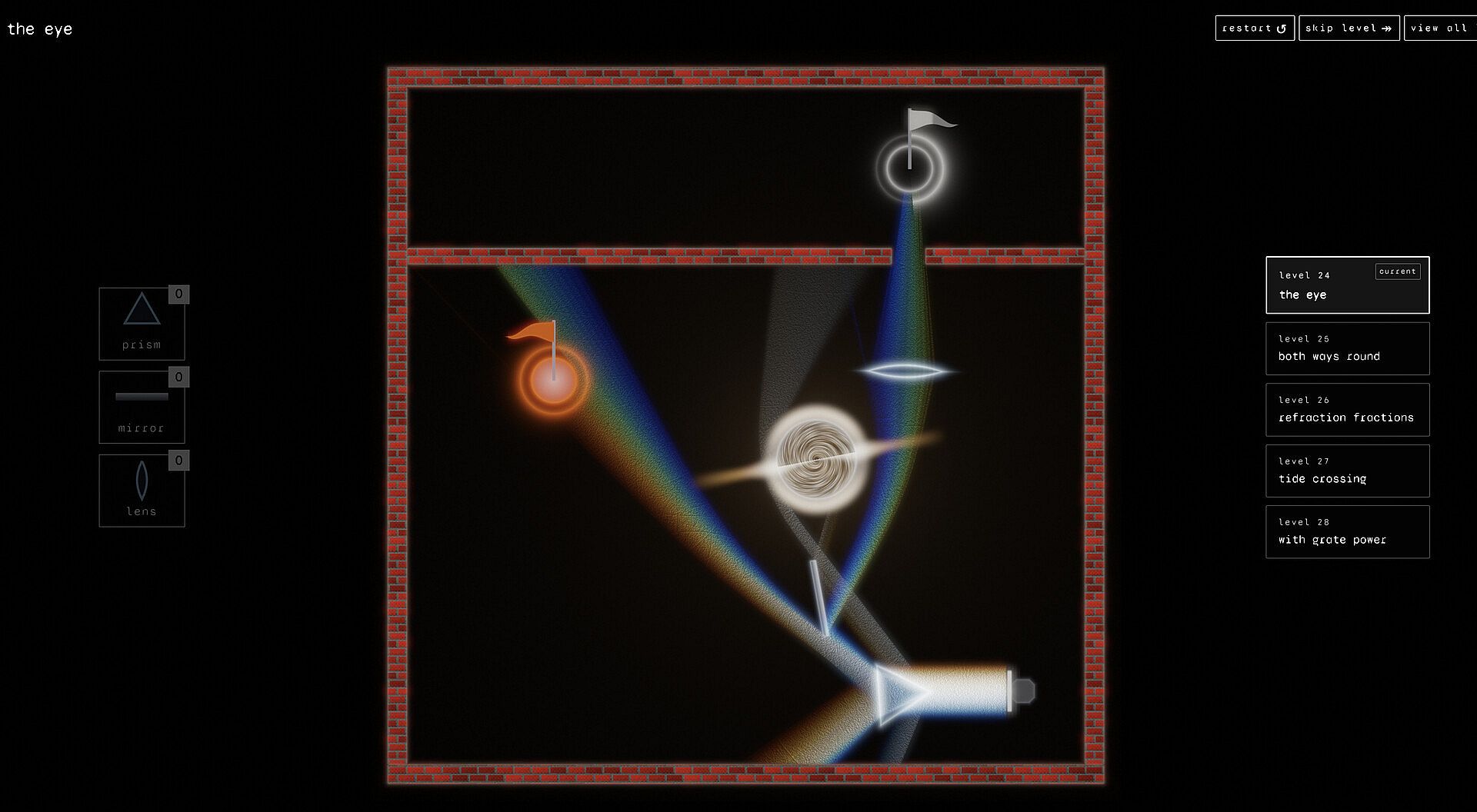
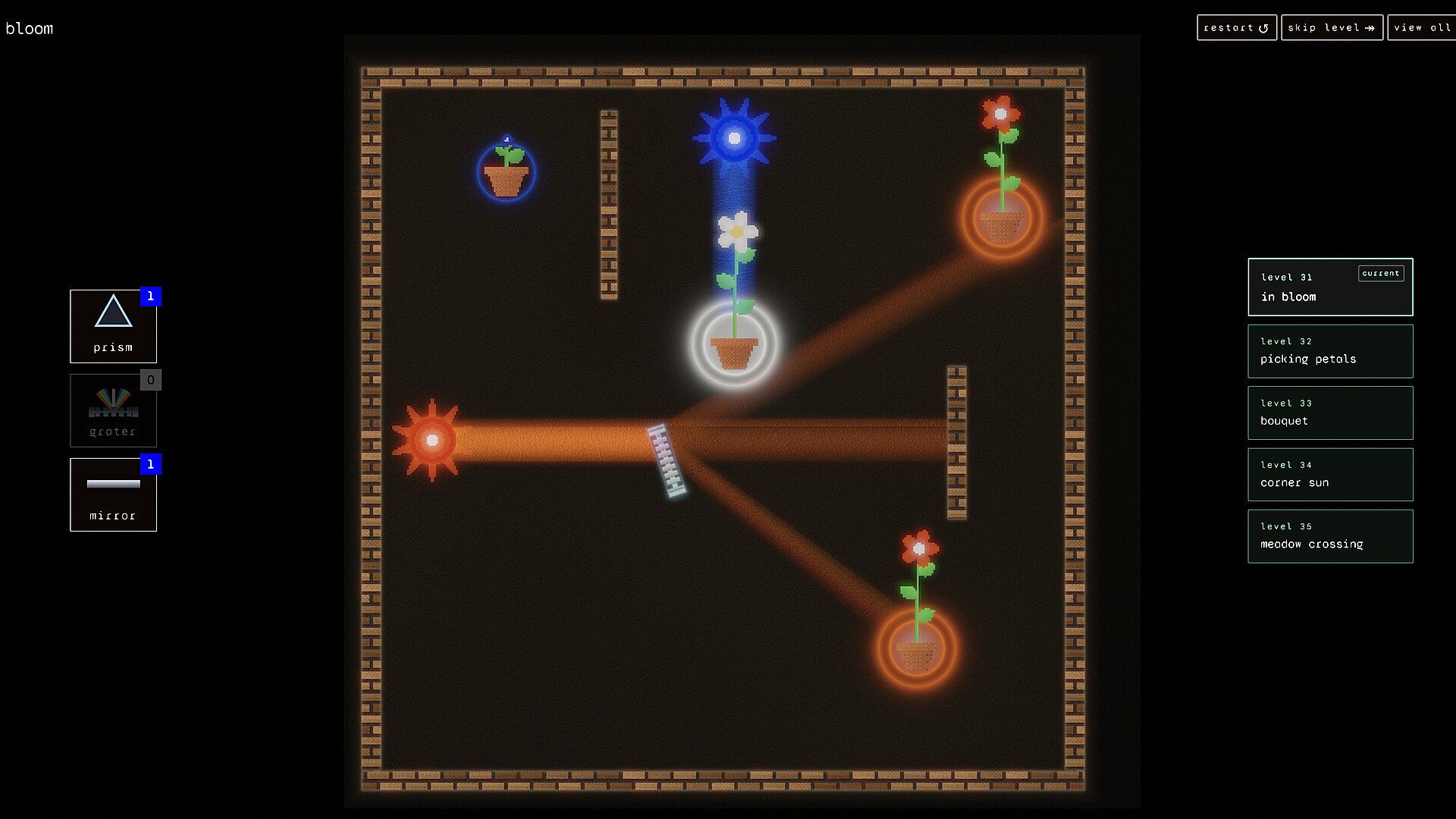
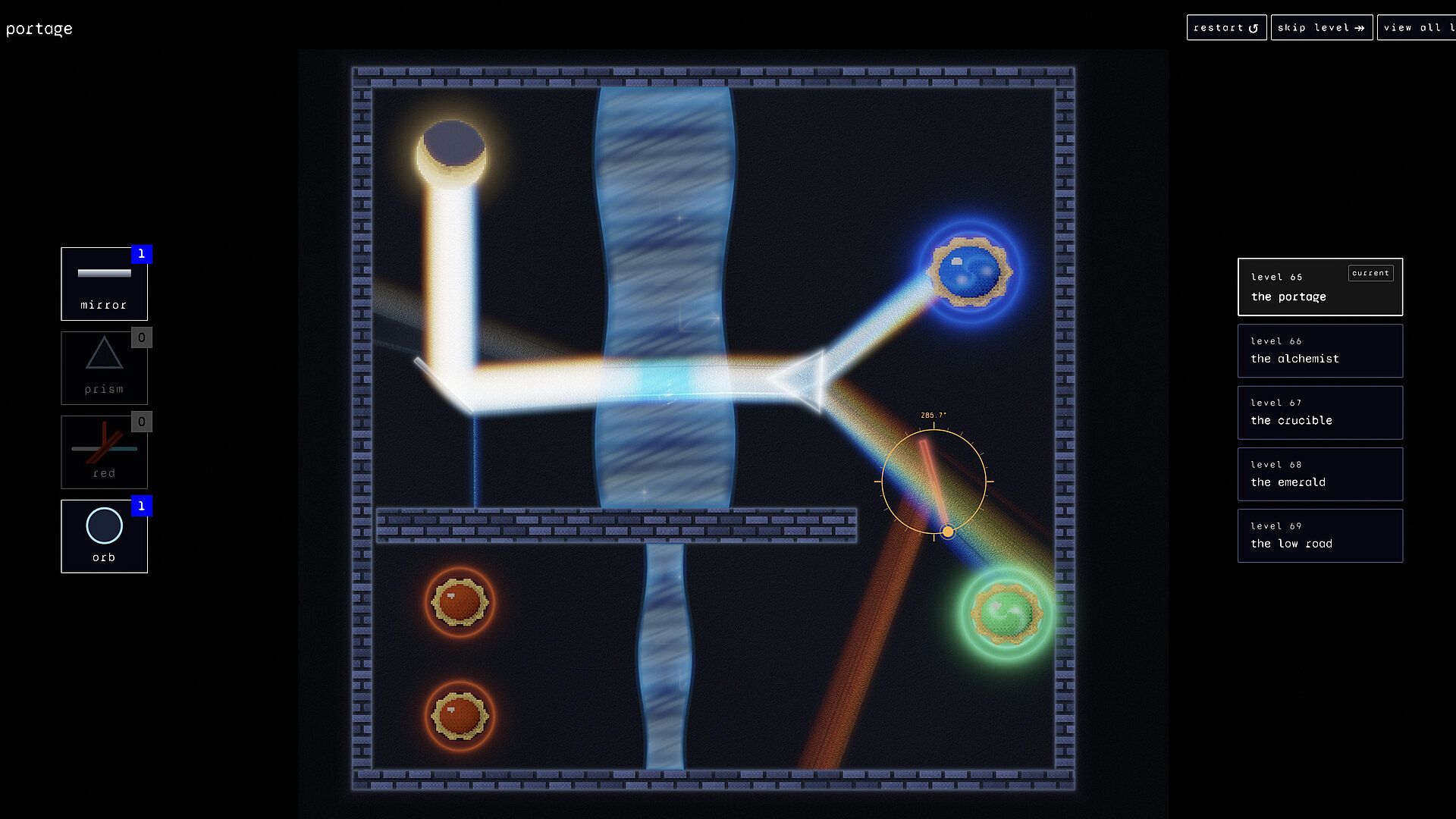
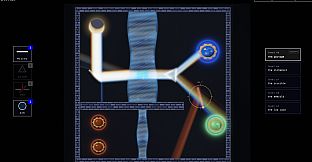
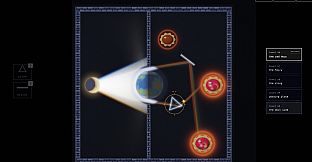
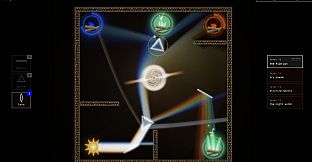
The core loop involves placing and adjusting mirrors, prisms, lenses, splitters, and other pieces to direct and modify light paths. Beams reflect off surfaces, refract through transparent materials, and disperse into spectral colors when passing through prisms or gratings. White light splits into a visible rainbow under the simulation's physics model. Additional elements like orbs and diffraction gratings expand the options for bending or altering trajectories. Certain stages introduce black holes that absorb or redirect light and water features that influence beam behavior differently. Progress requires experimenting with combinations until the light reaches every target without errors. The absence of timers allows repeated adjustments and observation of how pieces interact in real time.
Mechanics build gradually across the campaign. Early puzzles focus on basic reflection and redirection. Later ones demand precise splitting of beams, management of multiple paths, and accounting for physical effects like refraction angles. The simulation runs continuously, showing immediate results from each placement or rotation. This setup rewards careful observation and incremental refinement rather than trial and error alone.
Game Modes
Prism Rules operates entirely in single player format with no competitive or cooperative options. The primary experience consists of a sequential campaign divided into themed worlds. Each world presents a distinct visual and mechanical flavor while maintaining the same light guiding objective. Players advance by completing individual levels, with progress saved automatically between sessions. There are no alternate modes such as time trials, endless challenges, or versus play. The structure stays focused on the campaign's 100 levels spread across five world designs.
Level Progression and Design
Levels increase in complexity as players move through the five worlds. Initial stages introduce core tools and simple alignments. Subsequent ones layer in splitting requirements, environmental hazards, and multi step solutions. The design encourages reuse of earlier techniques in new contexts while introducing fresh optical interactions. Realistic physics govern every beam, so small angle changes produce noticeable shifts in path and color. Completion of each puzzle unlocks the next, creating a steady sense of advancement without external pressure.
Is It Worth Playing?
Prism Rules suits players who enjoy relaxed, logic driven puzzles that reward patience and spatial reasoning. The lack of timers or failure penalties makes it accessible for casual sessions or longer focused attempts. Those drawn to optical mechanics and physics based challenges will find consistent depth as levels incorporate more advanced refraction and splitting tasks. The game remains in active development with additional content planned at no extra cost after purchase. Its straightforward single player structure and emphasis on clever placement rather than speed or combat deliver a focused experience for strategy and indie puzzle fans. If the concept of guiding light through mirrors and prisms appeals, the title provides a clean, uninterrupted outlet for that interest.












