










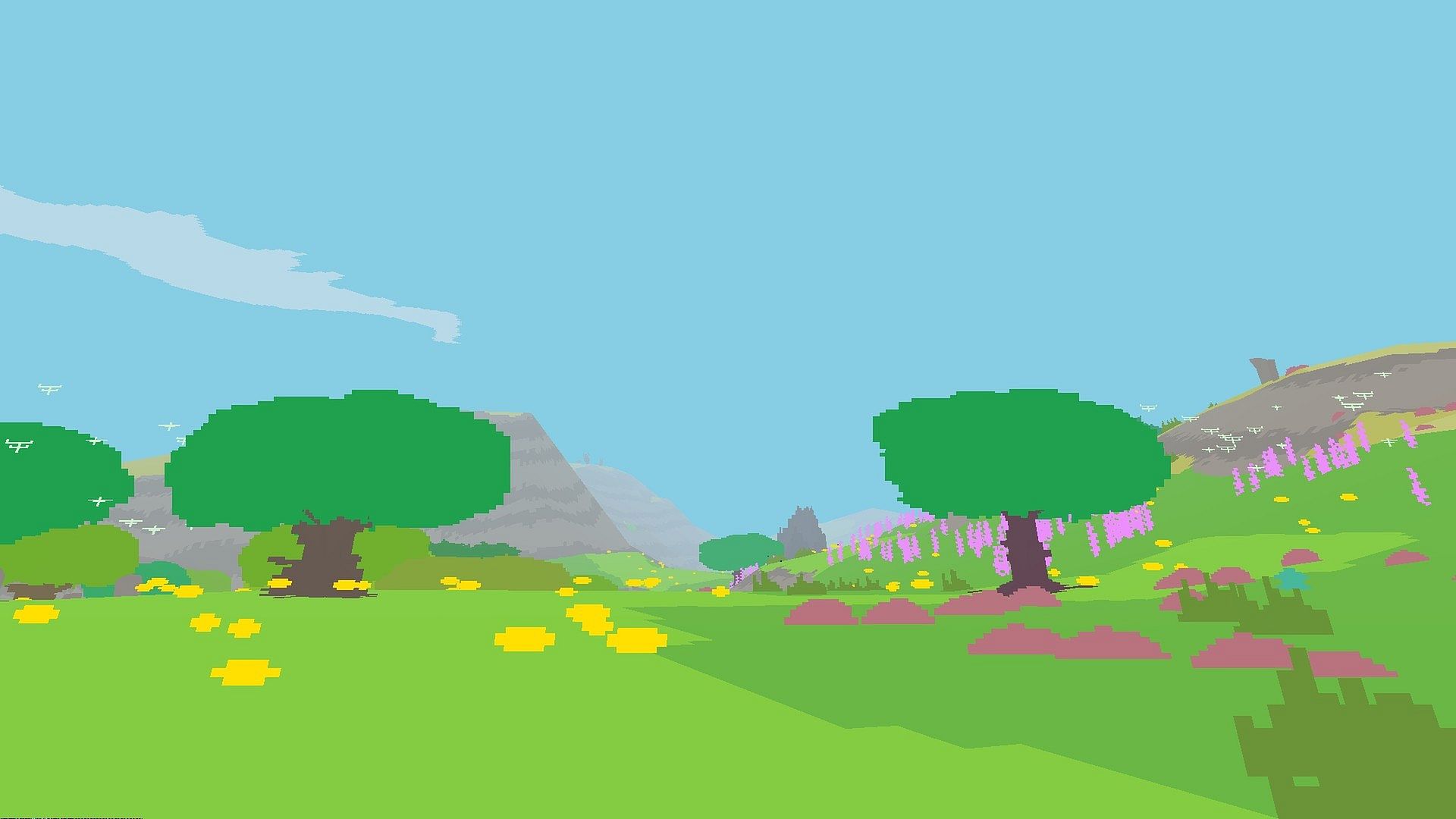
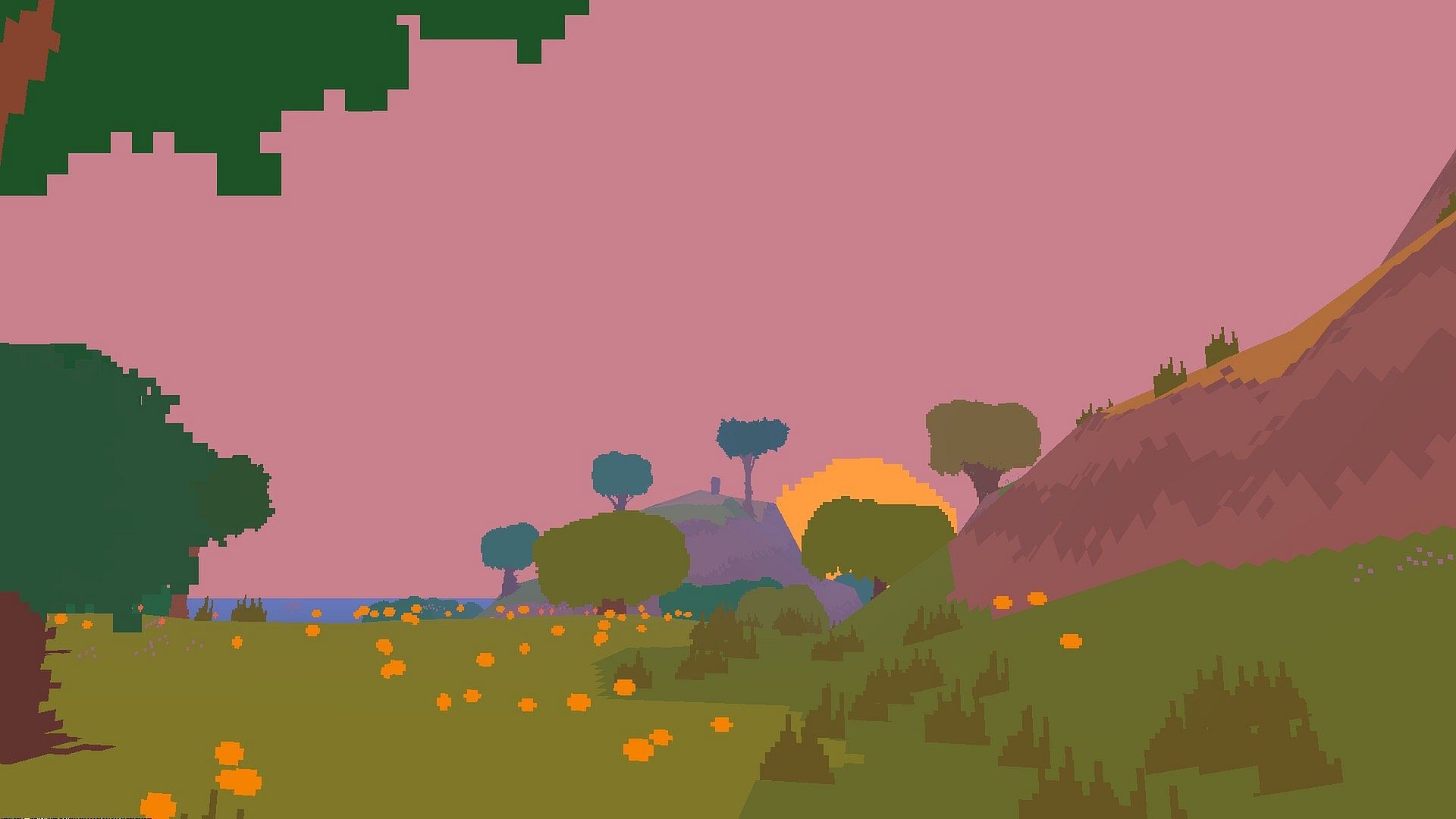
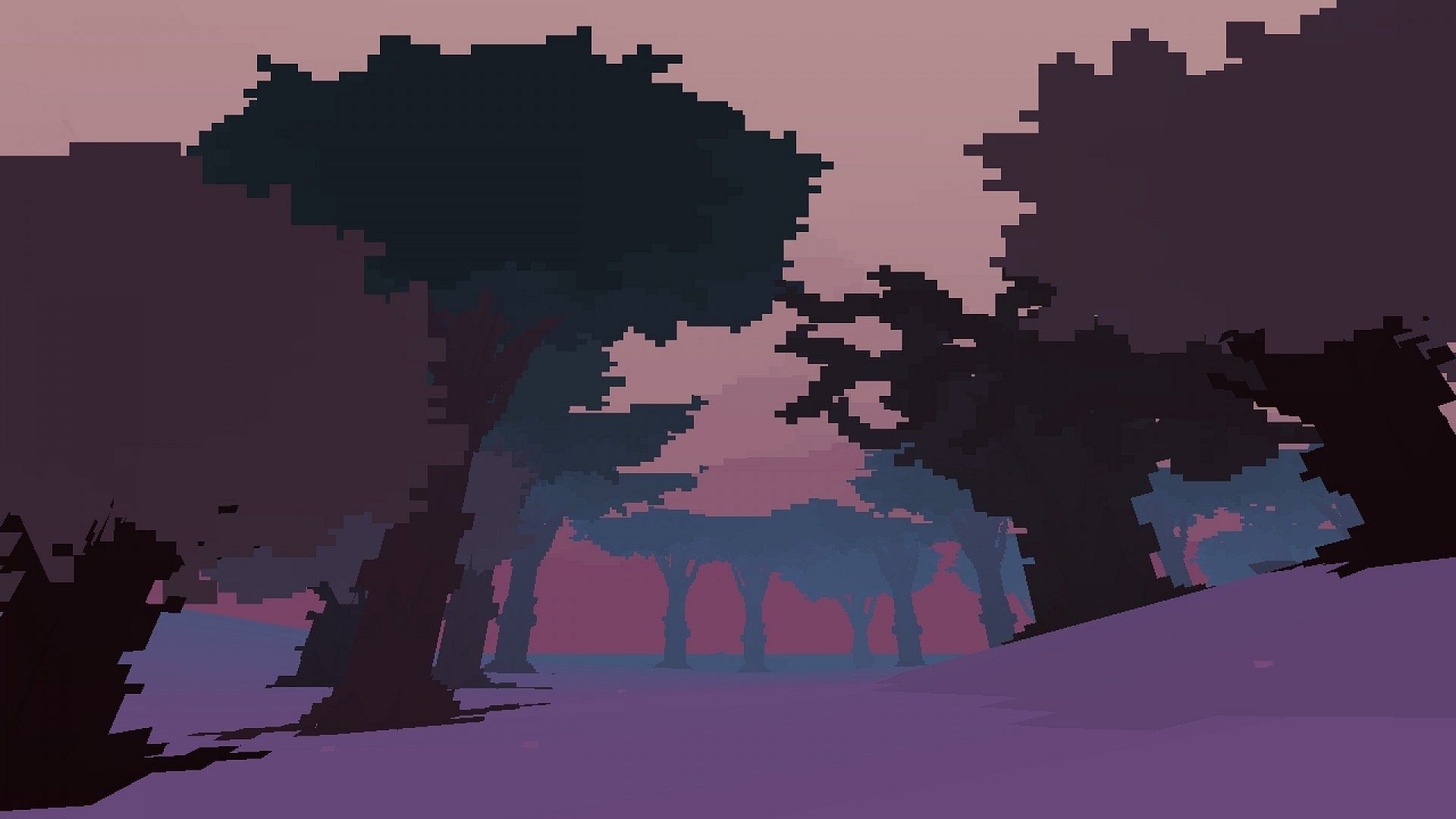
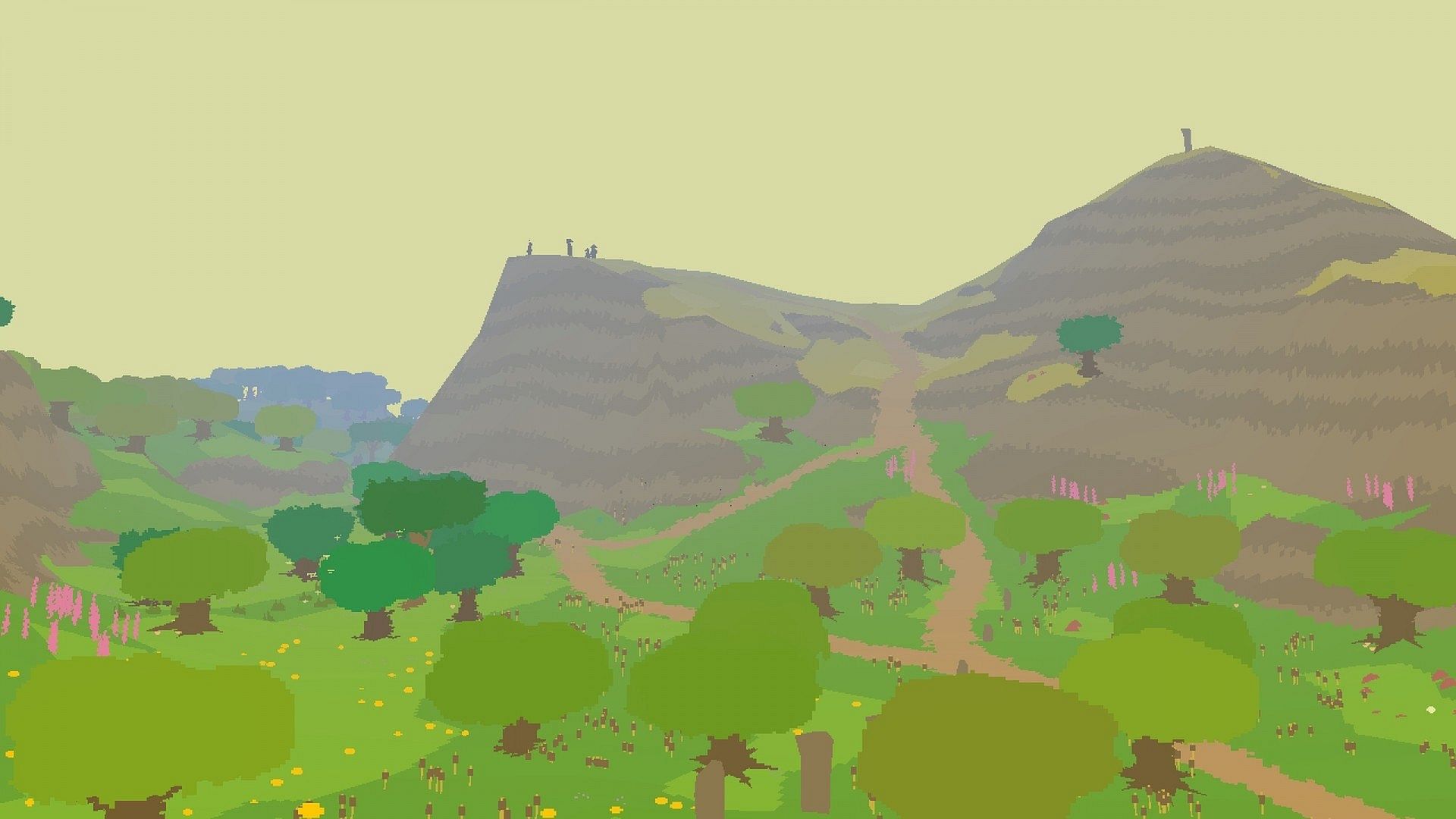
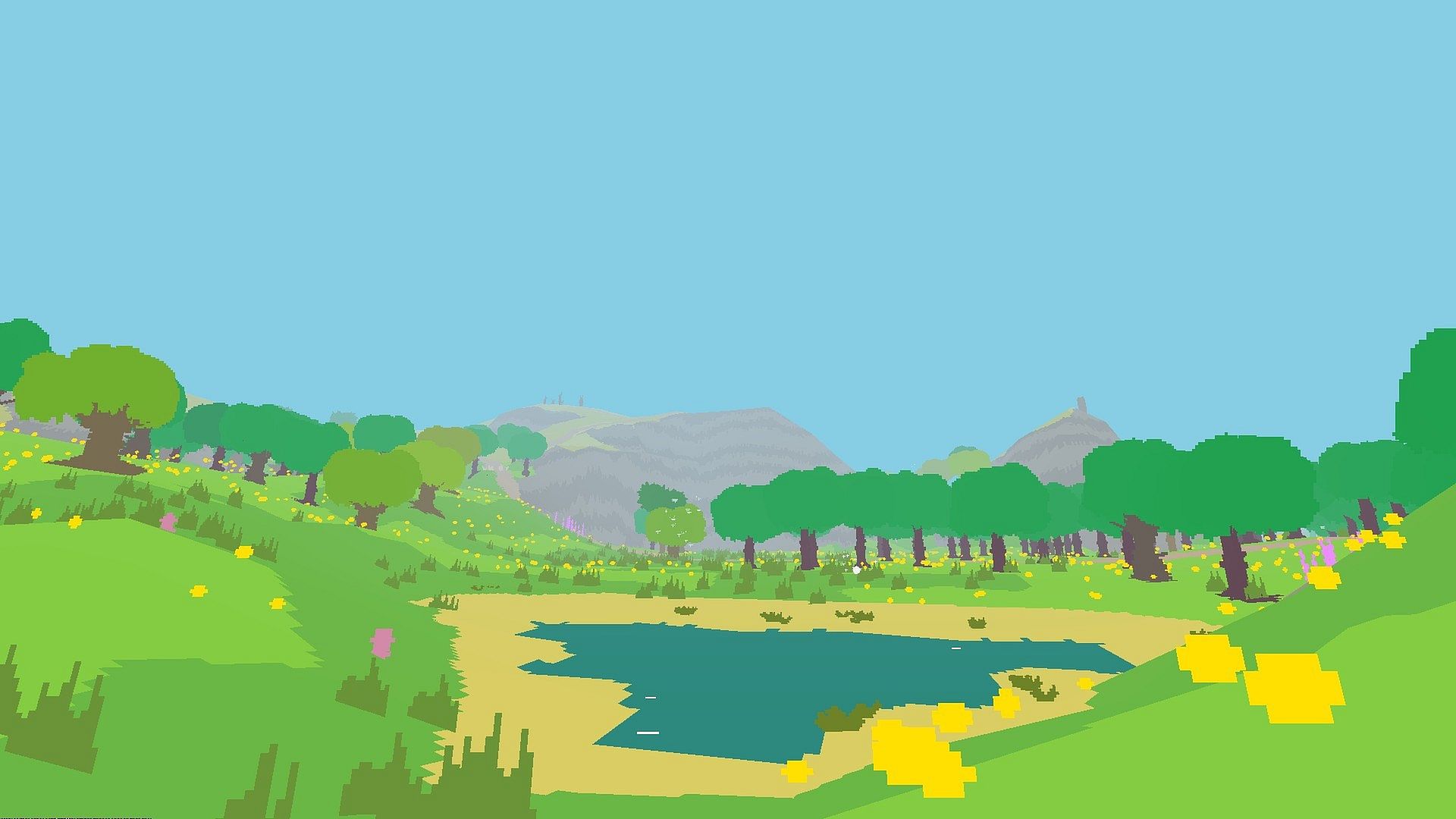
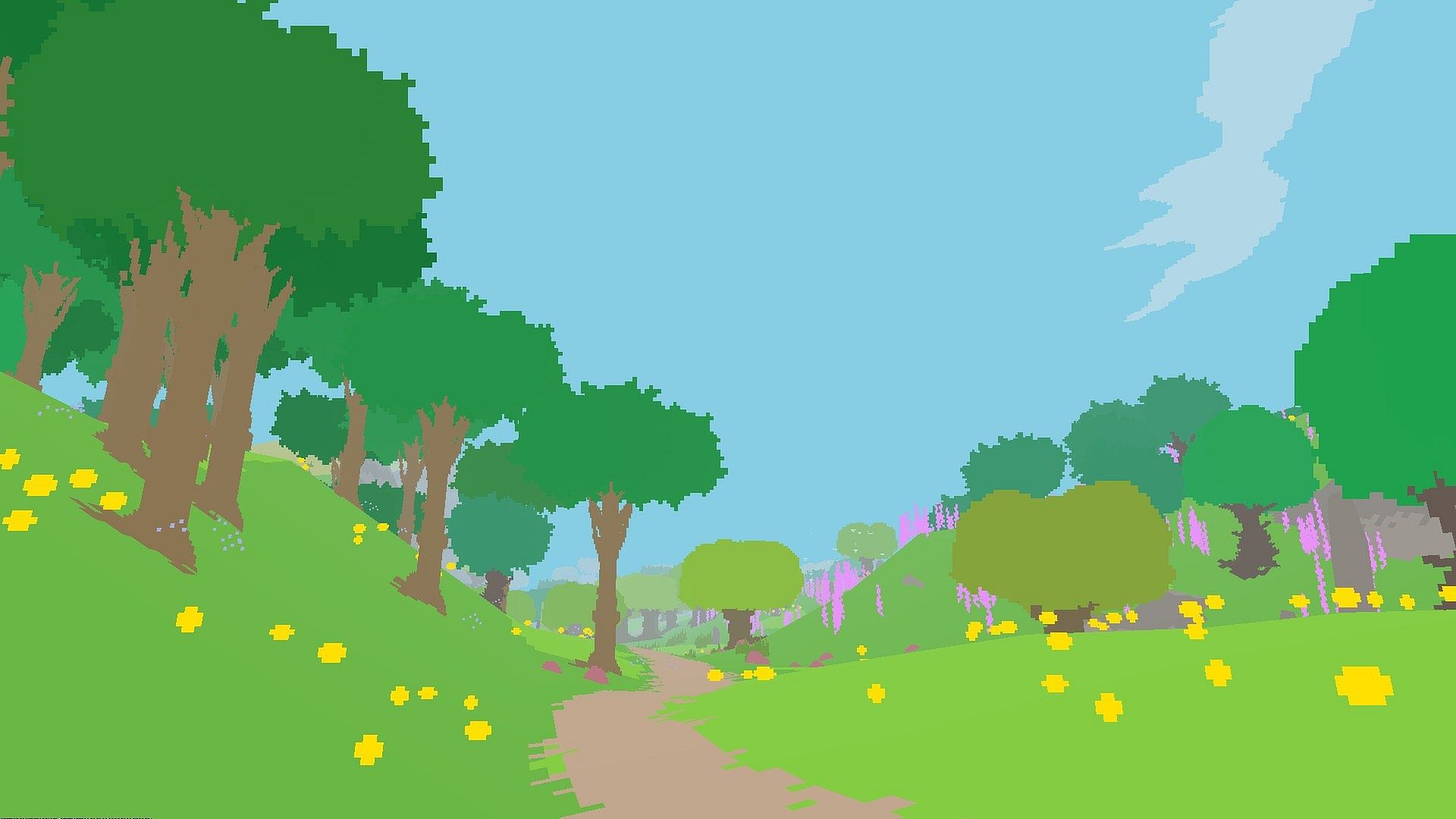
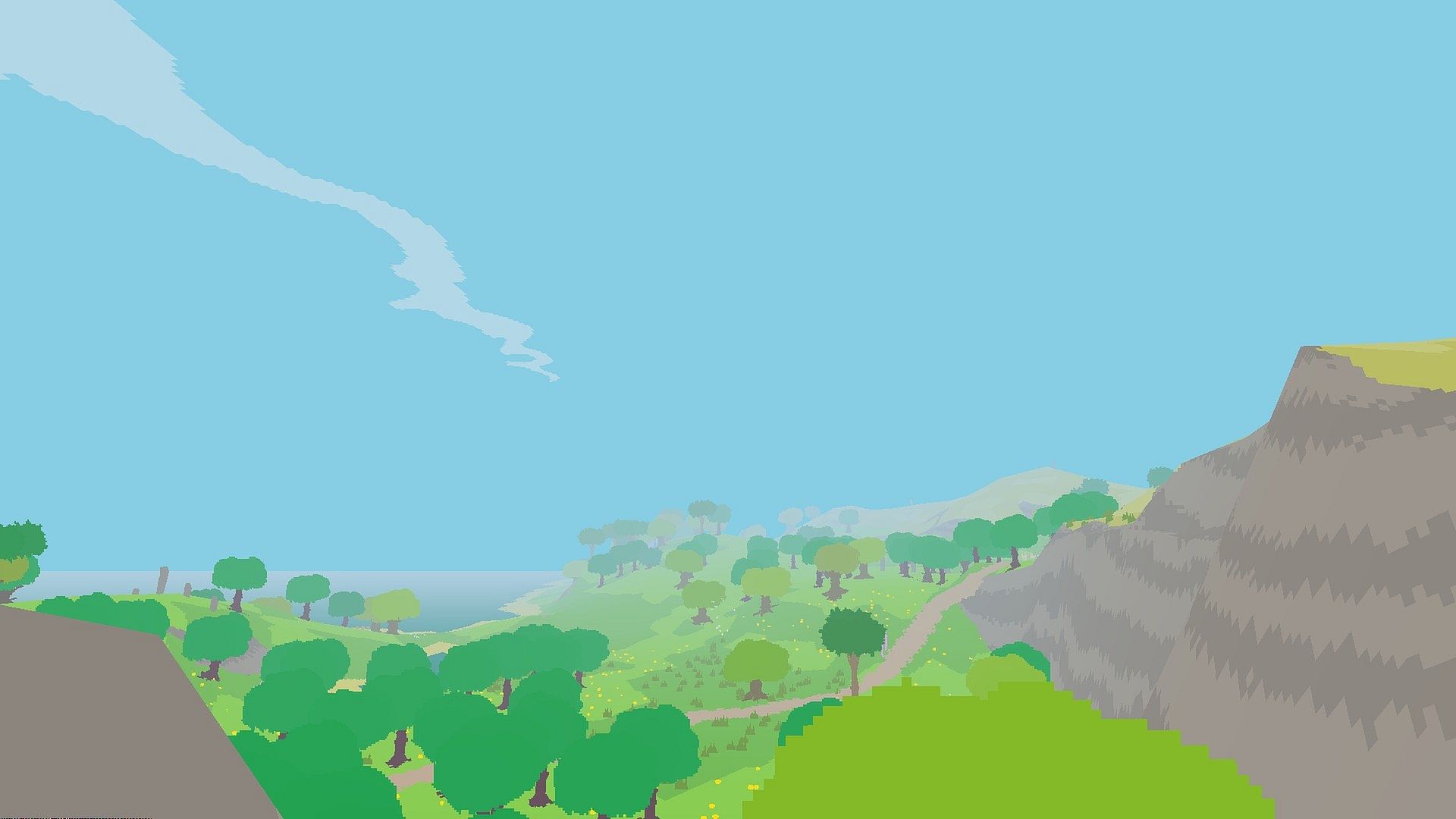
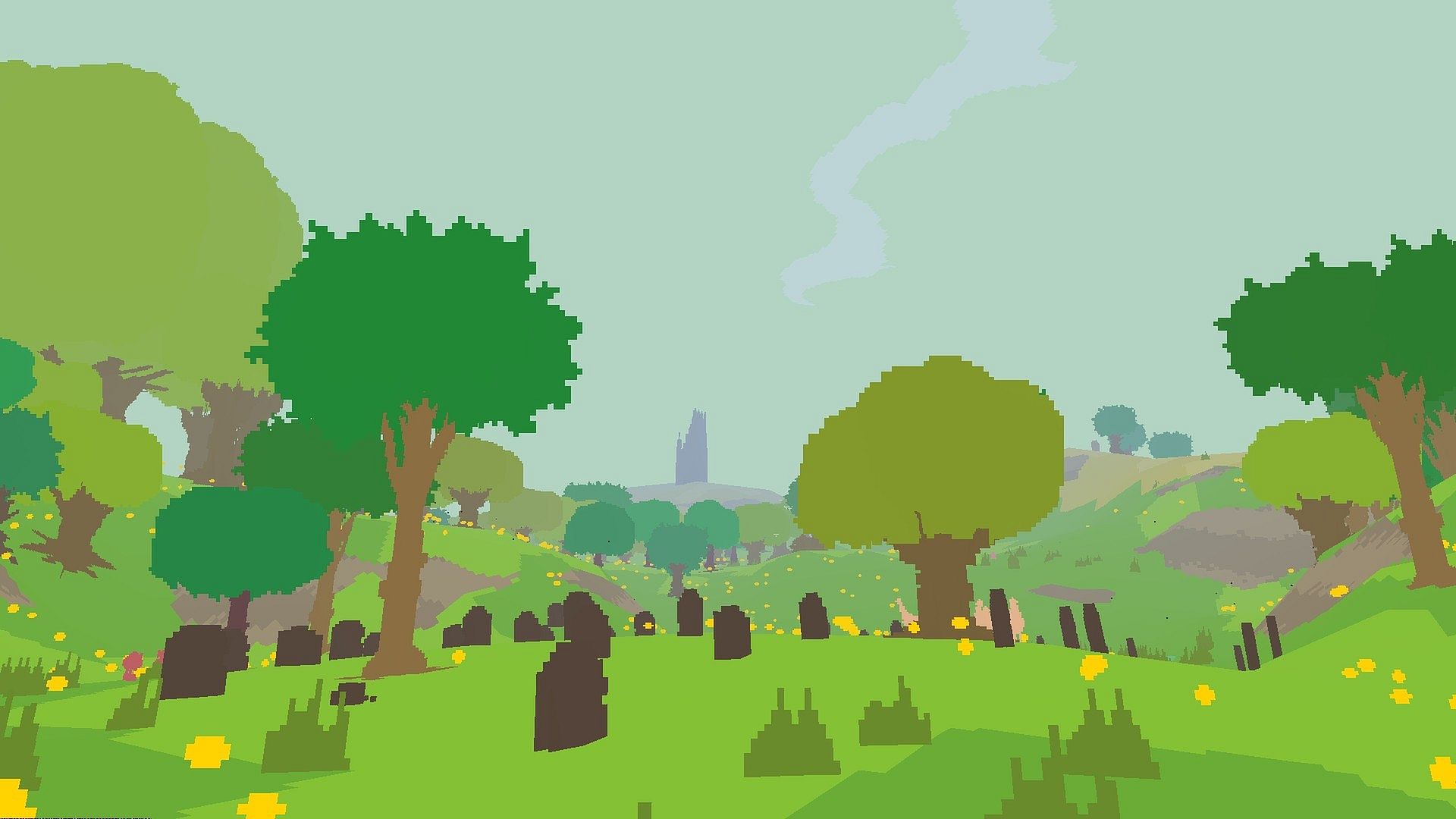
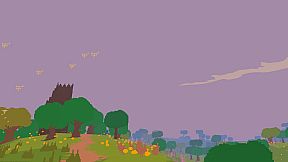
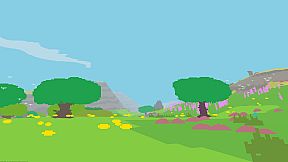
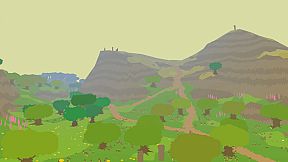
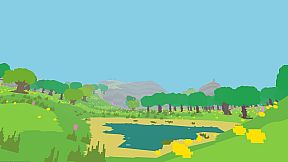
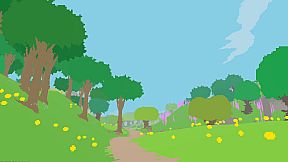
Proteus is a single-player adventure game centered on exploration within procedurally generated island environments. Players move through these worlds in first-person view, where the primary activity involves observing surroundings and allowing the environment to shape the experience. The title emphasizes presence and discovery over objectives or challenges, with islands featuring hills, trees, structures, and creatures that respond to movement and proximity.
Gameplay
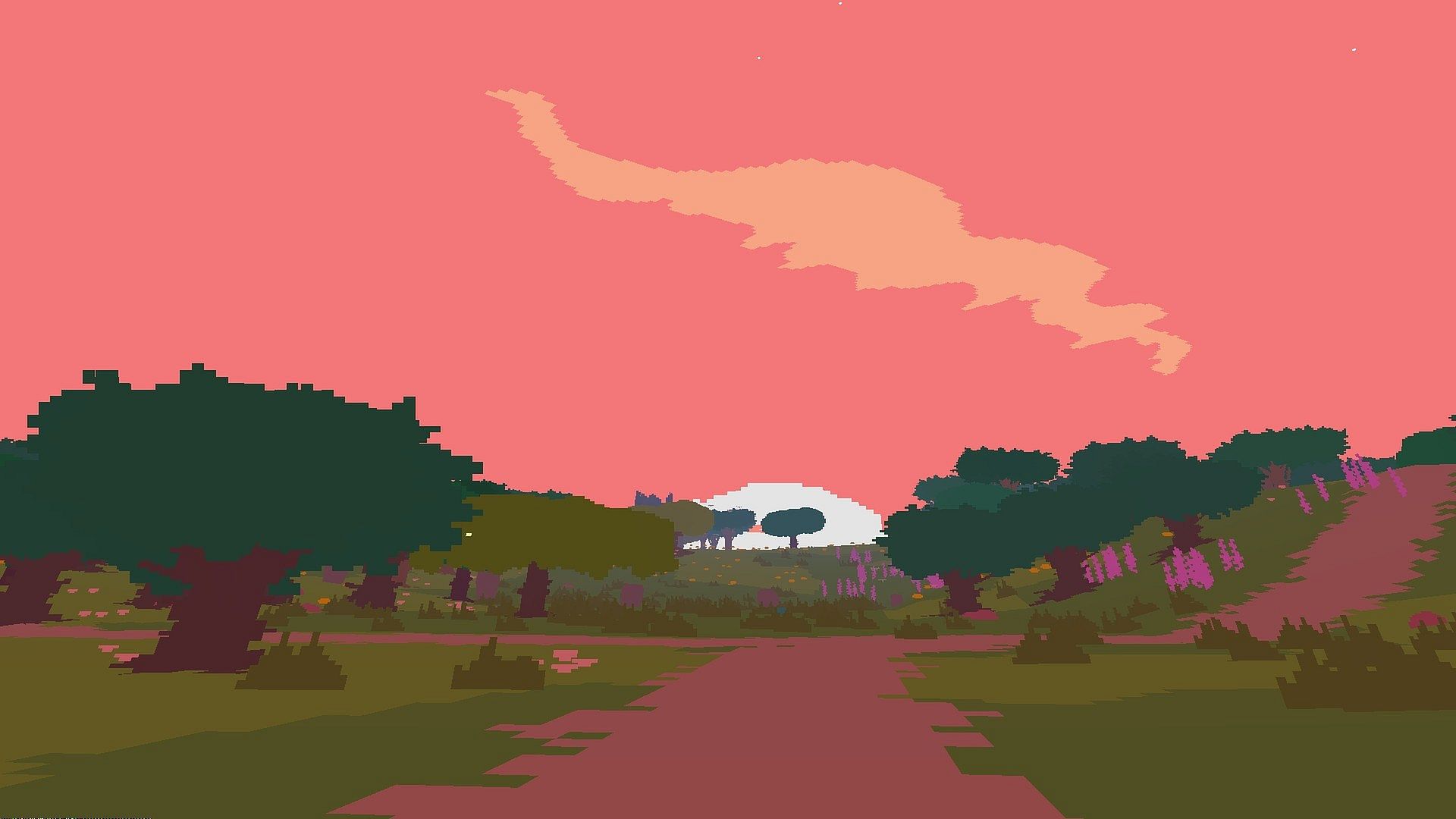
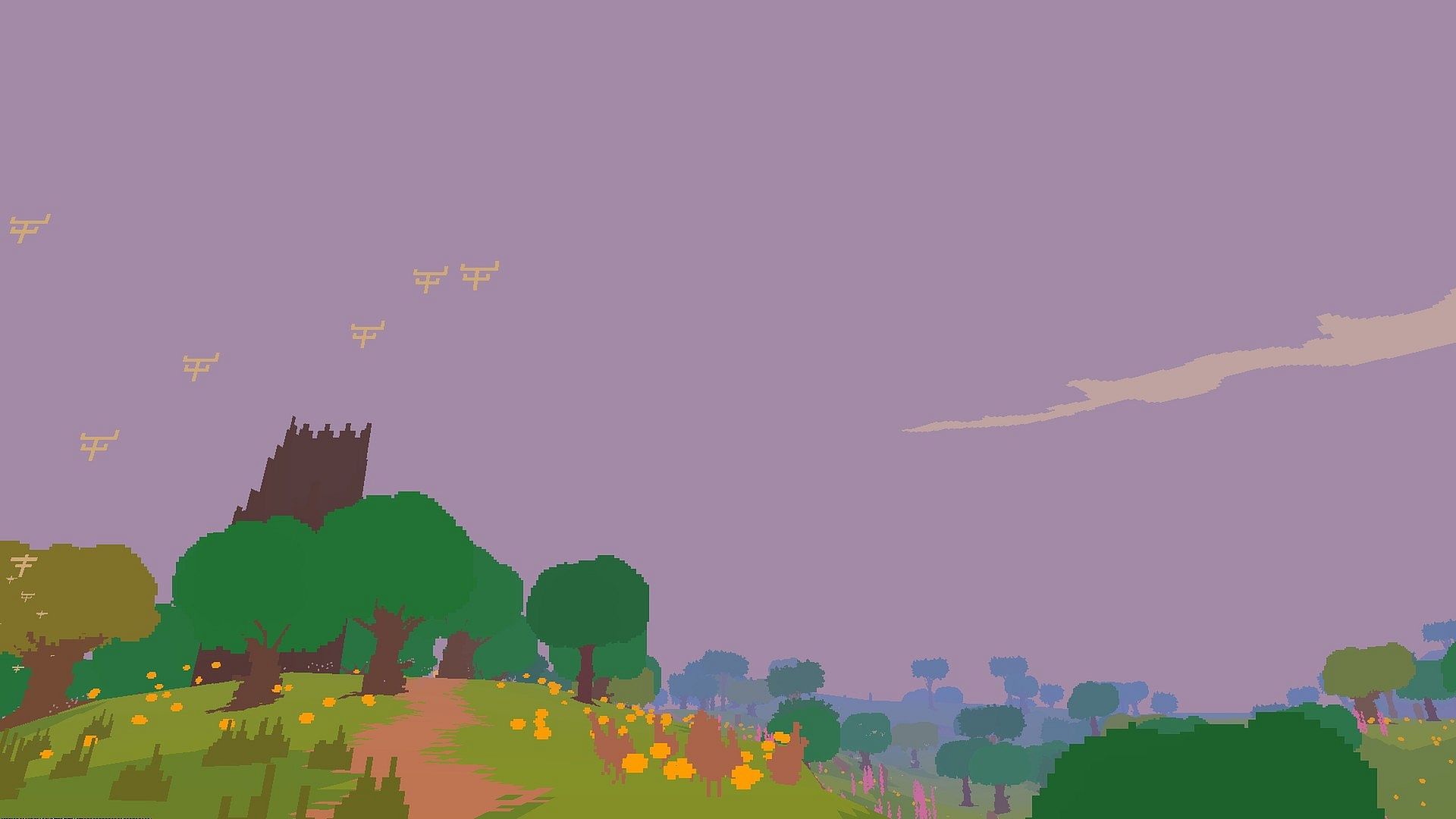
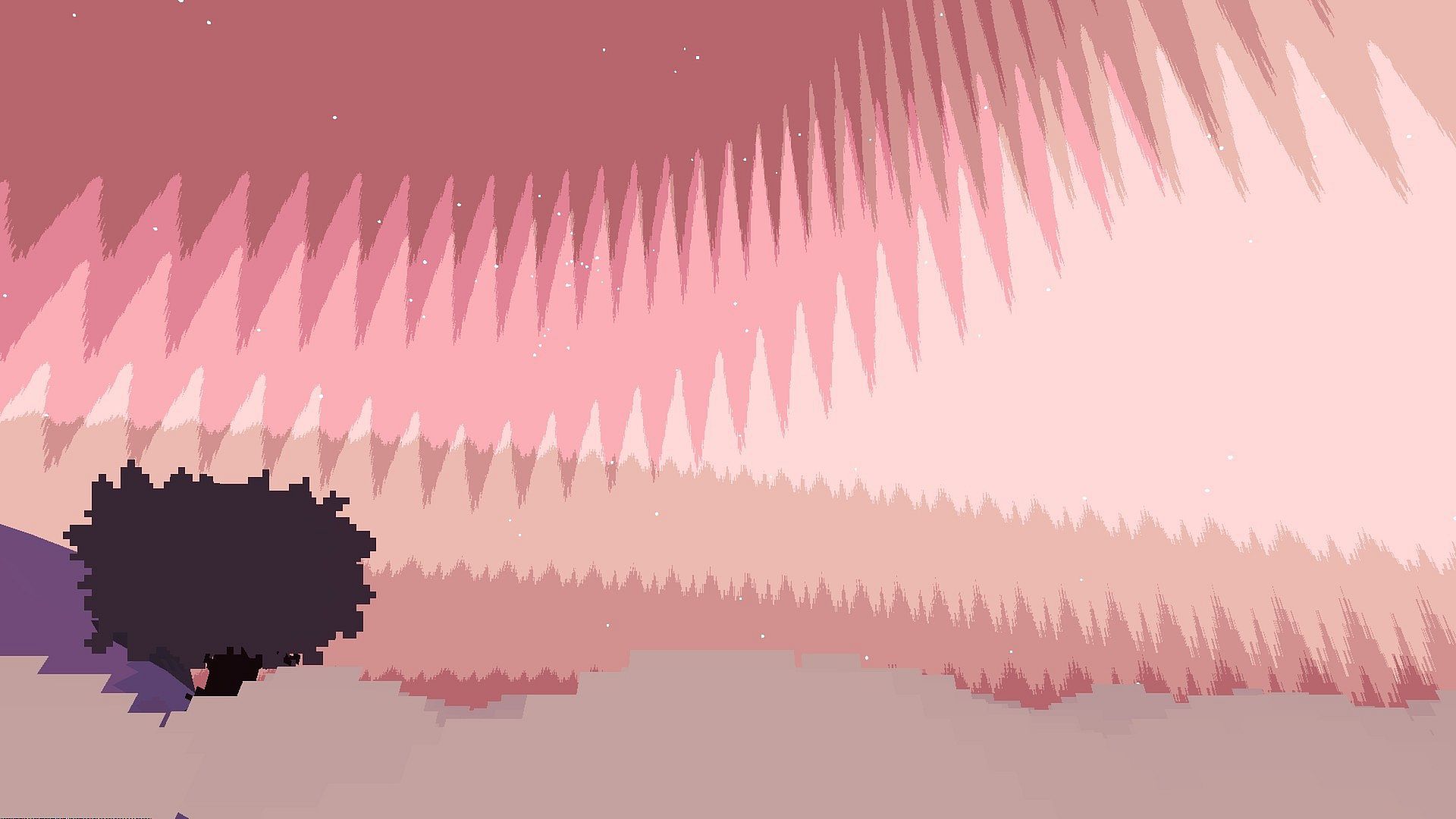
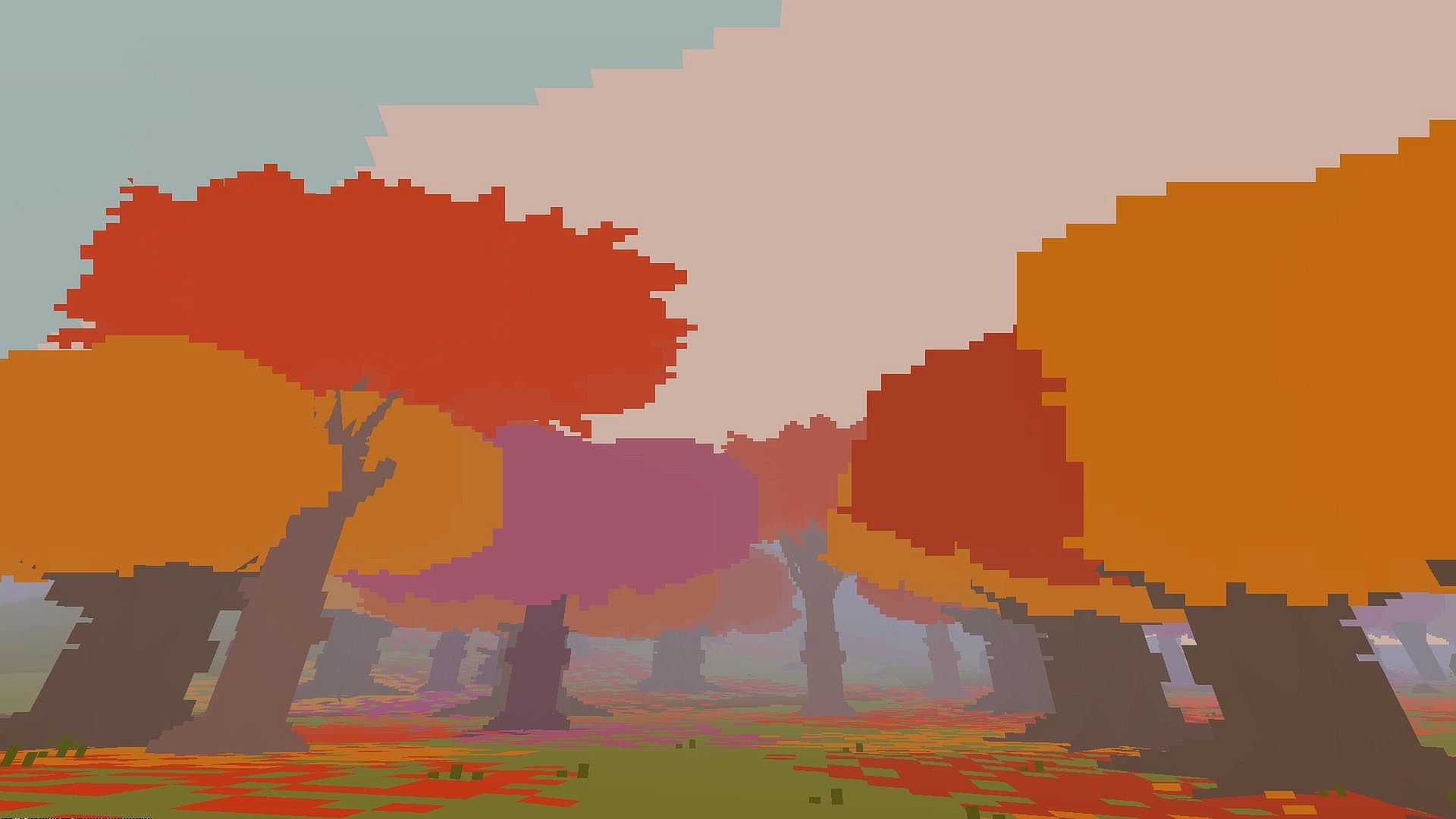
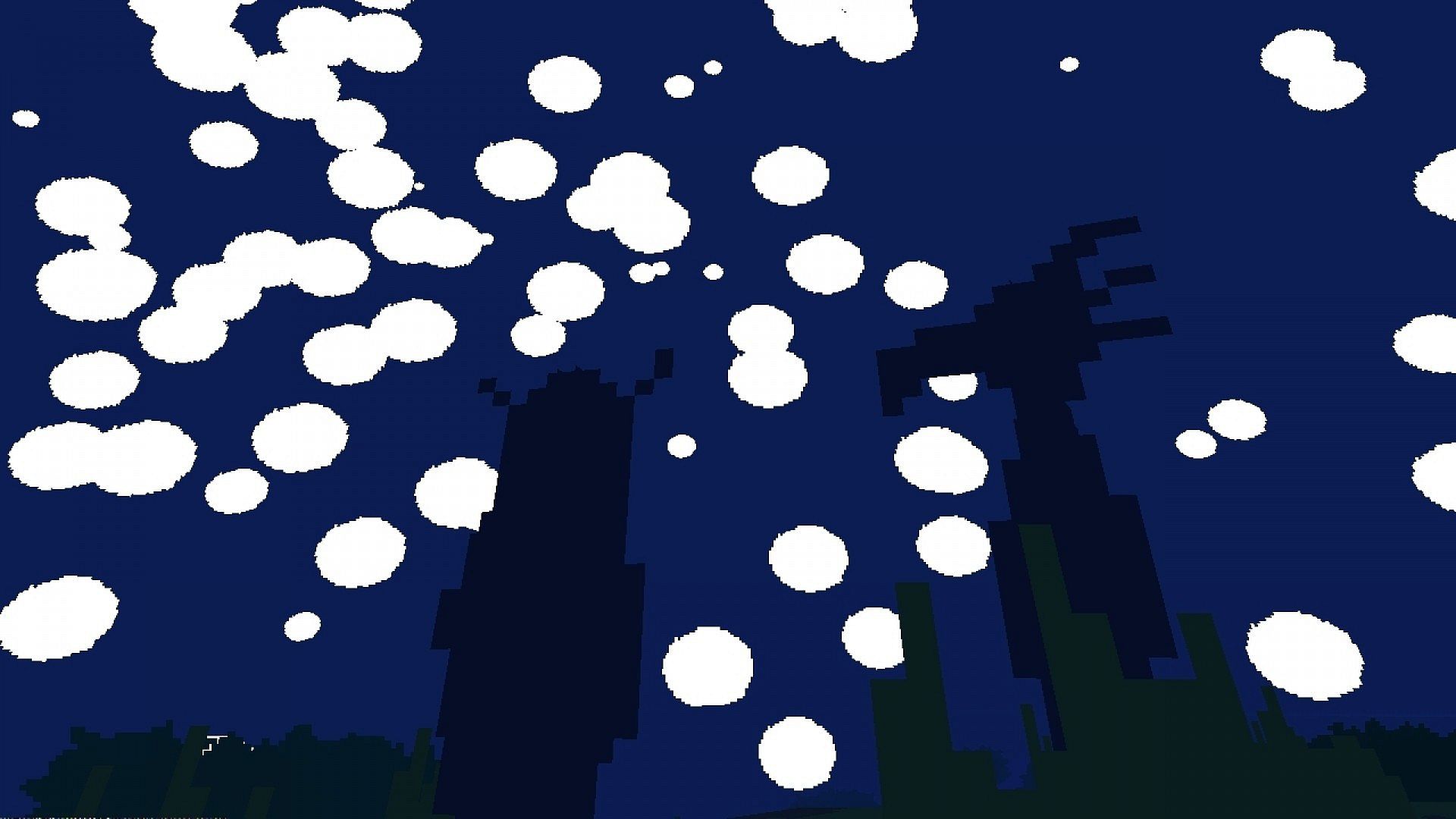
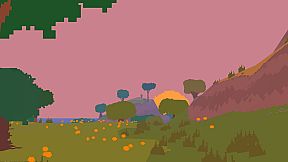
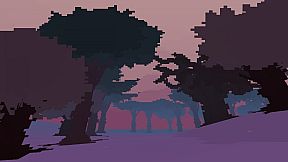
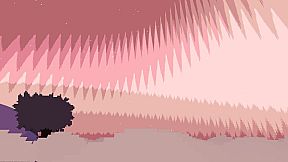
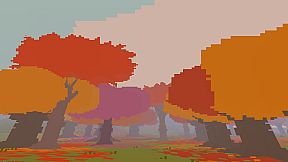
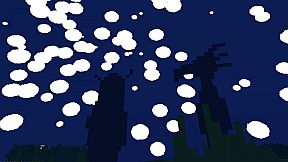
The core loop revolves around traversing each island on foot. Players begin offshore and swim or walk toward the landmass, then roam freely across varied terrain. Interactions remain minimal, limited to natural responses such as animals retreating when approached too closely. Time advances through day and night cycles, and designated spots allow progression to the next season. Each season alters the landscape, with elements like foliage changing appearance as spring gives way to summer, autumn, and winter.
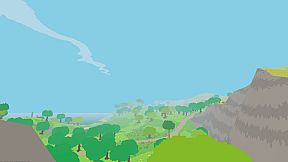
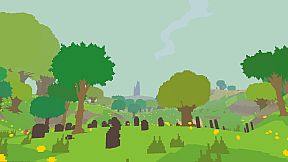
Procedural generation ensures every playthrough presents a fresh layout of landmarks, valleys, and ruins. The world lacks text, hints, or prescribed paths, encouraging patient observation. Movement influences audio layers, with sounds and notes emerging or fading based on location, elevation, and nearby elements. This creates a responsive audio environment that evolves with the player's position rather than following a fixed composition.
A built-in postcard function captures screenshots while encoding world data, enabling players to save specific islands or discoveries for later return or sharing. The experience typically unfolds over several hours as seasons cycle through to completion.
Game Modes
Proteus operates exclusively as a single-player title. There are no multiplayer options or separate modes. The seasonal structure provides the main framework for progression, guiding players through spring, summer, autumn, and winter on each generated island. This sequence forms a complete cycle that ends after winter, after which a new island can be generated for another run.
The design keeps all activity within this solitary exploration format. No competitive elements, cooperative features, or alternative play styles exist. The focus stays on individual wandering and the resulting environmental changes.
Visual Style and Soundtrack
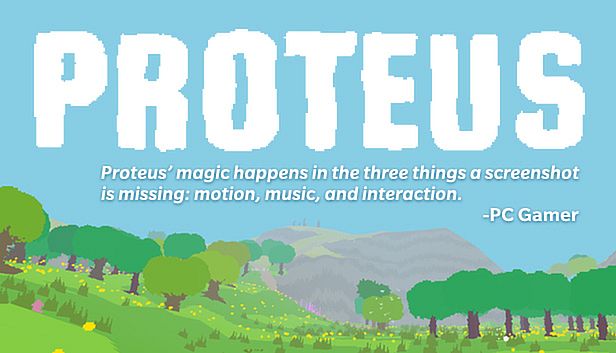
The graphical approach blends pixel art elements with three-dimensional terrain, using shifting color palettes that evoke both retro video game aesthetics and early modernist painting influences. Sprites for flora, fauna, and objects sit against the landscape, creating a distinctive layered look that changes with seasons and lighting.
David Kanaga composed the audio, which functions as a dynamic system rather than traditional background music. Flora and fauna contribute unique sonic signatures that combine based on proximity and movement. The result varies from sparse tones on hilltops to denser arrangements in valleys or near clusters of elements. The soundtrack adapts continuously to the player's path and surroundings.
Is It Worth Playing?
Proteus suits players interested in calm, observational experiences without combat, puzzles, or narrative direction. Its procedural islands and seasonal shifts offer replay value through new layouts each time, though the short duration and lack of traditional progression mean it appeals most to those seeking meditative wandering rather than extended sessions or mechanical depth.
Reception highlights the distinctive audio-visual integration and relaxing pace, with many noting its ability to reward immersion and patience. Others mention its brevity as a limitation for repeated play. The game remains available on PC as a complete, self-contained title with no ongoing updates or additional content required. Those drawn to exploration-focused adventures may find repeated visits worthwhile for the variety in generated worlds and the evolving soundtrack.