








Pull the Lever is a strategy indie casual simulation game for PC where players manage a growing railway operation centered on dispatching tiny trains with cargo. The core experience revolves around committing resources to routes and then managing the risks that arise while trains are in transit.
Gameplay
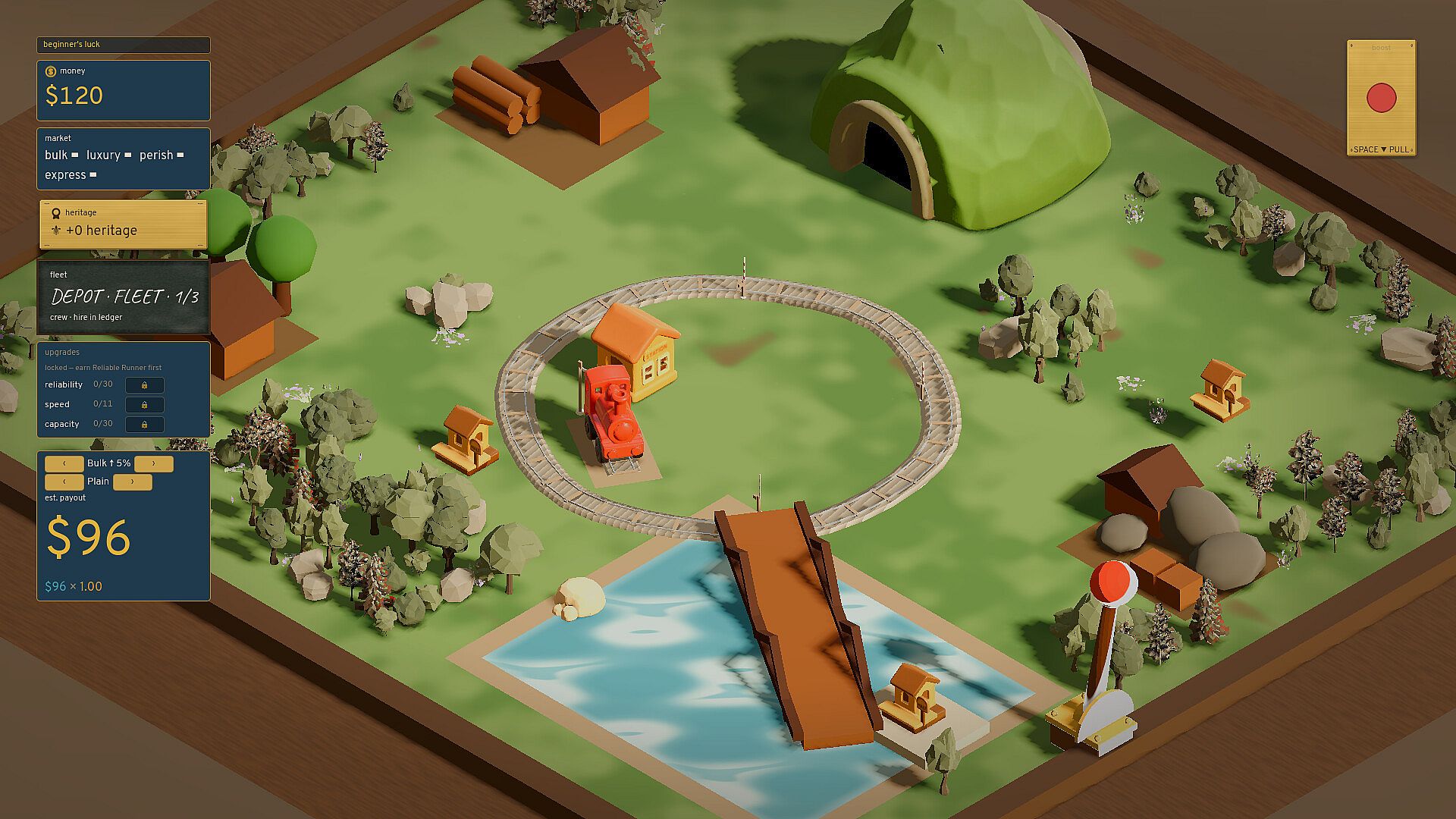
The central loop begins with selecting cargo types that range from reliable bulk loads to high-risk perishables and time-sensitive express shipments. Players then choose a route and commit by pulling the lever, after which the outcome remains unknown until the train reaches its destination station. During travel, hazards such as storms, engine breakdowns, and line obstructions appear and must be cleared through direct clicks to preserve the payout. With multiple trains active at once, attention becomes the limiting factor as players decide which runs to protect and which to allow to continue without intervention.
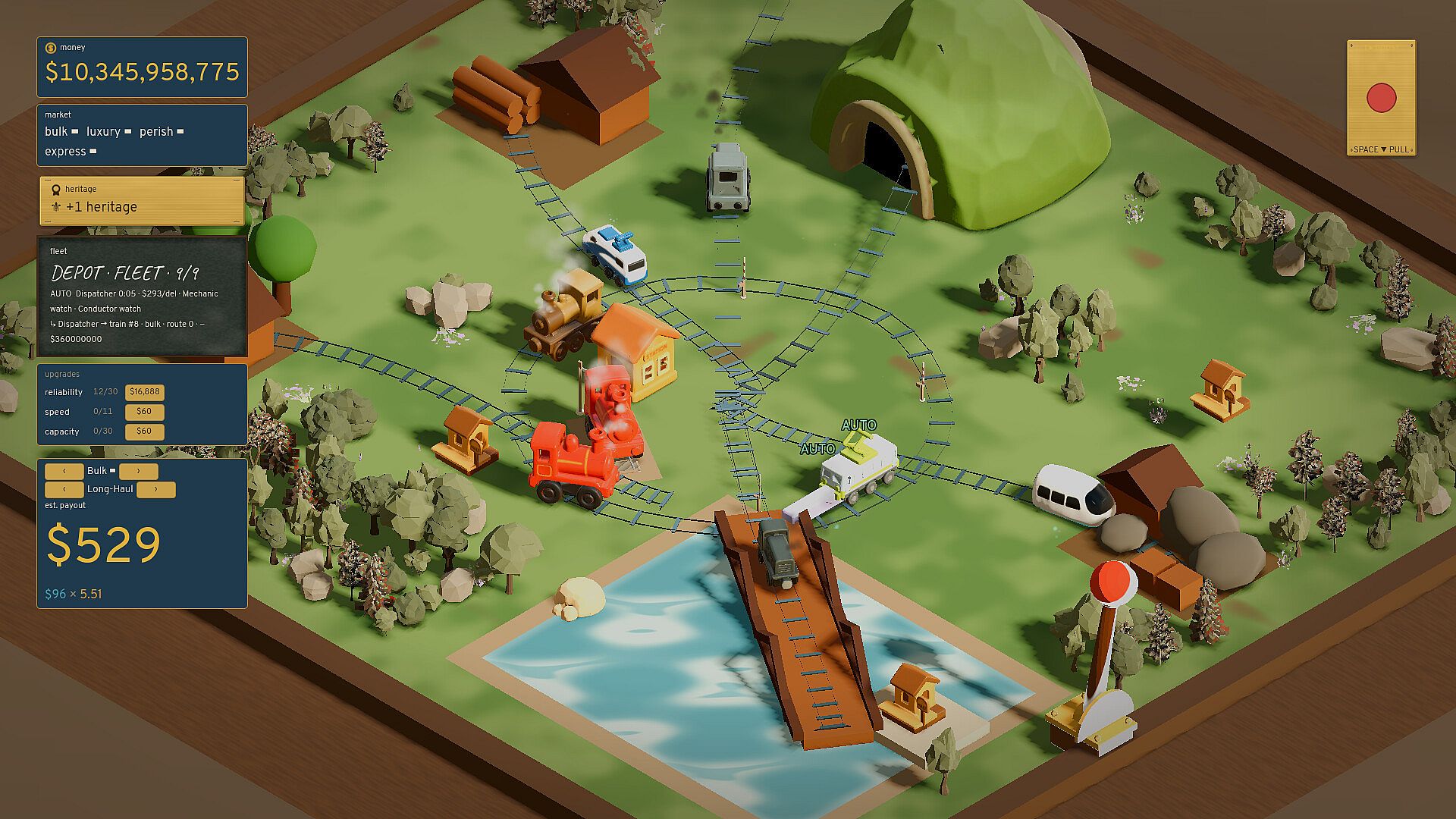
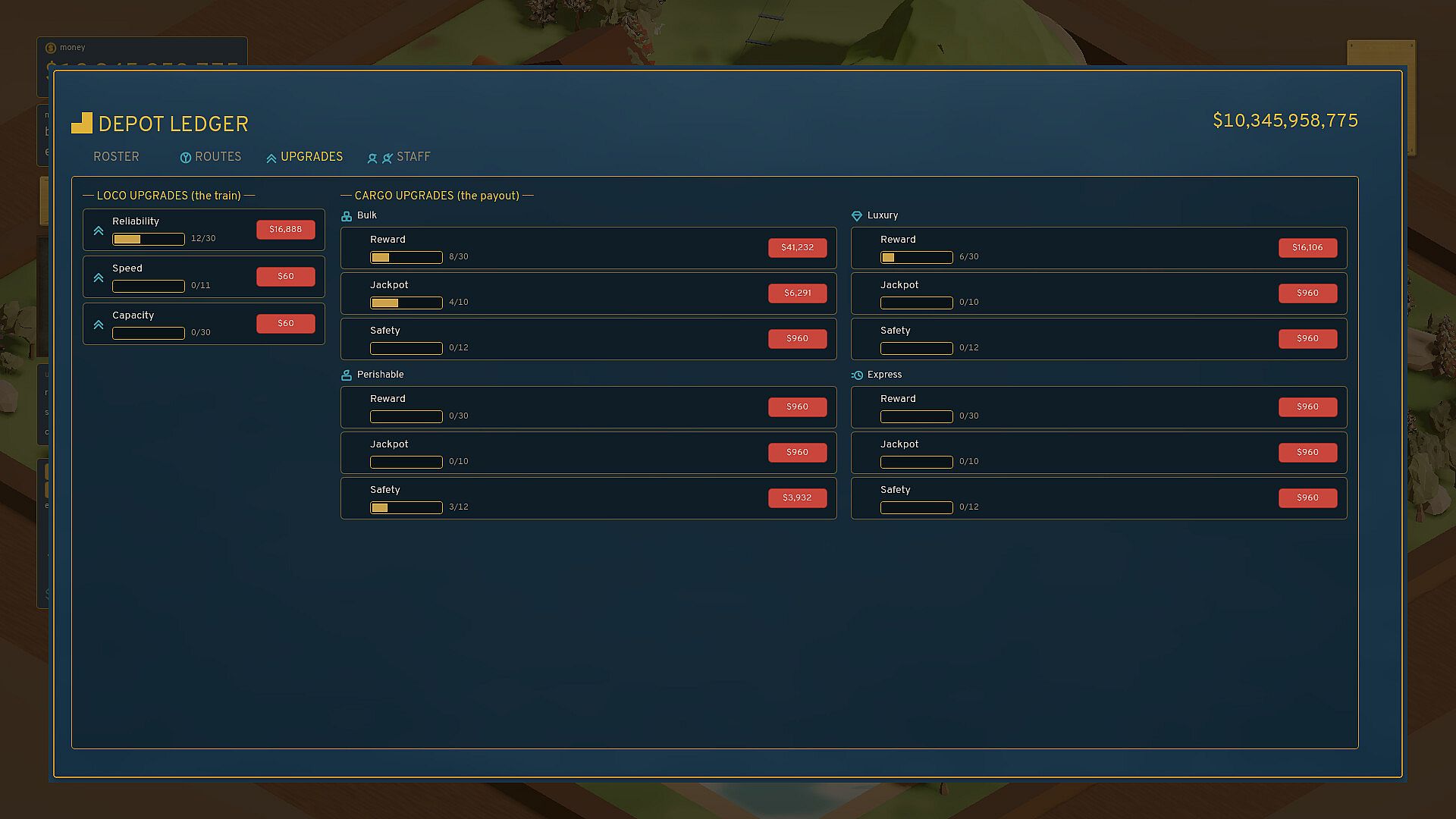
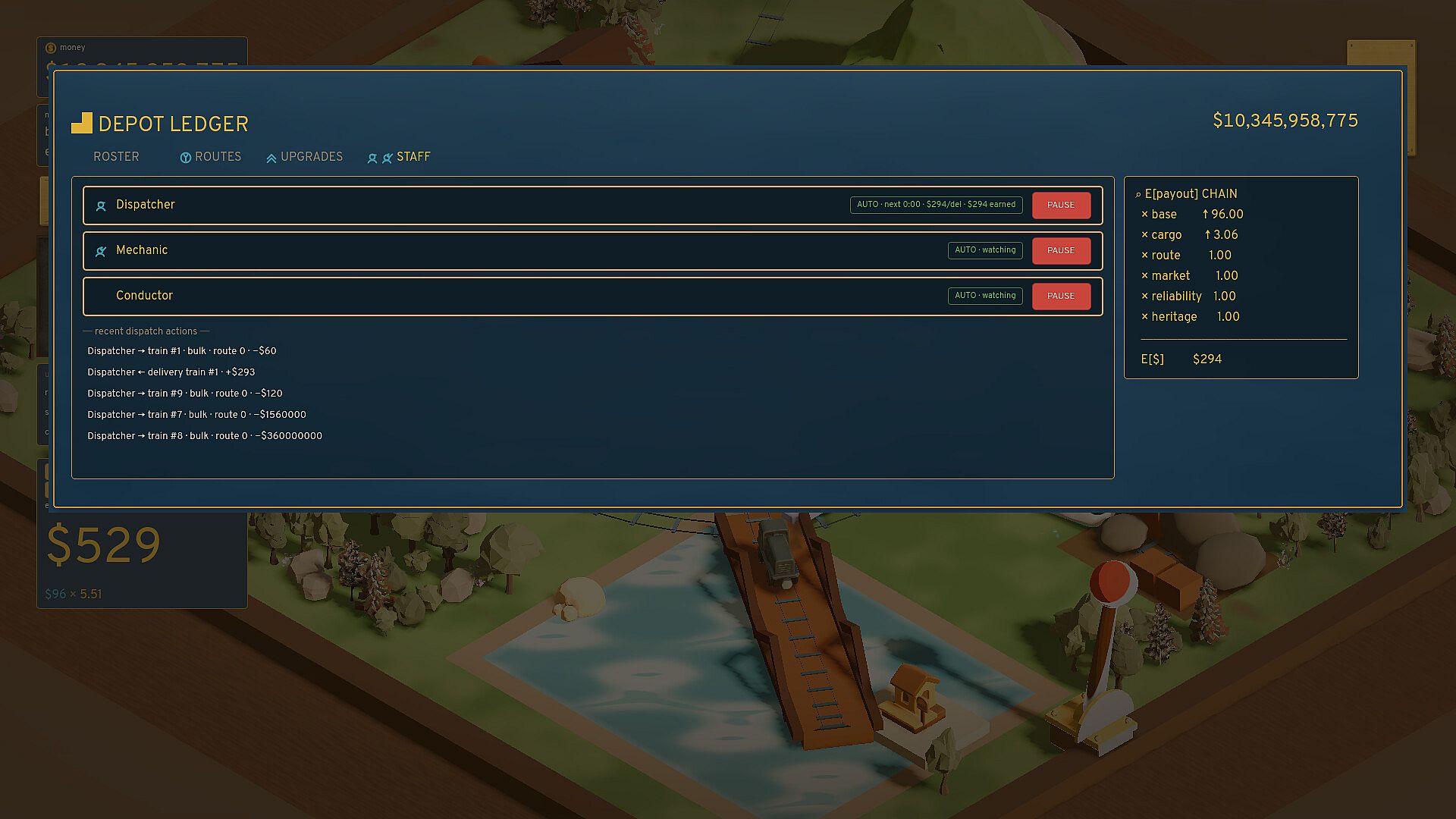
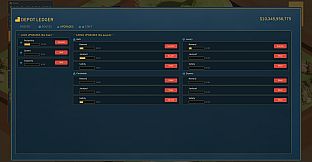
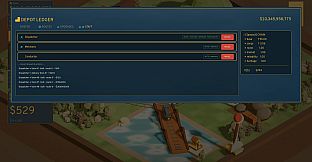
Progression involves banking earnings to expand the operation. This includes purchasing new locomotives, accessing more challenging routes with higher potential returns, and hiring staff to handle routine dispatches automatically. The game advances through four distinct eras that alter the underlying odds and decision-making priorities rather than simply changing visuals. Once a line reaches mastery, players can retire it to receive heritage points that accelerate the start of subsequent lines.
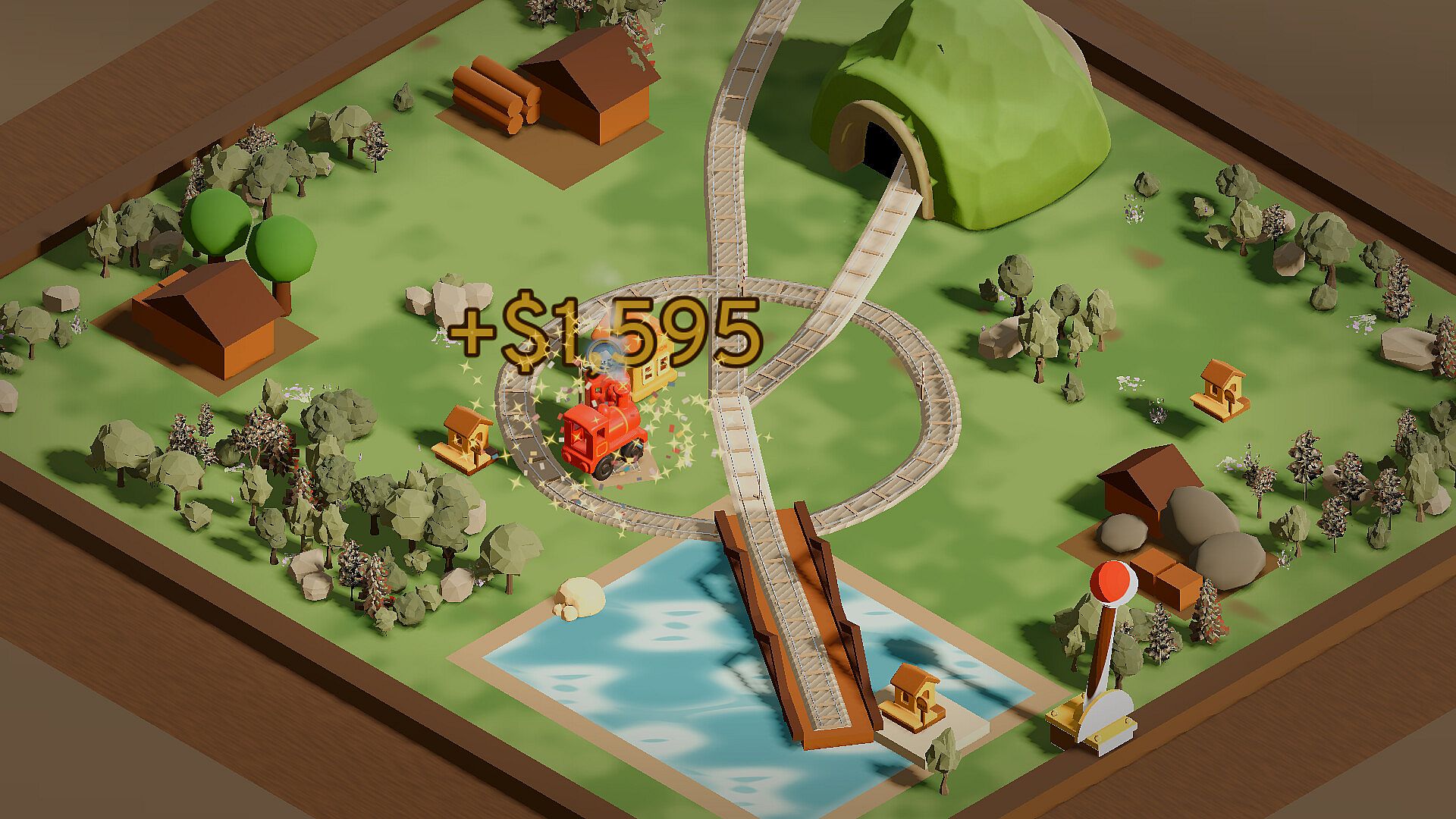
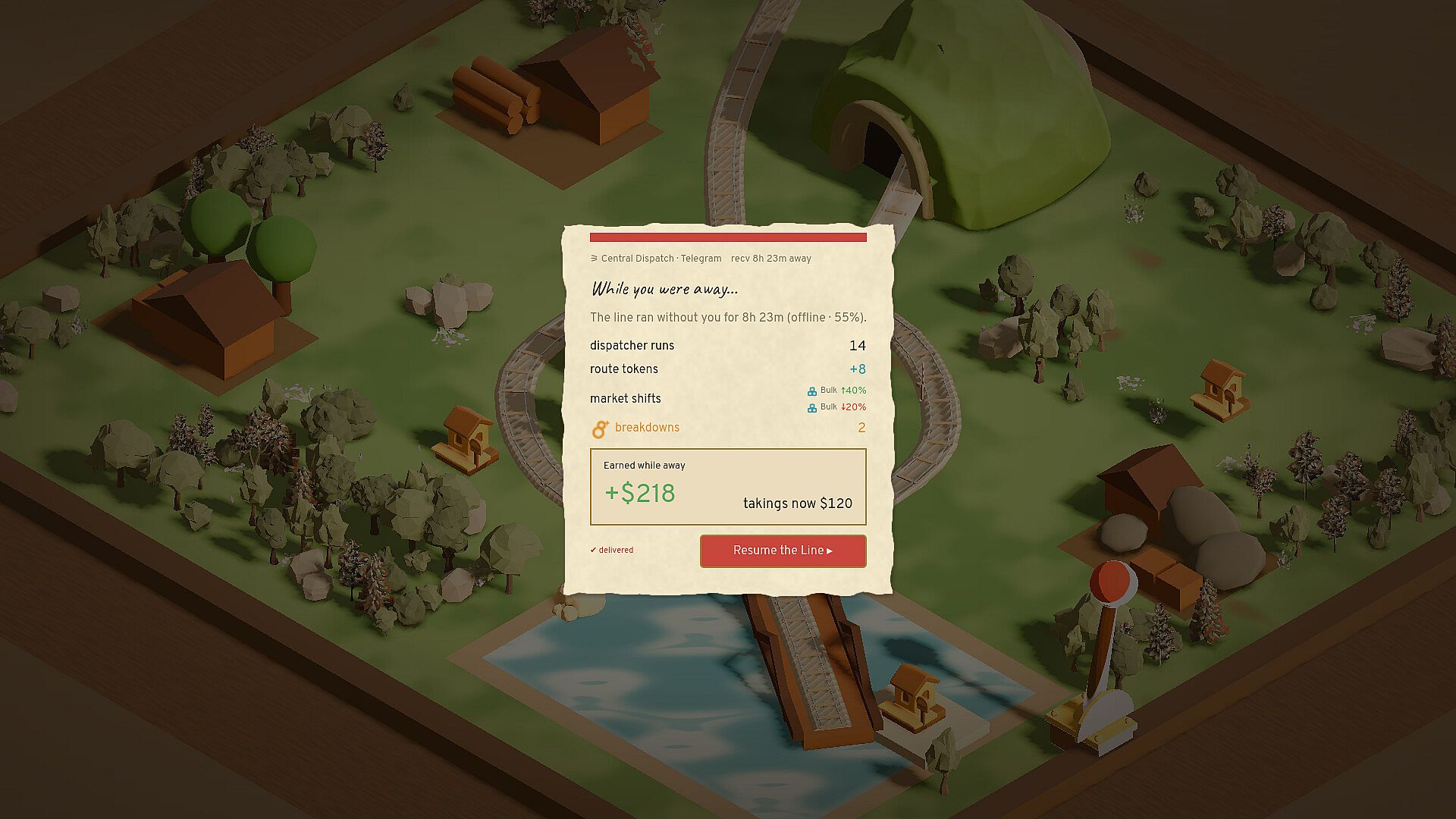
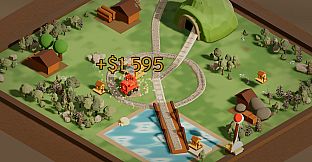
The presentation features a hand-styled diorama where small toy trains move across the layout, creating a living model railroad that grows more active as the fleet expands. The system supports leaving the game running in the background, with the railway continuing to operate independently until player intervention is needed during clustered hazard events.
Game Modes
Pull the Lever operates as a single continuous experience without separate named modes. The primary activity centers on building and maintaining railway lines across eras, with the delayed resolution of dispatches forming the consistent structure. Players move between active management of hazards and longer-term expansion decisions, while the option to step away allows the automated elements to sustain progress.
Progression and Expansion
Early lines focus on basic cargo choices and hazard management under steam-era conditions that introduce frequent mechanical issues. Later eras shift the balance toward higher-stakes capital runs with different risk profiles once diesel, electric, and maglev technology becomes available. Staff hires gradually reduce the need for constant oversight on standard routes, freeing attention for the more lucrative but unpredictable dispatches. Retiring completed lines converts accumulated progress into heritage points that speed up the setup of new operations.
Is It Worth Playing?
Pull the Lever suits players who enjoy deliberate pacing in strategy and simulation titles where outcomes unfold over time rather than instantly. The combination of route planning, real-time hazard triage, and incremental automation creates a loop that rewards careful attention allocation and long-term planning. Those who prefer immediate feedback or fast-paced action may find the delayed payout mechanic less engaging, while fans of idle progression and model-railroad aesthetics will appreciate the hands-on yet expandable railway management. The game remains available on PC with its core systems intact as described.











