

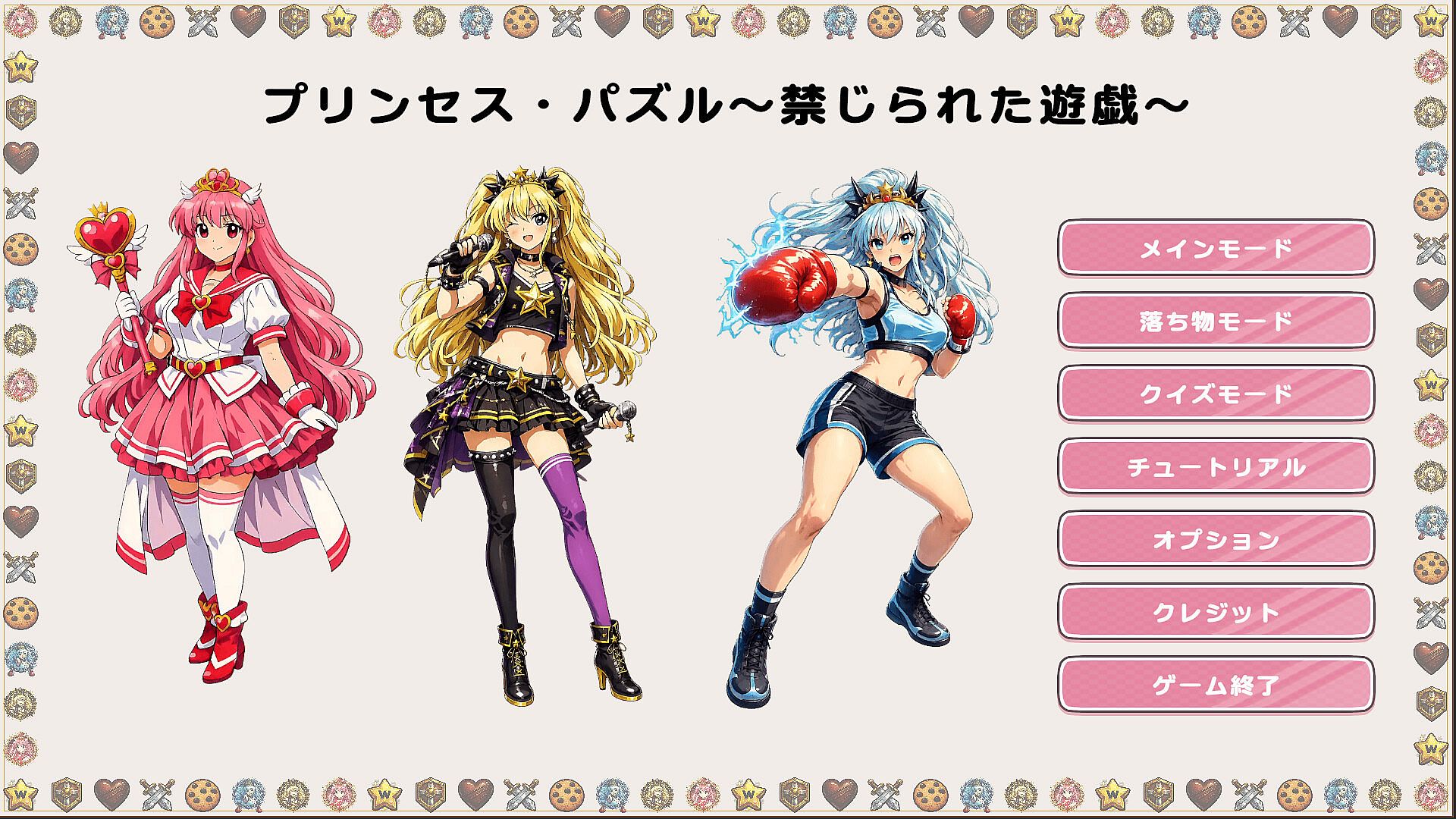

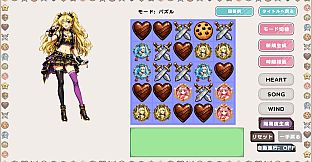
Princess Puzzle Forbidden Pastime is a single-player strategy puzzle game developed for PC. It centers on a grid-based system where players manipulate symbols using abilities tied to three princesses. The title recreates a pastime that saw brief popularity in Japan before facing a ban, and the full experience remains available exclusively in Japanese.
Gameplay
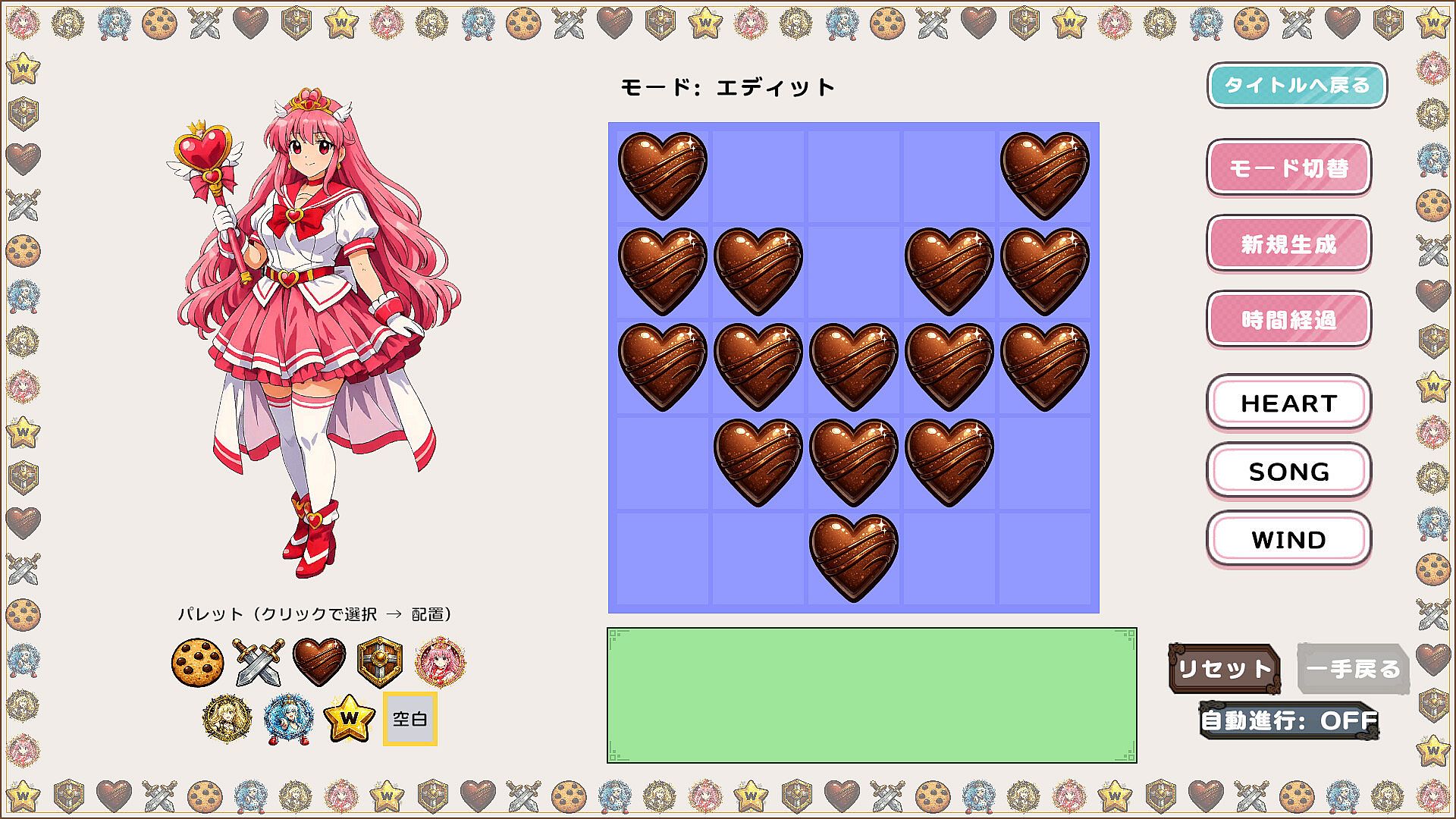
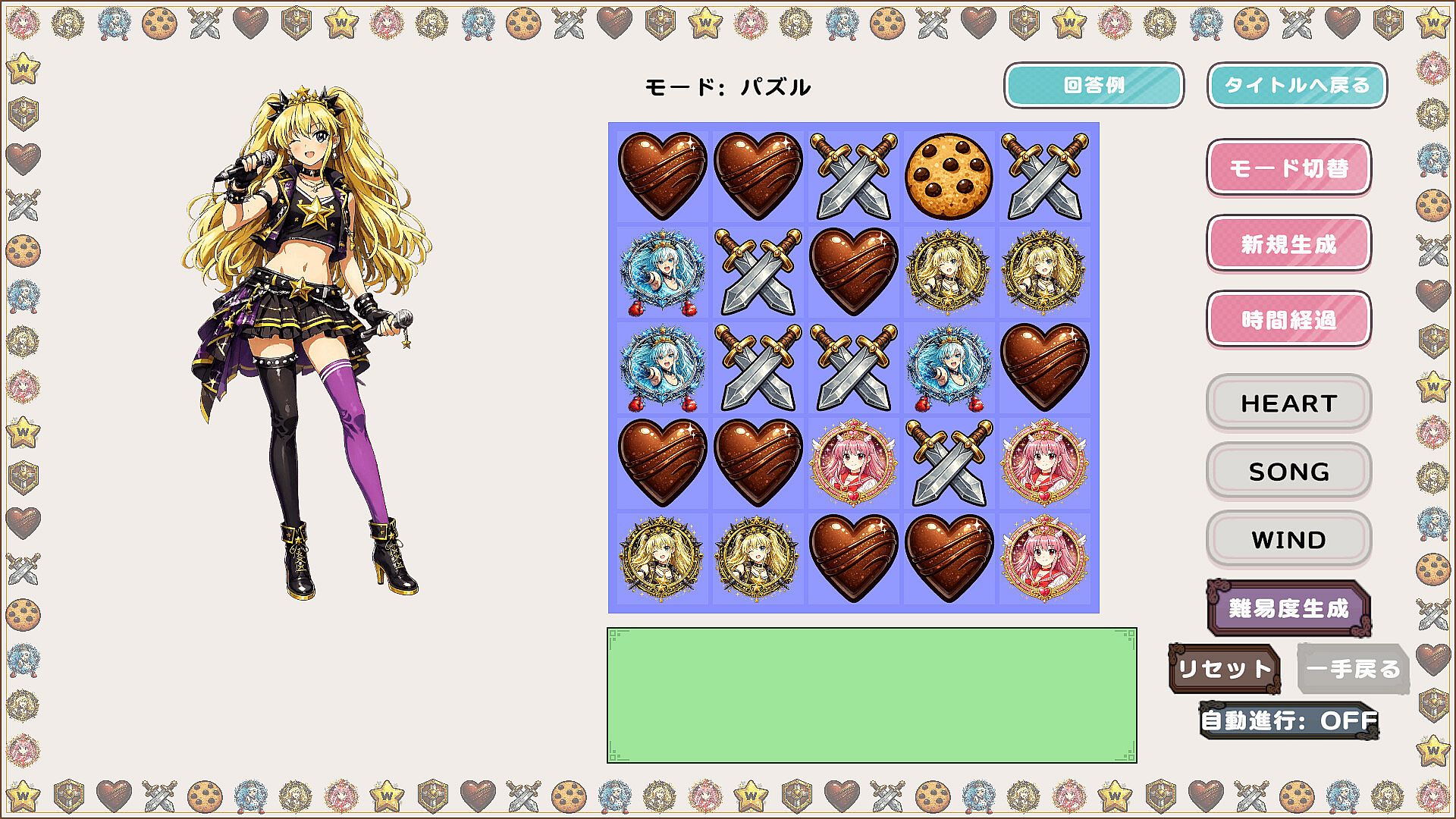
The core loop involves clearing a grid of symbols while leaving only Wild symbols intact. Players activate one of three princess powers in sequence on each turn. Lovely Heart changes one symbol into a different type. Starlight Song introduces one or two Wild symbols onto the board. Storm Wind eliminates two symbols outright. The order of ability use influences which symbols remain and how the grid evolves, requiring careful planning to reach a cleared state without removing the Wilds.
Symbol types appear in varying combinations across puzzles, and the transformation, addition, and removal mechanics create branching possibilities for each board. The game emphasizes strategic sequencing rather than rapid matching or timed pressure, aligning with its classification as a strategy title.
Game Modes
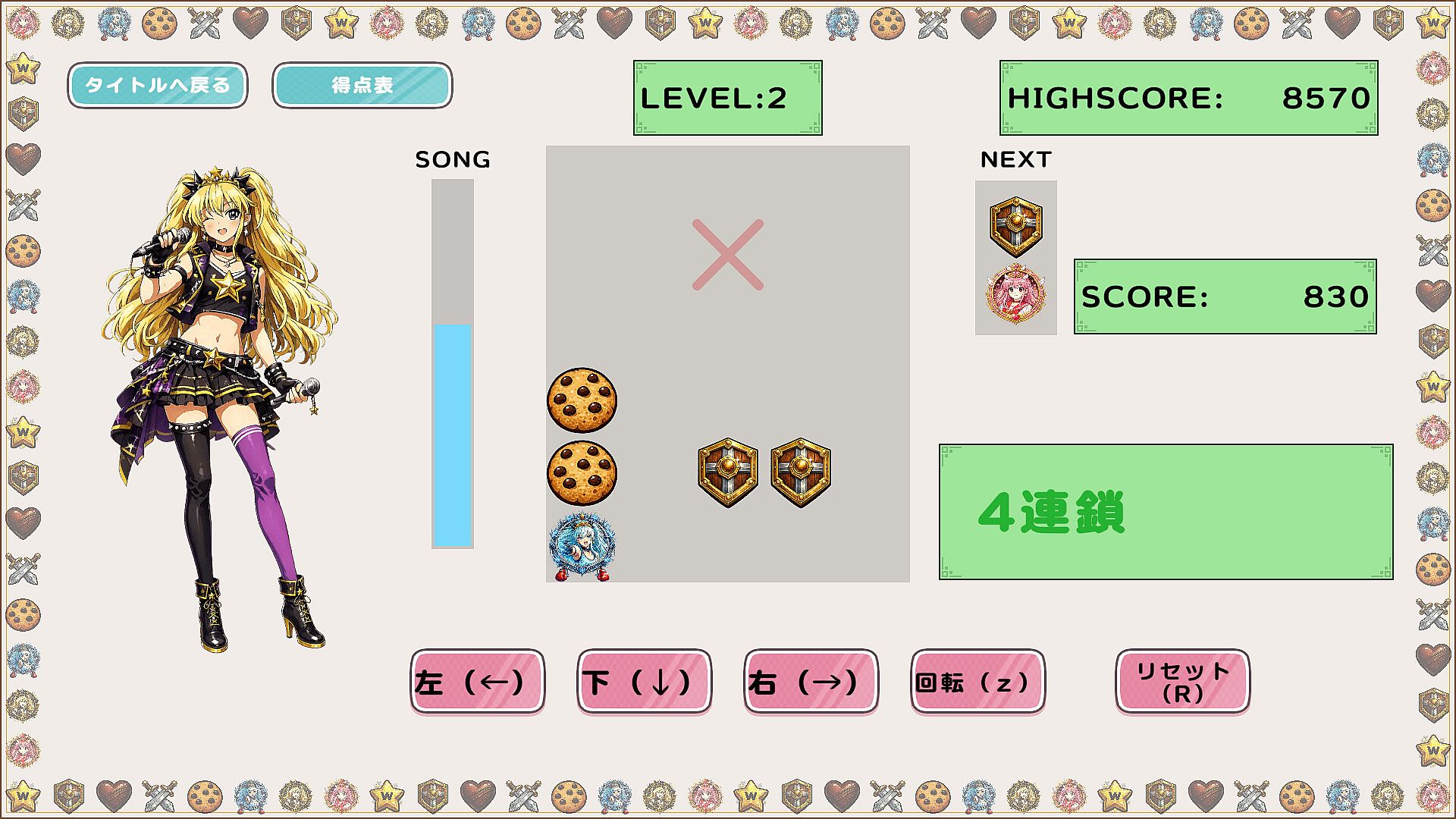
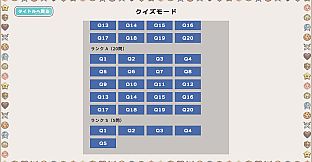
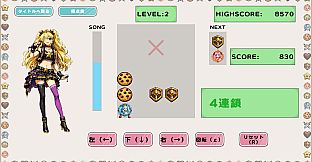
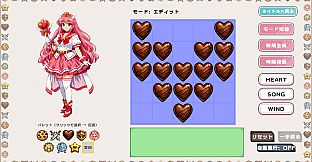
The experience focuses on single-player puzzle solving. A falling-block mode appears as an additional variant that integrates with the core princess power system. No further named modes receive confirmation in available details, so progression centers on completing successive grids through repeated application of the three abilities.
Princess Powers and Strategy
Each princess power serves a distinct tactical role. Lovely Heart supports conversion of problematic symbols into more useful ones. Starlight Song provides flexibility by adding Wild symbols that must ultimately stay on the board. Storm Wind offers direct removal for immediate progress. Combining these in the correct sequence demands attention to the current grid state and the end goal of eliminating everything except the Wilds. The Japanese-only presentation means players engage with the mechanics through visual symbol recognition and trial of ability orders.
Is It Worth Playing?
The game targets players who enjoy deliberate, turn-based puzzle solving with limited but interconnected mechanics. Its single-player structure and focus on ability sequencing suit those interested in strategy puzzles rather than action or narrative-driven titles. Release is scheduled for September 2026 on PC, with no user reviews available prior to launch. The Japanese language restriction limits accessibility for non-speakers, though the visual nature of the symbols and powers allows some engagement without full text comprehension. Those drawn to grid-clearing challenges with a small set of tools may find the concise system engaging once it becomes available.