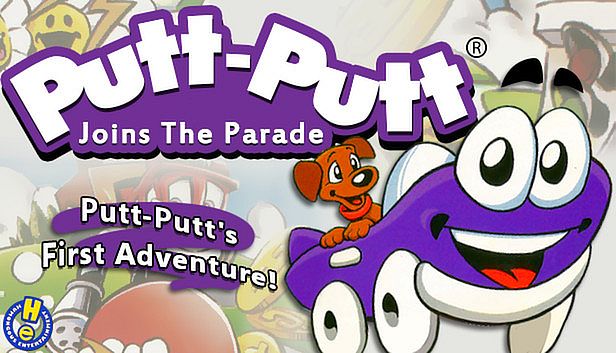














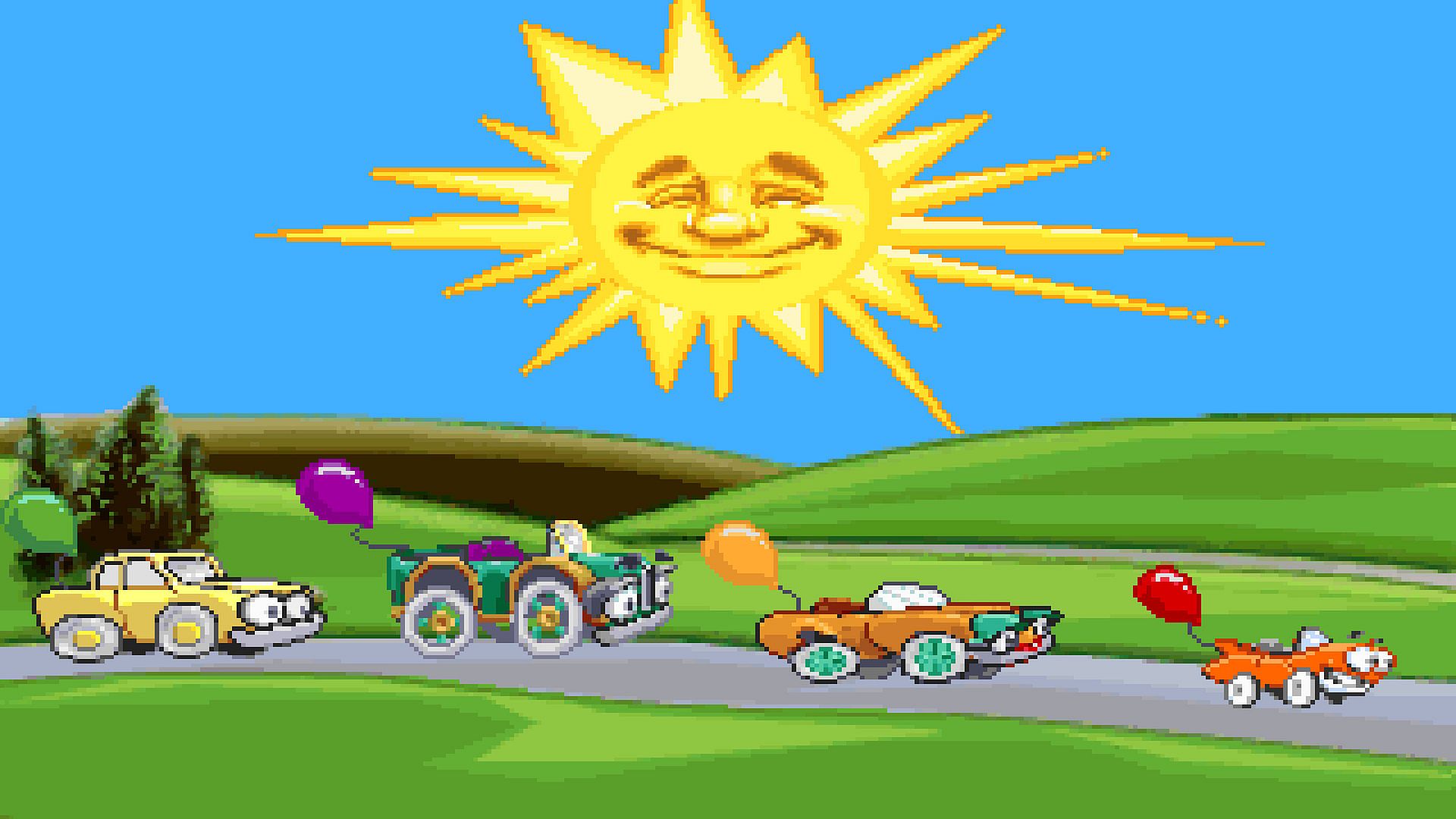

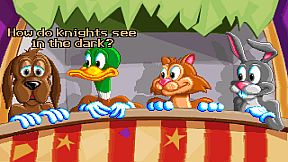
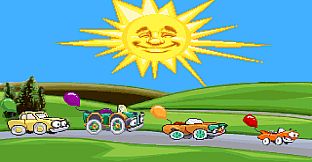
Putt-Putt Joins the Parade is a casual adventure game built around point-and-click exploration and light problem-solving. Players control an anthropomorphic purple car named Putt-Putt as he prepares for the annual Cartown Pet Parade in a colorful town filled with other car characters. The experience centers on helping Putt-Putt gather what he needs to participate, including a balloon, a fresh paint job or wash, and a pet companion he names Pep. Released originally in 1992 and later made available on modern PC systems, the title emphasizes simple mouse-driven interactions that introduce young players to adventure game conventions without overwhelming complexity.
Gameplay
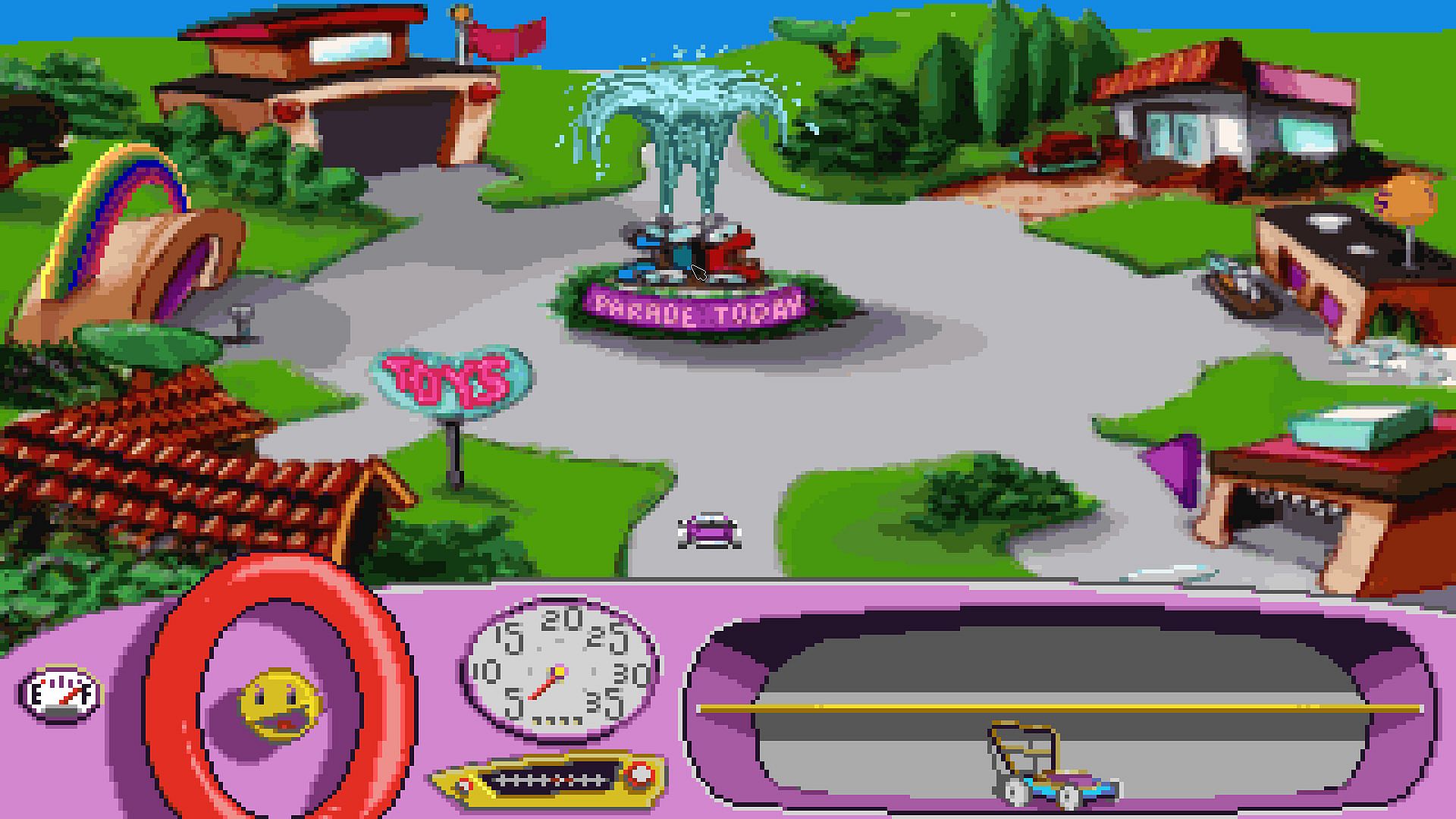
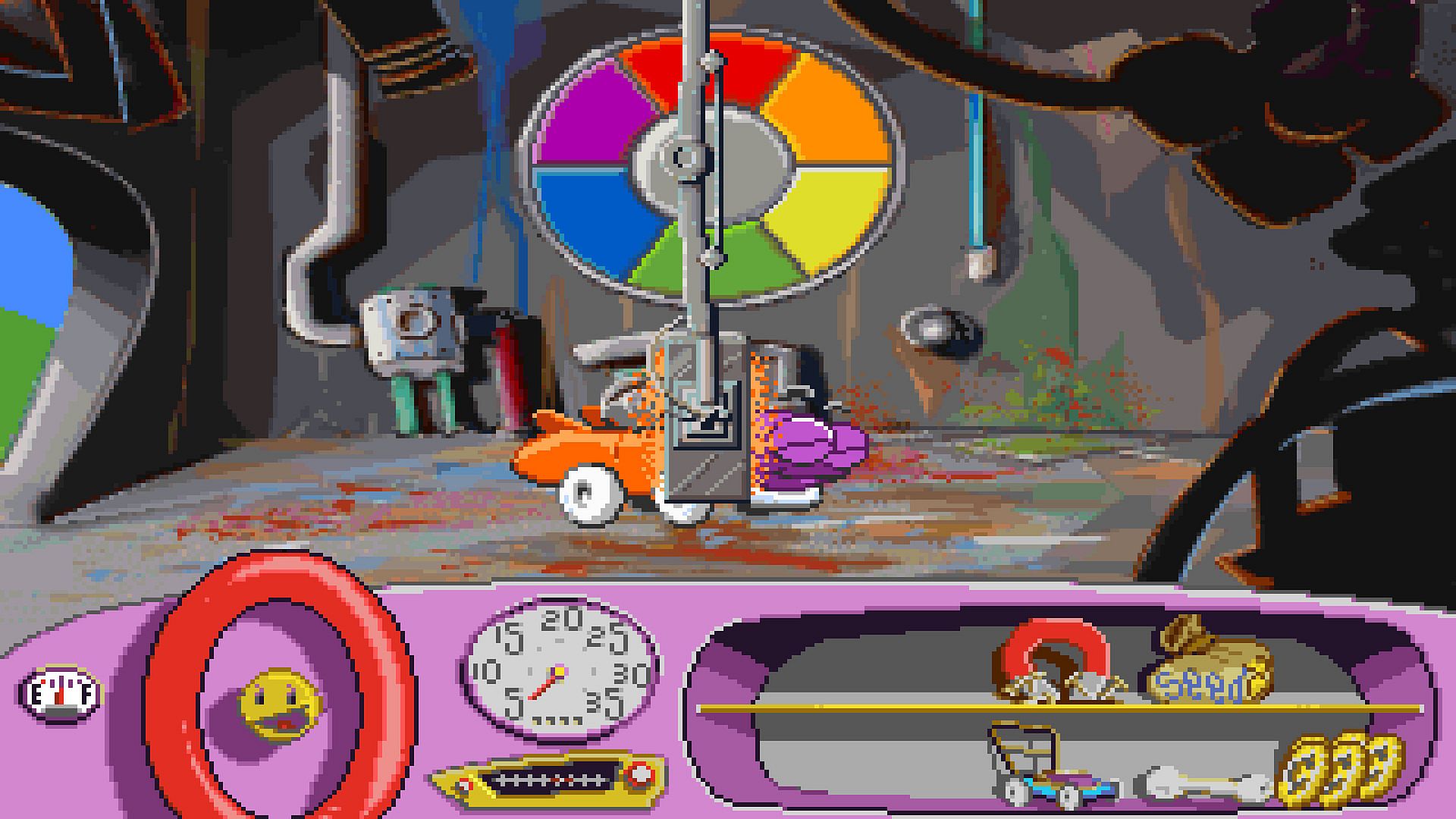
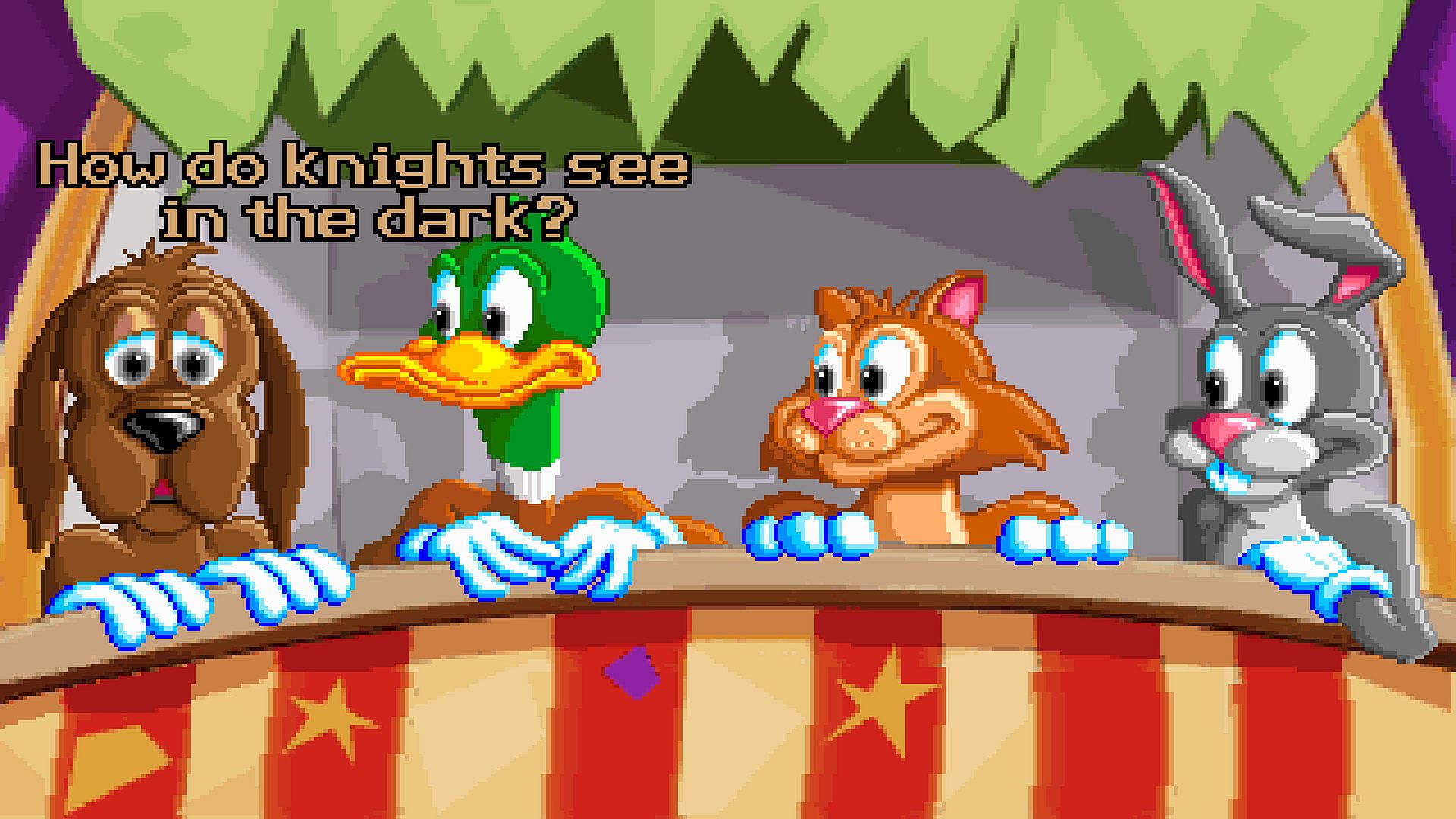
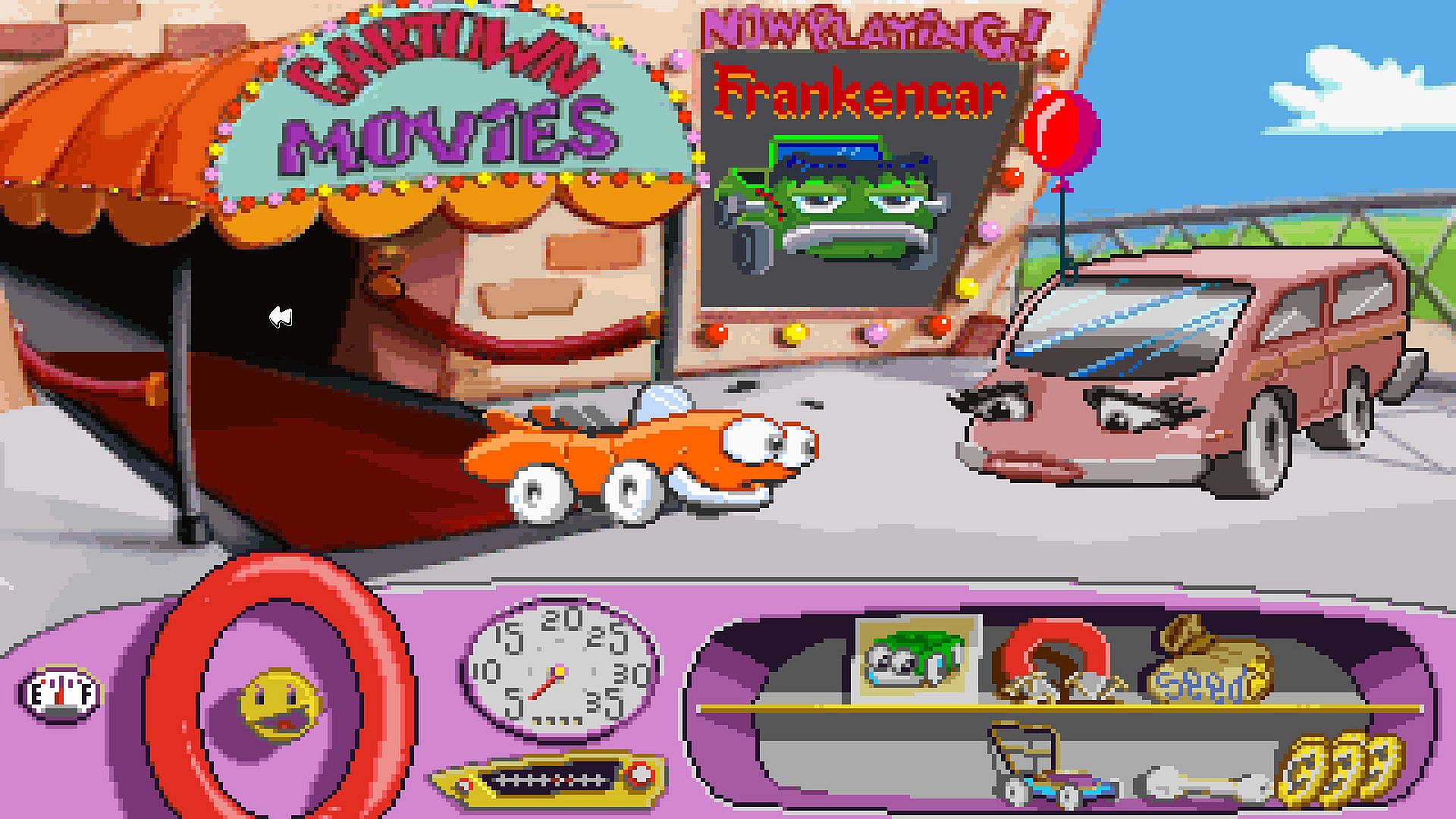
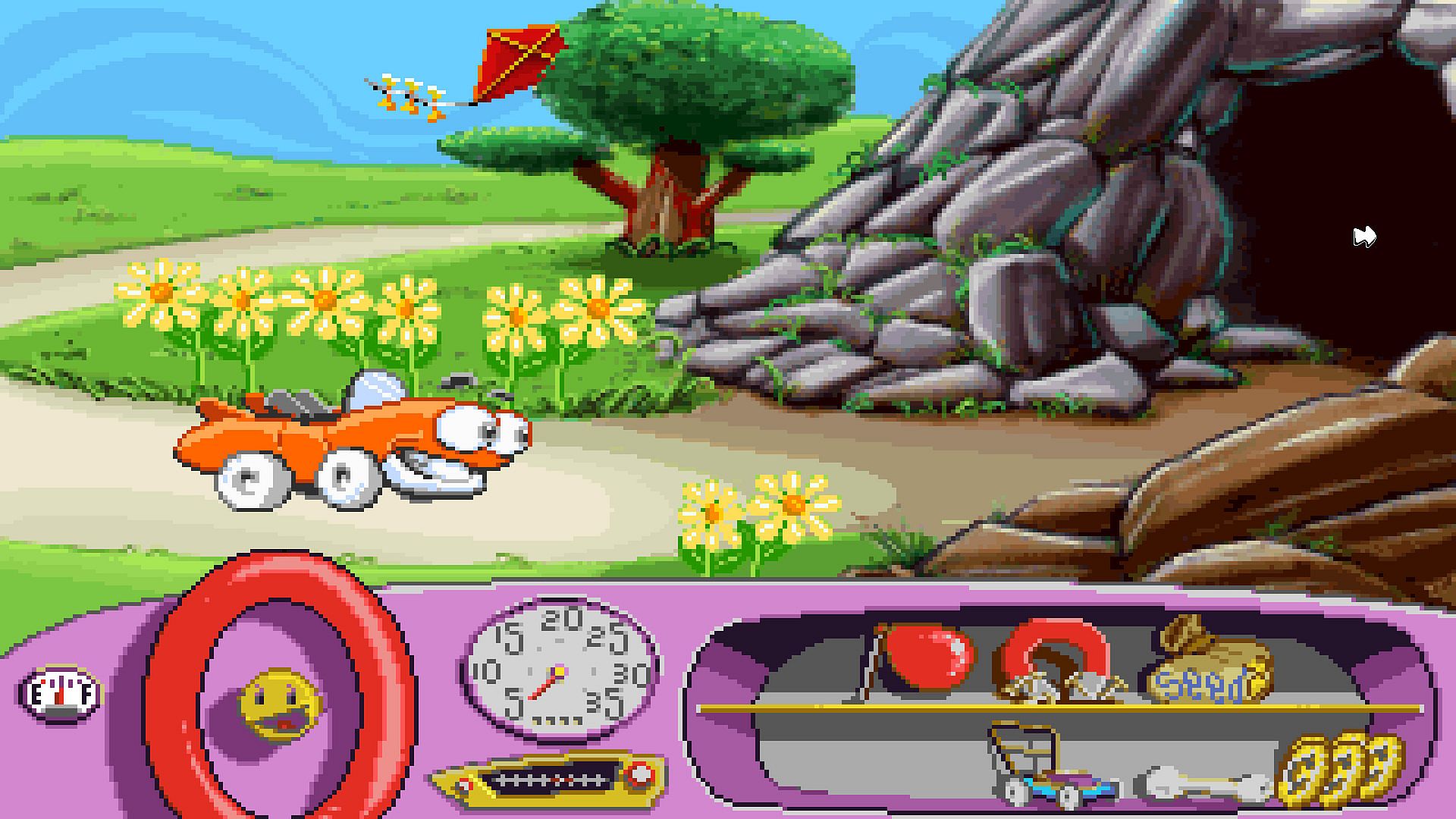
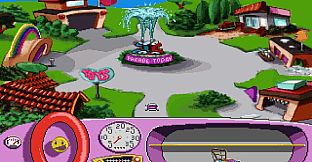
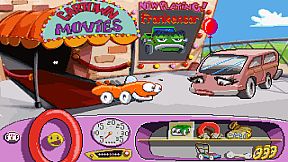
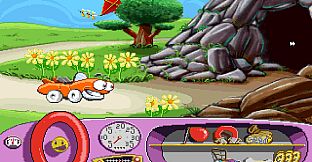
The core loop involves clicking on locations around Cartown to move Putt-Putt between areas such as streets, shops, and homes. Players collect items that go into an on-screen glove box inventory and then combine or apply them to solve straightforward obstacles. Interactions often trigger short animated sequences or conversations with friendly characters that advance the goal of parade entry. Surprise click points scattered throughout the environments reveal optional animations, such as moving objects or brief character reactions, encouraging thorough exploration without requiring any specific order.
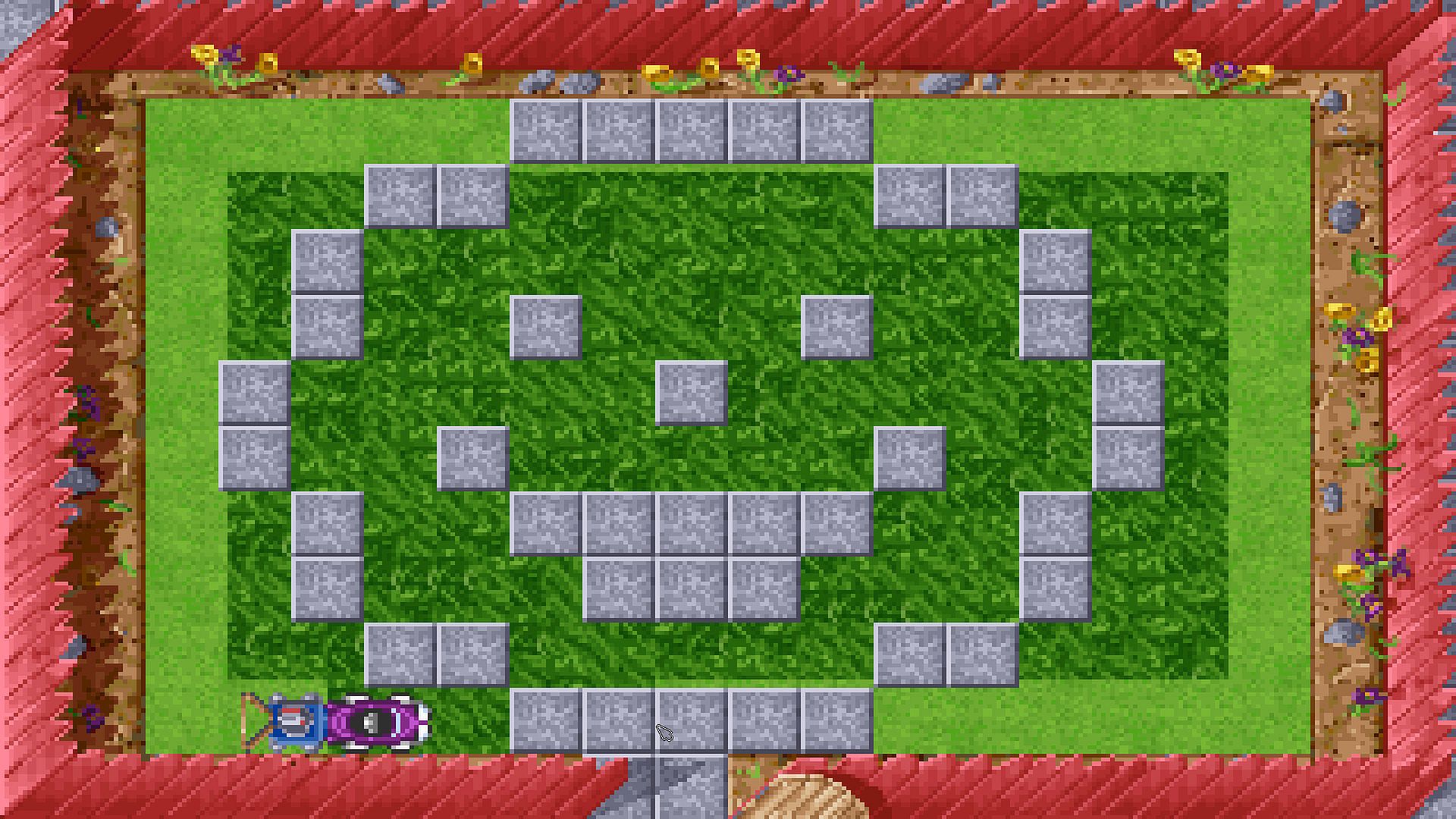
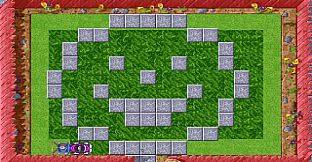
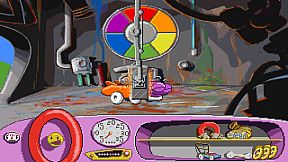
Problem-solving elements appear in the form of roadblocks like wandering cows that must be addressed through observation and item use. Additional activities include helping Putt-Putt get cleaned or painted and learning basic concepts such as earning money for services or recalling an address. A helpful character named Smokey provides guidance through friendly on-screen prompts when players need direction. The interface remains intuitive, with all actions handled by mouse clicks on visible elements, and the entire session typically lasts between ten and thirty minutes depending on how many optional interactions a player pursues.
Game Modes
The game operates exclusively in single-player mode. There are no separate campaigns, multiplayer options, or alternate difficulty settings. Every playthrough follows the same central objective of preparing for the parade, though the order of exploration and discovery of hidden click points can vary slightly from one session to the next. This structure keeps the focus on repeated, relaxed visits that reinforce the same educational themes of planning ahead and assisting others.
Educational Elements and Presentation
Throughout the adventure, players encounter situations that highlight practical skills such as dealing with unexpected delays and performing small helpful tasks for other characters. Visuals feature bright, cartoon-style backgrounds with smooth animations that respond to clicks, while sound design includes character voices and simple effects that match on-screen actions. The presentation avoids any competitive scoring or time pressure, allowing children to experiment freely with the environment. Replays often surface new details because many interactive spots produce different results on subsequent visits.
Is It Worth Playing?
This title suits preschool and early elementary children who enjoy gentle point-and-click adventures. Its short length and forgiving design make it an accessible first experience with the genre, while the emphasis on helping others and basic problem-solving provides light educational value. Adult players may appreciate the nostalgic charm and occasional humorous animations, though the straightforward progression offers limited depth for those seeking longer challenges. The game remains available on PC through its current digital release and continues to function reliably on modern systems via its ScummVM implementation. Players seeking a quick, wholesome activity for young children will find consistent enjoyment across multiple short sessions.