


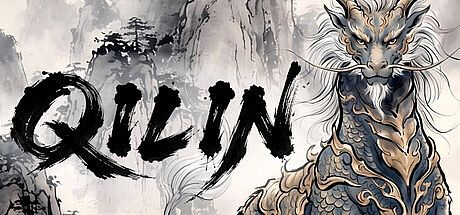


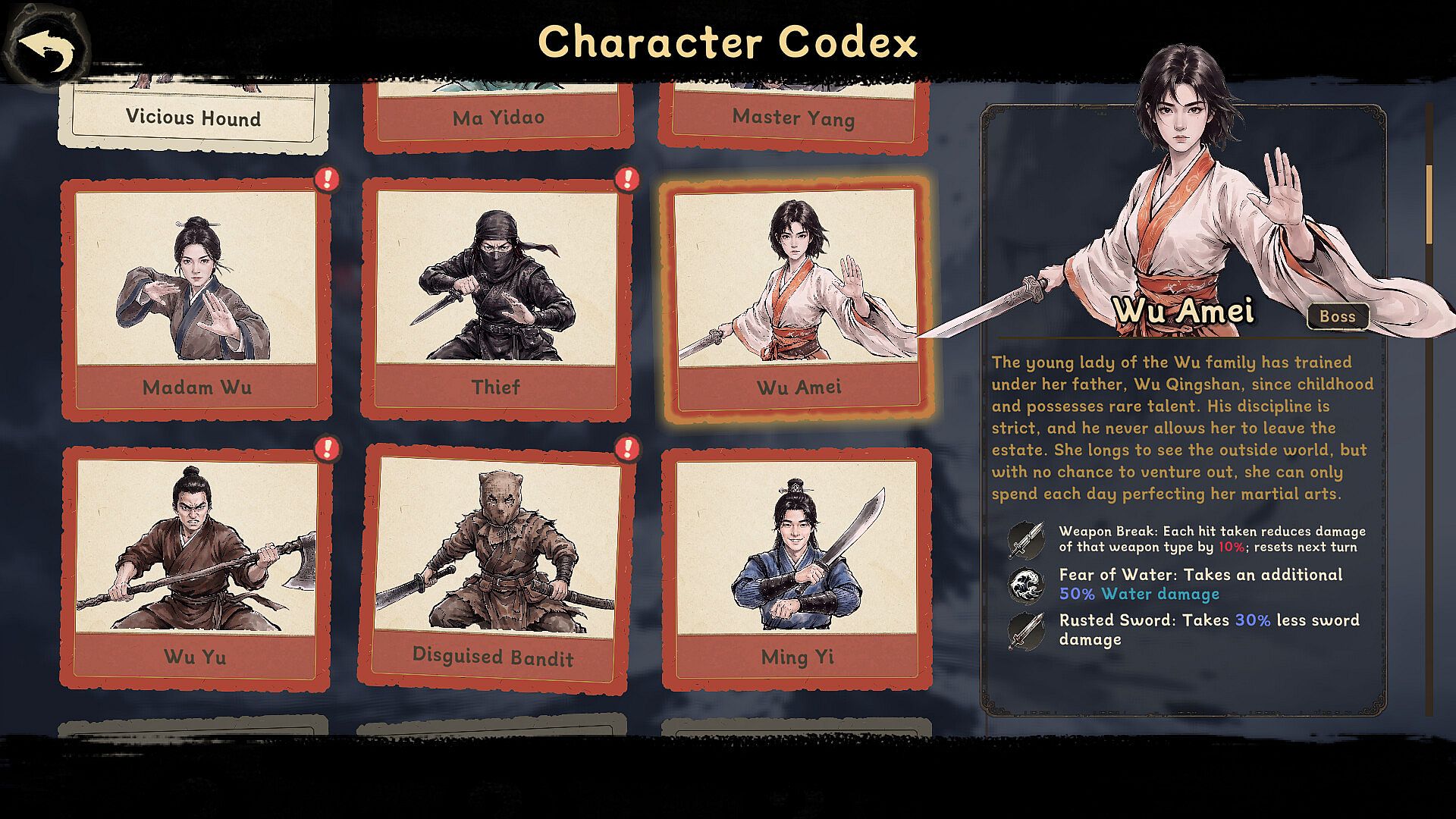
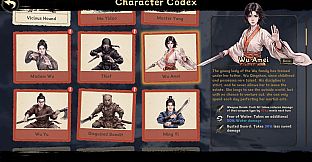
Qilin is a single-player wuxia strategy card game that centers on weapon-based deckbuilding. Players step into the role of Ahao, an unremarkable martial arts student who gains a legendary Qilin weapon and sets out to build a full arsenal while mastering manuals and facing escalating threats. The experience blends turn-based combat with collection and customization, all framed in a classic wuxia setting of martial heroes, trials, and inner demons.
Gameplay
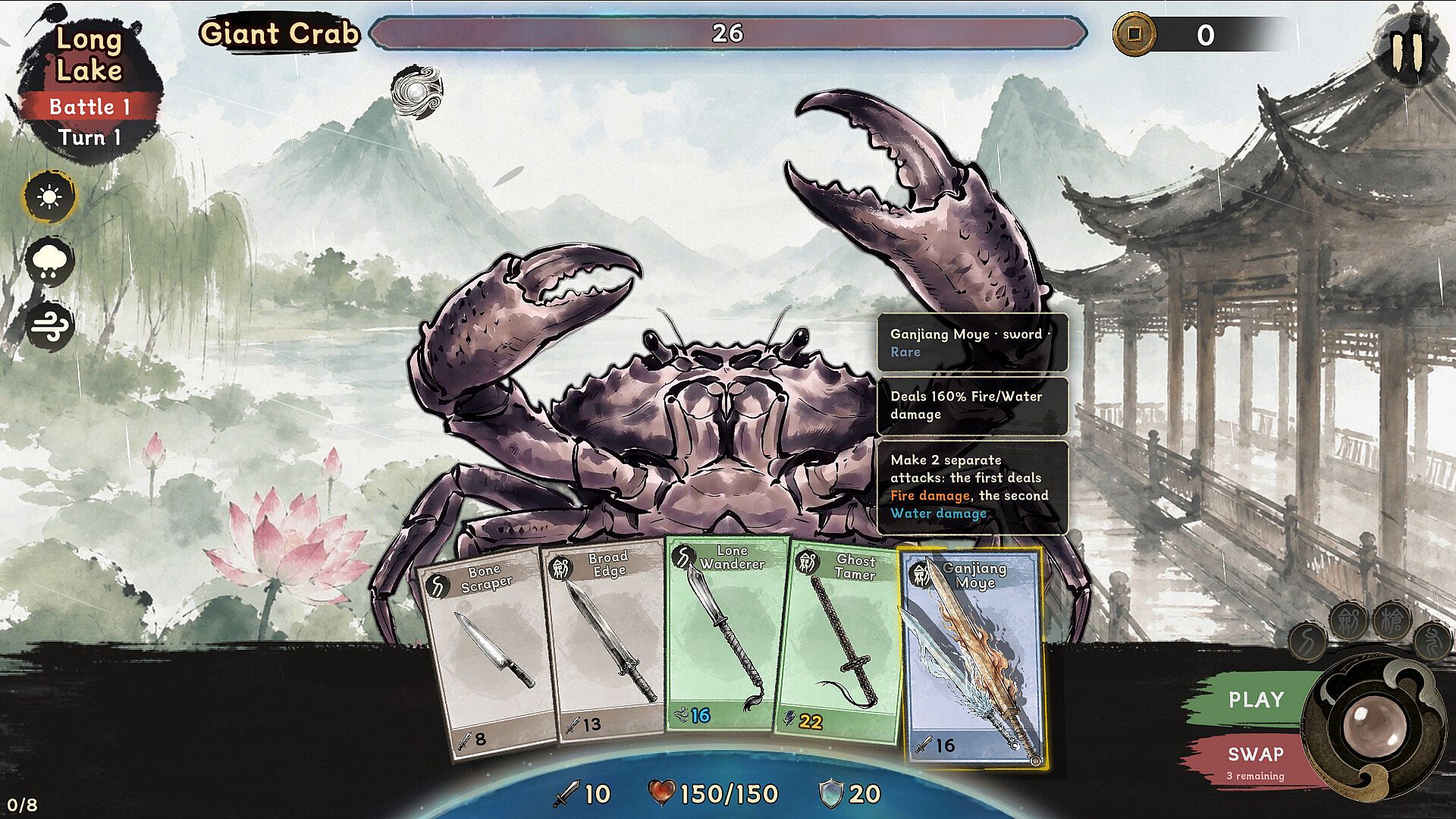
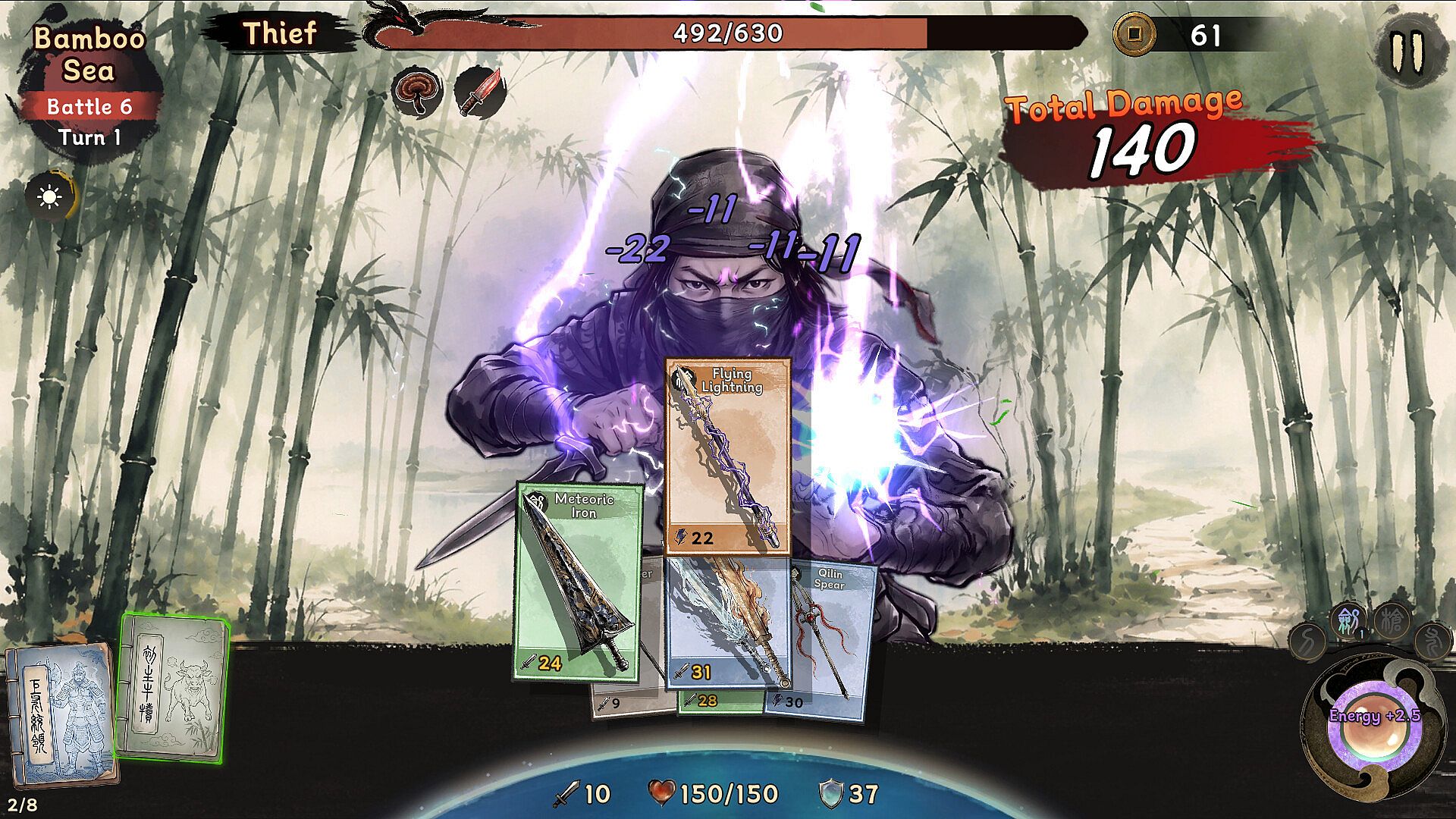
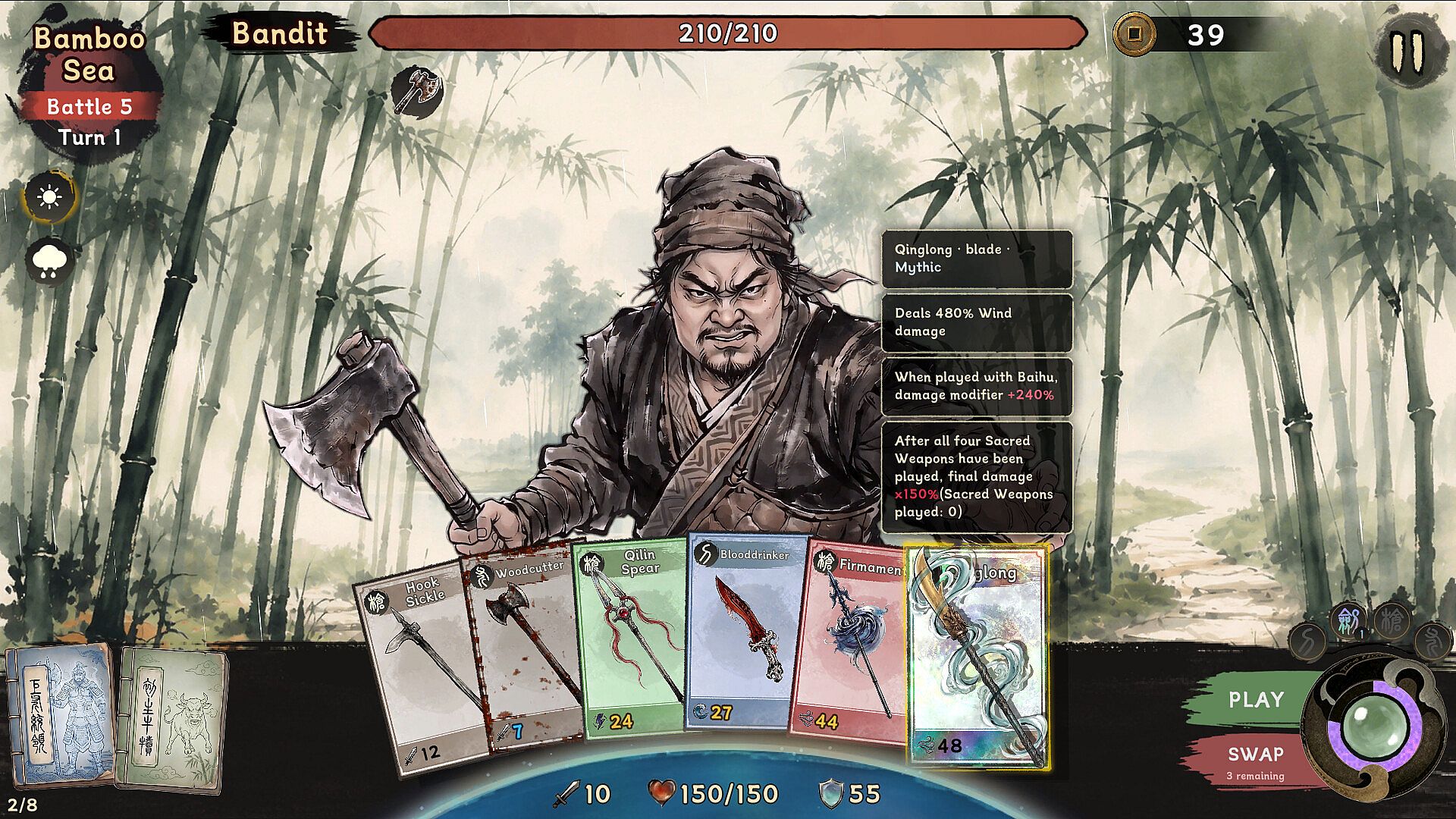
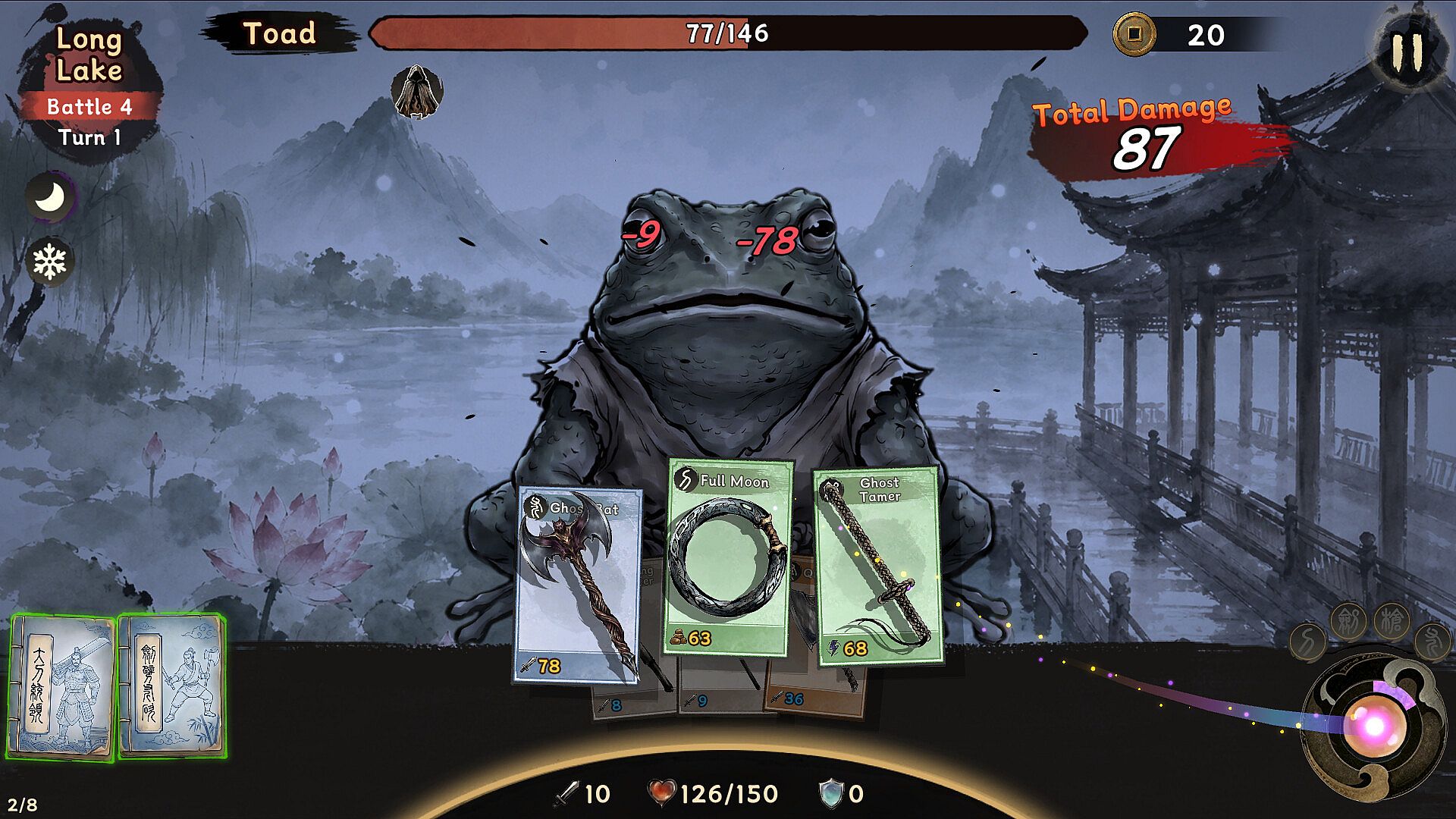
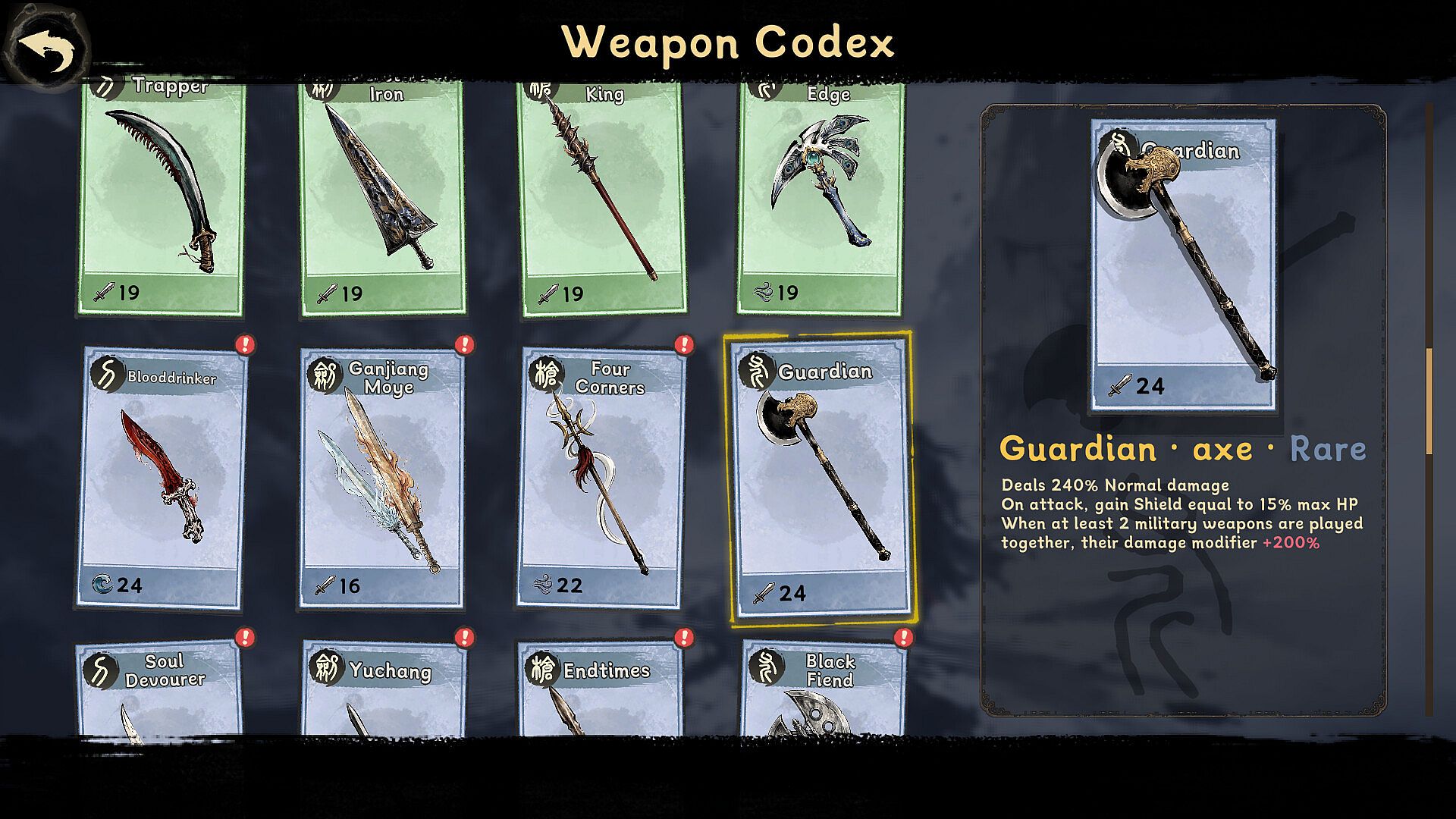
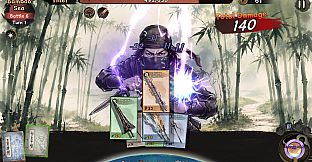
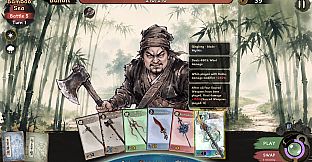
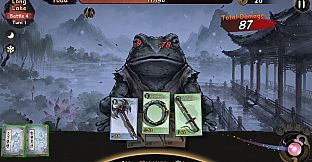
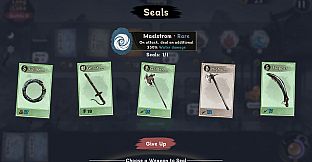
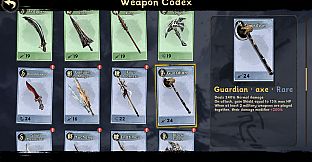
Each turn begins with drawing weapons from a deck that holds more than 60 distinct cards across four types: blades, spears, swords, and axes. These cards carry individual damage values, cooldown periods measured in turns, and unique skills. Players choose how many weapons to play in a single turn, selecting combinations of types, rarities, and elemental affinities to trigger chained effects and synergies. Higher-rarity weapons deliver stronger abilities but often require longer recovery times before reuse.
A core system revolves around accumulating Qilin Energy during fights to summon and upgrade a personal Qilin weapon. This special card evolves through five rarity tiers, each granting escalating benefits such as hand-slot efficiency, permanent damage boosts to matching weapon types, health restoration that converts excess into shields, or multipliers that double final damage for entire groups of weapons played together. The Qilin weapon shifts from a supporting card into the centerpiece of most builds as its power grows.
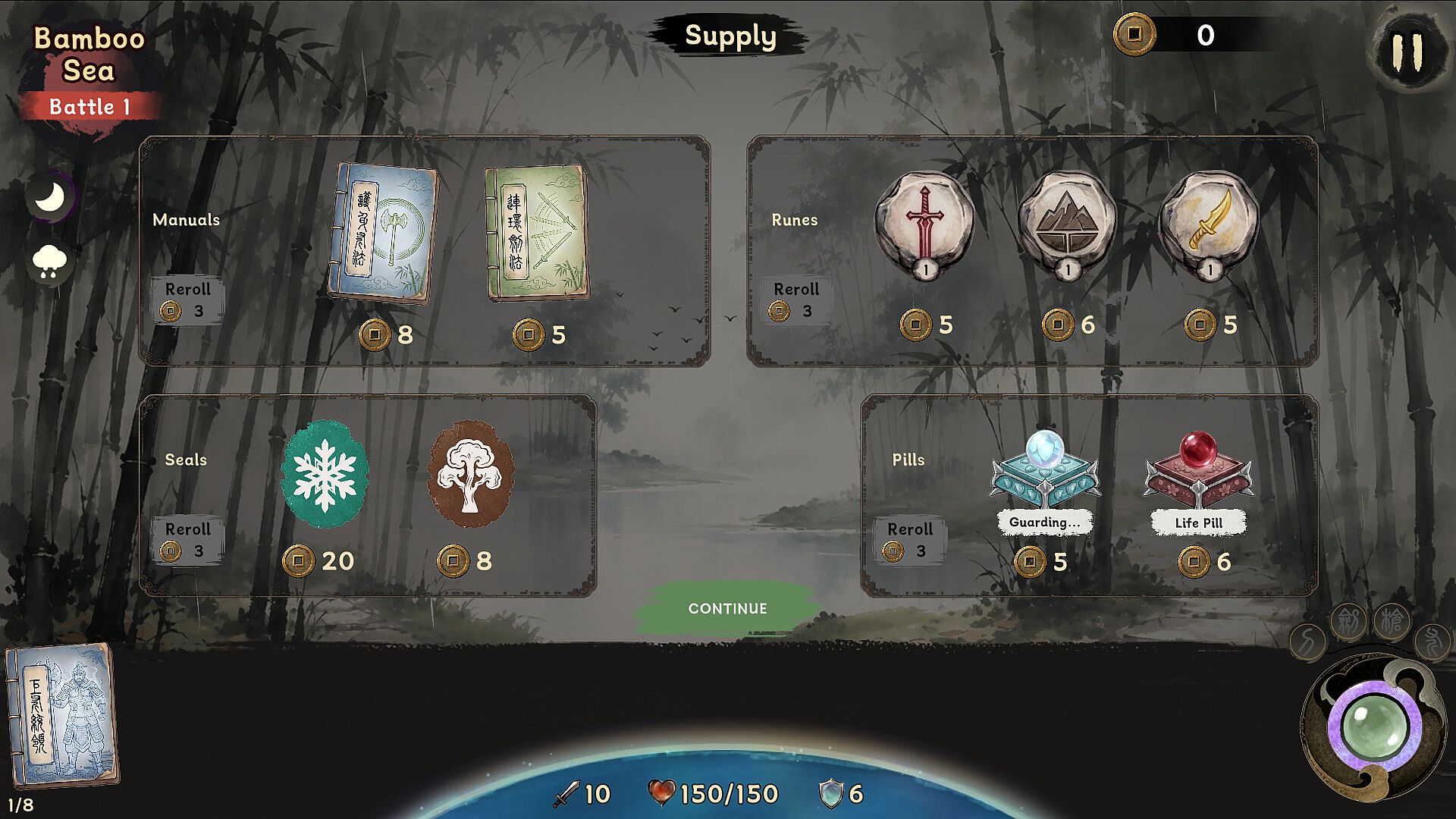
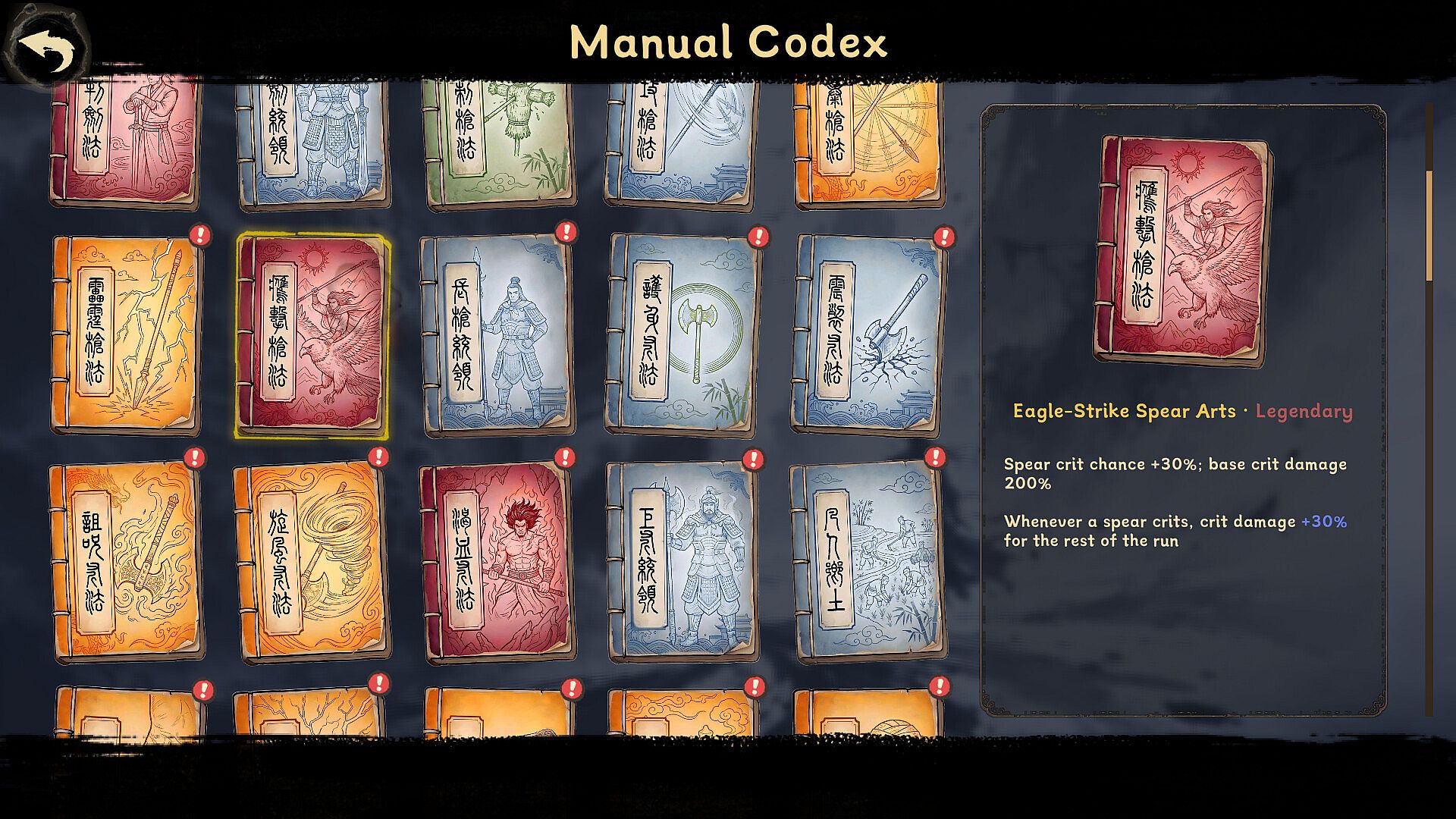
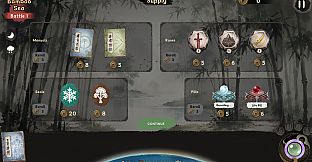
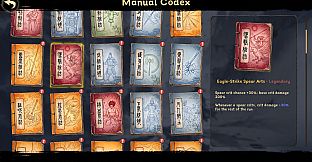
Over 100 manuals add another layer of decision-making. These cards activate only when specific conditions are met, including weapon type or rarity counts, elemental matches, or current health values on either side. Successful turns often chain multiple manuals by carefully arranging the weapons played, turning the same set of cards into varied outcomes depending on the triggers aligned. Runes and pills provide further customization, with nine runes enhancing weapon or elemental categories and thirteen pills boosting attack, health, healing, shields, energy, or resources.
Game Modes
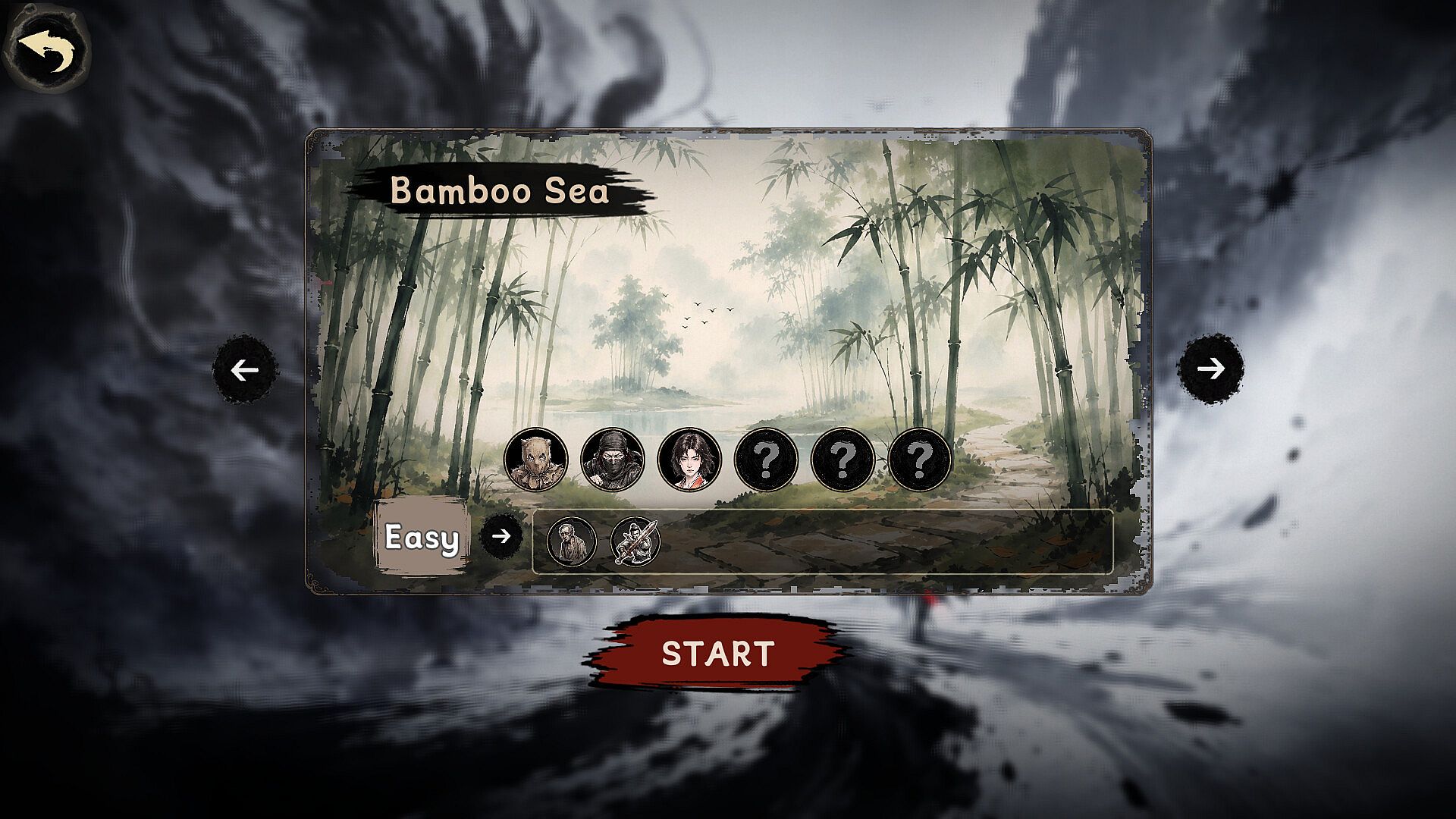
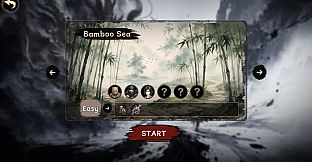
The primary progression follows a chapter-based structure. Players clear successive story chapters by defeating foes and refining their decks, advancing Ahao from his initial trial failure toward greater mastery. Each chapter introduces new opponents and opportunities to expand the collection of weapons and manuals.
After completing the main chapters, the Inner Demon Tower becomes available as a distinct endurance challenge. This mode consists of 99 floors where enemy strength increases steadily. Reaching specific milestones unlocks additional hidden weapons that expand future deck options. The tower emphasizes repeated testing of deck strength and tactical judgment under mounting pressure, offering a separate loop from the narrative chapters.
Progression and Customization
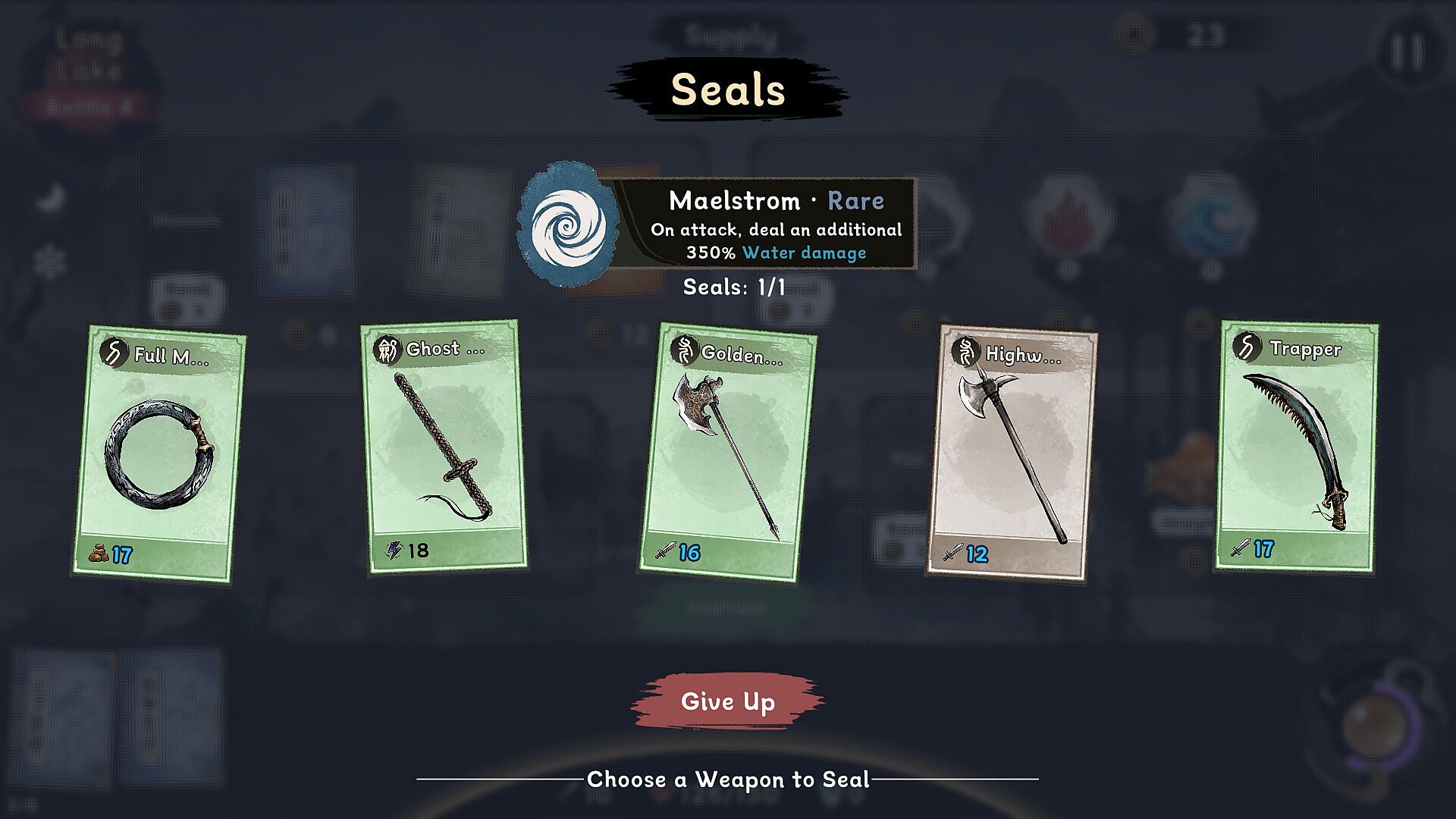
Collection drives long-term engagement. Weapons span six rarities from common to mythic, each with distinct cooldowns and skills that reward careful hand management and timing. Players experiment with archetypes by pairing weapon types with matching manuals and support items, then refine those builds using runes and pills chosen for the current encounter. The Qilin weapon's upgrades further personalize every run, allowing different rarity paths to emphasize offense, sustain, or group amplification.
Resource management adds depth to each fight. Limited plays per turn force prioritization, while enemy states and health thresholds influence which manuals can fire. Successful strategies often revolve around setting up conditions that activate several manuals in sequence, creating explosive turns from modest individual cards.
Is It Worth Playing?
Qilin targets players who enjoy single-player deckbuilding strategy games with layered systems and incremental power growth. Its weapon-focused mechanics and condition-based manuals reward careful planning and adaptation over rote power spikes. The chapter structure provides a guided narrative path, while the Inner Demon Tower supplies repeatable high-stakes challenges for those seeking deeper optimization.
Because the game remains in a coming-soon state with no public reviews available, prospective players should evaluate the core loop of drawing weapons, chaining synergies, and upgrading a signature card. Those drawn to wuxia themes, turn-based card combat, and extensive customization options will find the most direct appeal. Availability on PC with single-player focus and Steam achievements positions it as a contained experience suited to fans of deliberate, build-oriented gameplay rather than fast-paced action or multiplayer competition.












