


















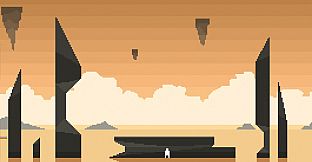
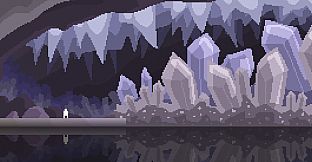

Qora stands as a 2014 indie adventure title developed for PC that centers on exploration and narrative discovery in a pixel-art world. Players take the role of a newcomer settling into a remote village and venture into surrounding valleys filled with mystery. The experience emphasizes walking through hand-painted landscapes, interacting with residents, and uncovering hidden elements through a mystical ability rather than combat or complex systems.
Gameplay
The core loop revolves around traversing surreal environments at a deliberate pace while engaging with the setting through dialogue and observation. A mysterious power allows players to reveal details about the surroundings and access secrets scattered across the valleys. This mechanic supports the story without introducing timers, combat, or resource management. Movement feels unhurried, encouraging players to examine each area thoroughly before progressing.
Dialogue with non-player characters forms a major part of the experience. The writing delivers quirky exchanges that highlight the personalities of the village inhabitants and other figures encountered along the way. These conversations advance the plot and provide context for the mystical elements present in the landscape. The game avoids branching choices during most interactions, keeping the focus on absorption of the tale as it unfolds.
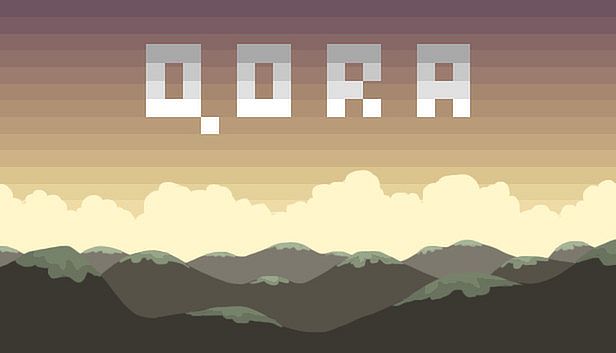
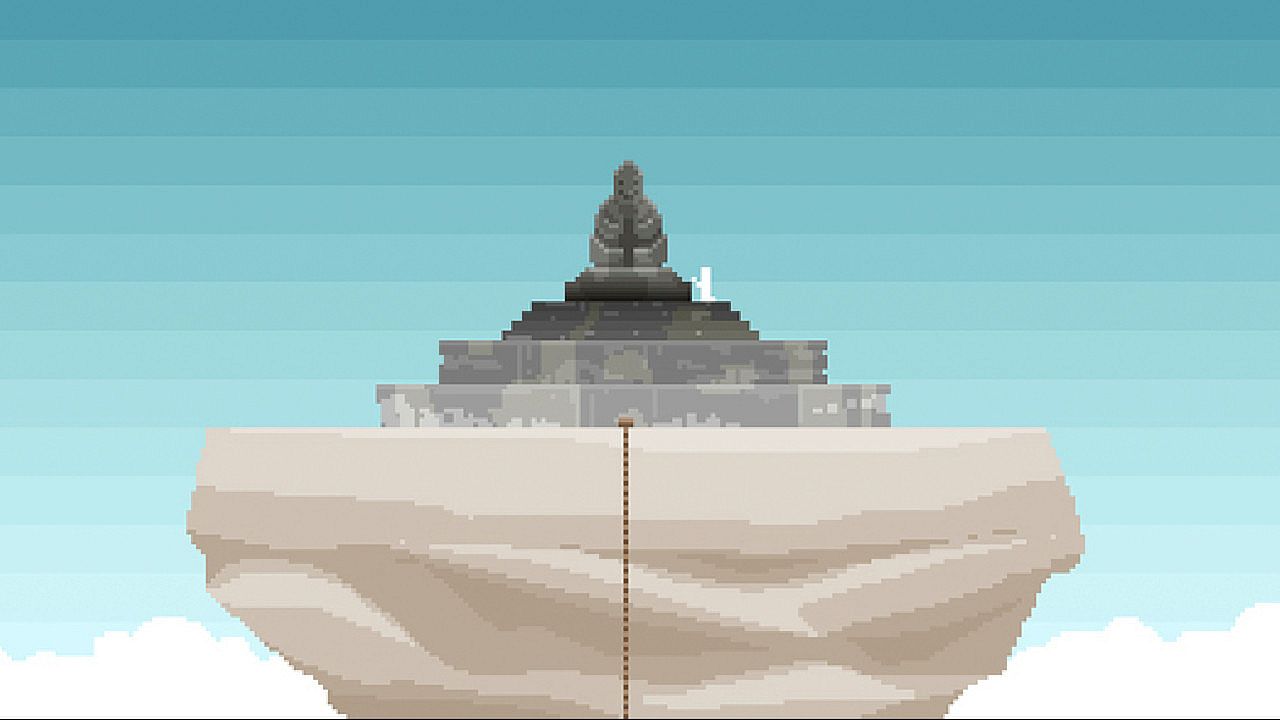
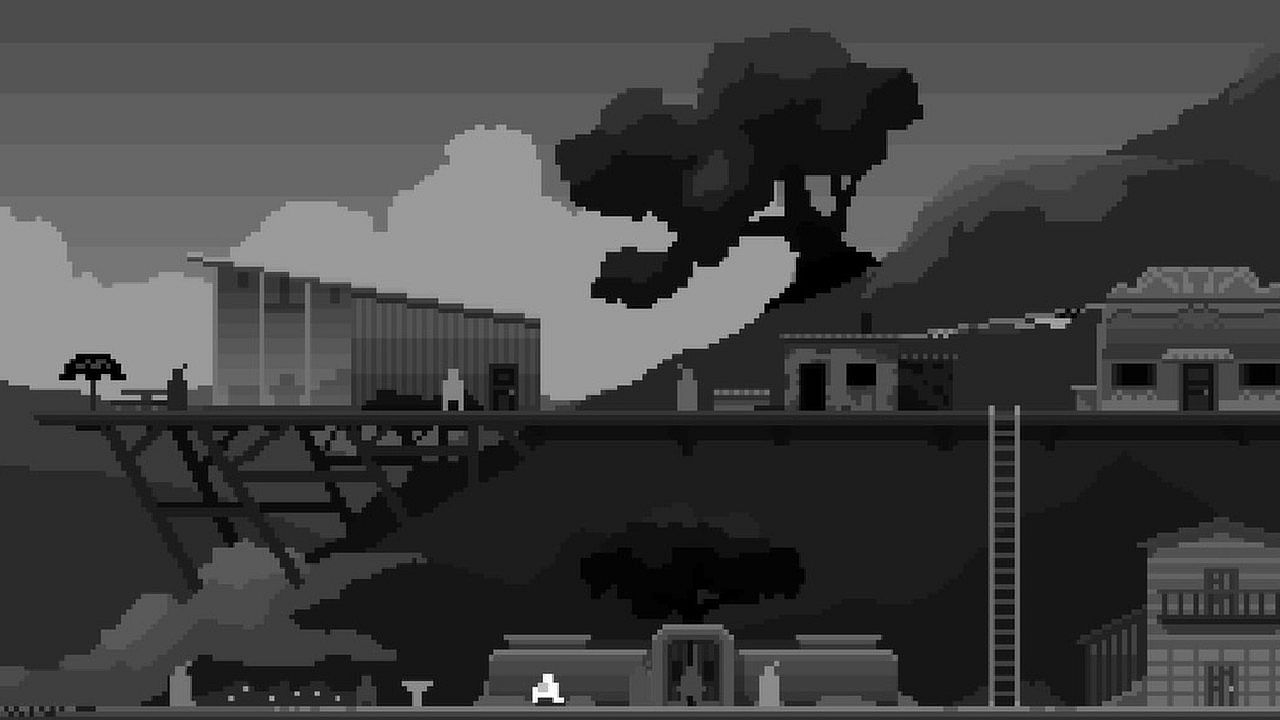
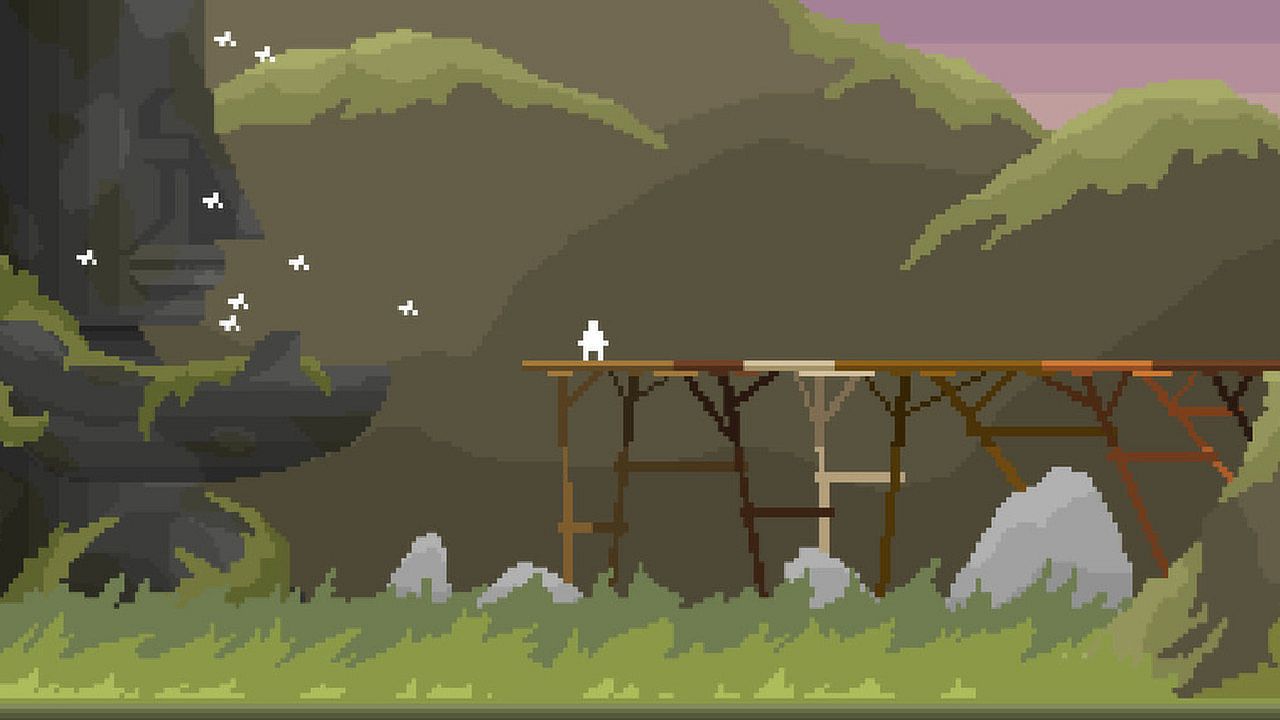
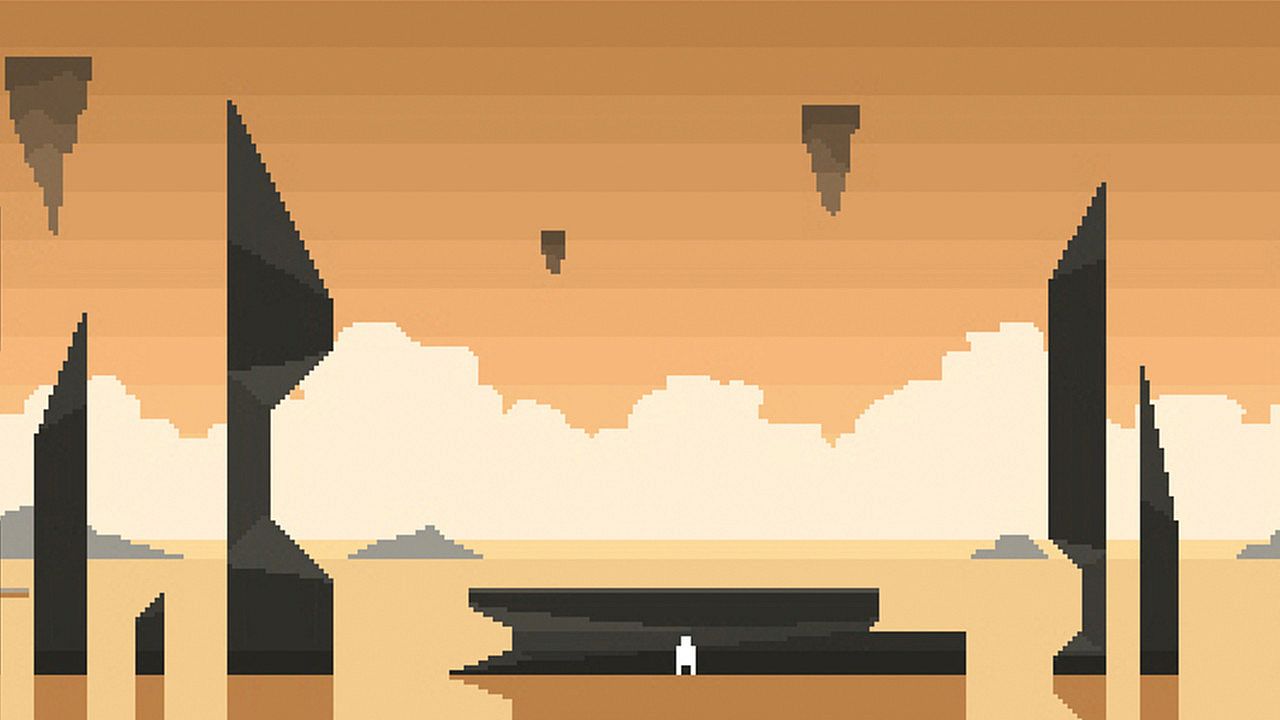
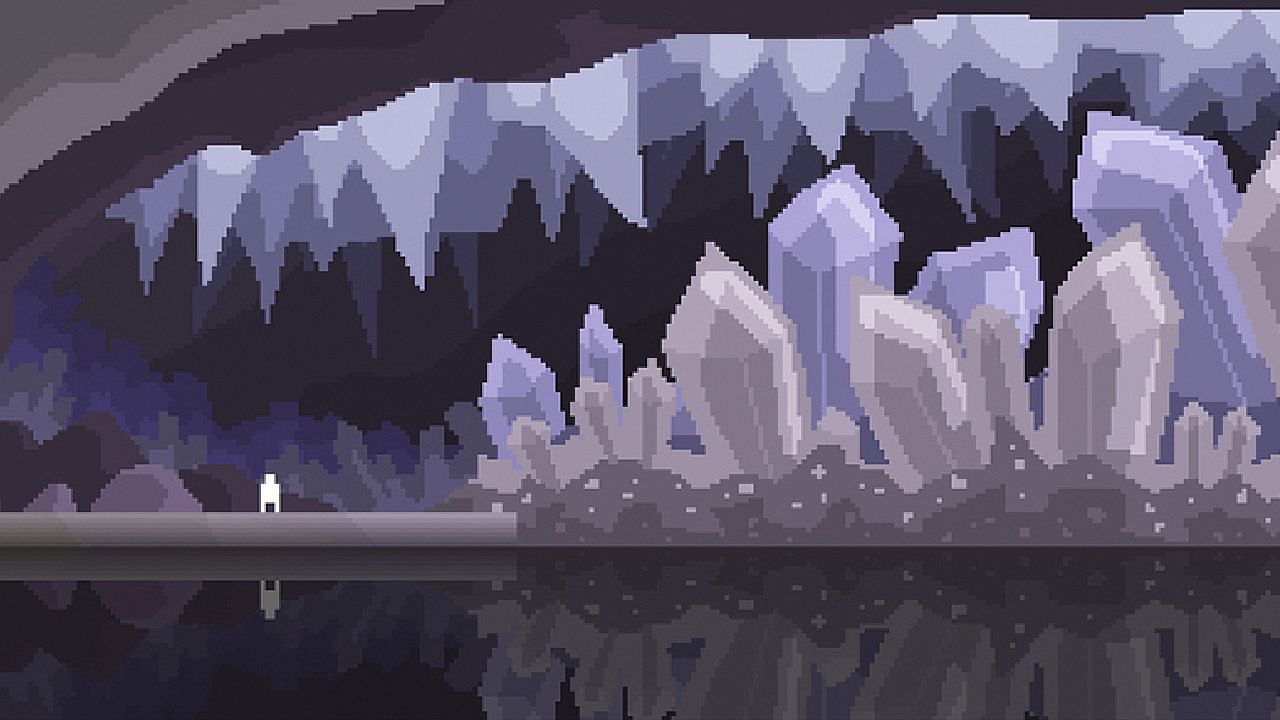
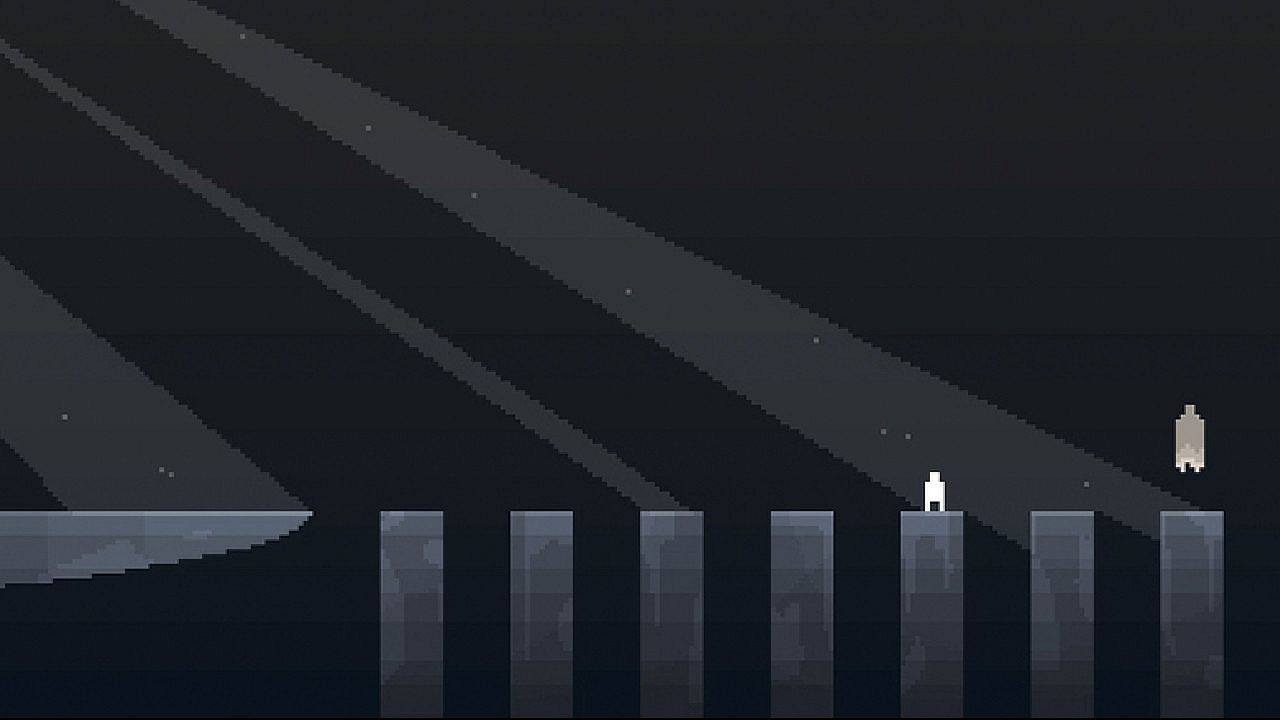
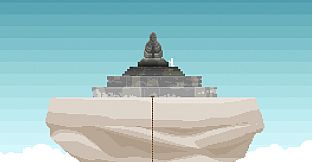
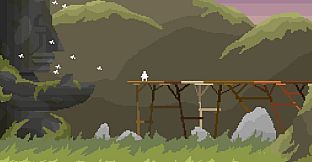
Pixel-art visuals depict varied terrains that shift from pastoral valleys to more abstract and dreamlike zones. Each location receives careful attention to color and detail, creating a cohesive artistic style that supports the sense of quiet discovery. A low-fi soundtrack plays throughout, with simple looping tracks that match the tone of different regions and reinforce the atmospheric quality of the journey.
Game Modes
Qora offers a single-player narrative experience without separate game modes or multiplayer options. The structure follows a linear path through the story, though the inclusion of multiple endings encourages replaying the adventure to see alternate conclusions. No competitive, cooperative, or challenge-based variants exist, and the title does not feature seasons, updates, or additional content layers beyond the original release.
Progression relies on exploration and interaction rather than levels or skill trees. Players move between areas, speak with characters, and apply the mystical power when prompted by the environment. This approach keeps the focus narrow and consistent from start to finish, with no side activities or optional systems to alter the pace.
Story and World
The narrative follows the protagonist's arrival in a tucked-away village and the gradual revelation of deeper mysteries tied to the surrounding lands. Themes of mortality and personal reflection surface through the events and character encounters, giving the tale a contemplative tone. The world itself functions as an active participant in the story, with its surreal qualities emerging naturally during exploration.
Characters encountered display distinct voices and backstories that enrich the setting without requiring extensive backtracking. The dialogue balances light humor with more introspective moments, creating a memorable cast that players are likely to engage with fully. The overall journey remains self-contained, designed to leave a lasting impression once completed.
Is It Worth Playing?
Reception for Qora sits in mixed territory based on user feedback collected over the years since its 2014 launch. Positive comments often highlight the atmospheric pixel art, soundtrack, and the introspective quality of the story. Critics of the title point to its minimal mechanical depth and short overall length as drawbacks for those seeking more traditional adventure challenges.
The game suits players who value quiet exploration and narrative focus over action or intricate systems. Those drawn to old-school adventure influences and pixel-art presentation may find the deliberate pacing and multiple endings rewarding on subsequent playthroughs. Availability remains straightforward on PC platforms where the original version continues to be offered.
Anyone considering the title should weigh their preference for story-driven walking experiences against the limited scope of interaction. The charming elements and visual style provide a distinct identity, yet the absence of deeper mechanics means it appeals most to a specific audience rather than a broad one. Multiple endings add replay value for completionists who enjoy uncovering every narrative branch.